• Twenty47HealthNews
  • Health & Wellness
  • Disclaimer
    • Terms of Use
    • Privacy Policy
    • DMCA Notice
  • Twenty47HealthNews
  • Health & Wellness
  • Disclaimer
    • Terms of Use
    • Privacy Policy
    • DMCA Notice
24/7 Health News
No Result
View All Result
Struggling with energy, weight, or blood sugar?
Get personalized medical & wellness support at My Healing 365.
Book Your Wellness Strategy Session
Home Article

Chronic pain is missing from America’s heat warnings

August 10, 2026
in Article
Chronic pain is missing from America’s heat warnings

When a heat wave arrives, the public health advice follows a familiar script: drink water, watch for heat stroke, check on people with heart or lung conditions. That list saves lives. But it leaves out something that shapes daily life for millions of older Americans – chronic pain.

In a new study, public health professor Kai Zhang and I followed over 35,000 adults over age 50 across two decades, matching each person and their reports of chronic pain to the temperature history of their neighborhood.

We wanted to know whether living with extreme heat or cold – not one bad week, but months or years – changes whether pain interferes with people’s lives.

The results suggest that chronic pain deserves a place in how the country prepares people for extreme weather. They also show that rural residents may be the least protected.

Table of Contents

  • What high-impact pain means
  • What we found
  • Three key lessons

What high-impact pain means

Researchers use the term high-impact chronic pain for pain lasting at least three months that limits what a person can do: work, socializing and self-care. It is not occasional aching. It is pain that affects your decisions.

For adults over 50, that matters enormously. Pain that makes it hard to stand, carry groceries or sleep through the night is a leading reason people lose the ability to live on their own.

Elevate Your Health for Just $29.99/Month

Join the Precision Wellness Subscription at My Healing 365 and get discounted services, priority coaching access, virtual care, and exclusive wellness resources to support your physical, emotional, and hormonal health.

Join for $29.99/Month

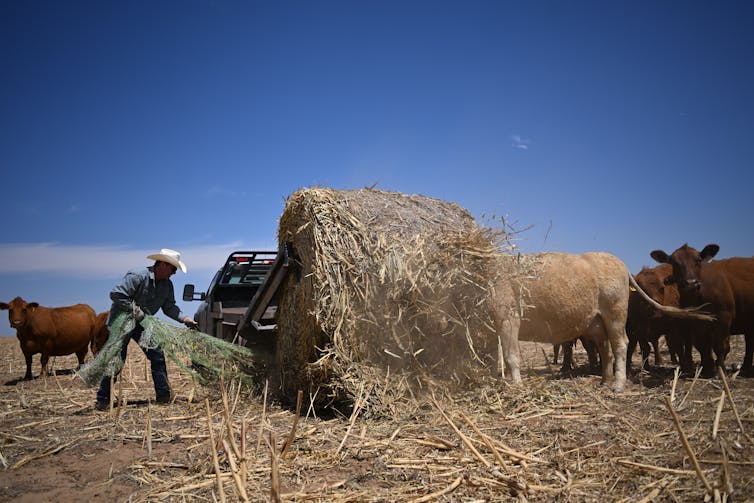
A farmers in hat, boots and long sleeves and jeans drops off hay for cattle.

Farmers and ranchers have to be out in the heat, and chronic pain can’t slow them down.
Mark Makela/Getty Images

Temperature affects the body in different ways that can lead to pain:

Cold appears to increase pain sensitivity and stiffen joints, which is why people with arthritis often brace for winter.

Heat affects the body through dehydration, broken sleep and the way it quietly shrinks the range of things a person is willing to do in a day. On hot days, for example, people may walk less, and less movement can lead to stiffer joints and weaker muscles, which makes the pain worse.

What makes heat waves dangerous is often not the afternoon temperature peak but the hot nights that don’t cool off, leaving the body with no opportunity to recover.

What we found

We tracked when each neighborhood hit temperatures that were extreme for that place. A day topping 84 degrees Fahrenheit (28.9 Celsius) in Maine, for example, would be among the hottest 5% of days there over the past decade. In Houston, meanwhile, it would have to reach 96 F (35.4 C) to be in the top 5% for heat, considered extreme.

We compared every community against its own 10-year record rather than a single national cutoff to see how months or years of exposure to extreme cold or heat temperatures in those communities affected their residents.

Two things stood out:

Among the one-fifth of our sample who lived with many extreme-cold days, reports of high-impact pain went up. However, those facing occasional cold spells didn’t report the same effect. People seemed to adapt to one hard winter, but adapting became harder over years of extreme cold.

Extreme heat was split by geography and by wealth:

  • For urban residents, sustained heat showed no link to developing new pain. For rural residents, the connection was stronger. One likely reason is that people in rural areas may spend more time working outside or have older homes that are harder to cool and less access to cool places.

  • Among the poorest older adults, sustained heat was also associated with a higher chance of developing high-impact pain. Among the wealthiest, it was not, likely because of better access to air conditioning, healthcare and being able to stay out of the heat.

Those who could get out of the heat were least likely to report feeling new chronic pain.

Three key lessons

Nearly every tool U.S. communities use to lower heat risk is designed for a city environment: cooling centers, tree canopy programs, urban heat island maps.

Rural areas have different challenges. Rural homes are often older and harder to keep cool. Energy costs tend to take a larger share of income. On top of that, rural hospitals have been closing across the country, leaving residents driving farther to reach healthcare.

A view across a small rural town.

Rural homes are often older and more expensive to cool and heat.
Scott Olson/Getty Images

Agriculture has the oldest workforce in the country – the average producer with decision-making roles on a farm is now about 58 years old, and nearly 40% of the farmland is owned by farmers who are 65 or older. Retirement does not move people out of the heat in rural areas, either.

The findings hold three key lessons for helping older adults:

  1. Chronic pain belongs on lists of heat-related health risks, in our view. State and county heat plans flag cardiac and respiratory patients, but not the people whose independence depends on managing pain. With warning, people can plan ahead and get help, knowing chronic pain may worsen.

  2. Cooling assistance programs need to be tailored to rural needs – the weatherization, energy assistance and delivery through trusted local channels that those homes need – rather than offering scaled-down versions of urban programs.

  3. In the clinic, a patient’s housing and local climate details belong in their documented pain history, next to diagnosis and medication, to help better direct treatment.

Rising global temperatures are increasing the risk that people will be exposed to extreme heat for weeks at a time. In one high-risk summer, 2024, Phoenix saw 39 days with temperatures that didn’t drop below 90 F (32.2 C), even at night.

So, if you have a parent or grandparent facing a heat wave, particularly in a rural area, consider asking not just whether they’re drinking enough water to stay healthy but also whether their back or knees have been worse than usual. The pain may be connected.


ShareTweetSharePin
Next Post
Car hire firm told me I was a ‘no-show’ so I lost £185

Car hire firm told me I was a ‘no-show’ so I lost £185

Most Read

What causes stuttering? A speech pathology researcher explains the science and the misconceptions around this speech disorder

What causes stuttering? A speech pathology researcher explains the science and the misconceptions around this speech disorder

December 15, 2022
In war-torn Iran, air pollution from burning oil depots and bombed buildings unleashes invisible health threats

In war-torn cities, air pollution from burning oil depots and bombed buildings unleashes invisible health threats

March 25, 2026
3 women stroke prevention

Silent Stroke Symptoms in Women: What You Might Be Overlooking

February 27, 2026
morning back pain

Morning Again Ache Trigger Is Not the Mattress

October 11, 2021
Socialising, work, exercise: what makes a good day and is there a ‘formula’ for making it better?

Socialising, work, exercise: what makes a good day and is there a ‘formula’ for making it better?

April 12, 2026

4 steps to building a healthier relationship with your phone

January 28, 2025
lower back pain relief exercises

5 decrease again ache aid workouts

October 11, 2021

Why Circadian Rhythms Matter for Your Health

July 30, 2024
bleeding in gum

When The Bleeding in gum Is Severe ?

October 11, 2021
Good Night Sleep

6 Causes of Good Evening Sleep

October 11, 2021
3 years after legalization, we have shockingly little information about how it changed cannabis use and health harms

3 years after legalization, we have shockingly little information about how it changed cannabis use and health harms

October 15, 2021
Nasal vaccines promise to stop the COVID-19 virus before it gets to the lungs – an immunologist explains how they work

Nasal vaccines promise to stop the COVID-19 virus before it gets to the lungs – an immunologist explains how they work

December 14, 2022
Kick up your heels – ballroom dancing offers benefits to the aging brain and could help stave off dementia

Kick up your heels – ballroom dancing offers benefits to the aging brain and could help stave off dementia

January 3, 2023
Biden is getting prostate cancer treatment, but that’s not the best choice for all men − a cancer researcher describes how she helped her father decide

Biden is getting prostate cancer treatment, but that’s not the best choice for all men − a cancer researcher describes how she helped her father decide

May 20, 2025
Ten small changes you can make today to prevent weight gain

Ten small changes you can make today to prevent weight gain

October 12, 2021

COVID vaccines: how one can pace up rollout in poorer international locations

October 5, 2021
GLP-1 drugs may fight addiction across every major substance, according to a study of 600,000 people

GLP-1 drugs may fight addiction across every major substance, according to a study of 600,000 people

March 6, 2026

Multiple sclerosis: the link with earlier infection just got stronger – new study

October 12, 2021
Support and collaboration with health-care providers can help people make health decisions

Support and collaboration with health-care providers can help people make health decisions

December 16, 2021
Greece to make COVID vaccines mandatory for over-60s, but do vaccine mandates work?

Greece to make COVID vaccines mandatory for over-60s, but do vaccine mandates work?

December 1, 2021
Five ways to avoid pain and injury when starting a new exercise regime

Five ways to avoid pain and injury when starting a new exercise regime

December 30, 2022

This Simple Hygiene Habit Could Cut Your Risk of Stroke, New Research Reveals

February 1, 2025

Maximize Your Performance – Sync with Your Circadian Rhythms

August 9, 2024
woman covered with white blanket

Exploring the Impact of Sleep Patterns on Mental Health

August 4, 2024
Six ways to improve your cat’s one wild and precious life

Six ways to improve your cat’s one wild and precious life

June 6, 2026
Four ways to avoid gaining weight over the festive period – but also why you shouldn’t fret about it too much

Four ways to avoid gaining weight over the festive period – but also why you shouldn’t fret about it too much

December 22, 2022
GPs don’t give useful weight-loss advice – new study

GPs don’t give useful weight-loss advice – new study

December 16, 2022
As viral infections skyrocket, masks are still a tried-and-true way to help keep yourself and others safe

As viral infections skyrocket, masks are still a tried-and-true way to help keep yourself and others safe

December 14, 2022
You’ve reached your weight loss goal on GLP-1 medications – what now?

You’ve reached your weight loss goal on GLP-1 medications – what now?

February 5, 2026
How to protect your well-being, survive the stress of the holiday season and still keep your cheer

How to protect your well-being, survive the stress of the holiday season and still keep your cheer

December 21, 2025

Ready to take control of your health?

Get a personalized plan for your weight, energy, hormones, and blood sugar with My Healing 365.

Book Your Session Now – Limited Weekly Spots
  • Twenty47HealthNews
  • Health & Wellness
  • Disclaimer

© 2020 DAILY HEALTH NEWS

  • Twenty47HealthNews
  • Health & Wellness
  • Disclaimer
    • Terms of Use
    • Privacy Policy
    • DMCA Notice

© 2020 DAILY HEALTH NEWS















