

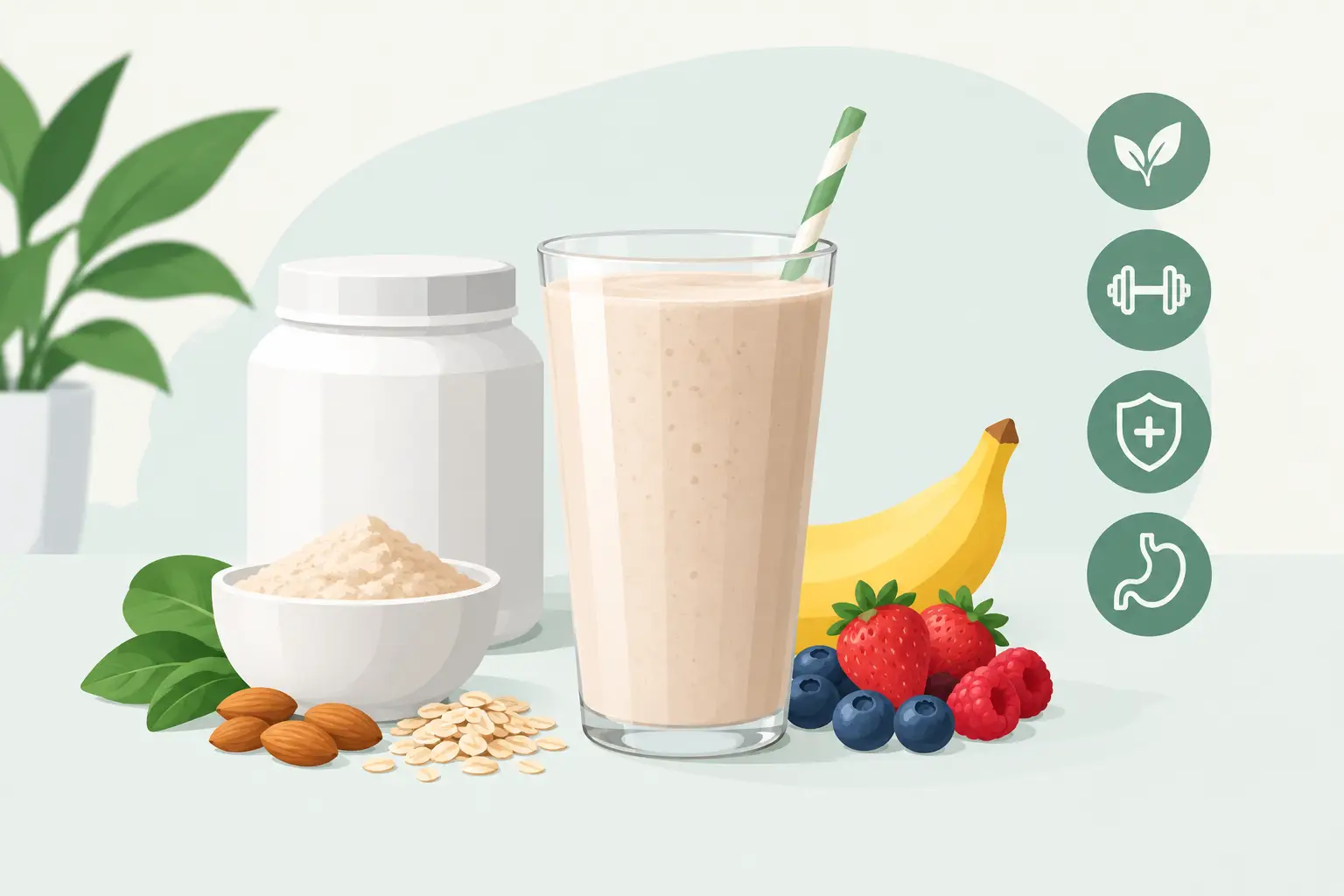
The 3 p.m. meeting runs late, school pickup is around the corner, and the lunch you planned is still sitting in the fridge. This is where a healthy meal replacement shake can earn its place in your routine. It is not meant to make eating perfectly feel like another job. It is a practical option for the moments when a balanced meal is not easy to prepare, carry, or eat.
The right shake can help fill a nutritional gap with protein, fiber, and useful vitamins and minerals. The wrong one can feel more like a dessert drink that leaves you hungry an hour later. Learning the difference helps you choose a product that supports your energy, weight-management goals, and everyday wellness without adding complexity.
Table of Contents
What Makes a Healthy Meal Replacement Shake?
A meal replacement is different from a basic protein shake. Protein shakes are often designed to add protein around a workout or between meals. A meal replacement should do more: provide enough calories and nutrients to stand in for a meal occasionally when life gets busy.
That does not mean every shake needs the same nutrition profile. Someone using a shake for a fast breakfast may need more calories than someone using one as a lighter lunch on a less active day. Your needs can change based on your activity level, appetite, health goals, and what the rest of your day looks like.
A healthy meal replacement shake usually has a thoughtful mix of protein, fiber, fats, carbohydrates, and micronutrients. It should leave you comfortably satisfied, not overly full or ready to rummage through the pantry 30 minutes later. Taste matters too. A formula you genuinely enjoy is more likely to become a helpful habit rather than another container that gets pushed to the back of the cabinet.
Start With Protein and Fiber
Protein and fiber are two of the biggest factors in whether a shake feels like a meal or simply a sweet beverage. Protein supports muscle maintenance and helps make a meal more satisfying. A practical target for many adults is around 20 grams of protein per serving, though your personal needs may be higher or lower.
Look for a protein source that works with your preferences and digestion. Whey protein is a common choice for people who tolerate dairy and want a complete protein source. Plant-based blends can be a strong option for people avoiding dairy, especially when they combine sources such as pea and rice protein to create a more complete amino acid profile.
Fiber supports digestive regularity and can help you stay full longer. Many people do not get enough from regular meals, so a shake with a meaningful amount of fiber can be useful. Still, more is not always better right away. If you are not used to much fiber, starting with a very high-fiber formula may cause bloating or discomfort. Give your body time to adjust, and drink enough water throughout the day.
Make Sure the Calories Match the Job
Calories are not a quality score. They are simply energy, and the right amount depends on what you want the shake to do. A 150-calorie drink may work as a snack, but it may not hold you over as a lunch replacement. A 400-calorie shake may be helpful for an active person who needs a substantial breakfast, while it may be more than another person needs for a quick workday meal.
Instead of choosing the lowest-calorie option automatically, consider the meal you are replacing. Think about when you will drink it, how long you need it to satisfy you, and whether you will be sitting at a desk or heading into a workout. If you are using a shake for weight management, a consistent routine that fits your overall food intake tends to be more helpful than extreme restriction.
Carbohydrates also deserve context. Carbs can support energy, especially before activity or during a long day. The better question is whether the shake has a balanced nutrition profile, rather than whether it eliminates one nutrient group entirely.
Read the Ingredient Label Without Overthinking It
You do not need a nutrition degree to make a smart choice. Start by checking the serving size, then look at the protein, fiber, calories, added sugar, and vitamin and mineral content. This takes less than a minute once you know what you are looking for.
A short ingredient list is not automatically superior, and a longer one is not automatically a problem. Vitamins, minerals, natural flavors, and stabilizing ingredients can all have a purpose in a powdered formula. What matters is transparency and whether the ingredients align with your needs.
Pay special attention to added sugars if you are trying to avoid an energy spike followed by a crash. Some shakes use sugar alcohols or alternative sweeteners. These may work well for some people, but they can cause digestive discomfort for others. If a shake leaves you feeling off, it may be the sweetener, fiber source, dairy content, or serving size rather than the shake category itself.
Quality standards are worth considering, too. Look for brands that are clear about their formulation practices and prioritize lab-tested ingredients and safety standards. If you have food allergies, sensitivities, are pregnant or nursing, take medications, or manage a medical condition, review labels carefully and speak with a qualified healthcare professional when needed.
Use a Shake to Support Real Meals, Not Replace Every One
Convenience is the point, but variety still matters. Whole foods provide textures, flavors, and nutrients that a powdered drink cannot fully duplicate. A meal replacement shake can help on rushed mornings, commute-heavy days, travel days, or afternoons when you need something more balanced than vending-machine snacks.
It works best as one tool in a flexible routine. You might use a shake for breakfast on meeting days, then enjoy a dinner built around vegetables, protein, and satisfying carbohydrates. Or you may blend it with ice, fruit, or a spoonful of nut butter when you need more staying power. If your shake already contains a substantial calorie level, adding extras may turn it into more than the meal you intended, so adjust based on your goal.
Preparation can also make a difference. Mixing with water is simple and portable. Mixing with milk or a fortified plant-based beverage can add creaminess, calories, and additional nutrients. A shaker bottle is often enough, but a blender can improve texture if you prefer a thicker drink.
Watch for Signs It Is Not Working for You
A shake should make your day easier. If you are constantly hungry soon after drinking it, the formula may be too low in protein, fiber, fat, or total calories for that meal. If it feels too heavy, causes digestive discomfort, or replaces meals so often that you stop eating a varied diet, it may be time to change the product, portion, or timing.
Be honest about your routine rather than aiming for someone else’s ideal plan. A busy parent may need a dependable breakfast they can drink in the car. A fitness-minded professional may want an option after a morning workout. Someone working toward weight goals may prefer a portion-controlled lunch. Each is a valid use case, and each can call for a different formula.
Build the Habit Around Your Life
The most useful healthy meal replacement shake is one you can use consistently and confidently when you need it. Keep it where busy decisions happen: at your desk, in your gym bag, or alongside your morning coffee supplies. Pair it with a water bottle and give yourself a simple backup plan for the days when cooking is not realistic.
Wellness does not have to look like a perfect meal-prep schedule. A thoughtfully chosen shake can be a small, steady way to care for your body when the rest of the day is asking for a lot.