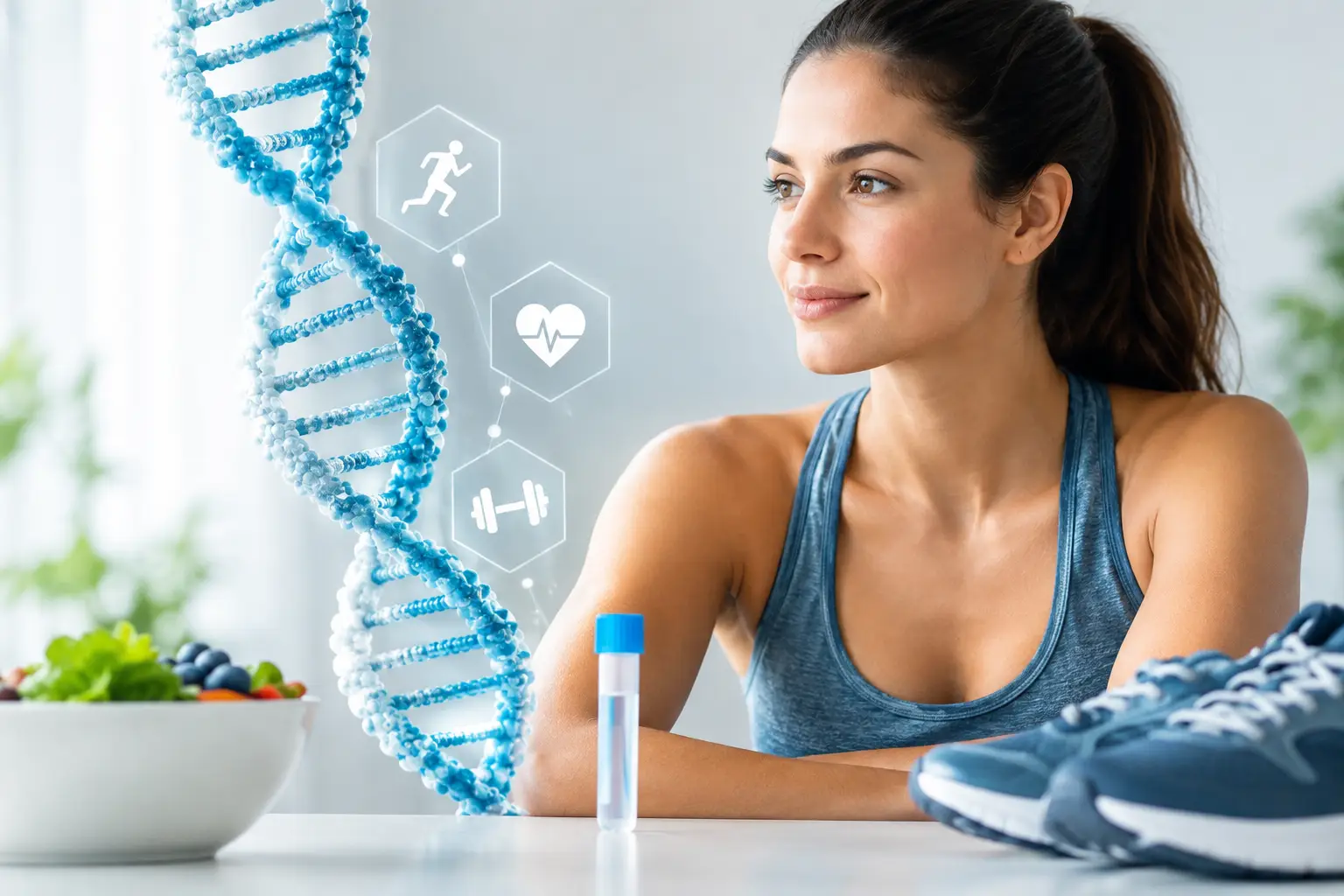
A workout that leaves one person energized can leave another sore, exhausted, and ready to quit. DNA based fitness screening helps explain why. It uses selected genetic insights alongside your health history, lifestyle, symptoms, goals, and lab results to create a more personal starting point for movement, recovery, nutrition, and long-term prevention.
For adults focused on brain health, stroke prevention, metabolic health, or healthy aging, the goal is not to find a “perfect” exercise gene. It is to make more informed choices before high blood pressure, insulin resistance, chronic inflammation, poor sleep, or inactivity become larger health concerns.
Table of Contents
What DNA Based Fitness Screening Can Tell You
Your DNA does not determine your future, but it can influence how your body may respond to training, food, stress, and recovery. A DNA-based screening reviews genetic variants associated with wellness-related patterns. Those patterns can help guide a practical plan rather than a generic recommendation to simply exercise more.
Depending on the assessment, screening may provide useful context around areas such as aerobic capacity, muscle performance, injury susceptibility, recovery needs, inflammation, appetite regulation, caffeine processing, and nutrient metabolism. The results do not diagnose disease or replace medical care. They are one piece of a larger prevention picture.
For example, if your results suggest you may need more recovery support after high-intensity training, that does not mean you should avoid exercise. It may mean that a sustainable plan includes strength training two or three days per week, lower-impact cardio, mobility work, consistent sleep, and enough protein rather than pushing through daily exhaustion.
That distinction matters. A plan only works when it fits your body, schedule, health risks, and real life.
Why Generic Fitness Advice Often Falls Short
Most adults have heard the basics: move more, eat fewer processed foods, manage stress, and sleep seven to nine hours. Those habits matter. But general advice often fails to answer the questions that determine whether someone can follow through.
Should you prioritize walking, intervals, strength training, or all three? Is frequent intense exercise helping your energy or worsening stress and recovery? Could a family history of stroke, high cholesterol, diabetes, or cognitive decline change the way you approach fitness? Are you rebuilding strength after weight loss or trying to protect muscle while using a GLP-1 medication?
The answer depends on more than DNA. It depends on your blood pressure, waist circumference, medication history, labs, sleep quality, stress level, past injuries, current conditioning, and personal goals. Genetics can add a valuable layer of personalization, but it should never be used in isolation.
A person with a higher inherited risk for cardiometabolic concerns may benefit from earlier, more consistent action around aerobic fitness, resistance training, fiber-rich meals, body composition, and regular clinical monitoring. Someone with a demanding job and disrupted sleep may need a plan built around short, repeatable sessions instead of an ambitious routine that lasts two weeks.
From Genetic Results to a Plan You Can Use
The best DNA fitness screening does not stop at a report filled with color-coded categories. A useful process translates findings into next steps you can understand and maintain.
Elevate Your Health for Just $29.99/Month
Join the Precision Wellness Subscription at My Healing 365 and get discounted services, priority coaching access, virtual care, and exclusive wellness resources to support your physical, emotional, and hormonal health.
Join for $29.99/MonthAt My Healing 365, DNA-informed coaching can be considered alongside a detailed brain-risk assessment, functional laboratory interpretation, health history, and lifestyle review. This broader approach helps connect the dots between inherited tendencies and the factors you can influence every day.
Start with your prevention goals
Your plan should begin with what you want to protect or improve. For some people, that is reducing stroke risk after seeing a parent struggle with a stroke. For others, it is lowering blood pressure, improving insulin sensitivity, reducing brain fog, supporting hormone health, rebuilding confidence after weight loss, or staying active enough to enjoy family and work.
Clear goals make screening more useful. A genetic insight related to recovery has different practical value for a marathon runner than for a busy professional who has not exercised consistently in years.
Match movement to your current capacity
Genetic information may help shape exercise choices, but your current capacity sets the pace. If you are sedentary, have joint pain, take blood pressure medication, or are returning after illness, a gradual plan is often safer and more sustainable than high-intensity training.
A personalized routine may include brisk walking, cycling, swimming, resistance bands, free weights, Pilates, or mobility training. The most effective option is often the one you can repeat week after week. Consistency improves cardiovascular fitness, supports blood sugar regulation, preserves muscle, and can contribute to healthier brain aging.
Build recovery into the prescription
Recovery is not a reward for working hard. It is part of the plan. Sleep, hydration, protein intake, stress management, and rest days influence how your body adapts to physical activity.
This is particularly relevant for adults balancing caregiving, shift work, chronic stress, perimenopause or menopause symptoms, or demanding careers. If your program ignores recovery, it may increase fatigue and make healthy habits feel impossible. A realistic plan can still create progress without requiring you to train like an athlete.
Use nutrition to support the work you are doing
DNA screening may offer clues about nutrient needs or tendencies related to appetite, caffeine, inflammation, or metabolism. Those clues should be paired with your food preferences, lab markers, medical needs, and cultural routines.
A personalized nutrition strategy might focus on more protein to support muscle maintenance, more fiber for metabolic and cardiovascular health, better meal timing for energy, or a practical plan to reduce highly processed foods. It should not be a rigid food rulebook. Sustainable nutrition supports your fitness plan, rather than competing with it.
What Screening Cannot Do
Genetic testing is powerful, but it has limits. It cannot predict exactly whether you will develop a disease, guarantee that one exercise style will work best, or override your habits and environment. Many health outcomes involve hundreds of genes along with lifestyle, access to care, stress, sleep, medications, and medical history.
Be cautious of programs that make dramatic promises based on a single genetic result. A responsible approach explains uncertainty and focuses on decisions that are beneficial for most people while tailoring the details to your risks and responses.
For example, strength training, regular aerobic activity, adequate sleep, smoking cessation, blood pressure control, and a nutrient-dense eating pattern support prevention for many adults, regardless of genetics. DNA insights can help refine the strategy, increase motivation, and identify areas worth monitoring more closely.
Who May Benefit Most From DNA Fitness Screening
DNA-based screening can be especially helpful when you feel stuck with broad advice or want a clearer prevention plan. It may be worth considering if you have a family history of stroke, heart disease, diabetes, obesity, dementia, or high cholesterol; struggle with energy or recovery; have tried multiple fitness plans without lasting progress; or want more guidance after significant weight loss.
It can also support adults who are proactive rather than symptomatic. You do not need to wait for a diagnosis to understand your risks and strengthen the habits that protect your health.
Before beginning a new exercise program, especially if you have chest pain, uncontrolled blood pressure, dizziness, diabetes complications, a prior stroke, significant joint pain, or other ongoing medical conditions, speak with a qualified clinician. Personalized prevention works best when coaching and medical oversight are aligned.
A More Personal Way to Build Health
Your genetics are not a verdict. They are information. When that information is combined with your biomarkers, personal history, daily habits, and goals, it can help replace guesswork with a plan that feels more realistic and more relevant to your life.
Small, well-chosen changes can protect more than your fitness level. They can support clearer thinking, steadier energy, healthier metabolism, stronger muscles, and the ability to live a vibrant, active life for years to come. The next helpful step is not perfection. It is choosing one prevention-focused action you can repeat this week and building from there.

























