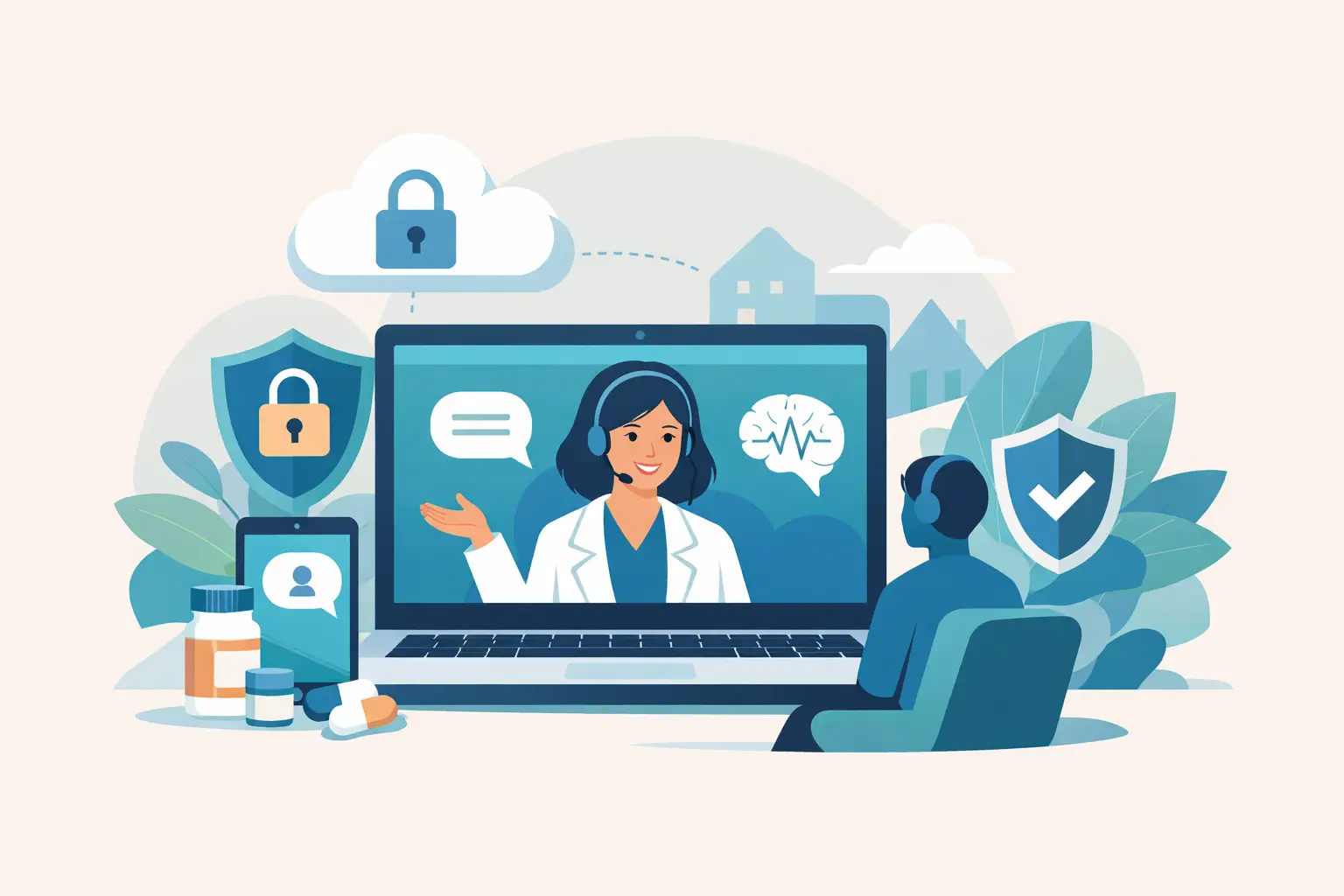
A difficult night does not always turn into a phone call at 9 a.m. For many people, anxiety, low mood, racing thoughts, and sleep problems show up between meetings, after the kids are asleep, or during a major life change. Learning how to access psychiatric care online can make getting support feel more private, practical, and within reach.
Online psychiatric care connects you with a licensed provider through a secure digital platform. Depending on your needs and your provider’s clinical judgment, care may include an evaluation, a personalized treatment plan, prescription medication, ongoing check-ins, and messaging support. It is not about replacing every type of mental health care. It is about reducing the barriers that can keep you waiting when you are ready to feel better.
Table of Contents
How to Access Psychiatric Care Online in 5 Steps
1. Start with the symptoms affecting your day
You do not need to have the perfect words or a formal diagnosis before seeking care. Start with what has changed: perhaps you are worrying more than usual, losing interest in things you normally enjoy, waking up exhausted, feeling emotionally overwhelmed, or struggling to focus.
Online psychiatric care can be a helpful option for concerns such as anxiety, depression, sleep-related symptoms, panic, stress, and emotional distress connected to work, relationships, grief, or other major life events. Be as honest as you can about how long symptoms have been present and how they are affecting your work, relationships, physical health, and daily routines. That information helps a provider understand the full picture.
2. Choose a service that uses licensed providers
Convenience matters, but clinical standards matter just as much. Look for a telehealth service that clearly explains who provides care, how appointments are conducted, what states the service operates in, and how your health information is protected.
A qualified online psychiatric provider should be licensed to practice in your state and should evaluate whether virtual treatment is appropriate for you. They may be a psychiatrist, psychiatric mental health nurse practitioner, or another licensed clinician working within their scope of practice. If medication is part of the conversation, ask how prescriptions, follow-ups, side effects, and medication changes are handled.
A clear process is a good sign. You should know what you are signing up for, what care costs, and whether ongoing support is included. Some digital services offer treatment starting at an accessible monthly price point, while others bill per appointment. The best choice depends on how often you expect to need care and whether you value continued messaging access between visits.
3. Complete a private online intake
Most online care begins with a confidential questionnaire. It may ask about your current symptoms, medical history, medications, allergies, alcohol or substance use, past mental health treatment, and family history. It can feel personal, but these questions are there to help your provider make safer, more informed recommendations.
Take your time with the intake. Include medications and supplements you take, even if they seem unrelated. Mention changes in sleep, appetite, energy, concentration, and mood. Also share if you are pregnant, breastfeeding, managing a chronic condition, or have had uncomfortable medication side effects in the past.
Elevate Your Health for Just $29.99/Month
Join the Precision Wellness Subscription at My Healing 365 and get discounted services, priority coaching access, virtual care, and exclusive wellness resources to support your physical, emotional, and hormonal health.
Join for $29.99/MonthYour provider may meet with you by video, phone, or secure messaging, depending on the service and the care you need. A virtual appointment is still a real clinical conversation. You can ask questions, explain what you are experiencing, and decide together what next steps make sense.
4. Talk through a treatment plan you can realistically follow
Psychiatric care is not one-size-fits-all. Some people may benefit from medication, while others may need therapy, lifestyle support, a referral for more specialized care, or a combination of approaches. A good provider will not treat a screening questionnaire as the whole diagnosis. They will consider your symptoms, health history, preferences, and safety.
If medication is recommended, ask what it is intended to help with, when you might notice changes, and what side effects should prompt you to contact the care team. Many mental health medications take time to work, and finding the right option can involve adjustment. That does not mean treatment has failed. It means follow-up is part of responsible care.
It is also reasonable to ask whether therapy would complement medication. Medication can help reduce symptoms for some people, while therapy can offer practical tools for thought patterns, stress, relationships, grief, and behavior changes. Online psychiatric care may include therapy referrals or work alongside a therapist you already see.
5. Use follow-up care, not just the first appointment
The first visit is a starting point. Consistent follow-up gives your provider a chance to see what is improving, what is not, and whether your plan needs to change. For people with busy schedules, secure messaging and online check-ins can make it easier to raise questions before a problem feels overwhelming.
Keep brief notes between appointments. Track your sleep, mood, energy, anxiety level, medication timing, and any side effects. You do not need a perfect journal. A few clear observations can help you and your provider make better decisions together.
What Online Psychiatric Care Can and Cannot Do
Virtual psychiatric care can be especially useful when time, transportation, privacy concerns, or long local waitlists have made in-person treatment difficult. You can often complete an evaluation from home, avoid a waiting room, and fit follow-up care around a demanding schedule. For many adults, that lower-friction access is the difference between putting off support and starting it.
Still, telehealth is not right for every situation. Some conditions require in-person assessment, lab work, urgent medical evaluation, intensive therapy, or a higher level of mental health support. A responsible provider should tell you when online care is not enough and help guide you toward appropriate next steps.
Online prescribing also has limits. Providers must follow state laws, clinical guidelines, and medication-specific requirements. Not every medication is appropriate or available through telehealth, and a trustworthy service will never promise a prescription before a clinician evaluates you.
How to Prepare for Your First Online Appointment
A little preparation can make your visit feel less stressful. Choose a quiet, private space where you can speak openly. Use headphones if privacy at home is limited, and test your internet connection before the appointment begins.
Write down the two or three concerns you most want to address. You might say, “I cannot shut off my thoughts at night,” or “I have been withdrawing from people and missing work.” Simple, specific language is enough. You can also bring a list of past medications, current prescriptions, and questions about treatment options.
Try not to downplay what you are experiencing. Many people worry that they are “not struggling enough” to seek psychiatric care. If symptoms are disrupting your life, peace of mind, relationships, or ability to function, you deserve to talk with someone.
When to Seek Urgent Help Instead
Online psychiatric care can support many non-emergency mental health needs, but it is not a substitute for immediate crisis care. Seek urgent help right away if you or someone else is in immediate danger, if you have thoughts of harming yourself or another person, or if you are experiencing severe confusion, hallucinations, or a loss of contact with reality.
In the United States, call or text 988 for the Suicide & Crisis Lifeline. If there is immediate danger, call 911 or go to the nearest emergency room. Reaching out in a crisis is a strong and necessary step, not a burden to anyone.
A More Private Way to Start Feeling Supported
Mental health care does not have to begin with rearranging your life around an office visit. With a secure online platform, licensed provider access, and a treatment plan built around your symptoms and goals, support can begin from a place that feels manageable. Services such as My Healing 365 are designed to make that first step simpler, with digital care and ongoing provider support for people who want help without added friction.
You do not have to wait until things feel unbearable to ask for care. A private appointment, an honest conversation, and a plan you can follow may be enough to help you feel more steady and more like yourself again.

























