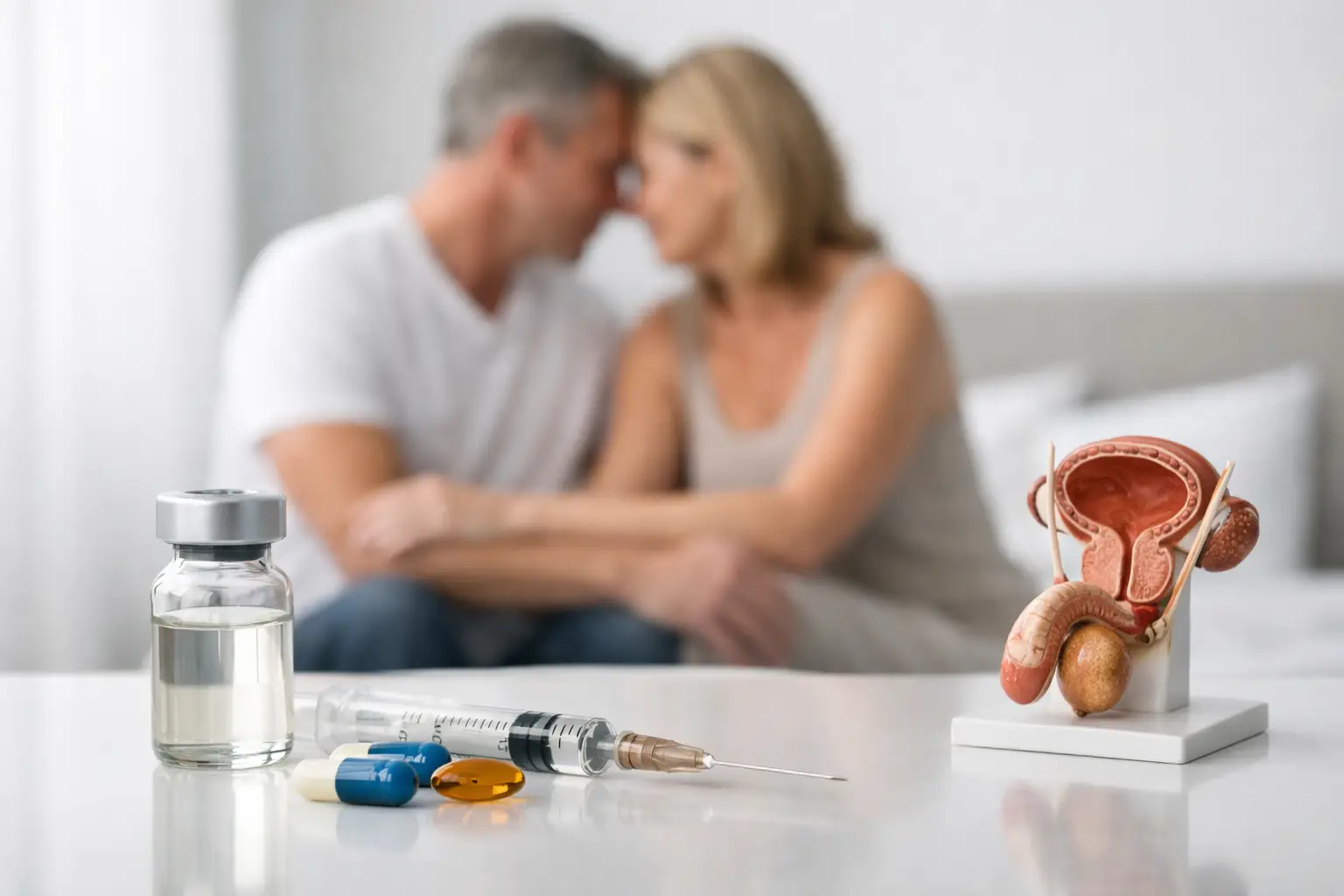
When your interest in sex fades, the change rarely stays in the bedroom. It can affect confidence, closeness, mood, and the way you feel in your own body. Testosterone therapy for low libido is one option that may help when declining hormone levels are part of the problem, but the right answer depends on your symptoms, your lab work, and your overall health.
Table of Contents
Why low libido is not always “just stress”
Low libido is often brushed off as a normal part of aging, a busy schedule, or a rough season of life. Sometimes that is true. Stress, poor sleep, relationship strain, anxiety, depression, certain medications, and chronic health conditions can all lower sexual desire.
But hormones are a major piece of the picture too. Testosterone plays an important role in sexual interest, arousal, energy, motivation, and overall vitality in both men and women. When levels shift, people may notice less desire, fewer sexual thoughts, lower stamina, and a sense that they no longer feel like themselves.
That does not mean every case of low libido should be treated with hormones. It means low desire deserves a closer look instead of a quick assumption.
How testosterone therapy for low libido may help
Testosterone therapy for low libido is designed to restore hormone levels when a deficiency or imbalance is contributing to symptoms. For the right patient, treatment can support a stronger sex drive, better sexual response, improved energy, and a more stable sense of well-being.
The keyword here is right. Testosterone is not a universal fix for every intimacy concern. If low libido is being driven mainly by pain during sex, emotional disconnection, medication side effects, or untreated thyroid disease, testosterone alone may not solve the issue. Good care starts by identifying what is actually causing the change.
Elevate Your Health for Just $29.99/Month
Join the Precision Wellness Subscription at My Healing 365 and get discounted services, priority coaching access, virtual care, and exclusive wellness resources to support your physical, emotional, and hormonal health.
Join for $29.99/MonthWhen testosterone is part of the answer, people often report broader benefits beyond sex. They may feel more mentally engaged, physically motivated, emotionally balanced, and connected to their partners again. That bigger quality-of-life shift is often what matters most.
Who might be a candidate
Men with symptoms of low testosterone
In men, low testosterone can show up as reduced sex drive, erectile changes, fatigue, loss of muscle mass, poorer recovery, irritability, brain fog, and reduced motivation. Blood testing and a symptom review help determine whether testosterone replacement makes medical sense.
Symptoms matter because a lab number by itself never tells the whole story. Some men have borderline levels and feel fine. Others feel a significant difference when testosterone drops, even if the level is not dramatically low.
Women experiencing hormonal shifts
Women can also experience low libido linked to hormone changes, especially during perimenopause and menopause. In this stage, many women notice reduced desire, vaginal dryness, sleep disruption, mood swings, weight changes, and a general loss of spark. Testosterone may be considered in select cases as part of a broader hormone strategy, especially when sexual desire has changed in a meaningful way.
For women, the conversation is often more nuanced. Estrogen, progesterone, vaginal health, stress load, and relationship dynamics may all influence libido. That is why personalized care matters so much.
What evaluation should come first
Before treatment starts, a thoughtful medical review should look at the full picture. That usually includes symptoms, medical history, current medications, and lab testing. It may also include questions that feel personal but are clinically important, such as how long the problem has been going on, whether desire is absent or just reduced, and what other symptoms appeared around the same time.
A good evaluation helps answer a few key questions. Is testosterone actually low or suboptimal? Are there menopause-related changes, thyroid issues, metabolic concerns, or medication effects in the mix? Is this a libido issue, an arousal issue, or both?
This step matters because hormone care should feel personalized, not automatic. In a telehealth model, that can still be done carefully and conveniently when the process includes medical oversight, lab review, and follow-up rather than a one-size-fits-all prescription.
What treatment can look like
Testosterone therapy can be delivered in different forms depending on the patient, the diagnosis, and the treatment plan. The goal is not to push levels as high as possible. The goal is to bring hormones into a healthier range where symptoms improve safely.
Some people begin to notice changes in desire and energy within a few weeks, while others need more time. Hormone therapy is not usually an overnight transformation. The body often responds gradually, and dose adjustments may be needed along the way.
This is where ongoing oversight becomes important. Effective care includes monitoring how you feel, how your labs respond, and whether the benefits are outweighing any side effects. At My Healing 365, that kind of guided, at-home support is part of what makes virtual hormone care feel more manageable and more personal.
Benefits and realistic expectations
What may improve
When testosterone is the right fit, treatment may support stronger libido, better energy, improved mood, enhanced confidence, and a greater sense of physical and emotional vitality. Some patients also notice improved focus, sleep, workout recovery, or body composition, especially when hormone therapy is combined with healthy lifestyle habits.
For couples, one of the biggest benefits can be renewed connection. When desire returns, it often restores more than sex. It can restore confidence, closeness, and ease.
What it will not do
Testosterone therapy cannot fix every reason desire has changed. It will not automatically resolve relationship conflict, chronic stress, untreated depression, or pain with intimacy. It also does not work on the same timeline for everyone.
That is not a drawback so much as a reminder to stay honest about what treatment can and cannot do. The best outcomes usually happen when hormone care is part of a broader wellness plan that also supports sleep, stress, nutrition, movement, and emotional health.
Risks, side effects, and trade-offs
Any hormone treatment should be approached with medical supervision. In men, testosterone therapy may affect red blood cell count, fertility, acne, fluid retention, or mood in some cases. In women, side effects can depend on dose and formulation and may include unwanted hair growth, skin changes, or other signs that levels need adjustment.
There are also cases where testosterone therapy may not be appropriate, depending on a person’s medical history and risk factors. That is why treatment should begin with screening and continue with follow-up care.
The trade-off is straightforward. When therapy is used thoughtfully, it can offer meaningful symptom relief and a better sense of balance. When it is used casually or without monitoring, it can create problems that should have been avoided.
Why personalization matters so much
Low libido can be hormonal, but it is rarely one-dimensional. A man with low testosterone, poor sleep, and high stress may need more than a prescription to feel better. A woman in menopause may need support for estrogen-related symptoms, vaginal comfort, sleep disruption, and mood along with a libido-focused plan.
That is why personalized treatment tends to work better than generic hormone advice. The real goal is not simply to raise a number on a lab report. It is to help you feel energized, connected, and more at home in your body again.
For many adults, telehealth makes that process easier. It offers privacy, convenience, and consistent follow-up without adding more friction to an already busy life. When care is structured well, getting help from home can still feel thorough, responsive, and medically sound.
When to consider reaching out
If low libido has lasted for months, is affecting your relationship, or is showing up alongside fatigue, poor sleep, mood changes, weight changes, or other hormone-related symptoms, it may be time to look deeper. You do not have to wait until the issue becomes severe to ask questions.
A thoughtful evaluation can give you clarity, even if testosterone is not the final recommendation. Sometimes the most important first step is simply learning why your body feels different now than it did before.
Feeling less interested in sex does not mean you have to accept feeling less interested in life. With the right medical guidance, it is possible to restore balance, support sexual wellness, and move toward feeling like your best self again.

























