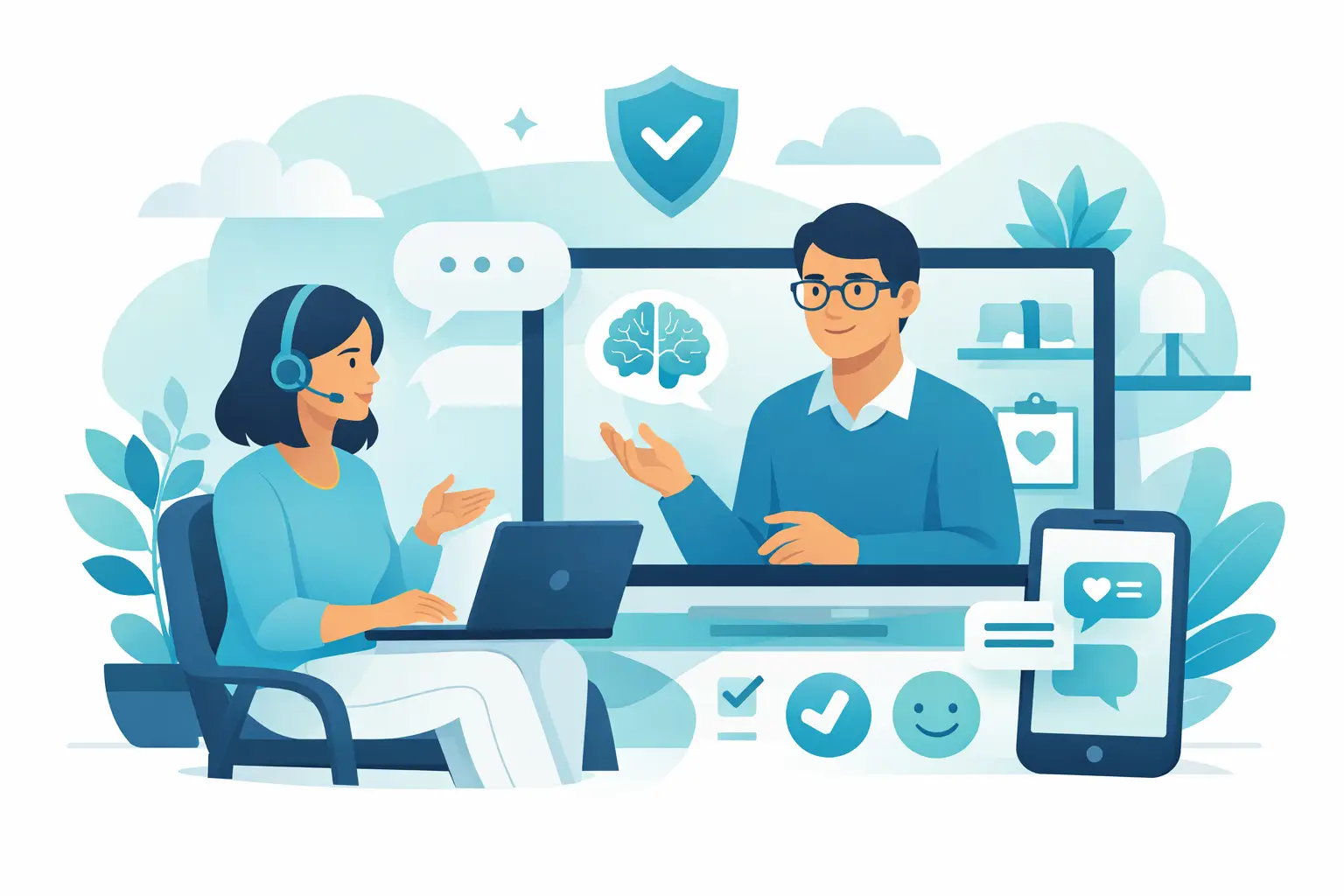
When your mind feels noisy, your sleep is off, or daily stress starts spilling into everything else, getting help should not require weeks of waiting or a trip across town. That is why so many people are searching for top rated online mental health therapy – not just for convenience, but for care that feels private, responsive, and easier to start.
For many adults, the biggest barrier is not deciding whether support would help. It is fitting care into real life. Work schedules change. Kids get sick. Commuting eats up time. And for some people, the idea of sitting in a waiting room still feels uncomfortable. Online mental health treatment meets people where they already are, which is often exactly what makes treatment possible in the first place.
Table of Contents
What top rated online mental health therapy actually means
A high-quality online mental health service is not simply a video call with a provider. The best platforms build care around speed, clinical oversight, and a treatment plan that makes sense for your symptoms. If you are dealing with anxiety, depression, sleep disruption, or emotional distress after a major life event, good care should feel structured without feeling overwhelming.
Top rated online mental health therapy usually shares a few clear traits. It offers access to licensed providers, uses secure digital systems, and gives patients a straightforward way to communicate between appointments. It also avoids making people jump through unnecessary hoops just to get started.
That matters because mental health symptoms are not always dramatic. Sometimes they show up as irritability, racing thoughts, poor focus, low motivation, or a constant sense that you are barely keeping up. When care is hard to access, those symptoms can drag on much longer than they need to.
Why online care works for so many adults
Traditional in-person therapy can be valuable, but it is not always realistic. Some people live in areas with limited provider availability. Others find that office hours conflict with work or caregiving responsibilities. Online treatment helps remove those practical barriers.
There is also the privacy factor. Many people feel more comfortable starting from home, especially if they are opening up about panic, depression, relationship stress, grief, or insomnia. That added sense of control can make it easier to take the first step.
The strongest online services do more than offer a digital version of the old model. They make care feel more responsive. That can include quicker intake, messaging access, symptom-focused treatment plans, and educational support that helps you understand what is happening and what to do next.
How to judge top rated online mental health therapy
If you are comparing options, the best question is not simply, “Which one has good reviews?” It is, “Which one is built to help someone like me actually follow through with treatment?”
Licensed providers and clear clinical standards
Start with the basics. A reputable service should connect you with licensed medical or mental health professionals and be clear about how care is delivered. You should know whether the platform can evaluate symptoms like anxiety, depression, emotional stress, or sleep-related concerns, and whether treatment may include medication when clinically appropriate.
Clinical credibility matters because mental health symptoms can overlap. Trouble sleeping might be tied to anxiety. Low energy could be depression, burnout, stress, or something else entirely. A licensed provider helps sort through that instead of leaving you to self-diagnose.
A treatment plan that matches your symptoms
Good online care should feel personal, not generic. If every patient gets the same advice, that is a red flag. The right plan may include provider guidance, evidence-based medication, ongoing check-ins, and practical tools for day-to-day symptom management.
This is especially important for people going through major life changes. Divorce, job loss, grief, postpartum stress, caregiving pressure, and relocation can all affect mental health in different ways. The care model should leave room for that nuance.
Messaging and ongoing support
One reason digital treatment stands out is the ability to stay connected between visits. Unlimited or flexible messaging can make a real difference when you have a question about side effects, symptom changes, or whether your plan is working.
That kind of access helps treatment feel active rather than distant. Instead of waiting weeks to bring up a concern, you have a way to stay engaged with your care.
Convenience without losing quality
Fast access is a major benefit, but speed alone is not enough. The service should also be secure, organized, and easy to use. Intake should be simple. Communication should be clear. The platform should help you move from symptoms to treatment without unnecessary delays.
This balance matters. People often seek mental health care when they are already stretched thin. If the process feels confusing or time-consuming, many will put it off.
The trade-offs to know before choosing online treatment
Online care is a strong fit for many people, but it is not identical to every form of in-person support. That is not a flaw. It is just worth understanding what online treatment does best.
For mild to moderate anxiety, depression, sleep concerns, and stress-related symptoms, telehealth can be highly effective, especially when paired with consistent provider contact and a clear plan. It is often ideal for people who want discreet, structured care without adding another commute to their week.
If someone has severe psychiatric symptoms, active safety concerns, or needs urgent in-person intervention, a fully digital model may not be the right starting point. Good telehealth companies are clear about those boundaries and help direct patients to appropriate care when needed.
There is also a personal preference factor. Some people love messaging-based communication and online convenience. Others still prefer face-to-face sessions. Neither choice is wrong. The better option is the one you are most likely to use consistently.
Elevate Your Health for Just $29.99/Month
Join the Precision Wellness Subscription at My Healing 365 and get discounted services, priority coaching access, virtual care, and exclusive wellness resources to support your physical, emotional, and hormonal health.
Join for $29.99/MonthWhat people are really looking for when they search this term
Most people searching for top rated online mental health therapy are not conducting an academic review. They are usually asking a more immediate question: can I get real help quickly, privately, and at a cost that feels manageable?
That is why affordability and simplicity matter so much. A monthly cost that is easier to understand, an intake process that takes minutes instead of days, and symptom-based support that does not require endless phone calls can lower the emotional weight of getting started.
For many patients, responsiveness is part of quality. A platform can have strong clinical credentials, but if it takes too long to begin care, that delay becomes part of the experience. When you are struggling to sleep, feeling stuck in anxiety, or trying to function through depression, waiting can feel heavier than it sounds.
A modern mental health experience should feel supportive
The best online care does not talk down to people or flood them with clinical jargon. It explains the process clearly, validates what you are experiencing, and gives you a sense of traction. You do not have to go through it alone, and you should not need a medical background to understand your options.
That is where a service like My Healing 365 fits naturally into what patients are asking for. The model is built around licensed-provider access, individualized treatment plans, secure online care, unlimited messaging, and evidence-based medication when appropriate. For adults who want support for anxiety, depression, sleep disruption, or emotional distress tied to life changes, that kind of structure can make treatment feel more doable.
It also helps that online care can fit into a broader wellness picture. Mental health does not exist in isolation. Sleep, stress, hormones, physical health, and life demands often overlap. A digital platform that understands whole-person care can better meet people where they are.
Is online mental health therapy worth it?
For many adults, yes – especially when the alternative is delaying care. The right platform can reduce friction, protect privacy, and make it easier to stay engaged in treatment over time. That can be the difference between thinking about getting help and actually receiving it.
The key is choosing a service that combines compassion with clinical credibility. You want a provider experience that feels human, not automated, and a treatment process that is simple without being superficial. Good online mental health care should save time, but it should also help you feel seen.
If you have been putting off support because traditional care feels too slow, too inconvenient, or too hard to navigate, online treatment may be the step that finally makes room for healing. Sometimes the best option is not the one that looks most complicated. It is the one that helps you begin.

























