Medically Reviewed
Dr. Jose Rossello, MD, PhD, MHCM
Preventive Medicine & Public Health Specialist
Last Reviewed: June 23, 2026
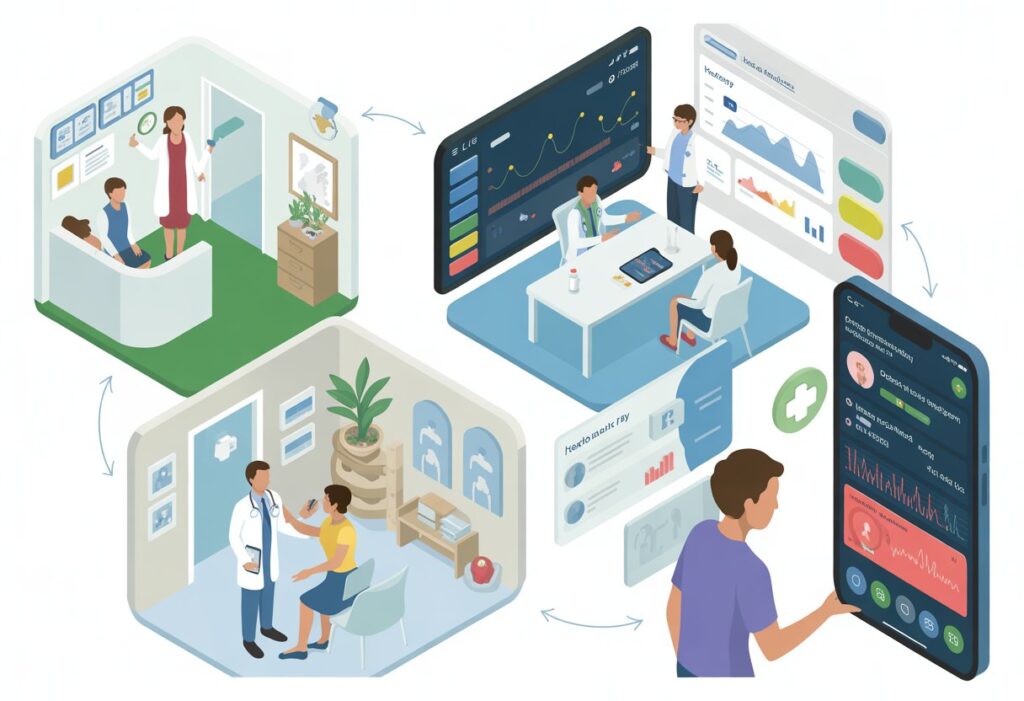
Health risk assessments help healthcare providers identify patient needs early and create better treatment plans. These tools gather important information about a person’s health status, lifestyle habits, and potential risks. When used correctly, they become more than just forms to fill out.

Health risk assessments can transform raw patient data into actionable insights that improve care delivery, boost patient engagement, and help healthcare organizations grow their service lines. Unlock Health has developed HRA solutions that go beyond basic questionnaires. Their approach focuses on turning assessment data into meaningful action rather than treating HRAs as a compliance checkbox.
The value of an HRA depends on what healthcare providers do with the information they collect. From identifying high-risk patients to connecting people with the right resources, these assessments create opportunities to deliver personalized care. Unlock Health’s platform offers condition-specific assessments designed to provide rich patient insights that help stratify health risk and support better patient engagement across different care settings.
Table of Contents
Key Takeaways
- Health risk assessments collect patient data that healthcare providers can use to identify risks and personalize treatment plans
- Unlock Health’s HRA platform transforms assessment responses into actionable insights that drive patient engagement and service line growth
- Effective HRA implementation requires proper integration, security measures, and condition-specific approaches to maximize patient outcomes
How Health Risk Assessments Transform Patient Care
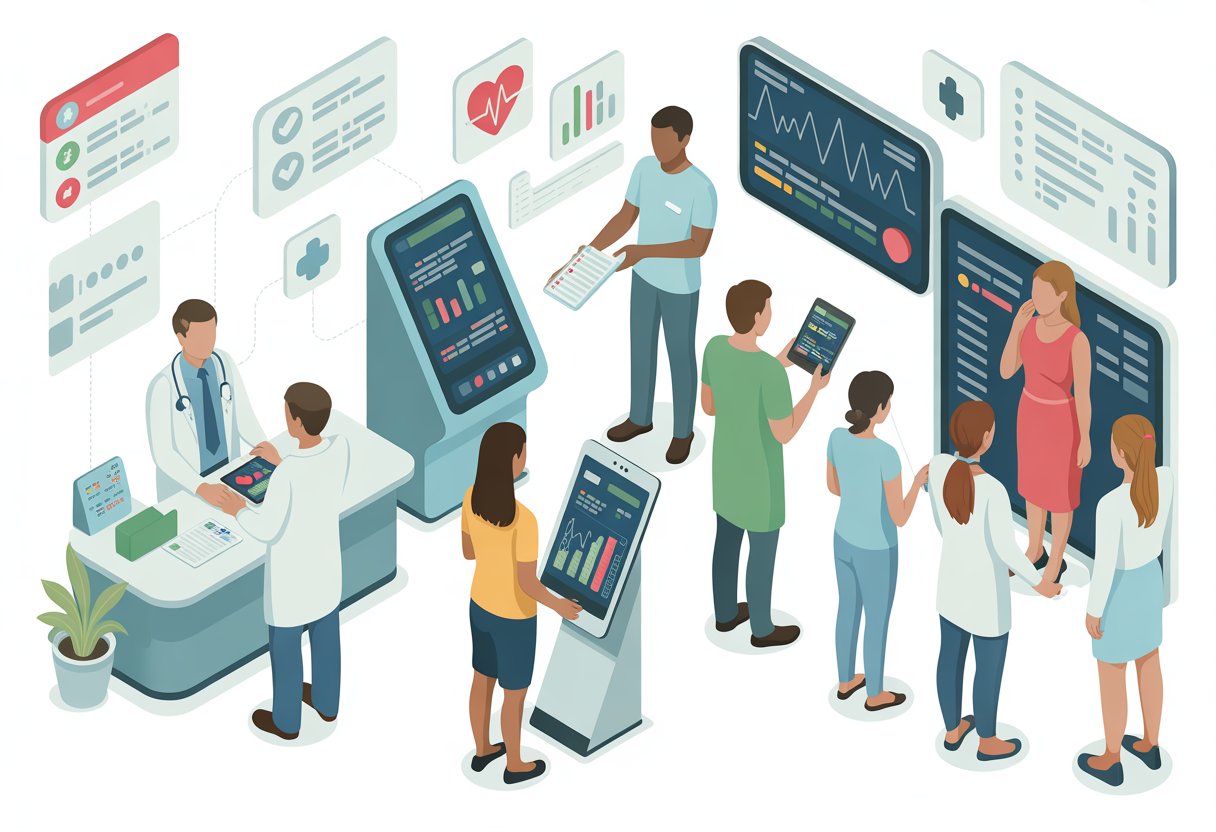
Health risk assessments give healthcare providers the tools to identify vulnerable patients earlier and create more targeted treatment approaches. These standardized evaluations collect critical patient insights that shape how care teams prioritize resources and design interventions.
Defining Health Risk Assessments
A health risk assessment is a structured questionnaire that evaluates an individual’s current health status, lifestyle habits, and potential risk factors for developing specific conditions. HRAs collect data about medical history, family health patterns, behaviors like smoking or exercise habits, and existing symptoms. The assessment generates a comprehensive profile that helps clinicians understand where patients face the greatest health threats.
Healthcare providers use HRAs across multiple settings, from primary care offices to specialized treatment centers. Unlock Health has designed condition-specific assessments that range from substance abuse to joint pain and heart health. These tools work as an accessible entry point for patients seeking guidance, often delivered through online platforms that people can complete before speaking with a care team.
Personalized Risk Stratification
Health risk assessments enable providers to sort patients into risk categories based on their assessment responses. This stratification process identifies which individuals need immediate attention and which can benefit from preventive measures. Care teams use HRA data to allocate resources more efficiently and focus intensive support on those facing the highest risk.
The information gathered through HRAs helps clinicians move beyond one-size-fits-all treatment plans. Providers can tailor interventions based on each patient’s specific risk profile, medical history, and current health challenges. The suite of 19 innovative health risk assessments helps healthcare organizations segment their patient populations and develop customized care pathways that address individual needs.
Empowering Early Intervention
HRAs create opportunities to reach at-risk patients before conditions worsen or become more difficult to treat. When individuals complete an assessment, providers can identify warning signs and engage people who might not have sought help otherwise. This early contact point in the patient journey allows care teams to start conversations about treatment when interventions have the greatest chance of success.
The assessment process also prepares patients for more productive discussions with their healthcare providers. By the time someone contacts a treatment center after completing an HRA, clinicians already possess valuable context about that person’s situation. This knowledge lets providers skip basic information gathering and start halfway through the journey with more informed, focused conversations about appropriate next steps.
Unlock Health’s Approach to HRA Innovation

Unlock Health has developed a suite of 19 condition-specific assessments that combine proven technology with new features to help healthcare organizations gather better patient data and improve their marketing efforts. The platform builds on established systems while adding modern capabilities for security, compliance, and performance.
Condition-Specific Assessments
Unlock Health offers 19 condition-specific HRAs designed to enhance operational efficiency across key healthcare service lines. These assessments cover a wide range of health conditions including joint pain, heart health, diabetes, sleep apnea, breast health, lung health, knee and hip issues, weight management, colon health, and vascular conditions.
Each condition-specific HRA helps healthcare organizations collect first-party patient data despite privacy and data regulations that create gaps in population health information. The assessments use current screening and health advisory data to help patients evaluate their individual risks.
The platform provides patients with education and information to make informed care decisions. For healthcare organizations, these tools help stratify health risk levels, support follow-up activities, and engage at-risk patients who would benefit from early intervention.
Legacy Platform Integration
The unlock hras combine features from both Medicom and HealthAware legacy products while adding new functionality. This integration creates what the company describes as a best-in-class assessment tool that goes beyond standard health risk assessment offerings.
New features include custom questions that organizations can tailor to their specific needs and configurable calls-to-action that guide patients toward appropriate next steps. The platform maintains HITRUST and HIPAA compliance standards to protect patient data and meet regulatory requirements.
Organizations can integrate unlock health assessments with their existing healthcare CRM and marketing automation systems. This connection enables ongoing communication campaigns and patient nurturing strategies based on assessment results.
Feedback From Early Adopters
Franciscan Health adopted unlock health’s assessment suite and received over 3,400 completed assessments in 2023. The organization consistently exceeded benchmark completion rates across multiple condition-specific assessments.
Kirsten Wachowski of Franciscan Health reported that condition-specific assessments for heart, breast, lung, knee and hip, weight, sleep, colon, and vascular health helped the organization reach broader audiences. The targeted approach allowed for more precise outreach to specific patient populations.
The insights improved screening and follow-up processes, particularly in specialties like heart and lung care. Healthcare organizations using the platform with performance marketing campaigns have reduced their service line cost per acquisition by an average of 48%.
Driving Service Line Growth and Patient Acquisition
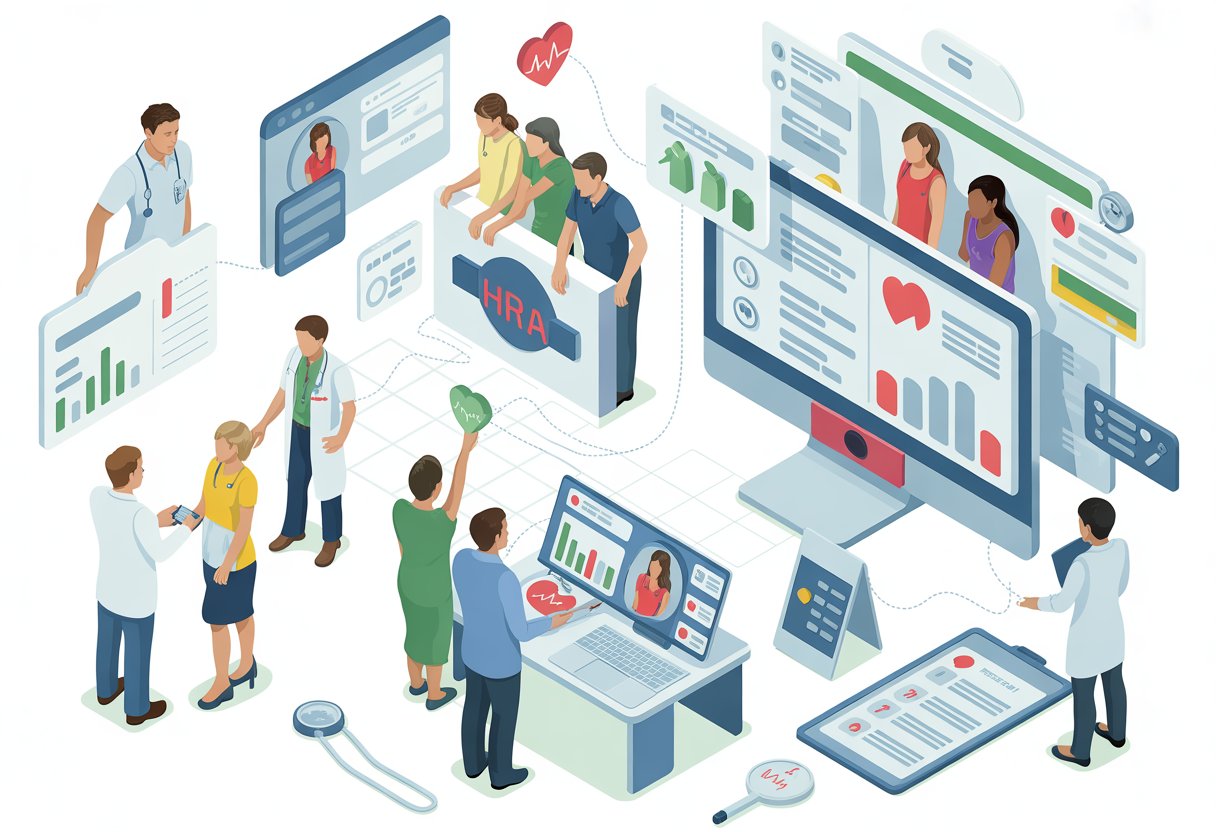
Health risk assessments create a direct path to identifying patients who need specific medical services. These tools help healthcare organizations expand their reach while keeping marketing costs under control.
Boosting Highly Qualified Leads
Health risk assessments filter out casual website visitors and identify people who actually need medical care. When someone completes an assessment about joint pain or heart health, they signal genuine interest in treatment.
These assessments ask targeted questions that reveal a person’s symptoms, risk factors, and readiness to seek care. A person who reports chronic knee pain and difficulty walking represents a much stronger lead than someone who simply clicks on an orthopedic ad.
Healthcare systems can drive high-qualified leads by matching assessment results with appropriate specialists. Someone with high blood pressure readings gets connected to cardiology services. A person reporting memory issues receives information about neurology care.
The qualification process happens automatically as people answer questions. Marketing teams receive contact information for individuals who meet specific clinical criteria. This approach eliminates wasted follow-up on people who aren’t ready for treatment.
Supporting Service Line Expansion
Unlock Health offers 19 condition-specific HRAs designed to enhance operational efficiency across key service lines. Each assessment targets a different medical specialty or condition.
Common service lines supported include:
- Orthopedics and joint replacement
- Cardiovascular care
- Weight loss surgery
- Cancer screening
- Women’s health services
Healthcare organizations can launch new service lines with built-in patient acquisition tools. The assessments create awareness while simultaneously identifying potential patients. A hospital expanding its spine surgery program can deploy a back pain assessment to find candidates.
Performance marketing campaigns become more effective when paired with condition-specific assessments. Each service line gets its own lead generation funnel tailored to that medical specialty.
ROI and Cost-Effective Campaigns
Traditional healthcare advertising often generates awareness without clear conversion paths. Health risk assessments provide measurable conversion models that track people from initial interest to scheduled appointments.
Marketing teams can calculate exact costs per qualified lead and per booked appointment. This data reveals which campaigns deliver the best ROI. A cardiac assessment might generate leads at $45 each while generating $200,000 in procedure revenue.
The cost-effectiveness comes from reducing waste in the marketing funnel. Organizations spend less money on broad awareness campaigns that reach uninterested audiences. Instead, they invest in tools that identify people actively seeking solutions to health problems.
Assessment data also helps refine targeting over time. Teams learn which demographics, geographic areas, and marketing channels produce the highest-quality leads for each service line.
First-Party Data and Actionable Patient Insights
Health risk assessments generate valuable first-party data that provider organizations can transform into targeted interventions and personalized care strategies. Analytics reporting tools help care teams identify high-risk patients and design custom outreach based on individual needs and preferences.
Leveraging Analytics for Provider Organizations
Provider organizations use HRA data to build detailed patient profiles that go beyond basic medical history. This first-party data includes self-reported information about chronic conditions, medication adherence, lifestyle factors, and social determinants of health.
Analytics platforms process this information to create risk stratification models. These models categorize patients into groups based on their likelihood of adverse health events or care gaps. High-risk patients might include those with multiple chronic conditions combined with transportation barriers or food insecurity.
The data feeds directly into care management workflows. Care coordinators receive automated alerts when patients report critical issues like uncontrolled blood sugar levels or mental health concerns. This allows teams to prioritize outreach and allocate resources where they will have the greatest impact.
Custom Questions and Configurable CTAs
Health plans design custom questions tailored to specific populations or health conditions. A diabetes-focused assessment might ask about blood glucose monitoring frequency and access to healthy foods. A behavioral health screening could include questions about stress levels and social support networks.
Configurable CTAs (calls-to-action) appear based on patient responses. When someone reports difficulty affording medications, the system can display a CTA linking them to prescription assistance programs. Transportation issues trigger prompts to schedule rides for upcoming appointments.
These personalized CTAs create immediate pathways to solutions. Rather than collecting data without follow-through, the assessment becomes an active tool for connecting patients with resources and support services.
Analytics Reporting Tools
Analytics reporting tools aggregate HRA data into dashboards that track completion rates, risk distributions, and intervention outcomes. Care managers view real-time reports showing which patients need immediate attention and which quality measures require focus.
Rich and contextual patient insights help organizations segment populations by health conditions, demographic factors, and social needs. Reports can filter by specific criteria like diabetes patients with poor medication adherence or seniors reporting fall risks.
These tools support conversion models that measure how effectively HRA insights lead to completed interventions. Organizations track metrics such as the percentage of identified care gaps that were successfully closed or the number of high-risk patients who engaged with care management services.
Ensuring Data Security and Regulatory Compliance

Health risk assessments collect sensitive personal health information that requires strict protection measures and adherence to federal regulations. Healthcare organizations must implement robust security frameworks and follow established protocols to safeguard patient data.
HIPAA and HITRUST Certification
All healthcare providers who are covered entities under HIPAA must perform regular security risk analyses. Installing a certified EHR system does not automatically fulfill security risk analysis requirements.
Organizations need to review all electronic devices that store, capture, or modify protected health information. This includes EHR hardware, tablets, mobile phones, and even office copiers that store data.
HITRUST certification provides an additional framework that helps organizations meet multiple cybersecurity regulations and frameworks. This certification demonstrates a commitment to comprehensive data protection beyond basic HIPAA compliance.
Security assessments are not one-time events. Providers must continuously review, update, and modify security protections as their practice evolves or when electronic systems change.
Safe Handling of Sensitive Data
HIPAA-compliant data handling requires specific policies for collecting, storing, and transmitting patient information. Healthcare organizations bear sole responsibility for ensuring their systems meet regulatory requirements, even when working with third-party vendors.
Organizations should implement encryption for data at rest and in transit. Access controls must limit who can view sensitive information based on job roles and responsibilities.
Staff training plays a critical role in maintaining data security. Employees need regular updates on privacy practices and proper procedures for handling protected health information.
Documentation of all security measures and risk assessments helps organizations demonstrate compliance during audits. Checklists can assist with initial planning, but they do not replace comprehensive security risk analyses.
Configuring and Integrating HRAs for Operational Efficiency

Healthcare organizations can maximize the value of Health Risk Assessments by connecting them with existing technology systems and workflows. Proper configuration and integration enable seamless data flow and automated patient engagement across multiple touchpoints.
Healthcare CRM Integration
A healthcare CRM serves as the central hub for patient data and relationship management. When HRAs connect with CRM systems, completed assessment results automatically populate patient records with valuable health information.
This integration eliminates manual data entry and reduces errors. Staff members can view risk scores, specific health concerns, and follow-up recommendations directly within the CRM interface.
Unlock Health’s HRA suite offers robust integration with healthcare CRM platforms to streamline this process. The system captures first-party patient data that helps organizations segment populations based on risk levels and health conditions.
Healthcare teams can then use this enriched data to prioritize outreach efforts. High-risk patients receive immediate attention while moderate-risk individuals enter appropriate monitoring programs.
Marketing Automation Workflows
Marketing automation platforms turn HRA data into targeted communication campaigns. Once a patient completes an assessment, automated workflows trigger based on their responses and risk levels.
These workflows deliver personalized educational content, appointment reminders, and care recommendations. A patient with elevated diabetes risk might receive information about glucose management and nutrition counseling services.
The automation reduces the workload on marketing teams while improving response rates. Messages reach patients at the right time with relevant information about their specific health concerns.
Organizations can configure different pathways for each condition type. Joint pain assessments might trigger orthopedic service information while heart health assessments lead to cardiology content.
Seamless Multichannel Experiences
Patients interact with healthcare organizations through multiple channels including websites, mobile apps, email, and text messages. HRAs must function consistently across all these touchpoints.
A modern HRA platform provides responsive design that adapts to different screen sizes and devices. Patients can start an assessment on their phone and complete it later on a desktop computer.
The multichannel experience ensures accessibility for diverse patient populations. Some prefer online forms while others respond better to text-based interactions.
Integration across channels means patient data stays synchronized regardless of entry point. This consistency improves operational efficiency by preventing duplicate records and communication gaps.
Condition-Specific Use Cases: From Diabetes to Behavioral Health
Health risk assessments provide targeted insights for managing specific medical conditions and identifying patients who need specialized care. Tailored screening questions help healthcare teams detect early warning signs for diabetes, behavioral health concerns, and substance use disorders.
Diabetes Risk Assessment
HRA data helps identify patients at high risk for developing diabetes or struggling to manage existing conditions. Screening questions capture information about family history, body mass index, physical activity levels, and dietary habits. These data points allow providers to stratify patients by risk level and prioritize interventions.
Healthcare teams can use assessment results to determine which patients need immediate referrals for medical nutrition therapy or diabetes education programs. Building positive health behaviors and maintaining psychological well-being form the foundation for achieving diabetes management goals.
The assessment process also reveals barriers to care such as food insecurity or lack of access to exercise facilities. Providers can then connect patients with community resources and support services. Regular follow-up assessments track progress and help adjust treatment plans as needed.
Behavioral Health and Substance Use
Condition-specific assessments for behavioral health screen for depression, anxiety, diabetes distress, and substance use disorders. Standardized questions help identify symptoms that patients might not volunteer during routine visits. Early detection allows for timely intervention before conditions worsen.
When screening indicates concerns, providers should refer to behavioral health professionals or other trained healthcare professionals for further assessment and treatment. Treatment center facilities require detailed information about patient needs to provide appropriate care levels.
HRA tools can measure severity of symptoms and track changes over time. This ongoing screening and follow-up helps determine if current treatments are working or if adjustments are necessary.
Other Specialty Service Lines
Health risk assessments extend beyond diabetes and behavioral health to address cardiovascular disease, respiratory conditions, and cancer screening needs. Questions about smoking history, blood pressure, and cholesterol levels identify patients requiring cardiology referrals or preventive interventions.
Specialty assessments also capture information relevant to orthopedics, women’s health, and chronic pain management. A health advisory based on assessment results guides patients toward appropriate specialists and services. Each specialty benefits from targeted questions that reveal condition-specific risk factors and care gaps.
Optimizing Patient Engagement Across the Care Journey
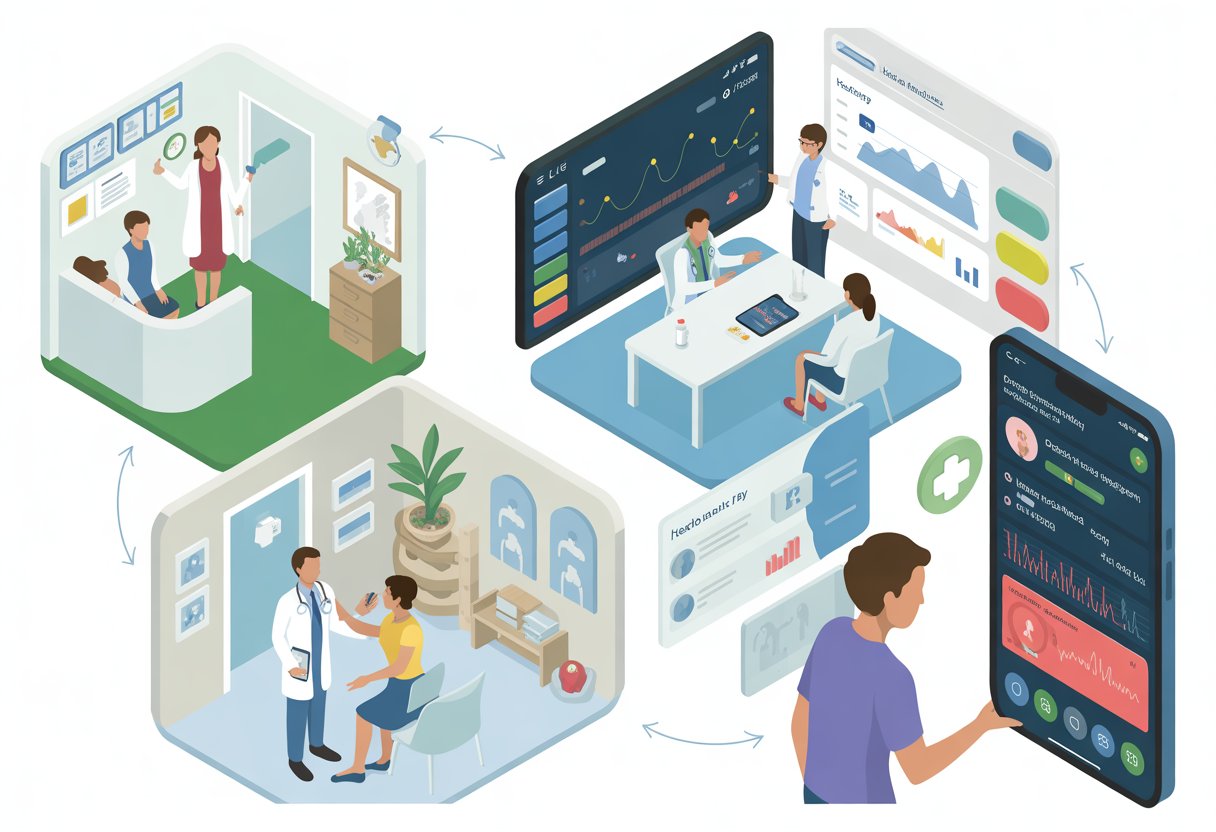
Effective patient engagement requires strategic communication and personalized outreach throughout the healthcare journey. Health plans that combine automated systems with customized touchpoints see higher completion rates and better health outcomes.
Automated Nurturing and Follow-Up
Automated systems help healthcare organizations maintain consistent contact with patients during screening and follow-up processes. These systems send timely reminders through emails, text messages, and phone calls based on patient preferences.
Healthcare marketing teams can set up automated workflows that trigger specific messages when patients complete or miss key steps in their care journey. For example, a patient who starts but doesn’t finish a health risk assessment receives a gentle reminder within 48 hours.
The automation also tracks which patients need additional support. When someone doesn’t respond after multiple attempts, the system flags their profile for personal outreach by a care team member. This approach helps identify barriers like language needs or housing instability that prevent assessment completion.
Performance marketing metrics show that automated follow-up increases response rates by maintaining regular contact without overwhelming clinical staff.
Personalized Touchpoints
Personalization goes beyond using a patient’s name in messages. Health plans should give members communication options to choose from to increase response rates and obtain more complete patient information.
Healthcare organizations analyze patient data to determine the best times to reach out and which topics matter most to each individual. A patient with diabetes receives different messaging than someone managing joint pain.
Care teams also adapt their language and approach based on health literacy levels and cultural backgrounds. Some patients need simple explanations while others want detailed medical information. Phone conversations allow for real-time adjustments based on patient responses and questions.
This targeted approach creates meaningful interactions that build trust and encourage participation throughout the patient journey.
Case Studies: Real-World Impact of Unlock Health HRAs
Healthcare systems have seen measurable improvements in patient engagement and service line growth through condition-specific health risk assessments. Provider organizations now collect better data and generate more qualified leads for targeted care programs.
Franciscan Health Success
Franciscan Health implemented condition-specific HRAs to improve patient outreach across multiple service lines. The healthcare system focused on identifying at-risk patients earlier in their care journey.
The organization used HRAs to screen patients for specific conditions before they required urgent interventions. This approach allowed care teams to connect with patients when preventive measures could still make a difference.
Provider organizations like Franciscan Health benefit from the structured data that HRAs provide. Clinical teams receive organized information about patient risk factors, symptoms, and health behaviors. This data helps them prioritize outreach efforts and tailor care recommendations to individual needs.
The analytics from completed assessments give healthcare systems visibility into population health trends. Care coordinators can identify which patients need immediate attention and which ones require monitoring over time.
Service Line Campaign Results
Unlock Health’s condition-specific HRA product suite has helped drive service line growth across multiple specialties. Healthcare organizations use these assessments to identify qualified leads for specific programs and treatments.
The HRAs generate actionable patient data that supports operational efficiency. Marketing teams can measure campaign performance by tracking completion rates and conversion metrics.
Provider organizations see higher engagement rates when they offer assessments tailored to specific health concerns rather than general screenings. Patients respond better to targeted outreach about conditions they already worry about.
Analytics from these campaigns show which service lines attract the most interest. Healthcare systems can allocate resources based on actual patient needs and preferences rather than assumptions.
Unlock Health as a Full-Service Healthcare Growth Partner
Unlock Health provides complete marketing and business growth services designed specifically for healthcare organizations. The company combines strategic planning with hands-on execution to help healthcare providers achieve their growth goals.
End-to-End Support and Advisory
Unlock Health operates as a full-service agency that handles every aspect of healthcare marketing campaigns. The team manages strategy development, creative production, digital advertising, and performance tracking all under one roof.
Healthcare providers work with dedicated account managers who understand the unique challenges of medical marketing. These advisors help organizations navigate regulatory requirements while building effective patient acquisition strategies.
The company serves healthcare systems of various sizes, from small practices to large hospital networks. Each client receives customized solutions based on their specific market position and growth objectives. Unlock Health became recognized as a leader in healthcare growth solutions shortly after its founding in April 2023.
Aligning Marketing With Business Priorities
Health advisory services at Unlock Health focus on connecting marketing efforts directly to business outcomes. The team analyzes patient data, market trends, and competitive positioning to create strategies that drive measurable results.
Healthcare marketing campaigns receive ongoing optimization based on performance metrics that matter most to providers. This includes patient volume, service line growth, and return on marketing investment.
Strategic planning sessions help healthcare systems identify their highest-value service lines and target audiences. The agency then builds integrated campaigns across digital channels, traditional media, and community outreach to reach those specific patient populations.
Frequently Asked Questions
Health risk assessments raise common questions about their purpose, results interpretation, and practical application. Understanding these key aspects helps individuals maximize the value of their assessment experience.
What is a Health Risk Assessment, and how does it help identify key health risks?
A Health Risk Assessment is a questionnaire that evaluates a person’s current health status and potential future health risks. The assessment asks about physical activity levels, eating habits, medical history, family health conditions, and lifestyle behaviors like smoking or alcohol use.
The tool analyzes responses to identify areas where someone faces higher risk for conditions like heart disease, diabetes, or cancer. It compares individual answers against established health guidelines and research data to spot concerning patterns.
Health Risk Assessments capture information on physical health, mental health, and social factors that affect wellbeing. This comprehensive approach reveals both medical and environmental risks that might otherwise go unnoticed.
How should I interpret my assessment results to prioritize lifestyle changes?
Assessment results typically present risk levels in categories like low, moderate, or high for different health conditions. The highest risk areas should receive immediate attention and action.
Results often include personalized feedback that explains why certain factors increase risk. Someone with high blood pressure readings and a sedentary lifestyle would see these connected issues highlighted together.
Priority should go to modifiable risk factors that a person can actually change. While family history cannot be altered, diet, exercise, stress management, and smoking cessation remain within individual control.
Which biometric measurements and health history details most influence risk scores?
Blood pressure readings significantly impact cardiovascular risk calculations. Elevated numbers indicate increased strain on the heart and blood vessels.
Cholesterol levels, particularly the ratio between HDL and LDL cholesterol, strongly affect heart disease risk scores. Blood sugar measurements help determine diabetes risk.
Body mass index and waist circumference measurements provide data about weight-related health risks. Family history of conditions like cancer, heart disease, or diabetes adds weight to risk calculations since genetic factors play a role in disease development.
Smoking status represents one of the most influential factors across multiple risk categories. Current smokers face elevated risks for numerous conditions compared to non-smokers.
How can I turn assessment insights into a personalized prevention or wellness plan?
Assessment results should guide specific, actionable goals rather than vague intentions. If results show elevated diabetes risk due to excess weight and inactivity, a plan might include walking 30 minutes daily and reducing sugar intake.
Breaking larger goals into smaller steps makes them more achievable. Someone needing to lower cholesterol could start by replacing one high-fat meal per week with a heart-healthy option, then gradually increase the frequency.
HRA data fuels individualized care plans by surfacing medical conditions alongside behavioral and environmental factors. This holistic view enables tailored approaches that address multiple risk areas simultaneously.
Working with healthcare providers helps translate assessment findings into medical interventions when needed. They can prescribe medications, order additional tests, or refer to specialists based on identified risks.
How often should a Health Risk Assessment be updated to track meaningful progress?
Most health experts recommend completing a new assessment annually to monitor changes over time. This frequency allows enough time for lifestyle modifications to produce measurable results.
People making significant health changes might benefit from reassessment every six months. More frequent completion helps track whether interventions are working and maintains motivation.
Major life events like diagnosis of a new condition, significant weight loss or gain, or smoking cessation warrant an updated assessment. These changes can substantially alter risk profiles and require adjusted wellness strategies.
How is personal health information protected when completing a health assessment?
Health assessments fall under HIPAA privacy rules when administered by healthcare providers or insurance companies. These regulations require strict safeguards for storing, transmitting, and sharing health data.
Organizations offering assessments must use encrypted systems to protect information during submission and storage. Access to individual results is typically restricted to authorized healthcare personnel and the individual completing the assessment.
Individuals should verify that assessment platforms use secure connections before entering sensitive information. Look for “https” in the web address and review the organization’s privacy policy to understand how data will be used and protected.
Health Reimbursement Arrangement programs offer tools and informational resources online that help members manage their benefits while maintaining privacy protections. These systems are designed to keep personal health information secure while providing useful insights.
Post Views: 9

Elevate Your Health for Just $29.99/Month
Join the Precision Wellness Subscription at My Healing 365 and get discounted services, priority coaching access, virtual care, and exclusive wellness resources to support your physical, emotional, and hormonal health.
Join for $29.99/MonthMedically Reviewed
Dr. Jose Rossello, MD, PhD, MHCM
Preventive Medicine & Public Health Specialist
Last Reviewed: June 23, 2026
Health risk assessments help healthcare providers identify patient needs early and create better treatment plans. These tools gather important information about a person’s health status, lifestyle habits, and potential risks. When used correctly, they become more than just forms to fill out.
Health risk assessments can transform raw patient data into actionable insights that improve care delivery, boost patient engagement, and help healthcare organizations grow their service lines. Unlock Health has developed HRA solutions that go beyond basic questionnaires. Their approach focuses on turning assessment data into meaningful action rather than treating HRAs as a compliance checkbox.
The value of an HRA depends on what healthcare providers do with the information they collect. From identifying high-risk patients to connecting people with the right resources, these assessments create opportunities to deliver personalized care. Unlock Health’s platform offers condition-specific assessments designed to provide rich patient insights that help stratify health risk and support better patient engagement across different care settings.
Key Takeaways
- Health risk assessments collect patient data that healthcare providers can use to identify risks and personalize treatment plans
- Unlock Health’s HRA platform transforms assessment responses into actionable insights that drive patient engagement and service line growth
- Effective HRA implementation requires proper integration, security measures, and condition-specific approaches to maximize patient outcomes
How Health Risk Assessments Transform Patient Care
Health risk assessments give healthcare providers the tools to identify vulnerable patients earlier and create more targeted treatment approaches. These standardized evaluations collect critical patient insights that shape how care teams prioritize resources and design interventions.
Defining Health Risk Assessments
A health risk assessment is a structured questionnaire that evaluates an individual’s current health status, lifestyle habits, and potential risk factors for developing specific conditions. HRAs collect data about medical history, family health patterns, behaviors like smoking or exercise habits, and existing symptoms. The assessment generates a comprehensive profile that helps clinicians understand where patients face the greatest health threats.
Healthcare providers use HRAs across multiple settings, from primary care offices to specialized treatment centers. Unlock Health has designed condition-specific assessments that range from substance abuse to joint pain and heart health. These tools work as an accessible entry point for patients seeking guidance, often delivered through online platforms that people can complete before speaking with a care team.
Personalized Risk Stratification
Health risk assessments enable providers to sort patients into risk categories based on their assessment responses. This stratification process identifies which individuals need immediate attention and which can benefit from preventive measures. Care teams use HRA data to allocate resources more efficiently and focus intensive support on those facing the highest risk.
The information gathered through HRAs helps clinicians move beyond one-size-fits-all treatment plans. Providers can tailor interventions based on each patient’s specific risk profile, medical history, and current health challenges. The suite of 19 innovative health risk assessments helps healthcare organizations segment their patient populations and develop customized care pathways that address individual needs.
Empowering Early Intervention
HRAs create opportunities to reach at-risk patients before conditions worsen or become more difficult to treat. When individuals complete an assessment, providers can identify warning signs and engage people who might not have sought help otherwise. This early contact point in the patient journey allows care teams to start conversations about treatment when interventions have the greatest chance of success.
The assessment process also prepares patients for more productive discussions with their healthcare providers. By the time someone contacts a treatment center after completing an HRA, clinicians already possess valuable context about that person’s situation. This knowledge lets providers skip basic information gathering and start halfway through the journey with more informed, focused conversations about appropriate next steps.
Unlock Health’s Approach to HRA Innovation
Unlock Health has developed a suite of 19 condition-specific assessments that combine proven technology with new features to help healthcare organizations gather better patient data and improve their marketing efforts. The platform builds on established systems while adding modern capabilities for security, compliance, and performance.
Condition-Specific Assessments
Unlock Health offers 19 condition-specific HRAs designed to enhance operational efficiency across key healthcare service lines. These assessments cover a wide range of health conditions including joint pain, heart health, diabetes, sleep apnea, breast health, lung health, knee and hip issues, weight management, colon health, and vascular conditions.
Each condition-specific HRA helps healthcare organizations collect first-party patient data despite privacy and data regulations that create gaps in population health information. The assessments use current screening and health advisory data to help patients evaluate their individual risks.
The platform provides patients with education and information to make informed care decisions. For healthcare organizations, these tools help stratify health risk levels, support follow-up activities, and engage at-risk patients who would benefit from early intervention.
Legacy Platform Integration
The unlock hras combine features from both Medicom and HealthAware legacy products while adding new functionality. This integration creates what the company describes as a best-in-class assessment tool that goes beyond standard health risk assessment offerings.
New features include custom questions that organizations can tailor to their specific needs and configurable calls-to-action that guide patients toward appropriate next steps. The platform maintains HITRUST and HIPAA compliance standards to protect patient data and meet regulatory requirements.
Organizations can integrate unlock health assessments with their existing healthcare CRM and marketing automation systems. This connection enables ongoing communication campaigns and patient nurturing strategies based on assessment results.
Feedback From Early Adopters
Franciscan Health adopted unlock health’s assessment suite and received over 3,400 completed assessments in 2023. The organization consistently exceeded benchmark completion rates across multiple condition-specific assessments.
Kirsten Wachowski of Franciscan Health reported that condition-specific assessments for heart, breast, lung, knee and hip, weight, sleep, colon, and vascular health helped the organization reach broader audiences. The targeted approach allowed for more precise outreach to specific patient populations.
The insights improved screening and follow-up processes, particularly in specialties like heart and lung care. Healthcare organizations using the platform with performance marketing campaigns have reduced their service line cost per acquisition by an average of 48%.
Driving Service Line Growth and Patient Acquisition
Health risk assessments create a direct path to identifying patients who need specific medical services. These tools help healthcare organizations expand their reach while keeping marketing costs under control.
Boosting Highly Qualified Leads
Health risk assessments filter out casual website visitors and identify people who actually need medical care. When someone completes an assessment about joint pain or heart health, they signal genuine interest in treatment.
These assessments ask targeted questions that reveal a person’s symptoms, risk factors, and readiness to seek care. A person who reports chronic knee pain and difficulty walking represents a much stronger lead than someone who simply clicks on an orthopedic ad.
Healthcare systems can drive high-qualified leads by matching assessment results with appropriate specialists. Someone with high blood pressure readings gets connected to cardiology services. A person reporting memory issues receives information about neurology care.
The qualification process happens automatically as people answer questions. Marketing teams receive contact information for individuals who meet specific clinical criteria. This approach eliminates wasted follow-up on people who aren’t ready for treatment.
Supporting Service Line Expansion
Unlock Health offers 19 condition-specific HRAs designed to enhance operational efficiency across key service lines. Each assessment targets a different medical specialty or condition.
Common service lines supported include:
- Orthopedics and joint replacement
- Cardiovascular care
- Weight loss surgery
- Cancer screening
- Women’s health services
Healthcare organizations can launch new service lines with built-in patient acquisition tools. The assessments create awareness while simultaneously identifying potential patients. A hospital expanding its spine surgery program can deploy a back pain assessment to find candidates.
Performance marketing campaigns become more effective when paired with condition-specific assessments. Each service line gets its own lead generation funnel tailored to that medical specialty.
ROI and Cost-Effective Campaigns
Traditional healthcare advertising often generates awareness without clear conversion paths. Health risk assessments provide measurable conversion models that track people from initial interest to scheduled appointments.
Marketing teams can calculate exact costs per qualified lead and per booked appointment. This data reveals which campaigns deliver the best ROI. A cardiac assessment might generate leads at $45 each while generating $200,000 in procedure revenue.
The cost-effectiveness comes from reducing waste in the marketing funnel. Organizations spend less money on broad awareness campaigns that reach uninterested audiences. Instead, they invest in tools that identify people actively seeking solutions to health problems.
Assessment data also helps refine targeting over time. Teams learn which demographics, geographic areas, and marketing channels produce the highest-quality leads for each service line.
First-Party Data and Actionable Patient Insights
Health risk assessments generate valuable first-party data that provider organizations can transform into targeted interventions and personalized care strategies. Analytics reporting tools help care teams identify high-risk patients and design custom outreach based on individual needs and preferences.
Leveraging Analytics for Provider Organizations
Provider organizations use HRA data to build detailed patient profiles that go beyond basic medical history. This first-party data includes self-reported information about chronic conditions, medication adherence, lifestyle factors, and social determinants of health.
Analytics platforms process this information to create risk stratification models. These models categorize patients into groups based on their likelihood of adverse health events or care gaps. High-risk patients might include those with multiple chronic conditions combined with transportation barriers or food insecurity.
The data feeds directly into care management workflows. Care coordinators receive automated alerts when patients report critical issues like uncontrolled blood sugar levels or mental health concerns. This allows teams to prioritize outreach and allocate resources where they will have the greatest impact.
Custom Questions and Configurable CTAs
Health plans design custom questions tailored to specific populations or health conditions. A diabetes-focused assessment might ask about blood glucose monitoring frequency and access to healthy foods. A behavioral health screening could include questions about stress levels and social support networks.
Configurable CTAs (calls-to-action) appear based on patient responses. When someone reports difficulty affording medications, the system can display a CTA linking them to prescription assistance programs. Transportation issues trigger prompts to schedule rides for upcoming appointments.
These personalized CTAs create immediate pathways to solutions. Rather than collecting data without follow-through, the assessment becomes an active tool for connecting patients with resources and support services.
Analytics Reporting Tools
Analytics reporting tools aggregate HRA data into dashboards that track completion rates, risk distributions, and intervention outcomes. Care managers view real-time reports showing which patients need immediate attention and which quality measures require focus.
Rich and contextual patient insights help organizations segment populations by health conditions, demographic factors, and social needs. Reports can filter by specific criteria like diabetes patients with poor medication adherence or seniors reporting fall risks.
These tools support conversion models that measure how effectively HRA insights lead to completed interventions. Organizations track metrics such as the percentage of identified care gaps that were successfully closed or the number of high-risk patients who engaged with care management services.
Ensuring Data Security and Regulatory Compliance
Health risk assessments collect sensitive personal health information that requires strict protection measures and adherence to federal regulations. Healthcare organizations must implement robust security frameworks and follow established protocols to safeguard patient data.
HIPAA and HITRUST Certification
All healthcare providers who are covered entities under HIPAA must perform regular security risk analyses. Installing a certified EHR system does not automatically fulfill security risk analysis requirements.
Organizations need to review all electronic devices that store, capture, or modify protected health information. This includes EHR hardware, tablets, mobile phones, and even office copiers that store data.
HITRUST certification provides an additional framework that helps organizations meet multiple cybersecurity regulations and frameworks. This certification demonstrates a commitment to comprehensive data protection beyond basic HIPAA compliance.
Security assessments are not one-time events. Providers must continuously review, update, and modify security protections as their practice evolves or when electronic systems change.
Safe Handling of Sensitive Data
HIPAA-compliant data handling requires specific policies for collecting, storing, and transmitting patient information. Healthcare organizations bear sole responsibility for ensuring their systems meet regulatory requirements, even when working with third-party vendors.
Organizations should implement encryption for data at rest and in transit. Access controls must limit who can view sensitive information based on job roles and responsibilities.
Staff training plays a critical role in maintaining data security. Employees need regular updates on privacy practices and proper procedures for handling protected health information.
Documentation of all security measures and risk assessments helps organizations demonstrate compliance during audits. Checklists can assist with initial planning, but they do not replace comprehensive security risk analyses.
Configuring and Integrating HRAs for Operational Efficiency
Healthcare organizations can maximize the value of Health Risk Assessments by connecting them with existing technology systems and workflows. Proper configuration and integration enable seamless data flow and automated patient engagement across multiple touchpoints.
Healthcare CRM Integration
A healthcare CRM serves as the central hub for patient data and relationship management. When HRAs connect with CRM systems, completed assessment results automatically populate patient records with valuable health information.
This integration eliminates manual data entry and reduces errors. Staff members can view risk scores, specific health concerns, and follow-up recommendations directly within the CRM interface.
Unlock Health’s HRA suite offers robust integration with healthcare CRM platforms to streamline this process. The system captures first-party patient data that helps organizations segment populations based on risk levels and health conditions.
Healthcare teams can then use this enriched data to prioritize outreach efforts. High-risk patients receive immediate attention while moderate-risk individuals enter appropriate monitoring programs.
Marketing Automation Workflows
Marketing automation platforms turn HRA data into targeted communication campaigns. Once a patient completes an assessment, automated workflows trigger based on their responses and risk levels.
These workflows deliver personalized educational content, appointment reminders, and care recommendations. A patient with elevated diabetes risk might receive information about glucose management and nutrition counseling services.
The automation reduces the workload on marketing teams while improving response rates. Messages reach patients at the right time with relevant information about their specific health concerns.
Organizations can configure different pathways for each condition type. Joint pain assessments might trigger orthopedic service information while heart health assessments lead to cardiology content.
Seamless Multichannel Experiences
Patients interact with healthcare organizations through multiple channels including websites, mobile apps, email, and text messages. HRAs must function consistently across all these touchpoints.
A modern HRA platform provides responsive design that adapts to different screen sizes and devices. Patients can start an assessment on their phone and complete it later on a desktop computer.
The multichannel experience ensures accessibility for diverse patient populations. Some prefer online forms while others respond better to text-based interactions.
Integration across channels means patient data stays synchronized regardless of entry point. This consistency improves operational efficiency by preventing duplicate records and communication gaps.
Condition-Specific Use Cases: From Diabetes to Behavioral Health
Health risk assessments provide targeted insights for managing specific medical conditions and identifying patients who need specialized care. Tailored screening questions help healthcare teams detect early warning signs for diabetes, behavioral health concerns, and substance use disorders.
Diabetes Risk Assessment
HRA data helps identify patients at high risk for developing diabetes or struggling to manage existing conditions. Screening questions capture information about family history, body mass index, physical activity levels, and dietary habits. These data points allow providers to stratify patients by risk level and prioritize interventions.
Healthcare teams can use assessment results to determine which patients need immediate referrals for medical nutrition therapy or diabetes education programs. Building positive health behaviors and maintaining psychological well-being form the foundation for achieving diabetes management goals.
The assessment process also reveals barriers to care such as food insecurity or lack of access to exercise facilities. Providers can then connect patients with community resources and support services. Regular follow-up assessments track progress and help adjust treatment plans as needed.
Behavioral Health and Substance Use
Condition-specific assessments for behavioral health screen for depression, anxiety, diabetes distress, and substance use disorders. Standardized questions help identify symptoms that patients might not volunteer during routine visits. Early detection allows for timely intervention before conditions worsen.
When screening indicates concerns, providers should refer to behavioral health professionals or other trained healthcare professionals for further assessment and treatment. Treatment center facilities require detailed information about patient needs to provide appropriate care levels.
HRA tools can measure severity of symptoms and track changes over time. This ongoing screening and follow-up helps determine if current treatments are working or if adjustments are necessary.
Other Specialty Service Lines
Health risk assessments extend beyond diabetes and behavioral health to address cardiovascular disease, respiratory conditions, and cancer screening needs. Questions about smoking history, blood pressure, and cholesterol levels identify patients requiring cardiology referrals or preventive interventions.
Specialty assessments also capture information relevant to orthopedics, women’s health, and chronic pain management. A health advisory based on assessment results guides patients toward appropriate specialists and services. Each specialty benefits from targeted questions that reveal condition-specific risk factors and care gaps.
Optimizing Patient Engagement Across the Care Journey
Effective patient engagement requires strategic communication and personalized outreach throughout the healthcare journey. Health plans that combine automated systems with customized touchpoints see higher completion rates and better health outcomes.
Automated Nurturing and Follow-Up
Automated systems help healthcare organizations maintain consistent contact with patients during screening and follow-up processes. These systems send timely reminders through emails, text messages, and phone calls based on patient preferences.
Healthcare marketing teams can set up automated workflows that trigger specific messages when patients complete or miss key steps in their care journey. For example, a patient who starts but doesn’t finish a health risk assessment receives a gentle reminder within 48 hours.
The automation also tracks which patients need additional support. When someone doesn’t respond after multiple attempts, the system flags their profile for personal outreach by a care team member. This approach helps identify barriers like language needs or housing instability that prevent assessment completion.
Performance marketing metrics show that automated follow-up increases response rates by maintaining regular contact without overwhelming clinical staff.
Personalized Touchpoints
Personalization goes beyond using a patient’s name in messages. Health plans should give members communication options to choose from to increase response rates and obtain more complete patient information.
Healthcare organizations analyze patient data to determine the best times to reach out and which topics matter most to each individual. A patient with diabetes receives different messaging than someone managing joint pain.
Care teams also adapt their language and approach based on health literacy levels and cultural backgrounds. Some patients need simple explanations while others want detailed medical information. Phone conversations allow for real-time adjustments based on patient responses and questions.
This targeted approach creates meaningful interactions that build trust and encourage participation throughout the patient journey.
Case Studies: Real-World Impact of Unlock Health HRAs
Healthcare systems have seen measurable improvements in patient engagement and service line growth through condition-specific health risk assessments. Provider organizations now collect better data and generate more qualified leads for targeted care programs.
Franciscan Health Success
Franciscan Health implemented condition-specific HRAs to improve patient outreach across multiple service lines. The healthcare system focused on identifying at-risk patients earlier in their care journey.
The organization used HRAs to screen patients for specific conditions before they required urgent interventions. This approach allowed care teams to connect with patients when preventive measures could still make a difference.
Provider organizations like Franciscan Health benefit from the structured data that HRAs provide. Clinical teams receive organized information about patient risk factors, symptoms, and health behaviors. This data helps them prioritize outreach efforts and tailor care recommendations to individual needs.
The analytics from completed assessments give healthcare systems visibility into population health trends. Care coordinators can identify which patients need immediate attention and which ones require monitoring over time.
Service Line Campaign Results
Unlock Health’s condition-specific HRA product suite has helped drive service line growth across multiple specialties. Healthcare organizations use these assessments to identify qualified leads for specific programs and treatments.
The HRAs generate actionable patient data that supports operational efficiency. Marketing teams can measure campaign performance by tracking completion rates and conversion metrics.
Provider organizations see higher engagement rates when they offer assessments tailored to specific health concerns rather than general screenings. Patients respond better to targeted outreach about conditions they already worry about.
Analytics from these campaigns show which service lines attract the most interest. Healthcare systems can allocate resources based on actual patient needs and preferences rather than assumptions.
Unlock Health as a Full-Service Healthcare Growth Partner
Unlock Health provides complete marketing and business growth services designed specifically for healthcare organizations. The company combines strategic planning with hands-on execution to help healthcare providers achieve their growth goals.
End-to-End Support and Advisory
Unlock Health operates as a full-service agency that handles every aspect of healthcare marketing campaigns. The team manages strategy development, creative production, digital advertising, and performance tracking all under one roof.
Healthcare providers work with dedicated account managers who understand the unique challenges of medical marketing. These advisors help organizations navigate regulatory requirements while building effective patient acquisition strategies.
The company serves healthcare systems of various sizes, from small practices to large hospital networks. Each client receives customized solutions based on their specific market position and growth objectives. Unlock Health became recognized as a leader in healthcare growth solutions shortly after its founding in April 2023.
Aligning Marketing With Business Priorities
Health advisory services at Unlock Health focus on connecting marketing efforts directly to business outcomes. The team analyzes patient data, market trends, and competitive positioning to create strategies that drive measurable results.
Healthcare marketing campaigns receive ongoing optimization based on performance metrics that matter most to providers. This includes patient volume, service line growth, and return on marketing investment.
Strategic planning sessions help healthcare systems identify their highest-value service lines and target audiences. The agency then builds integrated campaigns across digital channels, traditional media, and community outreach to reach those specific patient populations.
Frequently Asked Questions
Health risk assessments raise common questions about their purpose, results interpretation, and practical application. Understanding these key aspects helps individuals maximize the value of their assessment experience.
What is a Health Risk Assessment, and how does it help identify key health risks?
A Health Risk Assessment is a questionnaire that evaluates a person’s current health status and potential future health risks. The assessment asks about physical activity levels, eating habits, medical history, family health conditions, and lifestyle behaviors like smoking or alcohol use.
The tool analyzes responses to identify areas where someone faces higher risk for conditions like heart disease, diabetes, or cancer. It compares individual answers against established health guidelines and research data to spot concerning patterns.
Health Risk Assessments capture information on physical health, mental health, and social factors that affect wellbeing. This comprehensive approach reveals both medical and environmental risks that might otherwise go unnoticed.
How should I interpret my assessment results to prioritize lifestyle changes?
Assessment results typically present risk levels in categories like low, moderate, or high for different health conditions. The highest risk areas should receive immediate attention and action.
Results often include personalized feedback that explains why certain factors increase risk. Someone with high blood pressure readings and a sedentary lifestyle would see these connected issues highlighted together.
Priority should go to modifiable risk factors that a person can actually change. While family history cannot be altered, diet, exercise, stress management, and smoking cessation remain within individual control.
Which biometric measurements and health history details most influence risk scores?
Blood pressure readings significantly impact cardiovascular risk calculations. Elevated numbers indicate increased strain on the heart and blood vessels.
Cholesterol levels, particularly the ratio between HDL and LDL cholesterol, strongly affect heart disease risk scores. Blood sugar measurements help determine diabetes risk.
Body mass index and waist circumference measurements provide data about weight-related health risks. Family history of conditions like cancer, heart disease, or diabetes adds weight to risk calculations since genetic factors play a role in disease development.
Smoking status represents one of the most influential factors across multiple risk categories. Current smokers face elevated risks for numerous conditions compared to non-smokers.
How can I turn assessment insights into a personalized prevention or wellness plan?
Assessment results should guide specific, actionable goals rather than vague intentions. If results show elevated diabetes risk due to excess weight and inactivity, a plan might include walking 30 minutes daily and reducing sugar intake.
Breaking larger goals into smaller steps makes them more achievable. Someone needing to lower cholesterol could start by replacing one high-fat meal per week with a heart-healthy option, then gradually increase the frequency.
HRA data fuels individualized care plans by surfacing medical conditions alongside behavioral and environmental factors. This holistic view enables tailored approaches that address multiple risk areas simultaneously.
Working with healthcare providers helps translate assessment findings into medical interventions when needed. They can prescribe medications, order additional tests, or refer to specialists based on identified risks.
How often should a Health Risk Assessment be updated to track meaningful progress?
Most health experts recommend completing a new assessment annually to monitor changes over time. This frequency allows enough time for lifestyle modifications to produce measurable results.
People making significant health changes might benefit from reassessment every six months. More frequent completion helps track whether interventions are working and maintains motivation.
Major life events like diagnosis of a new condition, significant weight loss or gain, or smoking cessation warrant an updated assessment. These changes can substantially alter risk profiles and require adjusted wellness strategies.
How is personal health information protected when completing a health assessment?
Health assessments fall under HIPAA privacy rules when administered by healthcare providers or insurance companies. These regulations require strict safeguards for storing, transmitting, and sharing health data.
Organizations offering assessments must use encrypted systems to protect information during submission and storage. Access to individual results is typically restricted to authorized healthcare personnel and the individual completing the assessment.
Individuals should verify that assessment platforms use secure connections before entering sensitive information. Look for “https” in the web address and review the organization’s privacy policy to understand how data will be used and protected.
Health Reimbursement Arrangement programs offer tools and informational resources online that help members manage their benefits while maintaining privacy protections. These systems are designed to keep personal health information secure while providing useful insights.
Post Views: 9























