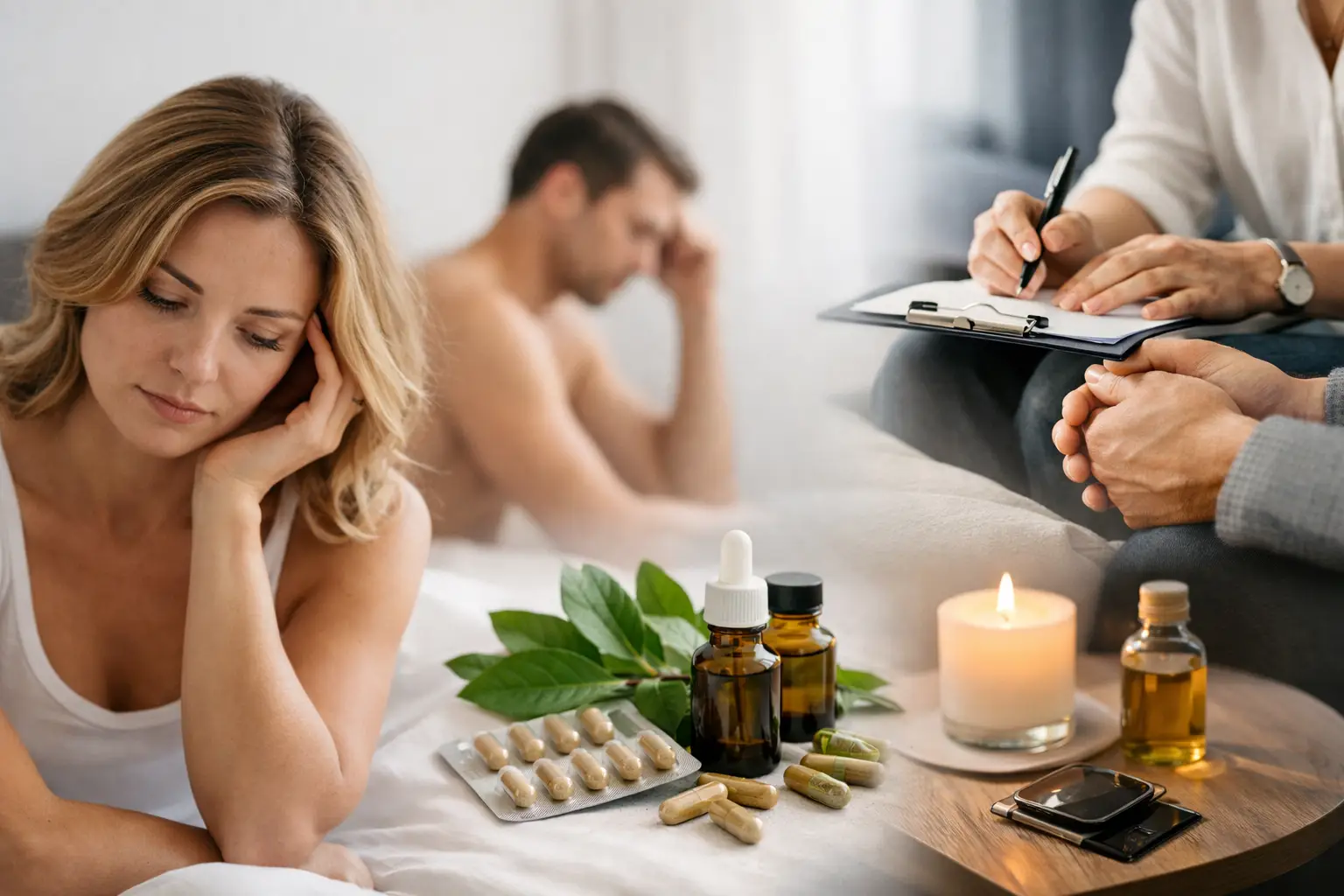
A lower sex drive can feel frustrating, isolating, or unlike you. But the best treatments for low libido are rarely found in a single supplement, quick fix, or one-size-fits-all prescription. Desire is influenced by hormones, stress, sleep, relationship dynamics, medications, physical comfort, mental health, and overall metabolic health. The most effective plan starts by identifying which factors are affecting you.
Low libido is also more common than many people realize. It can happen during major life changes, after starting a new medication, while managing weight changes or chronic health conditions, and as part of aging. The goal is not to force a version of desire that does not feel authentic. It is to understand the change and address the barriers that may be getting in the way of sexual vitality, comfort, connection, and confidence.
Table of Contents
Best Treatments for Low Libido Start With a Real Assessment
A thoughtful medical evaluation can prevent a lot of wasted time and money. Before recommending treatment, a provider should ask when the change began, whether it is persistent, whether it causes distress, and whether it occurs in every situation or only some. Low desire is different from erectile dysfunction, vaginal dryness, pain with sex, difficulty reaching orgasm, or relationship conflict, though these concerns can overlap.
A clinician may review your health history, stress level, sleep, mood, alcohol or substance use, and current medications. Antidepressants, certain blood pressure medications, hormonal birth control, opioid pain medications, and some other prescriptions can affect sexual desire or function. Do not stop a medication on your own. A provider can help determine whether a dose change, an alternative medication, or an additional treatment is appropriate.
Depending on your symptoms and history, testing may also be useful. This can include screening for thyroid issues, diabetes or insulin resistance, anemia, and other conditions that can contribute to fatigue or reduced desire. For men with symptoms of low testosterone, proper testing typically includes more than one early-morning testosterone measurement. Hormone results need context, not just a number on a lab report.
Restore the Foundations That Support Desire
Lifestyle changes may sound basic, but they are not minor when low libido is connected to exhaustion, stress, body image changes, or poor recovery. Sleep deprivation can blunt mood, energy, and hormonal signaling. Chronic stress keeps the body in a state that is not especially compatible with desire.
Consistent movement can help, especially a combination of resistance training, cardiovascular activity, and recovery. Exercise supports circulation, energy, confidence, mood, and metabolic health. For people navigating weight changes, a provider-guided plan that protects muscle mass and avoids overly aggressive calorie restriction can make a meaningful difference in how they feel.
Alcohol, nicotine, and recreational substances may also interfere with arousal and performance. Reducing use can help, particularly when erectile function, sleep quality, or anxiety are part of the picture. These strategies are not a substitute for medical care when symptoms are significant, but they can make other treatments work better.
Address stress, mood, and relationship pressure
Mental health deserves a central place in this conversation. Anxiety, depression, trauma, burnout, and performance pressure can all lower interest in sex. Therapy can be particularly helpful when desire changed after a stressful event or when shame and worry have become part of intimacy.
Sex therapy or couples counseling may be a strong option when partners have different levels of desire, communication has become difficult, or sex has started to feel like another obligation. This is not about assigning blame. It is about creating conditions where emotional safety, curiosity, and pleasure have room to return.
Medical Treatments for Low Libido in Women
For women, treatment depends heavily on life stage, symptoms, and whether low desire is generalized or tied to a specific circumstance. Perimenopause and menopause can bring vaginal dryness, tissue changes, sleep disruption, hot flashes, and mood shifts that affect libido. Treating pain or discomfort during sex can be one of the most practical first steps.
Local vaginal estrogen or other prescription options for menopausal genitourinary symptoms may improve dryness and painful intercourse for appropriate patients. Systemic menopausal hormone therapy may be considered for some women with bothersome symptoms, but it is not right for everyone. Personal and family history matter, including clotting risk, certain cancers, and cardiovascular health.
Elevate Your Health for Just $29.99/Month
Join the Precision Wellness Subscription at My Healing 365 and get discounted services, priority coaching access, virtual care, and exclusive wellness resources to support your physical, emotional, and hormonal health.
Join for $29.99/MonthTwo prescription medications are specifically approved in the United States for acquired, generalized hypoactive sexual desire disorder in certain premenopausal women. Flibanserin is taken daily and has alcohol-related safety considerations. Bremelanotide is an as-needed injectable option that may cause nausea and can affect blood pressure. Neither treatment is a universal answer, and both require an individualized discussion of risks, benefits, and medication interactions.
Testosterone therapy is sometimes discussed for women, especially after menopause, but it requires careful clinical judgment. There is no FDA-approved testosterone product specifically for female low libido in the United States. If a clinician considers it, dosing and follow-up are essential to reduce the risk of acne, unwanted hair growth, voice changes, and other side effects.
Medical Treatments for Low Libido in Men
Low testosterone can contribute to low desire, reduced morning erections, fatigue, depressed mood, and reduced muscle mass. Yet testosterone is not the answer for every man with a lower sex drive. Symptoms can overlap with sleep apnea, depression, chronic illness, medication side effects, overtraining, and relationship concerns.
Testosterone replacement therapy may be appropriate for men with consistent symptoms and confirmed low testosterone on properly timed testing. It should be managed by a qualified provider who can monitor hormone levels, blood counts, prostate-related considerations, fertility goals, and treatment response. Testosterone can reduce sperm production, so it may not be the best path for someone trying to conceive soon.
When erectile dysfunction is part of the concern, medications that improve blood flow may help sexual performance. Still, an erection medication does not automatically restore desire. If libido has dropped, the underlying reasons still deserve attention.
Where PT-141 and Peptide Therapy May Fit
Some people exploring advanced sexual wellness options ask about PT-141, also known as bremelanotide. Unlike treatments that focus primarily on blood flow, PT-141 works through pathways involved in sexual desire and arousal. It may be considered under medical supervision for select patients, particularly when a provider believes it matches their symptoms and medical profile.
Peptide-based care should never be treated as casual experimentation. A responsible plan includes a consultation, review of medical history and medications, clear dosing instructions, and follow-up for side effects and results. Availability, formulation, and regulatory status can vary, especially with compounded treatments, so patients should understand exactly what is being prescribed and why.
For people whose low libido occurs alongside low energy, poor sleep, changing body composition, hormonal symptoms, or reduced recovery, an integrated approach can be especially valuable. My Healing 365 brings sexual health, hormone care, weight management, and provider-guided wellness options into one telehealth experience, helping patients build a plan around the full picture rather than chasing a single symptom.
When Low Libido Needs Prompt Medical Attention
Schedule a medical visit sooner rather than later if low libido comes with chest pain during sex or activity, new neurological symptoms, severe depression, sudden erectile changes, pelvic pain, bleeding after sex, or major unexplained fatigue. These symptoms may point to a health concern that needs evaluation beyond sexual wellness treatment.
It is also worth speaking with a provider if low desire has persisted for several months, is creating distress, or is affecting your relationship. You do not need to wait until the problem feels overwhelming to seek help.
A more useful question than “What is the fastest fix?”
The right question is often, “What changed, and what does my body need now?” For some people, the answer is better sleep and less pressure. For others, it is treatment for pain, a medication review, mental health support, hormone care, or a medically guided option such as PT-141. A personalized plan can replace guesswork with a path that supports both sexual health and the way you want to feel in the rest of your life.

























