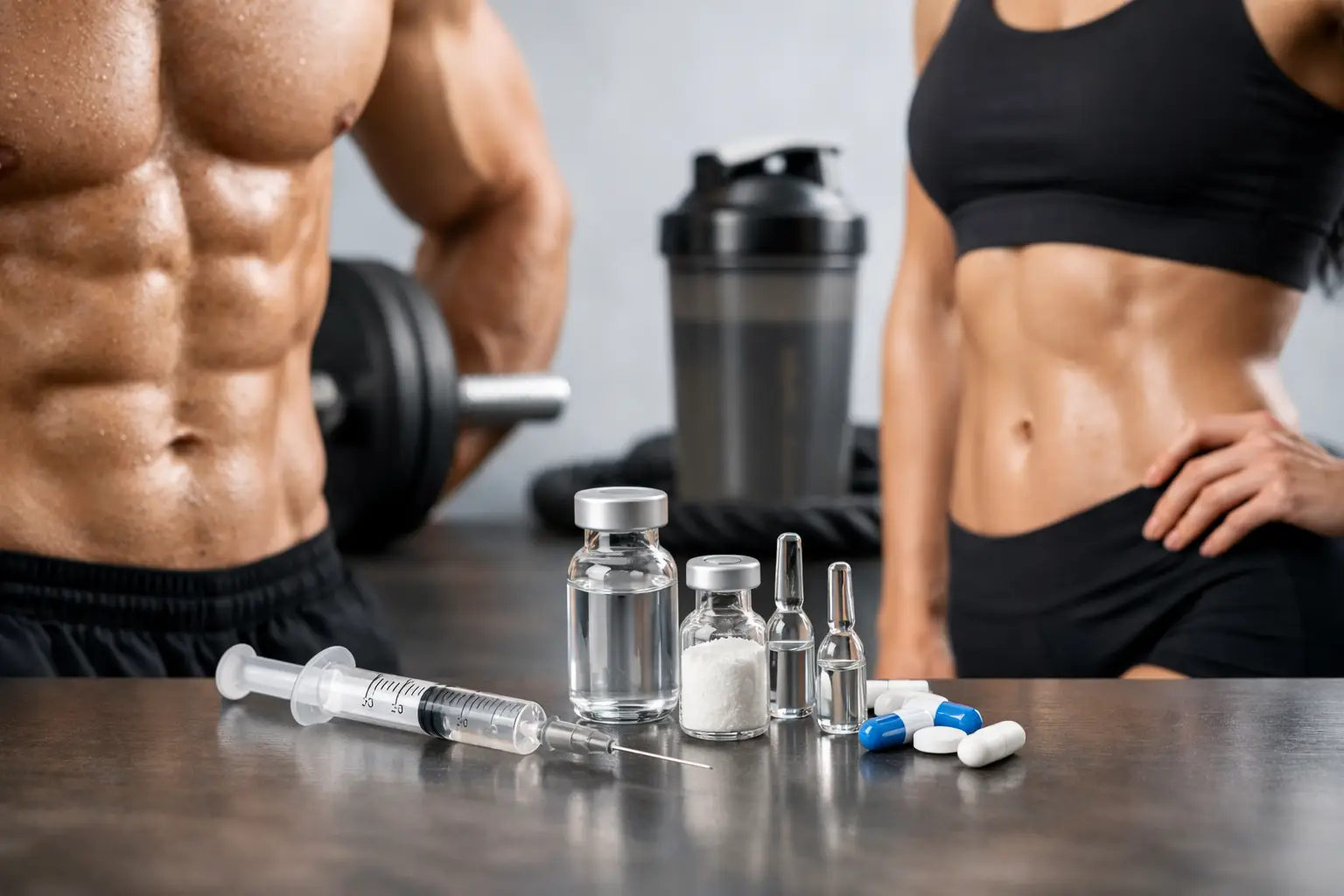
The scale can drop quickly while your strength, energy, and muscle tone go with it. That is why people searching for the best peptides for body recomposition need more than a medication that simply lowers appetite. True recomposition means improving the ratio of fat mass to lean mass while supporting the habits, recovery, and metabolic health that help results last.
Peptide therapy can be a groundbreaking option when it is matched to the right goal and guided by a qualified medical provider. The best approach is rarely one-size-fits-all. Someone carrying excess weight with insulin resistance needs a different plan than someone who is already lean but struggling with recovery, sleep, or age-related muscle loss.
Table of Contents
What Body Recomposition Actually Requires
Body recomposition is not the same as losing pounds. It is the process of reducing body fat while preserving, and in some cases building, lean tissue. Progress may show up in waist measurements, strength, clothing fit, energy, and body-fat trends before it shows up dramatically on the scale.
Medication can support the process, but it cannot replace the fundamentals. Adequate protein intake, resistance training, daily movement, sleep, hydration, and a calorie plan that fits your needs remain central. For patients with obesity, metabolic dysfunction, or persistent hunger, medically guided peptide-based treatments may make those fundamentals easier to sustain.
The right protocol also depends on your health history, current medications, lab work, injury status, and goals. A provider should screen for contraindications and set expectations before treatment begins.
Best Peptides for Body Recomposition: The Leading Options
GLP-1 and dual-action medications for fat loss
For many adults, the most evidence-based starting point for body recomposition is a metabolic medication that helps reduce excess body fat. Semaglutide is a GLP-1 receptor agonist that can reduce appetite, improve fullness, and support blood-sugar management. Tirzepatide acts on both GIP and GLP-1 pathways, offering another provider-guided option for patients who qualify. Zepbound is a brand name for tirzepatide approved for chronic weight management in appropriate patients.
These medications can be especially useful when overeating, food noise, insulin resistance, or repeated weight regain have made traditional dieting unsuccessful. The trade-off is that faster weight loss can include lean-mass loss if nutrition and training are neglected. A recomposition-focused plan should prioritize protein, progressive resistance exercise, and a rate of loss that is appropriate for the individual.
Common side effects may include nausea, constipation, diarrhea, reflux, or reduced appetite that makes it difficult to eat enough protein. Dosing is typically adjusted gradually under medical supervision. These medications are not right for everyone, including people with certain personal or family medical histories.
Ipamorelin/CJC for recovery and lean-mass support
Ipamorelin and CJC-based protocols are often discussed for adults whose body-composition concerns are tied to poor recovery, disrupted sleep, declining training capacity, or age-related changes in muscle tone. These compounds are intended to influence the body’s natural growth hormone signaling rather than provide growth hormone directly.
For the right candidate, a provider may consider this category as part of a broader plan focused on recovery, sleep quality, exercise consistency, and body composition. Results vary substantially, and these therapies are not a substitute for lifting, nutrition, or addressing low testosterone, thyroid issues, or other medical contributors when present.
It is also important to understand the evidence and regulatory distinction. Not every peptide marketed for fitness has FDA approval for body recomposition, and quality varies greatly outside legitimate medical care. Provider oversight matters because the goal is not to chase aggressive dosing or quick cosmetic changes. The goal is to use an individualized protocol with clear monitoring and realistic outcomes.
Sermorelin for selected patients
Sermorelin is another treatment sometimes used in medically guided wellness and hormone-support discussions. It works through growth hormone-releasing hormone pathways and may be considered when a clinician believes sleep, recovery, and age-related changes warrant further evaluation.
Sermorelin is not a universal fat-loss treatment. It may be a better conversation for someone whose primary challenge is low recovery capacity or reduced vitality rather than uncontrolled appetite. A thoughtful provider will assess the full picture, including sleep, stress, training demands, hormone health, and metabolic markers, before recommending it.
BPC-157 when pain or injury is blocking progress
BPC-157 is often sought by active adults dealing with tendon, joint, or soft-tissue concerns that interfere with training. It is not a direct body-fat medication, and it should not be presented as one. Its potential role, if a provider determines it is appropriate, is supporting a plan in which recovery from pain or injury helps a patient return to consistent movement and resistance training.
The evidence base and regulatory status for BPC-157 require careful discussion. It is not FDA-approved for treating injuries, and claims online often outrun the available human research. Patients should be cautious about self-sourcing products or relying on social-media protocols.
What Is Not a Body Recomposition Shortcut
Some treatments may support related quality-of-life goals without being primary recomposition tools. NAD+ is a coenzyme, not a peptide, and may be discussed in wellness settings for cellular energy and healthy aging support. PT-141 is generally associated with sexual wellness, while Selank and Semax are commonly discussed for mood or cognitive goals. These may be relevant to an individual care plan, but they are not the first choice for reducing fat mass or preserving muscle.
That distinction matters. A treatment plan works better when every therapy has a clear job. If appetite regulation is the barrier, metabolic medication may be the focus. If sleep and recovery are the barrier, the conversation may move in a different direction. Layering multiple compounds without a defined clinical reason can add cost, complexity, and side-effect risk without improving results.
How to Protect Muscle While Losing Fat
The most successful medication-assisted weight-loss plans treat muscle as something to protect. Aim for a protein target your provider or nutrition professional recommends, distributed across meals you can tolerate. Resistance training should be progressive but realistic, especially if you are returning after injury or a long break.
Do not mistake low appetite for complete nutrition. GLP-1-based medications can make it easy to undereat protein, fiber, fluids, and micronutrient-rich foods. If meals become difficult, your clinician may adjust your dose, timing, or nutrition strategy rather than asking you to push through symptoms.
Sleep deserves equal attention. Poor sleep can intensify hunger, reduce training performance, and make recovery feel harder. It may also be a signal to evaluate stress, sleep apnea, hormone concerns, or medication effects.
How a Provider Builds the Right Protocol
A safe plan starts with more than a questionnaire about goal weight. Your medical history, current prescriptions, prior weight-loss experience, digestion, sleep, activity level, and body-composition goals all shape the recommendation. Depending on your situation, a clinician may recommend lab testing or coordination with your primary care team.
Elevate Your Health for Just $29.99/Month
Join the Precision Wellness Subscription at My Healing 365 and get discounted services, priority coaching access, virtual care, and exclusive wellness resources to support your physical, emotional, and hormonal health.
Join for $29.99/MonthAt My Healing 365, provider-guided care is designed to make that process accessible through telehealth while keeping treatment individualized. Follow-up is where the plan becomes useful: monitoring side effects, reviewing progress beyond the scale, adjusting doses when needed, and addressing the habits that protect your results.
Be direct about what you want from treatment. If your goal is to feel stronger, fit differently in your clothes, and maintain the progress you make, say so. That gives your provider a better starting point than a number on the scale alone.
Common Questions About Peptides and Recomposition
Will peptides build muscle without exercise?
No. Some therapies may support recovery or metabolic conditions that make training more consistent, but they do not replace the training stimulus required to build muscle. Resistance exercise, adequate protein, and recovery remain essential.
Can I use a GLP-1 medication and a recovery-focused peptide together?
Possibly, but only when a provider has a clear reason to combine therapies and has reviewed your full health profile. More treatment is not automatically better. The best protocol is the least complicated approach that safely addresses the barriers holding you back.
How long does body recomposition take?
Fat-loss changes can begin within weeks, but meaningful improvements in muscle retention, strength, measurements, and habits usually require months. Sustainable progress is often slower than social media promises, but it is far more valuable.
The most powerful next step is not choosing a peptide from a list. It is identifying what has kept your body from responding so far, then building a medically guided plan that helps you lose fat without losing the strength and vitality you are working to regain.

























