A hot flash in the middle of a meeting, sleep that no longer feels restorative, a fading sex drive, or energy that disappears by midafternoon can make hormone treatment feel urgent. When comparing hormone cream versus gel, the better option is rarely the one with the most hype. It is the formulation that matches your diagnosis, treatment goals, body, routine, and clinician-guided plan.
Both creams and gels can deliver hormones through the skin, avoiding the digestive tract and offering a convenient at-home option for many adults. But they are not interchangeable. The hormone prescribed, its dose, the product’s formulation, and how consistently you use it all affect your results.
Table of Contents
Hormone cream versus gel: the practical difference
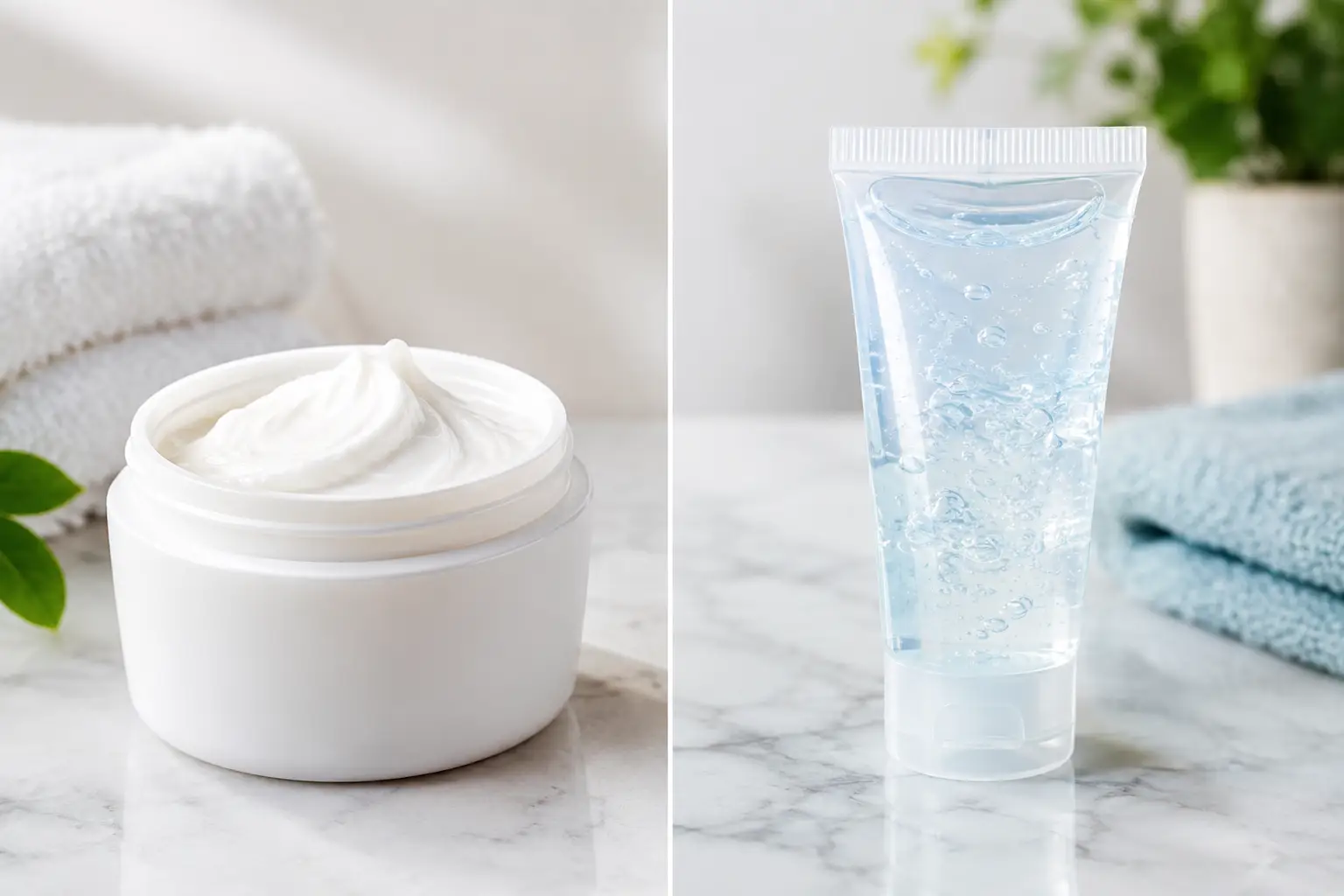
Hormone creams are topical products with a thicker, lotion-like texture. Depending on the prescription, they may be applied to areas such as the inner thigh, arm, abdomen, or, in some cases, vaginal tissue. A cream can be particularly useful when a provider is addressing localized symptoms, such as vaginal dryness or discomfort, or when a specific compounded formulation is medically appropriate.
Hormone gels are usually clear or lightweight products designed to dry quickly after being spread over a designated area of skin. Estrogen gels, for example, are often applied to the arm or thigh. Testosterone gel may be prescribed for certain men with confirmed low testosterone, with application instructions that must be followed carefully to reduce transfer to others.
The central difference is not simply texture. Creams and gels may contain different hormones, concentrations, bases, and delivery systems. Two products with the same hormone name may not produce identical absorption or dosing results. That is why switching from one to the other should never be treated as a simple cosmetic preference.
Why absorption matters more than convenience alone
Transdermal hormone therapy works by moving medication through the skin and into circulation or, with certain vaginal therapies, acting primarily in local tissue. Skin absorption can vary from person to person. Application site, skin condition, bathing, sweating, use of lotions, and whether the product has fully dried can all influence how much medication is absorbed.
A gel’s fast-drying feel may suit someone who wants to get dressed quickly or dislikes the residue of a cream. On the other hand, some people find a cream easier to apply precisely, especially when treating a small area or following a customized dosing plan.
Consistency matters more than either format’s perceived convenience. A product only helps when it is used as prescribed. If a gel fits easily into your morning routine, you may be more likely to use it reliably. If a cream makes it easier to manage a localized symptom or a carefully tailored dose, that may be the better path. Your real-life routine is part of the treatment decision.
Avoiding accidental hormone transfer
This consideration is especially important with certain testosterone and estrogen gels. Until the medication has dried and the application area is covered or washed according to your prescription instructions, hormones can potentially transfer through skin-to-skin contact. This may be a concern for partners, children, and pets.
Wash your hands after application, allow the product to dry completely, and follow the directions for clothing coverage and bathing. Do not assume every cream or gel has the same precautions. Your pharmacy label and medical team’s guidance should lead the way.
Elevate Your Health for Just $29.99/Month
Join the Precision Wellness Subscription at My Healing 365 and get discounted services, priority coaching access, virtual care, and exclusive wellness resources to support your physical, emotional, and hormonal health.
Join for $29.99/MonthWhich symptoms are being treated?
The right format depends partly on what you are trying to improve. Menopause symptoms may include hot flashes, night sweats, disrupted sleep, mood changes, vaginal dryness, painful sex, and reduced desire. Low testosterone can be associated with low libido, fatigue, changes in mood, reduced strength, and diminished motivation, but these symptoms can also have other causes.
For women whose primary concern is vaginal dryness, irritation, or pain with intimacy, a localized therapy may be considered differently than systemic treatment for hot flashes and night sweats. For adults seeking support for broader hormone-related symptoms, a clinician may evaluate whether a systemic transdermal option is appropriate and which form can deliver the intended dose predictably.
This is where personalized care protects you from a frustrating cycle of trial and error. A formulation that works well for a friend, spouse, or online reviewer may not address your specific symptoms or health history.
Creams may offer flexibility, but formulation matters
Some hormone creams are commercially manufactured, while others are prepared by compounding pharmacies. Compounded products can be useful in select situations, such as when a patient needs a dose or ingredient combination not available in a standard product. However, compounded hormone therapy is not automatically better because it is customized.
With any compounded medication, ask your clinician why it is being recommended, what results to expect, and how progress will be monitored. Quality standards and dosing consistency can differ from FDA-approved products. The right choice should be based on a clear medical reason, not the promise of a one-size-fits-all “bioidentical” solution.
For many people, the appeal of a cream is its application experience and the possibility of tailored dosing. The trade-off can be a longer drying time, a more noticeable residue, or additional care around where and how it is applied. A well-designed treatment plan accounts for those details before they become barriers.
Gels can feel simple, but dosing still requires care
Gels are often appealing because they are discreet, lightweight, and easy to incorporate into a daily routine. For people using a prescribed systemic estrogen or testosterone gel, the pump or packet format can provide a consistent measured dose when used correctly.
Still, simple does not mean casual. Applying more gel to chase faster results can increase the risk of side effects without solving the underlying problem. Hormone therapy is not an instant energy booster or a substitute for sleep, nutrition, stress support, or treatment for unrelated medical conditions.
Your provider may adjust your plan based on symptom changes, side effects, lab work when clinically appropriate, and your broader health goals. Improvements in hot flashes or sleep may occur on a different timeline than changes in libido, mood, body composition, or sexual comfort. Giving treatment enough time while staying in communication with your care team is essential.
Safety questions to discuss before choosing either option
Hormone treatment deserves thoughtful medical oversight, particularly if you have a history of blood clots, stroke, certain cancers, liver disease, unexplained vaginal bleeding, heart disease, or are pregnant or breastfeeding. Your clinician should also review medications and supplements that could affect treatment.
Report new or concerning symptoms promptly. Depending on the hormone and your individual circumstances, these can include breast changes, persistent headaches, swelling, unusual bleeding, skin reactions, mood changes, acne, hair changes, or changes in sexual function. Side effects do not always mean treatment must stop, but they do mean your plan may need adjustment.
For testosterone therapy, an accurate diagnosis matters. Testosterone should not be started solely because someone feels tired or wants faster fitness results. A qualified clinician will consider symptoms, appropriate testing, medical history, and potential causes that may be affecting how you feel.
Making the decision feel less overwhelming
Instead of asking, “Is cream better than gel?” try asking a more useful set of questions: What hormone do I need? Are my symptoms local or systemic? Which product has the evidence and dosing approach that fit my situation? Can I realistically use it as directed every day? What monitoring will help confirm that the plan is working safely?
At My Healing 365, hormone care is designed around that kind of conversation. Virtual care can make it easier to discuss symptoms that feel personal, from changes in intimacy and confidence to sleep disruption and persistent fatigue, while keeping treatment connected to your wider health goals.
The best next step is a private medical consultation, not a guess based on product texture. When your care plan is built around your symptoms, history, lifestyle, and follow-up needs, hormone therapy can become a more confident step toward feeling balanced, connected, and like yourself again.

























