Medically Reviewed
Dr. Jose Rossello, MD, PhD, MHCM
Preventive Medicine & Public Health Specialist
Last Reviewed: June 22, 2026
Your body might be hiding serious health problems right now without giving you any obvious warning signs. Many dangerous conditions develop silently over months or years before symptoms appear. By the time people notice something is wrong, these issues may have already caused significant damage.
Silent diseases like high blood pressure, diabetes, and early-stage heart disease can progress for years without noticeable symptoms while quietly harming vital organs and systems. These hidden threats affect millions of people who feel perfectly healthy. Regular checkups and specific tests can catch these problems early when they are easier to treat.
The risks extend beyond just internal diseases. Everyday dangers unknowingly impacting our health include contaminated water, poor indoor air quality, and household hazards that most people never consider. Understanding what to look for and taking simple preventive steps can help protect against both silent diseases and environmental threats before they cause lasting harm.
Table of Contents
Key Takeaways
- Many serious health conditions develop without symptoms and can only be detected through regular medical screenings and specific tests
- Environmental hazards in homes and water supplies can cause health problems that often go unrecognized by both patients and doctors
- Simple lifestyle changes and proactive monitoring can help identify and prevent hidden health risks before they become serious problems
Understanding Silent Health Threats
Many serious health conditions develop for years without causing any noticeable symptoms, making them difficult to detect until significant damage has occurred. These silent conditions can quietly harm vital organs and systems while a person feels completely healthy.
How Health Risks Go Undetected
Silent diseases develop without obvious early warning signs that would prompt someone to seek medical care. The body compensates for gradual changes, masking damage until a condition reaches an advanced stage.
High blood pressure serves as a prime example. Blood vessels adapt slowly to increased pressure, so most people feel normal even as their arteries sustain damage. The heart works harder without causing chest pain or shortness of breath in the early stages.
Type 2 diabetes operates similarly. Blood sugar levels rise gradually over months or years. The body adjusts to these changes, preventing noticeable symptoms until levels become severely elevated or complications emerge.
Many age-related eye diseases like glaucoma cause no symptoms until about half of the retinal cells are lost. Vision loss becomes permanent by the time a person notices problems.
The Dangers of the Silent Killer Effect
The term silent killer refers to conditions that cause serious harm or death without providing clear early warning signs. These diseases damage organs and increase risks for life-threatening complications while remaining undetected.
High blood pressure acts as a silent killer by damaging blood vessels throughout the body. This damage increases the risk of heart attack, stroke, kidney failure, and vision loss. Most people discover they have hypertension only during routine medical exams.
Osteoporosis weakens bones without symptoms until a fracture occurs. Up to 60 percent of people who were independent before a hip fracture need help with daily activities for up to two years afterward. Many never regain full mobility.
Regular health monitoring through screenings provides the only reliable way to detect these conditions early. Blood pressure checks, blood sugar tests, cholesterol panels, and bone density scans identify problems before they cause irreversible damage.
Common Hidden Conditions and Biomarkers
Many serious health problems develop silently for years before causing noticeable symptoms. Blood pressure levels and cholesterol readings reveal cardiovascular risks, while metabolic markers expose diabetes and thyroid dysfunction long before a person feels sick.
The Role of Blood Pressure and Cholesterol
High blood pressure damages arteries throughout the body without producing any symptoms in most people. The condition silently harms the heart, kidneys, and brain for years before causing heart attacks or strokes.
Standard cholesterol tests measure total cholesterol, LDL cholesterol, and HDL cholesterol. However, these basic measurements don’t tell the complete story. ApoB levels provide a more accurate picture of cardiovascular risk because they count the actual number of dangerous cholesterol particles in the blood. Advanced biomarkers expose cardiovascular danger that regular cholesterol panels completely miss.
HDL cholesterol often gets called “good cholesterol” because it helps remove other forms of cholesterol from the bloodstream. Lower HDL levels increase heart disease risk even when LDL cholesterol appears normal.
Metabolic and Hormonal Imbalances
Insulin resistance develops up to ten years before blood sugar rises high enough for a diabetes diagnosis. Fasting glucose measures blood sugar after not eating for at least eight hours. A reading between 100-125 mg/dL indicates prediabetes, while 126 mg/dL or higher suggests diabetes.
HbA1c shows average blood sugar levels over the past three months. This test reveals long-term glucose control patterns that single fasting measurements might miss. Values between 5.7-6.4% indicate prediabetes.
Thyroid problems often hide behind vague symptoms like fatigue or weight changes. TSH (thyroid-stimulating hormone) serves as the primary screening test for thyroid function. Free T4 measures the actual thyroid hormone circulating in the blood. Abnormal levels affect metabolism, energy, heart rate, and body temperature regulation.

Heart disease, diabetes, and obesity often develop quietly over years, driven by changes in cholesterol levels, blood sugar control, and body weight that many people don’t notice until serious problems emerge.
Unseen Dangers of Heart Disease
Heart disease remains the leading cause of death worldwide, yet many risk factors go undetected for years. LDL cholesterol builds up in artery walls, creating blockages that restrict blood flow to the heart. HDL cholesterol works to remove this harmful buildup, but low levels leave arteries vulnerable to damage.
ApoB measures the actual number of cholesterol-carrying particles in the blood. This marker often reveals risk that standard cholesterol tests miss. High ApoB levels indicate a greater chance of plaque formation, even when LDL numbers appear normal.
Blood vessel damage happens gradually. Arteries stiffen and narrow without causing symptoms until blockages become severe enough to trigger chest pain or heart attacks.
Regular testing catches these changes early. People with elevated LDL cholesterol or ApoB can make lifestyle changes or start medications before irreversible damage occurs.
Obesity and Diabetes Progression
Excess body weight drives a cascade of metabolic problems. Obesity causes cells to become resistant to insulin, forcing the pancreas to produce more of this hormone to keep blood sugar stable.
Insulin resistance worsens over time. Fasting glucose levels start to rise as the body struggles to process sugar efficiently. HbA1c testing reveals average blood sugar levels over three months, showing the progression toward diabetes before symptoms appear.
Type 2 diabetes develops when the pancreas can no longer keep up with insulin demands. High blood sugar then damages blood vessels, nerves, kidneys, and eyes. Obesity also increases inflammation throughout the body, raising heart disease risk independent of diabetes.
Weight loss of just 5-10% can significantly improve insulin sensitivity and reduce these risks.
Lifestyle Patterns That Increase Vulnerability

Daily habits shape disease risk more directly than many people realize. Sedentary behavior and lack of movement create conditions where chronic illnesses develop and progress.
The Impact of a Sedentary Lifestyle
A sedentary lifestyle creates multiple health risks throughout the body. People who sit for extended periods face higher rates of obesity, heart disease, and type 2 diabetes. The body’s metabolism slows significantly during prolonged sitting, reducing its ability to regulate blood sugar and break down body fat.
Blood circulation suffers when someone remains stationary for hours. Poor circulation contributes to varicose veins, particularly in the legs where blood pools instead of flowing efficiently back to the heart. These swollen, twisted veins often cause discomfort and signal deeper circulatory problems.
Lifestyle theory in victimology examines how daily patterns affect vulnerability, and this principle applies to health risks as well. Sedentary habits combined with consumption of ultra-processed foods amplify disease risk. These foods typically contain excessive sodium, sugar, and unhealthy fats that promote inflammation and weight gain.
How Physical Activity Protects Against Disease
Regular physical activity strengthens the body’s defense systems. Exercise improves insulin sensitivity, helping cells absorb glucose more effectively and preventing type 2 diabetes. It also maintains healthy blood pressure and reduces inflammation markers linked to chronic disease.
Movement supports weight management by burning calories and building muscle mass. People who engage in consistent physical activity maintain healthier body compositions and avoid obesity-related complications.
Key protective effects include:
- Improved cardiovascular function and circulation
- Stronger immune response to infections
- Better mental health and stress management
- Enhanced bone density and muscle strength
Even modest increases in daily movement provide measurable benefits. Walking for 30 minutes most days of the week reduces disease risk substantially compared to remaining inactive.
Invisible Environmental and Household Hazards
Your home contains threats you cannot see or smell that affect your health every day. Indoor air pollutants and chemical exposures from everyday products create risks that build up over time.
Effects of Poor Indoor Air Quality
Poor indoor air quality affects breathing, sleep, and long-term health. Common pollutants include dust mites, pet dander, mold spores, and volatile organic compounds from furniture and cleaning products.
These airborne particles trigger allergies and make asthma worse. People exposed to common allergens like pet dander and mites may experience sneezing, coughing, and difficulty breathing.
Carbon monoxide from gas stoves and heaters poses serious danger. This colorless, odorless gas causes headaches, dizziness, and can be fatal in high concentrations.
Volatile organic compounds come from air fresheners, paints, and aerosol sprays. These chemicals irritate the respiratory system and contribute to indoor air pollution. Opening windows regularly and using air purifiers helps reduce these pollutants.
Hidden Toxins: BPA and Chemicals in Daily Life
BPA (bisphenol A) appears in plastic containers, water bottles, and food packaging. This chemical mimics estrogen in the body and disrupts hormone function. It leaches into food and drinks, especially when plastics are heated.
Ultra-processed foods often contain additives, preservatives, and packaging materials that transfer chemicals into what people eat. These foods typically come wrapped in plastics or lined containers that may release BPA and similar compounds.
Common sources of chemical exposure include:
- Plastic food containers and bottles
- Canned food linings
- Receipts printed on thermal paper
- Non-stick cookware
Household cleaners contain harsh chemicals like lye and hydrochloric acid. These substances cause skin burns and respiratory problems when used without proper ventilation. Switching to safer alternatives or wearing protective gloves reduces exposure risks.
Digestive, Liver, and Kidney Health Risks
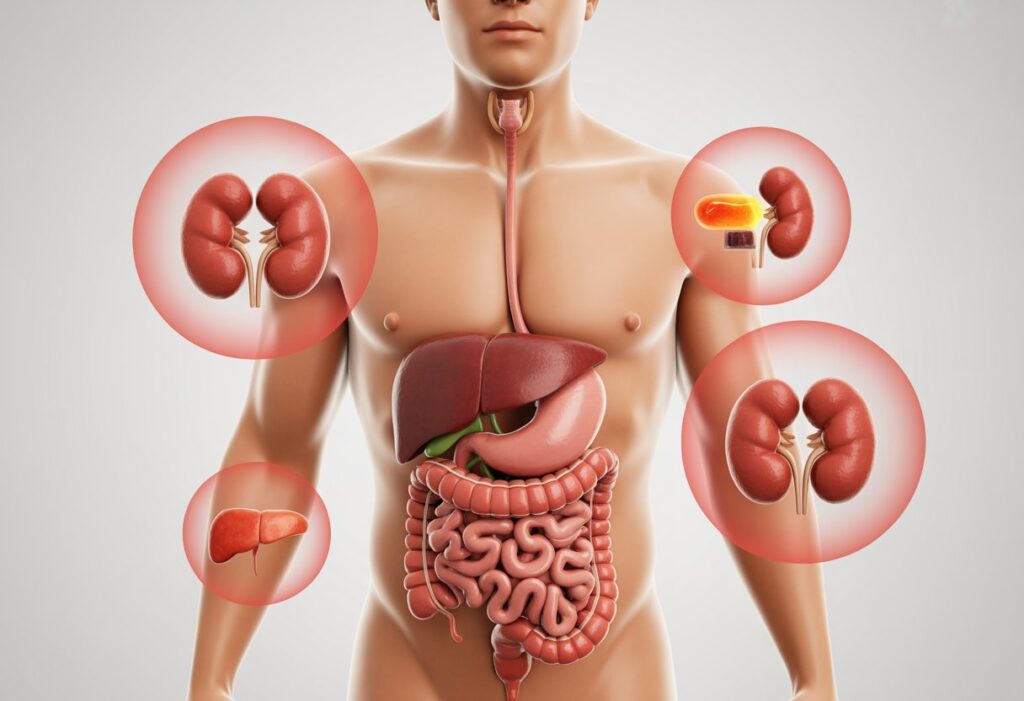
Liver and kidney problems often develop without obvious symptoms until significant damage occurs, while digestive issues can signal underlying conditions that require attention. Key markers like creatinine and eGFR reveal kidney function, and conditions like IBS affect millions without clear warning signs.
Silent Progression of Liver and Kidney Strain
The liver and kidneys filter toxins and waste products from the blood, but damage to these organs often goes unnoticed for years. The liver weighs about 3 pounds[1] and performs hundreds of functions, yet up to 80% of it can be damaged before symptoms appear.
Kidney function is measured through blood tests that check creatinine levels and eGFR (estimated glomerular filtration rate). High creatinine indicates the kidneys are struggling to remove waste. An eGFR below 60 for three months or more suggests chronic kidney disease.
Liver strain shows up differently. Elevated ferritin levels can indicate liver inflammation or iron overload. Fatigue, dark urine, and abdominal swelling may not appear until cirrhosis develops. Both organs can deteriorate silently while a person feels mostly normal.
Digestive Disturbances to Watch For
Persistent digestive problems often point to conditions that need medical evaluation. IBS affects 10-15% of adults and causes cramping, bloating, diarrhea, and constipation without visible damage to the intestines.
Common digestive warning signs include:
- Chronic abdominal pain or discomfort
- Unexplained weight loss
- Blood in stool
- Persistent heartburn or acid reflux
- Changes in bowel habits lasting more than two weeks
A food allergy triggers an immune response that can cause severe reactions, while food intolerances create digestive discomfort without immune involvement. True food allergies affect about 4% of adults but are often confused with sensitivities. Repeated digestive issues after eating specific foods warrant testing to identify the cause.
Posture, Movement, and Musculoskeletal Issues

The way a person sits, stands, and moves affects more than just comfort. Poor alignment and limited physical activity create conditions for chronic pain, reduced mobility, and a higher risk of injury throughout the body.
Consequences of Poor Posture
Slouching and hunching forward place undue stress on the spine and surrounding structures. This sustained pressure compresses the intervertebral discs, which act as shock absorbers between vertebrae. Over time, poor posture can cause back pain and contribute to disc degeneration, herniation, and nerve compression.
The effects extend beyond the back. Rounded shoulders and a forward head position restrict the chest cavity, reducing lung capacity with each breath. This compressed posture also strains blood vessels in the neck, potentially affecting blood pressure. Some people develop varicose veins in their legs from prolonged sitting with poor circulation.
Ignoring postural misalignment leads to chronic conditions like kyphosis, an excessive rounding of the upper back. Muscle imbalances develop as certain groups become overworked while others weaken. The spine loses its natural S-shaped curve, making it less able to handle daily stress and gravitational forces.
Balance, Coordination, and Injury Prevention
Regular physical activity strengthens the muscles that support proper alignment and movement patterns. Core engagement, including the abdominals and lower back muscles, provides stability for the spine during daily tasks. Strong muscles help maintain joint alignment and distribute weight evenly across the body.
Limited movement reduces proprioception, the body’s awareness of its position in space. This decline affects balance and increases the likelihood of falls and accidents. Maintaining musculoskeletal health through everyday ergonomics helps prevent these issues.
Weak or imbalanced muscles fail to protect joints during sudden movements or impacts. The risk of strains, sprains, and overuse injuries grows when supporting structures cannot handle normal demands.
Sleep, Energy, and Hormonal Health Connections

Poor sleep quality disrupts hormone production and metabolism in ways that show up in blood test results. Sleep apnea creates a cascade of metabolic problems that affect blood sugar control and thyroid function.
How Sleep Problems Signal Deeper Issues
Sleep problems often reveal underlying hormonal imbalances that appear in lab work. When someone struggles with sleep quality issues that impact hormonal balance, their TSH and free T4 levels may become abnormal. The thyroid gland responds to disrupted sleep patterns by altering hormone output.
Poor sleep directly affects blood sugar regulation. Even one night of inadequate rest can reduce insulin sensitivity, which leads to higher HbA1c levels over time. People who consistently sleep less than seven hours per night often show elevated HbA1c readings during routine blood work.
Cortisol levels rise when sleep is disrupted. This stress hormone normally peaks in the morning and drops at night. Sleep deprivation reverses this pattern, keeping cortisol elevated when it should be low. High nighttime cortisol interferes with growth hormone release and thyroid function.
Common lab abnormalities linked to poor sleep include:
- Elevated TSH with normal or low free T4
- HbA1c values trending upward
- Higher fasting glucose levels
- Altered lipid panels
Sleep Apnea and Metabolic Complications
Sleep apnea creates repeated oxygen deprivation throughout the night. These breathing pauses trigger stress responses that damage metabolic health. People with untreated sleep apnea face significantly higher risks of developing insulin resistance and thyroid dysfunction.
The connection between sleep apnea and metabolic problems shows up clearly in HbA1c measurements. Studies demonstrate that sleep apnea patients have HbA1c levels 0.5 to 1.0 percentage points higher than those without the condition. This increase happens even when body weight stays the same.
Thyroid function also suffers from sleep apnea. The repeated stress of oxygen drops affects TSH production and free T4 conversion. Many sleep apnea patients show TSH levels at the high end of normal range or slightly elevated.
Metabolic markers affected by sleep apnea:
| Blood Test | Impact |
|---|---|
| HbA1c | Increases 0.5-1.0% |
| Fasting glucose | Rises 10-20 mg/dL |
| TSH | Trends higher |
| Free T4 | May decrease |
Treatment with CPAP therapy often improves these markers within three to six months.
Cognitive and Mental Health Warning Signs

Changes in thinking patterns and mood can signal underlying health problems that need attention. Brain function depends on proper nutrition, and specific vitamin shortages often show up as mental symptoms before physical ones.
Detecting Brain Health Decline
Problems with concentration, memory, or logical thought are key signs that something may be wrong with brain health. These issues can appear gradually or suddenly. A person might forget familiar tasks or struggle to follow conversations they once handled easily.
Cognitive decline also shows up through mood changes. Rapid shifts in emotions, increased irritability, or persistent depressed feelings can point to brain health problems. Some people experience a vague sense of being disconnected from themselves or their surroundings.
Unusual beliefs about personal powers or illogical thinking may develop in adults. Increased sensitivity to sights, sounds, or smells sometimes occurs. A person might avoid situations that feel overstimulating when they never bothered them before.
These warning signs require professional evaluation. Over half of mental illnesses begin by age 14, and three-quarters start by age 24.
Nutrient Deficiencies That Affect the Mind
Vitamin B12 shortage commonly causes cognitive problems. Low B12 levels lead to confusion, memory loss, and difficulty concentrating. The body needs this vitamin to maintain healthy nerve cells and produce brain chemicals that regulate mood.
Folate deficiency creates similar mental health effects. Low folate reduces the brain’s ability to make neurotransmitters. This can result in depression, irritability, and poor concentration. Pregnant women need extra folate to prevent birth defects and support brain development.
Magnesium plays a crucial role in brain function and mood regulation. Insufficient magnesium contributes to anxiety, restlessness, and sleep problems. The mineral helps calm the nervous system and supports hundreds of chemical reactions in the brain. Many people don’t get enough magnesium from their diets, which can worsen mental health symptoms over time.
Emerging Risks from Diet and Modern Living
Modern eating patterns introduce compounds and food products that previous generations never encountered. These dietary shifts affect metabolism and expose people to synthetic chemicals that accumulate in body tissues.
Ultra-Processed Foods and Metabolic Impact
Ultra-processed foods now make up a significant portion of diets worldwide. These products contain industrial ingredients not found in home kitchens.
Research shows ultra-processed foods displace traditional diets[2] centered on whole foods. The displacement leads to nutrient imbalances and increased disease risk across multiple organ systems.
These foods create metabolic problems through several mechanisms. Their high energy density and soft texture promote overeating. The disrupted food matrices reduce intake of protective plant compounds.
Studies from countries like Brazil, Mexico, and the United States document rising consumption rates. Between 2001 and 2018, ultra-processed food intake increased among American adults.
The health consequences include higher rates of obesity, diabetes, and colorectal cancer. More than 100 prospective studies link these foods to chronic diseases through various biological pathways.
Chemical Additives and Microplastics
Food processing introduces chemicals that act as endocrine disruptors. BPA (bisphenol A) from food packaging leaches into products and interferes with hormone function.
These substances enter the body through everyday eating. Plastic particles now appear in human tissues, including blood and organs.
Food additives in ultra-processed products include preservatives, emulsifiers, and artificial colors. Some of these chemicals have no history of human consumption before industrial food production. Their long-term effects on health remain under investigation.
The combination of multiple additives creates exposure patterns that traditional toxicity testing never evaluated. People consume mixtures of these compounds daily without knowing their cumulative impact.
Proactive Steps for Early Detection and Prevention
Regular monitoring of specific biomarkers and building sustainable daily habits form the foundation of catching health risks before they become serious problems. Testing key markers like fasting glucose and HbA1c reveals metabolic changes months or even years before symptoms appear.
Using Health Check Tools and Biomarker Monitoring
Blood glucose monitoring serves as a critical early warning system for diabetes risk. Fasting glucose levels between 100-125 mg/dL indicate prediabetes, while readings of 126 mg/dL or higher suggest diabetes. HbA1c testing provides a three-month average of blood sugar levels, with results between 5.7-6.4% signaling prediabetes.
Kidney function tests measure creatinine levels to detect potential problems. Elevated creatinine may indicate the kidneys aren’t filtering waste properly. Normal creatinine ranges from 0.7-1.3 mg/dL for men and 0.6-1.1 mg/dL for women.
Essential biomarkers to track include:
- Lipid panel (cholesterol and triglycerides)
- Blood pressure readings
- Vitamin D levels
- Magnesium status
- Liver enzymes
- Thyroid function (TSH)
Regular health screenings help detect potential health issues before they become serious problems. Adults should discuss their personal screening schedule with healthcare providers based on age, family history, and existing health risks.
Building Habits for Lifetime Wellness
Physical activity strengthens the body’s ability to manage health risks. Just 30 minutes of moderate movement daily improves insulin sensitivity, lowers blood pressure, and reduces inflammation markers. Walking, swimming, or cycling counts toward this goal.
Daily habits that support early detection:
- Drinking 8 glasses of water to support kidney function
- Getting 7-9 hours of sleep for hormone regulation
- Eating colorful vegetables for antioxidant protection
- Managing stress through breathing exercises or meditation
Magnesium-rich foods like spinach, almonds, and black beans support over 300 bodily processes. This mineral helps regulate blood sugar, blood pressure, and muscle function. Most adults need 310-420 mg daily.
Tracking body measurements provides simple early warning signs. Waist circumference above 35 inches for women or 40 inches for men indicates increased metabolic risk. Weight changes of more than 5 pounds in a week warrant medical attention.
Frequently Asked Questions
Understanding the body’s warning signs and emerging health risks helps people make informed decisions about their wellbeing. Research continues to reveal new concerns about environmental exposures while traditional health metrics remain essential for disease prevention.
What warning signs can indicate a serious underlying health problem?
The body sends specific signals when something requires medical attention. Certain symptoms warrant immediate evaluation rather than dismissal as minor issues.
Sudden chest pain or pressure can indicate heart problems. Unexplained weight loss of 10 pounds or more may signal metabolic disorders or cancer.
Persistent fatigue that doesn’t improve with rest often points to thyroid issues, anemia, or chronic conditions. Shortness of breath during normal activities suggests potential heart or lung problems.
Changes in bowel or bladder habits lasting more than a few weeks need evaluation. Unusual bleeding from any body opening requires prompt medical attention.
What are the most common health risk factors that increase the chance of chronic disease?
High blood pressure damages blood vessels and increases the risk of heart attack and stroke. Elevated cholesterol levels contribute to plaque buildup in arteries.
Smoking remains one of the most significant preventable risk factors for multiple diseases. Excess body weight strains the heart and raises the likelihood of diabetes.
Physical inactivity weakens the cardiovascular system and contributes to obesity. Poor diet lacking fruits, vegetables, and whole grains promotes inflammation and disease.
Excessive alcohol consumption harms the liver and increases cancer risk. Chronic stress elevates cortisol levels and weakens immune function.
Which three health metrics are most important to monitor regularly?
Blood pressure measurements reveal cardiovascular health status and stroke risk. Normal readings fall below 120/80 mmHg for most adults.
Blood sugar levels indicate diabetes risk and metabolic function. Fasting glucose should stay below 100 mg/dL for healthy individuals.
Cholesterol levels show heart disease risk through LDL, HDL, and triglyceride measurements. Total cholesterol should remain under 200 mg/dL for optimal health.
What are common signs that your body may be unhealthy even without obvious symptoms?
Persistent low energy levels throughout the day suggest metabolic or nutritional deficiencies. Poor sleep quality affects hormone regulation and immune function.
Frequent infections indicate a weakened immune system. Slow wound healing points to circulation problems or blood sugar issues.
Digestive irregularities like bloating or discomfort signal gut health problems. Skin changes including persistent dryness or unusual rashes reflect internal imbalances.
Mood changes and difficulty concentrating can stem from hormone imbalances or inflammation. Joint stiffness and muscle aches may indicate chronic inflammation.
What do current studies suggest about microplastics found in human blood and organs?
Microplastics and nanoplastics infiltrate every corner of the globe and enter the human body through ingestion, absorption, and inhalation. These tiny fragments come from the breakdown of larger plastic items and contain chemical additives that enhance flexibility and durability.
Researchers have detected these particles in human blood vessels and organs. The liver, which serves as the body’s detoxification system, faces potential risks from microplastic accumulation similar to how excessive iron or copper can cause damage.
Plastic production currently reaches 400 million tons per year. This number is projected to double by 2050, raising concerns about cumulative long-term exposure effects.
Scientists compare microplastic exposure to naturally occurring elements that the body processes in small amounts. The question remains whether these synthetic particles accumulate to harmful levels over time.
Is there evidence linking microplastic exposure to cardiovascular events such as stroke?
A study published in the New England Journal of Medicine links microplastics and nanoplastics in blood vessel plaques to increased risk of heart attack, stroke, or death. Researchers found these particles present in atherosclerotic plaques removed from patients.
The research marks a significant development in understanding how environmental exposures affect cardiovascular health. The particles’ presence in arterial plaques suggests they may contribute to inflammation and plaque instability.
Scientists continue to investigate the mechanisms by which microplastics might damage blood vessels. The small size of nanoplastics allows them to penetrate cellular barriers and potentially trigger inflammatory responses.
Current research focuses on determining safe exposure levels and identifying which populations face the greatest risk. Young people may face particular concern due to longer lifetime exposure periods.
Post Views: 2

Elevate Your Health for Just $29.99/Month
Join the Precision Wellness Subscription at My Healing 365 and get discounted services, priority coaching access, virtual care, and exclusive wellness resources to support your physical, emotional, and hormonal health.
Join for $29.99/MonthMedically Reviewed
Dr. Jose Rossello, MD, PhD, MHCM
Preventive Medicine & Public Health Specialist
Last Reviewed: June 22, 2026
Your body might be hiding serious health problems right now without giving you any obvious warning signs. Many dangerous conditions develop silently over months or years before symptoms appear. By the time people notice something is wrong, these issues may have already caused significant damage.
Silent diseases like high blood pressure, diabetes, and early-stage heart disease can progress for years without noticeable symptoms while quietly harming vital organs and systems. These hidden threats affect millions of people who feel perfectly healthy. Regular checkups and specific tests can catch these problems early when they are easier to treat.
The risks extend beyond just internal diseases. Everyday dangers unknowingly impacting our health include contaminated water, poor indoor air quality, and household hazards that most people never consider. Understanding what to look for and taking simple preventive steps can help protect against both silent diseases and environmental threats before they cause lasting harm.
Key Takeaways
- Many serious health conditions develop without symptoms and can only be detected through regular medical screenings and specific tests
- Environmental hazards in homes and water supplies can cause health problems that often go unrecognized by both patients and doctors
- Simple lifestyle changes and proactive monitoring can help identify and prevent hidden health risks before they become serious problems
Understanding Silent Health Threats
Many serious health conditions develop for years without causing any noticeable symptoms, making them difficult to detect until significant damage has occurred. These silent conditions can quietly harm vital organs and systems while a person feels completely healthy.
How Health Risks Go Undetected
Silent diseases develop without obvious early warning signs that would prompt someone to seek medical care. The body compensates for gradual changes, masking damage until a condition reaches an advanced stage.
High blood pressure serves as a prime example. Blood vessels adapt slowly to increased pressure, so most people feel normal even as their arteries sustain damage. The heart works harder without causing chest pain or shortness of breath in the early stages.
Type 2 diabetes operates similarly. Blood sugar levels rise gradually over months or years. The body adjusts to these changes, preventing noticeable symptoms until levels become severely elevated or complications emerge.
Many age-related eye diseases like glaucoma cause no symptoms until about half of the retinal cells are lost. Vision loss becomes permanent by the time a person notices problems.
The Dangers of the Silent Killer Effect
The term silent killer refers to conditions that cause serious harm or death without providing clear early warning signs. These diseases damage organs and increase risks for life-threatening complications while remaining undetected.
High blood pressure acts as a silent killer by damaging blood vessels throughout the body. This damage increases the risk of heart attack, stroke, kidney failure, and vision loss. Most people discover they have hypertension only during routine medical exams.
Osteoporosis weakens bones without symptoms until a fracture occurs. Up to 60 percent of people who were independent before a hip fracture need help with daily activities for up to two years afterward. Many never regain full mobility.
Regular health monitoring through screenings provides the only reliable way to detect these conditions early. Blood pressure checks, blood sugar tests, cholesterol panels, and bone density scans identify problems before they cause irreversible damage.
Common Hidden Conditions and Biomarkers
Many serious health problems develop silently for years before causing noticeable symptoms. Blood pressure levels and cholesterol readings reveal cardiovascular risks, while metabolic markers expose diabetes and thyroid dysfunction long before a person feels sick.
The Role of Blood Pressure and Cholesterol
High blood pressure damages arteries throughout the body without producing any symptoms in most people. The condition silently harms the heart, kidneys, and brain for years before causing heart attacks or strokes.
Standard cholesterol tests measure total cholesterol, LDL cholesterol, and HDL cholesterol. However, these basic measurements don’t tell the complete story. ApoB levels provide a more accurate picture of cardiovascular risk because they count the actual number of dangerous cholesterol particles in the blood. Advanced biomarkers expose cardiovascular danger that regular cholesterol panels completely miss.
HDL cholesterol often gets called “good cholesterol” because it helps remove other forms of cholesterol from the bloodstream. Lower HDL levels increase heart disease risk even when LDL cholesterol appears normal.
Metabolic and Hormonal Imbalances
Insulin resistance develops up to ten years before blood sugar rises high enough for a diabetes diagnosis. Fasting glucose measures blood sugar after not eating for at least eight hours. A reading between 100-125 mg/dL indicates prediabetes, while 126 mg/dL or higher suggests diabetes.
HbA1c shows average blood sugar levels over the past three months. This test reveals long-term glucose control patterns that single fasting measurements might miss. Values between 5.7-6.4% indicate prediabetes.
Thyroid problems often hide behind vague symptoms like fatigue or weight changes. TSH (thyroid-stimulating hormone) serves as the primary screening test for thyroid function. Free T4 measures the actual thyroid hormone circulating in the blood. Abnormal levels affect metabolism, energy, heart rate, and body temperature regulation.
Heart disease, diabetes, and obesity often develop quietly over years, driven by changes in cholesterol levels, blood sugar control, and body weight that many people don’t notice until serious problems emerge.
Unseen Dangers of Heart Disease
Heart disease remains the leading cause of death worldwide, yet many risk factors go undetected for years. LDL cholesterol builds up in artery walls, creating blockages that restrict blood flow to the heart. HDL cholesterol works to remove this harmful buildup, but low levels leave arteries vulnerable to damage.
ApoB measures the actual number of cholesterol-carrying particles in the blood. This marker often reveals risk that standard cholesterol tests miss. High ApoB levels indicate a greater chance of plaque formation, even when LDL numbers appear normal.
Blood vessel damage happens gradually. Arteries stiffen and narrow without causing symptoms until blockages become severe enough to trigger chest pain or heart attacks.
Regular testing catches these changes early. People with elevated LDL cholesterol or ApoB can make lifestyle changes or start medications before irreversible damage occurs.
Obesity and Diabetes Progression
Excess body weight drives a cascade of metabolic problems. Obesity causes cells to become resistant to insulin, forcing the pancreas to produce more of this hormone to keep blood sugar stable.
Insulin resistance worsens over time. Fasting glucose levels start to rise as the body struggles to process sugar efficiently. HbA1c testing reveals average blood sugar levels over three months, showing the progression toward diabetes before symptoms appear.
Type 2 diabetes develops when the pancreas can no longer keep up with insulin demands. High blood sugar then damages blood vessels, nerves, kidneys, and eyes. Obesity also increases inflammation throughout the body, raising heart disease risk independent of diabetes.
Weight loss of just 5-10% can significantly improve insulin sensitivity and reduce these risks.
Lifestyle Patterns That Increase Vulnerability
Daily habits shape disease risk more directly than many people realize. Sedentary behavior and lack of movement create conditions where chronic illnesses develop and progress.
The Impact of a Sedentary Lifestyle
A sedentary lifestyle creates multiple health risks throughout the body. People who sit for extended periods face higher rates of obesity, heart disease, and type 2 diabetes. The body’s metabolism slows significantly during prolonged sitting, reducing its ability to regulate blood sugar and break down body fat.
Blood circulation suffers when someone remains stationary for hours. Poor circulation contributes to varicose veins, particularly in the legs where blood pools instead of flowing efficiently back to the heart. These swollen, twisted veins often cause discomfort and signal deeper circulatory problems.
Lifestyle theory in victimology examines how daily patterns affect vulnerability, and this principle applies to health risks as well. Sedentary habits combined with consumption of ultra-processed foods amplify disease risk. These foods typically contain excessive sodium, sugar, and unhealthy fats that promote inflammation and weight gain.
How Physical Activity Protects Against Disease
Regular physical activity strengthens the body’s defense systems. Exercise improves insulin sensitivity, helping cells absorb glucose more effectively and preventing type 2 diabetes. It also maintains healthy blood pressure and reduces inflammation markers linked to chronic disease.
Movement supports weight management by burning calories and building muscle mass. People who engage in consistent physical activity maintain healthier body compositions and avoid obesity-related complications.
Key protective effects include:
- Improved cardiovascular function and circulation
- Stronger immune response to infections
- Better mental health and stress management
- Enhanced bone density and muscle strength
Even modest increases in daily movement provide measurable benefits. Walking for 30 minutes most days of the week reduces disease risk substantially compared to remaining inactive.
Invisible Environmental and Household Hazards
Your home contains threats you cannot see or smell that affect your health every day. Indoor air pollutants and chemical exposures from everyday products create risks that build up over time.
Effects of Poor Indoor Air Quality
Poor indoor air quality affects breathing, sleep, and long-term health. Common pollutants include dust mites, pet dander, mold spores, and volatile organic compounds from furniture and cleaning products.
These airborne particles trigger allergies and make asthma worse. People exposed to common allergens like pet dander and mites may experience sneezing, coughing, and difficulty breathing.
Carbon monoxide from gas stoves and heaters poses serious danger. This colorless, odorless gas causes headaches, dizziness, and can be fatal in high concentrations.
Volatile organic compounds come from air fresheners, paints, and aerosol sprays. These chemicals irritate the respiratory system and contribute to indoor air pollution. Opening windows regularly and using air purifiers helps reduce these pollutants.
Hidden Toxins: BPA and Chemicals in Daily Life
BPA (bisphenol A) appears in plastic containers, water bottles, and food packaging. This chemical mimics estrogen in the body and disrupts hormone function. It leaches into food and drinks, especially when plastics are heated.
Ultra-processed foods often contain additives, preservatives, and packaging materials that transfer chemicals into what people eat. These foods typically come wrapped in plastics or lined containers that may release BPA and similar compounds.
Common sources of chemical exposure include:
- Plastic food containers and bottles
- Canned food linings
- Receipts printed on thermal paper
- Non-stick cookware
Household cleaners contain harsh chemicals like lye and hydrochloric acid. These substances cause skin burns and respiratory problems when used without proper ventilation. Switching to safer alternatives or wearing protective gloves reduces exposure risks.
Digestive, Liver, and Kidney Health Risks
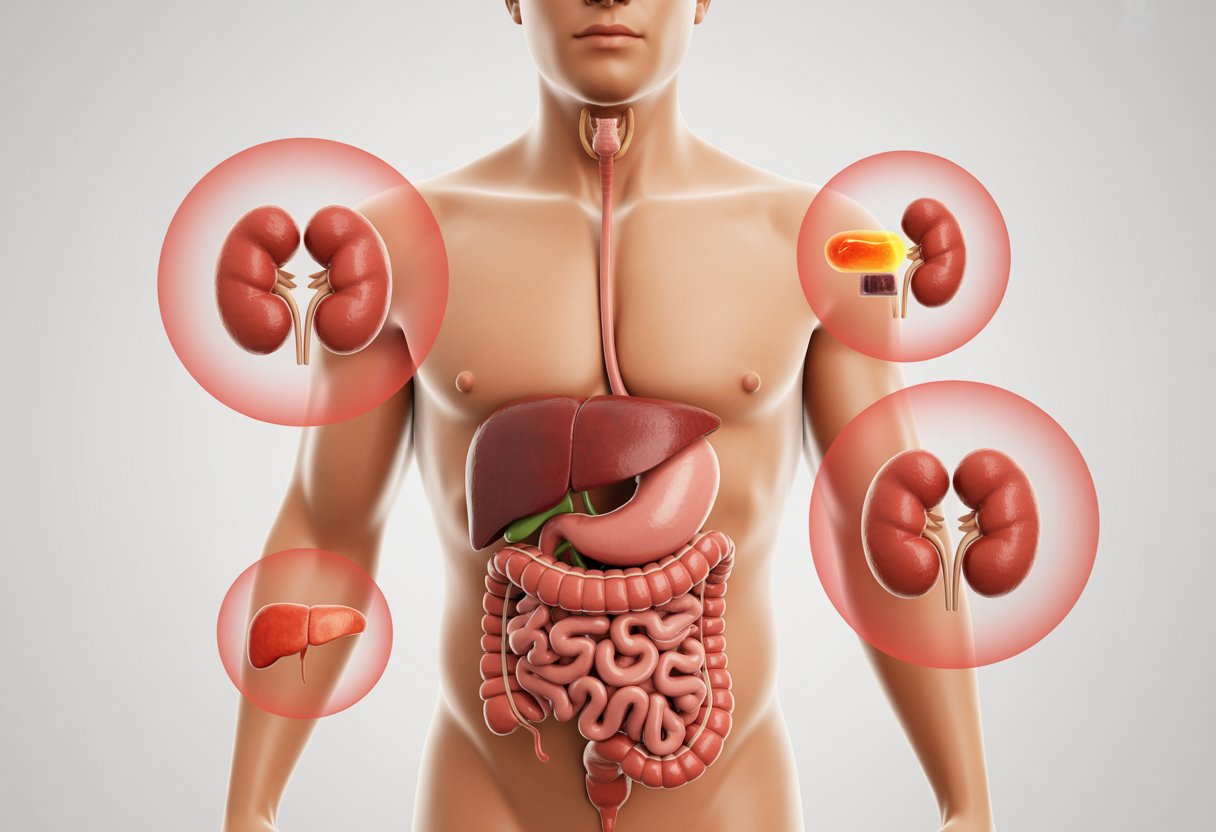
Liver and kidney problems often develop without obvious symptoms until significant damage occurs, while digestive issues can signal underlying conditions that require attention. Key markers like creatinine and eGFR reveal kidney function, and conditions like IBS affect millions without clear warning signs.
Silent Progression of Liver and Kidney Strain
The liver and kidneys filter toxins and waste products from the blood, but damage to these organs often goes unnoticed for years. The liver weighs about 3 pounds[1] and performs hundreds of functions, yet up to 80% of it can be damaged before symptoms appear.
Kidney function is measured through blood tests that check creatinine levels and eGFR (estimated glomerular filtration rate). High creatinine indicates the kidneys are struggling to remove waste. An eGFR below 60 for three months or more suggests chronic kidney disease.
Liver strain shows up differently. Elevated ferritin levels can indicate liver inflammation or iron overload. Fatigue, dark urine, and abdominal swelling may not appear until cirrhosis develops. Both organs can deteriorate silently while a person feels mostly normal.
Digestive Disturbances to Watch For
Persistent digestive problems often point to conditions that need medical evaluation. IBS affects 10-15% of adults and causes cramping, bloating, diarrhea, and constipation without visible damage to the intestines.
Common digestive warning signs include:
- Chronic abdominal pain or discomfort
- Unexplained weight loss
- Blood in stool
- Persistent heartburn or acid reflux
- Changes in bowel habits lasting more than two weeks
A food allergy triggers an immune response that can cause severe reactions, while food intolerances create digestive discomfort without immune involvement. True food allergies affect about 4% of adults but are often confused with sensitivities. Repeated digestive issues after eating specific foods warrant testing to identify the cause.
Posture, Movement, and Musculoskeletal Issues
The way a person sits, stands, and moves affects more than just comfort. Poor alignment and limited physical activity create conditions for chronic pain, reduced mobility, and a higher risk of injury throughout the body.
Consequences of Poor Posture
Slouching and hunching forward place undue stress on the spine and surrounding structures. This sustained pressure compresses the intervertebral discs, which act as shock absorbers between vertebrae. Over time, poor posture can cause back pain and contribute to disc degeneration, herniation, and nerve compression.
The effects extend beyond the back. Rounded shoulders and a forward head position restrict the chest cavity, reducing lung capacity with each breath. This compressed posture also strains blood vessels in the neck, potentially affecting blood pressure. Some people develop varicose veins in their legs from prolonged sitting with poor circulation.
Ignoring postural misalignment leads to chronic conditions like kyphosis, an excessive rounding of the upper back. Muscle imbalances develop as certain groups become overworked while others weaken. The spine loses its natural S-shaped curve, making it less able to handle daily stress and gravitational forces.
Balance, Coordination, and Injury Prevention
Regular physical activity strengthens the muscles that support proper alignment and movement patterns. Core engagement, including the abdominals and lower back muscles, provides stability for the spine during daily tasks. Strong muscles help maintain joint alignment and distribute weight evenly across the body.
Limited movement reduces proprioception, the body’s awareness of its position in space. This decline affects balance and increases the likelihood of falls and accidents. Maintaining musculoskeletal health through everyday ergonomics helps prevent these issues.
Weak or imbalanced muscles fail to protect joints during sudden movements or impacts. The risk of strains, sprains, and overuse injuries grows when supporting structures cannot handle normal demands.
Sleep, Energy, and Hormonal Health Connections
Poor sleep quality disrupts hormone production and metabolism in ways that show up in blood test results. Sleep apnea creates a cascade of metabolic problems that affect blood sugar control and thyroid function.
How Sleep Problems Signal Deeper Issues
Sleep problems often reveal underlying hormonal imbalances that appear in lab work. When someone struggles with sleep quality issues that impact hormonal balance, their TSH and free T4 levels may become abnormal. The thyroid gland responds to disrupted sleep patterns by altering hormone output.
Poor sleep directly affects blood sugar regulation. Even one night of inadequate rest can reduce insulin sensitivity, which leads to higher HbA1c levels over time. People who consistently sleep less than seven hours per night often show elevated HbA1c readings during routine blood work.
Cortisol levels rise when sleep is disrupted. This stress hormone normally peaks in the morning and drops at night. Sleep deprivation reverses this pattern, keeping cortisol elevated when it should be low. High nighttime cortisol interferes with growth hormone release and thyroid function.
Common lab abnormalities linked to poor sleep include:
- Elevated TSH with normal or low free T4
- HbA1c values trending upward
- Higher fasting glucose levels
- Altered lipid panels
Sleep Apnea and Metabolic Complications
Sleep apnea creates repeated oxygen deprivation throughout the night. These breathing pauses trigger stress responses that damage metabolic health. People with untreated sleep apnea face significantly higher risks of developing insulin resistance and thyroid dysfunction.
The connection between sleep apnea and metabolic problems shows up clearly in HbA1c measurements. Studies demonstrate that sleep apnea patients have HbA1c levels 0.5 to 1.0 percentage points higher than those without the condition. This increase happens even when body weight stays the same.
Thyroid function also suffers from sleep apnea. The repeated stress of oxygen drops affects TSH production and free T4 conversion. Many sleep apnea patients show TSH levels at the high end of normal range or slightly elevated.
Metabolic markers affected by sleep apnea:
| Blood Test | Impact |
|---|---|
| HbA1c | Increases 0.5-1.0% |
| Fasting glucose | Rises 10-20 mg/dL |
| TSH | Trends higher |
| Free T4 | May decrease |
Treatment with CPAP therapy often improves these markers within three to six months.
Cognitive and Mental Health Warning Signs
Changes in thinking patterns and mood can signal underlying health problems that need attention. Brain function depends on proper nutrition, and specific vitamin shortages often show up as mental symptoms before physical ones.
Detecting Brain Health Decline
Problems with concentration, memory, or logical thought are key signs that something may be wrong with brain health. These issues can appear gradually or suddenly. A person might forget familiar tasks or struggle to follow conversations they once handled easily.
Cognitive decline also shows up through mood changes. Rapid shifts in emotions, increased irritability, or persistent depressed feelings can point to brain health problems. Some people experience a vague sense of being disconnected from themselves or their surroundings.
Unusual beliefs about personal powers or illogical thinking may develop in adults. Increased sensitivity to sights, sounds, or smells sometimes occurs. A person might avoid situations that feel overstimulating when they never bothered them before.
These warning signs require professional evaluation. Over half of mental illnesses begin by age 14, and three-quarters start by age 24.
Nutrient Deficiencies That Affect the Mind
Vitamin B12 shortage commonly causes cognitive problems. Low B12 levels lead to confusion, memory loss, and difficulty concentrating. The body needs this vitamin to maintain healthy nerve cells and produce brain chemicals that regulate mood.
Folate deficiency creates similar mental health effects. Low folate reduces the brain’s ability to make neurotransmitters. This can result in depression, irritability, and poor concentration. Pregnant women need extra folate to prevent birth defects and support brain development.
Magnesium plays a crucial role in brain function and mood regulation. Insufficient magnesium contributes to anxiety, restlessness, and sleep problems. The mineral helps calm the nervous system and supports hundreds of chemical reactions in the brain. Many people don’t get enough magnesium from their diets, which can worsen mental health symptoms over time.
Emerging Risks from Diet and Modern Living
Modern eating patterns introduce compounds and food products that previous generations never encountered. These dietary shifts affect metabolism and expose people to synthetic chemicals that accumulate in body tissues.
Ultra-Processed Foods and Metabolic Impact
Ultra-processed foods now make up a significant portion of diets worldwide. These products contain industrial ingredients not found in home kitchens.
Research shows ultra-processed foods displace traditional diets[2] centered on whole foods. The displacement leads to nutrient imbalances and increased disease risk across multiple organ systems.
These foods create metabolic problems through several mechanisms. Their high energy density and soft texture promote overeating. The disrupted food matrices reduce intake of protective plant compounds.
Studies from countries like Brazil, Mexico, and the United States document rising consumption rates. Between 2001 and 2018, ultra-processed food intake increased among American adults.
The health consequences include higher rates of obesity, diabetes, and colorectal cancer. More than 100 prospective studies link these foods to chronic diseases through various biological pathways.
Chemical Additives and Microplastics
Food processing introduces chemicals that act as endocrine disruptors. BPA (bisphenol A) from food packaging leaches into products and interferes with hormone function.
These substances enter the body through everyday eating. Plastic particles now appear in human tissues, including blood and organs.
Food additives in ultra-processed products include preservatives, emulsifiers, and artificial colors. Some of these chemicals have no history of human consumption before industrial food production. Their long-term effects on health remain under investigation.
The combination of multiple additives creates exposure patterns that traditional toxicity testing never evaluated. People consume mixtures of these compounds daily without knowing their cumulative impact.
Proactive Steps for Early Detection and Prevention
Regular monitoring of specific biomarkers and building sustainable daily habits form the foundation of catching health risks before they become serious problems. Testing key markers like fasting glucose and HbA1c reveals metabolic changes months or even years before symptoms appear.
Using Health Check Tools and Biomarker Monitoring
Blood glucose monitoring serves as a critical early warning system for diabetes risk. Fasting glucose levels between 100-125 mg/dL indicate prediabetes, while readings of 126 mg/dL or higher suggest diabetes. HbA1c testing provides a three-month average of blood sugar levels, with results between 5.7-6.4% signaling prediabetes.
Kidney function tests measure creatinine levels to detect potential problems. Elevated creatinine may indicate the kidneys aren’t filtering waste properly. Normal creatinine ranges from 0.7-1.3 mg/dL for men and 0.6-1.1 mg/dL for women.
Essential biomarkers to track include:
- Lipid panel (cholesterol and triglycerides)
- Blood pressure readings
- Vitamin D levels
- Magnesium status
- Liver enzymes
- Thyroid function (TSH)
Regular health screenings help detect potential health issues before they become serious problems. Adults should discuss their personal screening schedule with healthcare providers based on age, family history, and existing health risks.
Building Habits for Lifetime Wellness
Physical activity strengthens the body’s ability to manage health risks. Just 30 minutes of moderate movement daily improves insulin sensitivity, lowers blood pressure, and reduces inflammation markers. Walking, swimming, or cycling counts toward this goal.
Daily habits that support early detection:
- Drinking 8 glasses of water to support kidney function
- Getting 7-9 hours of sleep for hormone regulation
- Eating colorful vegetables for antioxidant protection
- Managing stress through breathing exercises or meditation
Magnesium-rich foods like spinach, almonds, and black beans support over 300 bodily processes. This mineral helps regulate blood sugar, blood pressure, and muscle function. Most adults need 310-420 mg daily.
Tracking body measurements provides simple early warning signs. Waist circumference above 35 inches for women or 40 inches for men indicates increased metabolic risk. Weight changes of more than 5 pounds in a week warrant medical attention.
Frequently Asked Questions
Understanding the body’s warning signs and emerging health risks helps people make informed decisions about their wellbeing. Research continues to reveal new concerns about environmental exposures while traditional health metrics remain essential for disease prevention.
What warning signs can indicate a serious underlying health problem?
The body sends specific signals when something requires medical attention. Certain symptoms warrant immediate evaluation rather than dismissal as minor issues.
Sudden chest pain or pressure can indicate heart problems. Unexplained weight loss of 10 pounds or more may signal metabolic disorders or cancer.
Persistent fatigue that doesn’t improve with rest often points to thyroid issues, anemia, or chronic conditions. Shortness of breath during normal activities suggests potential heart or lung problems.
Changes in bowel or bladder habits lasting more than a few weeks need evaluation. Unusual bleeding from any body opening requires prompt medical attention.
What are the most common health risk factors that increase the chance of chronic disease?
High blood pressure damages blood vessels and increases the risk of heart attack and stroke. Elevated cholesterol levels contribute to plaque buildup in arteries.
Smoking remains one of the most significant preventable risk factors for multiple diseases. Excess body weight strains the heart and raises the likelihood of diabetes.
Physical inactivity weakens the cardiovascular system and contributes to obesity. Poor diet lacking fruits, vegetables, and whole grains promotes inflammation and disease.
Excessive alcohol consumption harms the liver and increases cancer risk. Chronic stress elevates cortisol levels and weakens immune function.
Which three health metrics are most important to monitor regularly?
Blood pressure measurements reveal cardiovascular health status and stroke risk. Normal readings fall below 120/80 mmHg for most adults.
Blood sugar levels indicate diabetes risk and metabolic function. Fasting glucose should stay below 100 mg/dL for healthy individuals.
Cholesterol levels show heart disease risk through LDL, HDL, and triglyceride measurements. Total cholesterol should remain under 200 mg/dL for optimal health.
What are common signs that your body may be unhealthy even without obvious symptoms?
Persistent low energy levels throughout the day suggest metabolic or nutritional deficiencies. Poor sleep quality affects hormone regulation and immune function.
Frequent infections indicate a weakened immune system. Slow wound healing points to circulation problems or blood sugar issues.
Digestive irregularities like bloating or discomfort signal gut health problems. Skin changes including persistent dryness or unusual rashes reflect internal imbalances.
Mood changes and difficulty concentrating can stem from hormone imbalances or inflammation. Joint stiffness and muscle aches may indicate chronic inflammation.
What do current studies suggest about microplastics found in human blood and organs?
Microplastics and nanoplastics infiltrate every corner of the globe and enter the human body through ingestion, absorption, and inhalation. These tiny fragments come from the breakdown of larger plastic items and contain chemical additives that enhance flexibility and durability.
Researchers have detected these particles in human blood vessels and organs. The liver, which serves as the body’s detoxification system, faces potential risks from microplastic accumulation similar to how excessive iron or copper can cause damage.
Plastic production currently reaches 400 million tons per year. This number is projected to double by 2050, raising concerns about cumulative long-term exposure effects.
Scientists compare microplastic exposure to naturally occurring elements that the body processes in small amounts. The question remains whether these synthetic particles accumulate to harmful levels over time.
Is there evidence linking microplastic exposure to cardiovascular events such as stroke?
A study published in the New England Journal of Medicine links microplastics and nanoplastics in blood vessel plaques to increased risk of heart attack, stroke, or death. Researchers found these particles present in atherosclerotic plaques removed from patients.
The research marks a significant development in understanding how environmental exposures affect cardiovascular health. The particles’ presence in arterial plaques suggests they may contribute to inflammation and plaque instability.
Scientists continue to investigate the mechanisms by which microplastics might damage blood vessels. The small size of nanoplastics allows them to penetrate cellular barriers and potentially trigger inflammatory responses.
Current research focuses on determining safe exposure levels and identifying which populations face the greatest risk. Young people may face particular concern due to longer lifetime exposure periods.
Post Views: 2

























