
Medically Reviewed
Dr. Jose Rossello, MD, PhD, MHCM
Preventive Medicine & Public Health Specialist
Last Reviewed: May 18, 2026
A bedroom should be more than just a place to sleep. It should feel calm, comfortable, and personal. When a bedroom doesn’t support good rest, it affects energy levels, mood, and overall health.
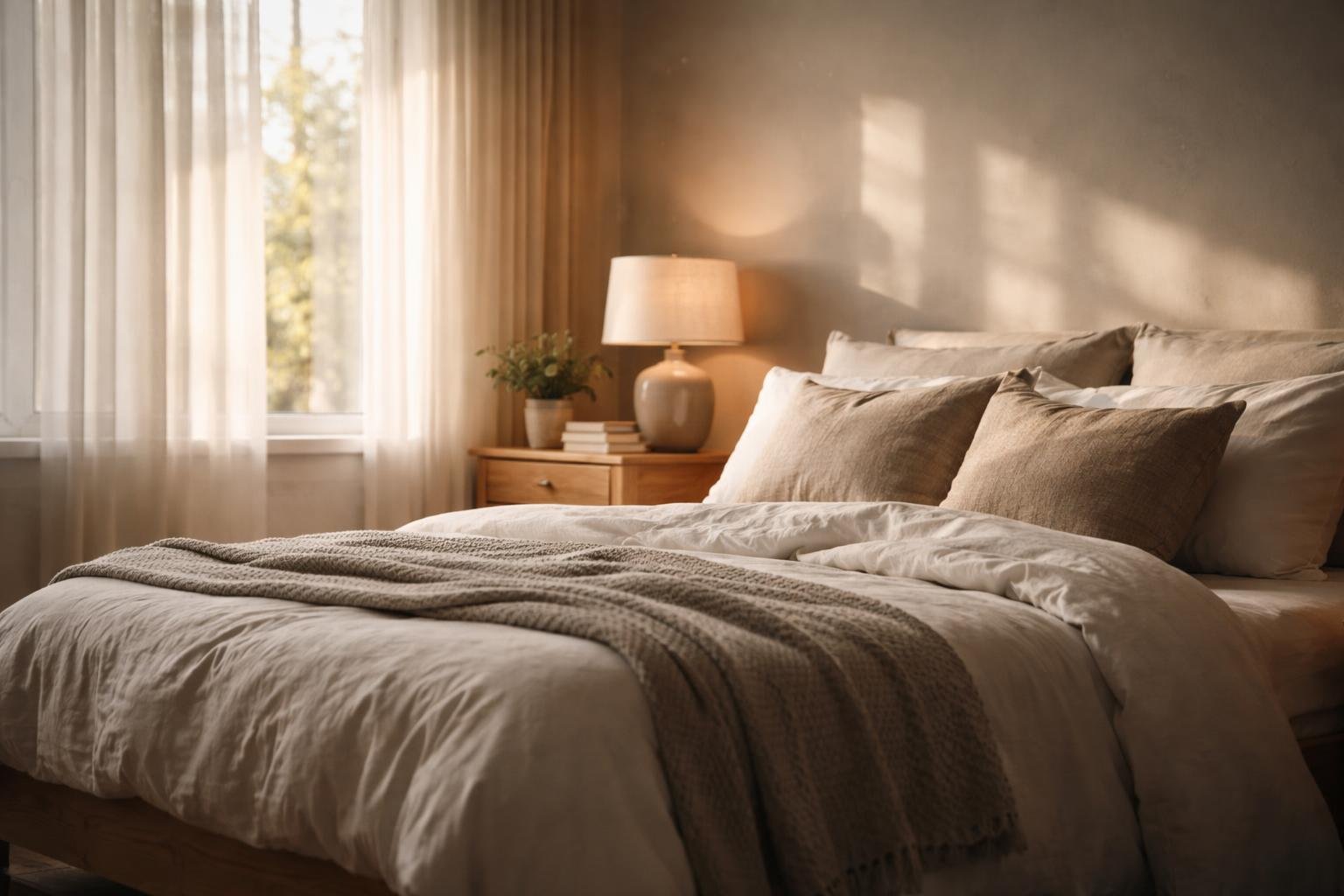
A thoughtful bedroom makeover can transform both the look of a space and the quality of sleep someone gets each night. Simple changes like better lighting, comfortable bedding, and a well-planned layout make a real difference. Bedroom makeovers[1] that focus on function as well as style create spaces that truly support rest and relaxation.
This guide walks through the key steps to plan and complete a bedroom transformation. From choosing the right colors and textures to adding personal touches, each decision plays a role in creating a bedroom that works better and feels more inviting.
Table of Contents
Key Takeaways
- Planning bedroom makeover goals around sleep quality and personal style leads to lasting results
- Layering textures, adjusting lighting, and optimizing layout create a more comfortable and functional space
- Real bedroom transformations show how small changes in design can make a big difference in daily rest
Planning for Lasting Change: Defining Your Bedroom Makeover Goals
A successful bedroom makeover starts with clear goals that match your personal needs and realistic expectations. The difference between a room that truly improves sleep and one that just looks different comes down to thoughtful planning around your specific challenges, available resources, and personal style.
Identifying Personal Needs and Sleep Challenges
Before making any changes, a person needs to identify what keeps them from sleeping well. Common issues include too much light, uncomfortable temperature, clutter, or a mattress that doesn’t provide proper support.
Someone who tosses and turns might need better bedding or a different mattress firmness. Those who wake up feeling unrested could benefit from blackout curtains or removing electronics from the bedroom. People who feel anxious in their space often need to address clutter and create better organization.
Elevate Your Health for Just $29.99/Month
Join the Precision Wellness Subscription at My Healing 365 and get discounted services, priority coaching access, virtual care, and exclusive wellness resources to support your physical, emotional, and hormonal health.
Join for $29.99/MonthWriting down specific problems helps focus the bedroom transformation on solutions that matter. A room should serve as a relaxing retreat for sleep, so any design choices need to support rest rather than excitement. This means avoiding bright, energizing colors like bold reds, yellows, and oranges that tend to stimulate rather than calm.
Setting a Realistic Budget and Timeline
Budget planning prevents overspending and helps prioritize which changes to make first. Paint offers one of the most affordable transformations, with costs as low as $20 per gallon and most bedrooms needing just two gallons for full coverage.
Basic cosmetic bedroom remodels take 1-2 weeks[2], while extensive projects with construction can require 4-8 weeks. Someone can tackle simple updates like painting walls themselves in a single weekend.
Breaking the bedroom makeover into phases allows for spreading costs over time. Essential items like a quality mattress or blackout curtains might come first, followed by paint and furniture updates later. Small changes like refreshing nightstands with new paint or adding peel-and-stick wallpaper can make an impact without major expense.
Choosing a Design Style That Reflects You
The bedroom design should connect to a person’s personality and what makes them feel calm. Someone who loves gardening might choose soft greens or yellows that bring the outdoors inside. Those wanting a more modern feeling could pick darker colors like deep grey or navy blue.
Style choices need to balance personal taste with sleep-friendly elements. This means selecting colors and textures that feel personally meaningful while still promoting relaxation. A person shouldn’t copy trends that don’t resonate with their lifestyle or preferences.
The goal is creating a space that feels like home while supporting better rest. Whether someone prefers minimal modern design or cozy traditional style, the bedroom transformation works best when it reflects who they are.
Design Foundations: Layout, Color, and Feature Walls
The physical design of a bedroom directly affects sleep quality through strategic furniture placement, calming color choices, and visual focal points that create a restful environment. These three elements work together to transform a basic sleeping space into a sanctuary that promotes better rest.
Optimizing Bedroom Layout for Restful Sleep
The bed position serves as the foundation of effective bedroom design. Placing the bed against a solid wall maximizes floor space while avoiding party walls prevents noise disturbances from adjacent rooms.
Designing a sleep-supportive bedroom[3] requires positioning the bed where occupants can see the door without being directly aligned with it. This commanding position creates a sense of security that helps the mind relax at night. Avoid placing beds under windows where drafts can disrupt sleep comfort.
Smart furniture arrangement prevents visual clutter that creates mental noise. Each piece should serve a clear purpose, and pathways through the room need to remain unobstructed. Matching nightstands with storage compartments help maintain organization while supporting the room’s balanced appearance.
The layout should exclude items unrelated to sleep and relaxation. Removing work materials, exercise equipment, and excessive electronics reinforces the bedroom’s primary function as a rest space.
Selecting a Calming Color Palette
Color choice directly impacts the brain’s ability to wind down for sleep. Earthy greens and warm neutrals create the most restful atmospheres in bedroom makeover ideas[4]. Natural dusky pink tones also promote relaxation without overstimulation.
Highly saturated colors and bright primary shades keep the brain alert. Electric blues, vibrant reds, and intense greens should be replaced with their muted counterparts for better sleep outcomes.
Colors that promote sleep:
- Soft sage and olive greens
- Warm beiges and taupes
- Dusty rose and blush
- Cream and off-white tones
Limewash paint finishes offer additional benefits beyond color. This textured, breathable application improves air quality through its antibacterial and antifungal properties, creating a healthier sleep environment.
Creating Impact with a Statement Wall or Feature Wall
A bedroom feature wall[5] adds visual interest without overwhelming the senses when executed properly. The wall behind the bed typically serves as the ideal location for this design element.
Paint treatments create depth through color blocking or subtle texture applications. Groove panels add dimension while maintaining the calm aesthetic necessary for rest. Wood accent walls in soft tones bring warmth and natural elements into the space.
Floral wallpaper works as a statement wall when patterns remain subdued and colors stay within the calming palette. Large-scale botanical prints in muted tones create sophistication without visual chaos.
The feature wall should enhance rather than dominate the bedroom design. It anchors the room’s aesthetic while other walls remain neutral, preventing sensory overload that interferes with relaxation.
Textures and Layers: Elevating Comfort Through Bedding and Decor

Smart bedding choices create better control over sleep temperature and overall comfort. Layering bedroom textiles[6] helps tackle the three essential qualities of a sleep-friendly space: cool, comfortable, and dark.
Layered Bedding for Everyday Luxury
Building a well-dressed bed starts with understanding the right sequence of layers. The foundation begins with a mattress protector and fitted sheet, followed by a flat sheet if desired.
Next comes the choice between a duvet cover or comforter. Duvet inserts work particularly well because they can be swapped out based on the season and temperature needs. During warmer months, a lighter insert keeps things breathable. In winter, a heavier insert adds warmth without requiring multiple blankets.
The top layer includes a throw blanket for extra warmth in colder months. This creates flexibility—sleepers can adjust their coverage throughout the night without stripping the entire bed. Working with different materials[7] such as linen, cotton, and velvet adds both texture and function.
A king-sized bed benefits most from this approach since the larger surface area showcases the layers effectively.
Embracing Plush Textures and Coordinated Bedding
Plush bedding transforms a basic sleep space into a retreat worth climbing into each night. The key involves selecting fabrics that feel soft against the skin while still offering temperature regulation.
Coordinated bedding doesn’t mean everything matches perfectly. Instead, it means choosing pieces that complement each other through color families or textures. A neutral base allows for mixing patterns and materials without the room feeling chaotic.
Plush textures show up in several ways:
- Velvet throw pillows add softness and visual depth
- Cotton percale sheets provide crisp, breathable comfort
- Linen duvet covers offer a relaxed, lived-in texture
- Quilted coverlets bring dimension without bulk
The goal focuses on creating depth through variety rather than piling on excessive layers. Lighter layers work better[8] than heavy ones, especially in smaller spaces where too much fabric overwhelms the bed.
Adding Plush Rugs and Throw Blankets
Floor coverings complete the layered bedroom by adding warmth underfoot and sound absorption. Plush rugs in materials like shag, hand-knotted wool, or patterned woven styles bring movement and comfort to the room.
Placing a rug under or beside the bed creates a soft landing spot for bare feet in the morning. This small detail makes the bedroom feel more intentional and finished.
Throw blankets serve double duty as functional warmth and decorative accents. Draping one at the foot of the bed or folding it over a chair keeps it accessible for chilly evenings. The blanket acts as an adjustable layer that doesn’t require disturbing the main bedding.
These finishing touches work together with layered window treatments[6]—like blackout curtains paired with sheers—to control light and temperature. The combination creates a bedroom environment that supports better sleep through thoughtful design choices.
Soft Lighting and Window Treatments: Crafting an Inviting Atmosphere

The right combination of gentle illumination and thoughtful window coverings transforms a bedroom from merely functional to genuinely restful. These two elements work together to control natural light during the day while creating a warm environment at night.
Enhancing Ambiance with Soft Lighting
Thoughtful lighting design[9] creates a calm sanctuary by layering warm, diffused light sources throughout the space. Instead of relying on harsh overhead fixtures, bedroom lighting should include multiple options at different heights.
Bedside table lamps with warm-toned bulbs provide reading light without disturbing a partner. Wall sconces positioned above the headboard offer adjustable task lighting that keeps nightstands clear. Dimmable ceiling fixtures give flexibility to adjust brightness based on time of day and activity.
String lights or LED strips behind furniture add subtle background glow that works well for late-night navigation. Floor lamps in corners eliminate dark spaces and make rooms feel more complete. The key is choosing bulbs in the 2700K to 3000K range, which produces the warm yellow-white glow that promotes relaxation rather than the cool blue tones that can interfere with sleep preparation.
Upgrading Window Treatments for Function and Style
Windows play a major role in setting bedroom mood[10] by controlling how much natural light enters and when. The right treatment balances privacy needs with aesthetic preferences while managing temperature and light effectively.
Blackout-lined curtains or roman shades[11] block early morning sun for people who need complete darkness to sleep well. Cellular shades provide insulation that keeps rooms cooler in summer and warmer in winter. Motorized options eliminate cords while allowing preset schedules that open gradually with sunrise.
Natural woven shades made from bamboo or jute filter daylight into interesting patterns while adding texture. Interior shutters with adjustable louvers give precise control over light angles throughout the day. Layering treatments provides maximum flexibility—pairing light-filtering shades with heavier drapes allows adjustment based on season and time.
Utilizing Sheer Curtains for Light Control
Lightweight translucent panels[10] gently diffuse sunlight while maintaining an airy feeling that heavier treatments cannot achieve. These delicate fabrics made from voile or polyester soften bright rays without blocking them completely.
Sheer curtains provide daytime privacy by obscuring clear views into the room while still allowing natural light to fill the space. They work particularly well in bedrooms with pleasant outdoor views that deserve to remain visible. The gauzy fabric drapes beautifully and adds graceful movement when windows stay open.
White sheers make small bedrooms feel larger and brighter. Warm beiges or soft grays add subtle sophistication without strong visual impact. For complete nighttime privacy, homeowners can layer sheers with blackout roller shades behind them or pair them with heavier outer curtains that close after dark.
Expressing Style: Signature Touches and Popular Makeover Trends
A bedroom makeover goes beyond paint colors and new furniture. The right design choices create a space that reflects personal taste while supporting better rest through intentional style decisions.
Incorporating Floral Wallpaper and Artistic Accents
Floral wallpaper has emerged as a top bedroom trend for 2025[12], bringing warmth and character to walls that once stayed neutral. Modern floral patterns work in both bold and subtle ways, from large botanical prints that cover an entire wall to delicate vintage-inspired designs behind the headboard.
The key is choosing patterns that complement rather than overwhelm the space. Smaller rooms benefit from softer, more spaced-out florals in lighter colors. Larger bedrooms can handle bolder, darker patterns with bigger blooms.
Artistic accents enhance floral wallpaper:
- Matching artwork in similar color tones
- Textured wall hangings that add depth
- Vintage mirrors with ornate frames
- Photography in complementary hues
These elements work together to create visual interest without cluttering the room. The combination of patterned walls and carefully chosen art pieces transforms a basic bedroom into a personalized retreat that still promotes calm sleep.
Exploring Scandinavian Simplicity
Scandinavian design brings clean lines and functional beauty to bedroom spaces. This approach focuses on minimalism without feeling cold or empty. Light wood furniture, white walls, and simple textiles create a bright, airy environment.
The style relies on natural materials like untreated wood, linen bedding, and wool throws. Colors stay neutral—whites, grays, and soft beiges dominate the palette. Small pops of color appear through plants or a single accent piece.
Core Scandinavian bedroom elements:
- Platform beds with low profiles
- Simple nightstands without ornate details
- Sheer curtains that maximize natural light
- Minimal decorative objects
Storage stays hidden to maintain clean surfaces. Built-in closets and under-bed drawers keep belongings out of sight. This reduces visual clutter that can interfere with relaxation.
Personalizing Your Space with Meaningful Details
Handmade and vintage touches[12] create authenticity that mass-produced items cannot replicate. A secondhand nightstand refinished in a favorite color tells a story. Quilts passed down through generations add warmth while connecting to family history.
Personal photographs in thoughtful frames bring memories into the space. Books on nightstands reflect actual interests rather than decorator staging. Collections displayed with intention—vintage perfume bottles, travel souvenirs, or handmade pottery—make the room truly individual.
These details should support sleep rather than distract from it. A few meaningful pieces arranged with care create comfort. Too many items create visual noise that keeps the mind active when it should wind down.
Before-and-After Inspiration: Real Bedroom Transformations
Real bedroom makeovers prove that thoughtful changes create dramatic improvements in sleep quality and room functionality. From compact apartments to spacious primary suites, these transformations show how strategic updates address specific sleep and comfort needs.
Small Space Solutions
Bedroom transformations in tight quarters[4] often focus on decluttering and smart furniture placement. One common approach involves positioning the bed against the longest wall to maximize floor space and create better flow.
Wall-mounted sconces replace bulky table lamps to free up nightstand surface area. Murphy beds or platform beds with built-in storage eliminate the need for separate dressers. Light paint colors make small rooms feel larger and more open.
Vertical storage solutions help keep belongings organized without eating into floor space. Floating shelves, wall-mounted hooks, and over-door organizers provide practical storage options. Mirrors placed strategically reflect light and create the illusion of more space.
Budget-Friendly Bedroom Makeovers
Paint stands out as the most cost-effective bedroom makeover idea for immediate impact. A fresh coat on walls or an accent wall behind the bed transforms the entire room atmosphere. Simple DIY updates[13] like removable wallpaper or painted stripes add visual interest.
Updated bedding, new window treatments, and affordable pendant lights refresh tired spaces. Swapping out nightstands and replacing dated hardware costs less than full furniture replacements. Thrift store finds and upcycled pieces add character while staying within budget.
DIY projects like board and batten wall treatments create architectural interest. Adding a headboard made from reclaimed wood or fabric panels provides a focal point. These budget-friendly bedroom transformation projects typically cost under $500 but deliver noticeable improvements.
Luxury Upgrades for a Hotel-Style Retreat
High-end bedroom makeovers[14] create resort-like environments that promote better sleep. Statement canopy beds with flowing curtains establish an elegant focal point. Custom built-ins provide organized storage while maintaining clean lines.
Premium materials make significant differences in comfort and aesthetics. Marble fireplace surrounds, hardwood flooring, and custom millwork add lasting value. Quality bedding with high thread counts and layered textures mimics luxury hotel experiences.
Upgraded lighting transforms the ambiance completely. Modern pendant lights replace outdated fixtures, while dimmer switches allow personalized light levels. En suite bathroom renovations and walk-in closets complete the spa-like retreat feeling that supports restful sleep.
Frequently Asked Questions

Small changes to temperature, light exposure, and noise levels can transform how well someone sleeps, while the right paint colors and materials create the calm atmosphere needed for rest.
What bedroom changes have the biggest impact on sleep quality?
Temperature control ranks as one of the most important factors for better sleep. Experts recommend keeping bedrooms between 60 and 67 degrees Fahrenheit for optimal rest. Installing a ceiling fan or ductless mini-split system[15] helps maintain this ideal range.
Darkness also plays a critical role in sleep quality. Heavy curtains or blackout shades block outside light that disrupts the body’s natural sleep cycle. Even small LED lights from electronics can interfere with melatonin production.
Noise reduction makes a measurable difference in sleep consistency. Stone wool insulation in walls and ceiling partitions[15] significantly reduces sound transmission between rooms. Double-pane windows and solid-core doors provide additional barriers against disruptive sounds.
How can I set up a bedroom environment that supports deeper, more consistent sleep?
A multi-zone lighting system gives someone control over different light sources throughout the day. Bright overhead lights work well for morning routines, while dimmer bedside lamps signal the body to prepare for sleep. Installing these controls before drywall goes back up during renovation[15] saves money and hassle.
Smart bulbs offer an affordable alternative to rewiring. These bulbs can gradually dim as bedtime approaches, mimicking natural sunset patterns that encourage drowsiness.
The mattress directly affects sleep depth and quality. Modern adjustable beds offer customizable positions, massage functions, and temperature regulation features. While expensive, investing in quality sleep surfaces[15] impacts overall health and daily productivity.
Can redesigning a bedroom meaningfully help with insomnia or frequent night waking?
Physical changes to a bedroom can address common insomnia triggers. Removing clutter reduces visual stimulation that keeps the mind active at night. Built-in storage solutions or a wall of closets with varying compartment sizes eliminate the mess that contributes to anxiety.
Color choices influence how quickly someone falls asleep. Cool, pale hues create a serene atmosphere that promotes relaxation. Darker colors create a cozy environment that some people find comforting for sleep.
Environmental factors like light leaks and temperature fluctuations cause many cases of night waking. Weatherstripping around doors and windows prevents drafts that disturb sleep. White noise machines mask sudden sounds that jolt someone awake.
Which colors, lighting choices, and materials are best for creating a calm sleep-focused bedroom?
Organic greens paired with linen whites create what color experts call a fresh and natural vibe[15] that promotes rest. These earth tones work with the body’s natural connection to outdoor environments. Blues and soft grays also rank high for sleep-inducing color schemes.
Layering horizontal bands of complementary colors behind the bed grounds the sleep zone. This approach eliminates the need for a headboard while creating visual calm.
Soft surfaces throughout the room absorb sound and create a peaceful environment. Rugs, curtains, and upholstered furniture reduce echo and harsh acoustics. Natural materials like cotton, linen, and wool feel comfortable and breathe well for temperature regulation.
Task lighting should come from adjustable sources like wall-mounted reading lamps or pendant lights. These fixtures provide focused light for activities without flooding the entire room with brightness.
Why can a bedroom feel “off,” and what practical fixes make it feel more restful?
Poor lighting creates the most common “off” feeling in bedrooms. Overhead lights that are too bright or poorly positioned make spaces feel institutional rather than restful. Adding dimmers or switching to lower-wattage bulbs fixes this problem immediately.
Scale issues make rooms feel cramped or empty. Furniture that’s too large for the space blocks natural movement patterns and creates visual heaviness. Pieces that are too small leave awkward gaps and make the room feel unfinished.
Lack of personalization leaves bedrooms feeling like hotel rooms rather than personal sanctuaries. Adding meaningful artwork, photographs, or accent walls with texture[15] creates the connection people need to fully relax. These elements should reflect individual taste rather than follow trends.
Air quality affects how restful a bedroom feels. Stale air, dust buildup, and poor ventilation create discomfort that’s hard to identify but easy to fix with regular cleaning and proper airflow.
What are the cheapest, high-impact ways to makeover a bedroom without sacrificing comfort?
Paint delivers the biggest visual change for the lowest cost. A fresh coat in a calming color transforms the entire mood of a space. Painting the ceiling a lighter shade[15] from the same color family as the walls creates a sophisticated, finished look.
Rearranging existing furniture costs nothing but changes how a room functions. Moving the bed to a different wall or angling it diagonally can make the space feel larger and more inviting.
New bedding updates the room’s focal point without requiring construction. Quality sheets, a down comforter, and fresh pillows improve both appearance and sleep comfort. Choosing white or neutral colors creates a clean, hotel-like feel.
Peel-and-stick reclaimed wood boards[15] create an accent wall without the commitment or cost of real paneling. These temporary installations can be changed as tastes evolve. Removable wallpaper offers similar flexibility with pattern and color.
Secondhand furniture from salvage yards provides character at a fraction of retail prices. An old door can become a statement barn door[15] with basic DIY skills and hardware from a home improvement store.
Post Views: 9
References
- 14 Bedroom Makeover Ideas That Transform the Room. https://homestylistica.com/bedroom-makeover-ideas/ Accessed May 19, 2026
- How to Remodel a Bedroom (2026 Guide). https://amerisleep.com/blog/how-to-remodel-a-bedroom/ Accessed May 19, 2026
- How to Design a Bedroom for Great Sleep: 10 Expert Tips. https://www.homesandgardens.com/interior-design/how-to-design-a-bedroom-for-better-sleep Accessed May 19, 2026
- bedroom makeover ideas. https://www.thespruce.com/before-and-after-bedroom-makeovers-8671901 Accessed May 19, 2026
- Bedroom Feature Wall Ideas: 21 Stylish Options on Any Budget. https://www.tlcinteriors.com.au/trends-inspiration/bedroom-feature-wall-ideas/ Accessed May 19, 2026
- Layering bedroom textiles. https://www.bhg.com/ikea-bedroom-layers-trend-8782574 Accessed May 19, 2026
- The Art of Layering Textures in a Bedroom. https://sherwoodblog.com/interior-design-decor/the-art-of-layering-textures-in-a-bedroom/ Accessed May 19, 2026
- 21+ Layered Bedding Ideas For a Cozy Designer Look – Simple Cozy Corner. https://simplecozycorner.com/21-layered-bedding-ideas-for-a-cozy-designer-look/ Accessed May 19, 2026
- 38 Cozy Soft Lighting Bedrooms For Pure Relaxation. https://decorpulses.com/soft-lighting-bedrooms/ Accessed May 19, 2026
- 23 Bedroom Window Treatment Ideas to Transform Light and Mood. https://redoyourhouse.com/bedroom-window-ideas/ Accessed May 19, 2026
- 28 Bedroom Window Treatments for Privacy and Style -Architectural Foundation. https://www.archfoundation.org/f/best-bedroom-window-treatments/ Accessed May 19, 2026
- top bedroom trend for 2025. https://www.housebeautiful.com/room-decorating/bedrooms/a63092990/bedroom-design-trends-2025/ Accessed May 19, 2026
- 9 Bedroom Makeovers for the Room of Your Dreams. https://www.decorilla.com/online-decorating/bedroom-makeovers-before-and-after/ Accessed May 19, 2026
- 25 Designer Bedroom Before-and-After Makeovers. https://www.hgtv.com/decorating/design-ideas/before-and-after-bedroom-makeovers-pictures Accessed May 19, 2026
- Redoing a Bedroom? Our Guide Covers Everything to Know. https://www.thisoldhouse.com/bedrooms/redoing-a-bedroom-read-this Accessed May 19, 2026
























