Medically Reviewed
Dr. Jose Rossello, MD, PhD, MHCM
Preventive Medicine & Public Health Specialist
Last Reviewed: April 9, 2026
Your hair doesn’t need expensive salon treatments to look healthy and strong. The key to beautiful hair lies in simple daily habits that protect your strands, nourish your scalp, and prevent damage before it starts. Most people overlook basic care steps that make the biggest difference.

Small changes in how you wash, dry, and style your hair can transform its appearance in weeks. Dermatologist-approved daily habits[1] focus on gentle handling and consistent care rather than quick fixes. These practices work for all hair types and address common problems like breakage, frizz, and dullness.
The habits covered here take minimal time but deliver real results. They protect hair from heat damage, reduce split ends, and support natural growth. Anyone can start these practices today without special tools or products.
Table of Contents
Key Takeaways
- Gentle daily care prevents damage better than expensive treatments can repair it
- Scalp health and proper hydration from inside and outside strengthen hair growth
- Consistent protective habits like heat shields and silk pillowcases reduce breakage over time
Establishing Your Essential Hair Care Routine
Building a solid hair care routine requires three key elements: consistency in your schedule, products matched to your specific hair type, and proper conditioning techniques. These fundamentals create the foundation for maintaining healthy hair over time.
Adopt a Consistent Hair Care Schedule
A regular hair care routine[2] helps counter the effects of daily styling and environmental damage. The frequency of washing depends on individual hair type and lifestyle needs.
People with oily hair typically need to wash every other day. Those with dry or curly hair can go three to four days between washes. Fine hair often requires more frequent cleansing to prevent looking flat or greasy.
Consistency extends beyond just washing. Someone should schedule deep conditioning treatments once or twice weekly. Regular trims every six to eight weeks[3] prevent split ends from traveling up the hair shaft.
The key is listening to how hair responds. If it feels dry, washing less frequently preserves natural oils. If the scalp feels itchy or greasy, more frequent cleansing may be necessary.
Choose Products for Your Hair Type
Selecting the right products makes or breaks any haircare routine. Each hair type has different requirements that generic products cannot address effectively.
Fine hair needs lightweight formulas that add volume without weighing strands down. Thick or coarse hair benefits from richer, more moisturizing products. Color-treated hair requires gentle formulas that protect against fading.
A sulfate-free shampoo works well for most hair types because it cleanses without stripping away essential oils. Those with extremely oily scalps might need clarifying formulas occasionally. People dealing with dandruff should look for products containing zinc pyrithione or ketoconazole.
Consulting a dermatologist can help identify specific scalp conditions that require targeted treatment. They can recommend professional-grade products[4] for persistent issues like severe dandruff or hair loss.
Follow Up with a Balanced Conditioner
Conditioner restores moisture and smooths the hair cuticle after shampooing. The application technique matters as much as the product itself.
Someone should apply conditioner from mid-length to the ends, avoiding the roots unless their hair is extremely dry. This prevents the scalp from becoming greasy while ensuring the driest parts get maximum hydration. Leave the product on for two to three minutes before rinsing thoroughly.
For extra benefits, use a wide-tooth comb to distribute conditioner evenly through damp hair. This detangles gently while ensuring every strand receives treatment. Those with very dry or damaged hair may benefit from leave-in conditioners or hair oils applied to damp hair after washing.
Deep conditioning masks provide intensive moisture once weekly for most hair types. Damaged hair might need these treatments twice weekly until condition improves.
Maintain Scalp Health for Hair Growth
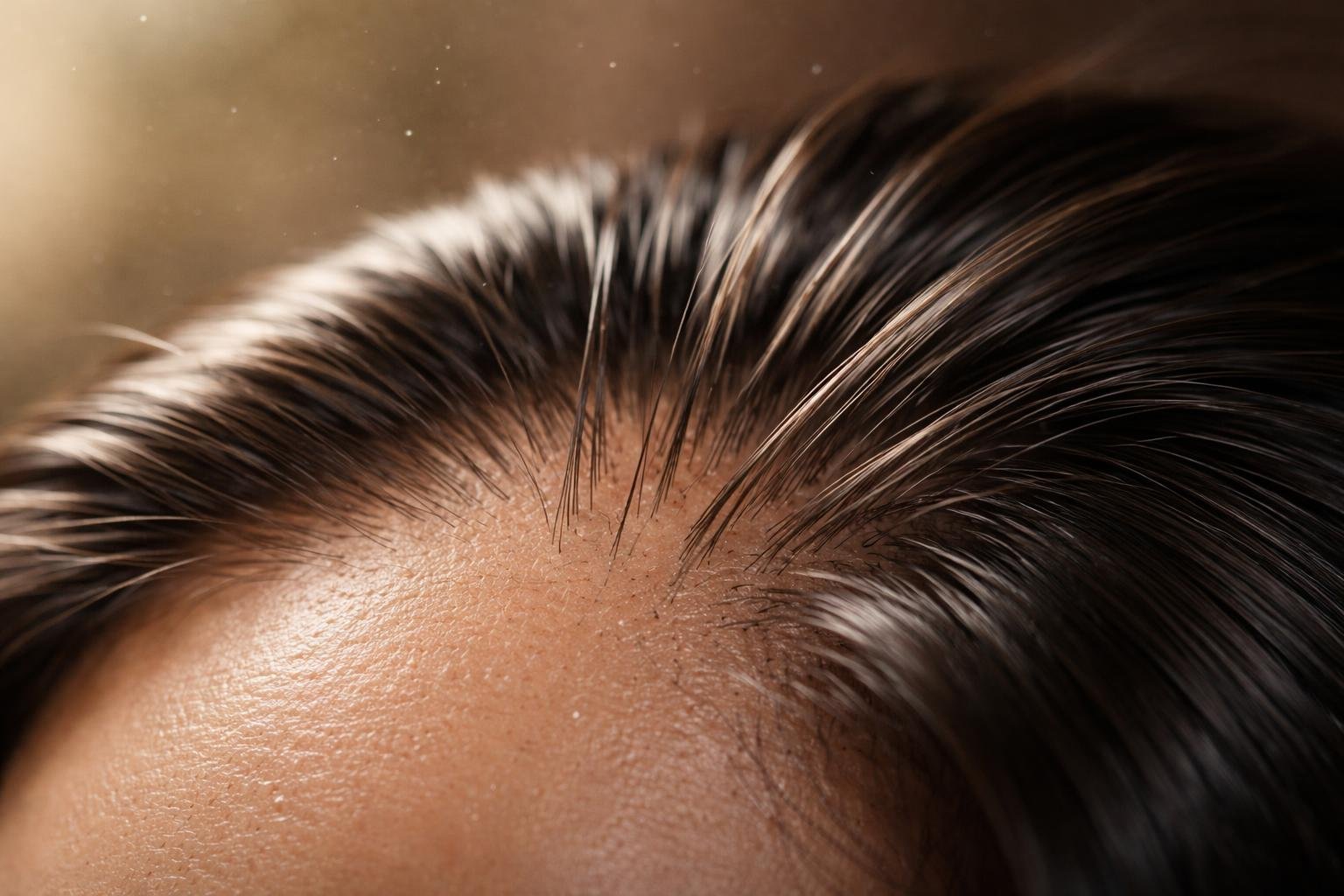
The scalp serves as the foundation for healthy hair, and maintaining it requires regular massage to boost circulation and consistent cleansing to remove buildup that can block follicles.
Incorporate Scalp Massages
Scalp massages improve blood flow[5] to the hair follicles, delivering essential nutrients needed for growth. A person can massage their scalp using fingertips in circular motions for 5-10 minutes daily. This practice may help stimulate hair growth by increasing circulation to the roots.
The massage technique doesn’t require any special tools. Clean fingers work well, though some people prefer using a scalp massager with soft silicone bristles.
Regular scalp massage may also reduce stress, which can contribute to hair loss. The relaxation effect helps lower inflammation throughout the body, including the scalp area.
For best results, individuals should perform these massages consistently. They can do them during shampooing or while watching television. The key is making it a daily habit rather than an occasional treatment.
Keep the Scalp Clean and Nourished
Washing frequency depends on scalp type. Those with oily scalps should wash more frequently to prevent buildup that blocks hair follicle openings. People with normal scalps benefit from washing every two to three days, especially after exercise.
Exfoliation helps remove dead skin and product buildup[6] at least once weekly. This allows nutrients to penetrate better and keeps pores clear. However, those with sensitive scalps should skip this step.
Proper conditioning matters for all hair types. The conditioner should focus on mid-lengths and ends rather than roots to avoid weighing down hair or making scalp health worse.
Anyone experiencing persistent scalp issues like excessive flaking or hair loss should consult with a board-certified dermatologist[5] for a customized treatment plan.
Master Gentle Handling and Detangling
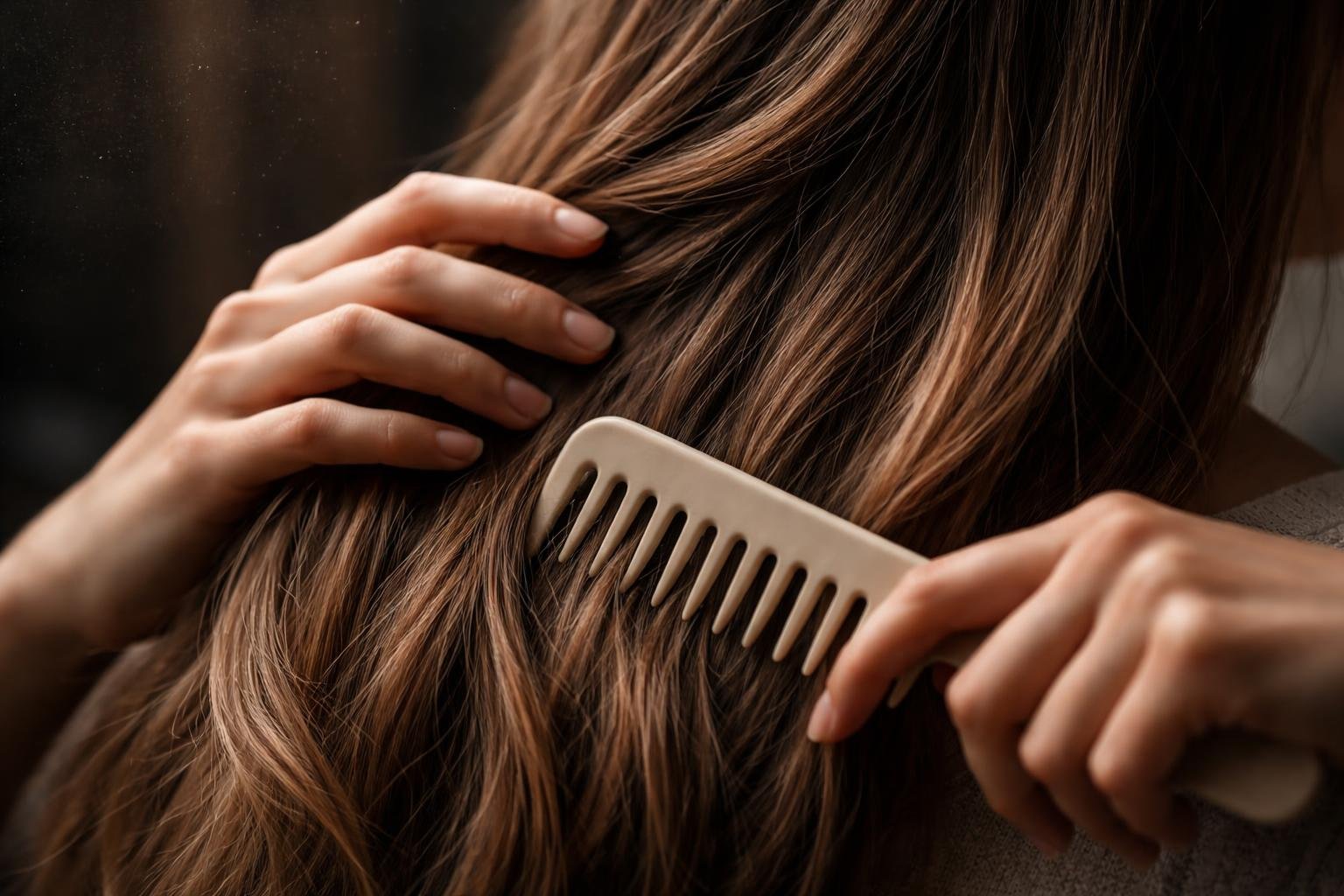
Rough handling causes unnecessary breakage and damage that weakens strands over time. The right detangling tools and drying methods protect hair from stress and help maintain its natural strength.
Detangle with a Wide-Tooth Comb
A wide-tooth comb is the safest tool for removing tangles without causing breakage. The wide spaces between teeth allow hair to pass through easily while gently separating knots.
Detangling should always start at the ends[7] and work upward toward the roots. This method prevents tangles from being pushed down the hair shaft where they become larger and harder to remove. Forcing a comb through tangles from root to tip creates excessive tension that leads to breakage and split ends.
Hair should be damp or wet during detangling, never completely dry. Wet hair is more flexible and easier to work with when combined with a detangling product or leave-in conditioner. These products add slip that reduces friction between strands.
Working in small sections makes the process more manageable. Clip away detangled portions to keep them separate from areas that still need work. This prevents freshly detangled hair from re-tangling with knotted sections. Patience during detangling pays dividends in hair health[8] and helps prevent split ends that occur from rough treatment.
Avoid Over-Brushing and Rough Towel-Drying
Excessive brushing strips away natural oils and creates friction that damages the hair cuticle. Most hair types only need brushing once or twice daily. Over-brushing can lead to hair loss and breakage, especially when done aggressively.
Rubbing hair vigorously with a regular towel causes the cuticle scales to lift and snag against the towel fibers. This friction weakens strands and creates frizz. Instead, gently squeeze or blot hair with a microfiber towel or soft cotton t-shirt to absorb moisture without roughing up the cuticle.
Gentle handling practices include:
These simple adjustments reduce daily stress on hair and create conditions for strong hair growth. The cumulative effect of gentler handling becomes visible over time as hair maintains better condition and experiences less breakage.
Prevent and Treat Split Ends

Split ends happen when hair strands break apart at the tips, creating a frayed appearance that travels up the hair shaft if left untreated. Regular maintenance and early detection keep hair looking smooth and healthy.
Get Regular Trims
Getting a trim every 6-8 weeks stops split ends from spreading up the hair shaft. When stylists cut off damaged ends, they remove the weakest parts of hair before they can worsen.
People who want to grow their hair long often skip trims, thinking it will help them gain length faster. This backfires because split ends cause more breakage[10], which actually slows down growth. A quarter-inch trim removes damage without losing noticeable length.
The hair shaft cannot repair itself once it splits. No product can permanently mend split ends back together. A trim is the only way to truly fix the problem.
Between salon visits, applying coconut oil or argan oil to the ends can temporarily smooth frayed hair and make it look healthier. These oils add moisture and make damage less visible, but they don’t eliminate the need for cutting.
Spot Signs of Damage Early
Hair shows warning signs before split ends become severe. Dry, rough texture at the ends signals that damage is starting. White dots along the hair shaft or tangled ends that won’t comb through also indicate problems.
Checking hair in natural lighting makes it easier to spot early damage[11]. Hold a section of hair against a white background and look for uneven, frayed tips. Single strands that look like they have multiple branches at the end need immediate attention.
Different types of split ends exist. Some strands split into two pieces, while others fray into several thin sections that look like a small tree. The more branches a split end has, the more damage has occurred.
Acting quickly prevents small problems from becoming major ones. Trimming just the damaged sections saves more length than waiting until the entire bottom layer needs cutting.
Limit Heat and Environmental Damage
Heat tools and environmental factors can weaken hair structure and cause long-term damage. Protecting hair from these stressors requires strategic product use and smart styling choices.
Avoid Excessive Heat Styling
Daily use of flat irons, curling wands, and blow dryers strips moisture from hair strands. The high temperatures break down proteins in the hair shaft, leading to dryness and breakage.
Limiting heat styling to 2-3 times per week[12] gives hair time to recover between sessions. People who must style daily should use the lowest effective temperature setting. Fine or damaged hair needs temperatures below 300°F, while thick or coarse hair can handle up to 400°F.
Air drying serves as a healthier alternative when time allows. For those who need faster results, using a microfiber towel removes excess water without the friction that regular towels create. Protective hairstyles like braids or buns offer style without heat exposure.
Apply Heat Protectant When Necessary
Heat protectant products create a barrier between hair and styling tools. These products contain silicones and polymers that coat each strand and reduce moisture loss during heat exposure.
Application matters as much as the product itself. Spray or cream formulas work best on damp hair before blow drying. People should distribute the product evenly from roots to ends, making sure every section gets coverage.
Key ingredients to look for:
- Dimethicone
- Cyclomethicone
- Argan oil
- Keratin proteins
Heat protectants reduce moisture loss[12] and help maintain hair integrity at high temperatures. They work best when paired with proper heat settings and limited styling frequency.
Safeguard Hair from the Sun
UV rays damage hair the same way they damage skin. Sun exposure breaks down hair proteins and fades color, leaving strands dry and brittle.
Wearing a hat or scarf when outdoors[13] provides the simplest protection. Wide-brimmed hats shield both hair and scalp from direct sunlight.
Leave-in conditioners with SPF offer another layer of defense. These products moisturize while blocking harmful rays. People should apply them before heading outside, especially during peak sun hours between 10 AM and 4 PM.
Swimmers face additional challenges from chlorine and saltwater. Wetting hair with clean water and applying leave-in conditioner before swimming[13] creates a protective barrier. Rinsing immediately after swimming removes damaging chemicals and minerals.
Support Hair Strength Through Nourishment
Your hair needs the right nutrients to grow strong and resist damage. Getting enough vitamins, minerals, and water helps prevent breakage and supports overall hair health.
Eat a Nutrient-Rich Diet
Hair follicles need specific vitamins and minerals to function properly. Nutritional deficiencies may be linked to hair loss[14], making diet a key factor in maintaining healthy hair.
Vitamin A helps produce the oils that keep hair moisturized. Sweet potatoes, carrots, spinach, and dairy products provide this nutrient.
B vitamins, especially biotin, support hair growth. Egg yolks, salmon, avocados, nuts, seeds, and dairy contain these vitamins. People should check with their doctor before taking biotin supplements since excessive amounts can affect medical test results.
Vitamin C builds collagen, which strengthens hair. Citrus fruits, strawberries, and bell peppers are good sources.
Vitamin D and Vitamin E also play important roles in hair follicle health[15]. Fatty fish and fortified foods contain vitamin D, while sunflower seeds, almonds, and avocados provide vitamin E.
Iron and zinc help hair grow properly. Red meat, lentils, oysters, and pumpkin seeds deliver these minerals. Hair needs protein too since follicles consist mostly of protein. Eggs, fish, lean meats, beans, and legumes supply this building block.
Stay Hydrated for Hair Health
Water keeps hair moisturized from the inside out. Dehydration can make strands dry, brittle, and more likely to break.
Drinking enough water throughout the day supports the scalp and hair follicles. The scalp produces natural oils that protect hair, and proper hydration helps maintain this process.
People should aim to drink water consistently rather than waiting until they feel thirsty. Hair reflects overall body health, and staying hydrated is one of the simplest healthy hair habits to adopt. Dry environments, exercise, and heat exposure increase water needs, so intake should adjust accordingly.
Upgrade Your Nighttime and Daily Habits
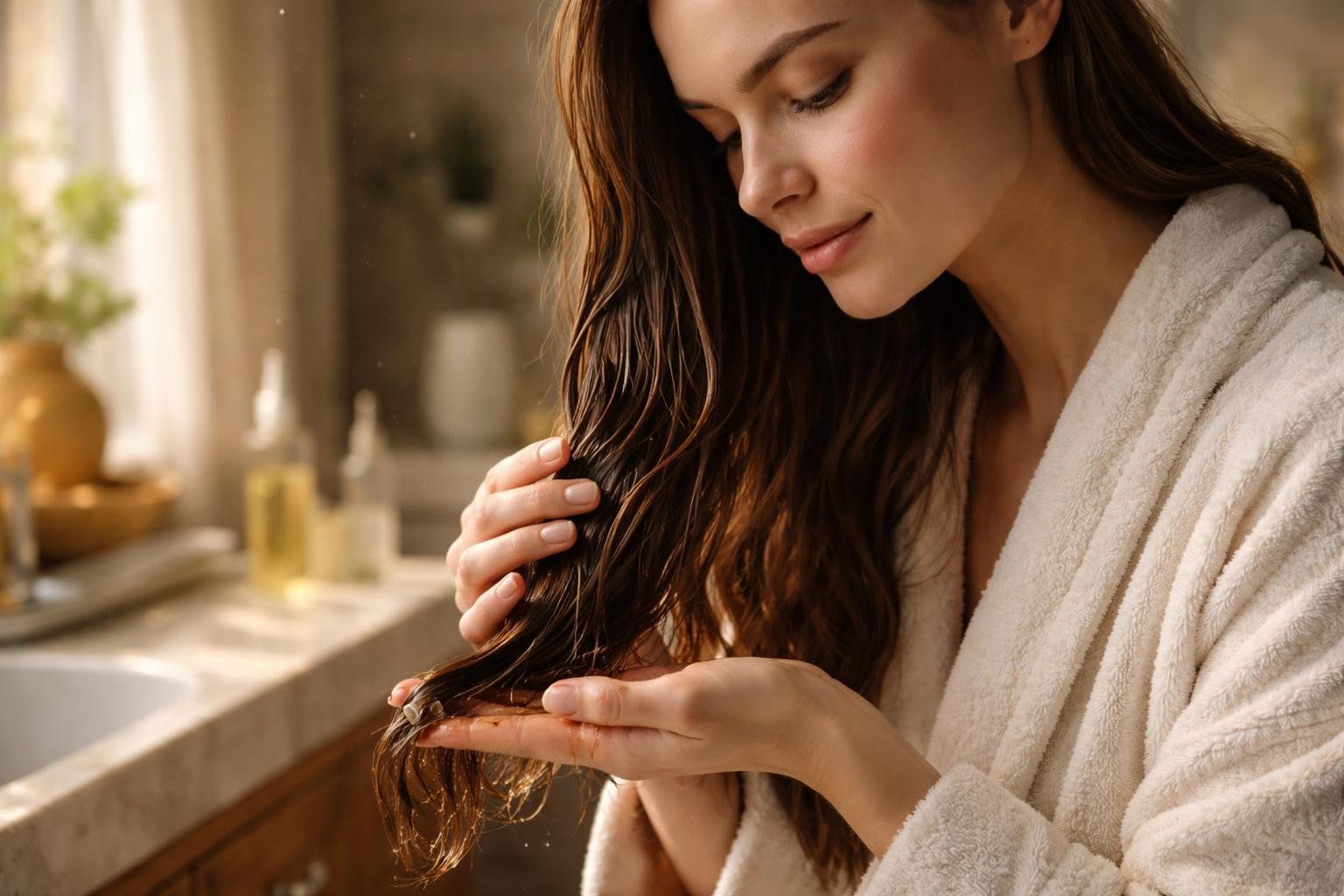
Protecting hair around the clock requires attention to both nighttime routines and daily styling choices. Silk pillowcases reduce friction during sleep, loose hairstyles prevent unnecessary tension, and hair oil adds a protective barrier against environmental damage.
Sleep on Silk Pillowcases
Cotton pillowcases create friction that roughens the hair cuticle and leads to breakage overnight. Silk pillowcases allow hair to glide smoothly across the surface while a person sleeps.
This simple switch helps retain moisture in the hair shaft. Cotton absorbs natural oils from the scalp and strands, leaving hair dry by morning. Silk keeps those oils where they belong.
Sleeping on silk pillowcases[1] also reduces tangles and knots that form during the night. People who toss and turn especially benefit from this change. The smooth surface prevents hair from catching and pulling.
Silk pillowcases work for all hair types. They prove particularly helpful for curly or textured hair that tends to dry out easily.
Avoid Tight Hairstyles
Pulling hair back tightly puts stress on the hair follicles and can cause breakage along the hairline. Tight ponytails, buns, and braids create tension that weakens strands over time.
This constant pulling can lead to traction alopecia. This condition causes hair loss in areas where the most tension occurs. The damage develops gradually and may become permanent if the habit continues.
Loose hairstyles distribute weight more evenly across the scalp. People should use soft hair ties instead of elastic bands with metal clasps. Scrunchies made from silk or satin work well because they grip without pulling.
Changing hairstyle placement also helps. Rotating between low ponytails, loose braids, and letting hair down gives follicles time to recover. Hair needs periods of rest from tension to maintain strength.
Hair oil creates a protective coating that shields strands from heat, pollution, and environmental stress. A few drops applied to the mid-lengths and ends prevents moisture loss throughout the day.
Natural oils like argan, coconut, and jojoba penetrate the hair shaft to strengthen from within. These oils contain fatty acids that repair damage and improve elasticity. Daily scalp massage with hair oil[1] also stimulates blood flow to hair follicles.
The best time to apply hair oil depends on hair type. People with fine hair should use small amounts on damp hair to avoid greasiness. Those with thick or coarse hair can apply more generously to dry strands.
Oil also protects against UV damage when spending time outdoors. It acts as a barrier between hair and harmful sun rays that fade color and weaken protein bonds.
Frequently Asked Questions
Proper hair care involves understanding the right timing, techniques, and nutrients that support healthy strands from root to tip. These answers address common concerns about shampooing methods, conditioning frequency, heat protection, split end management, nutritional needs, and scalp health maintenance.
What are the best techniques for shampooing to promote healthy hair?
The most effective shampooing starts with wetting hair thoroughly with lukewarm water. Hot water can strip natural oils and leave hair dry.
A person should apply a quarter-sized amount of sulfate-free shampoo to the scalp only. Massaging the product into the scalp with fingertips in circular motions helps remove buildup and stimulates blood flow.
The shampoo naturally cleanses the hair lengths as it rinses down. Washing 2 to 3 times per week works best for most hair types[1] to avoid stripping essential oils.
How often should I condition my hair for optimal health?
Conditioner should be used every time a person washes their hair. This practice restores moisture that cleansing removes and protects the hair cuticle from damage.
The product works best when applied from mid-length to the ends only. Avoiding the scalp prevents excess oil buildup and greasiness.
Leaving conditioner on for two to three minutes allows the ingredients to penetrate the hair shaft. Deep conditioning treatments can be added once per week for extra hydration.
What steps can I take to protect my hair from heat damage?
Applying a heat protectant product before using any styling tools creates a barrier against high temperatures. This step prevents protein breakdown and moisture loss.
Setting blow dryers, flat irons, and curling wands to medium heat reduces damage to hair fibers. Lower temperatures take slightly longer but preserve hair health over time.
Air-drying hair whenever possible gives strands a break from heat exposure. When using heat tools, keeping them moving rather than holding them in one spot prevents burning.
Can you recommend a routine for managing split ends?
Getting hair trimmed every six to eight weeks[3] removes existing split ends before they travel up the hair shaft. Regular trims keep hair looking fresh and prevent further damage.
Using a wide-tooth comb on damp hair prevents breakage that leads to splits. Starting at the ends and working upward reduces pulling and stress on fragile strands.
Leave-in treatments and hair oils seal the cuticle and provide extra protection. Avoiding excessive heat styling and chemical treatments also reduces the formation of new split ends.
What essential nutrients contribute to strong and vibrant hair?
Biotin supports keratin production, which forms the structure of hair strands. Foods like eggs, nuts, and sweet potatoes provide this important B vitamin.
Omega-3 fatty acids found in salmon and walnuts nourish hair follicles from within. Zinc from pumpkin seeds and lean meat helps maintain healthy scalp tissue.
Iron carries oxygen to hair follicles and promotes growth. Protein from chicken, beans, and Greek yogurt gives hair the building blocks it needs to stay strong.
How can I incorporate scalp care into my hair care regimen?
A daily two-minute scalp massage[1] increases blood circulation to hair follicles. Using fingertips in circular motions distributes natural oils and promotes healthier growth.
Exfoliating the scalp once per week removes dead skin cells and product buildup. Gentle scrubs or brushes designed for scalp care clear blocked follicles without causing irritation.
Keeping the scalp clean and moisturized creates the right environment for strong hair growth. Avoiding harsh shampoos and protecting the scalp from sun damage maintains its health over time.
Post Views: 4
References
- 10 Daily Hair Care Habits Dermatologists Swear By. https://zulfizm.com/blogs/blog/10-daily-hair-care-habits-dermatologists-swear-by-for-healthy-shiny-hair Accessed April 9, 2026
- 403 Forbidden. https://www.dyson.com/discover/insights/hair/health/how-to-establish-a-hair-care-routine Accessed April 9, 2026
- 10 Daily Habits for Stronger, Healthier Hair
– Hush & Hush
. https://hushandhush.com/blogs/hushandhush-blog/10-daily-habits-for-stronger-healthier-hair Accessed April 9, 2026 - Tips for healthy hair. https://www.aad.org/public/everyday-care/hair-scalp-care/hair/healthy-hair-tips Accessed April 9, 2026
- Scalp massages improve blood flow. https://www.instyle.com/scalp-care-routine-8699640 Accessed April 9, 2026
- How to Maintain Scalp Health for Stronger Hair (+ 10 Tips). https://hastehair.com/maintain-scalp-health/ Accessed April 9, 2026
- How to Detangle Hair Without Breakage?. https://necolebitchie.com/how-to-detangle-hair-without-breakage/ Accessed April 9, 2026
- The Art of Detangling: Gentle Techniques for Every Hair Type. https://cerinabeauty.com/blogs/news/the-art-of-detangling-gentle-techniques-for-every-hair-type Accessed April 9, 2026
- Length Retention Tips: 10 Daily Habits to Prevent Breakage. https://hastehair.com/length-retention-tips/ Accessed April 9, 2026
- 10 Ways to Prevent Split Ends and Breakage. https://therighthairstyles.com/how-to-prevent-split-ends/ Accessed April 9, 2026
- How to Prevent Split Ends: 10 Habits for Healthier Hair
– Split Ender. https://www.splitenderpro.net/blogs/split-end-solutions/10-habits-that-prevent-split-ends-backed-by-science Accessed April 9, 2026 - 10 Best Tips for Protecting Your Hair from Heat Damage. https://www.hiranandanihospital.org/blog-details/heat-styling-and-hair-damage-tips-for-protection Accessed April 9, 2026
- 10 Tips for Protecting Your Hair from Environmental Damage. https://www.dtnr.com/hair-care-protecting-hair-from-environmental-damage Accessed April 9, 2026
- How to Strengthen Hair: 10 Tips and DIY Treatments. https://www.healthline.com/health/how-to-strengthen-hair Accessed April 9, 2026
- 10 Daily Habits for Healthier Hair: For Stronger Hair. https://www.caviarfeeling.com/post/daily-hair-routine/ Accessed April 9, 2026
















