Medically Reviewed
Dr. Jose Rossello, MD, PhD, MHCM
Preventive Medicine & Public Health Specialist
Last Reviewed: April 4, 2026
Getting older doesn’t mean giving up on health and vitality. Many older adults stay strong, sharp, and active well into their later years. The difference often comes down to daily habits and choices.
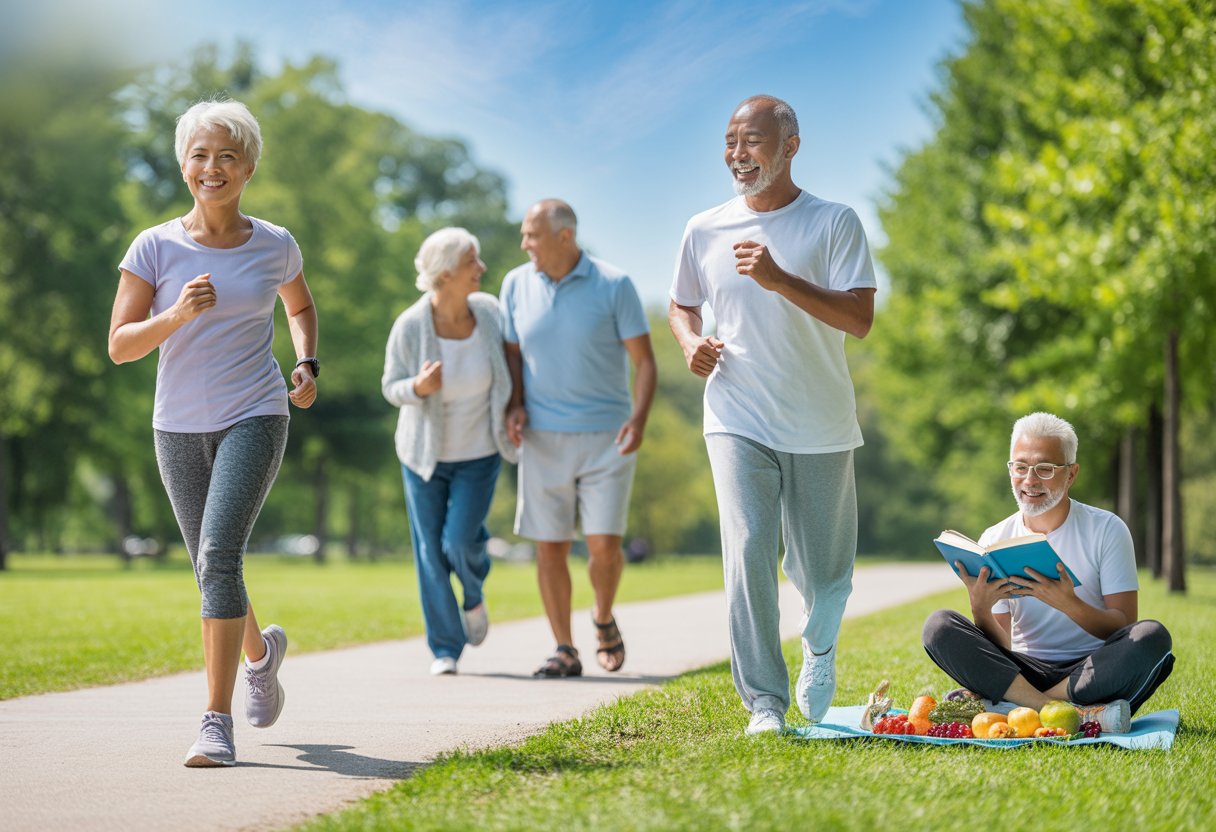
Healthy older adults share common practices that help them maintain their physical strength, mental sharpness, and overall well-being. These habits range from what they eat and how they move to how they manage stress and stay connected with others. Small changes in daily routines can make a big difference in how people age.
The everyday actions that show older adults are still fit[1] often involve simple tasks that many people take for granted. Understanding these habits can help anyone make better choices for their future health.
Table of Contents
1) They follow a balanced diet tailored to their changing nutritional needs
Healthy older adults understand that nutritional needs change with age[2]. They adjust their eating habits to match what their bodies require at this stage of life.
A varied and balanced diet ensures older adults get enough essential vitamins and minerals[3]. This means eating foods from different groups each day. They include at least five portions of fruits and vegetables, meals with starchy foods, and adequate protein sources.
These individuals pay attention to nutrients that become more important with age. They focus on getting enough calcium for bone health and vitamin D to help absorb it. They also make sure to get sufficient fiber and stay hydrated throughout the day.
Healthy older adults recognize that appetite can decrease over time. They work to maintain interest in food by trying new recipes and flavors. They also understand that eating well helps them maintain independence and manage conditions like high blood pressure and type 2 diabetes[4].
2) They engage in regular strength training to maintain muscle mass.
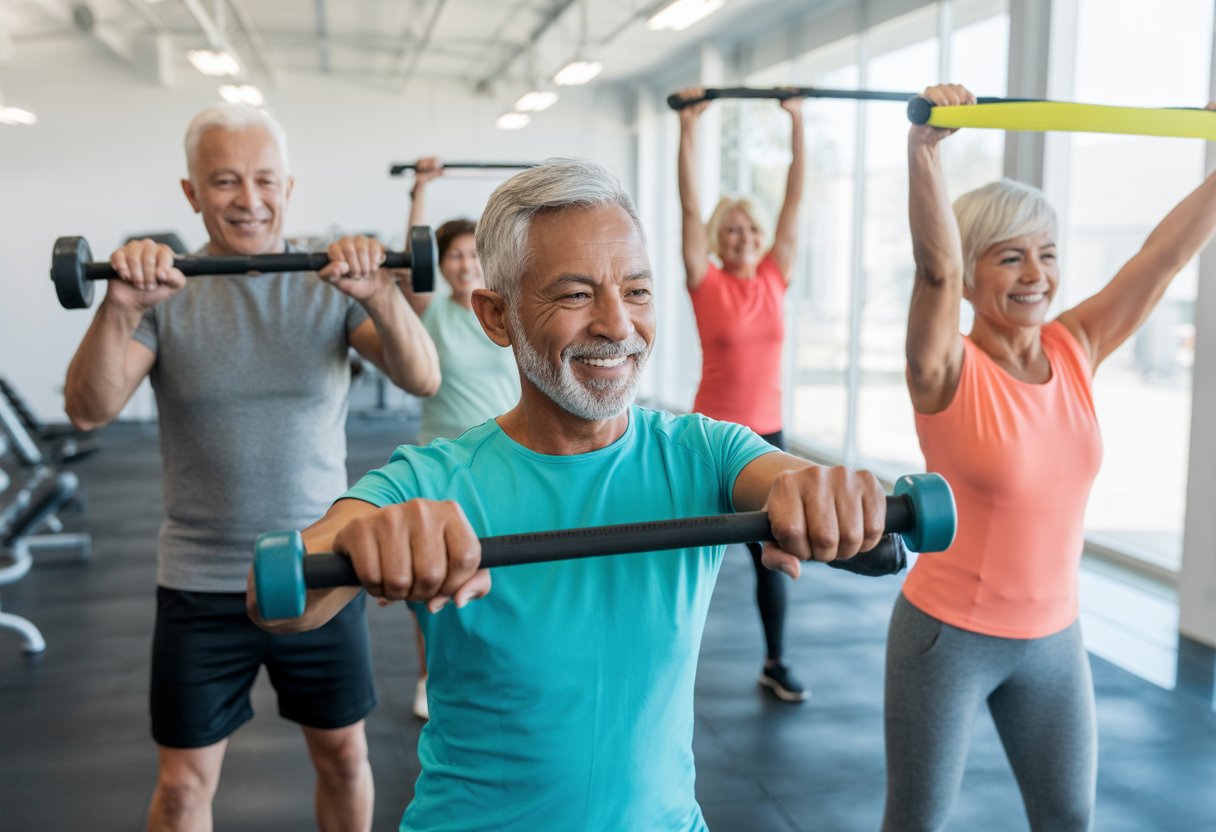
Healthy older adults make strength training a priority in their exercise routines. This type of activity helps fight the physical effects of aging by keeping existing muscle and building new muscle.
Strength training is critical for older adults[5] because it offers specific health benefits beyond general exercise. Research shows that about 30% of muscle mass can be lost as people age, but resistance training helps prevent this decline.
Regular strength work can help prevent or delay health issues[6] that commonly appear later in life. Studies demonstrate that even adults over 70 can maintain and grow muscle through consistent training.
They understand that lifting weights or using resistance bands protects their ability to perform daily tasks. Strong muscles make it easier to carry groceries, climb stairs, and maintain balance. This reduces fall risk and keeps them independent longer.
Most healthy older adults include strength exercises two to three times per week. They focus on major muscle groups and gradually increase difficulty as they get stronger.
3) They prioritize bone health through weight-bearing exercises
Healthy older adults understand that certain types of exercise help maintain strong bones. They focus on weight-bearing activities that make them move against gravity while staying upright.
These exercises include walking, hiking, dancing, and stair climbing. Weight-bearing and strengthening exercises[7] work muscles and bones against gravity to stimulate new bone growth. Swimming and cycling, while good for general fitness, don’t provide the same bone-building benefits.
Experts suggest doing weight-bearing exercises at least three days per week[8] for over 90 minutes total. Many older adults combine these activities with resistance training at least twice weekly.
This approach helps them maintain bone density and reduce fracture risk. They know that regular physical activity plays a key role in building and maintaining healthy bones[9] as they age. By making these exercises a consistent part of their routine, they protect their skeletal system and stay active longer.
4) They practice mental exercises to enhance cognitive function
Healthy older adults make mental exercise a regular part of their routine. They understand that the brain needs workout sessions just like the body does.
Cognitive exercises can enhance memory and brain health[10] when practiced consistently. Many seniors engage in puzzles like crosswords and sudoku to challenge their thinking skills. These activities require problem-solving and pattern recognition.
Reading books and learning new skills also keep the mind active. Some older adults take up a new language or musical instrument. Others join book clubs or attend educational classes.
Card games and board games provide social interaction while stimulating the brain. Memory games help strengthen recall abilities. Strategic games like chess improve planning and decision-making skills.
Brain exercises that promote mental sharpness[11] don’t require expensive tools or complicated programs. Simple daily activities can make a real difference. The key is consistency and variety in mental challenges.
Healthy seniors mix different types of cognitive activities throughout their week. They balance challenging tasks with enjoyable hobbies that engage their minds.
5) They maintain social connections to support emotional well-being
Healthy older adults make staying connected with others a priority. They understand that relationships matter just as much as diet and exercise for their health.
Strong social networks contribute to longer, healthier lives[12]. Older adults who keep up with friends and family tend to feel happier and more supported. These connections provide emotional comfort during difficult times.
Regular social activities help older adults in practical ways too. Social engagement has been linked to better cognitive function[13] as people age. Friends and family members can also help with daily tasks when needed.
Healthy older adults make time for phone calls, visits, and group activities. They join clubs, volunteer, or attend community events. Some use technology to stay in touch with distant loved ones.
They know that isolation can harm both mental and physical health. Building and keeping these relationships takes effort, but the benefits are worth it.
6) They monitor their health with routine medical check-ups
Healthy older adults make regular doctor visits a priority. These check-ups help catch potential problems early when they’re easier to treat.
Annual wellness visits[14] focus on preventing future health issues rather than just treating current ones. During these appointments, doctors review medical history and create personalized plans to stay healthy.
Regular screenings become more important with age. Blood pressure checks and cancer screenings[15] are among the tests that support a safer and healthier life. Skin cancer screenings involve a simple inspection of the skin for unusual spots or moles.
These routine visits also address common aging concerns. Doctors check for issues like falls, memory problems, depression, and pain. They review medications to avoid taking too many at once.
Older adults who stay on top of their health screenings can better manage chronic conditions. They work with their doctors to optimize treatment plans and get the preventive services they need.
7) They ensure adequate sleep for recovery and mental clarity

Healthy older adults prioritize getting enough quality rest each night. Most adults need between seven and nine hours of sleep[16] to maintain good health.
During sleep, the body repairs cells and tissues. The brain processes information from the day and forms new memories. Without adequate rest, these important functions suffer.
Older adults who sleep well experience better focus and decision-making abilities. Getting enough sleep can improve memory and reduce stress levels[16], which becomes increasingly important with age.
They create consistent bedtime routines to improve their sleep quality. This includes going to bed at the same time each night and keeping their bedroom cool and dark. They avoid screens and caffeine in the evening hours.
Sleep is a natural process that helps the body restore energy and supports learning and memory[17]. Healthy older adults recognize that good sleep is not a luxury but a necessity for maintaining their physical and mental well-being.
8) They manage stress effectively through mindfulness or relaxation techniques
Healthy older adults understand that stress affects their physical and mental health. They take active steps to manage it through proven methods.
Mindfulness helps lower stress levels[18] by promoting relaxation and providing ways to cope with difficult emotions. Many older adults practice simple activities like deep breathing, meditation, or mindful walking. These techniques don’t require special equipment or training.
Some use guided meditations and breathing exercises[19] through apps designed for their needs. These tools help manage stress, improve sleep, and support emotional well-being.
Regular mindfulness practice helps older adults become more aware of their emotions. They learn to notice stress early and respond to it calmly. This leads to better emotional control over time.
Other relaxation techniques include journaling, gentle stretching, or spending quiet time in nature. The key is finding what works best for each person. Healthy older adults make these practices a regular part of their routine rather than waiting until stress becomes overwhelming.
9) They stay hydrated consistently throughout the day.

Healthy older adults make drinking water a regular habit throughout their day. They don’t wait until they feel thirsty to drink because the sensation of thirst often decreases with age.
Water becomes more important as people get older[20] for several key reasons. Older bodies hold less water naturally, and certain medications can increase fluid loss. Staying properly hydrated helps prevent brain fog, constipation, and kidney problems.
Many healthy seniors create simple routines to ensure they drink enough. They might have a glass of water when they wake up, after every meal, and before physical activity. Some keep a water bottle nearby as a visual reminder.
Proper hydration helps the heart and immune system work at their best[21]. It supports the body’s ability to regulate temperature and maintain normal bodily functions.
Older adults who stay healthy often track their water intake or set reminders on their phones. They understand that consistent hydration throughout the day is easier than trying to catch up later. This steady approach keeps their bodies functioning well and helps them feel their best.
10) They adapt their physical activity to avoid injury and improve mobility.
Healthy older adults adjust their exercise routines to match their current abilities. They recognize that their bodies have changed and require different approaches to stay fit.
Moving every 30 minutes helps prevent muscles from tightening and joints from stiffening[22]. Older adults who stay healthy make small movements throughout the day rather than sitting for long periods.
They modify traditional exercises to reduce strain on their bodies. Simple changes like using chairs for support during balance exercises or reducing the range of motion in stretches allow them to stay active safely.
Physical activity helps active adults maintain their quality of life and independence longer as they age[23]. This motivates healthy older adults to find ways to keep moving despite physical limitations.
They focus on low-impact activities that protect their joints while building strength. Walking, swimming, and gentle stretching routines provide benefits without causing unnecessary stress on aging bodies. These adaptations allow them to exercise consistently without risking injury.
Major Lifestyle Differences in Healthy Aging
Healthy older adults stand apart through their commitment to regular medical care and their ability to maintain a positive mindset when facing life’s challenges. These two factors work together to support both physical health and emotional well-being.
Consistent Health Monitoring Habits
Older adults who stay healthy make regular doctor visits a priority. They schedule annual checkups and follow through with recommended screenings for conditions like diabetes, high blood pressure, and cancer.
These individuals track important health metrics at home. They monitor their blood pressure, blood sugar levels, and weight regularly. Many keep written logs or use apps to share this information with their healthcare providers.
Healthy seniors also stay current with vaccinations and preventive care. They get annual flu shots and follow recommended schedules for vaccines like pneumonia and shingles. They attend dental cleanings every six months and eye exams as recommended by their doctors.
They ask questions during medical appointments and understand their medications. This includes knowing what each medication does, when to take it, and potential side effects to watch for.
Positive Outlook and Resilience
Maintaining a positive attitude helps older adults navigate health challenges and life changes. They focus on what they can control rather than dwelling on limitations that come with aging.
These individuals adapt to changes in their physical abilities. When they can no longer do certain activities, they find new hobbies and interests that match their current capabilities. They view setbacks as temporary obstacles rather than permanent defeats.
Social connections play a key role in their habits that support senior wellness[24]. They maintain friendships, join community groups, and stay engaged with family members. Strong relationships provide emotional support during difficult times.
They practice gratitude and find joy in daily experiences. Simple activities like spending time outdoors, enjoying meals, or talking with friends become sources of happiness and fulfillment.
Long-Term Benefits of Healthy Aging Practices
Adopting healthy habits in older age leads to measurable improvements in brain performance and extends both lifespan and daily energy levels.
Improved Cognitive Function
Regular physical activity increases blood flow to the brain, which helps maintain memory and thinking skills as people age. Exercise promotes the growth of new brain cells and strengthens connections between existing ones.
Mental engagement through learning new skills, reading, or solving puzzles keeps the brain active and sharp. These activities build cognitive reserve, which helps the brain compensate for age-related changes. Social interactions also play a key role in cognitive health by stimulating different areas of the brain.
A diet rich in fruits, vegetables, whole grains, and omega-3 fatty acids supports brain health. These foods provide antioxidants and nutrients that protect brain cells from damage. Getting enough sleep each night allows the brain to clear out toxins and consolidate memories.
Key cognitive benefits include:
- Better memory retention
- Faster information processing
- Improved problem-solving abilities
- Reduced risk of dementia and Alzheimer’s disease
Longevity and Enhanced Vitality
Healthy aging practices contribute to living longer[24] with better quality of life. People who maintain healthy habits often add years to their lifespan while reducing time spent managing chronic diseases.
Strength training and regular movement preserve muscle mass and bone density. This keeps older adults mobile and independent longer. Strong muscles and bones reduce the risk of falls and fractures, which are major causes of disability in seniors.
Managing stress through relaxation techniques and maintaining strong social connections improves both mental and physical health. People with close friendships and family ties tend to live longer than those who are isolated. Laughter and positive emotions boost immune function and reduce inflammation in the body.
Vitality improvements include:
- Higher energy levels throughout the day
- Greater physical independence
- Better immune system function
- Reduced reliance on medications
Frequently Asked Questions
Older adults often have questions about preventing rapid aging, maintaining independence, and making lifestyle choices that support longevity. Understanding exercise requirements, nutrition patterns, and preventive care helps people make informed decisions about their health.
What is the #1 mistake that can make you age faster?
The biggest mistake is remaining sedentary and avoiding physical activity. When older adults stop moving regularly, they lose muscle mass at an accelerated rate, which weakens their ability to perform daily tasks independently.
Muscle loss also slows metabolism and increases the risk of falls. Without strength training and movement, bone density decreases faster, making fractures more likely.
Social isolation ranks as another major aging accelerator. People who cut themselves off from friends and community experience faster cognitive decline and higher rates of depression.
What daily habits should a 70-year-old practice to stay healthy and independent?
A 70-year-old should engage in some form of movement every day, whether walking, stretching, or doing household activities. Strength training at least twice weekly helps maintain the muscle mass needed for climbing stairs, carrying groceries, and getting up from chairs.
Eating protein at each meal supports muscle maintenance. Older adults need more protein than younger people to prevent muscle breakdown.
Staying connected with others through phone calls, community groups, or family visits protects mental health. Even brief social interactions help maintain cognitive function and emotional well-being.
Which lifestyle changes have the biggest impact on healthy aging after 60?
Adding resistance training creates the most significant impact on physical independence. Lifting weights, using resistance bands, or doing bodyweight exercises prevents the muscle loss that makes daily activities difficult.
Including weight-bearing exercises like walking, dancing, or light jogging strengthens bones. This reduces fracture risk and helps older adults maintain their mobility.
Adjusting diet to include more nutrient-dense foods while reducing empty calories supports energy levels. A balanced eating pattern that includes adequate protein, calcium, and vitamin D addresses the changing nutritional needs that come with age.
How much exercise do older adults need each week to maintain strength, balance, and mobility?
Physical activity recommendations for older adults[25] emphasize regular movement throughout the week. Most older adults should aim for 150 minutes of moderate aerobic activity spread across the week.
Strength training should occur at least two days per week, working all major muscle groups. These sessions help preserve muscle mass and bone density.
Balance exercises should happen three or more days weekly. Simple activities like standing on one foot or heel-to-toe walking reduce fall risk significantly.
What eating patterns are most associated with better energy, cognition, and longevity in later life?
Eating patterns that emphasize whole foods over processed options support brain health and energy. Diets rich in vegetables, fruits, whole grains, lean proteins, and healthy fats provide the nutrients older brains need to function well.
Regular meal timing helps maintain steady blood sugar and energy throughout the day. Skipping meals can lead to weakness and poor food choices later.
Adequate protein intake at each meal supports muscle maintenance and cognitive function. Older adults need about 25-30 grams of protein per meal to prevent muscle breakdown.
Staying hydrated impacts energy and mental clarity. Many older adults don’t feel thirsty even when they need fluids, so drinking water throughout the day matters.
Which preventive health screenings and vaccinations are most important for older adults to keep up with?
Older adults need specific preventive care[26] to catch health issues early. Regular blood pressure checks detect hypertension before it causes heart attacks or strokes.
Cholesterol screenings identify cardiovascular risks that medication can address. Diabetes screening catches high blood sugar before it damages organs.
Cancer screenings including colonoscopy, mammography, and skin checks find problems when they’re most treatable. Bone density scans identify osteoporosis risk so treatment can begin before fractures occur.
Vaccinations protect against serious infections that hit older adults harder. The annual flu shot, pneumonia vaccines, and shingles vaccine prevent hospitalizations and complications that can lead to permanent disability.
Post Views: 12
References
- 10 Everyday Actions That Show Older Adults Are Still Fit. https://housely.com/everyday-actions-that-show-older-adults-are-still-fit/ Accessed April 9, 2026
- The changing nutritional needs of older adults and how to meet them. https://www.heart.org/en/news/2024/12/18/the-changing-nutritional-needs-of-older-adults-and-how-to-meet-them Accessed April 9, 2026
- Nutrition for older people. https://www.nutrition.org.uk/nutrition-for/older-people/ Accessed April 9, 2026
- Healthy eating over 60. https://www.healthdirect.gov.au/healthy-eating-over-60 Accessed April 9, 2026
- Why strength training is critical for older adults. https://www.uclahealth.org/news/article/why-strength-training-critical-older-adults Accessed April 9, 2026
- Strength Training for Older Adults. https://www.tuftsmedicarepreferred.org/healthy-living/strength-training-older-adults Accessed April 9, 2026
- 403 Forbidden. https://healthy.kaiserpermanente.org/health-wellness/health-encyclopedia/he.Weight-Bearing-and-Strengthening-Exercises-to-Maintain-Healthy-Bones.hw131353 Accessed April 9, 2026
- Exercise, lifestyle, and your bones: MedlinePlus Medical Encyclopedia. https://medlineplus.gov/ency/patientinstructions/000492.htm Accessed April 9, 2026
- Exercise and Bone Health – OrthoInfo. https://orthoinfo.aaos.org/en/staying-healthy/exercise-and-bone-health Accessed April 9, 2026
- What Are the Best Cognitive Exercises for Seniors?. https://www.medicare.org/articles/memory-exercises-for-seniors-that-work/ Accessed April 9, 2026
- Promote Mental Sharpness With Brain Exercises For Seniors. https://koelschseniorcommunities.com/resource/brain-exercises-that-promote-mental-sharpness-in-older-adults/ Accessed April 9, 2026
- Maintaining healthy relationships. https://www.mayoclinichealthsystem.org/hometown-health/speaking-of-health/maintaining-healthy-relationships-is-important-as-we-age Accessed April 9, 2026
- The Lifelong Impact of Social Connections on Well-being. https://casatondemand.org/2024/11/07/the-lifelong-impact-of-social-connections-on-well-being/ Accessed April 9, 2026
- Your Annual Wellness Visit: Essential Care for Older Adults. https://www.villagemedical.com/journey-to-well/your-annual-wellness-visit-essential-care-for-older-adults Accessed April 9, 2026
- 10 Essential Health Screenings for Aging Adults. https://www.medicalguardian.com/medical-alert-blog/health-wellness/10-essential-health-screenings-for-aging-adults Accessed April 9, 2026
- Most adults need between seven and nine hours of sleep. https://www.verywellhealth.com/top-health-benefits-of-a-good-nights-sleep-2223766 Accessed April 9, 2026
- Healthy Sleep. https://medlineplus.gov/healthysleep.html Accessed April 9, 2026
- Building Mindfulness Skills: A Guide for Older Adults. https://realitypathing.com/building-mindfulness-skills-a-guide-for-older-adults/ Accessed April 9, 2026
- Mindfulness For Seniors: Meditation And Mindfulness Activities For Older Adults. https://mindowl.org/mindfulness-for-seniors/ Accessed April 9, 2026
- Hydration and older adults: Why water matters more as you age. https://www.uclahealth.org/news/article/hydration-and-older-adults-why-water-matters-more-you-age Accessed April 9, 2026
- Access to this page has been denied. https://www.goodrx.com/health-topic/senior-health/hydration-tips-for-seniors Accessed April 9, 2026
- 5 Everyday Habits That Improve Mobility and Prevent Injury. https://stjosephshealth.org/healthy-you/5-everyday-habits-that-improve-mobility-and-prevent-injury/ Accessed April 9, 2026
- Why Is Physical Activity So Important for Health and Well-Being?. https://www.heart.org/en/healthy-living/fitness/fitness-basics/why-is-physical-activity-so-important-for-health-and-wellbeing Accessed April 9, 2026
- 10 Habits of Seniors Who Live Longer. https://bethesdahealth.org/blog/10-habits-of-seniors-who-live-longer/ Accessed April 9, 2026
- Physical activity recommendations for older adults. https://www.exerciseismedicine.org/assets/page_documents/TEN%20FREQUENTLY%20ASKED%20QUESTIONS%20BY%20OLDER%20ADULTS%20ABOUT%20PHYSICAL%20ACTIVITY.pdf Accessed April 9, 2026
- Older Adults. https://www.nutrition.gov/topics/nutrition-life-stage/older-adults Accessed April 9, 2026

















