Medically Reviewed
Dr. Jose Rossello, MD, PhD, MHCM
Preventive Medicine & Public Health Specialist
Last Reviewed: March 24, 2026
Your body fights threats every day through inflammation. When this process becomes chronic, it can lead to serious health problems like heart disease, diabetes, and arthritis. Eating specific anti-inflammatory foods can help reduce chronic inflammation and lower the risk of developing long-term illnesses.
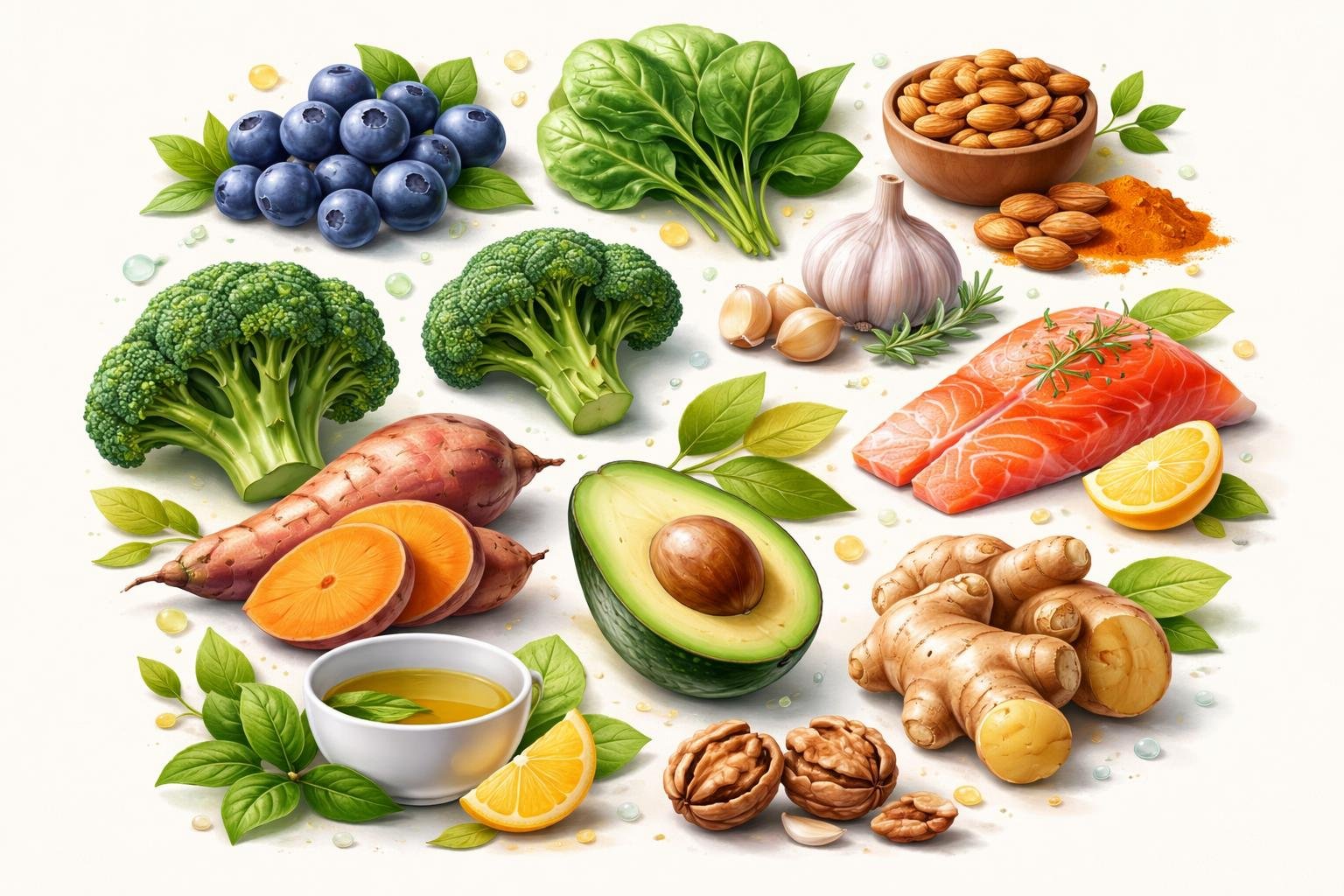
The connection between diet and inflammation is well-established. Foods high in natural antioxidants and polyphenols[1] help protect the body from ongoing inflammatory damage. These protective compounds are found in many common foods available at any grocery store.
Making simple changes to what you eat can make a real difference in how you feel. The twelve foods covered in this guide offer natural ways to support your body’s healing process and reduce inflammation that contributes to chronic disease.
Table of Contents
Key Takeaways
- Chronic inflammation contributes to major diseases including heart disease, diabetes, and arthritis
- Certain foods contain natural compounds that reduce inflammation and protect against chronic illness
- Following an anti-inflammatory diet while avoiding processed foods can lower disease risk and improve overall health
Why Chronic Inflammation Drives Chronic Illness
Chronic inflammation acts as a hidden driver behind many serious health conditions, from heart disease to cancer. When the immune system stays activated for months or years, it releases proteins that damage healthy tissues and organs throughout the body.
The Link Between Inflammation and Disease
Chronic inflammation is associated with an increased risk[2] of several major health conditions. Research shows strong connections between ongoing inflammation and heart disease, cancer, type 2 diabetes, and arthritis.
The immune system releases proteins called cytokines during inflammatory responses. When these cytokines remain elevated over time, they contribute to tissue damage and disease development.
Persistent inflammation can damage tissues and organs[2] in ways that increase disease risk. Heart disease develops when inflammation damages blood vessel walls. Cancer risk rises as inflammatory molecules interfere with normal cell growth and division.
Type 2 diabetes becomes more likely when inflammation affects how the body processes insulin. Arthritis worsens as inflammatory proteins break down joint cartilage. Depression has also been linked to elevated inflammatory markers in the brain.
Acute vs. Chronic Inflammation
Acute inflammation is the body’s helpful defense against injury and infection. It lasts a few days or weeks, then stops once healing occurs.
Chronic inflammation works differently. This type continues for months or years without shutting off properly. The problem comes when it sticks around too long[3], creating ongoing damage instead of promoting healing.
Several factors can trigger chronic inflammation. Poor diet choices, lack of physical activity, high stress levels, and environmental toxins all play a role. Unlike acute inflammation that causes obvious symptoms like swelling and pain, chronic inflammation often produces no noticeable signs until disease develops.
How Inflammation Impacts the Body
Chronic inflammation is a persistent, low-grade activation of the immune system[4] that affects multiple body systems. The cardiovascular system suffers as inflammatory proteins damage artery walls and increase blood clot formation.
The metabolic system struggles when inflammation interferes with blood sugar regulation and insulin function. This creates a path toward type 2 diabetes and metabolic syndrome.
In the joints, ongoing inflammation breaks down cartilage and bone tissue. This process leads to pain, stiffness, and limited mobility in people with arthritis. The nervous system also responds to chronic inflammation, which may contribute to mood disorders and cognitive decline.
Inflammatory molecules can promote abnormal cell growth and division. This mechanism explains why chronic inflammation plays a role in cancer development[5] across various organ systems.
The Science Behind Anti-Inflammatory Foods
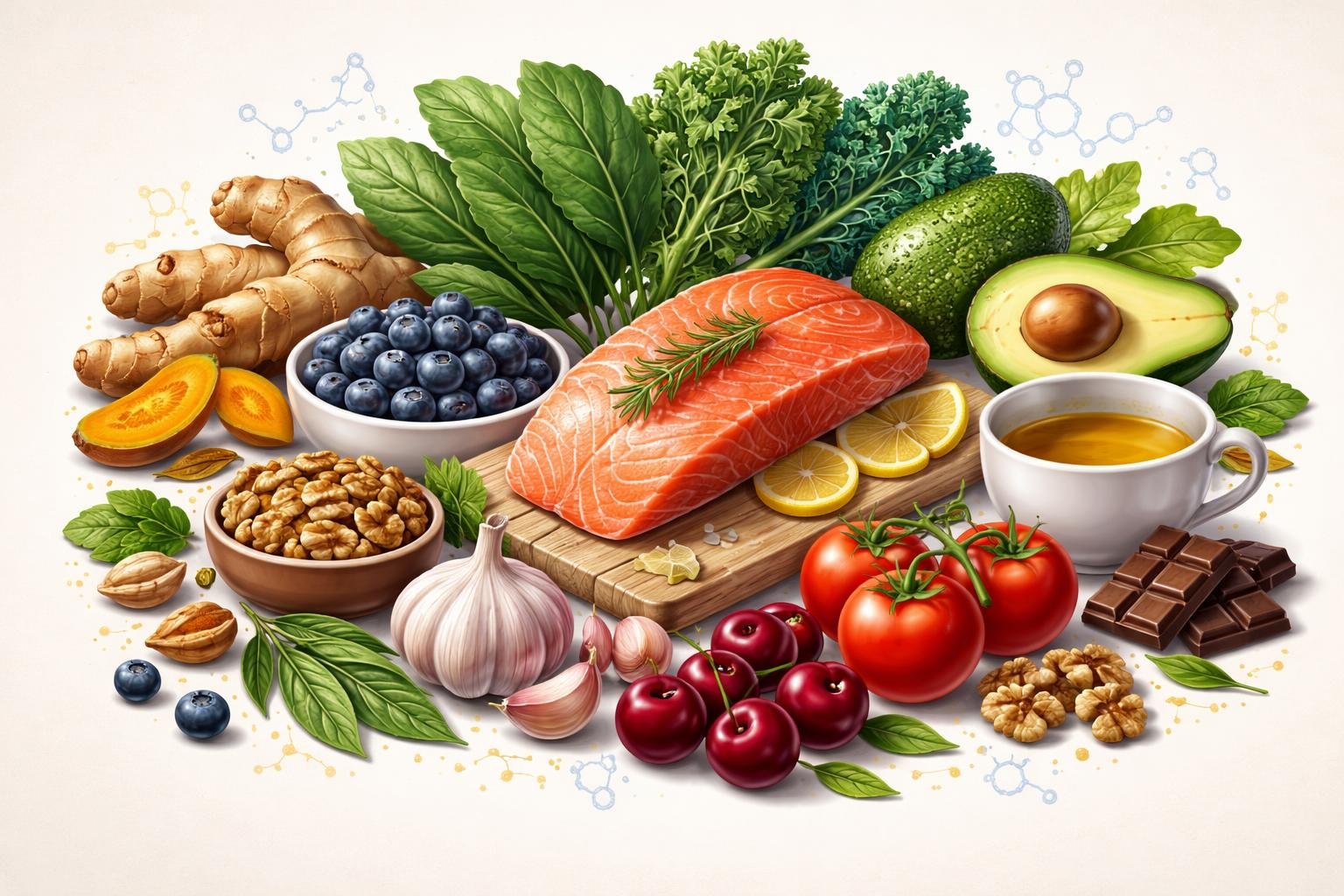
Certain compounds in food interact directly with the body’s immune system and cellular processes. Antioxidants neutralize harmful molecules, omega-3 fatty acids regulate immune responses, and fiber supports beneficial gut bacteria that influence inflammation throughout the body.
Antioxidants and Polyphenols Explained
Antioxidants are molecules that protect cells from oxidative stress caused by unstable molecules called free radicals. When free radicals accumulate, they damage cells and trigger inflammatory responses that can become chronic.
Polyphenols are a specific type of antioxidant found in plant foods. These compounds reduce inflammation and lower the risk of chronic disease[6] by blocking inflammatory pathways at the cellular level.
Common sources of polyphenols include:
- Berries (blueberries, strawberries, cherries)
- Leafy greens (spinach, kale)
- Coffee and tea
- Dark chocolate
- Apples
The body cannot produce these protective compounds on its own. People must obtain them through diet to maintain cellular health and reduce inflammation markers in the bloodstream.
Omega-3 Fatty Acids and Their Benefits
Omega-3 fatty acids are essential fats that the body uses to build anti-inflammatory molecules. The two most important types are EPA (eicosapentaenoic acid) and DHA (docosahexaenoic acid), both found primarily in fatty fish.
These fats work by competing with omega-6 fatty acids, which promote inflammation when consumed in excess. EPA and DHA also produce specialized molecules called resolvins that actively shut down inflammatory processes.
Research shows that omega-3 consumption reduces markers of inflammation[6] and lowers the risk of cardiovascular disease and diabetes. Fish like salmon, mackerel, tuna, and sardines provide the highest concentrations of these beneficial fats.
Plant sources like flaxseeds and walnuts contain ALA (alpha-linolenic acid), which the body converts to EPA and DHA. However, this conversion is inefficient, making direct sources more effective.
The Role of Fiber and Gut Health
Fiber feeds beneficial bacteria in the digestive tract, which produce short-chain fatty acids that reduce inflammation throughout the body. These bacteria also strengthen the gut barrier and prevent inflammatory molecules from entering the bloodstream.
A healthy gut microbiome regulates immune function and influences inflammatory responses in distant organs. When gut bacteria break down fiber, they create compounds that signal immune cells to remain balanced rather than overactive.
Whole grains, fruits, vegetables, and legumes provide both soluble and insoluble fiber. Soluble fiber dissolves in water and feeds probiotics, while insoluble fiber helps move food through the digestive system.
People who consume adequate fiber typically have lower levels of C-reactive protein, a key marker of inflammation in the blood. This connection demonstrates how gut health directly impacts chronic disease risk.
The 12 Best Foods That Fight Chronic Illness Naturally
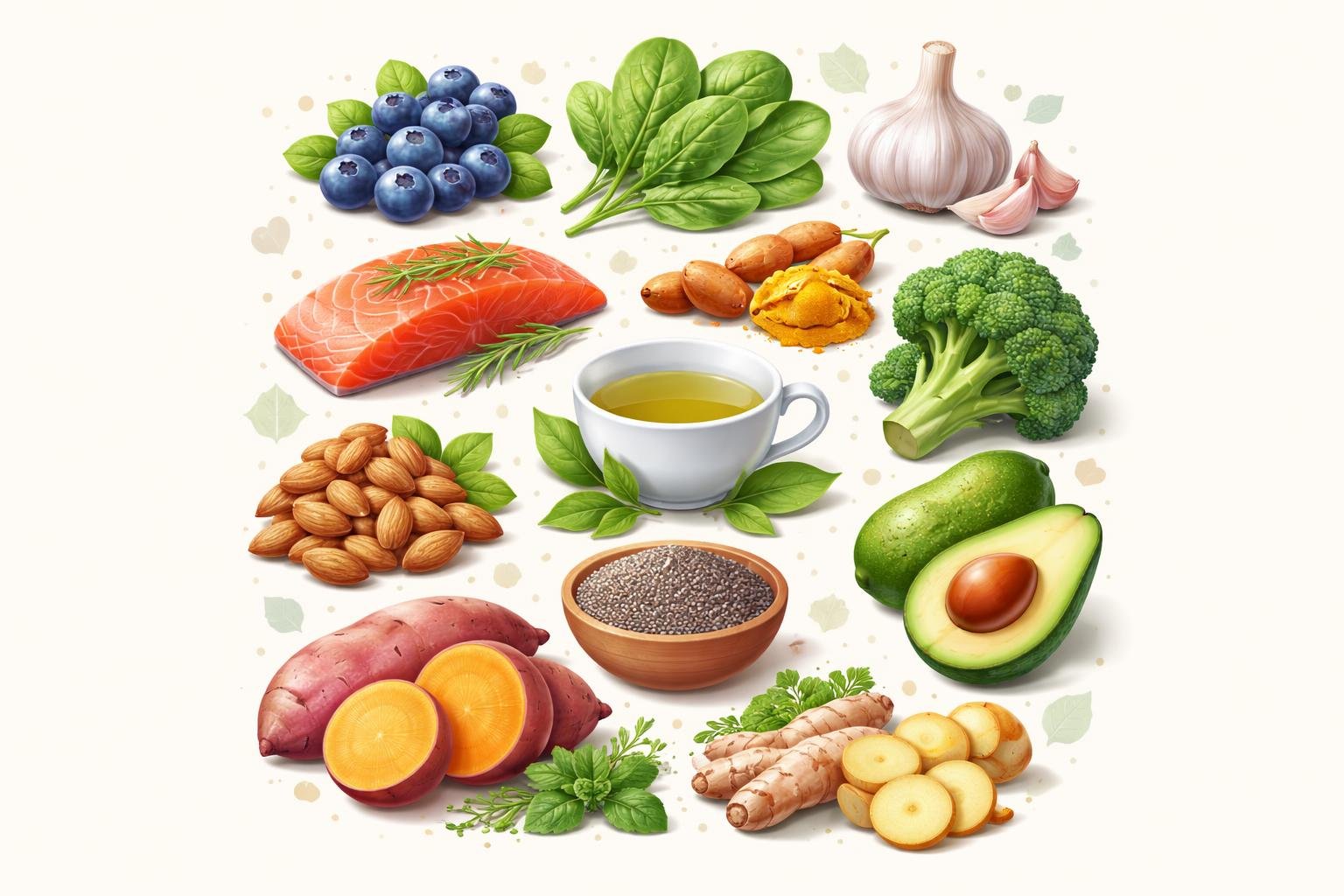
Certain foods contain powerful compounds that help the body fight inflammation and reduce the risk of chronic disease. These foods are rich in antioxidants, omega-3 fatty acids, and other nutrients that support the immune system and protect cells from damage.
Berries: Nature’s Antioxidant Powerhouses
Berries rank among the most potent anti-inflammatory foods available. Blueberries contain high levels of anthocyanins, which are antioxidants that give them their deep blue color and help reduce inflammation in the body.
Strawberries provide vitamin C and manganese along with anti-inflammatory compounds. Studies show that people who eat strawberries regularly have lower levels of inflammatory markers in their blood.
Raspberries and cherries offer similar benefits. Raspberries contain ellagic acid, which fights oxidative stress. Cherries have been shown to reduce inflammatory markers and may help people with arthritis experience less pain.
Key nutrients in berries:
- Anthocyanins
- Vitamin C
- Fiber
- Polyphenols
Most berries are low in sugar compared to other fruits. They can be eaten fresh, frozen, or dried while still providing health benefits.
Fatty Fish: Rich in Omega-3s
Fatty fish provide omega-3 fatty acids that the body cannot make on its own. These healthy fats reduce inflammation and lower the risk of heart disease, diabetes, and other chronic conditions.
Salmon stands out as one of the best sources of omega-3s, containing both EPA and DHA. Wild-caught salmon typically has higher levels of these beneficial fats than farm-raised varieties. A 3-ounce serving provides about 1,500 milligrams of omega-3s.
Mackerel, herring, and sardines offer even more omega-3s per serving than salmon. Sardines also provide calcium from their edible bones. These fish are high in natural antioxidants[6] and protective compounds found in marine sources.
Health experts recommend eating fatty fish at least twice per week. Canned options like sardines work just as well as fresh fish.
Leafy Greens: Nutrient Dense Champions
Green leafy vegetables pack more nutrients per calorie than almost any other food. Spinach contains vitamins A, C, and K along with folate and iron. These nutrients support immune function and help the body fight disease.
Kale has gained attention for its high antioxidant content. It contains quercetin and kaempferol, which have anti-inflammatory effects. One cup of raw kale provides more than the daily recommended amount of vitamins A, C, and K.
Swiss chard offers similar benefits with the addition of magnesium and potassium. These minerals help regulate blood pressure and support heart health. The colorful stems contain betalains, which are antioxidants unique to certain vegetables.
Leafy greens also provide fiber that feeds beneficial gut bacteria. A healthy gut microbiome plays a key role in reducing inflammation throughout the body.
Nuts and Seeds: Healthy Fats and Fiber
Nuts and seeds deliver protein, healthy fats, and fiber in a small package. Walnuts contain alpha-linolenic acid, a plant-based omega-3 fatty acid. Research shows that eating walnuts regularly reduces inflammatory markers and supports heart health.
Almonds provide vitamin E, an antioxidant that protects cells from damage. They also contain magnesium, which many people don’t get enough of in their diet. A one-ounce serving has about 6 grams of protein.
Chia seeds and flaxseeds offer omega-3s along with soluble fiber. Flaxseeds contain lignans, which are compounds that may help protect against certain cancers. These seeds need to be ground for the body to absorb their nutrients properly.
Serving suggestions:
- Add walnuts or almonds to salads
- Mix chia seeds into yogurt or smoothies
- Sprinkle ground flaxseeds on oatmeal
- Keep raw nuts as a portable snack
Most nuts and seeds stay fresh longer when stored in the refrigerator or freezer.
Supporting Foods and Ingredients for Natural Healing
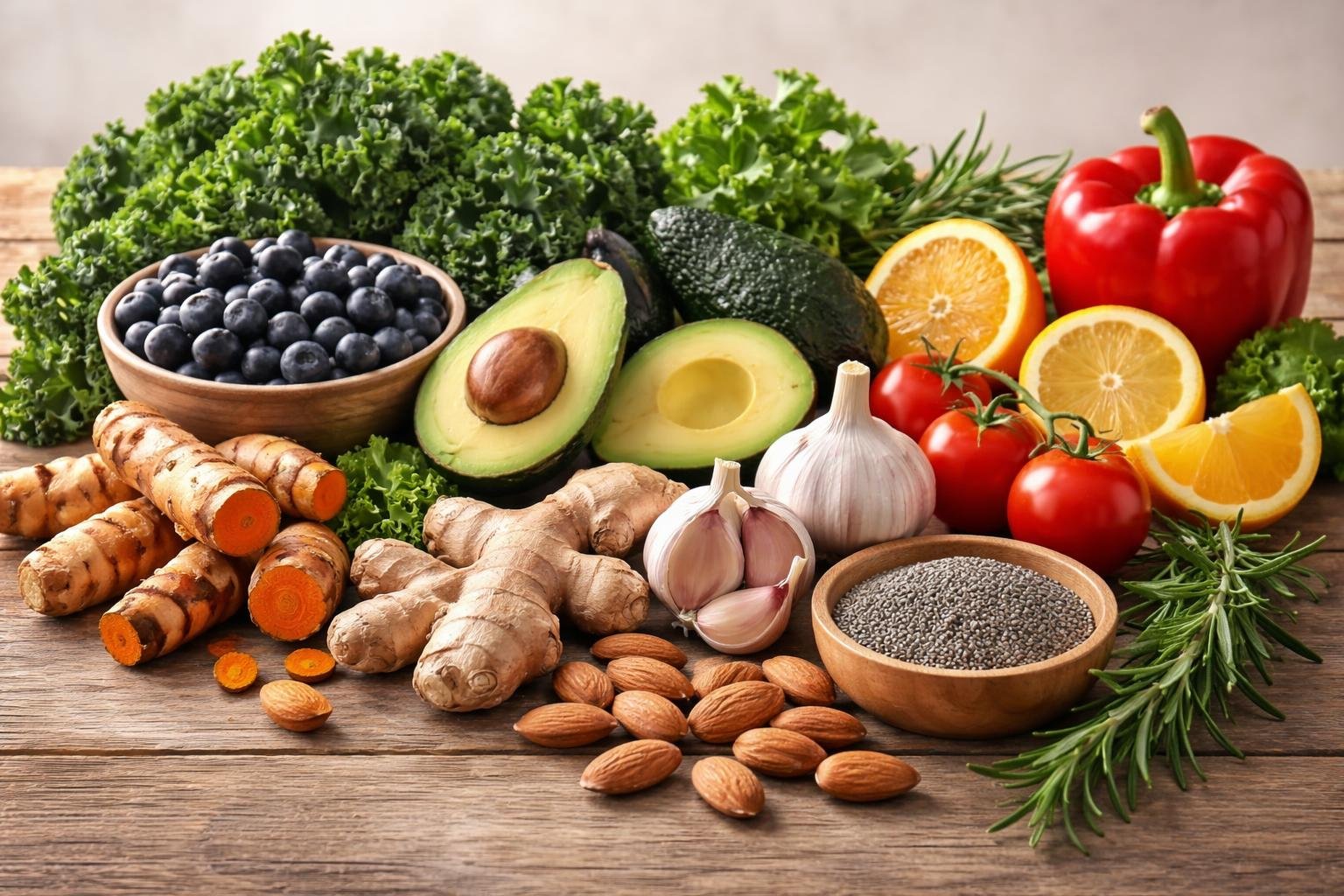
Certain oils, vegetables, fruits, and seasonings provide concentrated compounds that help the body fight chronic disease. These foods deliver antioxidants, anti-inflammatory molecules, and immune-supporting nutrients that work together to protect cells and reduce disease risk.
Olive Oil and Healthy Oils
Extra virgin olive oil stands out as one of the most studied oils for disease prevention. It contains oleocanthal, a compound that works similarly to anti-inflammatory medications but without negative side effects. Research shows that extra virgin olive oil reduces inflammatory markers[5] and supports heart health when used regularly.
The key is choosing high-quality, cold-pressed versions that retain the most beneficial compounds. People should use it for salad dressings, light cooking, and drizzling over finished dishes. Heat can damage some of the delicate compounds, so it works best at lower temperatures.
Other healthy oils include avocado oil and flaxseed oil. Avocado oil handles higher cooking temperatures well, while flaxseed oil provides plant-based omega-3 fatty acids. These oils replace inflammatory options like refined vegetable oils and partially hydrogenated fats that can worsen chronic illness.
Cruciferous and Colorful Vegetables
Broccoli, cauliflower, Brussels sprouts, and cabbage contain sulforaphane and other compounds that help the body eliminate toxins and fight cancer cell growth. These cruciferous vegetables support liver function and reduce oxidative stress throughout the body.
Colorful vegetables like peppers deliver high amounts of vitamin C and quercetin. Red and yellow peppers contain more vitamin C than oranges, which helps strengthen immune function and repair damaged tissues. Quercetin acts as a natural antihistamine and reduces inflammatory cytokines[5] that contribute to chronic disease.
Sweet potatoes, carrots, and beets provide carotenoids that protect vision and skin while supporting cellular health. The pigments that give these vegetables their bright colors also protect human cells from damage. Eating a variety of colors ensures a broad range of protective compounds.
Citrus Fruits and Tomatoes
Oranges, grapefruits, lemons, and limes pack high levels of vitamin C, which supports immune cell function and collagen production. Vitamin C also acts as an antioxidant that neutralizes free radicals before they damage DNA and cell membranes.
Tomatoes offer lycopene, a powerful carotenoid linked to reduced risk of heart disease and certain cancers. Cooking tomatoes actually increases lycopene availability, making tomato sauce and paste particularly beneficial. They also contain vitamin C and potassium that support cardiovascular health.
The combination of citrus and tomatoes in a diet provides multiple protective mechanisms. These fruits work together to reduce inflammation, support blood vessel health, and strengthen the body’s natural defense systems against chronic illness.
Herbs, Spices, and Teas
Turmeric contains curcumin, one of the most researched anti-inflammatory compounds in food. Studies show it reduces pain and inflammation in conditions like arthritis. Taking turmeric with black pepper increases curcumin absorption by up to 2,000 percent, making the combination more effective.
Ginger reduces nausea, fights inflammation, and may lower blood sugar levels in people with diabetes. Cinnamon improves insulin sensitivity and contains antioxidants that protect against cellular damage. Both spices can be added to foods or steeped as teas.
Green tea provides EGCG, an antioxidant that reduces free radicals and may prevent chronic disease[5]. Drinking 2-3 cups daily offers consistent benefits. Coffee also contains beneficial antioxidants, though green tea typically causes less caffeine-related side effects while delivering similar protective compounds.
Building and Maintaining an Anti-Inflammatory Diet
Successful adoption of eating patterns that reduce chronic inflammation requires practical strategies for shopping, cooking, and planning meals. A structured approach that emphasizes nutrient-dense options and simple preparation methods makes long-term adherence achievable for people managing health conditions.
Tips for Incorporating Whole Foods
The foundation of an anti-inflammatory eating pattern starts with replacing processed items with whole foods at each meal. Fresh vegetables, fruits, legumes like beans and peas, and whole grains such as brown rice and oats should fill most of the plate.
Shopping the perimeter of grocery stores helps people find fresh produce, lean proteins, and unprocessed items. Reading ingredient labels becomes essential—products with five or fewer recognizable ingredients typically qualify as minimally processed.
Batch cooking whole grains at the start of each week saves time during busy weekdays. Preparing large portions of brown rice or oats provides ready-to-use bases for multiple meals. Keeping frozen vegetables and canned beans in the pantry ensures healthy options remain available when fresh produce runs low.
Starting with small swaps makes transitions easier. Replacing white bread with whole grain versions or adding an extra serving of vegetables to dinner creates momentum without overwhelming dietary routines.
The Mediterranean Diet Approach
The Mediterranean diet emphasizes whole foods[3] including fruits, vegetables, fish, nuts, and olive oil as primary ingredients. This pattern has demonstrated consistent benefits for people seeking to reduce chronic inflammation and lower blood pressure.
Olive oil serves as the primary fat source in this approach. Using it for salad dressings and drizzling it over cooked vegetables provides beneficial compounds while adding flavor.
Fish appears in meals at least twice weekly, with salmon, sardines, and mackerel offering the highest levels of omega-3 fatty acids. Legumes like beans and lentils provide plant-based protein several times per week.
Key Mediterranean Diet Components:
- Daily: Vegetables, fruits, whole grains, olive oil, nuts
- Weekly: Fish (2-3 times), poultry, eggs, legumes
- Monthly: Red meat (limited amounts)
- Rarely: Sweets and processed foods
Meal Planning for Chronic Illness
Creating weekly meal plans reduces decision fatigue and ensures balanced nutrition throughout the week. Planning allows people to include foods rich in magnesium and potassium, which support various body functions.
A practical weekly structure might include oats for breakfast three mornings, large salads with beans for lunch, and fish or poultry with brown rice and vegetables for dinner. Preparing ingredients in advance—washing greens, cooking grains, chopping vegetables—streamlines daily cooking.
Keeping a rotating menu of 10-15 approved recipes prevents boredom while maintaining simplicity. These recipes should feature anti-inflammatory ingredients and accommodate any dietary restrictions related to specific health conditions.
Tracking how different foods affect symptoms helps identify personal triggers and beneficial patterns. Some people notice improvements in energy or pain levels within days of dietary changes, while others require several weeks to observe meaningful differences.
Inflammatory Foods to Limit or Avoid
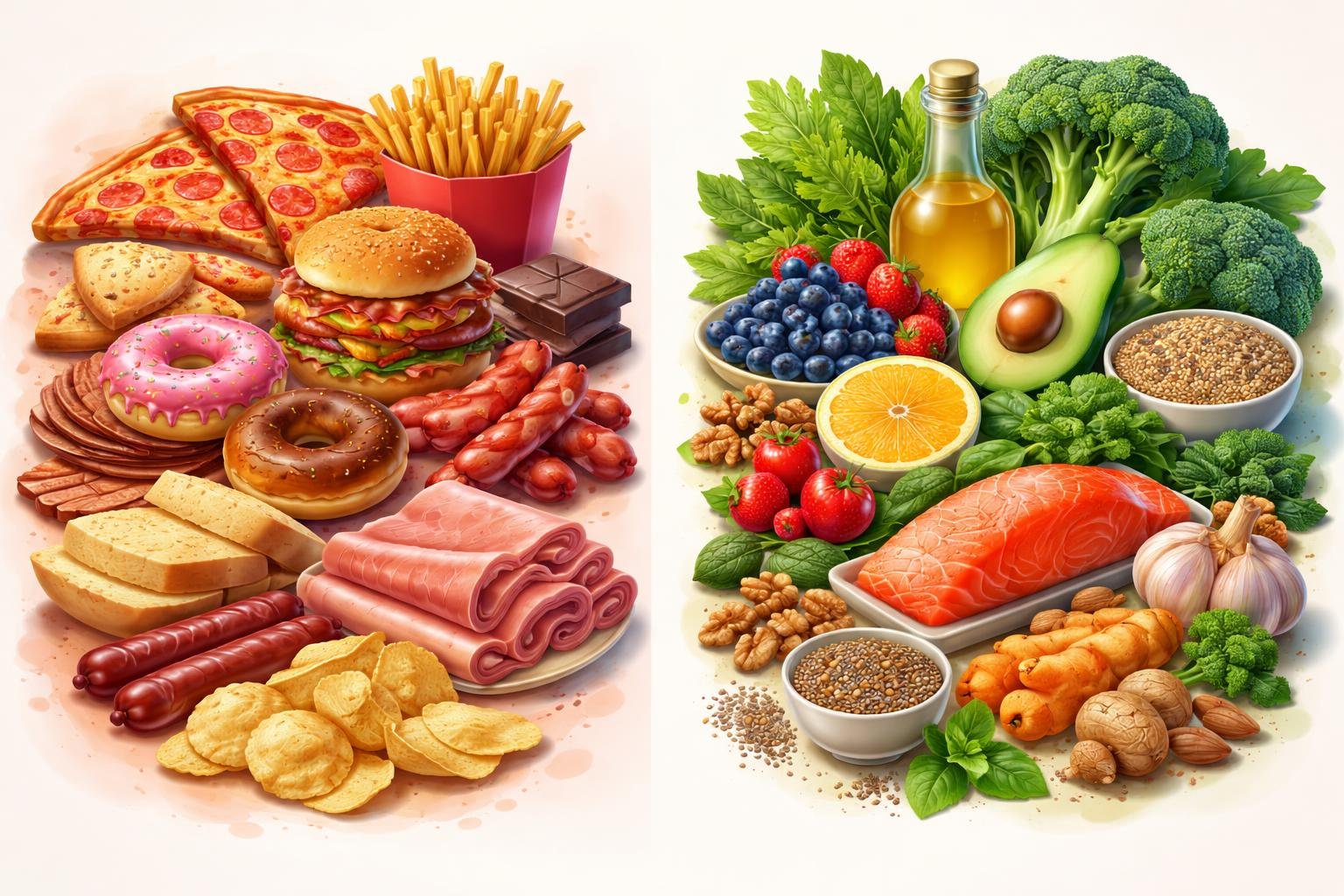
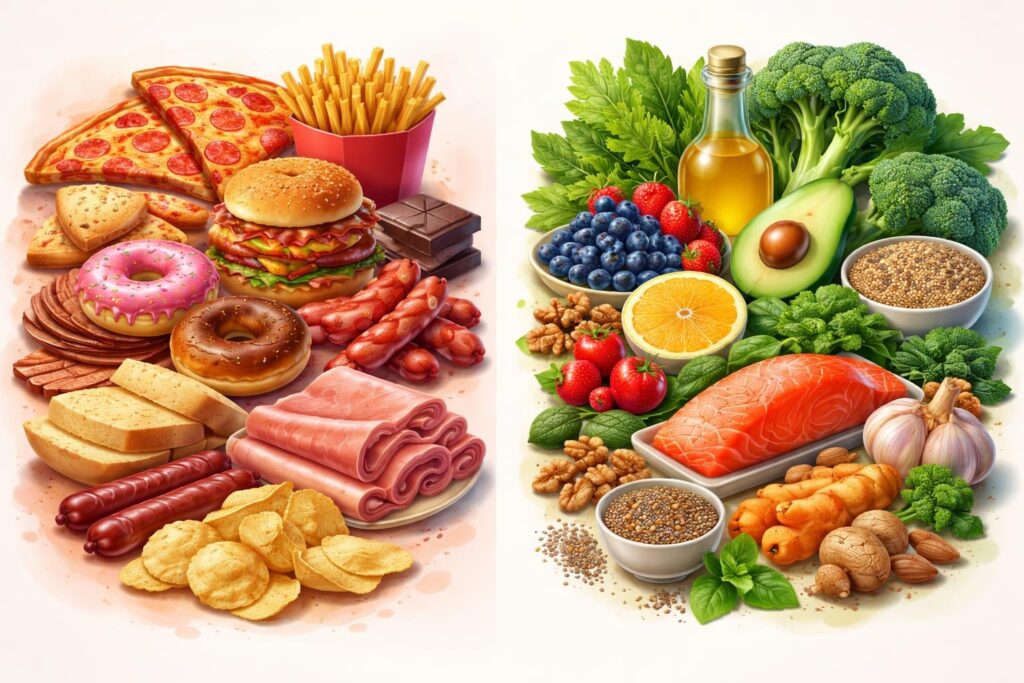
Certain foods trigger inflammation in the body and can worsen chronic illness over time. Processed meats, refined carbohydrates, fried foods, and sugary beverages are the main culprits that contribute to ongoing inflammation.
Processed Meats and Refined Carbohydrates
Processed meats like bacon, sausage, and hot dogs contain high levels of sodium and preservatives that promote inflammation. These meats often include nitrates and other chemicals that the body recognizes as harmful invaders. Studies link regular consumption of processed meat to increased inflammation markers and higher risks of chronic diseases.
Refined carbohydrates such as white bread and pasta spike blood sugar levels quickly. The body responds with an inflammatory reaction to manage these rapid glucose changes. White bread lacks the fiber and nutrients found in whole grain alternatives, making it a poor choice for those fighting inflammation.
These foods offer little nutritional value while actively harming the body’s systems. The processing removes beneficial compounds and adds inflammatory ingredients. People who eat these items regularly face higher risks of developing conditions linked to chronic inflammation.
Fried Foods and Sugary Drinks
Fried foods and sugary drinks[6] rank among the most inflammatory items in the modern diet. French fries and other fried items contain trans fats and damaged oils that trigger immune responses. The high-heat cooking process creates harmful compounds that the body must work to eliminate.
Sodas and other sugar-sweetened beverages cause rapid blood sugar spikes. The body releases inflammatory chemicals to handle these surges. Even one sugary drink per day can contribute to chronic inflammation over time.
These foods contribute to weight gain, which itself drives more inflammation. The combination of excess calories and inflammatory ingredients creates a harmful cycle in the body.
The Impact of Red Meat and White Rice
Red meat including burgers and steaks contains saturated fats that can promote inflammation when eaten frequently. While not all red meat causes problems, regular consumption of large portions may increase inflammatory markers. The way meat is cooked also matters, with grilled or charred preparations creating more inflammatory compounds.
White rice behaves similarly to other refined carbohydrates in the body. It converts quickly to sugar and lacks the fiber that slows this process. Brown rice or other whole grains provide better alternatives that don’t trigger the same inflammatory response.
Margarine and similar processed fats also deserve mention here. These products often contain trans fats or highly processed oils that contribute to inflammation[7].
Healthy Swaps for Common Triggers
Making simple substitutions can reduce inflammation without major lifestyle changes. Replace white bread with whole grain bread that contains fiber and nutrients. Choose brown rice, quinoa, or barley instead of white rice to slow sugar absorption.
Swap processed meats for fresh chicken, fish, or plant-based proteins. Bake or grill foods instead of frying them. Replace sugary drinks with water, unsweetened tea, or coffee.
Common Inflammatory Food Swaps:
- Instead of: Hot dogs and sausage → Choose: Grilled chicken or turkey
- Instead of: White pasta → Choose: Whole wheat pasta or zucchini noodles
- Instead of: Fried foods → Choose: Baked or air-fried options
- Instead of: Soda → Choose: Water with lemon or herbal tea
- Instead of: Margarine → Choose: Olive oil or avocado
These changes help reduce the body’s inflammatory load while providing better nutrition. Small adjustments add up to significant health improvements over time.
Frequently Asked Questions
Eating the right foods can lower inflammation markers in the body, while certain dietary patterns and everyday choices play a major role in managing chronic health conditions.
What are the best foods to include in an anti-inflammatory diet plan?
Fruits and vegetables high in natural antioxidants[6] form the foundation of an anti-inflammatory eating plan. Blueberries, apples, and leafy greens contain protective plant compounds called polyphenols that help reduce inflammation.
Fatty fish like salmon, sardines, and mackerel provide omega-3 fatty acids that fight inflammation. These fish should be eaten at least twice per week for the best results.
Nuts, seeds, and olive oil supply healthy fats that support the body’s anti-inflammatory processes. Spices like turmeric and ginger also contain compounds that naturally reduce inflammatory markers.
Which dietary habits contribute to lower inflammation according to recent studies?
Eating whole, unprocessed foods instead of packaged and refined products helps keep inflammation levels low. Diets high in highly processed and sugary foods are connected to chronic inflammation[8].
Adding more fiber to meals supports a healthy gut microbiome, which signals the immune system to reduce inflammation. Vegetables, fruits, whole grains, and legumes all provide important fiber.
Limiting added sugars and refined carbohydrates prevents blood sugar spikes that can trigger inflammatory responses. Choosing foods in their natural state rather than heavily processed versions makes a significant difference.
What specific benefits do the foods in a Mediterranean diet offer for chronic illness management?
The Mediterranean diet emphasizes vegetables, fruits, whole grains, fish, and olive oil. These foods work together to reduce inflammatory markers[9] and lower the risk of heart disease.
Olive oil contains healthy monounsaturated fats and antioxidants that protect cells from damage. The diet’s focus on fish provides omega-3 fatty acids that reduce inflammation throughout the body.
This eating pattern has been linked to lower rates of diabetes, heart disease, and certain cancers. The combination of plant-based foods and healthy fats supports long-term health.
What are the most effective everyday habits to reduce bodily inflammation?
Eating meals at regular times helps maintain stable blood sugar levels and prevents inflammatory spikes. Skipping meals or eating erratically can trigger stress responses in the body.
Drinking plenty of water supports the body’s natural detoxification processes. Staying hydrated helps flush out inflammatory compounds and keeps cells functioning properly.
Getting enough sleep allows the body to repair itself and regulate immune responses. Poor sleep quality or insufficient rest can increase inflammation markers even with a healthy diet.
Can you identify foods that are typically linked to increased pain and inflammation?
Refined carbohydrates like white bread, pastries, and sugary cereals cause rapid blood sugar increases that promote inflammation. These foods lack the fiber and nutrients found in whole grain versions.
Fried foods and items high in trans fats trigger inflammatory responses in the body. Fast food, packaged snacks, and commercial baked goods often contain these harmful fats.
Processed meats such as hot dogs, bacon, and deli meats contain preservatives and compounds that increase inflammation. Red meat eaten in large amounts has also been linked to higher inflammatory markers.
Which foods should be avoided to help minimize chronic inflammation?
Sugary beverages including soda, sweetened coffee drinks, and fruit juices with added sugar cause inflammation spikes. These drinks provide empty calories without beneficial nutrients.
Foods with artificial additives, preservatives, and excessive sodium can trigger inflammatory responses. Highly processed snacks, frozen meals, and packaged foods often contain these ingredients.
Alcohol consumed in excess increases inflammation throughout the body. While moderate amounts may be acceptable for some people, heavy drinking consistently raises inflammatory markers and increases disease risk.
Post Views: 3

















