
Medically Reviewed
Dr. Jose Rossello, MD, PhD, MHCM
Preventive Medicine & Public Health Specialist
Last Reviewed: March 27, 2026
Many people follow skincare routines every day but still struggle with breakouts, dryness, or dull skin. The problem often isn’t the products themselves but how they’re being used. Small mistakes can add up over time and work against even the best intentions.
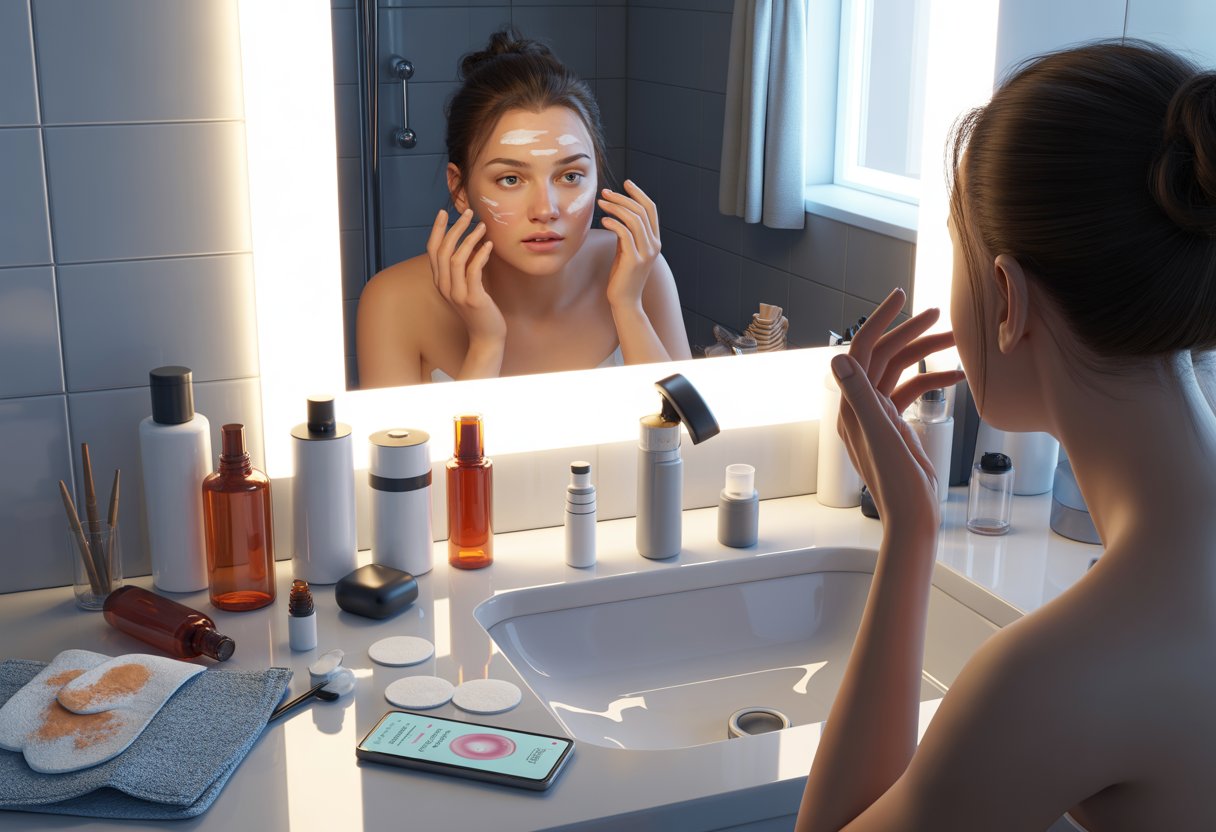
Understanding and fixing these common errors can transform skin health without buying expensive new products. Simple changes like adjusting product order, protecting skin from sun damage, and avoiding over-treatment make a real difference. The following guide breaks down where routines go wrong and how to fix them with practical steps anyone can follow.
Table of Contents
1) Over-exfoliating and damaging your skin barrier

Exfoliating too often strips away the skin’s protective barrier. This barrier keeps moisture in and harmful bacteria out. When people scrub their face daily or use harsh products, they weaken this natural defense system.
The signs of over-exfoliation include redness, irritation, and increased sensitivity. Skin may feel tight and look shiny or raw. Some people notice more breakouts because the damaged barrier can’t protect against bacteria properly.
Over-exfoliating can lead to dryness and premature aging[1]. The skin needs time to regenerate between exfoliation sessions. Most dermatologists recommend exfoliating just two to three times per week.
Different skin types need different approaches. Sensitive skin may only tolerate once-weekly exfoliation. Oily skin can usually handle more frequent treatments, but moderation still matters.
Chemical exfoliants like AHAs and BHAs work differently than physical scrubs. They dissolve dead skin cells instead of manually scrubbing them away. However, using multiple exfoliating products at once creates the same problem as over-scrubbing.
The solution is simple: reduce frequency and choose gentler products. Give skin at least 48 hours between exfoliation sessions to recover and rebuild its protective barrier.
2) Skipping daily sunscreen leading to premature aging
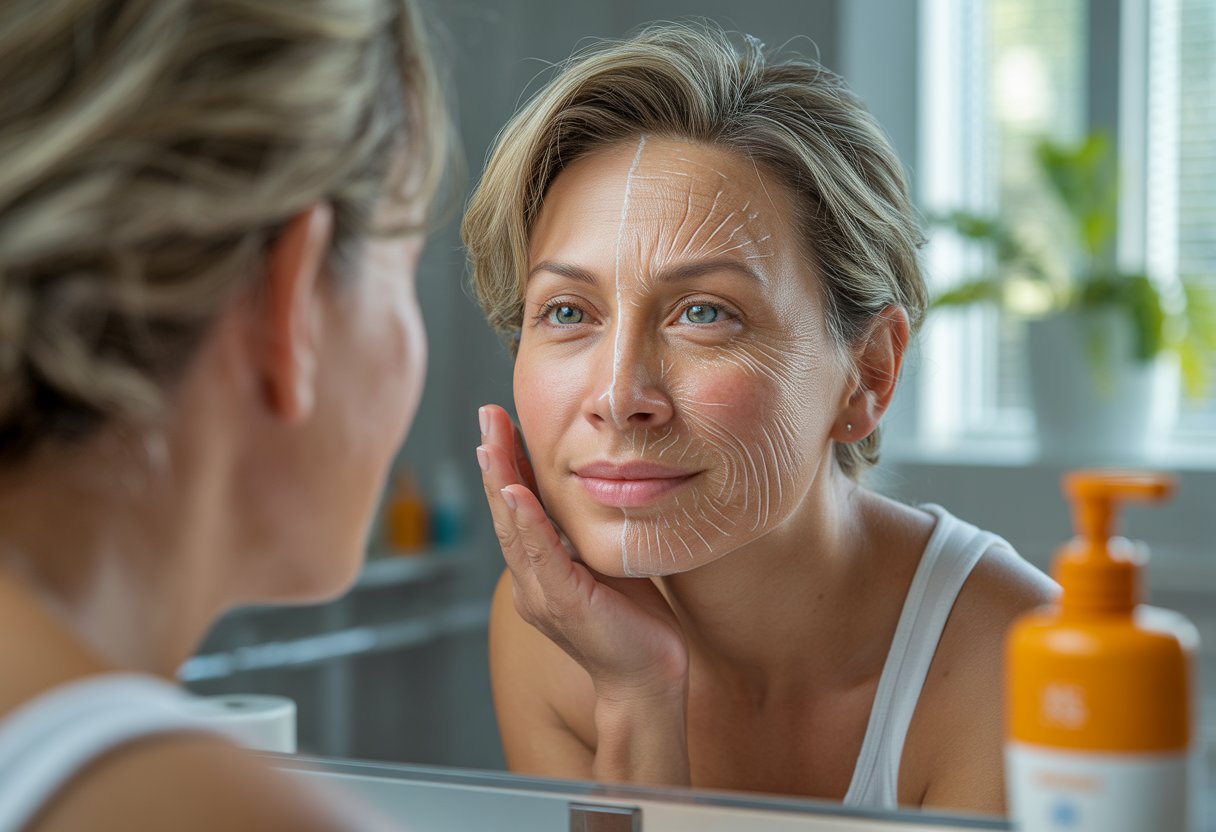
Many people only apply sunscreen when they go to the beach or spend time outside. This is one of the biggest mistakes in skincare routines[2].
UV rays penetrate through windows and clouds. They damage skin cells even on rainy days or when someone sits inside near a window. This daily exposure adds up over time.
The sun breaks down collagen and elastin in the skin. These proteins keep skin firm and smooth. Without them, wrinkles and fine lines appear earlier than they should.
Sunscreen acts as a protective barrier against UV damage. Dermatologists recommend using a broad-spectrum SPF of at least 30 every single day. People should apply it as the last step in their morning skincare routine.
Dark spots and uneven skin tone also develop from sun exposure. Regular sunscreen use prevents these common signs of aging skin[3]. The product needs reapplication every two hours when spending extended time outdoors.
Making sunscreen a daily habit protects skin from long-term damage. It takes just 30 seconds each morning but provides years of benefits.
3) Using harsh cleansers that strip natural oils

Many people choose cleansers with strong ingredients thinking they will clean their skin better. This approach often backfires and causes more problems than it solves.
Harsh cleansers can strip the skin’s natural oils[4], leading to dryness and irritation. The skin produces these oils for a reason. They protect the skin barrier and keep moisture locked in.
When someone uses a cleanser that is too strong, their skin may feel tight and uncomfortable after washing. This tightness is a sign that the cleanser has removed too much oil. The skin’s protective barrier becomes damaged, making it vulnerable to environmental stress.
Hot water makes this problem worse. Using hot water during cleansing strips away natural oils[5], causing additional dryness.
The solution is choosing a gentle cleanser that matches one’s skin type. People with dry skin need hydrating formulas that clean without removing essential oils. Those with oily skin still need to avoid overly harsh products that trigger excess oil production as the skin tries to compensate.
4) Neglecting to moisturize, especially after cleansing
Skipping moisturizer after washing the face is one of the most common skincare mistakes people make[6]. Cleansing removes dirt and oil, but it also strips away some of the skin’s natural moisture barrier.
When someone doesn’t moisturize after cleansing, their skin can become dry and tight. This happens because water evaporates from the skin’s surface, leaving it dehydrated. Even people with oily skin need to moisturize, as skipping this step can actually trigger the skin to produce more oil to compensate.
The best time to apply moisturizer is right after cleansing while the skin is still slightly damp. This helps lock in hydration and keeps the skin balanced. People should choose a moisturizer that matches their skin type, whether that’s a lightweight gel for oily skin or a richer cream for dry skin.
Making moisturizing a regular habit protects the skin’s barrier and prevents issues like flaking, redness, and increased sensitivity. It takes only a minute but makes a real difference in how healthy the skin looks and feels.
5) Applying skincare products in the wrong order
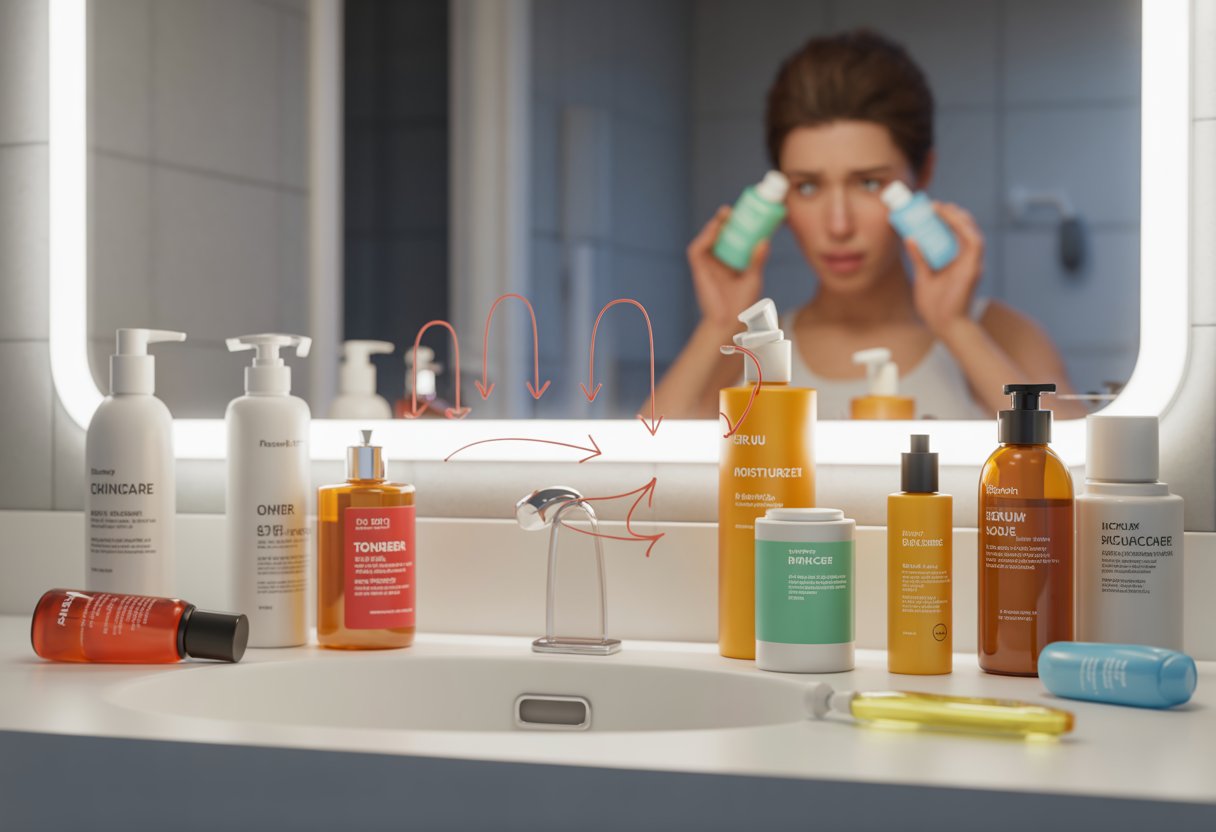
The sequence in which someone applies their skincare products can make or break their routine. When products are layered incorrectly[7], expensive active ingredients may not penetrate the skin properly and end up being wasted.
The basic rule is to apply products from thinnest to thickest consistency. This means starting with water-based products like toners and essences, then moving to serums, and finishing with heavier creams and oils.
When someone applies a thick moisturizer before a serum, the serum cannot reach the skin effectively. The heavier product creates a barrier that blocks the lighter one from absorbing.
Getting the order wrong[8] can lead to several problems. These include skin irritation, breakouts, dryness, or products that simply do not work at all.
The correct approach ensures each product gets direct contact with the skin. This allows active ingredients to work as intended and delivers better results from the entire routine.
6) Relying on fragranced products that irritate sensitive skin

Fragrances are one of the most common causes of skin irritation. They appear in many skincare products, from cleansers to moisturizers.
People with sensitive skin often experience redness, itching, or burning when they use scented products. The problem is that fragrances contain multiple chemical compounds that can trigger reactions. Even products labeled as “unscented” may contain masking fragrances to hide the smell of other ingredients.
Natural fragrances from essential oils can be just as problematic as synthetic ones. Many assume plant-based scents are safer, but they can still cause irritation for sensitive skin types.
When shopping for skincare, it’s important to avoid certain irritating ingredients[9] that commonly affect delicate skin. Look for products marked “fragrance-free” rather than “unscented.”
Reading ingredient lists carefully helps identify potential irritants. If a product lists “fragrance” or “parfum” near the top of the ingredients, it contains a higher concentration. Those with sensitive skin should skip these products and choose simpler formulas instead.
7) Sleeping with makeup on, clogging pores

Going to bed without removing makeup prevents the skin from completing its natural overnight repair process. Makeup traps dirt and bacteria on the skin’s surface[10], which leads to inflammation and breakouts.
Thick foundations and primers are particularly problematic. They block pores and attract additional dirt throughout the night. This creates a buildup that makes pores appear larger and more visible.
Even non-comedogenic products designed not to clog pores can cause problems when left on overnight. The combination of makeup, oil, and environmental pollutants from the day sits on the skin for hours. This prevents the skin from breathing and renewing itself properly.
Sleeping in makeup disrupts the skin’s natural rejuvenation cycle[11]. The skin needs clean pores to shed dead cells and produce new ones effectively.
Regular cleansing before bed takes only a few minutes. Using a gentle makeup remover followed by a cleanser removes all traces of makeup and allows the skin to repair itself during sleep. This simple habit prevents clogged pores, breakouts, and premature aging signs.
8) Ignoring patch testing before trying new products
Many people skip patch testing and apply new skincare products directly to their entire face. This common mistake can lead to uncomfortable reactions like rashes, redness, or irritation.
Patch testing skincare products[12] involves applying a small amount of the new product to a limited area of skin first. This simple step helps determine if the product will cause any negative reactions before using it on the whole face.
The process is straightforward. A person should apply a small amount of the product to an area like the inner arm or behind the ear. They should wait 24 to 48 hours to see if any irritation develops.
Dermatologists recommend patch testing[13] as a way to check for potential reactions before adding new products to a routine. This is especially important for people with sensitive skin or those trying products with active ingredients like retinol or acids.
Taking a few extra days to test a product properly can prevent skin problems that might take weeks to heal. It’s a small time investment that protects the skin from unnecessary damage.
9) Using expired or contaminated skincare items
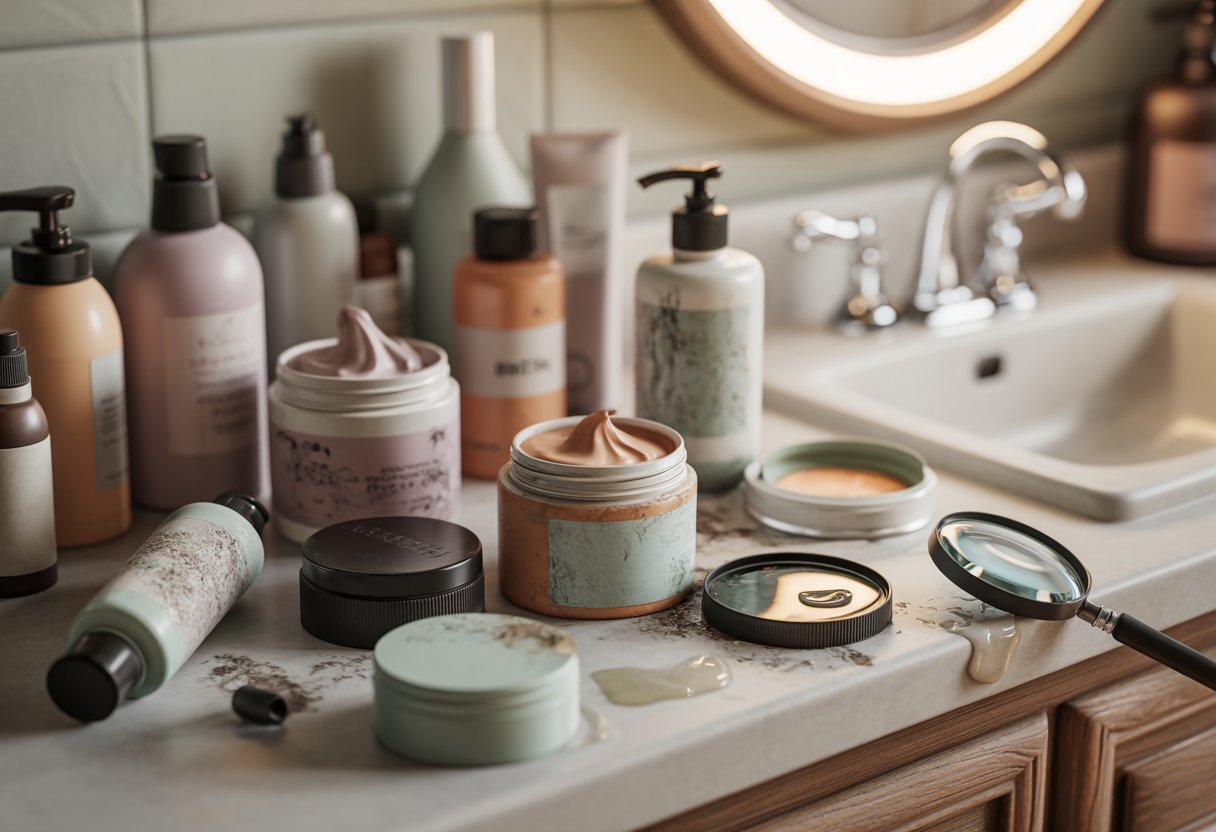
Most skincare products have a shelf life that ranges from six months to three years. Using them past their expiration date can lead to skin irritation, breakouts, or infections.
Expired products lose their effectiveness over time. The active ingredients break down and stop working as intended. This means the product won’t deliver the results it promises.
Contamination is another serious concern. Bacteria and mold can grow in skincare products, especially those in jars where fingers repeatedly touch the product. These germs transfer directly to the skin during application.
People can check the period-after-opening symbol on product packaging. This small jar icon shows how many months the product stays good after opening. A number followed by “M” indicates the safe usage period.
Products stored in warm, humid bathrooms expire faster than expected. Heat and moisture speed up the breakdown of ingredients and encourage bacterial growth.
Discoloration, strange odors, or changes in texture signal that a product has gone bad. Anyone noticing these signs should throw the product away immediately.
10) Switching products too frequently without giving time to see results
Many people change their skincare products every few weeks when they don’t see instant improvements. This approach prevents the skin from showing real results.
Skincare products need time to work. Skin cells naturally turn over in about 28 days, so most products require at least this long to make a difference. Experts recommend waiting at least three months[14] before judging if a product works.
Switching products too often creates other problems. It becomes hard to identify what causes breakouts or irritation[15] when someone uses multiple new products at once. The skin may also react badly to constant changes in ingredients.
Good skincare requires patience. Products with active ingredients like retinol or vitamin C need consistent use over several weeks to show benefits. Jumping from one product to another wastes money and prevents the skin from getting better.
The best approach is to choose quality products and stick with them for several months. This gives the skin enough time to adjust and show real improvements.
11) Neglecting neck and décolletage care
Most people stop their skincare routine at their jawline. This leaves the neck and chest exposed to the same aging factors as the face without any protection.
The skin on the neck and décolletage is thinner and more delicate than facial skin. It has fewer oil glands and loses elasticity faster. These areas need special attention[16] because they show signs of aging quickly.
Many people make the mistake of neglecting their neck and chest[17] while keeping their face looking young. This creates an obvious contrast that makes the overall appearance look older.
The neck and chest are constantly exposed to sun damage, especially during warmer months. They also face stress from looking down at phones and computers. This creates lines and wrinkles that deepen over time.
A proper skincare routine should extend past the face. Cleansers, serums, moisturizers, and sunscreen should all be applied to the neck and chest area. The same products used on the face typically work well for these areas too.
12) Overusing chemical exfoliants like AHAs and BHAs
Chemical exfoliants can improve skin texture and reduce fine lines when used correctly. AHAs like glycolic acid and lactic acid work on the skin’s surface. BHAs like salicidic acid penetrate deeper into pores.
The problem starts when people use these products too often. Overusing AHAs can lead to swelling, burning, and itching[18]. The skin becomes red and irritated instead of smooth and clear.
Many people think more exfoliation means better results. This isn’t true. Overusing exfoliants can lead to a number of problems[19] that damage the skin barrier.
The key is following product directions carefully. If a chemical exfoliant product is well formulated and used as directed, there is no concern with a long-term commitment[20]. People should monitor how their skin responds and adjust usage accordingly.
Most experts recommend starting with 2-3 times per week. The skin needs time to recover between treatments. Less frequent use often produces better results than daily application.
13) Not adjusting skincare routine with changing seasons
Many people use the same products all year long. This is a common mistake that can harm skin health.
Skin needs change with the weather[2]. Winter air is dry and cold, which pulls moisture from skin. Summer brings heat and humidity that can increase oil production.
Using heavy creams in summer can clog pores and cause breakouts. Light moisturizers work better in warm months. Winter requires richer creams and hydrating serums to combat dryness.
Someone who doesn’t adjust their routine might notice dry, flaky skin in winter. They might also see excess shine and breakouts in summer. Adapting skincare to seasonal changes[21] helps prevent these problems.
The fix is simple. Switch to lightweight, gel-based products when it gets warm. Add heavier creams and oils when cold weather arrives. This keeps skin balanced throughout the year.
14) Using retinoids without gradually building tolerance
Many people start using retinoids at full strength right away. This approach often leads to irritation, redness, and peeling that could have been avoided.
Retinoids work by increasing skin cell turnover[22], which makes them effective for anti-aging and reducing hyperpigmentation. However, skin needs time to adjust to this active ingredient.
Beginners should start by applying retinoids just once or twice per week. After a few weeks without irritation, they can slowly increase frequency. Gradually building up to every other night or nightly use[23] helps minimize side effects.
Some skin types may never tolerate daily retinoid use. For these individuals, every other night remains the best schedule to avoid problems.
A small amount of irritation is normal when first starting retinoids. But if skin becomes bright red or feels like a sunburn, the product is being used too frequently. At this point, users should cut back and give their skin more recovery time between applications.
Building tolerance slowly may seem tedious, but it prevents the painful setbacks that come from moving too fast.
15) Skipping eye cream and missing targeted care
The skin around the eyes is thinner and more delicate than the rest of the face. It needs special attention that regular face moisturizer cannot provide.
Eye creams are formulated specifically for this sensitive area. They contain ingredients that target common concerns like dark circles, puffiness, and fine lines. Regular moisturizers may be too heavy or contain ingredients that irritate the delicate eye area.
Many people skip eye cream to save money or time. However, this area shows signs of aging first because it has fewer oil glands and experiences constant movement from blinking and facial expressions.
Eye creams absorb better into the thin skin around the eyes. They deliver targeted ingredients like caffeine for puffiness, peptides for fine lines, and vitamin K for dark circles.
Applying eye cream should become part of both morning and evening routines. A small amount is enough. Users should gently pat the product around the orbital bone rather than rubbing it in.
The eye area deserves its own product designed for its unique needs. Skipping this step means missing out on targeted care that addresses specific concerns in this delicate zone.
Why Common Skincare Errors Matter
Small mistakes in daily skincare routines can damage the skin’s protective barrier and waste money on products that don’t deliver results. These errors accumulate over time, creating visible problems that become harder to fix.
Long-Term Impact on Skin Health
The skin’s protective barrier takes weeks or months to recover from repeated mistakes. Over-exfoliating damages the skin[24] by stripping away protective layers that keep moisture in and irritants out.
People who skip sunscreen daily face accelerated aging. UV damage breaks down collagen and elastin fibers that keep skin firm and smooth. This leads to wrinkles, dark spots, and sagging that appear years earlier than they should.
Using products in the wrong order reduces how well active ingredients absorb into skin. When someone applies thick creams before lightweight serums, the beneficial ingredients can’t reach deeper skin layers where they work best.
Touching the face frequently transfers bacteria and dirt from hands to pores. This habit increases breakouts and inflammation, especially for people prone to acne. The repeated pressure also stretches skin over time, contributing to loss of firmness.
Influence on Product Effectiveness
Products work only when used correctly and consistently. Mixing incompatible ingredients like retinol and vitamin C at the same time can neutralize their benefits or cause irritation.
Applying too much product doesn’t improve results. Skin can only absorb a certain amount of active ingredients at once. The excess sits on the surface, potentially clogging pores or causing sensitivity.
Key factors that reduce product performance:
- Using expired products with degraded active ingredients
- Storing products in hot or humid bathrooms
- Not cleansing properly before applying treatments
- Layering too many products at once
People who switch products too frequently never give formulas enough time to work. Most skincare ingredients need 4-12 weeks of consistent use to show visible improvements.
How to Correct Your Skincare Routine
Fixing a skincare routine requires honest evaluation of current habits and building new practices that stick. The process starts with identifying what works and what doesn’t, then making changes gradually to avoid overwhelming the skin.
How to Assess Your Current Routine
The first step involves writing down every product currently in use, including cleansers, toners, serums, and moisturizers. This creates a clear picture of what the skin receives daily.
Next, users should note how their skin feels after each product application. Does it feel tight, greasy, or comfortable? Redness, flaking, or breakouts often signal that products aren’t working properly.
Checking product expiration dates is essential since expired skincare can cause irritation or lose effectiveness. Most products last 6-12 months after opening.
People should also consider whether they’re using products in the correct order. The general rule is to apply from thinnest to thickest consistency: cleanser, toner, serum, moisturizer, then sunscreen during the day.
Taking photos of the skin in natural lighting helps track progress over time. These images reveal changes that might not be obvious day-to-day.
Steps for Creating Sustainable Habits
Building a routine that lasts requires starting small rather than overhauling everything at once. Adding one new product every 2-3 weeks allows time to observe how the skin reacts.
Setting specific times for skincare helps it become automatic. Many people find success by linking it to existing habits like brushing teeth or getting ready for bed.
Keeping products visible on the bathroom counter serves as a daily reminder. Out of sight often means out of mind.
Simple habit-building strategies:
- Use phone reminders for morning and evening routines
- Prep products the night before for busy mornings
- Keep a travel-sized kit ready for trips
- Track completion on a calendar or app
Starting with just cleanser and moisturizer makes the routine manageable. Once these become automatic, adding targeted treatments and other steps[6] becomes easier.
Frequently Asked Questions
Many people have questions about proper skincare routines and how to avoid damaging their skin. Understanding issues like acne triggers, barrier damage from excessive exfoliation, sunscreen application errors, product layering techniques, cleansing frequency, and ingredient safety can help anyone improve their skincare results.
What are the most common skincare mistakes that can worsen acne and irritation?
Using harsh cleansers that strip the skin’s natural oils can trigger increased oil production and worsen acne. Over-washing the face or scrubbing too aggressively disrupts the skin barrier and leads to inflammation.
Layering too many active ingredients at once often causes irritation and breakouts. Products containing retinoids, acids, and benzoyl peroxide should be introduced slowly rather than all at once.
Skipping moisturizer because skin feels oily creates a cycle where skin becomes dehydrated and produces even more oil. People with acne still need hydration to maintain a healthy skin barrier.
How can over-exfoliation and frequent use of active ingredients damage the skin barrier?
The skin barrier protects against moisture loss and environmental damage. Exfoliating more than two to three times per week strips away protective lipids and damages this barrier.
Using multiple active ingredients like AHAs, BHAs, and retinoids daily overwhelms the skin. This leads to redness, sensitivity, and increased vulnerability to irritants.
A damaged barrier cannot retain moisture properly. The skin may feel tight, look flaky, and become more prone to inflammation and breakouts despite efforts to clear it.
What are the biggest sunscreen mistakes people make that reduce protection and accelerate aging?
Not applying enough sunscreen is the most common error. Most people use only 25-50% of the recommended amount, which significantly reduces protection.
Skipping sunscreen on cloudy days or during winter months leaves skin exposed to UV rays that cause premature aging. UVA rays penetrate through clouds and windows year-round.
Failing to reapply sunscreen every two hours during sun exposure diminishes effectiveness. Sunscreen breaks down throughout the day and needs reapplication for continued protection.
In what order should skincare products be applied to avoid pilling and improve effectiveness?
Products should be applied from thinnest to thickest consistency. This means starting with water-based serums and ending with oil-based creams or moisturizers.
Cleansing comes first, followed by toners or essences. Next comes treatment serums with active ingredients, then eye cream, moisturizer, and finally sunscreen during the day.
Waiting 30-60 seconds between each product allows proper absorption. Rushing through a routine causes pilling where products ball up on the skin instead of absorbing.
How do you know if you are cleansing too much or using a cleanser that is too harsh?
Skin that feels tight, dry, or squeaky clean after washing indicates the cleanser is too harsh. Healthy skin should feel comfortable and soft after cleansing, not stripped.
Washing more than twice daily removes necessary oils and disrupts the skin’s pH balance. Most people only need to cleanse once in the evening and rinse with water in the morning.
Increased sensitivity, redness, or unexpected breakouts can signal over-cleansing. A damaged moisture barrier from excessive washing makes skin more reactive to products and environmental factors.
Can certain skincare ingredients be absorbed enough to affect the liver or overall health?
Most skincare ingredients remain in the outer layers of skin and do not reach the bloodstream in significant amounts. The skin barrier is designed to keep most substances from penetrating deeply.
Some ingredients like retinoids can be absorbed systemically in small amounts. Pregnant women are advised to avoid certain retinoids because of potential effects, though topical absorption is minimal compared to oral forms.
Ingredients applied to broken or compromised skin may absorb more readily. People with concerns about specific ingredients should consult dermatologists or healthcare providers for personalized guidance.
Post Views: 2
References
- The Dangers of Over-Exfoliation in Skincare: How to Avoid Damaging Your Skin – Nerd Skincare. https://www.nerdskincare.com/over-exfoliation/ Accessed March 28, 2026
- 10 Biggest Skincare Mistakes You’re Probably Making (And How to Fix Them). https://www.thebraggingmommy.com/10-biggest-skincare-mistakes-youre-probably-making-and-how-to-fix-them/ Accessed March 28, 2026
- 8 Skin Care Mistakes That Make You Age Faster. https://www.aarp.org/health/healthy-living/worst-things-for-aging-skin/ Accessed March 28, 2026
- The Dangers of Overusing Cleansers for Your Skin – Nerd Skincare. https://www.nerdskincare.com/overuse-of-cleansers/ Accessed March 28, 2026
- Cleanser Chaos: 8 Ways Cleansing May Be Doing More Harm Than Good – Tuel Skincare. https://tuelskincare.com/blogs/news/cleanser-chaos-8-ways-cleansing-may-be-doing-more-harm-than-good Accessed March 28, 2026
- Skincare Mistakes (And How to Fix Them). https://gotoskincare.com/blogs/the-go-to-guide/skincare-mistakes-youre-probably-making-and-how-to-fix-them Accessed March 28, 2026
- Attention Required!. https://hudabeauty.com/en-us/blogs/skin/15-common-skincare-mistakes-you-could-be-making-rn Accessed March 28, 2026
- Are you Making These Skincare Layering Mistakes?
– Truly Beauty. https://www.trulybeauty.com/blogs/skincare/are-you-making-these-skincare-layering-mistakes Accessed March 28, 2026 - 13 Irritating Ingredients to Avoid in Skincare Products for Sensitive Skin. https://avocadu.com/irritating-ingredients-to-avoid-in-skincare-products-for-sensitive-skin/ Accessed March 28, 2026
- Sleeping in Makeup: Is It Bad?. https://www.saatva.com/blog/sleeping-in-makeup/ Accessed March 28, 2026
- Is Sleeping in Makeup Bad for Your Skin?
– SLMD Skincare by Sandra Lee, M.D.
. https://slmdskincare.com/blogs/learn/is-sleeping-in-your-makeup-really-that-bad Accessed March 28, 2026 - Do You Really Need to Patch Test Skincare? · Care to Beauty. https://blog.caretobeauty.com/how-to-patch-test-skincare/ Accessed March 28, 2026
- How to Patch Test Your Skin-Care Products. https://www.everydayhealth.com/skin-beauty/how-to-do-a-skin-care-patch-test/ Accessed March 28, 2026
- Switching Skincare Too Often Could Be Harming Your Skin. https://gotoskincare.com/blogs/the-go-to-guide/why-switching-skincare-too-often-is-harming-your-skin Accessed March 28, 2026
- Derm DMs: Will I Break Out If I Switch Skin-Care Products Too Often? . https://www.skincare.com/skin-concerns/acne/ask-the-expert-will-i-break-out-if-i-switch-products-too-often Accessed March 28, 2026
- The Do’s and Don’ts of Taking Care of Your Décolletage. https://au.lifestyle.yahoo.com/dos-donts-taking-care-d-210000510.html Accessed March 28, 2026
- 15 Neck and Décolletage Mistakes Aging You While Your Face Stays Young – StyleCheer.com. https://stylecheer.com/neck-decolletage-mistakes-aging/ Accessed March 28, 2026
- Can overusing skincare products negatively affect your skin?. https://curology.com/blog/ask-an-expert-can-the-overuse-of-skincare-products-affect-your-skin/ Accessed March 28, 2026
- The Dangers of Overusing Exfoliants in Skincare – Nerd Skincare. https://www.nerdskincare.com/overuse-of-exfoliants/ Accessed March 28, 2026
- How to Avoid Over-Exfoliated Skin. https://www.paulaschoice.com/expert-advice/skincare-advice/exfoliants/can-you-over-exfoliate-skin-with-acids.html Accessed March 28, 2026
- Dermatologist Reveals What To Add And Remove From Skincare Routine For Season Change. https://www.healthandme.com/health-wellness/dermatologist-reveals-what-to-add-and-remove-from-skincare-routine-for-season-change-article-151234840 Accessed March 28, 2026
- The 9 Retinol Mistakes You’re (Probably) Making, According to Experts. https://www.adorebeauty.com.au/beautyiq/skincare/how-apply-retinol-mistakes/ Accessed March 28, 2026
- You are probably still making these retinol mistakes, say skincare experts. https://www.voguescandinavia.com/articles/common-retinol-mistakes Accessed March 28, 2026
- Over-exfoliating damages the skin. https://www.prevention.com/beauty/skin-care/a65821349/common-skincare-mistakes/ Accessed March 28, 2026
















