• Twenty47HealthNews
  • Health & Wellness
  • Disclaimer
    • Terms of Use
    • Privacy Policy
    • DMCA Notice
  • Twenty47HealthNews
  • Health & Wellness
  • Disclaimer
    • Terms of Use
    • Privacy Policy
    • DMCA Notice
24/7 Health News
No Result
View All Result
Home Article

What to Expect During a Glaucoma Screening

January 9, 2026
in Article, comprehensive eye exam, Condition, contacts, early detection, eye exam, Eye Health, glasses, glaucoma, glaucoma risk, optic, optic nerve, preventive care, sight, vision, vision screening
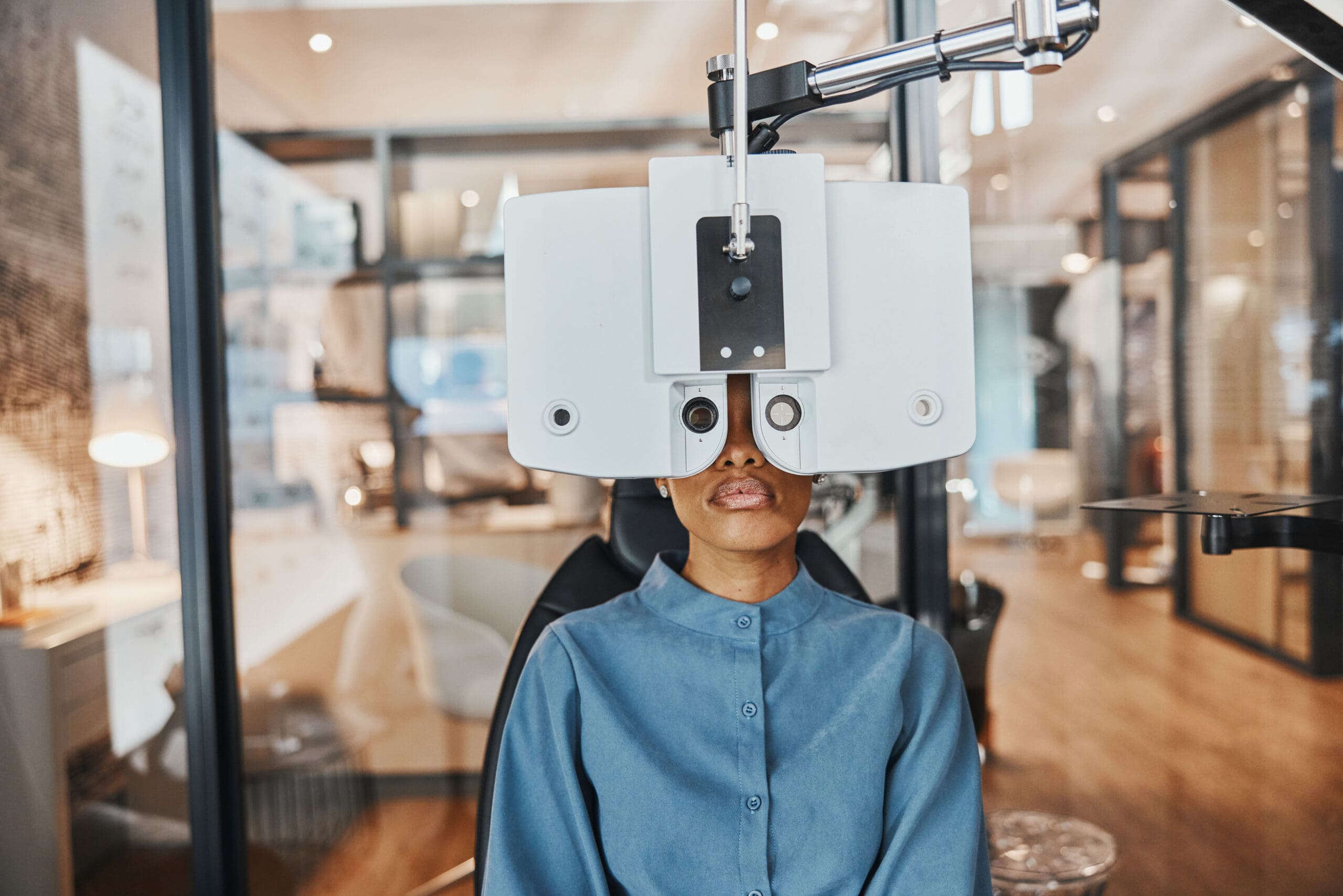
What to Expect During a Glaucoma Screening
image
– Advertisement –

Glaucoma is the leading cause of blindness in African Americans after cataracts, and nearly half of the people who have it do not know it, according to the Glaucoma Research Foundation. It also develops earlier and progresses faster in Black adults, often appearing about 10 years earlier than in other groups.

That is precisely why regular screenings matter. A glaucoma screening is simple, painless, and one of the most powerful ways to protect your sight. If you have never taken one or are unsure what to expect during the exam, here is a guide to help you walk in with confidence.

Table of Contents

  • What is Glaucoma?
  • It’s a Real Risk for Us
  • Who Should Get Screened
  • How Glaucoma Screening Works
    • A conversation about your eye health
    • A check of your eye pressure
    • A look at your optic nerve
    • A test of your side vision
    • A measurement of your corneal thickness
    • Imaging of the optic nerve
  • What Happens After the Screening
  • How to Prepare for Your Appointment
  • What to Remember

What is Glaucoma?

Glaucoma is a group of eye diseases that damage the optic nerve, the part of the eye that sends visual information to the brain. This usually occurs when fluid inside the eye doesn’t drain properly, causing pressure to build up over time. You may not feel this pressure, but it can damage the optic nerve and lead to vision loss, especially in peripheral vision. Glaucoma is one of the leading causes of blindness worldwide, but early detection can slow or prevent further damage.

It’s a Real Risk for Us

Glaucoma often develops under the radar. Most people don’t feel pain or notice vision changes until the disease has already caused damage. That is why screenings are so important, especially for Black families who face a higher risk and earlier onset.

Research shows that glaucoma appears earlier and progresses faster in African Americans, and blindness from glaucoma is significantly more common in our communities. And this is precisely why glaucoma screenings are so important. Glaucoma can affect anyone, but it shows up earlier and hits harder in our community.

– Advertisement –

Who Should Get Screened

How often you need an eye exam depends on your age and your risk. If you’re under 40 and don’t have any risk factors, an eye exam every few years is generally fine.

For our community, the risk is higher. Because glaucoma often shows up earlier and moves faster for Black people, experts recommend a comprehensive eye exam every one to two years beginning at age 40. The National Eye Institute notes that African Americans should begin glaucoma evaluations earlier than other groups because of this increased risk.
The American Academy of Ophthalmology also offers general guidance on how often to get checked:

  •  Every 2-4 years for adults ages 40–54
  •  Every 1–3 years for adults ages 55–64
  •  Every 1–2 years for adults 65 and older

For our community, these timelines often shift earlier because of the higher risk.

You should also get screened if:

  • You have a parent or sibling with glaucoma
  •  You have diabetes or high blood pressure
  •  You have had an eye injury
  • You have been using steroid medications long-term

Family history is significant. Siblings of people with glaucoma have a much higher chance of developing it themselves.

How Glaucoma Screening Works

A glaucoma screening is typically included in a comprehensive eye exam. It is not scary, and nothing should hurt. The BrightFocus Foundation provides a clear overview of the tests involved, and here is what the appointment typically includes.

A conversation about your eye health

Your doctor will ask about your vision, family history, and any medical conditions. This helps them understand your personal risk.

A check of your eye pressure

This is called tonometry. Some clinics use the puff of air. Others use a small device that gently touches the surface of your eye after numbing drops are applied. High pressure can be a sign of glaucoma, but pressure alone does not confirm the disease.

A look at your optic nerve

Using a bright light and a magnifying lens, your doctor examines the optic nerve at the back of your eye. Glaucoma affects this nerve first, so this step is essential.

A test of your side vision

This is the visual field test. You look straight ahead and press a button whenever you see small lights appear in your peripheral vision. Glaucoma often affects side vision before central vision.

A measurement of your corneal thickness

This is called pachymetry. A small probe touches your eye after numbing drops are applied. Corneal thickness can affect how intraocular pressure is measured, and thinner corneas are associated with higher glaucoma risk.

Imaging of the optic nerve

Some clinics use OCT imaging, which provides detailed images of the optic nerve and retinal layers. It helps track changes over time and can detect early damage.

What Happens After the Screening

Your doctor will review your results and let you know if anything looks concerning. They may recommend follow-up testing or regular monitoring. If glaucoma is suspected, early treatment can slow or prevent vision loss. Most people start with prescription eye drops, and many never need surgery.

How to Prepare for Your Appointment

Bring your glasses or contacts, a list of medications, and any information about family history. Expect your eyes to be dilated, which can make you sensitive to light for a few hours. And remember, choosing to get screened is something to be proud of. It’s a meaningful step to protect your health.

What to Remember

Glaucoma screenings are quick, painless, and one of the best ways to protect your vision. If your results show anything concerning, your doctor will walk you through the following steps. There are several effective treatments for glaucoma, but the first and most crucial step is getting screened.

Resources:

African Americans And Glaucoma – Glaucoma Research Foundation

Racial Disparities in Glaucoma: From Epidemiology to Pathophysiology – PMC

Eye Health Among Black/African American People | National Eye Institute

Frequency of Ocular Examination – American Academy of Ophthalmology

The Glaucoma Eye Exam: 6 Common Tests

ShareTweetSharePin
Next Post
Do the tiny, boring exercises: how to really look after your hips

Do the tiny, boring exercises: how to really look after your hips

Most Read

What causes stuttering? A speech pathology researcher explains the science and the misconceptions around this speech disorder

What causes stuttering? A speech pathology researcher explains the science and the misconceptions around this speech disorder

December 15, 2022
morning back pain

Morning Again Ache Trigger Is Not the Mattress

October 11, 2021

Why Circadian Rhythms Matter for Your Health

July 30, 2024

4 steps to building a healthier relationship with your phone

January 28, 2025
lower back pain relief exercises

5 decrease again ache aid workouts

October 11, 2021
Nasal vaccines promise to stop the COVID-19 virus before it gets to the lungs – an immunologist explains how they work

Nasal vaccines promise to stop the COVID-19 virus before it gets to the lungs – an immunologist explains how they work

December 14, 2022
3 years after legalization, we have shockingly little information about how it changed cannabis use and health harms

3 years after legalization, we have shockingly little information about how it changed cannabis use and health harms

October 15, 2021
bleeding in gum

When The Bleeding in gum Is Severe ?

October 11, 2021
Good Night Sleep

6 Causes of Good Evening Sleep

October 11, 2021
Kick up your heels – ballroom dancing offers benefits to the aging brain and could help stave off dementia

Kick up your heels – ballroom dancing offers benefits to the aging brain and could help stave off dementia

January 3, 2023
Biden is getting prostate cancer treatment, but that’s not the best choice for all men − a cancer researcher describes how she helped her father decide

Biden is getting prostate cancer treatment, but that’s not the best choice for all men − a cancer researcher describes how she helped her father decide

May 20, 2025
Ten small changes you can make today to prevent weight gain

Ten small changes you can make today to prevent weight gain

October 12, 2021

COVID vaccines: how one can pace up rollout in poorer international locations

October 5, 2021

Multiple sclerosis: the link with earlier infection just got stronger – new study

October 12, 2021
Five ways to avoid pain and injury when starting a new exercise regime

Five ways to avoid pain and injury when starting a new exercise regime

December 30, 2022
Support and collaboration with health-care providers can help people make health decisions

Support and collaboration with health-care providers can help people make health decisions

December 16, 2021
Greece to make COVID vaccines mandatory for over-60s, but do vaccine mandates work?

Greece to make COVID vaccines mandatory for over-60s, but do vaccine mandates work?

December 1, 2021

This Simple Hygiene Habit Could Cut Your Risk of Stroke, New Research Reveals

February 1, 2025
woman covered with white blanket

Exploring the Impact of Sleep Patterns on Mental Health

August 4, 2024

Maximize Your Performance – Sync with Your Circadian Rhythms

August 9, 2024
Backlash to transgender health care isn’t new − but the faulty science used to justify it has changed to meet the times

Backlash to transgender health care isn’t new − but the faulty science used to justify it has changed to meet the times

January 30, 2024
How to protect your well-being, survive the stress of the holiday season and still keep your cheer

How to protect your well-being, survive the stress of the holiday season and still keep your cheer

December 21, 2025
News of war can impact your mental health — here’s how to cope

Binge-eating disorder is more common than many realise, yet it’s rarely discussed – here’s what you need to know

December 2, 2022
Nurses’ attitudes toward COVID-19 vaccination for their children are highly influenced by partisanship, a new study finds

Nurses’ attitudes toward COVID-19 vaccination for their children are highly influenced by partisanship, a new study finds

December 2, 2022
Nutrition advice is rife with misinformation − a medical education specialist explains how to tell valid health information from pseudoscience

Nutrition advice is rife with misinformation − a medical education specialist explains how to tell valid health information from pseudoscience

January 28, 2025
Four ways to avoid gaining weight over the festive period – but also why you shouldn’t fret about it too much

Four ways to avoid gaining weight over the festive period – but also why you shouldn’t fret about it too much

December 22, 2022
Why are some people faster than others? 2 exercise scientists explain the secrets of running speed

Why are some people faster than others? 2 exercise scientists explain the secrets of running speed

April 29, 2024
As viral infections skyrocket, masks are still a tried-and-true way to help keep yourself and others safe

As viral infections skyrocket, masks are still a tried-and-true way to help keep yourself and others safe

December 14, 2022
How regulatory agencies, not the courts, are imposing COVID-19 vaccine mandates

How regulatory agencies, not the courts, are imposing COVID-19 vaccine mandates

October 24, 2021
Heart disease risk from saturated fats may depend on what foods they come from – new research

Heart disease risk from saturated fats may depend on what foods they come from – new research

November 29, 2021
  • Twenty47HealthNews
  • Health & Wellness
  • Disclaimer

© 2020 DAILY HEALTH NEWS

  • Twenty47HealthNews
  • Health & Wellness
  • Disclaimer
    • Terms of Use
    • Privacy Policy
    • DMCA Notice

© 2020 DAILY HEALTH NEWS
















