The Milan Urban Food Policy Pact recently renewed global commitments to sustainable and equitable urban food systems. The pact has been signed by 330 cities around the world that have pledged to improve food production and distribution and to reduce waste.
Cities are now home to 45 per cent of the world’s 8.2 billion people, and that figure is expected to rise to 68 per cent by 2050. As they grow, cities are becoming key to shaping a sustainable future. Across the world, urbanization affects how food is grown, distributed and consumed, and cities are primary drivers of change in food systems.
As the Committee on World Food Security reaffirmed in October 2025, without intentional policy, this growth will not fuel the needed transformation to keep food systems sustainable.
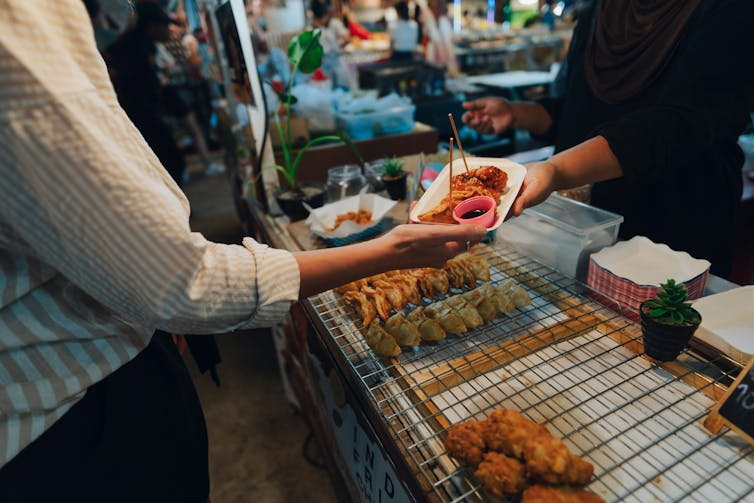
Street foods and vendors are an essential component of the urban foodscape, providing affordable nutrition and critical income for many city residents. However, vendors are frequently met with hostility from municipal authorities who cite traffic and public health concerns.
Elevate Your Health for Just $29.99/Month
Join the Precision Wellness Subscription at My Healing 365 and get discounted services, priority coaching access, virtual care, and exclusive wellness resources to support your physical, emotional, and hormonal health.
Join for $29.99/MonthIn addition, at least one-third of food produced globally spoils, ending up in landfills, and wasting valuable resources, energy and labour. Urban waste pickers can play a vital role in reducing waste.
Addressing these issues requires the political will and investment to change our food systems for the better and make them more sustainable into the future.
Street food vendors

(George Dagerotip/Unplash+)
Many cities around the world feature vibrant street food scenes that provide livelihoods for vendors and high-quality, varied and delicious food for their customers. Scholars and advocates have argued that street foods are an essential part of the urban food system and often a healthier alternative to highly processed fast foods.
However, tensions with municipal authorities can disrupt this foodscape. For example, in Bangkok, tens of thousands of vendors have been displaced due to a municipal drive to refurbish the city’s pavements.
Furthermore, there’s a recent controversial push to move toward Singapore-style hawker centres to ostensibly create order and improve hygiene.
In New York City, an organization called the Street Vendor Project aims to balance traffic and pedestrian safety with the need to maintain these vital urban services and livelihoods. The group was instrumental in advocating for the New York City Council’s repeal of misdemeanor criminal penalties for mobile food vendors in September 2025. Equitable policy and planning means supporting, rather than further marginalizing, food vendors.
Urban waste pickers
In many cities, waste pickers collect, sort and sell discarded materials like plastic, metal and paper for recycling or reuse. While waste pickers are more common in the cities of low and middle-income countries, they are also a feature of urban areas in wealthy countries.
Food loss and waste is responsible for eight to 10 per cent of greenhouse gas emissions. Much of this due to poor storage, poor supply chains, last-kilometre logistics, overly restrictive regulations and wasteful practices by wealthy consumers. A 2020 study estimated that nearly 60 per cent of all plastic collected for recycling was undertaken by informal waste pickers.
Much of this plastic is related to food and beverage packaging discarded in urban areas. The United Nations Environment Program recommends that the estimated 20 million waste pickers around the world become an integral part of municipal waste management.

(Getty Images/Unsplash+)
Improved waste management, particularly in the cities of the Global South, requires significant investments in infrastructure. But waste management systems should not simply mimic the models of the Global North.
A review of approaches and outcomes around the world for integrating waste pickers into municipal waste management systems provided several recommendations. However, a barrier remains due to stigmatization of these livelihoods.
Nonetheless, a growing number of waste picker organizations — as well as a worldwide coalition — provides a glimmer of hope to have these unsung heroes of urban recycling recognized. Some initiatives include partnerships between waste pickers and Brazilian local governments, the Binners Project in Vancouver building on the United We Can depot, Les Valoristes in Montréal, the National Street Vendor Association of India and the Linis-Ganda initiative in Manila, which partners with educational institutions and industry. These examples demonstrate how integrating informal recyclers can manage waste and help create a more circular food economy.
As the world continues to urbanize, more of us will rely on the vital roles played by street vendors and waste pickers. Inclusive policy and planning to recognize the contributions of these two livelihoods is essential to achieving a sustainable urban food future for all.

























