Medically Reviewed
Dr. Jose Rossello, MD, PhD, MHCM
Preventive Medicine & Public Health Specialist
Last Reviewed: March 3, 2026
Holistic health looks at the whole person rather than just individual symptoms or body parts. It considers how the mind, body, and spirit work together to create overall wellness. Many people want to feel better but don’t know where to start with this approach.
Integrating holistic health into everyday life[1] involves making small, consistent changes in nutrition, movement, sleep, stress management, and relationships that support physical, mental, and emotional well-being. The good news is that these changes don’t require a complete life overhaul. Simple shifts in daily habits can lead to noticeable improvements over time.
This guide breaks down practical ways to bring holistic health into any routine. Each approach builds on the others to create a lifestyle that supports health from multiple angles. The strategies outlined work for busy schedules and different life situations.
Table of Contents
Key Takeaways
- Holistic health addresses mind, body, and spirit together through simple daily practices
- Small changes in nutrition, movement, sleep, and mindfulness create lasting wellness improvements
- Building supportive relationships and setting clear intentions strengthen a balanced lifestyle
Core Principles of Holistic Health
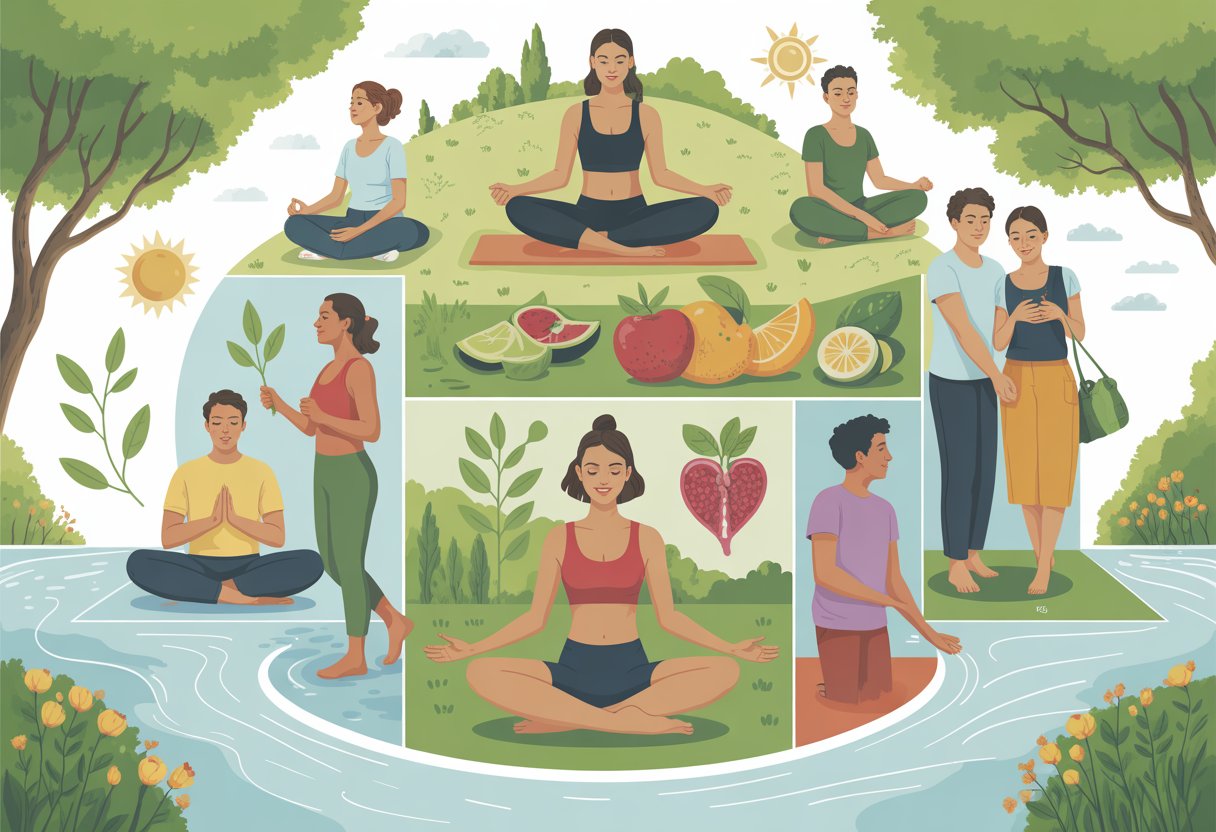
Holistic health operates on the understanding that physical symptoms rarely exist in isolation from mental and emotional states. The approach treats individuals as complete systems where lifestyle choices, relationships, and environmental factors all contribute to overall wellness.
The Mind-Body-Spirit Connection
The mind-body-spirit connection[2] recognizes that thoughts, emotions, and beliefs directly influence physical health. When someone experiences chronic stress, their body produces elevated cortisol levels that can weaken immune function and increase inflammation. This demonstrates how mental states create measurable physical changes.
The spiritual component involves feeling connected to something larger than oneself. This might include nature, community values, or religious practices. Research indicates that individuals with a stronger sense of purpose tend to have longer life expectancies.
These three elements work together constantly. Poor sleep affects mood and decision-making. Social isolation impacts both mental health and physical markers like stroke risk. A person cannot address one area without influencing the others.
Holistic Wellness vs. Conventional Health
Conventional medicine typically focuses on diagnosing and treating specific symptoms or diseases. A doctor might prescribe medication for high blood pressure without examining sleep patterns, stress levels, or nutritional deficiencies.
Holistic wellness takes a whole-person approach[3] that examines multiple factors simultaneously. Practitioners look at:
- Physical symptoms and test results
- Emotional and mental health patterns
- Social connections and support systems
- Environmental exposures at home and work
- Spiritual fulfillment and sense of purpose
This method seeks root causes rather than just managing symptoms. Both approaches have value, and many people benefit from combining them based on their specific needs.
Benefits of a Holistic Lifestyle
A holistic lifestyle creates balance and harmony[4] across multiple areas of life. People who adopt this approach often experience improved energy levels because they address sleep quality, nutrition, and physical activity together rather than in isolation.
Mental clarity increases when individuals practice stress reduction techniques and build emotional stability. The interconnected nature of holistic well-being means that improvements in one area often lead to unexpected benefits in others.
Key advantages include:
- Better resilience to daily stressors
- More stable mood and emotional regulation
- Stronger immune function
- Enhanced ability to maintain healthy habits long-term
This framework helps people identify which areas need attention and prevents them from becoming overwhelmed by trying to change everything at once.
Setting Intentions for Holistic Living
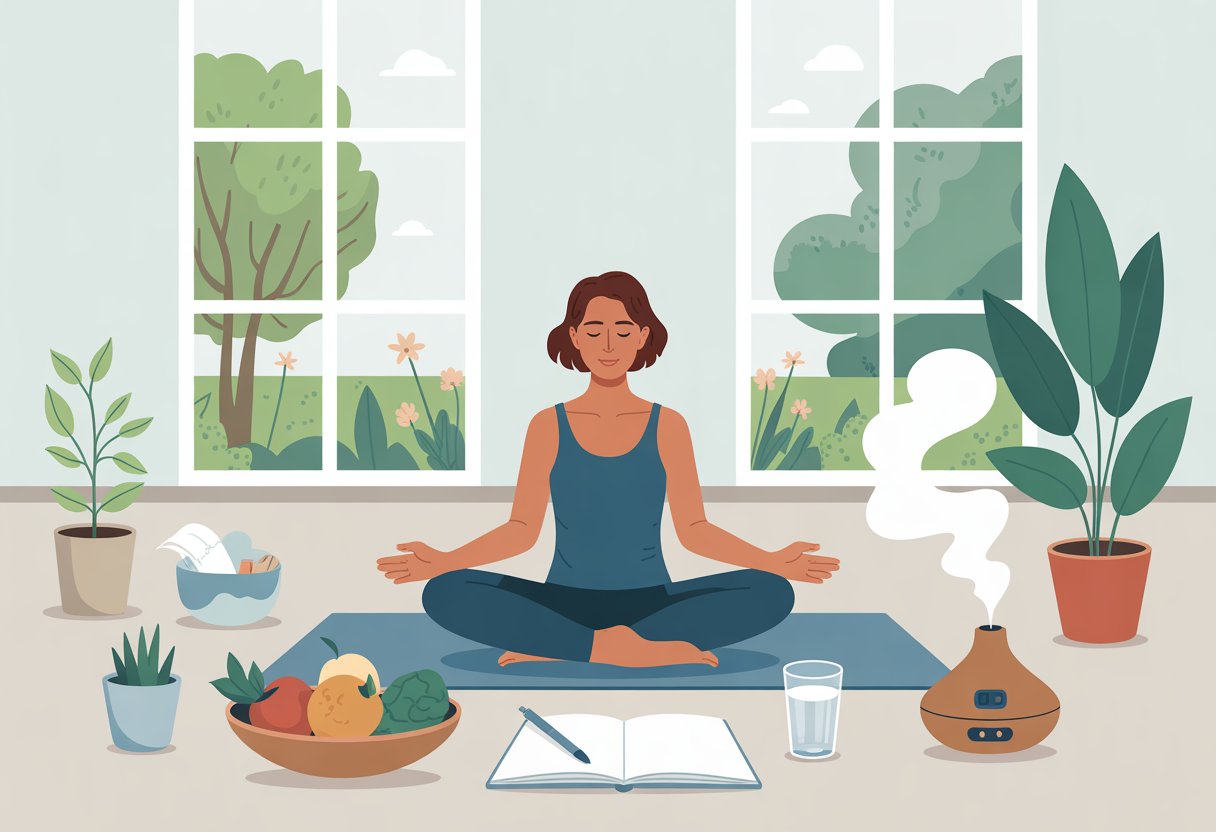
Clear intentions provide direction and purpose for anyone pursuing holistic health. People who set realistic goals for their holistic practices[5] create a framework that supports lasting change across physical, mental, and emotional dimensions of wellness.
Defining Health Goals
Specific health goals give structure to a wellness journey. Rather than vague aims like “be healthier,” effective goals include measurable outcomes such as eating three servings of vegetables daily or practicing meditation for 10 minutes each morning.
A person should consider multiple aspects of their life when defining health goals:
- Physical health: exercise frequency, nutrition habits, sleep duration
- Mental wellbeing: stress management, mindfulness practice, learning new skills
- Emotional balance: relationship quality, self-care routines, joy-filled activities
- Spiritual connection: time in nature, meditation, creative expression
Goals work best when they align with current life circumstances. Someone with a demanding job might start with one small change rather than overhauling their entire routine overnight.
Embracing a Growth Mindset
A growth mindset transforms challenges into opportunities for personal growth. People with this perspective view setbacks as temporary and use them to refine their approach rather than abandon their efforts.
This mindset recognizes that holistic health develops gradually. Someone might not master meditation immediately or change dietary habits in a week. They understand that consistency matters more than perfection.
A growth-oriented person asks productive questions when facing obstacles. Instead of “Why can’t I do this?” they wonder “What can I learn from this experience?” This shift in thinking reduces frustration and maintains momentum through difficult periods.
Journaling and Self-Reflection
Journaling enhances mindfulness[5] and creates awareness of patterns in thoughts, behaviors, and emotions. Writing for just five minutes daily helps people track their wellness journey and identify what works.
A holistic health journal might include:
- Daily mood and energy levels
- Foods consumed and how they affected wellbeing
- Physical activities completed
- Stress triggers and coping strategies used
- Gratitude lists or positive moments
Regular self-reflection through journaling reveals connections between choices and outcomes. Someone might notice they sleep better on days they exercise or feel more anxious after consuming caffeine. These insights guide future decisions and reinforce beneficial habits while highlighting areas needing adjustment.
Nourishing the Body Through Nutrition
Proper nutrition forms the foundation of holistic health by providing the energy and nutrients needed for daily functions. Choosing whole foods, creating balanced meals, planning ahead, and maintaining hydration all work together to support physical wellness.
Whole Foods and Nutrient-Dense Choices
Whole foods are ingredients that remain close to their natural state with minimal processing. These include fresh fruits and vegetables, nuts, seeds, legumes, and unrefined grains. Holistic nutrition emphasizes whole, minimally processed foods[6] that deliver vitamins, minerals, and antioxidants the body needs.
Nutrient-dense foods provide high amounts of nutrients relative to their calories. Dark leafy greens like spinach and kale offer iron, calcium, and vitamins A and C. Berries contain antioxidants that protect cells from damage. Nuts and seeds deliver healthy fats and protein.
When shopping, a person should focus on the perimeter of the store where fresh produce and whole foods are typically located. Swapping processed snacks for raw almonds or fresh fruit increases nutrient intake without adding extra time to the day. These simple changes help nourish your body with quality ingredients that support energy levels and overall health.
Building a Balanced Diet
A balanced diet includes foods from all major groups to supply essential nutrients throughout the day. Understanding how nutrition supports the body, mind, and spirit[7] helps individuals make intentional food choices.
Key Components:
- Proteins: Lean meats, fish, eggs, beans, tofu
- Carbohydrates: Whole grains like quinoa, brown rice, oats
- Fats: Avocados, olive oil, nuts, seeds
- Fruits and vegetables: Multiple colors for varied nutrients
A practical approach involves filling half the plate with vegetables, one quarter with protein, and one quarter with whole grains. This visual guide makes portion control straightforward without counting calories.
Someone should aim to limit processed foods high in added sugars, sodium, and unhealthy fats. These items often lack the nutrients found in whole foods and can contribute to inflammation. Reading ingredient labels helps identify products with fewer additives and preservatives.
Meal Planning and Healthy Snacking
Meal planning reduces daily stress and helps maintain consistent healthy eating habits. Setting aside time each week to plan meals ensures a person has the ingredients needed for nutritious dishes.
Simple Meal Planning Steps:
- Choose 3-4 main recipes for the week
- Create a shopping list based on those recipes
- Prep ingredients on a designated day
- Store prepared items in clear containers
Meal prep saves time during busy weekdays. Washing and chopping vegetables in advance makes cooking faster. Preparing grains like rice or quinoa in batches provides ready-to-use components for multiple meals.
Healthy snacks prevent energy dips between meals. Good options include sliced vegetables with hummus, apple slices with almond butter, or a handful of mixed nuts. Keeping these items visible and accessible makes reaching for nutritious choices easier than grabbing processed alternatives.
Staying Hydrated
Water supports every system in the body, from digestion to temperature regulation. Most adults need about 8 cups or 64 ounces of water daily, though individual needs vary based on activity level and climate.
A person can track hydration by carrying a reusable water bottle and refilling it throughout the day. Adding slices of lemon, cucumber, or fresh herbs creates natural flavor without added sugars. Herbal teas also contribute to daily fluid intake.
Signs of proper hydration include clear or light yellow urine and consistent energy levels. Thirst isn’t always a reliable indicator, so drinking water regularly rather than waiting until thirsty works better. Someone who exercises or spends time outdoors needs additional fluids to replace what’s lost through sweat. Drinking water before, during, and after physical activity helps maintain performance and recovery.
Integrating Physical Activity into Daily Routines

Regular physical activity strengthens the body while supporting mental clarity and emotional balance. Finding movements that fit personal preferences and building consistent habits creates a foundation for long-term fitness.
Choosing Enjoyable Movement
Physical activity becomes sustainable when people select exercises they genuinely enjoy. Walking offers an accessible starting point that requires no special equipment and fits into most schedules. Hiking takes this further by adding physical activity to outdoor experiences[8] while connecting with nature.
Yoga combines stretching with mindfulness practices that improve flexibility and reduce stress. Tai chi provides gentle movement patterns that enhance balance and coordination, particularly beneficial for older adults. Swimming delivers a full-body workout that protects joints from impact stress.
The key is matching the activity to individual energy levels and interests. Someone who enjoys social interaction might prefer group fitness classes, while others find solo activities like cycling more appealing. Trying different forms of exercise helps identify what feels natural and motivating rather than forced.
Building Regular Exercise Habits
Consistency matters more than intensity when establishing an exercise routine. Starting with 15-20 minutes daily creates momentum without overwhelming busy schedules. Small changes like taking stairs instead of elevators or parking farther from building entrances add movement throughout the day.
Setting specific times for physical activity increases the likelihood of following through. Morning sessions energize the start of the day, while evening workouts help release accumulated stress. Tracking progress through a journal or app provides accountability and shows improvements over time.
Pairing exercise with existing habits makes it stick. Stretching during coffee brewing, walking during phone calls, or doing squats while brushing teeth integrates movement into established routines. Regular physical activity becomes automatic rather than requiring constant willpower.
Strength and Flexibility Practices
Strength training builds muscle mass that supports metabolism and protects bones from age-related decline. Bodyweight exercises like push-ups, squats, and lunges require no equipment and can be done anywhere. Resistance bands or dumbbells add variety as fitness improves.
Basic Strength Routine:
- Push-ups: 10-15 repetitions
- Squats: 15-20 repetitions
- Planks: 30-60 seconds
- Lunges: 10 per leg
Flexibility work prevents injury and maintains range of motion. Daily stretching sessions of 10 minutes target major muscle groups including hamstrings, hip flexors, shoulders, and back. Holding each stretch for 20-30 seconds allows muscles to lengthen properly.
Combining strength training two to three times weekly with daily flexibility exercises creates balanced fitness. This approach addresses both muscular development and joint mobility for functional movement in everyday activities.
Cultivating Mindfulness and Mental Clarity
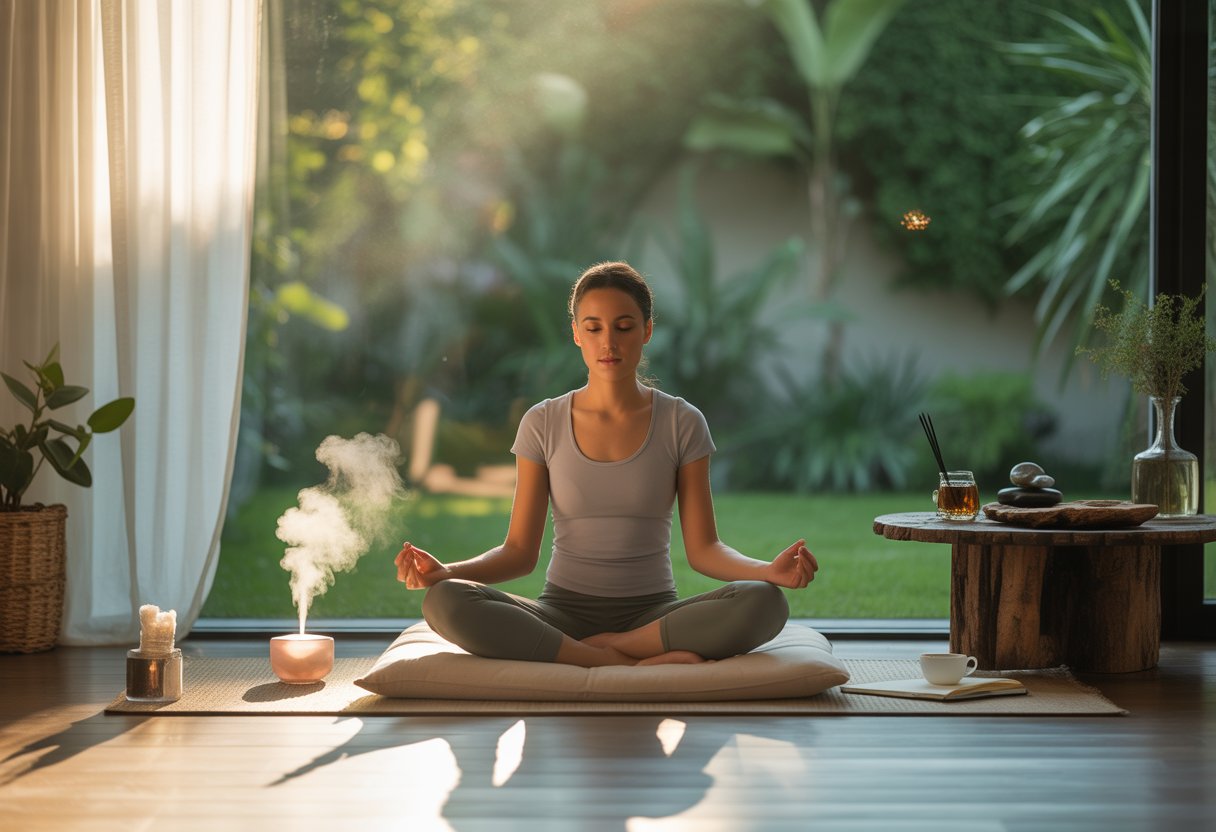
Daily mindfulness practices strengthen mental clarity through focused attention on the present moment. Simple techniques like breathing exercises, guided meditation, and conscious eating transform routine activities into opportunities for deeper awareness.
Mindfulness Practices for Everyday Life
Mindfulness practices can be woven into daily activities[9] without requiring extra time. A person can practice mindful walking by paying attention to each footstep, the sensation of the ground beneath their feet, and the rhythm of their breath. This transforms a simple walk into a grounding exercise.
Common daily mindfulness practices include:
- Focusing on breath for 2-3 minutes upon waking
- Taking three conscious breaths before meals
- Noticing physical sensations during routine tasks like washing dishes
- Pausing to observe thoughts without judgment throughout the day
Body scan exercises help identify tension and stress in the physical form. A person lies down and mentally checks each body part from head to toe, releasing tightness as they go. This practice takes 5-10 minutes and significantly reduces accumulated stress.
Setting phone reminders can prompt brief mindfulness moments throughout busy days. Even 30 seconds of focused breathing between tasks helps reset mental state and improve concentration.
Meditation Techniques
Meditation builds the foundation for lasting mental clarity and emotional balance. Beginners should start with 5-minute sessions and gradually increase duration as the practice becomes comfortable. Consistency matters more than length.
Basic meditation approaches include:
- Breath-focused meditation: Counting breaths from one to ten, then repeating
- Guided meditation: Following audio instructions for visualization or relaxation
- Loving-kindness meditation: Directing positive thoughts toward oneself and others
- Body awareness meditation: Observing physical sensations without trying to change them
A dedicated meditation space helps establish routine. The area should be quiet, comfortable, and free from distractions. Sitting on a cushion or chair with an upright spine supports alertness while maintaining comfort.
Morning meditation sets a calm tone for the day ahead. Evening sessions help process daily experiences and prepare for restful sleep. Both timing options offer distinct benefits for mental health.
Mindful Eating Habits
Mindful eating transforms meals into opportunities for present-moment awareness. A person should eat without television, phones, or reading materials to fully engage with the experience. This practice improves digestion and helps recognize true hunger and fullness signals.
Chewing each bite thoroughly allows time to notice flavors, textures, and aromas. Putting utensils down between bites naturally slows the pace. This deliberate approach prevents overeating and increases satisfaction with smaller portions.
Steps for practicing mindful eating:
- Take three deep breaths before starting the meal
- Observe the food’s appearance and smell
- Chew slowly, counting 20-30 chews per bite
- Notice when the body signals fullness
- Express gratitude for the nourishment
People who practice mindful eating often discover they prefer whole, unprocessed foods. The heightened awareness helps them notice how different foods affect energy levels and mood. This naturally guides healthier food choices without rigid rules or restrictions.
Supporting Emotional Well-Being and Resilience
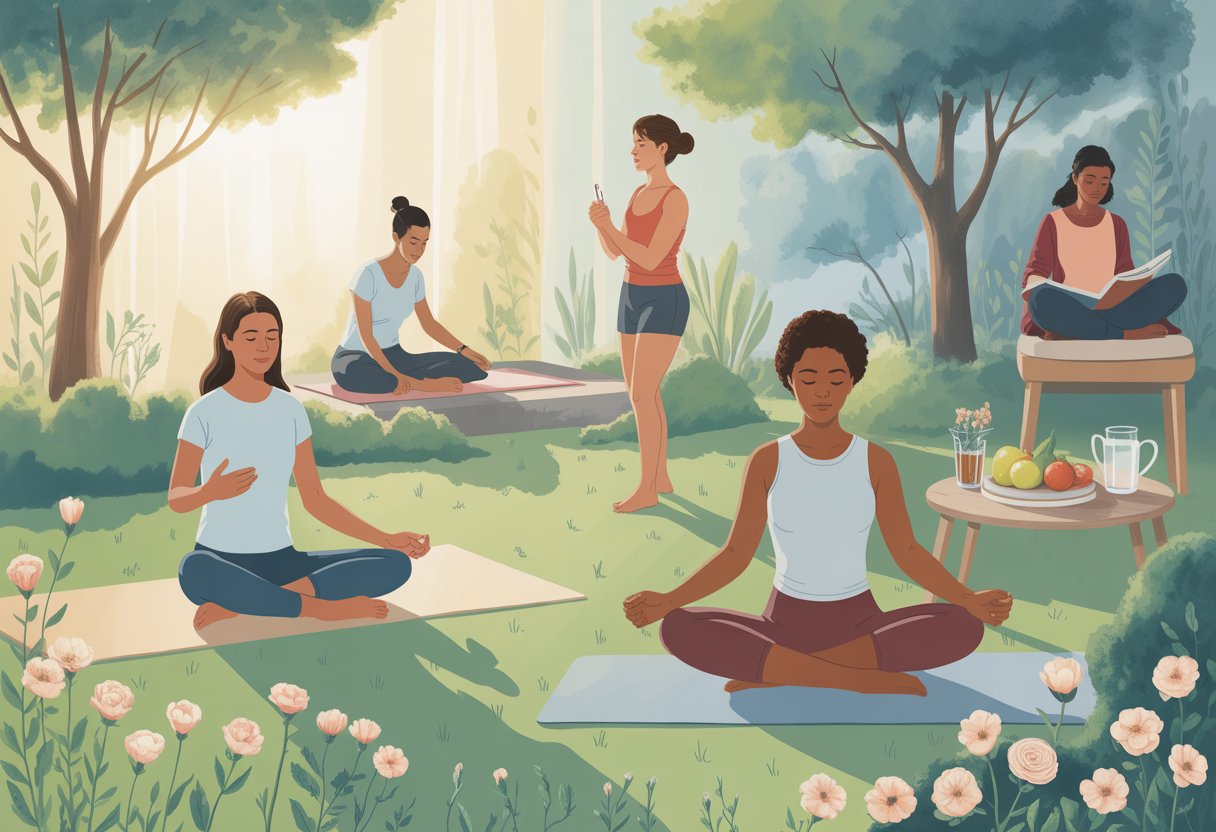
Emotional health requires active attention through daily practices that build strength and balance. Self-care routines, stress management strategies, and reflective writing create a foundation for handling life’s challenges with greater ease.
Emotional Health and Self-Care
Emotional health shapes how people think, feel, and respond to daily situations. It affects decision-making, relationships, and physical health. Unlike mental health conditions that may require professional treatment, emotional well-being focuses on everyday mood regulation and coping abilities.
Self-care practices support emotional resilience by helping people process feelings before they become overwhelming. This includes setting healthy boundaries with others, saying no when needed, and making time for activities that bring joy. Regular self-care might look like taking short breaks during work, spending time in nature, or engaging in hobbies that provide relaxation.
Building emotional regulation skills[2] helps people respond to difficult situations with calm rather than react impulsively. Techniques like deep breathing, talking to trusted friends, or seeking professional counseling when needed all contribute to stronger emotional health. Physical needs also connect to emotional well-being through adequate sleep, nutritious food, and regular movement.
Stress Management Tools
Stress affects both mind and body, showing up as constant worry, trouble focusing, mood changes, or shifts in sleep and eating patterns. Managing stress effectively[10] requires recognizing these signs early and taking action.
Immediate stress relief techniques include:
- Deep breathing exercises that lower heart rate
- Short walks or gentle stretching
- Listening to calming music
- Connecting with supportive people
Physical activity serves as a powerful stress reducer by releasing endorphins that improve mood. Even 10 to 15 minutes of movement can make a difference. Time management also reduces stress by helping people prioritize tasks and avoid feeling overwhelmed.
Creating daily routines that include relaxation practices builds resilience over time. This might mean starting mornings with quiet reflection, taking lunch breaks away from work spaces, or ending days with calming activities rather than screens.
Journaling for Emotional Balance
Journaling provides a private space to explore thoughts and feelings without judgment. Writing by hand or typing both work well for emotional processing. The key is consistency rather than perfection.
People can write freely about their day, describe emotions they’re experiencing, or respond to specific prompts. Recording positive experiences alongside challenges creates a balanced perspective. Some find it helpful to note three things they’re grateful for each day, which supports positive thinking patterns.
Reviewing past journal entries reveals patterns in emotional responses and shows personal growth over time. This self-awareness helps identify triggers and effective coping strategies. Journaling also serves as a healthy outlet for difficult emotions, reducing the need to suppress or avoid them.
Prioritizing Quality Sleep and Rest

Sleep affects every system in the body, from brain function to immune health. A consistent bedtime routine and proper sleep habits can transform overall health and daily energy levels.
Importance of Sleep for Health
Quality sleep serves as the foundation for physical and mental wellness. During sleep, the body repairs muscles, consolidates memories, and regulates hormones that control appetite, stress, and growth.
Adults need seven to nine hours of sleep each night for optimal functioning. Lack of quality sleep can lead to obesity, diabetes, cardiovascular disease, and mental health disorders[11], making it a critical component of holistic health.
Poor sleep weakens the immune system and increases inflammation throughout the body. It also impairs decision-making, reaction time, and emotional regulation.
Establishing a Bedtime Routine
A consistent sleep schedule trains the body’s internal clock to expect rest at specific times. Going to bed and waking up at the same time every day, including weekends, helps regulate this natural rhythm.
Pre-sleep rituals signal to the body that it’s time to wind down. Calming activities might include:
- Reading light material
- Taking a warm bath or shower
- Practicing gentle stretching or yoga
- Doing deep breathing exercises
- Writing in a journal
These activities should begin 30 to 60 minutes before the desired bedtime. Stress often causes racing thoughts at bedtime, making it difficult to fall asleep or stay asleep[12].
Tips for Better Sleep
The bedroom environment plays a major role in sleep quality. The room should be dark, quiet, and cool, with temperatures between 60-67°F working best for most people.
Dietary considerations matter throughout the day. Caffeine and nicotine should be avoided at least four hours before bed. Heavy meals close to bedtime can cause discomfort and disrupt sleep patterns.
Natural light exposure during the day helps maintain healthy sleep-wake cycles. Getting sunlight in the morning tells the brain it’s time to be alert. Screen time should be limited in the evening, as blue light from devices interferes with melatonin production.
Regular physical activity promotes better sleep, but exercise should be completed several hours before bedtime. Practices like acupuncture and mindfulness can further support improved sleep quality[13] for those seeking additional support.
Spiritual Health and Personal Growth

Spiritual health involves developing practices that create inner peace and meaning while fostering deeper connections to oneself and the world. Growth in this area requires regular attention to spiritual practices, time in natural settings, and reflection on life’s deeper purpose.
Exploring Spiritual Practices
Spiritual practices for holistic living[14] help people develop awareness and inner calm through consistent routines. Meditation offers a simple starting point, requiring just five to ten minutes daily of focused breathing or quiet observation. People can practice mindfulness meditation by sitting comfortably and noticing thoughts without judgment.
Prayer or contemplation serves different individuals based on their beliefs. Some find value in traditional religious prayer while others prefer reflecting on personal values or setting daily intentions.
Gratitude practices boost spiritual growth by shifting focus toward positive aspects of life. Writing down three specific things to appreciate each evening trains the mind to recognize abundance. Yoga combines physical movement with breath awareness, linking body and spirit in one practice.
Connecting with Nature
Time outdoors strengthens spiritual health by reminding people of their place in the larger world. A daily walk in a park or green space provides exposure to natural rhythms and seasonal changes. Even 20 minutes outside reduces stress and creates mental clarity.
Connecting with nature[15] through gardening teaches patience and respect for growth cycles. Tending plants offers hands-on experience with life processes from seed to harvest.
People can practice mindful observation by focusing fully on natural surroundings during outdoor time. Noticing bird songs, cloud formations, or tree movements deepens awareness. Forest bathing, the practice of immersing oneself in woodland environments, has proven mental health benefits through reduced cortisol levels.
Finding Meaning and Purpose
Personal growth requires identifying what brings fulfillment beyond material success. People discover meaning by examining their core values and aligning daily actions with those principles. Volunteering time to causes that matter creates purpose through service to others.
Journaling helps clarify thoughts about life direction and personal goals. Writing freely about experiences and feelings reveals patterns and priorities over time. Some find meaning through creative expression like art, music, or writing that channels inner experiences outward.
Setting intentions rather than just goals focuses attention on the type of person one wants to become. These intentions might include qualities like patience, kindness, or courage that guide decision-making throughout the day.
Enhancing Social and Relationship Wellness

Strong relationships and meaningful social connections form the foundation of mental and emotional health. People who maintain supportive relationships and practice effective communication experience less stress and greater life satisfaction.
Building Supportive Relationships
Supportive relationships require intentional effort and mutual care. People should prioritize spending quality time with family members, friends, and partners who provide emotional support during difficult times.
These relationships thrive when both parties show genuine interest in each other’s lives. Regular check-ins through phone calls, video chats, or in-person visits help maintain strong bonds. Setting boundaries also protects relationship health by ensuring each person respects the other’s needs and limits.
Trust develops through consistency and reliability. When someone follows through on commitments and shows up during important moments, they build a foundation for lasting connections. Fostering social connections[16] provides emotional support and reduces feelings of loneliness.
Effective Communication Strategies
Clear communication prevents misunderstandings and strengthens relationships. Active listening means giving full attention to the speaker without interrupting or planning a response while they talk.
People should make eye contact and use body language that shows engagement. Asking clarifying questions demonstrates genuine interest in understanding the other person’s perspective. Expressing feelings using “I” statements rather than “you” accusations reduces defensiveness during difficult conversations.
Key communication practices include:
- Staying present during conversations without checking phones
- Acknowledging emotions before offering solutions
- Speaking honestly while remaining respectful
- Choosing appropriate times for serious discussions
Community and Social Connections
Social connection extends beyond personal relationships into broader community involvement. Joining local groups, clubs, or volunteer organizations creates opportunities to meet like-minded people.
Community activities provide structure and purpose while expanding social networks. Religious or spiritual gatherings, sports teams, book clubs, and hobby groups offer regular interaction with others who share common interests. These connections combat isolation and create a sense of belonging.
Participating in community events builds social skills and confidence. Even small interactions like chatting with neighbors or attending local meetings contribute to overall social health and well-being.
Incorporating Complementary and Alternative Practices
Complementary and alternative practices offer targeted approaches to support physical and emotional well-being through methods like energy work, traditional Chinese medicine techniques, and plant-based therapies. These practices work alongside conventional health routines to address imbalances in the body.
Energy Healing and Reiki
Energy healing focuses on balancing the body’s natural energy flow to promote relaxation and reduce stress. Reiki, one of the most recognized forms, involves a practitioner placing their hands lightly on or above specific body areas to transfer healing energy.
Many people report feeling deeply relaxed during Reiki sessions. The practice typically takes 30 to 60 minutes and can be done in person or remotely.
Research shows increased interest in integrative healthcare approaches[17] that bridge traditional and holistic methods. Reiki requires no special preparation from the recipient. They simply lie down in comfortable clothing while the practitioner works.
Some individuals incorporate Reiki into weekly routines for stress management. Others use it during challenging periods to restore emotional balance. The practice produces no negative side effects and can complement other wellness activities.
Acupuncture and Tai Chi
Acupuncture involves inserting thin needles into specific body points to stimulate healing and pain relief. This ancient Chinese practice has gained acceptance in mainstream healthcare for treating conditions like chronic pain, headaches, and anxiety.
Sessions typically last 20 to 40 minutes. Most people feel minimal discomfort during needle insertion.
Tai chi combines gentle movements with deep breathing and meditation. This low-impact exercise improves balance, flexibility, and mental clarity. Practitioners move through a series of flowing postures at a slow, deliberate pace.
Beginners can start with 10 to 15 minute sessions several times per week. The practice suits all fitness levels and ages. Many community centers and gyms offer tai chi classes specifically designed for newcomers.
Both acupuncture and tai chi work by addressing energy blockages in the body. They provide practical options for those seeking drug-free pain management and stress reduction.
Aromatherapy, Herbal Tea, and Essential Oils
Aromatherapy uses essential oils extracted from plants to support physical and emotional health. Lavender promotes relaxation and sleep quality, while peppermint enhances focus and relieves headaches. Eucalyptus helps clear respiratory passages.
People can diffuse oils in their living spaces, add them to bathwater, or apply diluted versions to skin. A typical diffuser runs for 30 to 60 minutes at a time.
Herbal tea offers another accessible way to integrate holistic treatments into daily life[5]. Chamomile tea reduces anxiety and aids sleep. Ginger tea supports digestion and reduces inflammation. Peppermint tea relieves stomach discomfort.
Drinking herbal tea creates a mindful pause in busy schedules. Steep most herbal teas for 5 to 10 minutes in hot water to release their beneficial compounds.
Essential oil safety tips:
- Always dilute oils before applying to skin
- Use 2-3 drops per teaspoon of carrier oil
- Avoid ingesting oils unless under professional guidance
- Keep oils away from eyes and mucous membranes
These plant-based practices require minimal investment and fit easily into existing routines.
Sustaining a Balanced and Holistic Lifestyle
Maintaining wellness requires addressing obstacles that arise, tracking progress regularly, and knowing when professional input becomes necessary. These three elements work together to help individuals stay committed to their health goals over time.
Overcoming Common Challenges
Time constraints often present the biggest obstacle when integrating holistic practices into daily routines. Many people struggle to fit wellness activities into packed schedules filled with work and family obligations. Breaking activities into smaller chunks makes them more manageable. A person can meditate for five minutes instead of thirty or take three ten-minute walks throughout the day.
Budget concerns can also limit access to certain wellness options. However, many effective practices require little to no financial investment. Deep breathing costs nothing. Walking outdoors provides free exercise. YouTube offers countless free yoga and meditation videos.
Lack of immediate results discourages some individuals from continuing their wellness journey. Holistic health focuses on gradual, lasting change rather than quick fixes. Setting realistic expectations helps people stay motivated during the early stages when changes feel subtle.
Support from family and friends makes a significant difference in long-term success. Sharing wellness goals with others creates accountability and encouragement when motivation wanes.
Monitoring Your Wellness Journey
Tracking progress helps people understand which practices deliver the most benefit. A simple journal documents daily activities, energy levels, sleep quality, and mood changes. This written record reveals patterns over time that might otherwise go unnoticed.
Physical measurements provide concrete data about health improvements. Blood pressure, weight, flexibility, and endurance all serve as measurable indicators. However, not all progress shows up in numbers. Improved stress management and better relationships matter just as much as physical metrics.
Regular check-ins allow for adjustments to wellness routines. What works during one season of life might need modification later. A person might discover that morning meditation works better than evening sessions or that certain foods affect their energy differently than expected.
Seeking Guidance from a Medical Professional
Professional medical advice remains essential even when following holistic living principles[18]. Doctors provide baseline health assessments and identify conditions requiring medical treatment. They also ensure that wellness practices complement rather than interfere with existing treatments.
A medical professional can evaluate symptoms and determine whether they indicate a serious condition. Self-treatment without proper diagnosis sometimes delays necessary care. Regular checkups catch potential problems early when they are easier to address.
Healthcare providers can recommend integrating holistic practices safely alongside conventional treatments. They understand how different approaches interact and can suggest modifications based on individual health needs. Some doctors specialize in integrative medicine and actively support patients combining multiple wellness methods.
Frequently Asked Questions
Starting a holistic lifestyle raises common questions about daily practices, nutrition, stress management, and physical wellness. These answers provide practical guidance for building sustainable habits that support mind, body, and spirit.
What are the best daily routines to support holistic health?
A morning meditation practice helps clear the mind and set intentions for the day ahead. Starting with just five minutes and gradually increasing the duration makes this habit more sustainable for beginners.
Deep breathing exercises throughout the day activate the body’s natural relaxation response. Placing a hand on the belly while breathing through the nose for 10 minutes can significantly reduce stress levels.
Elevate Your Health for Just $29.99/Month
Join the Precision Wellness Subscription at My Healing 365 and get discounted services, priority coaching access, virtual care, and exclusive wellness resources to support your physical, emotional, and hormonal health.
Join for $29.99/MonthJournaling before bed supports mental and emotional processing. Writing about gratitude, personal strengths, or daily experiences helps identify patterns and maintain emotional balance.
Which dietary habits contribute to overall wellness?
Eating whole, unprocessed foods provides the foundation for physical health and energy. Fruits, vegetables, whole grains, and legumes supply essential nutrients that support body functions.
Packing nutritious lunches prevents reliance on processed convenience foods during busy workdays. Planning meals ahead ensures consistent access to foods that nourish rather than deplete the body.
Listening to the body’s signals about hunger, fullness, and food sensitivities helps create an intuitive relationship with nutrition. Each person’s dietary needs vary based on their unique physical makeup and health conditions.
How can mindfulness practices be incorporated into a busy schedule?
Short breathing exercises at a desk or during breaks require only a few minutes but provide noticeable benefits. Even three to five deep breaths can shift the nervous system toward a calmer state.
Mindful walking transforms routine commutes or errands into opportunities for presence. Paying attention to the sensation of feet touching the ground or observing the surrounding environment brings awareness to the present moment.
Setting specific times for self-care activities prevents them from being pushed aside by other responsibilities. Treating these appointments with the same importance as work meetings or family obligations ensures they happen consistently.
Can you suggest ways to manage stress for improved holistic health?
Regular physical movement helps the body process and release stress hormones naturally. Activities like walking, swimming, yoga, or tai chi provide both physical benefits and mental relaxation.
Maintaining positive social connections offers emotional support during challenging times. Spending time with friends and family, even through phone or video calls, reduces feelings of isolation and anxiety.
Energy healing techniques address trapped emotional energies that may be affecting physical and mental wellbeing[19]. These methods work to identify and release stored emotional stress from past experiences.
What role does sleep play in maintaining a holistic lifestyle?
Sleep allows the body to repair muscles, strengthen the immune system, and consolidate memories. Getting eight or more hours per night supports cognitive function, focus, and emotional regulation.
Inadequate rest reduces the body’s ability to cope with stress and handle daily challenges. When sleep suffers, both physical and mental health decline over time.
Creating a consistent bedtime routine signals to the body that it’s time to wind down. Avoiding screens, keeping the bedroom cool and dark, and going to bed at the same time each night improves sleep quality.
How important is physical activity for a balanced holistic regimen?
Movement benefits the physical body while also supporting mental and spiritual wellness. Aiming for 30 minutes of daily activity strengthens muscles, improves cardiovascular health, and enhances mood.
Finding activities that bring genuine enjoyment increases the likelihood of maintaining consistent exercise habits. Gardening, hiking, dancing, or playing sports can all fulfill physical activity requirements while providing pleasure.
Physical activity doesn’t require intense workouts or gym memberships to be effective. Simple activities like walking around the neighborhood or doing gentle stretches at home contribute meaningfully to overall health.
Post Views: 8
References
- 9 Ways to Integrate Holistic Healing into Everyday Life. https://realitypathing.com/9-ways-to-integrate-holistic-healing-into-everyday-life/ Accessed March 4, 2026
- Holistic Wellness: Integrating Mind, Body, and Spirit – AIHCP. https://aihcp.net/2024/08/19/holistic-wellness-integrating-mind-body-and-spirit/ Accessed March 4, 2026
- whole-person approach. https://www.health.com/holistic-health-8652522 Accessed March 4, 2026
- What Is Holistic Health? Learn the 5 Core Elements. https://modernholistichealth.com/what-is-holistic-health-learn-the-5-core-elements/ Accessed March 4, 2026
- How to Integrate Holistic Treatments into Daily Life. https://realitypathing.com/how-to-integrate-holistic-treatments-into-daily-life/ Accessed March 4, 2026
- Practical Ways to Incorporate Holistic Nutrition Daily. https://instituteofholisticnutrition.com/practical-ways-to-incorporate-holistic-nutrition-into-your-routine-for-lasting-health-and-well-being/ Accessed March 4, 2026
- The Role of Nutrition in Holistic Living: Fueling the Mind, Body, and Spirit. https://digitalnaturopath.com/2025/01/the-role-of-nutrition-in-holistic-living-fueling-the-mind-body-and-spirit/ Accessed March 4, 2026
- 10 Energizing Ways to Add Physical Activity to Your Daily Routine. https://healthprep.com/articles/fitness-nutrition/10-energizing-ways-to-add-physical-activity-to-your-daily-routine/ Accessed March 4, 2026
- Creating a Holistic Living Routine: Integrating Mindfulness, Movement, and Nutrition. https://digitalnaturopath.com/2025/01/creating-a-holistic-living-routine-integrating-mindfulness-movement-and-nutrition/ Accessed March 4, 2026
- Why Mental Health Matters and Strategies for Emotional Well-Being. https://www.psychreg.org/why-mental-health-matters-strategies-emotional-well-being/ Accessed March 4, 2026
- How to Create a Holistic Sleep Routine for Better Rest. https://realitypathing.com/how-to-create-a-holistic-sleep-routine-for-better-rest/ Accessed March 4, 2026
- Sleep Better Tonight: The Science Behind Holistic Rest That Actually Works. https://www.healthcouncilcanada.ca/sleep-better-tonight-the-science-behind-holistic-rest-that-actually-works/ Accessed March 4, 2026
- How Holistic Practices Can Improve Sleep Quality. https://www.saffronsageliving.com/blog/how-holistic-practices-can-improve-sleep-quality Accessed March 4, 2026
- Spiritual Practices for Holistic Living: Nurturing the Soul for Overall Health. https://digitalnaturopath.com/2025/01/spiritual-practices-for-holistic-living-nurturing-the-soul-for-overall-health/ Accessed March 4, 2026
- How to Cultivate Holistic Spirituality in Daily Life. https://realitypathing.com/how-to-cultivate-holistic-spirituality-in-daily-life/ Accessed March 4, 2026
- How to Incorporate Holistic Health into Your Daily Routines. https://www.safeandhealthylife.com/how-to-incorporate-holistic-health-into-your-daily-routines/ Accessed March 4, 2026
- Foundations of Integrative Health: Bridging Traditional and Holistic Approaches. https://www.indwes.edu/articles/2025/05/foundations-of-integrative-health Accessed March 4, 2026
- 10 Principles of Holistic Living for Healthier Life. https://navacenter.com/10-principles-of-holistic-living-for-a-healthier-more-balanced-life/ Accessed March 4, 2026
- 20 Holistic Health Tips: How to Start a Holistic Lifestyle. https://discoverhealing.com/holistic-health-articles/how-to-integrate-holistic-health-into-your-daily-life/ Accessed March 4, 2026