Medically Reviewed
Dr. Jose Rossello, MD, PhD, MHCM
Preventive Medicine & Public Health Specialist
Last Reviewed: March 2, 2026
Creating a wellness routine that works requires looking at health as more than just physical fitness or eating right. A holistic wellness routine addresses five key areas of life: physical health, mental clarity, emotional balance, spiritual connection, and social relationships, all working together to support overall well-being. When one area suffers, the others feel the impact too.

Many people struggle to maintain balance because they focus on just one aspect of health while ignoring the rest. Holistic wellness recognizes that these different areas interact[1] and influence each other in important ways. A person might exercise regularly but still feel drained if they neglect sleep, stress management, or meaningful relationships.
Building a complete wellness routine takes planning and self-awareness. This guide walks through practical steps to create a personalized approach that fits individual needs and lifestyles. The goal is to develop sustainable habits that support the whole person rather than quick fixes that fade away.
Table of Contents
Key Takeaways
- A holistic wellness routine balances physical, mental, emotional, spiritual, and social health together
- Setting specific goals for each wellness area and tracking progress helps maintain consistent habits
- Small, sustainable changes in nutrition, sleep, mindfulness, and relationships create lasting improvements in overall well-being
Understanding Holistic Wellness
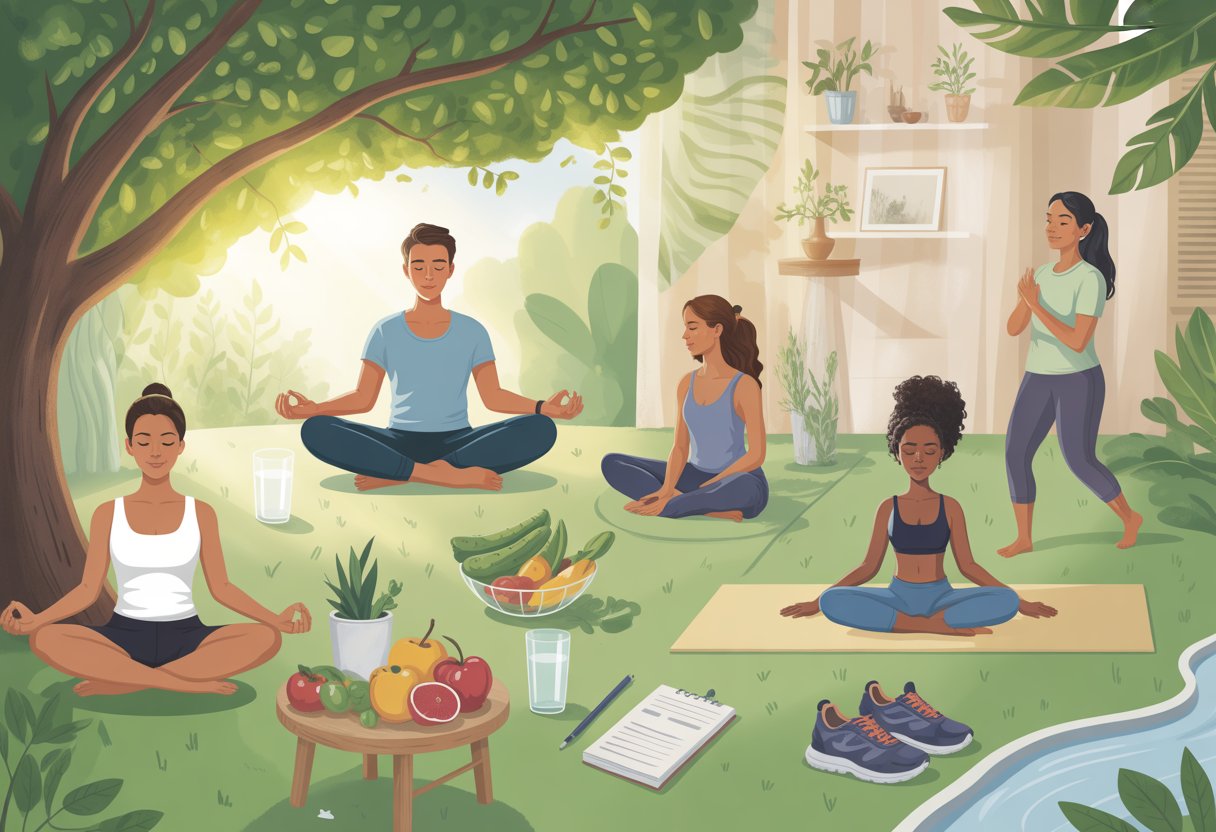
Holistic wellness treats health as a complete system where physical fitness, mental clarity, and spiritual fulfillment work together. When one area suffers, the others feel the impact, making it essential to address all aspects of well-being rather than focusing on isolated symptoms.
Defining Holistic Wellness
Holistic wellness is an approach that views a person as a complete being rather than separate parts. This means looking at how diet, exercise, emotions, relationships, and personal values all contribute to overall health.
The holistic health model rejects the idea of treating only physical symptoms. Instead, it examines what causes problems in the first place. A headache might stem from stress at work, poor sleep habits, or unresolved emotional issues.
This approach requires people to take responsibility for their own well-being. They must pay attention to multiple areas of life at once. The goal is to create balance and prevent problems before they start.
The Mind, Body, and Spirit Connection
The connection between mind, body, and spirit[1] shapes how people experience health and happiness. Physical exercise releases chemicals in the brain that improve mood and reduce anxiety. Mental stress can cause muscle tension, headaches, and digestive problems.
Spiritual practices like meditation or spending time in nature provide mental calmness. This calmness often leads to better physical health markers like lower blood pressure and improved sleep quality.
The body responds to thoughts and emotions in measurable ways. Chronic worry weakens the immune system. Positive social connections speed up recovery from illness. These links show why treating just one aspect of health rarely produces lasting results.
Interconnected Pillars of Health
Five main pillars support holistic wellness: physical health, emotional health, mental health, social health, and spiritual health. Each pillar depends on the others to stay strong.
Physical health includes nutrition, movement, and rest. Emotional health involves understanding and managing feelings. Mental health covers cognitive function and psychological well-being. Social health means building supportive relationships. Spiritual health connects to personal values and life purpose.
Improving one pillar creates positive effects in others. Regular exercise boosts confidence and provides opportunities to meet people. Strong friendships offer emotional support during difficult times. A sense of purpose motivates healthier lifestyle choices.
Setting Clear Wellness Goals
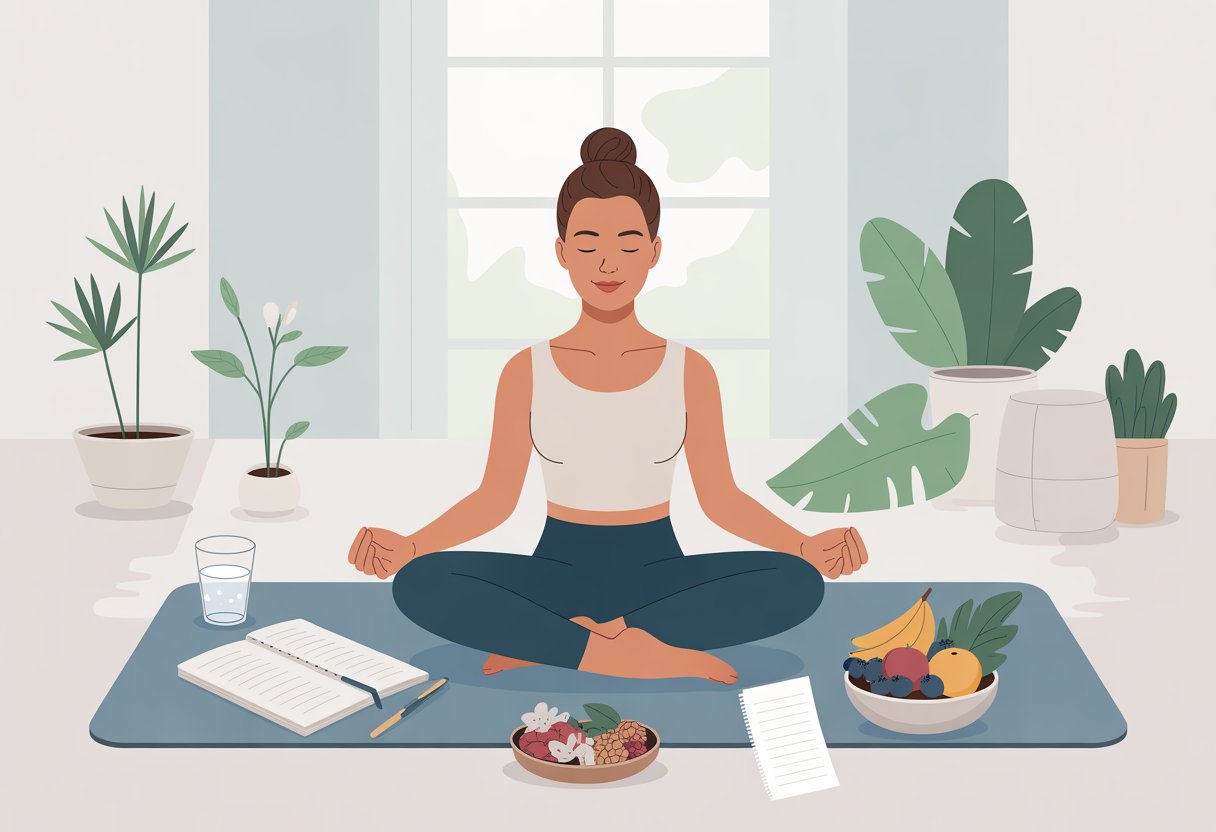
Effective wellness goals serve as the foundation for building healthy habits and maintaining a balanced lifestyle. Identifying where you currently stand, tailoring practices to individual needs, and monitoring changes ensures sustainable progress.
Assessing Your Current Lifestyle
A thorough self-evaluation reveals which areas of life need the most attention. Individuals should examine their daily routines, noting patterns in sleep, nutrition, physical activity, stress levels, and social connections.
Keeping a simple log for one week helps identify habits that support or hinder wellness. This might include recording meal times, exercise sessions, hours of sleep, and emotional states throughout the day.
Designing a holistic wellness routine[1] starts with honest reflection across multiple dimensions of health. Someone might discover they sleep well but rarely exercise, or they maintain strong social connections but neglect mental stimulation.
The assessment should highlight both strengths and weaknesses. Recognizing existing positive behaviors provides motivation, while identifying gaps shows where to direct effort for maximum impact.
Personalizing Your Wellness Routine
Generic wellness plans rarely work because each person has unique needs, preferences, and constraints. Someone who dislikes running shouldn’t force themselves to jog when swimming or cycling might bring more enjoyment.
Goals should align with personal values and realistic schedules. A parent with young children needs different strategies than a college student or retiree. Setting achievable targets prevents burnout and builds confidence through small wins.
SMART goals work well for wellness planning:
- Specific: “Walk 30 minutes daily” instead of “exercise more”
- Measurable: Track steps or workout duration
- Achievable: Start with twice weekly before committing to daily practice
- Relevant: Choose activities that address identified needs
- Time-bound: Set a four-week trial period before reassessing
Breaking larger objectives into smaller steps makes them less overwhelming. Rather than overhauling everything at once, focusing on one or two changes at a time increases success rates.
Tracking Progress and Adjustments
Regular monitoring shows whether current strategies produce desired results. Simple tracking methods include journals, apps, or calendar check-ins that document completed activities and how they affected well-being.
Weekly reviews help identify patterns and obstacles. Someone might notice they skip morning workouts but never miss evening sessions, suggesting a schedule adjustment would improve consistency.
Progress isn’t always linear, and setbacks provide valuable information. If stress levels remain high despite meditation practice, trying different relaxation techniques or addressing underlying causes becomes necessary.
Adjustments should happen gradually based on collected data. Cutting back goals that prove too ambitious prevents discouragement, while expanding successful habits builds momentum. The wellness routine should evolve as circumstances change and new healthy habits become established.
Physical Well-Being Essentials
Physical health forms the foundation of wellness through consistent movement, building body strength, and time spent in natural environments. These three areas work together to support energy levels, reduce disease risk, and improve daily functioning.
Incorporating Regular Movement
Daily movement keeps the body functional and supports cardiovascular health. People should aim for at least 150 minutes of moderate activity each week, which breaks down to about 30 minutes on most days.
Regular movement doesn’t require gym memberships or complex equipment. Walking, dancing, gardening, or playing with children all count toward an active lifestyle. The key is consistency rather than intensity.
Simple ways to add movement:
- Take stairs instead of elevators
- Park farther from store entrances
- Set hourly reminders to stand and stretch
- Walk during phone calls
- Do light exercises during TV commercials
People who find activities they enjoy are more likely to stick with their exercise routine long-term. Trying different options helps identify what feels sustainable rather than like a chore.
Strength and Flexibility Training
Strength training builds muscle mass, protects bones, and improves metabolism. Adults should include resistance exercises at least twice weekly, targeting all major muscle groups.
Bodyweight exercises like push-ups, squats, and planks require no equipment. Resistance bands, dumbbells, or weight machines provide additional options as strength increases.
Flexibility work through yoga or tai chi maintains joint range of motion and reduces injury risk. These practices combine stretching with breathing techniques that also calm the nervous system. Even 10-15 minutes of stretching several times per week makes a noticeable difference in how the body moves and feels.
Tai chi offers particularly gentle movements suitable for all fitness levels. The slow, controlled motions improve balance while building core strength.
Connecting with Nature and Outdoor Activities
Spending time outdoors provides physical benefits beyond standard exercise. Natural sunlight helps regulate sleep cycles and supports vitamin D production. Fresh air and changing terrain engage the body differently than indoor workouts.
Outdoor activities like hiking, cycling, or kayaking combine cardiovascular exercise with mental refreshment. Even brief nature walks reduce stress hormones and lower blood pressure.
People can connect with nature in various settings. City parks, botanical gardens, or nature trails all offer opportunities to move outside. Outdoor yoga classes or group fitness sessions in parks add social connection to physical activity.
Weather-appropriate clothing extends outdoor time across seasons. Morning or evening activities work better during hot summer months, while midday outings maximize warmth in cooler weather.
Nourishing Your Body with Nutrition and Hydration

Proper nutrition and hydration form the foundation of physical wellness. Choosing nutrient-dense whole foods, practicing mindful eating habits, and planning balanced meals ensures the body receives essential vitamins, minerals, and water it needs to function optimally.
Balanced Diet and Whole Foods
A whole-person approach to nutrition[2] emphasizes foods in their natural state rather than processed alternatives. Fresh vegetables, fruits, whole grains, lean proteins, and healthy fats provide maximum nutritional value per serving.
Research shows that people who consume high levels of ultra-processed foods face a 62 percent greater risk of heart disease. Whole foods deliver fiber, antioxidants, and essential nutrients that support immune function and reduce inflammation.
Elevate Your Health for Just $29.99/Month
Join the Precision Wellness Subscription at My Healing 365 and get discounted services, priority coaching access, virtual care, and exclusive wellness resources to support your physical, emotional, and hormonal health.
Join for $29.99/MonthKey whole food categories include:
- Vegetables and fruits: Provide vitamins, minerals, and phytonutrients
- Whole grains: Offer sustained energy and B vitamins
- Nuts and seeds: Supply healthy fats and protein
- Legumes: Deliver plant-based protein and fiber
Healthy fats from sources like avocados, olive oil, and fatty fish support brain health and hormone production. These fats help the body absorb fat-soluble vitamins A, D, E, and K.
Hydration works alongside nutrition to support every bodily function. Water regulates temperature, transports nutrients, and removes waste products. Adults should drink eight to ten glasses of water daily, adjusting for activity level and climate.
Mindful Eating Practices
Mindful eating transforms meals from rushed activities into intentional nourishment experiences. This practice involves paying full attention to food’s taste, texture, and aroma while eating slowly and without distractions.
People who eat mindfully tend to recognize hunger and fullness cues more accurately. They consume appropriate portions and experience greater satisfaction from meals. This awareness helps prevent overeating and improves digestion.
Practical mindful eating techniques:
- Remove phones, computers, and televisions during meals
- Chew each bite thoroughly before swallowing
- Notice colors, smells, and flavors of food
- Pause between bites to assess fullness
The practice also involves considering where food comes from and how it affects the body. Someone might reflect on how a green smoothie provides vitamins and minerals that boost energy levels. This connection strengthens appreciation for nutritious choices.
Mindful eating supports both physical and emotional health by creating a positive relationship with food. It reduces stress-related eating patterns and promotes balanced meals throughout the day.
Meal Planning and Preparation
Meal planning supports holistic health[3] by removing daily decision-making stress and ensuring balanced nutrition. Setting aside time each week to plan meals prevents last-minute unhealthy choices.
Effective meal prep starts with creating a weekly menu that includes breakfast, lunch, dinner, and snacks. A person can batch-cook grains, proteins, and vegetables on weekends to assemble quick meals during busy weekdays.
| Meal Prep Task | Time Saved | Benefit |
|---|---|---|
| Wash and chop vegetables | 20 min/day | Ready ingredients |
| Cook batch proteins | 30 min/week | Quick assembly |
| Prepare overnight oats | 5 min/serving | Grab-and-go breakfast |
Shopping lists based on meal plans reduce food waste and keep pantries stocked with nourishing ingredients. People should focus on seasonal produce, which offers peak nutrition and flavor at lower costs.
Preparing balanced meals becomes easier with simple formulas. Each plate should contain half vegetables, one quarter protein, and one quarter whole grains or starchy vegetables. Adding a source of healthy fats completes the meal.
Staying hydrated throughout the day requires planning too. Keeping water bottles accessible and setting hourly reminders helps maintain consistent fluid intake between meals.
Prioritizing Restorative Sleep

Quality sleep forms the foundation of physical recovery, mental clarity, and emotional balance. A consistent bedtime routine, alignment with natural sleep-wake cycles, and an optimized bedroom environment work together to deliver the deep, restorative sleep the body needs.
Establishing a Bedtime Routine
A structured bedtime routine signals the brain[4] that sleep is approaching. This transition period should begin 30 to 60 minutes before the desired sleep time.
The routine might include:
- Taking a warm bath or shower
- Reading a physical book under soft lighting
- Practicing gentle stretches or yoga
- Writing in a journal to clear the mind
- Sipping caffeine-free herbal tea
Electronic devices should be avoided during this window. Blue light from screens suppresses melatonin production, making it harder to fall asleep. Instead, dimming the lights and engaging in calming activities helps the body prepare for rest.
The key is consistency. Following the same sequence each night trains the brain to recognize these activities as precursors to sleep, making the transition smoother and more automatic over time.
Understanding Your Circadian Rhythm
The body operates on an internal 24-hour clock called the circadian rhythm[5], which regulates sleep-wake cycles. This biological timer responds primarily to light exposure.
Morning sunlight is essential. Spending 10 to 15 minutes outside shortly after waking helps set the circadian rhythm for the day. This exposure tells the brain it’s time to be alert and active.
Going to bed and waking up at the same time every day—even on weekends—strengthens this natural rhythm. Irregular sleep schedules confuse the internal clock, leading to poor sleep quality and daytime fatigue.
Evening light exposure should be minimized. As darkness falls, the body naturally begins producing melatonin, the hormone that promotes sleepiness. Bright lights and screens during this time disrupt this process.
Creating a Sleep-Friendly Environment
The bedroom environment directly impacts sleep quality. Several factors need optimization for truly restorative sleep[6].
Temperature matters significantly. The ideal bedroom temperature ranges from 60 to 67 degrees Fahrenheit. A cooler room supports the natural drop in body temperature that occurs during sleep.
Darkness should be complete. Blackout curtains, eye masks, or covering small light sources from electronics all help. Even minimal light can interfere with melatonin production.
Noise control is equally important. White noise machines can mask disruptive sounds, or earplugs provide a simpler solution. The mattress and pillows should provide proper support without causing pressure points or discomfort.
Clean, breathable bedding in natural fabrics helps regulate body temperature throughout the night. The bedroom should be reserved primarily for sleep, strengthening the mental association between the space and rest.
Supporting Mental Well-Being
Mental wellness requires active engagement through practices that sharpen cognitive abilities, reduce mental fog, and build emotional awareness. Regular mental exercises, learning new skills, and reflective writing create a foundation for lasting mental clarity and resilience.
Cultivating Mental Clarity
Mental clarity helps people think more clearly and make better decisions throughout the day. Simple breathing exercises can reduce mental clutter in just five minutes. Taking three deep breaths before starting a task helps the brain shift into focus mode.
Daily practices for clearer thinking:
- Take short breaks every 90 minutes to prevent mental fatigue
- Limit multitasking and focus on one task at a time
- Spend 10 minutes in quiet meditation or stillness each morning
- Reduce screen time an hour before bed to improve mental rest
Physical movement also supports cognitive health. A 20-minute walk outside can improve concentration for up to two hours afterward. Getting enough sleep remains the most important factor for maintaining mental clarity, with most adults needing seven to nine hours each night.
Continuous Learning and Cognitive Health
Continuous learning[1] keeps the mind sharp and builds new neural pathways. Reading books, articles, or educational content for 30 minutes daily strengthens memory and reasoning skills. Learning a new language or musical instrument challenges the brain in beneficial ways.
Puzzles and brain games provide structured cognitive exercise. Crossword puzzles, sudoku, and chess improve problem-solving abilities and pattern recognition. Online platforms offer brain training programs designed by neuroscientists.
Activities that boost cognitive health:
- Take online courses in subjects of interest
- Learn practical skills like cooking or woodworking
- Attend workshops or community classes
- Listen to educational podcasts during commutes
Creative expression through art, music, or writing engages different parts of the brain than analytical tasks. Trying new activities regularly prevents mental stagnation and keeps the mind adaptable.
Journaling and Reflective Practices
Journaling provides a structured way to process thoughts and emotions. Writing for just 10 minutes each day helps people identify patterns in their thinking and behavior. A gratitude journal specifically asks people to list three things they appreciate, which research shows improves mood and mental health over time.
Reflective practices help people understand their reactions to stress and challenges. Writing about difficult situations creates distance from intense emotions and allows for clearer analysis. Some people prefer morning pages to clear mental clutter before the day starts, while others journal at night to process daily events.
Different journaling approaches serve different purposes. Stream-of-consciousness writing releases thoughts without judgment, while prompted journals guide reflection on specific topics. Digital apps or traditional notebooks both work well, depending on personal preference.
Building Emotional Wellness
Emotional health requires attention to self-awareness, stress reduction, and the capacity to bounce back from difficulties. These skills work together to create a foundation for managing feelings effectively and maintaining mental balance during daily challenges.
Developing Emotional Intelligence
Emotional intelligence involves recognizing your emotions and understanding how they affect thoughts and behaviors. This skill starts with self-awareness, which means pausing to identify what someone is feeling in any given moment.
People can improve their emotional intelligence by naming their emotions specifically rather than using vague terms. Instead of saying “I feel bad,” they might say “I feel disappointed” or “I feel anxious.” This practice helps the brain process feelings more clearly.
Empathy forms another core part of emotional intelligence. It means understanding what others feel without judgment. Someone can build empathy by listening actively when others speak and asking questions to understand their perspective better.
Emotional regulation comes next. This means managing reactions to feelings rather than letting emotions control actions. Simple techniques include:
- Taking three deep breaths before responding to upsetting news
- Counting to ten when feeling angry
- Writing down feelings before making important decisions
- Recognizing physical signs of emotions like tension or rapid heartbeat
Techniques for Stress Management
Managing stress effectively[7] supports emotional well-being by preventing overwhelm before it starts. Daily practices make the biggest difference in keeping stress levels manageable.
Practicing gratitude shifts focus from problems to positives. Writing down three specific things to be grateful for each morning trains the brain to notice good moments throughout the day. These should be concrete, like “my neighbor helped carry groceries” rather than general statements.
Physical movement releases tension that builds up during stressful situations. A ten-minute walk, stretching routine, or dance session can reset the nervous system quickly.
Positive affirmations help counter negative self-talk that increases stress. Statements like “I can handle this challenge” or “I am doing my best” provide mental support during difficult times. These work best when repeated during calm moments, not just during crises.
Time management reduces stress by creating realistic expectations. Breaking large tasks into smaller steps prevents the feeling of being overwhelmed by too much at once.
Strengthening Emotional Resilience
Emotional resilience means recovering from setbacks and adapting to change without losing emotional balance. People build this capacity through consistent practice and support systems.
Self-compassion plays a major role in resilience. This means treating oneself with the same kindness shown to a friend who made a mistake. Instead of harsh self-criticism after a failure, someone might say “This was difficult, and it’s okay that I struggled.”
Building strong connections helps maintain resilience during tough times. People who seek support from trusted friends, family members, or professionals recover from emotional challenges faster than those who isolate themselves. Regular check-ins with supportive people create a safety net before crises occur.
Learning from difficult experiences strengthens future responses. After a challenging situation passes, reflecting on what worked and what didn’t prepares someone for similar events. This might include asking “What did I learn?” or “How would I handle this differently next time?”
Maintaining routines during stressful periods provides stability. Even small consistent actions like making the bed each morning or eating meals at regular times give a sense of control when other areas feel chaotic.
Mindfulness and Meditation Practices
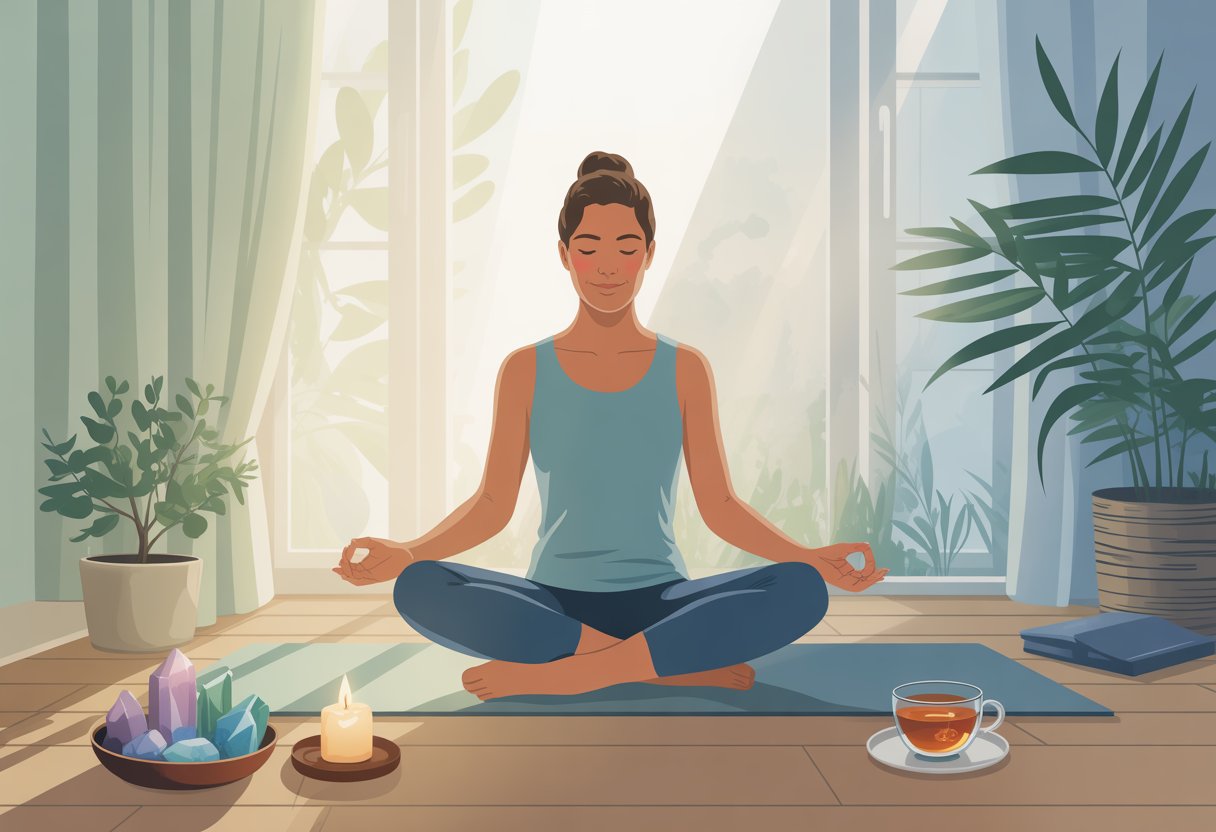
Mindfulness and meditation serve as foundational elements in any holistic wellness routine, offering proven methods to reduce stress, improve focus, and enhance emotional balance. These practices range from structured meditation sessions to simple breathing exercises that fit seamlessly into busy schedules.
Benefits of Mindfulness
Mindfulness delivers measurable improvements across mental, emotional, and physical health domains. Regular practice reduces cortisol levels, which directly lowers stress and anxiety throughout the day. People who maintain consistent mindfulness routines report better sleep quality, improved concentration at work, and stronger emotional regulation during challenging situations.
The practice strengthens the prefrontal cortex, the brain region responsible for decision-making and impulse control. This leads to better choices around food, exercise, and relationships. Mindfulness also increases body awareness, helping individuals recognize tension, hunger cues, and early signs of illness before they escalate.
Research shows that just eight weeks of regular practice can reduce symptoms of depression and chronic pain. The benefits extend to cardiovascular health as well, with studies linking mindfulness to lower blood pressure and reduced inflammation markers.
Mindfulness Meditation Techniques
Mindfulness meditation focuses attention on the present moment without judgment. Practitioners typically sit comfortably, close their eyes, and observe thoughts as they arise and pass. This form differs from concentration practices by accepting distractions rather than fighting them.
Guided meditation uses recorded instructions or apps to lead practitioners through visualizations or body awareness exercises. This approach works well for beginners who need structure and direction.
A body scan involves systematically focusing attention on different body parts, from toes to head. Practitioners notice sensations like warmth, tension, or tingling without trying to change them. This technique takes 10-30 minutes and promotes deep relaxation.
Mindful breathing serves as the simplest entry point to meditation. Individuals focus solely on their breath’s natural rhythm, counting each inhale and exhale or noting the sensation of air moving through nostrils. When the mind wanders, they gently return attention to breathing.
Deep breathing exercises activate the parasympathetic nervous system, triggering relaxation responses. The 4-7-8 breathing technique involves inhaling for 4 counts, holding for 7, and exhaling for 8. Box breathing uses equal counts of 4 for inhaling, holding, exhaling, and holding again. Both methods calm racing thoughts within minutes.
Various breathing exercises and breathwork techniques[8] build concentration skills that support more advanced meditation practices.
Integrating Mindfulness into Daily Life
Morning meditation sets a calm tone before daily demands begin. Even five minutes of sitting quietly with focused breathing can shift mental state for hours. Many practitioners keep a cushion or chair in a dedicated spot to build this habit.
Mindful walking transforms routine movement into practice. During walks, individuals notice each footstep’s sensation, observe surroundings without labeling them, and maintain awareness of breathing rhythm. This works especially well for people who struggle with seated meditation.
Small moments throughout the day offer opportunities to create mindfulness habits[9]. Washing dishes becomes practice when feeling water temperature and soap texture receives full attention. Eating mindfully means tasting each bite and noticing hunger and fullness signals.
Integrating fitness and mindfulness practices[10] creates a comprehensive wellness approach. Yoga combines physical movement with breath awareness. Tai chi uses slow, deliberate movements that require mental focus.
Setting phone reminders every few hours prompts brief breathing check-ins during work. Three conscious breaths before meetings, phone calls, or meals builds consistency without requiring major schedule changes. The goal involves making mindfulness a natural response rather than a separate activity.
Enhancing Spiritual Well-Being

Spiritual wellness forms a core part of holistic health and requires regular attention through meaningful practices, quiet reflection, and living according to personal values. These elements work together to create a sense of purpose and connection in daily life.
Exploring Spiritual Practices
Spiritual practices like yoga, journaling, and prayer[11] help people connect with something greater than themselves. These activities don’t need to be religious in nature. They simply need to feel meaningful to the individual.
Meditation serves as one of the most accessible spiritual practices. A person can start with just five minutes per day of focused breathing. Spending time in nature also counts as a spiritual practice for many people.
Other effective options include:
- Gratitude journaling to reflect on daily blessings
- Creative expression through art, music, or writing
- Community service to connect with others
- Reading spiritual texts that align with personal beliefs
The key is consistency rather than perfection. Regular practice builds spiritual wellness over time.
Fostering Inner Peace
Inner peace comes from managing stress and finding calm in everyday moments. This aspect of spiritual health requires creating space for stillness in a busy schedule.
Mindfulness techniques help people stay present instead of worrying about the future or past. Deep breathing exercises can lower stress levels in just a few minutes. Some people find inner peace through progressive muscle relaxation or guided imagery.
Setting boundaries protects peace of mind. A person needs to learn when to say no to demands that drain their energy. Limiting exposure to negative news and social media also helps maintain emotional balance.
Creating a peaceful environment at home supports this goal. Designating a quiet corner for reflection or adding calming elements like plants can make a difference.
Aligning Values and Purpose
Spiritual wellness involves creating meaning from life experiences[12] and living according to core values. A person must first identify what matters most to them.
Writing down personal values helps clarify priorities. Common values include honesty, compassion, creativity, family, and growth. Once identified, these values should guide daily decisions and actions.
Purpose comes from using strengths to contribute to something meaningful. This might involve career choices, volunteer work, or how someone shows up in relationships. When actions align with values, people experience greater satisfaction and spiritual well-being.
Regular self-reflection helps maintain this alignment. Monthly check-ins to assess whether life choices match stated values keep a person on track.
Strengthening Social Connections and Boundaries
Strong relationships require both genuine connection and clear personal limits. People who balance meaningful interactions with well-defined boundaries experience better mental health and more fulfilling relationships.
Building Meaningful Relationships
Quality matters more than quantity when it comes to social connections. People should focus on relationships that provide mutual support, trust, and positive energy rather than maintaining surface-level friendships out of obligation.
Regular communication strengthens bonds between friends and family. This includes checking in with loved ones, sharing experiences honestly, and being present during conversations. Small, consistent efforts like weekly phone calls or monthly meetups create stronger connections than occasional grand gestures.
Vulnerability plays a key role in deepening relationships. When someone shares their authentic thoughts and feelings, it invites others to do the same. This creates the foundation for genuine intimacy and trust.
Active listening demonstrates care and respect. Giving full attention during conversations, asking thoughtful questions, and remembering important details shows others they matter.
Setting and Respecting Boundaries
Boundaries are interpersonal limits[13] that protect individual wellbeing and define what behavior feels acceptable in relationships. These limits vary based on personal values, past experiences, and current life circumstances.
Setting boundaries requires three basic steps. First, communicate needs clearly and calmly without raising one’s voice. Second, state requests directly in terms of what someone wants rather than what they don’t want. Third, accept any discomfort that comes from asserting these limits.
Common healthy boundaries include:
- Declining invitations or requests without guilt
- Limiting time spent with draining individuals
- Protecting personal time for rest and hobbies
- Being unavailable during certain hours
- Keeping some thoughts and experiences private
People should address boundary violations directly with the person involved. When someone repeatedly ignores stated limits despite clear communication, the relationship may need to change or end.
Seeking Community and Support
Finding supportive communities gives people a sense of belonging and shared purpose. This might include joining clubs, attending religious services, volunteering, or participating in hobby groups.
Online communities offer connection opportunities for those with limited mobility or niche interests. However, in-person interactions generally provide deeper fulfillment and stronger bonds.
Professional support becomes necessary when personal struggles feel overwhelming. Therapists, counselors, and support groups provide guidance during difficult times. Seeking this help demonstrates self-awareness and commitment to growth rather than weakness.
People should seek support from multiple sources rather than relying on one person for all their emotional needs. Diversifying one’s support network prevents burnout in any single relationship and provides different perspectives on challenges.
Managing Digital Wellness and Information Overload
Constant digital connectivity creates mental fatigue and reduces focus through endless notifications, social media updates, and data streams. Setting intentional boundaries with technology and creating dedicated offline periods helps restore balance and mental clarity.
Implementing a Digital Detox
A digital detox involves temporarily disconnecting from digital devices to reduce stress and improve mental health. This practice can range from a few hours to several days, depending on individual needs and schedules.
People can start with small steps like designating one evening per week as device-free time. During these periods, they should turn off phones, close laptops, and avoid all screens. This creates space for activities like reading physical books, having face-to-face conversations, or spending time in nature.
Weekend digital detox retreats offer structured environments for intensive breaks from technology. These programs combine mindfulness practices with nature immersion[14] to help participants reconnect with themselves and others. A 30-day digital declutter challenge provides a self-paced option where individuals evaluate their digital habits and set intentional limits gradually.
Reducing Screen Time
Reducing screen time requires tracking current usage and setting realistic goals for improvement. Most smartphones include built-in screen time monitors that show daily and weekly patterns of device usage.
Effective strategies for reducing screen time:
- Set specific times for checking emails and social media instead of constant monitoring
- Use app timers to limit access to distracting platforms
- Enable “do not disturb” mode during work hours and before bedtime
- Remove non-essential apps from devices
- Turn off push notifications for social media and news apps
Information overload occurs when excessive data streams[14] from multiple sources create feelings of overwhelm. Filtering notifications and prioritizing essential communications helps manage this influx. People should schedule dedicated times for consuming news and information rather than allowing constant interruptions throughout the day.
Balancing Online and Offline Life
Creating tech-free zones in the home establishes clear boundaries between digital and physical spaces. Bedrooms and dining areas work well as device-free zones to promote better sleep and meaningful family interactions.
People should schedule offline activities that bring joy and fulfillment. This might include hobbies like painting, gardening, cooking, or playing musical instruments. Physical exercise, outdoor walks, and in-person social gatherings provide essential counterbalances to screen-based activities.
Setting daily routines that include both online and offline periods creates natural rhythm and prevents digital burnout. Morning routines might start with meditation or exercise before checking devices. Evening wind-down periods should exclude screens at least one hour before sleep to improve rest quality. These boundaries help people maintain productivity while protecting their mental health and personal relationships.
Frequently Asked Questions
A successful wellness routine addresses physical health through nutrition and exercise, mental clarity through mindfulness practices, and emotional balance through self-care and social connections. Understanding how to integrate these elements into daily life helps people build sustainable habits that support their overall well-being.
What are the essential elements of a holistic wellness routine?
The five key pillars of holistic wellness[1] include physical, emotional, mental, social, and spiritual well-being. Each pillar connects to and influences the others, creating a complete approach to health.
Physical wellness requires regular exercise, balanced nutrition, and adequate sleep. A person should aim for 7-9 hours of sleep each night and include a mix of strength training, cardiovascular workouts, and flexibility exercises in their routine.
Mental wellness involves activities that keep the mind sharp and engaged. Reading daily, solving puzzles, and learning new skills all contribute to cognitive health. Emotional wellness focuses on understanding and managing feelings through practices like journaling and building resilience.
Social connections provide support and enhance happiness. Spiritual wellness gives life meaning and purpose, whether through religious practices, meditation, or spending time in nature.
How can one incorporate mental health practices into a daily wellness routine?
Mindfulness practices help a person stay present and manage stress effectively. Setting aside 10-15 minutes each day for meditation or deep-breathing exercises can reduce anxiety and improve focus.
Journaling provides a way to process thoughts and identify emotional patterns. Writing down feelings and experiences helps clarify emotions and track mental health over time. A person can journal in the morning to set intentions or in the evening to reflect on the day.
Regular check-ins with supportive friends or family members strengthen emotional resilience. Scheduling these conversations, whether in person or virtually, creates accountability and provides outlets for sharing concerns. Limiting screen time before bed also protects mental health by improving sleep quality and reducing exposure to stressful content.
What are some effective strategies for maintaining a healthy lifestyle as a student?
Students can maintain wellness by creating a consistent schedule that includes time for classes, study sessions, exercise, and social activities. Planning meals ahead prevents relying on unhealthy convenience foods during busy weeks.
Quick workouts like 20-minute walks between classes or morning yoga sessions fit into tight schedules. Many campuses offer free fitness facilities and group exercise classes that students can use. Staying hydrated throughout the day by carrying a water bottle helps maintain energy and focus.
Sleep should remain a priority even during exam periods. Going to bed and waking up at the same times each day, even on weekends, regulates the body’s internal clock. Students can join campus clubs or study groups to build social connections while pursuing their academic goals.
Can you suggest a daily routine that supports both physical and emotional well-being?
A balanced daily routine starts with waking up at a consistent time and drinking water to rehydrate the body. Morning meditation or stretching for 10 minutes sets a calm tone for the day ahead.
Eating a nutritious breakfast with protein, whole grains, and fruit provides sustained energy. Physical activity should happen at whatever time works best, whether that’s a morning run, lunchtime walk, or evening workout class. Taking short breaks throughout the day to step outside or practice deep breathing prevents stress buildup.
Meal planning ensures access to whole foods like vegetables, lean proteins, and healthy fats. Social time with friends or family, even brief phone calls, maintains emotional connections. Evening routines should include putting away screens an hour before bed and creating a relaxing environment for quality sleep.
What steps are involved in creating a personal wellness plan that addresses all areas of health?
Creating a personalized holistic wellness routine[15] begins with self-evaluation. A person should reflect on their current habits in physical, emotional, mental, social, and spiritual wellness to identify strengths and areas needing attention.
Setting specific, achievable goals for each wellness pillar comes next. Instead of vague intentions like “exercise more,” a concrete goal might be “attend three 30-minute workout sessions per week.” Goals should be realistic based on current schedules and commitments.
Developing a weekly schedule that incorporates activities from each pillar helps organize wellness efforts. A person might designate Monday, Wednesday, and Friday for exercise, reserve Tuesday evenings for social activities, and set aside Sunday mornings for spiritual practices. Tracking progress through journals or habit-tracking apps provides visibility into what works and what needs adjustment.
Flexibility remains important since life changes and unexpected events occur. A person should review their wellness plan monthly and adjust goals as needed based on how they feel physically, mentally, and emotionally.
How does one balance nutrition, exercise, and rest for optimal holistic health?
Balancing these three elements[10] requires viewing them as interconnected rather than separate tasks. Proper nutrition fuels workouts and supports recovery, while adequate rest allows the body to rebuild and the mind to process information.
A person should focus on whole foods including fruits, vegetables, whole grains, lean proteins, and healthy fats while limiting processed sugars and unhealthy fats. Eating regular meals and snacks prevents energy crashes and supports consistent physical activity throughout the day.
Exercise routines work best when they include variety. Mixing cardiovascular activities, strength training, and flexibility work prevents boredom and works different body systems. Rest days are just as important as workout days since muscles need time to repair and grow stronger.
Sleep quality affects both nutrition choices and exercise performance. Poor sleep increases cravings for unhealthy foods and reduces motivation to exercise. Creating a bedtime routine that limits screen exposure and keeps the bedroom cool and dark improves sleep quality, which then supports better food choices and more effective workouts.
Post Views: 5
References
- How to Design a Holistic Wellness Routine. https://realitypathing.com/how-to-design-a-holistic-wellness-routine/ Accessed March 4, 2026
- Holistic Nutrition: A Whole-Person Approach to Lasting Health. https://aanmc.org/naturopathic-medicine/holistic-nutrition-overview/ Accessed March 4, 2026
- Meal Planning for Holistic Health: Tips for Nourishing Your Body and Soul. https://digitalnaturopath.com/2025/08/meal-planning-for-holistic-health-tips-for-nourishing-your-body-and-soul/ Accessed March 4, 2026
- How to Create a Holistic Sleep Routine for Better Rest. https://realitypathing.com/how-to-create-a-holistic-sleep-routine-for-better-rest/ Accessed March 4, 2026
- Restorative Sleep Routine for 2025. https://medcline.com/blogs/sleep-science/establishing-restorative-sleep-routine Accessed March 4, 2026
- How to Enhance Restorative Sleep Naturally. https://www.thesleepreset.com/blog/how-to-enhance-restorative-sleep-naturally Accessed March 4, 2026
- Start a Daily Routine to Support Your Health & Wellbeing. https://www.bu.edu/studentwellbeing/how-to-live-well/daily-wellbeing-routine/ Accessed March 4, 2026
- Art of Living. https://www.artofliving.org/us-en/blog/meditation/beginners-guide/meditation-routine Accessed March 4, 2026
- Calm and Steady: Simple Ways to Create the Habit of Mindfulness. https://www.mindful.org/calm-and-steady-simple-ways-to-create-the-habit-of-mindfulness/ Accessed March 4, 2026
- Holistic Wellness Routine. https://www.jazzercise.com/about/blog/articleId/creating-a-holistic-wellness-routine-fitness-and-mindfulness Accessed March 4, 2026
- Spiritual Practices for Holistic Living: Nurturing the Soul for Overall Health. https://digitalnaturopath.com/2025/01/spiritual-practices-for-holistic-living-nurturing-the-soul-for-overall-health/ Accessed March 4, 2026
- 6 Expert Tips From a Spiritual Life Coach to Enhance Your Spiritual Wellness Routine. https://www.brainzmagazine.com/post/6-expert-tips-from-a-spiritual-life-coach-to-enhance-your-spiritual-wellness-routine Accessed March 4, 2026
- How to Set Healthy Boundaries & Build Positive Relationships. https://positivepsychology.com/great-self-care-setting-healthy-boundaries/ Accessed March 4, 2026
- Mastering Wellness in a Digital World: The Ultimate Guide for a Balanced Life. https://www.companionlink.com/blog/2025/08/mastering-wellness-in-a-digital-world-the-ultimate-guide-for-a-balanced-life/ Accessed March 4, 2026
- 40 Frequently Asked Questions about Starting a Wellness Routine Answered. https://dailyanew.com/40-frequently-asked-questions-about-starting-a-wellness-routine-answered/ Accessed March 4, 2026
























