Medically Reviewed
Dr. Jose Rossello, MD, PhD, MHCM
Preventive Medicine & Public Health Specialist
Last Reviewed: March 2, 2026
Many people feel stressed, tired, and disconnected from themselves in today’s busy world. They search for ways to feel more peaceful and healthy without relying on complicated solutions or medications. Balancing mind, body, and spirit naturally[1] involves using simple daily practices like mindfulness, physical movement, healthy eating, and connecting with personal values to create harmony in all areas of life.
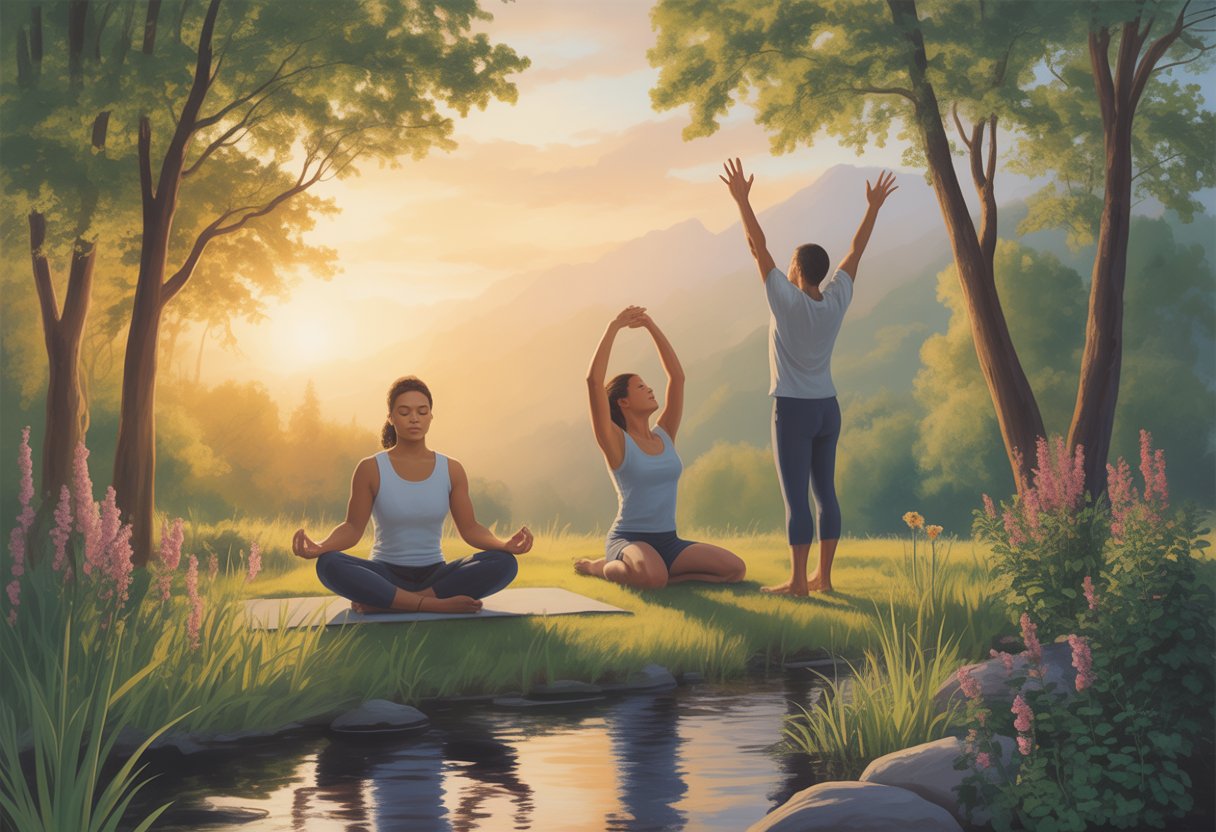
The mind controls thoughts and emotions. The body needs good food and exercise to stay strong. The spirit represents personal beliefs and sense of purpose. When these three parts work together, a person experiences better health, less stress, and more satisfaction with life.
Natural methods to achieve this balance are available to everyone. They require no special equipment or expensive programs. Small changes in daily routines can lead to meaningful improvements in how someone feels physically, mentally, and emotionally.
Table of Contents
Key Takeaways
- Mindfulness practices like meditation and journaling help calm the mind and reduce stress
- Regular exercise and balanced nutrition strengthen the body and boost mood naturally
- Connecting with nature and personal values nourishes the spirit and creates deeper fulfillment in life[2]
Understanding the Mind-Body-Spirit Connection
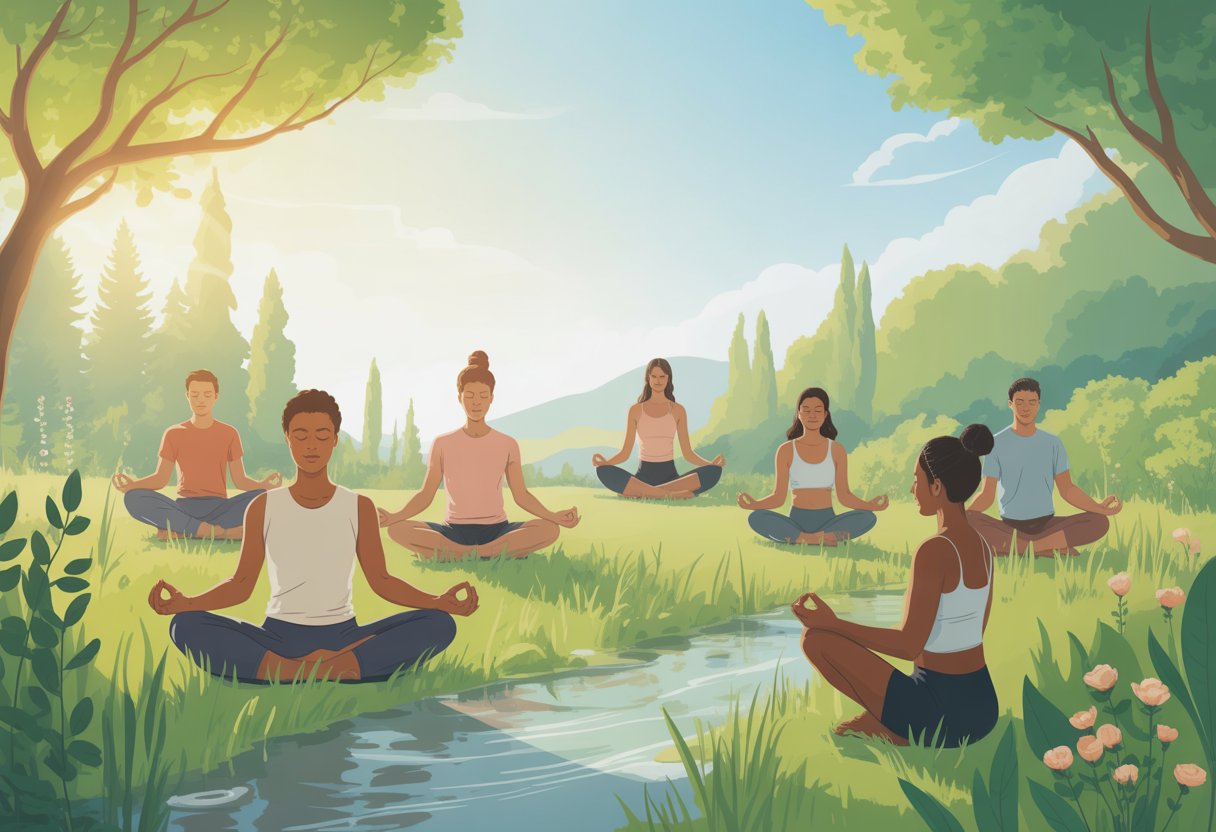
The mind-body-spirit connection represents a scientifically supported relationship where mental thoughts, physical health, and inner purpose work together as one interconnected system. When people understand how these three elements influence each other, they can take practical steps toward better holistic health.
Defining Mind, Body, and Spirit
The mind includes thoughts, emotions, and mental processes that shape how people make decisions and handle daily challenges. Mental health affects memory, focus, and the ability to manage stress.
Elevate Your Health for Just $29.99/Month
Join the Precision Wellness Subscription at My Healing 365 and get discounted services, priority coaching access, virtual care, and exclusive wellness resources to support your physical, emotional, and hormonal health.
Join for $29.99/MonthThe body refers to physical health, including fitness levels, nutrition choices, and how the physical form feels and functions. This element encompasses everything from heart rate and digestion to strength and flexibility.
The spirit represents a person’s inner self, including personal values, beliefs, and sense of purpose. It connects to what gives life meaning and helps people feel fulfilled beyond physical needs.
These three parts work as one integrated system rather than separate pieces. Health involves more than blood pressure and lab results[3]—it includes how someone feels, thinks, and connects with the world.
The Importance of Holistic Balance
A holistic approach to health treats the whole person instead of focusing only on symptoms or isolated problems. When one area falls out of balance, it creates ripple effects throughout the entire system.
For example, chronic stress in the mind can lead to physical problems like headaches, digestive issues, or weakened immunity. Similarly, poor physical health from lack of sleep or bad nutrition can trigger anxiety and depression.
The mind-body connection works in both directions[4], creating a feedback loop. Emotional regulation and self-awareness improve when people pay attention to all three elements together.
Holistic wellness requires intentional effort across all areas rather than neglecting some while focusing on others.
How Each Element Influences Well-being
Mental well-being directly affects physical responses through stress hormones, inflammation levels, and immune function. Negative thought patterns can manifest as physical tension, pain, or illness.
Physical health impacts mental clarity and emotional stability through brain chemistry, energy levels, and sleep quality. Regular movement and proper nutrition support better mood and cognitive function.
Spiritual health provides resilience during difficult times and motivates healthy choices aligned with personal values. A strong sense of purpose reduces feelings of emptiness and increases life satisfaction.
Key influences include:
- Mental stress raising blood pressure and weakening immunity
- Physical exercise releasing mood-boosting endorphins
- Spiritual practices reducing anxiety and improving emotional regulation
- Poor sleep affecting decision-making and emotional control
- Meaningful connections strengthening both mental and physical health
Each element continuously affects the others, creating either positive cycles of wellness or negative spirals of declining health.
Fundamentals of Natural Balance
Natural balance requires consistent effort across mental, emotional, physical, and spiritual dimensions. People who establish daily practices that address each aspect of their being create a foundation for holistic well-being that sustains them through life’s challenges.
The Role of Intentional Daily Practices
Intentional daily practices form the backbone of any effective wellness routine. These practices work best when scheduled at consistent times each day, creating reliable touchpoints for self-care.
Morning rituals set the tone for the entire day. A person might start with five minutes of deep breathing, followed by light stretching and a healthy breakfast. Evening practices help transition from activity to rest, such as journaling or gentle yoga.
Key Daily Practices:
- Meditation or quiet reflection (5-20 minutes)
- Physical movement matched to energy levels
- Mindful eating without distractions
- Gratitude acknowledgment
- Technology-free periods
The power of these practices lies in their consistency rather than their duration. Even ten minutes dedicated to holistic balance[1] creates measurable benefits over time.
Integrating Mind, Body, and Spirit
A balanced routine addresses all three components simultaneously rather than treating them as separate concerns. Physical exercise naturally calms mental chatter while deepening spiritual awareness. Mental clarity improves physical health choices and opens space for spiritual growth.
Yoga demonstrates this integration perfectly. The physical postures strengthen the body, focused breathing settles the mind, and the practice itself connects a person to something larger than daily concerns.
Other integrative activities include walking meditation, mindful eating, or creative pursuits like painting or music. These activities engage multiple aspects of being at once, making them efficient tools for maintaining wellbeing practices.
Benefits of a Balanced Life
People who maintain holistic balance experience tangible improvements across multiple life areas. Physical health markers like blood pressure, sleep quality, and energy levels typically improve within weeks of starting consistent practices.
Mental benefits include reduced anxiety, sharper focus, and better emotional regulation. Stress becomes more manageable because balanced individuals have developed tools to process difficult experiences.
Spiritual benefits manifest as increased clarity about personal values and life purpose. Relationships often improve because balanced people communicate more effectively and set healthier boundaries. Work performance frequently increases due to enhanced concentration and reduced burnout risk.
The cumulative effect creates resilience that helps people navigate unexpected challenges with greater ease and adaptability.
Nurturing Mental Wellness
Mental wellness forms the foundation for overall health and requires consistent attention to clarity, stress reduction, and emotional strength. These elements work together to create a stable mental state that supports daily functioning and long-term wellbeing.
Maintaining Mental Clarity
Mental clarity allows people to think clearly, make sound decisions, and stay focused throughout the day. When the mind feels foggy or scattered, even simple tasks become challenging.
Regular mental stimulation helps maintain cognitive sharpness. Learning new skills, solving puzzles, or engaging in strategic games challenges the brain and keeps it active. Reading diverse materials and exploring unfamiliar topics also strengthens neural pathways.
Quality sleep plays a vital role in mental clarity. The brain processes information and consolidates memories during sleep. Most adults need seven to nine hours each night for optimal cognitive function.
Simple practices to enhance mental clarity include:
- Limiting screen time before bed
- Taking short breaks during work or study
- Staying hydrated throughout the day
- Reducing multitasking to focus on one task at a time
- Spending time in nature to reset mental energy
Nutrition directly affects brain function. Foods rich in omega-3 fatty acids, antioxidants, and B vitamins support cognitive health. Avoiding excessive sugar and processed foods helps prevent energy crashes that cloud thinking.
Managing Stress Naturally
Natural stress management techniques[1] offer effective ways to calm the nervous system without medication. The body responds to stress by releasing cortisol and other hormones that prepare for fight or flight responses.
Deep breathing exercises activate the parasympathetic nervous system, which counteracts stress responses. Breathing slowly for five minutes can lower heart rate and reduce anxiety. People can practice this technique anywhere without special equipment.
Physical movement helps reduce stress by releasing endorphins. Walking, stretching, or gentle yoga provides immediate relief from tension. Even ten minutes of activity makes a noticeable difference in stress levels.
Time in nature reduces cortisol levels and promotes relaxation. Forest bathing, or simply sitting outdoors, calms the mind and body. Studies show that mindfulness and meditation practices[4] strengthen emotional regulation and resilience.
Creating boundaries around work and personal time prevents chronic stress. Setting specific times to check emails and taking regular breaks protects mental energy throughout the day.
Building Resilience
Resilience helps people bounce back from challenges and adapt to difficult circumstances. This quality develops through practice and intentional effort rather than being an innate trait.
Strong social connections provide emotional support during hard times. Maintaining relationships with family and friends creates a safety net for stress and uncertainty. Talking through problems with trusted people offers perspective and comfort.
Developing a growth mindset strengthens resilience. Viewing challenges as opportunities to learn rather than insurmountable obstacles changes how people respond to setbacks. This perspective shift reduces feelings of helplessness and builds confidence.
Key practices for building resilience:
- Accepting change as part of life
- Setting realistic goals and taking small steps toward them
- Recognizing personal strengths and past successes
- Practicing self-compassion during difficult times
- Maintaining routines that provide structure and stability
Regular self-reflection helps people understand their reactions and patterns. Journaling about experiences and emotions creates awareness that leads to better coping strategies. This practice also helps identify triggers and develop healthier responses to stress.
Mindfulness Practices for the Mind
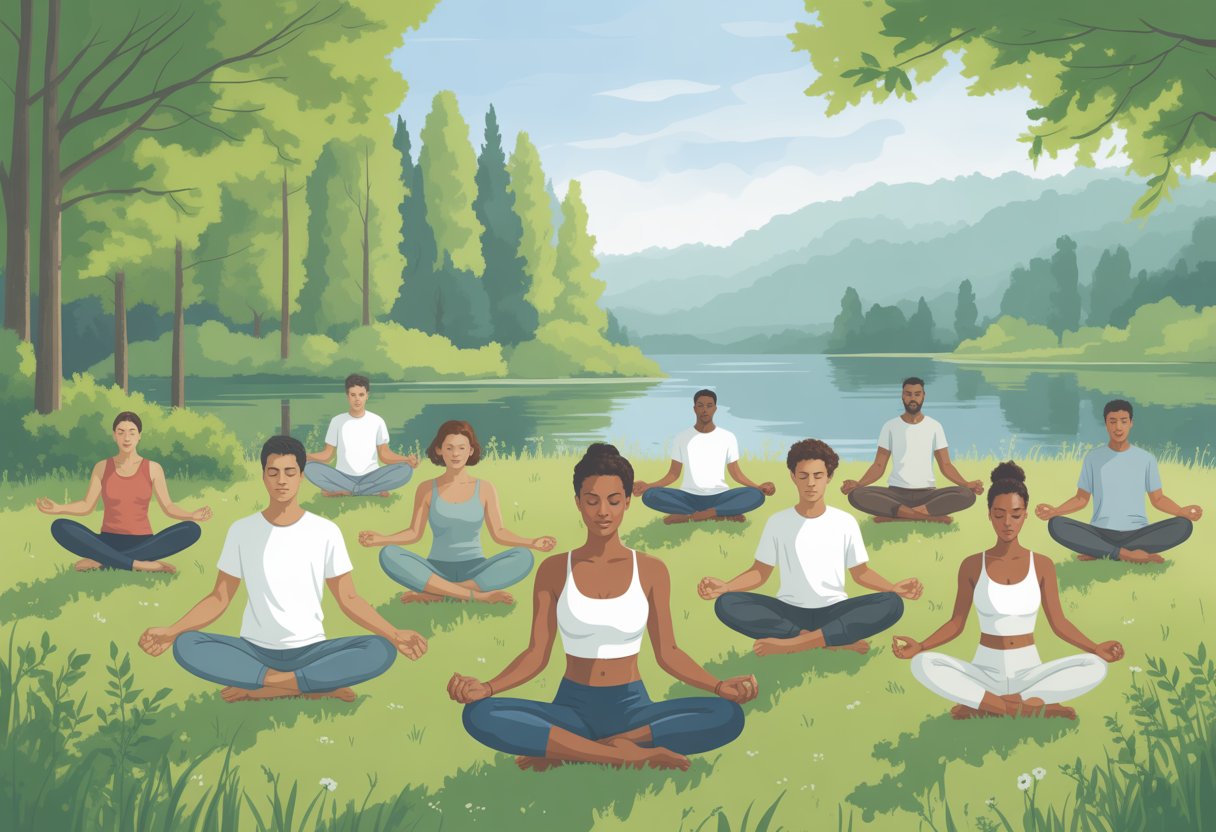
The mind requires regular attention and care to maintain balance and clarity. Specific practices like meditation, guided sessions, and journaling help develop self-awareness while reducing mental clutter and stress.
Meditation and Mindfulness Meditation
Meditation trains the mind to focus and remain present in the current moment. Mindfulness meditation[5] uses self-awareness, focused breathing, and the five senses to help the mind become calm and centered.
A person can start with just five minutes daily in a quiet space. They should sit comfortably and focus on their breath, noticing the sensation of air moving in and out. When thoughts arise, they acknowledge them without judgment and gently return attention to breathing.
Basic meditation steps include:
- Finding a comfortable seated position
- Closing the eyes or maintaining a soft gaze
- Taking slow, deep breaths through the nose
- Observing thoughts without attachment
- Gradually extending practice time as comfort increases
Regular practice strengthens emotional regulation and mental clarity. Even short daily sessions create noticeable improvements in stress levels and concentration.
Guided Meditation Techniques
Guided meditation provides structured support through verbal instructions from a teacher or recording. This approach works well for beginners who find silent meditation challenging. A guide leads the person through visualization exercises, body scans, or breathing patterns.
Common guided meditation formats include body awareness sessions where attention moves systematically through different body parts. Others focus on specific goals like reducing anxiety or improving sleep quality. Many apps and online resources offer free guided sessions ranging from five to thirty minutes.
The external guidance helps maintain focus and prevents the mind from wandering excessively. People often find guided meditation less intimidating than practicing alone.
Journaling for Self-Reflection
Journaling creates a tangible record of thoughts and emotions that promotes self-reflection. Writing by hand or typing allows a person to process experiences and identify patterns in their thinking. This practice enhances self-awareness by bringing subconscious thoughts into conscious view.
Effective journaling approaches:
- Gratitude lists: Writing three to five things to appreciate daily
- Stream of consciousness: Recording thoughts without editing for ten minutes
- Prompted entries: Responding to specific questions about feelings or experiences
- Mood tracking: Noting emotional states and potential triggers
Regular journaling helps people recognize recurring mental patterns and emotional responses. This awareness supports better decision-making and healthier reactions to stressful situations. The practice requires no special skills and adapts easily to individual preferences and schedules.
Optimizing Physical Health Naturally
Physical health forms the foundation for mind-body-spirit balance through three key areas: eating nutritious foods and staying hydrated, moving the body consistently, and getting adequate rest each night.
Balanced Nutrition and Hydration
A healthy diet built around whole foods provides the nutrients the body needs to function at its best. Fresh vegetables, fruits, lean proteins, whole grains, and healthy fats deliver vitamins, minerals, and energy without excess processed ingredients. People who focus on balanced nutrition often experience better energy levels and improved mood throughout the day.
Key nutritional priorities include:
- Eating a variety of colorful vegetables and fruits daily
- Choosing whole grains over refined options
- Including lean protein sources at each meal
- Limiting added sugars and highly processed foods
Hydration plays an equally important role in physical wellbeing. Water supports digestion, regulates body temperature, and helps transport nutrients to cells. Most adults need 8-10 cups of water daily, though individual needs vary based on activity level and climate. Drinking water consistently throughout the day prevents dehydration and supports physical vitality.
Regular Exercise and Movement
Regular physical activity strengthens the body while also improving mental health[6]. Adults should aim for at least 30 minutes of moderate exercise most days of the week. This can include walking, swimming, cycling, or any activity that raises the heart rate.
Physical activity doesn’t require gym memberships or special equipment. Simple movements like taking stairs, stretching during work breaks, or gardening all contribute to overall fitness. The key is consistency rather than intensity. People who exercise regularly often notice better sleep, increased energy, and reduced stress levels.
Quality Sleep and Rest
Sleep allows the body to repair tissues, consolidate memories, and restore energy for the next day. Adults typically need 7-9 hours of quality sleep each night for optimal rest and recovery. Poor sleep can lead to fatigue, difficulty concentrating, and weakened immune function.
Creating a consistent sleep schedule helps regulate the body’s internal clock. Going to bed and waking up at the same times each day trains the body to recognize when it’s time to rest. Other helpful practices include keeping the bedroom cool and dark, avoiding screens an hour before bed, and limiting caffeine in the afternoon.
Enhancing Well-being Through Movement
Physical movement serves as a foundation for connecting mind, body, and spirit through intentional practice. Different forms of exercise offer unique benefits for mental clarity, physical strength, and emotional balance.
Yoga and Tai Chi
Yoga and tai chi[7] combine physical postures with breathing techniques to create harmony between mental and physical states. Yoga builds flexibility and strength while calming the nervous system through controlled movements and breath awareness. Each pose requires focus and presence, which helps reduce mental chatter and stress.
Tai chi uses slow, flowing movements that improve balance and coordination. The gentle nature of tai chi makes it accessible for people of all fitness levels. Both practices encourage practitioners to move with intention rather than rushing through motions.
Regular practice of these disciplines helps reduce anxiety and improves sleep quality. They also strengthen core muscles and enhance body awareness. Many people find that 20 to 30 minutes of daily practice produces noticeable improvements in mood and energy levels.
Strength Training and Balance Exercises
Strength training builds muscle tone and supports metabolic health while releasing endorphins that improve emotional well-being. Resistance exercises using weights, bands, or body weight help maintain bone density and joint stability. These workouts also boost confidence as physical capabilities increase over time.
Balance exercises like standing on one foot or using stability balls engage core muscles and improve coordination. They become increasingly important for maintaining independence and preventing falls as people age. Simple activities like walking heel-to-toe or practicing tree pose challenge the body’s equilibrium systems.
Combining strength work with balance training creates a well-rounded fitness routine. Two to three sessions per week provide substantial benefits without overwhelming the body. The mental focus required during these exercises naturally quiets racing thoughts.
Mindful Movement Practices
Mindful movement practices[8] emphasize awareness of physical sensations during activity rather than focusing solely on performance goals. Walking meditation involves paying attention to each step, the feeling of feet touching ground, and the rhythm of breathing. This transforms a simple walk into a practice that reduces stress and enhances present-moment awareness.
Stretching routines performed with full attention help release physical tension stored in muscles. Rather than forcing the body into positions, practitioners notice sensations and respect natural limitations. This gentle approach prevents injury while promoting flexibility.
Moving outdoors adds additional benefits by connecting people with natural environments. Activities like hiking or cycling in nature provide both physical exercise and mental restoration. The key lies in maintaining awareness of body sensations, breathing patterns, and surroundings rather than letting the mind wander to worries or plans.
Fostering Spiritual Wellness
Spiritual wellness develops through dedicated practices, finding deeper purpose, and cultivating awareness of one’s inner self. These elements work together to create a sense of connection and fulfillment in daily life.
Spiritual Practices and Growth
Regular spiritual practices form the foundation for meaningful spiritual development. Meditation stands as one of the most effective methods, allowing individuals to quiet their minds and connect with their inner selves. Starting with just five to ten minutes daily can lead to noticeable improvements in mental clarity and emotional balance.
Yoga combines physical movement with spiritual roots[9] that help balance the body and mind together. The practice includes breathing exercises, physical postures, and meditation that work as a complete system for spiritual growth.
Prayer or reflection time offers another path for those seeking spiritual connection. This practice doesn’t require any specific religious belief. It simply involves setting aside quiet moments to reflect on values, express gratitude, or contemplate life’s bigger questions.
Daily spiritual practices to consider:
- Morning meditation or mindfulness exercises
- Gratitude journaling before bed
- Nature walks with intentional awareness
- Breathwork or pranayama techniques
- Reading spiritual or philosophical texts
Purpose and Meaning
Understanding personal purpose provides direction and motivation in life. People who identify their core values and align their actions with these beliefs experience greater satisfaction and reduced stress.
Purpose emerges through self-reflection and experimentation. Individuals might explore questions like what activities make them feel most alive, what problems they want to solve, or what legacy they hope to leave. These answers reveal patterns that point toward meaningful pursuits.
Service to others often illuminates purpose and meaning. Volunteering, mentoring, or supporting community causes connects people to something larger than themselves. This connection strengthens spiritual wellness while contributing to personal growth.
Ways to discover purpose:
- Identify three core personal values
- Notice activities that create a sense of flow
- Ask trusted friends what unique strengths they observe
- Experiment with different volunteer opportunities
Inner Peace and Spiritual Awareness
Spiritual awareness involves recognizing thoughts, emotions, and reactions without judgment. This skill develops through consistent practice and creates space between experiences and responses. People with strong spiritual awareness navigate challenges with greater calm and perspective.
Simple actions like regular nature walks[10] help develop this awareness. Natural settings provide opportunities to observe the present moment and feel connected to something beyond daily concerns.
Inner peace grows when individuals accept what they cannot control while taking action on what they can. This balance requires honest self-assessment and willingness to let go of perfectionism. Breathing exercises support this process by calming the nervous system and creating mental space.
Mindful observation throughout the day strengthens spiritual awareness. Noticing sensations, sounds, and surroundings without labeling them as good or bad builds the mental muscle of presence.
Emotionally Balanced Living
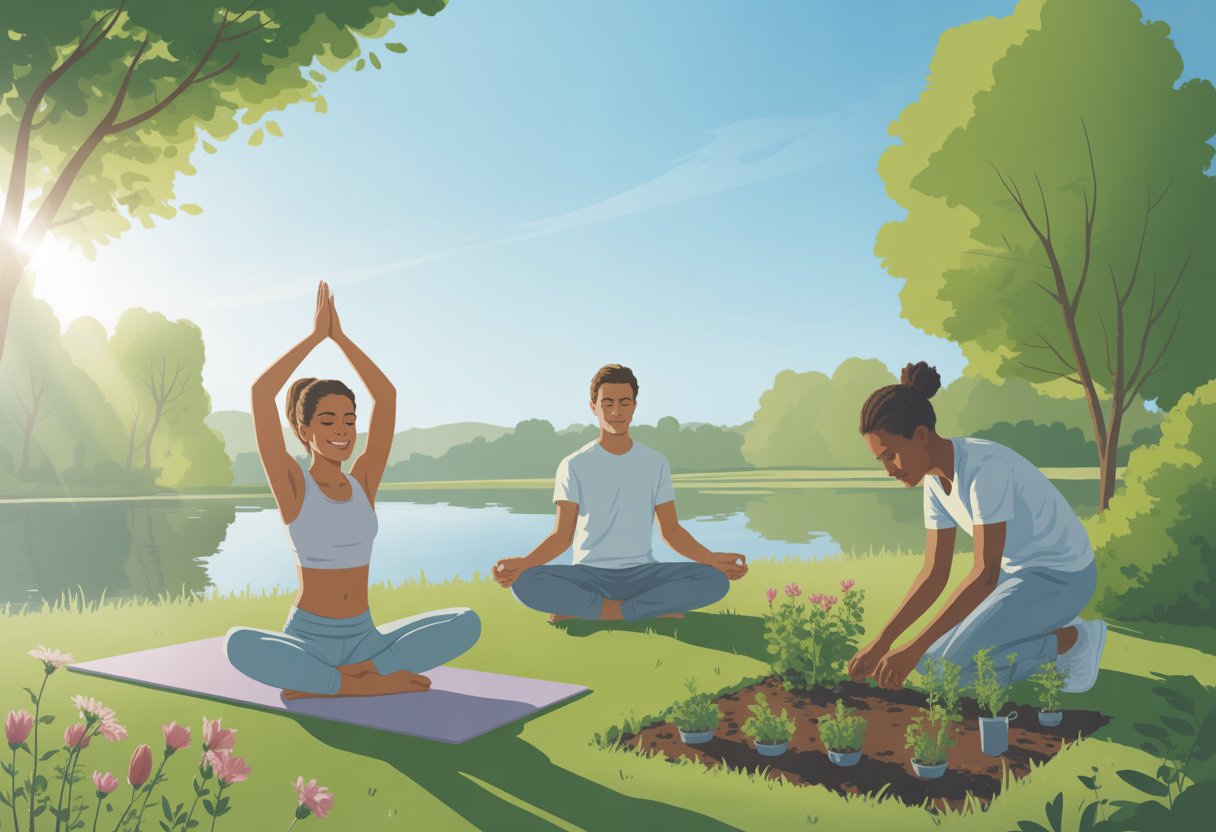
Emotional well-being forms the foundation for a balanced life, requiring both awareness of internal feelings and the ability to manage them effectively. Developing emotional intelligence, building resilience, and establishing healthy boundaries creates stability that supports overall wellness.
Emotional Awareness and Intelligence
Emotional intelligence involves recognizing, understanding, and managing one’s own emotions while also perceiving emotions in others. This skill allows people to respond thoughtfully rather than react impulsively to situations.
Developing emotional awareness starts with regular check-ins throughout the day. A person can pause to identify what they’re feeling and where they sense it in their body. This practice strengthens the connection between physical sensations and emotional states.
Key components of emotional intelligence include:
- Self-awareness: Recognizing emotions as they happen
- Self-regulation: Managing emotional responses appropriately
- Motivation: Using emotions to achieve goals
- Empathy: Understanding others’ feelings
- Social skills: Managing relationships effectively
Journaling helps track emotional patterns over time. Writing down feelings without judgment reveals triggers and recurring themes that might otherwise go unnoticed. This process transforms vague discomfort into specific insights that guide positive change.
Building Emotional Resilience
Emotional resilience[1] refers to the ability to adapt to stressful situations and bounce back from difficulties. People with strong resilience maintain emotional regulation even during challenging times.
Building resilience requires practicing stress management techniques daily. Deep breathing exercises, physical movement, and adequate sleep strengthen the nervous system’s ability to handle pressure. These habits create a buffer against overwhelming emotions.
Reframing negative thoughts plays a vital role in emotional health. Instead of viewing setbacks as failures, resilient individuals see them as learning opportunities. This shift in perspective reduces emotional distress and promotes growth.
Social connections provide essential support during tough times. Talking with trusted friends or family members helps process difficult emotions and gain new perspectives. Strong relationships serve as protective factors against emotional burnout.
Healthy Boundaries and Self-Compassion
Setting boundaries protects emotional energy and prevents resentment from building up. Healthy boundaries define what behaviors a person will accept from others and what they won’t tolerate.
Learning to say no without guilt represents a fundamental boundary skill. When someone overextends themselves to please others, they deplete their emotional reserves. Clear communication about limits preserves both the relationship and one’s well-being.
Effective boundary practices include:
- Stating needs directly and calmly
- Declining requests that conflict with priorities
- Limiting exposure to toxic relationships
- Protecting personal time for rest and renewal
Self-compassion means treating oneself with the same kindness shown to a good friend. When mistakes happen, harsh self-criticism damages emotional health. Speaking to oneself with understanding and patience supports emotional balance and encourages growth.
Supportive Lifestyle Strategies
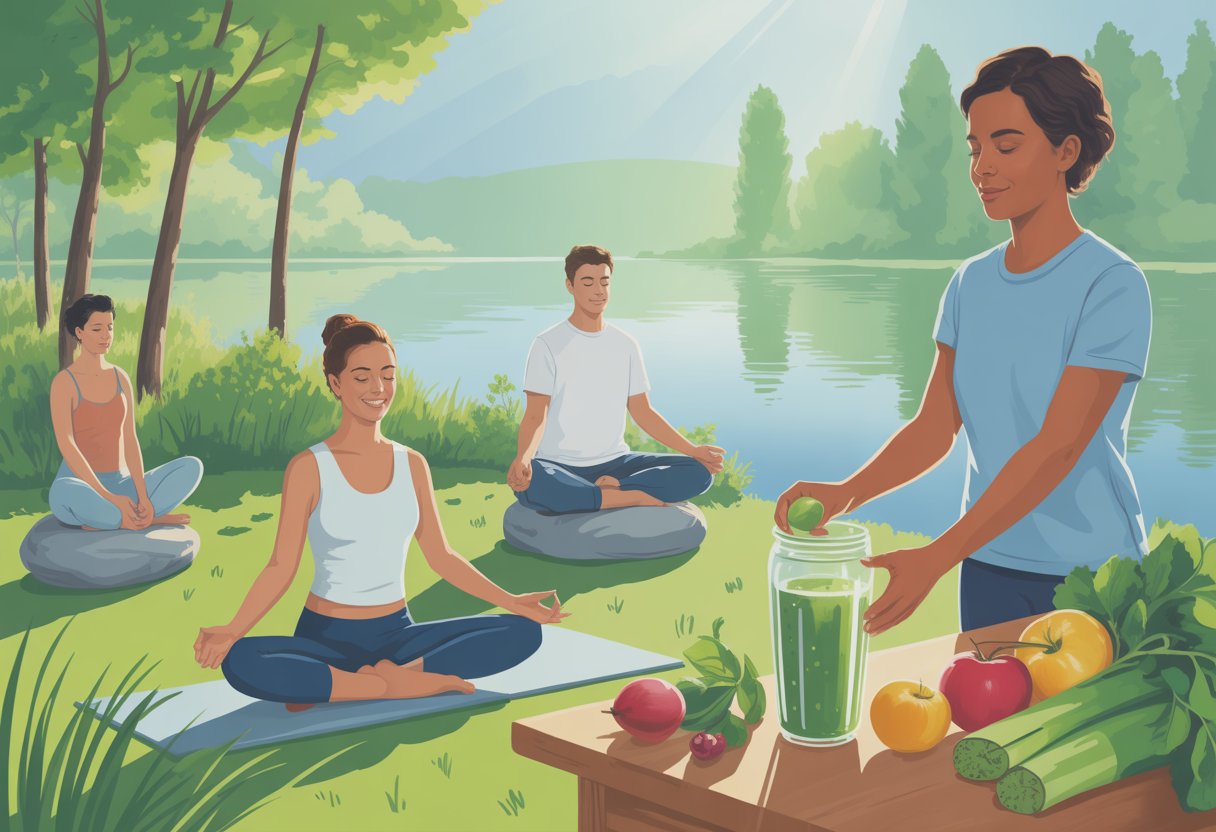
Simple daily habits can strengthen the connection between mind, body, and spirit. Practicing gratitude, spending time outdoors, and using relaxation methods create a foundation for lasting wellness.
Gratitude Practices and Journaling
A gratitude practice shifts focus toward positive aspects of life, which reduces stress and improves mental well-being. People who regularly acknowledge what they appreciate often experience better sleep, lower anxiety, and stronger relationships.
Starting a gratitude journal requires only a few minutes each day. A person can write down three to five things they feel thankful for, ranging from major events to small moments like a warm cup of tea or a kind gesture. The key is consistency rather than length.
Gratitude journaling works best when done at the same time daily, either in the morning to set a positive tone or at night to reflect on the day. Some people prefer listing items, while others write detailed descriptions of experiences. Both approaches provide benefits.
Beyond writing, gratitude practice can include verbal expressions to loved ones or mental acknowledgment throughout the day. These small acts train the brain to notice positive elements more readily, creating a natural shift in perspective over time.
Connecting with Nature
Time spent outdoors directly impacts physical and mental health. Natural environments lower stress hormones, reduce blood pressure, and improve mood through exposure to fresh air and natural light.
A person can connect with nature[1] through various activities:
- Walking in parks or wooded areas
- Sitting near water sources like lakes or streams
- Gardening or tending to plants
- Observing wildlife and natural surroundings
Even brief outdoor sessions of 15 to 20 minutes provide measurable benefits. Urban dwellers can visit local parks or create small green spaces at home with potted plants. The goal is regular contact with natural elements rather than lengthy excursions.
Integrating Relaxation Techniques
Deliberate relaxation counters the body’s stress response and restores balance. Multiple approaches exist, allowing individuals to choose methods that fit their preferences and schedules.
Deep breathing exercises calm the nervous system quickly. A simple technique involves inhaling for four counts, holding for four counts, and exhaling for six counts. Repeating this cycle five to ten times reduces tension and mental clutter.
Progressive muscle relaxation involves tensing and releasing different muscle groups systematically. Starting with the feet and moving upward, a person tightens muscles for five seconds, then releases them completely. This practice increases body awareness and releases physical stress.
Aromatherapy uses essential oils like lavender or chamomile to promote calmness. These can be diffused in living spaces or added to baths. Sound therapy, including nature recordings or calming music, also supports relaxation when incorporated into daily routines.
Complementary Approaches to Holistic Balance
Additional healing methods can support the connection between mental, physical, and spiritual wellness. Essential oils provide natural stress relief, professional therapy addresses deeper emotional challenges, and continuous education keeps the mind engaged and growing.
Aromatherapy and Essential Oils
Aromatherapy uses essential oils[11] to promote relaxation and emotional balance through scent. Lavender oil helps reduce anxiety and improve sleep quality when used in a diffuser or added to bathwater. Peppermint oil can increase mental alertness and ease headaches when applied to the temples in diluted form.
Tea tree oil supports physical wellness through its antimicrobial properties. Eucalyptus oil clears respiratory passages and promotes easier breathing during meditation or yoga practice. Chamomile oil calms the nervous system and reduces muscle tension.
People can apply essential oils topically when mixed with carrier oils like coconut or jojoba. They should avoid direct skin contact with undiluted oils to prevent irritation. A few drops in a warm bath or on a pillowcase creates a soothing environment for rest and recovery.
Therapy and Mental Support
Professional therapy provides structured support for addressing mental and emotional challenges[12] that affect overall balance. Cognitive behavioral therapy helps individuals identify negative thought patterns and replace them with healthier responses. This approach teaches practical skills for managing stress, anxiety, and depression.
Talk therapy creates a safe space to explore feelings and experiences without judgment. Therapists guide clients through difficult emotions and help develop coping strategies for daily life. Group therapy connects people with others facing similar challenges, reducing feelings of isolation.
Mental health professionals can recommend when therapy is necessary versus when self-care techniques are sufficient. Regular sessions provide accountability and track progress over time. Many therapists now offer virtual appointments, making support more accessible to those with busy schedules or limited mobility.
Lifelong Learning for Whole-Person Growth
Continuous learning keeps the mind active and supports spiritual development through expanded awareness. Taking classes in new subjects stimulates neural pathways and builds cognitive resilience. Learning languages, musical instruments, or creative skills challenges the brain in beneficial ways.
Reading books on philosophy, science, or personal development broadens perspectives and deepens understanding of self and others. Online courses allow flexible learning schedules that fit into daily routines without overwhelming commitments.
Working with specialists like a nutritionist provides education about food’s role in physical and mental health. These professionals teach how different nutrients affect energy levels, mood, and body function. Knowledge gained from experts empowers individuals to make informed choices about their wellness practices.
Frequently Asked Questions
Many people have common questions about bringing their mind, body, and spirit into balance. These questions often focus on specific practices like meditation and exercise, the importance of what we eat, and ways to fix imbalances when they happen.
What are effective strategies for maintaining harmony between physical health and mental well-being?
Regular physical activity serves as one of the most effective strategies for connecting physical and mental health. Exercise releases chemicals in the brain that improve mood and reduce stress. People who move their bodies regularly often report better sleep and less anxiety.
Setting healthy boundaries helps protect both physical and mental energy. Learning to say no to extra commitments prevents burnout. Taking breaks from social media and digital devices gives the mind time to rest.
Consistent sleep schedules support both body and brain function. Adults need seven to nine hours of sleep each night. Going to bed and waking up at the same time helps regulate the body’s natural rhythms.
Can regular meditation impact the equilibrium between mind, body, and spirit?
Meditation directly affects the balance between mind, body, and spirit[1] by creating mental clarity and emotional stability. Even five minutes of daily practice can make a difference. The practice trains the brain to focus and reduces racing thoughts.
Different types of meditation offer various benefits. Guided meditation provides structure for beginners. Mindfulness meditation helps people stay present in the current moment.
Physical changes occur in the brain with regular meditation practice. Blood pressure often decreases, and heart rate becomes more stable. The body’s stress response system becomes less reactive over time.
What role does nutrition play in achieving a balanced lifestyle?
Food provides the fuel that powers both physical and mental functions. Whole foods like fruits, vegetables, and lean proteins give the body nutrients it needs. Processed foods high in sugar can cause energy crashes and mood swings.
Hydration affects every system in the body. Water helps with digestion, circulation, and brain function. Most adults need about eight glasses of water per day.
Mindful eating changes the relationship with food. Eating slowly and paying attention to each bite improves digestion. This practice also helps people recognize when they feel full.
How does physical exercise contribute to the overall balance of the mind, body, and spirit?
Physical movement releases endorphins that boost mood naturally. These chemicals act as natural pain relievers and stress reducers. Regular exercise also improves self-confidence and body awareness.
Finding enjoyable activities makes exercise sustainable long-term. Dancing, hiking, swimming, or team sports all count as beneficial movement. The best exercise is one that a person will actually do consistently.
Movement doesn’t require intense workouts to be effective. Walking for 30 minutes several times per week provides significant benefits. Taking stairs instead of elevators adds activity into daily routines.
In what ways can mindfulness practices enhance the connection between body, mind, and spirit?
Mindfulness creates awareness of thoughts, feelings, and physical sensations. This awareness helps people notice stress before it becomes overwhelming. Paying attention to the present moment reduces worry about the future or past.
Simple mindfulness techniques fit easily into daily life. Focusing on breathing for a few minutes brings attention back to the body. Noticing sounds, smells, and textures during routine activities builds mindfulness skills.
Journaling combines mindfulness with self-reflection. Writing down thoughts helps identify patterns in emotions and behaviors. Expressing gratitude through writing shifts focus toward positive aspects of life.
What techniques can help to restore balance when feeling misaligned emotionally, physically, or spiritually?
Deep breathing exercises quickly calm the nervous system during stressful moments. Breathing in for four counts, holding for four counts, and exhaling for six counts activates relaxation responses. This technique can be done anywhere at any time.
Spending time in nature helps reset emotional and spiritual balance. Walking in parks or gardens provides fresh air and natural beauty. Gardening connects people with the earth and provides a sense of purpose.
Professional support offers guidance when self-help methods aren’t enough. Therapists provide strategies for managing mental health challenges. Nutritionists help create eating plans that support physical wellness and energy levels.
Post Views: 6
References
- How to Balance Mind, Body, and Spirit Naturally. https://realitypathing.com/how-to-balance-mind-body-and-spirit-naturally/ Accessed March 4, 2026
- The Interconnectedness of Mind, Body, and Spirit: A Holistic Approach to Wellness. https://digitalnaturopath.com/2025/01/the-interconnectedness-of-mind-body-and-spirit-a-holistic-approach-to-wellness/ Accessed March 4, 2026
- Attention Required!. https://integrishealth.org/resources/on-your-health/2025/september/foundations-of-holistic-health Accessed March 4, 2026
- The Mind–Body Connection: Understanding Their Link. https://positivepsychology.com/body-mind-integration-attention-training/ Accessed March 4, 2026
- Mindfulness meditation. https://www.verywellhealth.com/mindfulness-exercises-5204406 Accessed March 4, 2026
- 10 Tips to Enhance the Synergy Between Your Body, Mind, and Spirit – Optimum Health Institute. https://www.optimumhealth.org/blog/enhance-the-synergy-between-your-body-mind-spirit Accessed March 4, 2026
- How to Balance Mind, Body, and Spirit. https://alifta.com/how-to-balance-mind-body-and-spirit/ Accessed March 4, 2026
- Mindful Movement: How to Enhance Your Mind-Body Connection. https://well.org/mindset/mindful-movement-enhance-mind-body-connection/ Accessed March 4, 2026
- 12 Simple Ways to Nurture Your Spiritual Wellness. https://completewellbeing.com/in-focus/ways-nurture-spiritual-wellness/ Accessed March 4, 2026
- Balancing Body, Mind, and Spirit: The Foundation of Holistic Living. https://digitalnaturopath.com/2025/03/balancing-body-mind-and-spirit-the-foundation-of-holistic-living/ Accessed March 4, 2026
- Aromatherapy uses essential oils. https://www.betterhelp.com/advice/therapy/what-is-alternative-holistic-therapy-therapies-that-address-mind-body-health/ Accessed March 4, 2026
- Just a moment…. https://www.therapyden.com/blog/holistic-therapy-guide Accessed March 4, 2026

























