Medically Reviewed
Dr. Jose Rossello, MD, PhD, MHCM
Preventive Medicine & Public Health Specialist
Last Reviewed: February 2, 2026
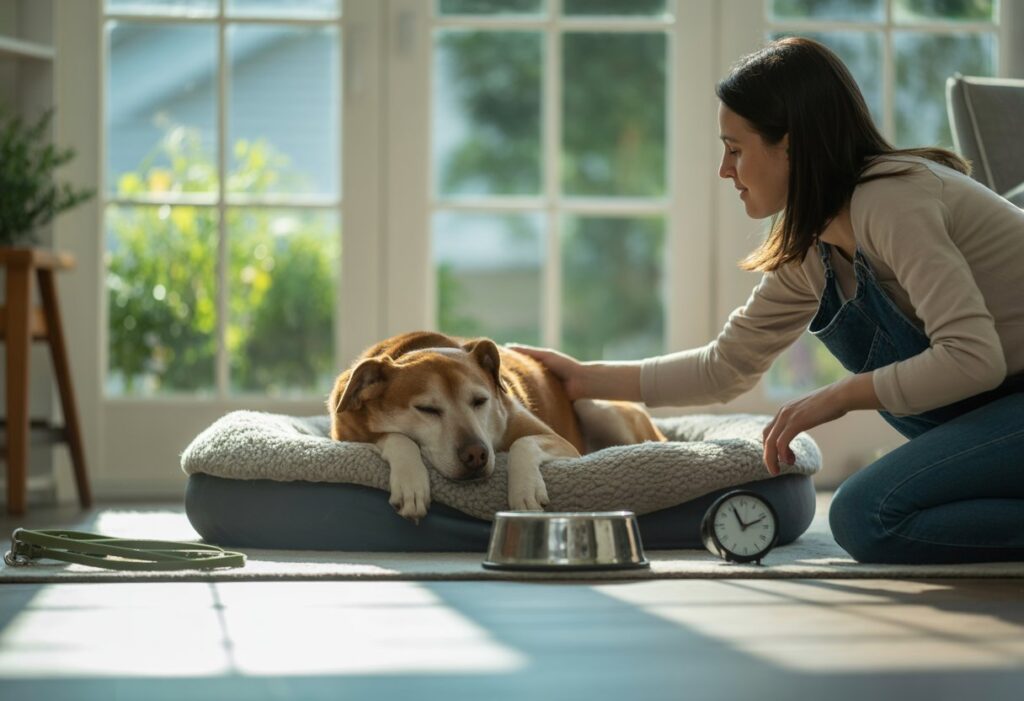
Dogs have internal biological clocks that control when they feel sleepy and when they wake up, just like humans do. These natural rhythms affect everything from their energy levels to their appetite throughout the day. Consistent daily routines with regular feeding times, walks, and bedtime schedules help dogs maintain healthy sleep-wake cycles and can reduce sleep problems. Understanding how these patterns work gives pet owners practical tools to improve their dog’s rest and overall health.
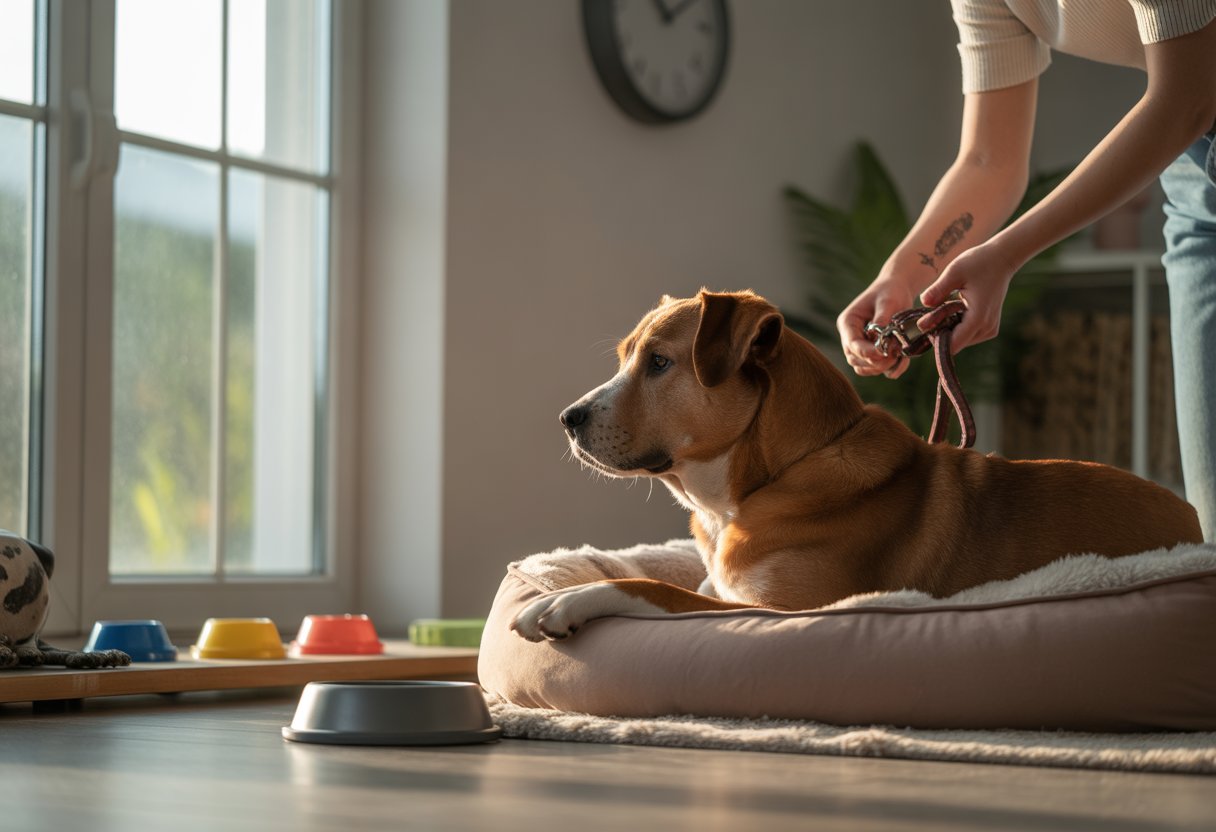
Many dog owners struggle with pets who pace at night, wake up too early, or seem restless when they should be sleeping. Dogs possess circadian rhythms[1] that respond to light exposure and daily patterns. When these rhythms get disrupted, dogs may show signs of anxiety, mood changes, or irregular sleep. The good news is that simple adjustments to daily care routines can restore balance.
The connection between dog ownership and better sleep extends both ways. While dogs benefit from structured schedules their owners create, people often find that caring for a dog establishes helpful routines in their own lives. This relationship between canine companionship and sleep health offers benefits for the whole household when managed correctly.
Table of Contents
Key Takeaways
- Dogs have biological clocks that respond to daily routines, light exposure, and consistent schedules
- Regular feeding times, exercise, and sleep environments help dogs maintain healthy sleep-wake patterns
- Both dogs and their owners can experience better sleep when daily care routines stay predictable and consistent
Core Principles of Canine Circadian Rhythms
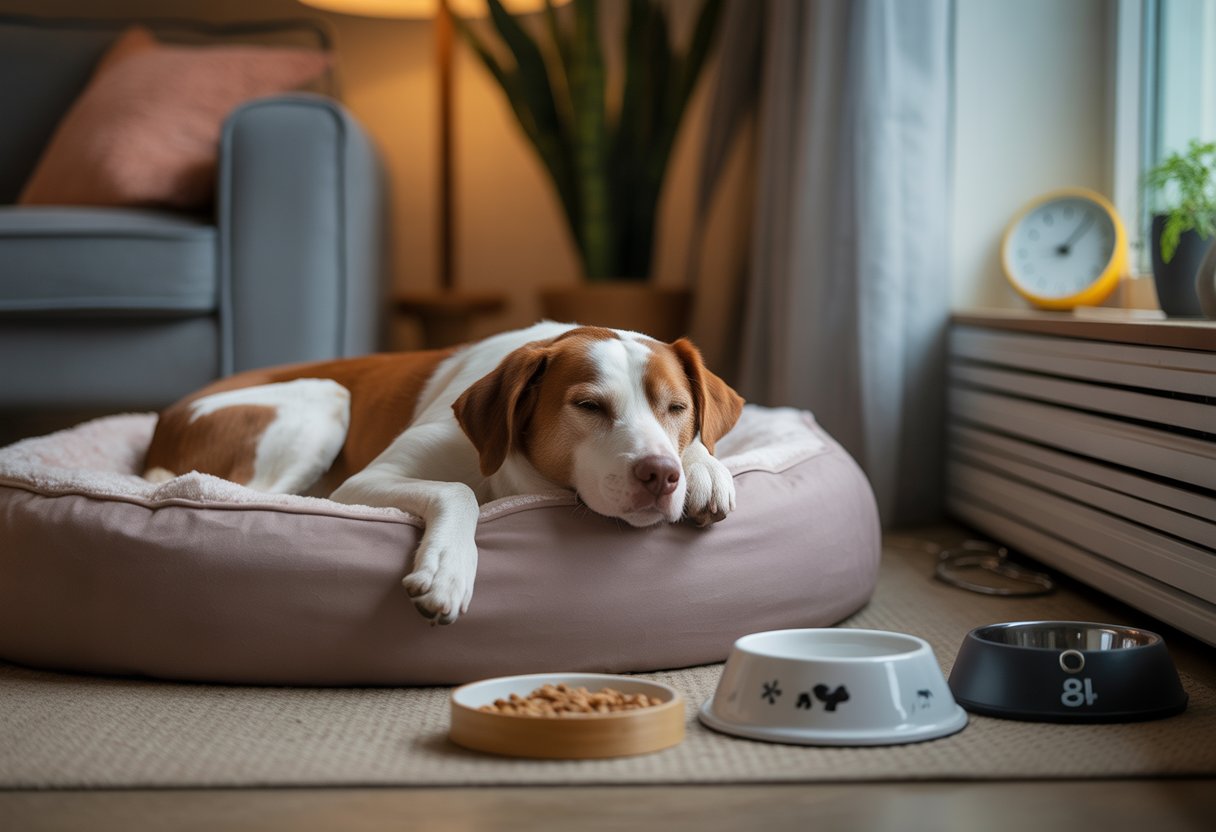
Dogs possess internal biological clocks that regulate sleep, activity, and physiological processes across roughly 24-hour periods. These rhythms involve specific brain structures, genetic mechanisms, and behavioral patterns that differ from human sleep-wake cycles.
Defining the Circadian Rhythm in Dogs
The circadian rhythm in dogs[1] operates as an internal timing system that repeats approximately every 24 hours. This biological process controls when dogs feel sleepy, alert, hungry, and active throughout the day and night.
Key functions regulated by canine circadian rhythms include:
- Sleep-wake transitions
- Body temperature fluctuations
- Hormone release patterns
- Digestive activity
- Metabolic processes
Light exposure serves as the primary signal that keeps a dog’s internal clock synchronized with the external environment. When dogs receive natural light during daytime hours, their bodies suppress melatonin production to maintain alertness. Darkness triggers melatonin release, signaling the body to prepare for rest.
Consistency in daily routines reinforces these natural cycles. Regular feeding times, exercise schedules, and social interactions help stabilize a dog’s biological clock.
Biological Clocks: Suprachiasmatic Nucleus and Clock Genes
The suprachiasmatic nucleus (SCN)[1] functions as the master clock in canine circadian regulation. This small region in the hypothalamus receives direct input from photoreceptors in the eyes.
When light enters a dog’s eyes, specialized cells send signals to the SCN. The SCN then coordinates responses throughout the body by communicating with other brain regions and glands. This structure directs the pineal gland to adjust melatonin production based on light levels.
Clock genes within cells generate molecular rhythms that support the SCN’s timing functions. These genes produce proteins that rise and fall in predictable patterns over 24 hours. The interaction between clock genes creates feedback loops that maintain consistent daily rhythms even without external time cues.
This genetic machinery exists in nearly every cell of a dog’s body, creating a network of peripheral clocks that respond to the SCN’s signals.
Polyphasic Sleep Patterns and Daily Cycles
Dogs exhibit polyphasic sleep, meaning they sleep multiple times throughout a 24-hour period rather than in one consolidated block. Unlike humans who typically sleep once per night, canine companions alternate between sleep and wakefulness throughout both day and night.
A typical adult dog sleeps 12-14 hours per day divided into several sessions. The longest sleep period usually occurs at night, aligning with their human household’s schedule. Shorter naps occur during daytime hours, particularly during midday and late afternoon.
Dogs cycle through sleep stages more rapidly than humans. A complete sleep cycle lasts 20-30 minutes compared to 90 minutes in people. This shorter cycle allows dogs to wake quickly and respond to their environment.
Age affects sleep distribution:
- Puppies sleep 18-20 hours daily with fragmented patterns
- Adult dogs maintain 12-14 hours with established routines
- Senior dogs may return to 16-18 hours with increased nighttime waking
Difference Between Crepuscular and Diurnal Behaviors
Wild canids display crepuscular activity patterns, meaning peak activity occurs during dawn and dusk hours. Domestic dogs have adapted toward more diurnal (daytime) behaviors to match human schedules, though traces of crepuscular tendencies remain.
Dogs possess circadian rhythms[2] that can shift based on environmental cues and household routines. Many dogs show increased energy levels during morning and evening hours, reflecting their ancestral patterns. This explains why dogs often become more playful and alert around sunrise and sunset.
Domestication has made dogs more flexible than their wild relatives. They adjust their activity windows to align with their owners’ schedules. A dog living with someone who works night shifts can gradually shift toward nocturnal activity patterns.
The ability to modify these natural preferences demonstrates the adaptability of canine circadian systems. However, forcing dogs too far from their biological preferences can create stress and disrupt their internal rhythms.
How Daily Routines Shape Dogs’ Sleep Schedules
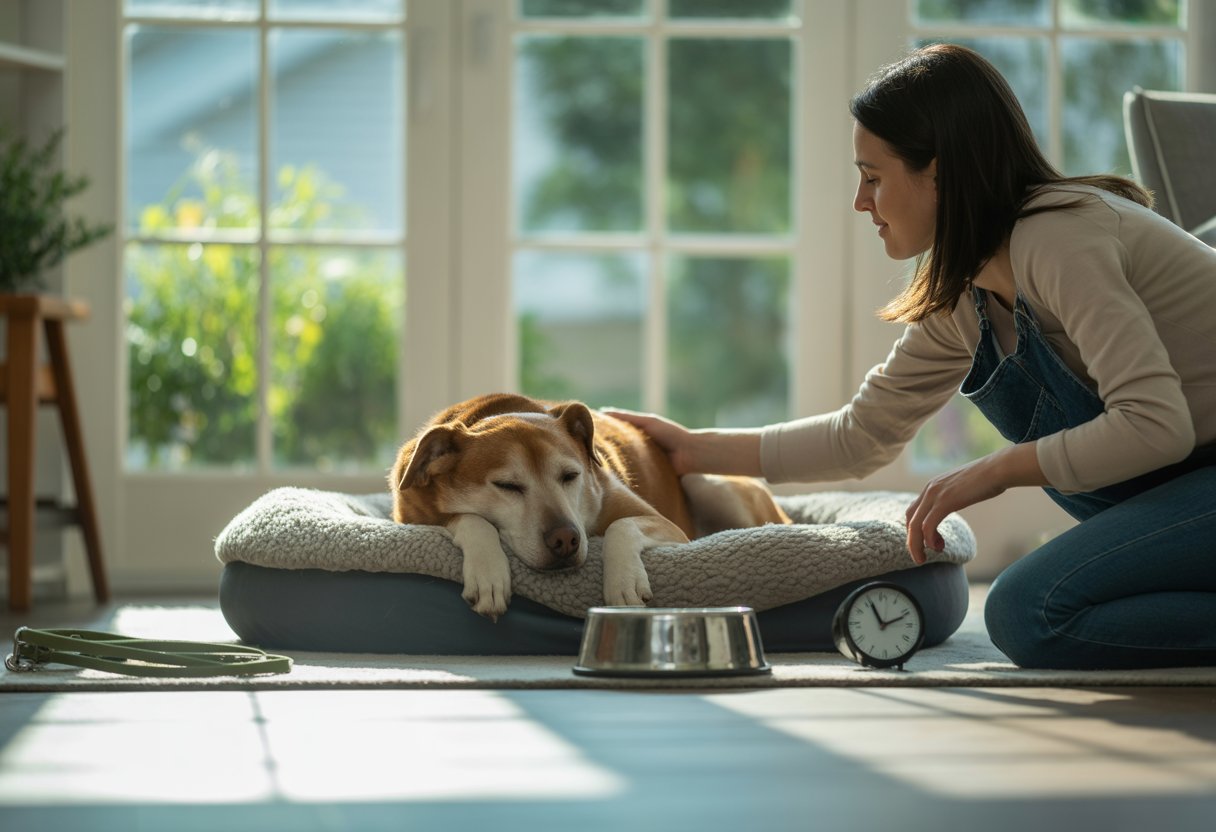
Dogs thrive on consistency, and their internal clocks respond directly to the patterns their owners establish. Regular schedules for meals, activity, and rest help synchronize circadian rhythms in dogs with the household’s daily flow.
The Role of Predictable Feeding Times
Consistent meal times reinforce the daily rhythm[3] and help establish a reliable dogs sleep schedule. When dogs eat at the same times each day, their bodies learn to anticipate these events and adjust hormone production accordingly.
The digestive system operates on its own rhythm that connects to the overall circadian clock. Fixed feeding times help regulate metabolism and energy levels throughout the day. This predictability allows a dog’s body to prepare for digestion at expected times, leading to more efficient nutrient processing.
Morning meals signal the start of an active period, while evening meals can prepare the body for rest hours later. Dogs fed on irregular schedules may experience disrupted sleep patterns and increased nighttime restlessness. A two-meal schedule, with breakfast and dinner spaced 8-12 hours apart, typically supports healthy dog routine sleep health.
Exercise Timing and Energy Regulation
Physical activity plays a critical role in setting a dog’s internal clock and determining when they feel tired or alert. Morning or afternoon exercise promotes wakefulness during daylight hours and builds natural tiredness for evening rest.
The timing of walks and play sessions affects how quickly dogs settle down at night. Exercise 3-4 hours before bedtime allows enough time for adrenaline and cortisol levels to decrease. Late-evening intense activity can overstimulate dogs and delay sleep onset.
Optimal Exercise Windows:
- Morning (7-9 AM): Energizes dogs and reinforces daytime activity patterns
- Afternoon (3-5 PM): Provides a second activity peak without disrupting evening calm
- Avoid: Vigorous exercise within 2 hours of bedtime
Regular physical activity also helps dogs maintain appropriate energy expenditure, preventing excess energy that could lead to nighttime pacing or restlessness.
Bedtime Rituals and Sleep Quality
Establishing a consistent pre-sleep routine helps signal to a dog that rest time approaches. These rituals activate the body’s natural preparation for sleep and strengthen the association between specific activities and bedtime.
A typical bedtime routine might include a final bathroom break, a small treat, gentle petting, and settling into a designated sleep area. The key is repeating the same sequence at the same time each night. This consistency helps dogs transition from active states to rest more smoothly.
Creating a calm, dark, and comfortable environment for rest supports a healthy sleep-wake cycle[1]. Dimming lights 30-60 minutes before the target sleep time mimics natural darkness cues that trigger melatonin production. A quiet, temperature-controlled space with a comfortable bed reinforces that this location is meant for sleep, not play or alertness.
Environmental Cues and the Regulation of Sleep-Wake Cycles

Dogs rely on external signals from their environment to maintain regular sleep-wake patterns. Light exposure, darkness, and daily routines from their human companions all shape circadian rhythms in dogs[4] and help regulate when they feel alert or sleepy.
Light Exposure and Melatonin Production
Natural light serves as the most powerful signal for regulating a dog’s internal clock. When light enters through a dog’s eyes, it travels to a brain region called the suprachiasmatic nucleus, which acts as the body’s master timekeeper.
This process directly affects melatonin, a hormone that controls sleep timing. Bright light during daytime hours stops melatonin production, keeping dogs awake and active. Morning sunlight is especially important because it resets the internal clock each day.
Dogs need adequate exposure to natural daylight to maintain healthy sleep patterns. Windows, outdoor walks, and time spent in yards all provide the light input necessary for proper rhythm regulation. Without sufficient daytime light, dogs may experience disrupted sleep schedules and difficulty distinguishing between active and rest periods.
Darkness and the Importance of Nighttime Routines
As evening approaches and darkness sets in, the pineal gland begins releasing melatonin. Rising melatonin levels signal the body that sleep time is approaching.
Creating a dark sleep environment helps canine circadian rhythm[1] function properly. Dogs sleeping in rooms with excessive artificial light may produce less melatonin, leading to delayed or fragmented sleep. Dim lighting in the evening hours prepares dogs for rest.
Consistent nighttime routines strengthen these natural responses. Taking dogs outside for final bathroom breaks, reducing household activity, and establishing quiet time all reinforce the transition to sleep. These predictable patterns help dogs anticipate rest periods and settle more easily.
Influence of Human Habits on Pets Circadian Rhythm
Dogs adapt their sleep-wake cycles to match their owners’ schedules. They notice when humans wake up, eat meals, leave for work, and go to bed.
Irregular human schedules can disrupt a dog’s internal timing. Late-night activities, inconsistent wake times, or frequent schedule changes confuse the biological clock. Dogs living with shift workers or in households with unpredictable routines often show more sleep problems.
Key human behaviors that affect dog sleep patterns:
- Consistent morning wake times
- Regular feeding schedules
- Fixed exercise times
- Predictable bedtime routines
- Household noise levels
Dogs benefit most from households that maintain steady daily patterns. Even small consistencies, like walking at similar times each day, help reinforce healthy sleep-wake cycles.
Impact of Circadian Health on Canine Well-being

A dog’s internal clock controls more than just sleep patterns. It regulates hormone production, digestive timing, and immune responses that keep dogs healthy throughout their lives.
Metabolic and Digestive Synchronization
Circadian rhythms in dogs[1] directly influence when their bodies expect food and how efficiently they process nutrients. The digestive system operates on a predictable schedule, releasing enzymes and digestive acids at specific times based on regular feeding patterns.
Dogs fed at consistent times each day develop stronger metabolic efficiency. Their bodies anticipate meals and prepare digestive processes in advance. This synchronization helps maintain stable blood sugar levels and prevents digestive issues like bloating or upset stomach.
When feeding schedules become irregular, a dog’s metabolism struggles to adjust. This disruption can lead to weight gain, poor nutrient absorption, and increased hunger between meals. The pancreas and liver function best when they follow predictable daily cycles aligned with the dog’s natural rhythm.
Hormonal Balance and Stress Reduction
The suprachiasmatic nucleus regulates hormone release throughout a dog’s day. Cortisol, the stress hormone, naturally peaks in the morning to promote alertness and drops at night. Melatonin follows the opposite pattern, rising in darkness to encourage rest.
Disrupted circadian rhythms throw these hormonal patterns off balance. Dogs may produce cortisol at inappropriate times, leading to anxiety and restlessness. Chronic rhythm disruption keeps stress hormones elevated, which affects behavior and emotional regulation.
Regular daily routines help stabilize hormone production. Dogs who follow consistent schedules show lower baseline stress levels and better emotional resilience. They adapt more easily to minor changes and display fewer anxiety-related behaviors like excessive barking or destructive chewing.
Immune Function and Long-term Health
A well-regulated circadian rhythm supports immune function[1] by timing the production and activity of immune cells. White blood cells follow daily cycles, with certain types more active during rest periods when the body focuses on repair and recovery.
Sleep disruption weakens immune responses. Dogs with irregular sleep-wake cycles show reduced ability to fight infections and slower wound healing. Their bodies miss critical repair windows that normally occur during deep sleep phases.
Long-term circadian disruption accelerates aging processes and increases disease risk. Studies show connections between poor rhythm regulation and cognitive decline in senior dogs. Maintaining healthy sleep patterns throughout a dog’s life protects against age-related health problems and supports longevity.
Canine Companionship and Sleep Disorders
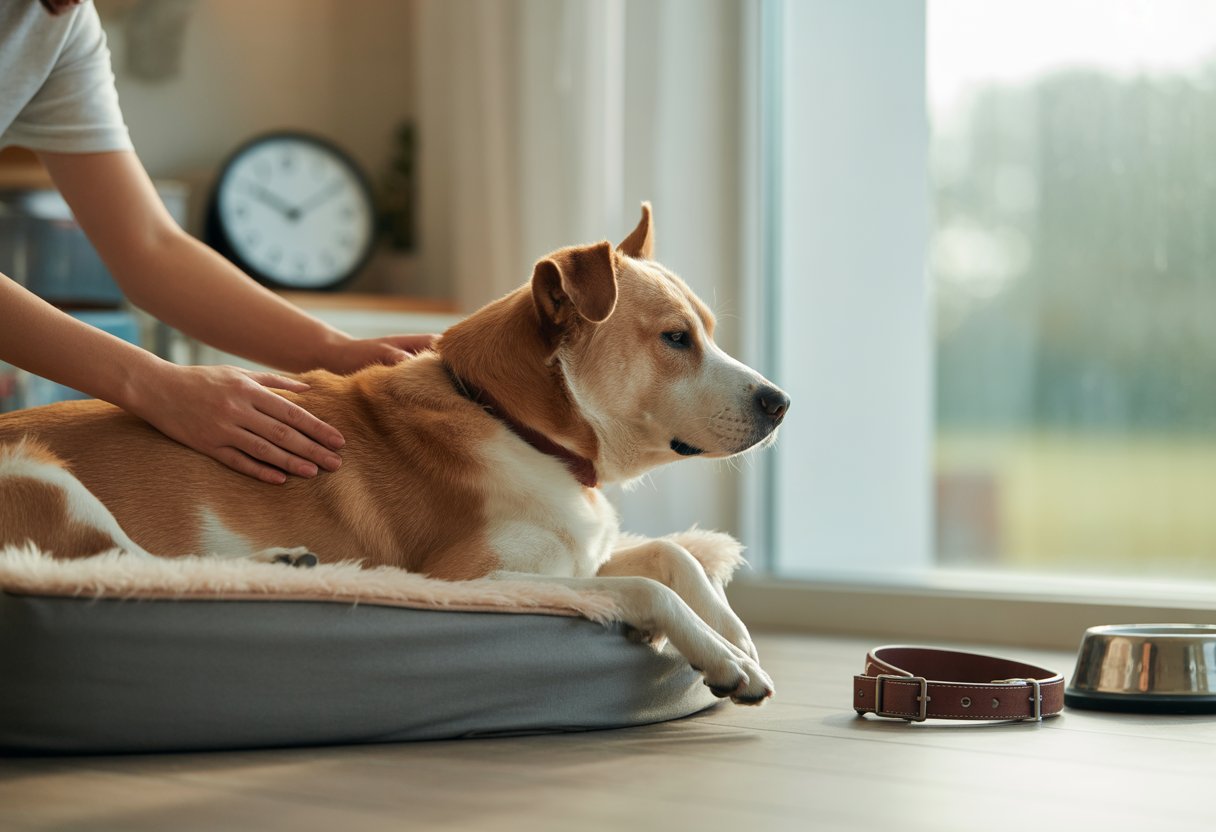
Dogs can both help and hinder human sleep patterns, while also experiencing their own sleep-related issues that require attention. The relationship between Canis familiaris and their owners creates unique sleep dynamics that affect both species.
How Dogs Influence Human Insomnia
Dogs provide comfort and security that helps many people fall asleep more easily. Their presence in the bedroom can reduce anxiety and create a calming environment. The rhythmic sound of a dog’s breathing often acts as white noise that promotes relaxation.
Elevate Your Health for Just $29.99/Month
Join the Precision Wellness Subscription at My Healing 365 and get discounted services, priority coaching access, virtual care, and exclusive wellness resources to support your physical, emotional, and hormonal health.
Join for $29.99/MonthHowever, dogs can also disrupt sleep when they move around at night or need bathroom breaks. A study found that people who sleep with pets in their bedroom experience more fragmented sleep compared to those who sleep alone. Dogs that snore, scratch, or change positions frequently wake their owners multiple times per night.
Potential sleep disruptions from dogs include:
- Barking or whining during the night
- Movement on or near the bed
- Early morning wake-up demands
- Temperature changes from body heat
- Allergies triggered by pet dander
The impact on sleep and cognition[1] varies by individual tolerance and the dog’s behavior patterns.
Managing Disrupted Sleep Patterns in Dogs
Dogs develop disrupted sleep when their daily routines lack consistency. A well-regulated circadian rhythm[1] supports their immune function and metabolic processes.
Establishing fixed feeding times helps synchronize a dog’s internal clock. Exercise should occur at the same time each day, preferably in the morning or early afternoon. Physical activity promotes better sleep quality but should not happen close to bedtime.
Light exposure plays a critical role in maintaining healthy sleep patterns. Dogs need access to natural daylight during waking hours. Reducing artificial light in the evening signals the body to prepare for rest. Creating a dark, quiet sleeping area encourages uninterrupted rest periods throughout the night.
Recognizing Sleep Disorders and Seeking Help
Dogs experience sleep disorders that mirror human conditions. Sleep apnea occurs more frequently in overweight dogs and brachycephalic breeds with shortened snouts. Narcolepsy causes sudden collapse or excessive daytime sleepiness in certain breeds.
Senior dogs may develop cognitive dysfunction syndrome, which disrupts normal sleep-wake cycles. Affected dogs often pace at night, appear disoriented, or sleep more during the day. Chronic pain from arthritis or other conditions prevents comfortable rest.
Warning signs that require veterinary attention include excessive daytime sleeping, difficulty settling at night, loud snoring with breathing pauses, or sudden behavioral changes. A veterinarian can diagnose underlying medical issues and recommend treatment options. Some conditions respond to medication, while others require environmental modifications or changes to daily routines.
Individual Factors Affecting Dogs’ Circadian Rhythms
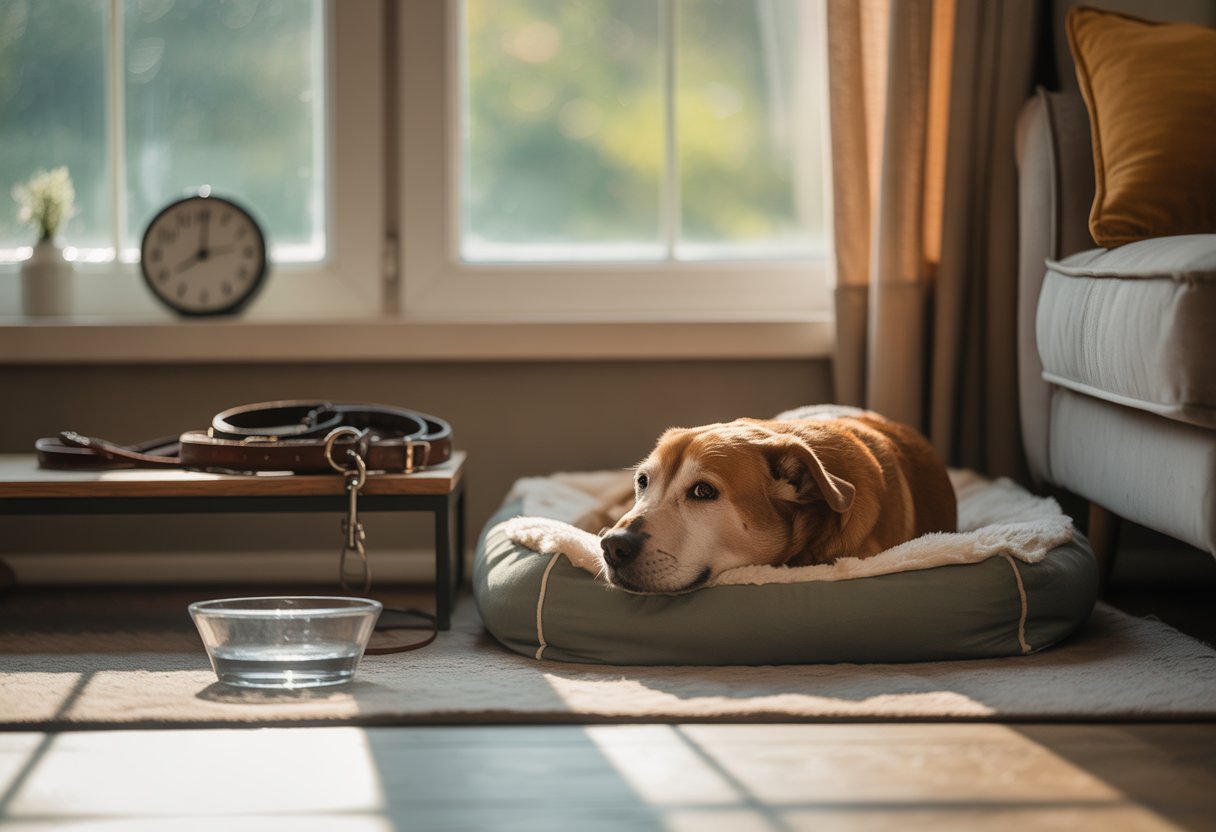
Not all dogs respond to routines the same way. Age, breed characteristics, and health conditions create unique patterns in how each dog’s internal clock functions.
The Effects of Age, Breed, and Health
Age significantly impacts how dogs regulate their sleep-wake cycles[1]. Puppies display fragmented sleep patterns with shorter, more frequent rest periods throughout the day. Their developing brains require more total sleep time, often 18-20 hours daily.
Senior dogs experience shifts in their circadian rhythms as they age. Older dogs may wake more frequently during the night or show increased nighttime restlessness. Some develop cognitive dysfunction syndrome, which disrupts their natural sleep patterns.
Breed differences also play a role in canine sleep requirements. Working breeds typically maintain higher activity levels and may adjust more readily to active daytime schedules. Smaller breeds often have faster metabolisms, which can influence their rest periods.
Health conditions directly affect circadian rhythms in dogs. Chronic pain from arthritis or other ailments interrupts normal sleep cycles. Hormonal imbalances, thyroid disorders, and anxiety conditions alter natural rest patterns. Dogs with these issues may struggle to maintain consistent sleep-wake timing.
Adapting Routines for Puppies and Senior Dogs
Puppies need shorter activity windows with more frequent rest breaks built into daily schedules. Their feeding times should remain consistent but occur more often than adult dogs require—typically three to four meals daily.
Exercise for young dogs must match their developmental stage. Brief play sessions prevent overtiredness while supporting healthy sleep later. Puppies benefit from quiet time in a designated sleep area after meals and play.
Senior dogs require gentler routines that accommodate reduced mobility and energy levels. Shorter walks at consistent times help maintain their internal clocks without causing exhaustion. Evening activities should wind down earlier to prevent nighttime restlessness.
Older dogs may need bathroom breaks during the night as bladder control weakens. Keeping a predictable evening routine helps minimize sleep disruption. Comfortable sleeping areas with supportive bedding address joint pain that interferes with rest quality.
Seasonal and Environmental Variations
Natural light exposure changes with seasons affect dogs’ internal clocks. Longer summer days provide extended light exposure, which can shift activity patterns later into evening hours. Winter’s shorter daylight periods may cause dogs to feel sleepier earlier.
Indoor dogs face different challenges than those with regular outdoor access. Artificial lighting in homes can confuse natural circadian signals if lights stay bright late into the evening. Dimming household lights as bedtime approaches helps signal rest time.
Temperature variations influence comfort and sleep quality. Dogs sleep better in cooler environments, typically between 60-67°F. Hot summer nights or cold winter conditions disrupt rest if sleeping areas lack proper climate control.
Geographic location matters for dogs living in extreme latitudes. Areas with minimal darkness in summer or limited daylight in winter create challenges for maintaining stable sleep-wake patterns. Controlled indoor lighting helps regulate these environmental extremes.
Frequently Asked Questions

Dogs with disrupted internal clocks show specific behavioral changes, while structured daily routines and environmental adjustments help regulate both canine and human sleep patterns.
What are the signs of circadian rhythm disruption in dogs?
Dogs with disrupted circadian rhythms often display noticeable changes in their behavior and activity patterns. They may become restless or anxious during typical sleep hours, particularly at night. Some dogs experience increased nighttime pacing or vocalization.
Changes in sleep-wake cycles[1] can lead to excessive daytime sleeping followed by nighttime alertness. Dogs might also show irregular eating patterns or loss of appetite at their usual meal times. Older dogs with cognitive dysfunction sometimes experience more severe disruptions, including confusion about day and night cycles.
Irritability and behavioral changes often accompany rhythm disruptions. A dog may become more reactive to stimuli or show decreased interest in activities they normally enjoy.
How does establishing a routine benefit a dog’s sleep health?
Consistent daily schedules help dogs maintain healthy internal clocks by creating predictable patterns their bodies can anticipate. Fixed feeding times, regular walks, and set bedtimes reinforce the natural 24-hour cycle. This predictability allows a dog’s biological systems to prepare for sleep and activity at appropriate times.
Predictable routines create a sense of security[1] that reduces stress and anxiety in dogs. When dogs know what to expect throughout the day, their stress hormone levels remain more stable. Lower stress contributes to better sleep quality and duration.
Regular exercise schedules tire dogs physically and mentally at consistent times each day. This physical fatigue promotes deeper, more restorative sleep during designated rest periods.
What methods can be used to help dogs with insomnia?
Environmental modifications form the foundation of treating canine sleep problems. Creating a dark, quiet sleeping area helps signal to a dog’s body that it’s time to rest. The sleeping space should be comfortable and free from disturbances like loud noises or bright lights.
Increasing daytime physical activity and mental stimulation helps tire dogs appropriately. Longer walks, play sessions, or training exercises during daylight hours promote natural tiredness at night. The timing of exercise matters, with activities scheduled earlier in the day rather than close to bedtime.
Reducing evening stimulation helps prepare dogs for sleep. This includes limiting exciting play, avoiding late meals, and minimizing exposure to bright artificial lights before bed. Some dogs benefit from calming activities like gentle brushing or quiet time with their owners before sleep.
Veterinary consultation becomes necessary when sleep problems persist despite routine adjustments. Underlying health conditions like pain, cognitive decline, or hormonal imbalances may require medical treatment.
How does canine companionship affect the sleep patterns of their owners?
Dogs are primarily diurnal creatures[5], meaning they’re naturally active during the day. This alignment with human schedules can reinforce healthy sleep-wake patterns for owners. Dogs that follow consistent routines encourage their owners to maintain regular bedtimes and wake times.
The presence of a sleeping dog can provide comfort and security that helps some people fall asleep more easily. Physical contact with a calm, resting dog may reduce anxiety and promote relaxation. The rhythmic breathing of a sleeping pet creates a soothing environment.
However, dogs with disrupted rhythms or irregular sleep patterns can negatively impact owner sleep quality. Nighttime restlessness, barking, or movement disturbs human sleep cycles. Dogs that wake frequently for bathroom breaks or attention interrupt their owners’ rest periods.
Establishing structured routines benefits both dogs and their owners by synchronizing sleep schedules. When dogs settle into predictable nighttime rest, their owners experience fewer sleep interruptions.
What are the best practices for feeding and exercising dogs to promote better sleep?
Feeding times should remain consistent each day to support a dog’s internal clock. Most dogs benefit from eating their final meal at least three to four hours before bedtime. This timing allows for proper digestion and reduces the likelihood of nighttime bathroom needs.
Exercise should occur during daylight hours when possible to reinforce natural activity patterns. Morning or afternoon walks expose dogs to natural light, which helps suppress melatonin production and promotes alertness. Physical activity needs vary by breed, age, and individual energy levels.
The intensity and duration of exercise should tire dogs appropriately without causing excessive fatigue. A well-exercised dog settles more easily at bedtime and sleeps more soundly throughout the night. Mental stimulation through training or puzzle toys provides additional tiredness that complements physical exercise.
Avoiding vigorous activity within two hours of bedtime prevents over-stimulation. Instead, evening hours should include calming activities that help dogs transition toward rest.
Can altering a dog’s exposure to light and dark influence their circadian rhythm?
Natural light exposure during daytime hours plays a critical role in regulating canine circadian rhythms. Light signals detected by photoreceptors in a dog’s eyes travel to the brain’s suprachiasmatic nucleus, which controls the internal clock. Daytime light suppresses melatonin production[1], promoting wakefulness and activity.
Maximizing natural light exposure helps synchronize a dog’s body with the 24-hour day-night cycle. Dogs should spend time near windows or outdoors during daylight hours. Even on cloudy days, natural light provides stronger signals than artificial lighting.
Reducing artificial light in the evening allows melatonin levels to rise naturally as darkness signals the body to prepare for sleep. Dimming household lights and avoiding bright screens near a dog’s sleeping area supports this process. The sleeping environment should be as dark as possible to maintain appropriate melatonin production throughout the night.
Sudden changes to light exposure patterns can temporarily disrupt a dog’s rhythm. Gradual adjustments work better when modifying a dog’s light-dark cycle. Consistency in daily light exposure patterns reinforces stable circadian rhythms over time.
Post Views: 84
























