Medically Reviewed
Dr. Jose Rossello, MD, PhD, MHCM
Preventive Medicine & Public Health Specialist
Last Reviewed: January 25, 2026
Living with chronic pain affects millions of people who search daily for relief options beyond traditional medicine. Dogs offer a unique form of support that goes beyond simple companionship. Research shows that spending time with dogs can reduce the perception of chronic pain through natural mechanisms like distraction and the release of endorphins, the body’s own pain-relieving chemicals.

Many people with conditions like fibromyalgia and arthritis report feeling better after interacting with their canine companions. The bond between humans and dogs creates real physical changes in the body. Dogs encourage gentle movement and provide emotional comfort that can make difficult days more manageable.
Understanding how dogs impact chronic pain perception[1] helps patients and healthcare providers explore this supportive option. The combination of physical activity, emotional connection, and natural pain relief makes dogs valuable partners in managing long-term pain conditions.
Table of Contents
Key Takeaways
- Dogs help reduce chronic pain perception through distraction and triggering endorphin release in their owners
- Physical activity with dogs provides natural pain relief for conditions like arthritis and fibromyalgia
- Both humans and dogs can experience chronic pain that requires proper veterinary care and management strategies
Understanding Chronic Pain and Its Challenges

Chronic pain affects millions of people and animals worldwide, creating lasting discomfort that extends beyond typical healing periods. Both humans and dogs experience similar pain mechanisms, though recognizing and treating pain in canines presents unique obstacles.
Defining Chronic Pain in Humans and Canines
Chronic pain is discomfort that persists for three months or longer, well past the normal healing time for an injury or illness. Unlike acute pain that serves as a warning signal, chronic pain continues even after the original cause has healed.
In humans, chronic pain can range from mild aches to severe burning or shooting sensations. The pain may be constant or come and go throughout the day.
Dogs experience chronic pain similarly to humans, though they often hide their discomfort as a survival instinct. Chronic pain can develop even in young dogs[2], requiring lifelong management strategies. Canines cannot verbally communicate their pain levels, making detection more difficult for owners and veterinarians.
Prevalence and Impact on Quality of Life
Approximately 20% of adults worldwide live with chronic pain conditions. In the United States alone, over 50 million people experience chronic pain daily.
The condition affects every aspect of daily life. People with chronic pain often struggle with sleep problems, reduced mobility, and difficulty performing work or household tasks. Mental health challenges like depression and anxiety frequently accompany long-term pain.
Dogs face similar quality of life issues when dealing with persistent discomfort. Pain causes welfare concerns and impaired quality of life, including anorexia and insomnia[3]. Behavior changes such as decreased activity, reluctance to play, and changes in social interactions often indicate a dog is suffering.
Common Types and Causes of Chronic Pain
Musculoskeletal Pain represents the most widespread form of chronic discomfort. This category includes conditions like back pain, neck pain, and joint disorders.
Neuropathic Pain results from nerve damage and often feels like burning, tingling, or electric shocks. Conditions like diabetic neuropathy and sciatica fall into this category.
Inflammatory Pain occurs when the immune system triggers ongoing inflammation in tissues and joints. Rheumatoid arthritis and inflammatory bowel disease are common examples.
Arthritis is the most common cause of chronic pain in dogs[4]. Hip dysplasia, degenerative disc disease, and cancer also create persistent pain in canines. Older dogs face higher risks, though younger animals can develop chronic conditions too.
Mechanisms of Pain Relief Through Canine Companionship

Dogs help reduce chronic pain through three main pathways in the human body. These pathways work together to change how the brain processes pain signals and improves emotional well-being.
Distraction and Cognitive Shifts in Pain Perception
Dogs naturally draw attention away from pain through their need for care and interaction. When dog owners focus on walking, feeding, or playing with their pets, the brain allocates less processing power to pain signals. This shift in attention doesn’t eliminate pain but reduces how strongly a person perceives it.
The presence of companion animals creates what researchers call “cognitive interference” with pain processing. A person petting their dog engages multiple senses at once—touch, sight, and sometimes sound. This sensory input competes with pain signals for the brain’s attention.
Dogs also provide structure to daily routines. Regular feeding times, walks, and play sessions give people with chronic conditions predictable activities to focus on. This routine helps break the cycle of rumination that often makes pain feel worse.
Endorphin and Oxytocin Release
Physical interaction with dogs triggers the release of endorphins, which are the body’s natural pain-relieving chemicals. These molecules bind to the same receptors in the brain that prescription pain medications target. Petting a dog for just 15 minutes can measurably increase endorphin levels in the bloodstream.
Oxytocin, often called the “bonding hormone,” also increases during positive interactions with dogs. This hormone reduces stress responses and lowers cortisol levels. High cortisol contributes to inflammation and makes pain worse over time.
Key chemicals released:
- Endorphins (natural pain relievers)
- Oxytocin (reduces stress and inflammation)
- Dopamine (improves mood)
- Serotonin (regulates pain perception)
These chemical changes happen automatically during dog interactions. The effect builds over time with regular contact.
Emotional Support and Mood Regulation
Chronic pain often leads to depression and anxiety, which amplify pain perception. Dogs provide consistent emotional support that helps stabilize mood. They offer non-judgmental companionship during difficult days when pain levels spike.
The relationship between pain and problem behaviors[5] shows how emotions affect physical comfort in both humans and animals. Companion animals help their owners maintain social connections and reduce feelings of isolation.
Dogs respond to human emotional states and often provide comfort during pain flares. This responsiveness helps people feel understood and less alone in their struggle. The emotional bond creates a sense of purpose and responsibility that counters the helplessness chronic pain can cause.
Scientific Evidence Supporting Dogs in Pain Management

Studies show that therapy dogs reduce pain medication use by nearly 50%[6] in some patient groups. Research demonstrates measurable improvements in pain scores and quality of life for chronic pain patients who interact with companion animals.
Clinical and Experimental Studies
A study involving patients with fibromyalgia found that 34% reported pain relief after interacting with a therapy dog in a waiting room, compared to only 4% of patients without a dog present. In an outpatient chronic pain clinic, 22.6% of patients experienced clinically meaningful pain relief after spending time with a therapy dog before their appointments.
Research on post-surgical pain management[6] revealed that patients who interacted with therapy dogs before physical therapy sessions rated their pain lower than those following standard protocols. Patients with total joint replacements who received animal-assisted interventions used significantly less pain medication, averaging 15.32 mg compared to 21.16 mg in control groups.
The frequency of visits matters. Studies indicate that the more often patients received animal-assisted interventions, the greater their reduction in pain medication use.
Effectiveness Versus Human Companionship
While human support provides comfort, therapy dogs offer unique benefits for pain reduction. Patients receiving palliative care specifically noted feeling “distracted” by their pain when a therapy dog was present, stating “my pain feels better” and “my discomfort is less.”
The physical interaction with dogs appears to trigger different responses than human companionship alone. Dog owners and chronic pain patients report that the non-judgmental presence of companion animals creates a distinct type of emotional bond.
Therapy dog sessions motivate patients differently than standard care. One study found only 7% of patients refused therapy when a therapy dog was present, compared to a 28% historical refusal rate. Patients also took more steps on average during rehabilitation sessions with dogs versus therapists alone.
Long-Term Impacts on Chronic Pain Patients
Chronic pain affects individuals for at least six months, making sustained relief difficult through traditional medicine alone. Companion animals provide ongoing support that complements medical treatments without significant side effects.
The mechanisms behind pain relief remain under investigation. Current theories suggest that distraction from pain and emotional bonds with animals lead to perceived decreases in discomfort. Other researchers propose that chemical reactions during interactions with dogs may produce analgesic effects.
For conditions like fibromyalgia, which affects 2% to 3% of Americans, dog-assisted interventions offer accessible complementary therapy. Healthcare facilities can implement animal-assisted programs at minimal cost through volunteer-based services, making this approach practical for long-term pain management strategies.
Canine-Assisted Therapy for Chronic Pain Conditions

Therapy dogs provide measurable relief for people living with fibromyalgia, arthritis, and age-related pain conditions. These trained animals offer both physical and emotional support that helps patients manage their daily symptoms more effectively.
Therapy Dogs for Fibromyalgia
Fibromyalgia causes widespread muscle pain, fatigue, and heightened sensitivity to touch. Patients with this condition often struggle with both physical discomfort and emotional stress.
Therapy dogs help reduce pain perception through gentle interaction and companionship. When patients pet or spend time with these animals, their bodies release endorphins and oxytocin. These natural chemicals help block pain signals and create feelings of calm.
The predictable routine of caring for a therapy dog also helps establish structure. Many fibromyalgia patients report that focusing on their canine companion distracts them from pain cycles. The dog’s presence interrupts negative thought patterns that can make pain feel worse.
Regular interaction with therapy dogs has shown promise in reducing the need for pain medication in some patients. The animals provide non-pharmaceutical support that complements other treatment approaches.
Canine Support in Arthritis Patients
Arthritis is the most common cause of chronic pain in dogs[4], but it also affects millions of people. Dog owners with arthritis often find that their pets motivate them to stay active despite joint pain.
Walking a dog encourages gentle, regular movement. This low-impact exercise helps maintain joint flexibility without causing additional damage. The social aspect of dog ownership also gets arthritis patients out of their homes and engaged with their communities.
Therapy dogs trained to work with arthritis patients can retrieve dropped items, provide stability when walking, and offer warmth to sore joints. The animal’s body heat acts as a natural heating pad when resting against painful areas.
Studies indicate that dog owners with arthritis maintain better mobility compared to non-owners. The responsibility of caring for an animal creates consistent motivation to move throughout the day.
Benefits for Elderly and Isolated Individuals
Elderly people living alone face both physical pain and social isolation. This combination often makes chronic pain feel more intense and harder to manage.
Therapy dogs provide constant companionship that reduces feelings of loneliness. The emotional bond between elderly individuals and their canine companions creates a sense of purpose. This psychological benefit directly impacts how the brain processes pain signals.
Physical contact with dogs lowers blood pressure and reduces stress hormones like cortisol. These changes help elderly patients feel more relaxed, which decreases muscle tension related to chronic pain.
The routine of feeding, grooming, and caring for a dog gives structure to each day. This predictability helps elderly individuals focus on activities beyond their pain symptoms.
Physical Activity and Motivation Driven by Dogs

Dogs create natural opportunities for people with chronic pain to stay active through regular walking routines and daily care tasks. The companionship of these animals provides emotional motivation that helps overcome the barrier of pain-related inactivity.
Dog-Walking and Increased Mobility
Dog owners engage in more consistent physical activity compared to those without pets. Daily walks with a dog typically range from 10 to 30 minutes per outing. This regular movement helps maintain joint flexibility and muscle strength in people with chronic pain conditions.
Dogs provide support and motivation for physical activity[7] by creating a sense of responsibility and routine. The obligation to walk a dog overrides the tendency to avoid movement due to pain. Many people find they can tolerate discomfort better when focused on their pet’s needs rather than their own symptoms.
Walking at a comfortable pace with a dog allows individuals to control their activity level. They can adjust speed, distance, and frequency based on pain levels that day.
Daily Routines That Promote Activity
Companion animals require consistent care throughout the day. Feeding, grooming, and playing with dogs involves bending, reaching, and light movement. These activities add up to meaningful physical engagement.
Dog owners often stand more frequently to let pets outside or refill water bowls. They bend down to pet their animals or clean up after them. These small movements throughout the day prevent prolonged sitting, which can worsen pain and stiffness.
Common daily activities with dogs include:
- Preparing food and water
- Playing fetch or tug games
- Brushing and grooming
- Opening doors for outdoor access
- Cleaning feeding areas
Behavioral Activation and Pain Self-Management
Behavioral activation involves engaging in meaningful activities despite pain. Dogs naturally encourage this approach by requiring attention and care regardless of how someone feels physically.
The presence of a dog shifts focus away from pain sensations toward purposeful tasks. This distraction helps break the cycle of pain-related inactivity that often makes chronic conditions worse. People report feeling more capable and less disabled when caring for their pets.
Dog ownership creates structure in daily life. Set feeding times, walking schedules, and play sessions establish a routine that keeps people moving. This consistent activity pattern supports better pain management compared to irregular exercise attempts.
Addressing Chronic Pain in Dogs Themselves
Dogs can develop chronic pain from various conditions, with arthritis being the leading cause and behavioral changes often serving as the primary indicators that owners notice before physical symptoms become obvious.
Recognizing Signs of Pain in Dogs
Dogs mask discomfort as a survival instinct, making pain detection challenging for owners. Chronic pain often causes behavioral changes[5] that look like normal aging or personality shifts.
Common signs include:
- Reduced activity levels – less interest in walks, play, or climbing stairs
- Changes in posture – hunched back, stiff movements, or reluctance to lie down
- Behavioral shifts – increased irritability, withdrawal, or avoiding touch
- Altered sleeping patterns – difficulty finding comfortable positions or restless sleep
- Decreased appetite – pain can reduce interest in food
Severe chronic pain can cause depression and anxiety in dogs[8], leading to noticeable withdrawal and less interaction with family members. Dogs may also lick or bite at painful areas, pant excessively, or show facial tension around the eyes and muzzle.
Chronic Pain Conditions: Osteoarthritis, Hip and Elbow Dysplasia
Arthritis is the most common source of chronic pain in dogs[4]. Canine osteoarthritis develops when cartilage in joints breaks down, causing bone-on-bone friction that creates inflammation and discomfort.
Hip dysplasia occurs when the hip joint forms improperly, creating an unstable fit between the ball and socket. This instability leads to progressive joint damage and arthritis. Large breed dogs face higher risk, though any size dog can develop this condition.
Elbow dysplasia involves abnormal development of the elbow joint components. It typically appears in young, rapidly growing dogs and causes front leg lameness. Both hip and elbow dysplasia are genetic conditions that worsen over time without treatment.
Pain becomes harder to treat and manage once it reaches chronic levels[4], making early intervention critical. Treatment options include weight management, physical therapy, anti-inflammatory medications, joint supplements, and surgical correction in severe cases.
Neuropathic Pain and Quality of Life
Neuropathic pain in dogs results from nerve damage or dysfunction rather than tissue injury. This type of pain feels different from arthritis discomfort and may cause tingling, burning, or shooting sensations that dogs cannot communicate directly.
Conditions causing neuropathic pain include spinal cord injuries, intervertebral disc disease, nerve compression, and diabetic neuropathy. Dogs with neuropathic pain may show extreme sensitivity to touch, excessive licking of specific areas, or sudden yelping without apparent cause.
Young dogs can develop chronic pain requiring lifelong management[2], not just senior animals. This reality requires owners to shift their perception about which dogs need pain assessment and treatment.
Quality of life declines significantly when chronic pain goes untreated. Dogs lose interest in activities they once enjoyed and may struggle with basic functions like walking or eating. Working with a veterinarian to create a comprehensive pain management plan helps dogs maintain comfort and engagement with their families throughout their lives.
Veterinary Approaches to Pain Management in Dogs

Veterinarians use multiple treatment strategies to address chronic pain in dogs, combining medications with non-drug therapies. Each dog requires an individualized approach based on the severity of pain, underlying conditions, and overall health status.
Pharmaceutical Options: NSAIDs, Opioids, and Others
Non-steroidal anti-inflammatory drugs (NSAIDs) serve as the first-line treatment for many dogs with chronic pain conditions. Carprofen for dogs with osteoarthritis[9] has been shown to reduce pain effectively. Grapiprant represents a newer non-COX-inhibiting NSAID[9] that treats osteoarthritic pain with a different mechanism of action.
Opioids provide stronger pain relief for severe cases but require careful monitoring. Veterinarians may prescribe tramadol, buprenorphine, or other opioid medications for breakthrough pain episodes.
Additional pharmaceutical options include:
- Gabapentin for nerve-related pain
- Amantadine as an NMDA receptor antagonist
- Amitriptyline for neuropathic conditions
- Bupivacaine liposome injectable suspension[9] which can provide up to 72 hours of analgesia after a single injection
Veterinarians often combine multiple medications to target different pain pathways simultaneously.
Non-Pharmaceutical and Complementary Methods
Physical rehabilitation offers significant benefits for dogs experiencing chronic pain. Hydrotherapy, therapeutic exercises, and massage help maintain muscle strength and joint flexibility. Cold laser therapy reduces inflammation in affected areas without invasive procedures.
Acupuncture provides relief for some dogs with musculoskeletal pain. Weight management plays a critical role since excess body weight increases stress on painful joints. Therapeutic epidural injections can be considered for dogs[9] with low back pain and sciatica when other treatments provide incomplete relief.
Environmental modifications help dogs move more comfortably. Orthopedic beds, ramps instead of stairs, and non-slip flooring reduce daily strain on painful joints.
Tailoring Multimodal Therapy Plans
Multimodal pain management for canine osteoarthritis[9] involves multiple treatment modalities tailored to each patient and owner. Veterinarians assess pain levels regularly using validated pain scales to adjust treatment plans as needed.
Young dogs may develop chronic pain[2] that requires lifelong management. Treatment plans evolve based on the dog’s response to therapy, progression of underlying disease, and emergence of side effects.
Veterinarians consider factors like kidney function, liver health, and existing medications when designing pain management protocols. They balance effectiveness with safety, adjusting dosages and combinations to minimize adverse effects while maximizing comfort. Regular follow-up appointments allow for ongoing optimization of the treatment approach.
Challenges and Limitations of Dog-Assisted Pain Relief
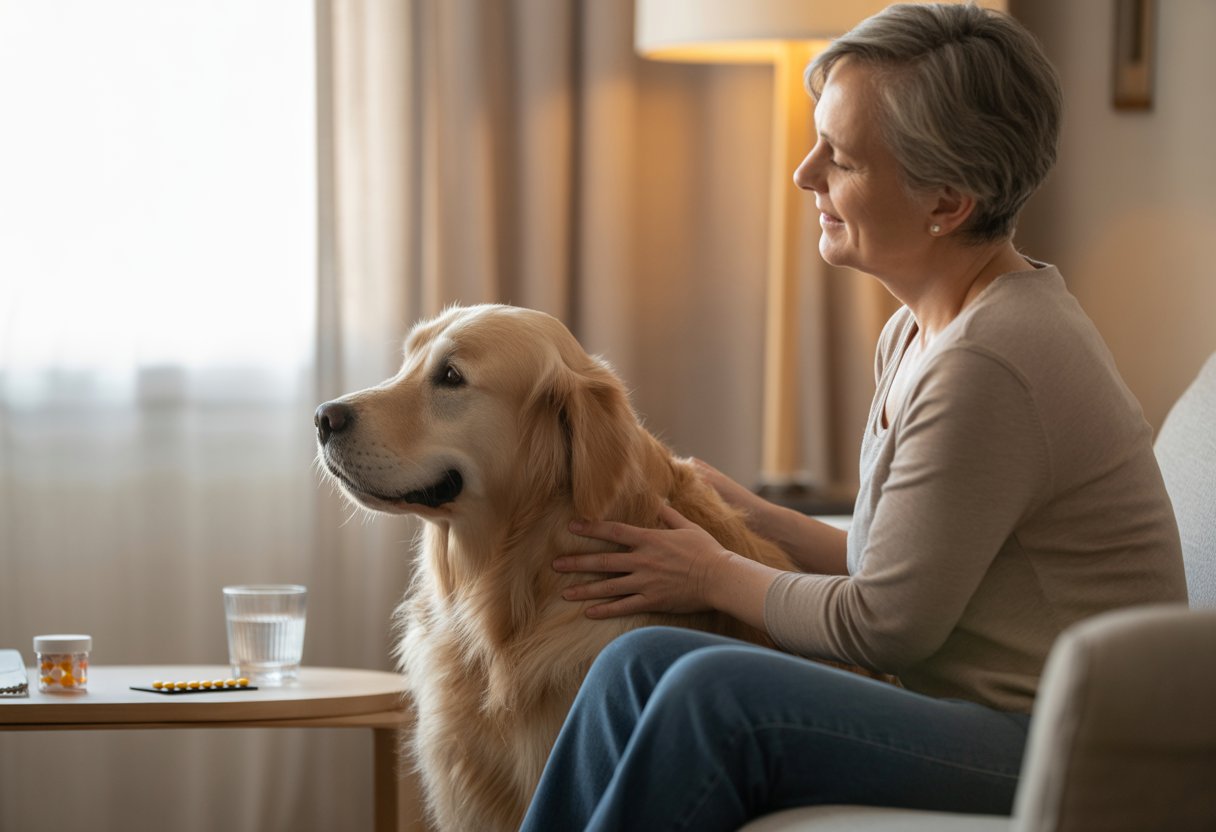
While dogs can help reduce chronic pain perception, this approach faces practical obstacles and does not work equally well for everyone. Individual responses vary widely, and pet ownership introduces responsibilities that may worsen rather than improve quality of life for some patients.
Variability in Human and Dog Responses
Not all people with chronic pain experience relief from canine companionship. Some individuals show minimal response to animal interaction due to personal preferences, allergies, or psychological factors that limit their ability to bond with pets.
The effectiveness depends heavily on the individual dog’s temperament and training level. An anxious, hyperactive, or poorly trained dog may actually increase stress levels rather than provide comfort. Chronic pain management requires objective measurement[10] of treatment effectiveness, but human responses to companion animals remain difficult to quantify consistently.
Certain chronic pain conditions respond better to dog-assisted interventions than others. Patients with fibromyalgia or arthritis may benefit more from the gentle movement encouraged by dog walking, while those with severe mobility limitations may find pet care physically impossible.
Potential Negative Impacts of Pet Ownership
Dog owners face significant time, financial, and physical demands that can strain people already managing chronic pain. Daily walks, feeding schedules, veterinary visits, and grooming require energy and mobility that pain patients may lack.
The financial burden extends beyond basic care. Emergency veterinary bills, medications, and routine preventive care add stress to households already managing medical expenses for chronic conditions.
Physical limitations create particular challenges. Bending to fill water bowls, lifting food bags, or controlling a pulling dog on walks may trigger pain flares. Some patients cannot safely manage a dog without assistance from family members or paid caregivers.
Sleep disruption from barking, nighttime bathroom needs, or a restless dog sharing the bed can worsen chronic pain symptoms. Poor sleep quality intensifies pain perception and reduces the body’s natural pain management abilities.
Elevate Your Health for Just $29.99/Month
Join the Precision Wellness Subscription at My Healing 365 and get discounted services, priority coaching access, virtual care, and exclusive wellness resources to support your physical, emotional, and hormonal health.
Join for $29.99/MonthBarriers to Implementation in Clinical Settings
Healthcare facilities face strict hygiene and safety regulations that limit animal access. Hospitals and pain clinics must balance potential therapeutic benefits against infection control protocols, especially in areas with immunocompromised patients.
Common institutional barriers include:
- Liability concerns about dog bites or allergic reactions
- Limited space for animal interaction rooms
- Staff training requirements for animal-assisted programs
- Insurance coverage gaps for non-traditional therapies
Therapy dog programs require substantial coordination between medical staff, animal handlers, and facility administrators. Many pain management clinics lack the resources to establish and maintain these programs consistently.
Patient allergies and phobias create additional complications. Shared waiting rooms or treatment areas cannot accommodate companion animals when other patients have severe reactions to dog dander or fear of animals.
Considerations for Choosing a Canine Companion
The right dog can provide significant pain relief benefits, but matching temperament, physical capabilities, and lifestyle needs ensures a successful partnership. Dog owners must evaluate multiple factors beyond emotional connection to create a sustainable relationship that supports chronic pain management goals.
Selecting the Right Dog for Pain Management Needs
Different breeds and sizes offer distinct advantages for chronic pain management. Smaller dogs work well for apartment living and require less physical effort during care routines. Larger breeds can provide deep pressure therapy and assist with balance when walking.
Mixed breeds often combine desirable traits from multiple lineages. Rescue organizations frequently assess dog personalities before adoption, helping match individuals with specific temperament needs.
Energy levels matter significantly for people with limited mobility. High-energy breeds require extensive daily exercise that may exceed what someone with chronic pain can provide. Lower-energy dogs adapt better to quieter households and shorter walking routines.
Temperament, Age, and Compatibility
Calm, patient dogs create better therapeutic environments than anxious or reactive animals. Dogs with gentle dispositions naturally provide comfort without adding stress. They respond well to training and adjust to household routines that accommodate pain flare-ups.
Adult dogs between two and six years old often provide the best balance. They have established personalities but remain young enough for many active years. Puppies demand intensive training and supervision that can worsen pain symptoms. Senior dogs may develop their own health issues requiring additional care.
Key temperament traits to evaluate:
- Sensitivity to human emotions – recognizes when pain levels increase
- Low reactivity – remains calm during medical equipment use or limited mobility
- Trainability – learns to modify behavior based on owner needs
- Social tolerance – accepts visitors and healthcare providers
Meeting a dog multiple times before adoption reveals true personality beyond initial excitement.
Legal and Lifestyle Factors
Housing restrictions limit breed choices in many rental properties and homeowner associations. Some insurance companies exclude specific breeds from coverage. Dog owners should verify policies before selecting a companion to avoid forced rehoming.
Financial preparation includes veterinary care, food, supplies, and potential emergency expenses. Chronic pain often correlates with reduced income, making budget planning essential. Pet insurance or savings accounts help manage unexpected costs.
Pain management for dogs[11] becomes important as animals age, creating additional responsibilities. Support systems matter when pain prevents routine care tasks. Family members, friends, or professional services can assist with walking, grooming, and veterinary appointments during difficult periods.
Future Directions in Canine-Assisted Chronic Pain Management
Research teams are exploring new ways to measure how companion animals affect pain levels in clinical settings. Healthcare systems are beginning to test formal programs that bring trained dogs into treatment plans for patients with long-term pain conditions.
Innovative Research Areas
Scientists are working to understand the specific biological changes that happen when people with chronic pain interact with dogs. New studies are measuring cortisol levels, heart rate patterns, and brain activity during dog therapy sessions.
Research teams are also looking at how different types of dog interactions affect pain differently. Some studies compare brief visits with ongoing relationships with the same dog. Others examine whether certain dog breeds or temperaments work better for specific pain conditions.
Wearable technology now allows researchers to track pain levels throughout the day. Patients can record when they spend time with their dogs and rate their pain before and after. This real-time data helps researchers see patterns that traditional surveys might miss.
Studies are also exploring how long pain relief lasts after dog interactions. Some early findings suggest that regular contact with companion animals may lead to longer-lasting changes in pain perception than single sessions.
Integrating Dogs Into Formal Pain Management Programs
Hospitals and pain clinics are testing structured programs that include trained therapy dogs alongside standard treatments. These programs typically schedule regular visits where patients can interact with certified therapy animals.
Some facilities now have dedicated spaces where patients can spend time with therapy dogs between appointments. Staff members coordinate these sessions to fit into existing treatment schedules.
Pain management specialists are developing protocols for when to recommend dog therapy. These guidelines help doctors decide which patients might benefit most from adding canine interaction to their treatment plans.
Insurance companies are starting to review evidence about therapy dog programs. A few pilot programs now cover costs for certified therapy animal visits as part of pain management plans[4] for certain conditions.
Potential for Policy and Healthcare System Adoption
Healthcare administrators are examining how to safely include dogs in medical facilities. New policies address concerns about allergies, infection control, and facility access for therapy animals.
Some medical schools now teach doctors about animal-assisted therapy as part of pain management education. This training helps future physicians understand when to consider companion animals as part of treatment options.
Professional organizations are creating certification standards for therapy dogs used in clinical pain management. These standards ensure dogs meet specific health, temperament, and training requirements.
Government agencies are reviewing research to determine if animal-assisted therapy should be included in official treatment guidelines. This review process examines both the benefits and potential risks of bringing dogs into healthcare settings.
Frequently Asked Questions
Dogs provide measurable pain relief through both physical responses like endorphin release and psychological benefits such as reduced stress and improved mood. Understanding how these mechanisms work helps people make informed decisions about incorporating canine companionship into their pain management plans.
How can the presence of a dog alleviate chronic pain symptoms in individuals?
Dogs reduce chronic pain through multiple pathways in the body and mind. Physical interaction with a dog triggers the release of endorphins, which are natural pain-relieving chemicals produced by the brain. Petting a dog also lowers cortisol levels, reducing the stress that often amplifies pain sensations.
The distraction a dog provides plays a significant role in pain management. When someone focuses on caring for or playing with their dog, their attention shifts away from pain signals. This cognitive distraction can reduce the perceived intensity of chronic pain conditions.
Dogs encourage gentle physical activity, which helps maintain mobility in people with arthritis and other painful conditions. Regular movement, even at low levels, prevents joint stiffness and muscle weakness that can worsen pain over time.
What are the psychological mechanisms behind pain relief from canine companionship?
The bond between humans and dogs activates reward centers in the brain. This interaction increases dopamine and serotonin levels, neurotransmitters that improve mood and create feelings of well-being. These chemical changes help counteract the depression and anxiety that often accompany chronic pain.
Dogs provide non-judgmental companionship that reduces feelings of isolation. Social connection affects how the brain processes pain signals, making discomfort more manageable. The emotional support from a dog can decrease the psychological distress that intensifies physical pain.
The routine of caring for a dog gives people a sense of purpose and structure. This mental engagement helps break the cycle of pain-focused thinking that can worsen chronic pain conditions.
In what ways can therapy dogs contribute to the pain management regimen of arthritis patients?
Therapy dogs encourage arthritis patients to maintain gentle movement[4] without overexertion. Walking a therapy dog at a controlled pace helps maintain joint flexibility and muscle strength. These low-impact activities reduce stiffness without causing additional joint damage.
The calming presence of therapy dogs during medical appointments or physical therapy sessions helps patients relax. Muscle tension often increases pain perception, so the relaxation response triggered by dog interaction can reduce discomfort. Patients who feel calmer during treatment sessions may also participate more fully in their rehabilitation exercises.
Therapy dogs can assist with motivation for consistent pain management routines. When patients know they will interact with a therapy dog during their appointment, they are more likely to attend regular treatment sessions.
Are there specific breeds of dogs that are more effective in providing comfort for those with chronic pain?
No scientific evidence shows that specific breeds provide superior pain relief benefits. The effectiveness of canine companionship depends more on the individual dog’s temperament and the person’s preferences. A calm, gentle dog of any breed can provide therapeutic benefits.
Larger breeds like Golden Retrievers and Labrador Retrievers are commonly used as therapy dogs due to their patient and friendly nature. However, smaller breeds can be equally effective, especially for people with limited mobility who need a more manageable companion. The key factors are the dog’s trainability, gentle disposition, and ability to remain calm in various situations.
The match between a person’s lifestyle and a dog’s energy level matters more than breed. Someone with severe mobility limitations may benefit from a quieter, less active dog, while someone capable of gentle walks might prefer a slightly more energetic companion.
What role do endorphins play in pain management when interacting with dogs?
Endorphins are natural pain-relieving chemicals that the brain produces during positive experiences. Physical contact with dogs, such as petting or hugging, triggers endorphin release. These chemicals bind to opioid receptors in the brain, reducing pain signals similar to how prescription pain medications work, but without side effects.
The endorphin response to dog interaction can last beyond the immediate contact period. Regular interaction with dogs may help maintain higher baseline endorphin levels, providing ongoing pain relief. This natural pain management system complements other treatment approaches.
Endorphins also create feelings of happiness and contentment. This improved emotional state helps people cope better with chronic pain conditions that might otherwise lead to depression or anxiety.
Can dog-assisted therapy be integrated with traditional pain management treatments for fibromyalgia sufferers?
Dog-assisted therapy works alongside standard fibromyalgia treatments without interfering with medications or other interventions. Many healthcare providers recognize chronic pain management requires multiple approaches[12] working together. Canine companionship adds a non-pharmacological option that addresses both physical and emotional aspects of pain.
Fibromyalgia patients often benefit from the stress reduction that dogs provide. Since stress typically worsens fibromyalgia symptoms, the calming effect of dog interaction can reduce pain flare-ups. This stress management complements medications and physical therapy.
The gentle exercise encouraged by dog ownership supports fibromyalgia treatment plans that include gradual movement. Walking and playing with a dog provides controlled physical activity that helps maintain function without triggering symptom increases. Patients should work with their healthcare team to determine appropriate activity levels.
Post Views: 66
References
- Understanding how dogs impact chronic pain perception. https://avmajournals.avma.org/view/journals/javma/254/1/javma.254.1.88.xml Accessed March 7, 2026
- Chronic pain can develop even in young dogs. https://www.aaha.org/wp-content/uploads/globalassets/02-guidelines/2022-pain-management/resources/2022-aaha-pain-management-guidelines-for-dog-and-cats_updated_060622.pdf Accessed March 7, 2026
- Pain causes welfare concerns and impaired quality of life, including anorexia and insomnia. https://www.canadianveterinarians.net/media/k2tntcia/chronic-pain-treatment-options-don-t-prolong-the-suffering-grubb-2023.pdf Accessed March 7, 2026
- Pain Management. https://caninearthritis.org/pet-parent/pain-management/ Accessed March 7, 2026
- Understanding the link between canine pain and problem behaviours. https://veterinaryirelandjournal.com/small-animal/388-understanding-the-link-between-canine-pain-and-problem-behaviours Accessed March 7, 2026
- Attention Required!. https://petpartners.org/proof-that-dogs-can-press-paws-on-pain/ Accessed March 7, 2026
- Just a moment…. https://journals.lww.com/acsm-csmr/Fulltext/2019/07000/Dogs_as_Support_and_Motivation_for_Physical.8.aspx Accessed March 7, 2026
- The Subtleties and Seriousness of Chronic Pain in Dogs. https://www.akc.org/expert-advice/health/the-subtleties-and-seriousness-of-chronic-pain-in-dogs/ Accessed March 7, 2026
- Pain Management Archives. https://todaysveterinarypractice.com/clinical_topics/pain_management/ Accessed March 7, 2026
- Chronic pain management requires objective measurement. https://www.vettimes.co.uk/app/uploads/wp-post-to-pdf-enhanced-cache/1/chronic-pain-in-cats-and-dogs-management-and-treatment.pdf Accessed March 7, 2026
- Pain Management for Dogs . https://vcahospitals.com/know-your-pet/pain-management-for-dogs Accessed March 7, 2026
- chronic pain management requires multiple approaches. https://www.aaha.org/wp-content/uploads/2022/02/2022-aaha-pain-management-guidelines-for-dog-and-cats_updated_060622.pdf Accessed March 7, 2026
























