Medically Reviewed
Dr. Jose Rossello, MD, PhD, MHCM
Preventive Medicine & Public Health Specialist
Last Reviewed: January 24, 2026
Living with diabetes involves managing not just blood sugar levels but also the daily stress that can make glycemic control more difficult. Many people with diabetes don’t realize that their furry companions might play a meaningful role in their health outcomes. Research suggests that pet ownership, particularly cats, may help reduce stress levels and contribute to better blood sugar management in people with diabetes.

The connection between stress and blood glucose is well-established. When stress hormones like cortisol rise, blood sugar levels often follow. For people managing diabetes, this creates a challenging cycle where the condition itself causes stress, which then makes the condition harder to control. Cats offer a unique form of companionship that may help break this pattern through their calming presence and the routine care they require.
Understanding how feline companionship intersects with diabetes management opens up new perspectives on holistic health approaches. From the simple act of petting a cat to the structured routine of feeding and caring for them, these daily interactions may influence both emotional well-being and physical health markers. Additionally, recognizing feline diabetes and behavior changes[1] in one’s own pet can deepen the owner’s understanding of diabetes management overall.
Table of Contents
Key Takeaways
- Cat ownership may help reduce stress hormones that negatively affect blood sugar control in people with diabetes
- The daily routine of caring for cats provides structure that supports consistent diabetes management habits
- Understanding diabetes management in cats[2] can enhance owners’ knowledge of their own condition
Connecting Cats, Stress, and Diabetes Outcomes

People with diabetes who own cats may experience lower stress levels and better blood sugar control through the calming presence of their pets. The bond between humans and felines creates measurable physiological changes that can support diabetes management.
Feline Companionship’s Influence on Stress in Diabetes
Living with diabetes creates ongoing psychological pressure. Daily blood sugar monitoring, medication schedules, and dietary restrictions add mental strain that can elevate cortisol levels.
Cat ownership provides a consistent source of comfort that helps counter this stress response. Petting a cat releases oxytocin in the human brain while lowering cortisol production. This hormonal shift matters for diabetics because high cortisol acts against insulin and raises blood glucose.
The predictable routines of cat care—feeding times, litter maintenance, and play sessions—create structure in daily life. This regularity helps people with diabetes stick to their own health routines. A cat’s presence also offers non-judgmental companionship during difficult moments when blood sugar readings fall outside target ranges.
Impact of Pets on Blood Sugar Management
Stress hormones directly affect glucose regulation[3] in both humans and animals. For diabetics, managing stress becomes essential to maintaining stable blood sugar levels.
Pet owners who interact with their cats multiple times daily may see improvements in glycemic control. The stress reduction from these interactions decreases cortisol interference with insulin function. Some diabetics report fewer dramatic blood sugar swings when they maintain regular contact with their pets.
Ways cats support blood sugar stability:
- Reduced anxiety during medical procedures
- Lower baseline stress between glucose checks
- Improved sleep quality from cat companionship
- Decreased feelings of isolation
The connection between feline companionship glucose outcomes and emotional wellbeing creates a feedback loop. Better mental health leads to more consistent diabetes self-care, which improves physical health markers.
Psychological and Emotional Benefits of Cats
Diabetes management requires constant vigilance that can lead to burnout. Cats provide mental relief without demanding complex care routines.
The simple act of watching a cat’s behaviors—grooming, playing, or sleeping—offers a distraction from health concerns. This mental break prevents the rumination that often accompanies chronic conditions. Many diabetics describe their cats as emotional anchors during periods of frustration with their condition.
Cats also reduce loneliness, which research links to poorer diabetes outcomes. A purring cat in someone’s lap creates a sense of connection that combats the isolation chronic illness can bring. This emotional support proves especially valuable during nighttime hours when diabetics may need to wake for blood sugar checks.
Cat Ownership and Diabetic Lifestyle Adjustments
Adopting a cat requires schedule changes that can benefit diabetic routines. Feeding a cat at consistent times reinforces the importance of regular meal timing for insulin management.
Cat owners must maintain supplies and plan ahead—skills that directly transfer to diabetes care. Keeping track of litter, food, and veterinary appointments builds organizational habits. These same skills help diabetics manage their medications, testing supplies, and doctor visits.
The financial responsibility of pet ownership also encourages better overall health planning. People who budget for cat care often become more mindful of their own healthcare expenses and preventive care needs.
Understanding Feline Diabetes and Human Health

Feline diabetes mellitus affects the pancreas’s ability to produce or use insulin effectively, leading to three hallmark symptoms: excessive urination, increased thirst, and heightened appetite. Accurate diagnosis requires specific testing beyond simple blood work, as stress alone can temporarily elevate glucose levels in cats.
Elevate Your Health for Just $29.99/Month
Join the Precision Wellness Subscription at My Healing 365 and get discounted services, priority coaching access, virtual care, and exclusive wellness resources to support your physical, emotional, and hormonal health.
Join for $29.99/MonthDefining Feline Diabetes Mellitus
Feline diabetes mellitus is a disease of the pancreas[4] where beta cells fail to produce adequate insulin or the body develops insulin resistance. The pancreas contains two distinct cell types: one produces digestive enzymes while the other creates insulin to regulate blood glucose levels.
Type II diabetes accounts for 85-95% of feline diabetes cases. This form occurs when insulin-producing cells remain but generate insufficient amounts, or when tissues become resistant to insulin’s effects.
Obesity serves as a major predisposing factor[4] for Type II diabetes in cats. A cat just three pounds over its ideal weight qualifies as obese, putting the average 13-pound domestic cat at high risk. The condition represents the second most common endocrine disease in cats and appears more frequently in middle-aged to senior males.
Common Symptoms: Polyuria, Polydipsia, Polyphagia
Polyuria (excessive urination) occurs when blood glucose levels exceed the kidneys’ filtering threshold. The excess sugar spills into urine, creating glucosuria that draws additional water into the urinary tract.
Polydipsia (increased thirst) develops as the body attempts to compensate for fluid loss through frequent urination. Cats fed wet food may display less obvious drinking behavior since they obtain much moisture from their diet.
Polyphagia (increased appetite) results from cells being unable to access glucose for energy despite high blood sugar levels. The body perceives starvation even with adequate food intake.
Weight loss accompanies these three cardinal signs as the body breaks down fat and muscle tissue for fuel. Cat owners may miss early symptoms, particularly in outdoor cats whose water consumption and litter box habits remain unmonitored.
Diagnosis and Misconceptions in Diabetes Care
Diabetes in cats requires confirmation beyond a single elevated glucose reading[4]. Stress during veterinary visits can temporarily raise blood glucose levels, creating false positives.
A serum fructosamine test provides definitive confirmation by measuring average glucose levels over the previous 7-14 days. This specialized test eliminates stress-related fluctuations and confirms true diabetic states.
Many pet owners mistakenly believe urine glucose strips can guide insulin dosing. While these strips help identify changes requiring veterinary attention, blood glucose trends determine proper insulin adjustments. Home monitoring devices like AlphaTrak or continuous systems such as Freestyle Libre offer more accurate tracking capabilities for daily management decisions.
The Physiology of Stress and Blood Sugar Regulation
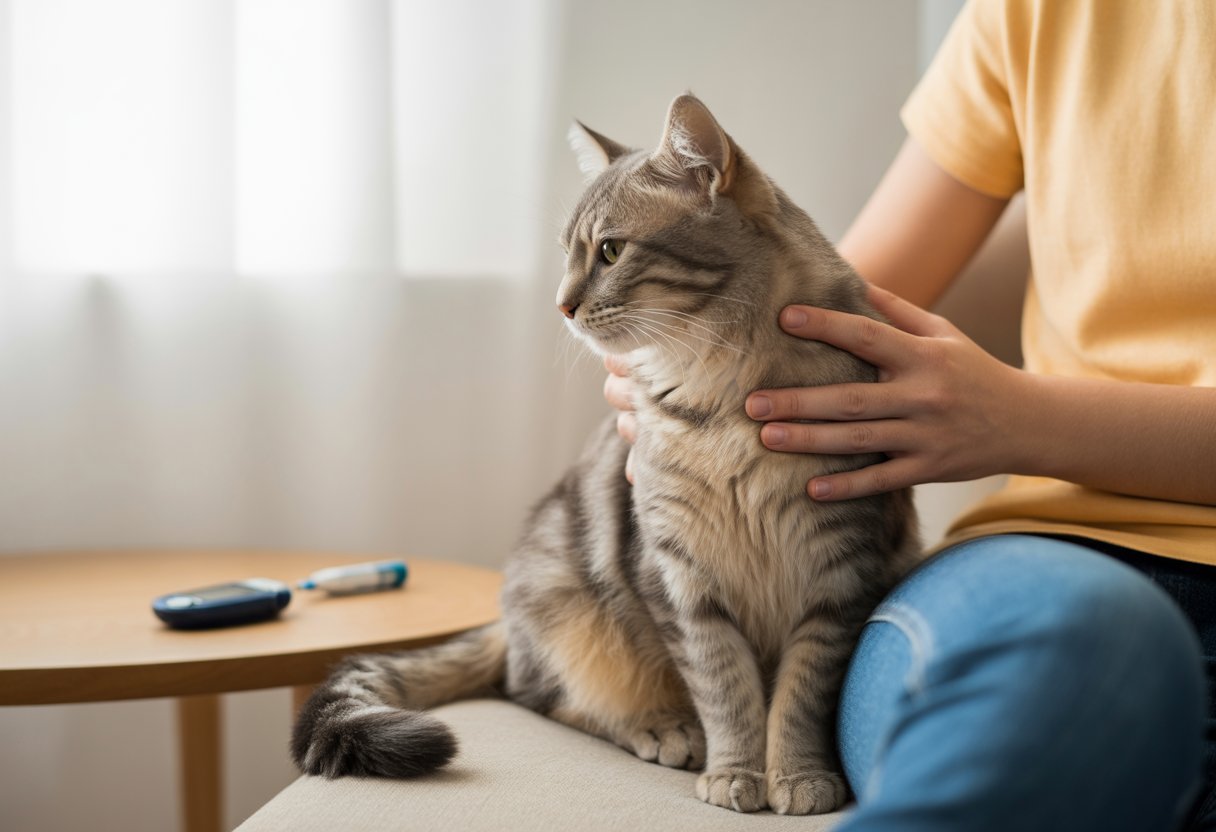
Stress triggers a cascade of hormonal responses that directly impact blood glucose levels through the release of cortisol and other stress hormones. Understanding these mechanisms helps explain why both humans with diabetes and cats experiencing stress show elevated blood sugar readings.
How Stress Affects Glucose Metabolism
When the body perceives stress, it activates the hypothalamic-pituitary-adrenal axis. This system releases cortisol and adrenaline into the bloodstream. These hormones signal the liver to release stored glucose, providing quick energy for a fight-or-flight response.
The stress response also causes insulin resistance. Cells become less responsive to insulin, which means glucose stays in the bloodstream rather than entering cells for energy use. This creates higher blood sugar levels even when insulin is present.
In people with diabetes, this process becomes problematic because their bodies already struggle with insulin production or utilization. The added glucose from stress compounds existing blood sugar management challenges. Regular stress exposure can lead to consistently elevated glucose levels and poorer diabetes control.
Cortisol, Stress Hyperglycaemia, and Diabetes Risk
Cortisol plays a central role in stress hormones disrupting glucose regulation[3]. Chronic elevation of this hormone increases glucose production while decreasing insulin sensitivity. Over time, this pattern can contribute to the development of type 2 diabetes in previously healthy individuals.
Key effects of elevated cortisol:
- Increases liver glucose production
- Reduces insulin sensitivity in muscle and fat tissue
- Promotes fat storage around the abdomen
- Elevates inflammatory markers
Stress hyperglycaemia represents a temporary spike in blood sugar directly caused by stress hormones rather than underlying diabetes. This condition affects both humans and animals, including cats during veterinary visits or household disruptions.
Differentiating Stress Hyperglycaemia from Diabetes
Feline stress hyperglycemia mimics diabetes[5] but resolves once the stressor disappears. In cats, blood glucose can reach 200-400 mg/dL during stressful situations like vet appointments. True diabetes shows persistently elevated glucose regardless of stress levels.
Medical professionals use fructosamine testing to distinguish between the two conditions. Fructosamine reflects average blood glucose over 2-3 weeks. Normal fructosamine with high glucose indicates stress in cats rather than diabetes. Elevated fructosamine alongside high glucose confirms true diabetic disease requiring treatment.
The renal threshold for glucose differs between species. Dogs show glucosuria at approximately 180 mg/dL, while cats don’t spill glucose into urine until blood levels exceed 280 mg/dL. This means cats can have significantly elevated blood sugar before urine tests reveal the problem.
Feline Stress Reduction Strategies in Diabetic Households

Creating a calm environment benefits both diabetic pet owners and their cats, as feline stress can trigger temporary blood sugar spikes through stress hyperglycemia. Managing household stressors helps cats maintain stable health while providing companionship that supports their owners’ diabetes management.
Environmental Modification for Stress Control
Cats thrive in predictable, quiet spaces with adequate resources. Diabetic households should provide multiple litter boxes, water stations, and feeding areas to reduce competition and anxiety in multi-cat homes.
Vertical spaces like cat trees or shelves give cats escape routes when they feel overwhelmed. These elevated perches satisfy natural climbing instincts while offering safe observation points. Window perches with views of outdoor activity provide mental stimulation without physical risk.
Pheromone diffusers can help calm anxious cats by mimicking natural facial pheromones. Placing these devices in areas where cats spend most time creates a sense of security. While nutritional interventions can decrease feline stress[6], no diet or supplement alone eliminates stress completely.
Sound control matters in reducing environmental triggers. Loud noises from television, appliances, or household activity can elevate stress hormones in sensitive cats. Creating quiet zones with soft bedding away from high-traffic areas gives cats control over their environment.
Role of Routine and Safe Spaces
Consistent daily schedules help cats feel secure and reduce anxiety-related behaviors. Feeding times, play sessions, and even owner insulin injection routines should occur at similar times each day.
Safe spaces function as retreat areas where cats can self-regulate stress levels. These designated zones should remain off-limits to other pets, children, or disruptive activity. A quiet bedroom, closet, or dedicated cat room works well.
Essential Safe Space Elements:
- Comfortable bedding or enclosed bed
- Access to fresh water
- Scratching post or pad
- Dim lighting or covered hideaway
- Familiar scented items
Diabetic owners managing their own health routines can synchronize medication schedules with cat feeding times. This mutual routine creates predictability that benefits both species. Stress in cats[7] changes behavior patterns and can complicate existing health conditions.
Reducing Stress Through Interactive Activities
Regular play sessions provide physical exercise and mental enrichment that counters stress accumulation. Short, frequent play periods of 5-10 minutes work better than lengthy sessions that may overstimulate cats.
Interactive toys like feather wands, laser pointers, or puzzle feeders engage hunting instincts and redirect anxious energy. Rotating toys weekly prevents boredom while maintaining novelty. Food puzzles slow eating and provide cognitive challenges that distract from environmental stressors.
Gentle grooming sessions strengthen the human-animal bond while removing loose fur that causes hairballs. Brushing also distributes natural oils and provides tactile comfort. Some cats prefer grooming at specific times, so owners should observe individual preferences.
Positive reinforcement training using treats or praise teaches cats to associate human interaction with rewards rather than threats. Simple commands like “come” or target training build confidence in anxious cats. Training sessions also give diabetic owners structured, relaxing activity that may help their own stress management.
Feline Companionship and Owner Well-Being

Living with diabetes creates ongoing stress that affects blood sugar control, but cat ownership provides measurable benefits for emotional health and daily management routines. Cats offer consistent companionship that helps reduce anxiety while naturally encouraging healthier lifestyle patterns.
Emotional Support and Mitigating Diabetes-Related Anxiety
Cats provide steady emotional support that directly impacts stress levels in people managing diabetes. Petting a cat releases oxytocin and reduces cortisol, the stress hormone that can raise blood glucose levels. This physical interaction creates a calming effect during moments of anxiety about blood sugar readings or treatment decisions.
The predictable nature of feline companionship offers stability for individuals dealing with the unpredictable aspects of diabetes management. Cats establish routines around feeding times and play sessions that give their owners structure throughout the day. This consistency helps reduce the mental burden of managing the diabetic condition[2].
Diabetic cat owners also experience reduced feelings of isolation. The responsibility of caring for a pet creates purpose and distraction from health concerns. Many people find that focusing on their cat’s needs provides temporary relief from diabetes-related worries.
Encouraging Healthy Behaviors and Physical Activity
Cat ownership naturally promotes physical movement that benefits glucose control. Playing with cats using interactive toys requires standing, bending, and walking that increases daily activity levels. Even simple tasks like refilling water bowls or cleaning litter boxes add light exercise to sedentary routines.
Cats encourage their owners to maintain regular schedules for feeding and care. This structure supports consistent meal timing and medication adherence, which are essential for stable blood sugar management. The act of preparing cat food at specific times can remind owners to eat their own meals on schedule.
Active play sessions with cats provide short bursts of movement throughout the day. These brief activity periods help regulate blood glucose without requiring formal exercise programs. Cat owners often walk more steps daily simply from attending to their pet’s needs around the home.
Social and Psychological Support Networks
Cat owners frequently connect with other pet caregivers through online communities and local groups. These social networks provide opportunities to share experiences about health management while bonding over pet care topics. Managing diabetes in cats[8] creates additional common ground for people dealing with similar health challenges.
Veterinary visits for cats give diabetic owners regular contact with healthcare professionals. These interactions can reinforce healthy habits and provide indirect support for human health management. Pet care appointments structure time outside the home, reducing social isolation.
The emotional bond between cats and their owners creates a sense of being needed that supports mental health. This relationship provides motivation to maintain personal health for the sake of continuing to care for their pet. Many diabetic individuals report that their cat gives them reason to better manage their condition.
Diabetes Management in Cats: Insulin and Beyond
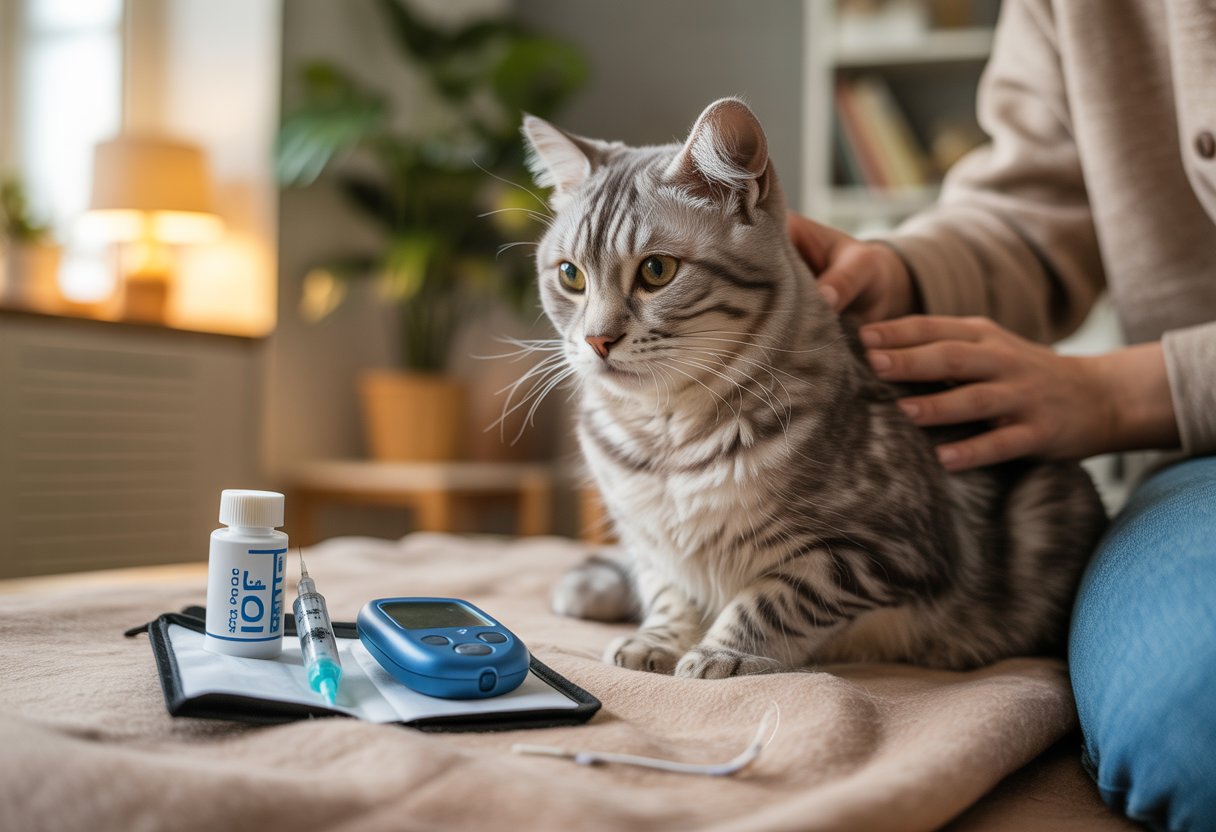
Feline diabetes mellitus requires careful treatment with insulin therapy, and veterinarians have several effective options to choose from. The most commonly used insulins include protamine zinc insulin, glargine, and detemir, each with distinct characteristics that affect dosing and monitoring protocols.
Overview of Insulin Therapy for Feline Diabetes
Diabetes mellitus in cats[9] results from persistent hyperglycemia and glycosuria due to insulin deficiency. Most cats have type 2 diabetes, which differs from dogs who typically develop type 1 diabetes.
Insulin therapy aims to minimize clinical signs like excessive thirst and urination while avoiding dangerous complications. Treatment goals include preventing diabetic ketoacidosis and peripheral neuropathy, which can cause a plantigrade stance where cats walk on their hocks.
Managing feline diabetes[10] involves regular monitoring and dose adjustments. Between 25% to 30% of cats can achieve diabetic remission, meaning they maintain normal blood glucose without insulin for 2 to 4 weeks. Early diagnosis and strict glucose control increase remission chances, though some cats later relapse and need permanent insulin therapy.
Insulin Types: Protamine Zinc Insulin, Glargine, Detemir
Protamine zinc insulin is FDA-approved for cats and contains added zinc to extend its duration. In clinical trials with 133 cats, PZI treatment improved glycemic control[9] over 45 days, with 79% showing reduced excessive urination and drinking. The starting dose ranges from 0.2 to 0.4 units per kilogram of body weight twice daily.
Insulin glargine (Lantus) is an ultra long-acting basal insulin that forms precipitates under the skin. Studies suggest cats treated with glargine may achieve higher remission rates than other insulin types. One study reported 84% remission in cats starting glargine within 6 months of diagnosis. Blood glucose monitoring occurs at 4-hour intervals after injection.
Insulin detemir (Levemir) binds to albumin, creating extended action similar to glargine. Research shows 67% remission rates in cats using intensive home monitoring protocols. The starting dose matches glargine, typically 0.25 units per kilogram twice daily. Blood glucose checks occur every 2 hours during curve monitoring.
Recognizing and Addressing Pain and Chronic Conditions

Diabetes creates physical discomfort that affects both humans and their feline companions, while cats themselves may experience pain that influences their stress-reducing abilities. Understanding diabetic symptoms and recognizing pain in cats helps maintain the therapeutic benefits of pet ownership.
Diabetes Symptoms and Chronic Discomfort
Diabetes produces three hallmark symptoms known as the “three Ps.” Polyuria involves excessive urination as the body attempts to eliminate excess glucose through urine. Polydipsia describes increased thirst that develops as the body tries to replace fluids lost through frequent urination. Polyphagia refers to excessive hunger despite eating normal amounts, occurring because cells cannot absorb glucose for energy.
These symptoms create physical discomfort and stress. Frequent trips to the bathroom disrupt sleep patterns and daily routines. The constant need to drink water becomes inconvenient and exhausting. Despite eating more, people with uncontrolled diabetes often lose weight and feel persistently fatigued.
Nerve damage from prolonged high blood sugar causes diabetic neuropathy. This condition produces tingling, numbness, or burning sensations in the hands and feet. Some people experience sharp shooting pains that worsen at night. The discomfort adds another layer of stress to diabetes management.
Behavioral Changes Associated With Pain
Cats are excellent at masking their pain[11], making recognition challenging for owners. A cat experiencing discomfort may sleep more than usual or hide from family members. Some cats become less social or strike out when touched in painful areas.
Common pain indicators in cats include:
- Reluctance to jump on furniture or use stairs
- Changes in litter box habits or elimination outside the box
- Decreased grooming or excessive licking of one area
- Reduced interest in toys or playing
- Altered eating or drinking patterns
- Unusual vocalizations
When cats experience pain and chronic conditions[12], their ability to provide emotional support diminishes. An uncomfortable cat spends less time interacting with owners and may avoid physical contact. This reduces the stress-relieving benefits that come from petting and cuddling with a healthy cat.
Mitigating Stress-Triggered Complications
Stress hormones like cortisol and adrenaline raise blood sugar levels by triggering glucose release from the liver. Chronic stress makes diabetes harder to control, creating a cycle where poor glycemic control increases stress further.
A healthy, pain-free cat provides consistent companionship that helps break this cycle. Regular interaction with a comfortable cat lowers cortisol levels and promotes relaxation. The simple act of petting a cat reduces blood pressure and heart rate within minutes.
Maintaining the cat’s health through routine pain assessment[13] preserves these benefits. Veterinary visits should include evaluation of mobility, behavior changes, and physical signs of discomfort. Early intervention prevents chronic pain from developing and keeps cats active and engaged with their owners.
Creating a comfortable environment for both human and cat reduces stress for both parties. Accessible litter boxes, food bowls, and resting areas help cats with mobility issues. This thoughtful setup minimizes stress while maintaining the emotional bond that supports diabetes management.
Challenges and Solutions for Diabetic Cat Owners
Managing a cat with diabetes requires consistent care and attention to behavioral changes that often accompany the condition. Owners face specific challenges related to their cat’s symptoms while also managing their own stress and maintaining a positive relationship with their pet.
Common Behavioral Issues in Diabetic Cats
Diabetic cats experience three primary symptoms that create behavioral challenges[1]: excessive hunger, excessive urination, and excessive drinking. These symptoms can strain the cat-human relationship and make daily care more difficult.
Excessive hunger is often the most challenging issue for caregivers. Diabetic cats may constantly vocalize for food, break into cabinets, or chew through food packages. This behavior occurs because the cat’s body cannot properly absorb glucose even when eating. Owners should avoid feeding cats while they are screaming, as this reinforces the unwanted behavior.
Excessive urination creates litter box problems. Diabetic cats can produce as much urine as two to four non-diabetic cats. They may struggle to reach the litter box in time or avoid it entirely due to poor hygiene. Solutions include increasing the number of litter boxes, placing boxes on every floor, and scooping at least once daily.
Excessive drinking leads cats to seek water from unusual sources like toilets or sinks. Providing multiple fresh water sources throughout the home helps manage this behavior while keeping the cat properly hydrated.
Supporting the Cat-Human Bond During Diabetes Care
The daily demands of diabetes care can damage the relationship between cats and their owners. Insulin injections, frequent feeding schedules, and behavioral issues create frustration on both sides.
Separating medical care from positive interactions helps maintain the bond. Owners should schedule play sessions, grooming, or quiet time together that has nothing to do with diabetes management. This ensures the cat doesn’t associate their person solely with injections or dietary restrictions.
Using automatic feeders removes the human element from meal times. Cats learn that food comes from the device rather than demanding it from people. This reduces screaming and food-related aggression.
Creating a behavior log helps owners track patterns and share useful information with veterinarians. Recording the time of day, specific behaviors, and actions taken provides valuable data. This monitoring can actually strengthen the bond as owners become more attuned to their cat’s needs and communication.
Caregiver Stress and Fatigue: Prevention and Management
Caring for a diabetic cat creates significant stress for owners. The responsibility of giving injections, monitoring symptoms, and managing challenging behaviors can feel overwhelming.
Key stress reduction strategies include:
- Establishing consistent daily routines for insulin administration and feeding
- Setting up systems that simplify care (automatic feeders, multiple litter boxes)
- Connecting with support groups or other diabetic cat owners
- Remembering that behavioral issues often improve once diabetes is better controlled
Owners should recognize when they need help. Working with a cat behavior consultant can address specific behavior challenges[1] while staying within appropriate professional boundaries. These specialists help repair strained relationships by giving owners practical tools to manage difficult behaviors.
Taking breaks from constant monitoring is essential. While diabetic cats need consistent care, owners must also maintain their own wellbeing. Setting realistic expectations and celebrating small improvements helps prevent burnout. Many behavioral challenges that seem permanent at diagnosis will decrease in intensity as blood sugar becomes better regulated through veterinary care.
Preventive Approaches and Long-Term Wellness

Managing diabetes in cats requires consistent attention to health markers and environmental factors that influence blood sugar levels. Regular monitoring, veterinary care, and lifestyle adjustments form the foundation for preventing complications and maintaining stable glucose control over time.
Importance of Early Detection and Monitoring
Early identification of feline diabetes[14] can prevent severe health complications and improve treatment outcomes. Cats often hide symptoms until the disease progresses, making vigilant observation essential.
Warning signs to watch for:
- Increased thirst and urination
- Unexplained weight loss despite normal appetite
- Lethargy or decreased activity levels
- Poor coat condition
Pet owners should weigh their cats every 2-3 months to catch changes early. A baby scale works well for accurate home measurements. Cats over 10 years old require more frequent monitoring since diabetes risk increases with age.
Home blood glucose testing provides valuable data between veterinary visits. This practice helps identify patterns and prevents dangerous fluctuations. Owners who learn proper testing techniques can adjust care routines before minor issues become emergencies.
Routine Veterinary Assessments and Blood Glucose Checks
Professional veterinary evaluations should occur every 3-6 months for diabetic cats. These appointments typically include physical examinations, blood work, and discussions about insulin therapy adjustments.
Blood glucose curves track how sugar levels change throughout the day. Veterinarians use these measurements to determine optimal insulin dosages. Some cats experience stress hyperglycaemia during clinic visits, which can skew results. Home testing often provides more accurate data because cats remain calm in familiar environments.
Fructosamine tests measure average glucose levels over the previous 2-3 weeks. This assessment gives a broader picture than single-point glucose checks. Regular testing helps identify whether current management strategies are working or need modification.
Veterinarians also screen for common complications like urinary tract infections, kidney disease, and neuropathy. Early intervention for these conditions prevents suffering and maintains quality of life.
Lifestyle Advice for Lasting Glycemic Control
Diet plays the most significant role in managing feline diabetes[15]. Cats need foods containing less than 10% carbohydrate calories. High-protein, low-carbohydrate wet foods help stabilize blood sugar naturally.
Key dietary guidelines:
- Eliminate dry food completely when possible
- Avoid foods with gravy or sauces (high in carbohydrates)
- Feed consistent portions at scheduled times
- Choose meat-based proteins over plant ingredients
Weight management directly affects insulin sensitivity. Overweight cats have fat cells that make the body resistant to insulin. Safe weight loss requires careful calorie restriction under veterinary supervision, since rapid weight loss can cause serious liver problems.
Exercise helps reduce stress and improve glucose metabolism. Interactive play sessions encourage activity without overwhelming sedentary cats. Even 10-15 minutes of daily movement makes a measurable difference.
Environmental stress reduction supports better glycemic control. Cats thrive on routine and predictable schedules. Maintaining consistent feeding times, litter box locations, and quiet resting areas minimizes stress hyperglycaemia episodes that complicate diabetes management.
Scientists are exploring how pet cats might influence blood sugar control through stress reduction mechanisms. New treatment approaches are examining the human-animal bond alongside traditional insulin therapy to improve patient outcomes.
Emerging Evidence on Pet-Induced Stress Relief
Recent studies indicate that feline companionship may lower cortisol levels in people with diabetes. High cortisol directly interferes with glucose metabolism and can worsen insulin resistance. Researchers are measuring physiological markers like heart rate variability and blood pressure in diabetic patients who interact with cats.
Early data suggests that petting a cat for 15-20 minutes can trigger relaxation responses. These responses may help stabilize blood sugar fluctuations caused by chronic stress. Scientists are also investigating whether regular cat ownership leads to better long-term glycemic control compared to non-pet owners.
The challenge lies in isolating the specific benefits of cats from other lifestyle factors. Controlled trials are needed to establish clear cause-and-effect relationships between feline companionship glucose levels and stress hormones.
Novel Therapies and the Human-Animal Bond
Healthcare providers are testing whether structured animal interaction programs can complement traditional diabetes management. Some pilot programs pair newly diagnosed patients with therapy cats during education sessions. The goal is to reduce anxiety around insulin therapy and self-monitoring routines.
Researchers are developing new treatment options for diabetic cats[16] that may inform human care approaches. Understanding how stress affects glucose control in feline diabetes could reveal shared mechanisms applicable to human patients.
Technology integration is another frontier. Apps that encourage pet care activities might help diabetic individuals maintain consistent daily routines. These routines support better medication adherence and meal timing.
Knowledge Gaps and Opportunities for Further Study
Current research lacks large-scale longitudinal studies tracking diabetes outcomes in cat owners versus non-owners. Most existing evidence comes from small samples or self-reported data. Scientists need standardized protocols to measure how feline companionship affects HbA1c levels over months or years.
Key questions remain unanswered:
- Do specific cat breeds or temperaments provide greater stress relief?
- How much daily interaction time produces measurable glucose improvements?
- Can therapeutic cat visits replace or reduce anti-anxiety medications in diabetic patients?
Funding agencies are beginning to recognize pet-based interventions as legitimate research areas. Collaborative studies between endocrinologists and veterinary behaviorists could identify practical recommendations for integrating cats into diabetes care plans.
Frequently Asked Questions
Pet ownership influences stress hormones and blood glucose regulation in people with diabetes, while diabetic cats require careful monitoring of their own sugar levels through specific diet and medication protocols.
How can feline companionship impact stress management in individuals with diabetes?
Cats provide emotional support that helps lower cortisol levels in their owners. When stress hormones decrease, the body manages blood sugar more effectively.
Petting a cat releases oxytocin and reduces anxiety. This calming effect helps prevent stress-induced blood sugar spikes that complicate diabetes management.
The routine of caring for a cat creates structure in daily life. Regular feeding schedules and interaction times help establish consistent patterns that benefit diabetes control.
What techniques are effective for managing blood sugar levels in diabetic cats?
Insulin injections remain the primary treatment for feline diabetes management[17]. Most cats receive insulin twice daily, typically 12 hours apart.
Regular blood glucose monitoring helps determine the right insulin dose. Veterinarians may recommend checking levels at home using a glucose meter designed for pets.
Feeding a high-protein, low-carbohydrate diet improves glucose control in diabetic cats. Meals should be timed with insulin injections to prevent dangerous blood sugar fluctuations.
Weight management plays a key role since obesity makes cells resistant to insulin. Gradual weight loss under veterinary supervision helps improve the body’s response to treatment.
What signs indicate that a cat might be experiencing dangerously high blood sugar levels?
Increased thirst and urination are the most common early signs of high blood sugar. A cat may drink several times more water than normal and use the litter box more frequently.
Weight loss despite a normal or increased appetite indicates the body cannot use glucose properly. The cat loses muscle mass as the body breaks down fat and protein for energy.
Lethargy and weakness develop as cells are deprived of energy. Some cats walk with a plantigrade stance, placing their hocks on the ground instead of walking on their toes.
Vomiting and loss of appetite signal severe hyperglycemia that requires immediate veterinary attention. These symptoms may indicate diabetic ketoacidosis, a life-threatening emergency.
How much does typical treatment for a cat with diabetes cost?
Initial diagnostic testing costs between $200 and $500. This includes blood work, urinalysis, and sometimes additional tests to rule out other conditions.
Monthly insulin costs range from $30 to $100 depending on the type prescribed and the cat’s dose requirements. Syringes add another $10 to $20 per month.
Glucose monitoring supplies cost $50 to $150 monthly if owners test at home. Veterinary glucose curves performed in the clinic cost $150 to $300 per visit.
Annual expenses typically total $1,500 to $3,000 for routine management. Costs increase if complications develop or if the cat requires hospitalization for blood sugar regulation.
What are the potential consequences of not administering insulin to a cat with diabetes?
Without insulin treatment, blood sugar levels remain dangerously high and cause progressive organ damage. The kidneys work overtime trying to filter excess glucose, leading to dehydration and kidney disease.
Diabetic ketoacidosis develops when the body breaks down fat for energy instead of using glucose. This produces toxic ketones that make the blood acidic and can cause coma or death within days.
Nerve damage occurs in the hind legs, causing weakness and an abnormal walking pattern. Cats may develop cataracts that cloud the lens of the eye, though this is less common than in dogs.
Life expectancy drops significantly without treatment. Most untreated diabetic cats live only months after diagnosis due to complications and declining quality of life.
In managing feline diabetes, what role does diet play alongside medication?
Diet directly affects how much insulin a cat needs and how stable blood sugar levels remain throughout the day. High-protein, low-carbohydrate foods help manage the diabetic cat[2] by reducing glucose spikes after meals.
Canned food generally works better than dry kibble because it contains more protein and less carbohydrate. The moisture content also helps with hydration, which is important for kidney function.
Consistent feeding times and portions prevent blood sugar fluctuations. Splitting daily food into two meals given with insulin injections provides the best control.
Some cats achieve diabetic remission through diet changes alone, especially if treatment starts early. Weight loss and a proper diet can restore the body’s ability to produce and use insulin effectively.
Post Views: 60
References
- When Extra Sweet Turns Sour: Supporting Cats with Behavior Changes Related to Feline Diabetes. https://journal.iaabcfoundation.org/feline-diabetes-28/ Accessed March 6, 2026
- diabetes management in cats. https://icatcare.org/resources/cat-carer-guide-managing-the-diabetic-cat.pdf Accessed March 6, 2026
- Stress Hormones & Glucose in Cats: Impact on Health
– Meowant. https://meowant.com/blogs/comprehensive-guides/feline-stress-hormones-glucose-homeostasis-impact Accessed March 6, 2026 - Diabetes Mellitus in Cats. https://vcahospitals.com/know-your-pet/diabetes-mellitus-in-cats-overview Accessed March 6, 2026
- Feline Stress Hyperglycemia. https://puainta.com/blogs/cats/feline-stress-hyperglycemia Accessed March 6, 2026
- nutritional interventions can decrease feline stress. https://todaysveterinarypractice.com/wp-content/uploads/sites/4/2022/06/TVP-2022-0708_Nutrition_Feline_Stress.pdf Accessed March 6, 2026
- The Role of Stress in Feline Medicine and What to Do About It – WSAVA 2015 Congress. https://www.vin.com/apputil/content/defaultadv1.aspx?id=7259149&pid=14365&print=1 Accessed March 6, 2026
- Feline Diabetes Care: A Guide for Pet Owners. https://bestfamilypets.com/feline-diabetes-care/ Accessed March 6, 2026
- Feline Diabetes Mellitus Updates on Diagnosis & Treatment. https://todaysveterinarypractice.com/endocrinology/feline-diabetes-mellitus-updates-on-diagnosis-treatment/ Accessed March 6, 2026
- Managing feline diabetes. https://www.aaha.org/wp-content/uploads/globalassets/02-guidelines/diabetes/2018-aaha-diabetes-management-guidelines-2022-update.pdf Accessed March 6, 2026
- Feline Chronic Pain Assessment. https://todaysveterinarynurse.com/pain-management/feline-chronic-pain-assessment/ Accessed March 6, 2026
- pain and chronic conditions. https://catvets.com/wp-content/uploads/2024/04/AAFP_Chronic_Pain_Toolkit_Full.pdf Accessed March 6, 2026
- routine pain assessment. https://www.aaha.org/wp-content/uploads/globalassets/02-guidelines/2022-pain-management/resources/2022-aaha-pain-management-guidelines-for-dog-and-cats_updated_060622.pdf Accessed March 6, 2026
- Feline Diabetes- treatment and prevention in cats. https://catinfo.org/feline-diabetes/ Accessed March 6, 2026
- Managing Feline Diabetes Mellitus. https://www.todaysveterinarypractice.com/endocrinology/managing-feline-diabetes-mellitus/ Accessed March 6, 2026
- Attention Required!. https://www.dvm360.com/view/feline-diabetes-mellitus-advancements-in-treatment-and-the-role-of-the-veterinary-team Accessed March 6, 2026
- feline diabetes management. https://www.canadianveterinarians.net/media/oldhl3cp/feline-diabetes-management-february-2023.pdf Accessed March 6, 2026