
Medically Reviewed
Dr. Jose Rossello, MD, PhD, MHCM
Preventive Medicine & Public Health Specialist
Last Reviewed: March 8, 2026
Spring brings warming temperatures and blooming plants, but it also triggers uncomfortable allergy symptoms for millions of people. Sneezing, itchy eyes, congestion, and fatigue can make it difficult to enjoy outdoor activities during this season. Tree pollen causes most spring allergies[1], though grass and weed pollen also contribute to symptoms.

Relief is possible through a combination of preventive measures, medication options, and environmental controls that reduce exposure to allergens. Simple changes to daily routines can significantly decrease the severity of allergy symptoms. Understanding which strategies work best helps people take action before symptoms become severe.
This guide covers practical steps anyone can take to manage spring allergies effectively. The tips range from monitoring pollen levels to making adjustments inside the home. Both medical treatments and lifestyle modifications play important roles in finding relief.
Table of Contents
1) Check daily local pollen counts using weather apps or websites
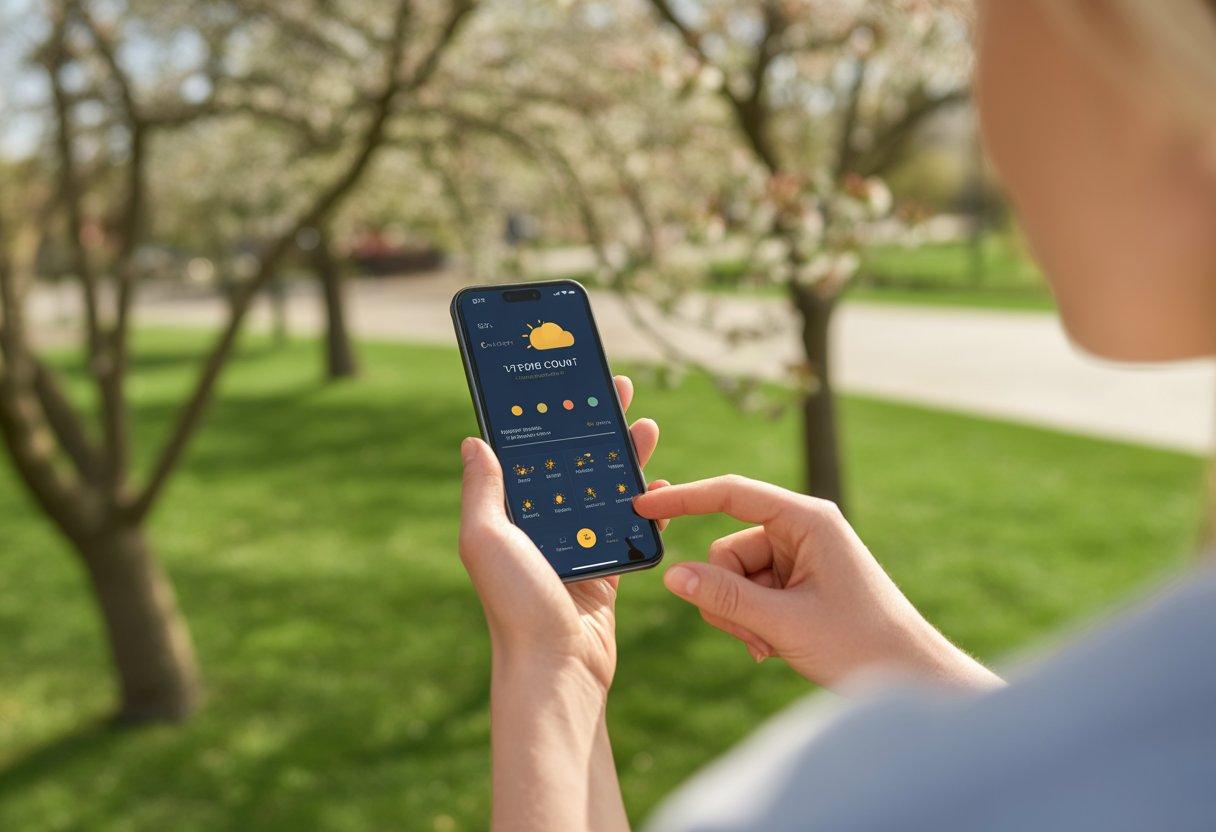
Monitoring pollen levels helps people plan their outdoor activities and manage allergy symptoms better. Many weather apps now include pollen forecasts alongside temperature and precipitation data.
Several specialized tools provide detailed allergen information. The Allergy Plus app[2] delivers location-specific, real-time allergy data based on Pollen.com’s 20 years of forecasting experience. Users can also check pollen counts by zip code[3] through services that offer both current conditions and historical data.
These resources track different types of pollen from trees, grasses, and weeds throughout the spring season. They often rate pollen levels as low, moderate, high, or very high.
People with allergies should check these forecasts each morning before heading outside. High pollen days are good opportunities to keep windows closed and limit time outdoors. Some apps send notifications when pollen reaches concerning levels in a user’s area.
Planning activities around pollen counts makes spring more manageable for allergy sufferers. A quick daily check takes less than a minute but provides valuable information for the day ahead.
2) Keep windows and doors closed to prevent pollen entry
Pollen can easily drift into homes through open windows and doors. Keeping windows closed during peak pollen seasons[4] stops allergens from entering indoor spaces.
People should use air conditioning instead of opening windows for fresh air. This simple change creates a barrier between outdoor pollen and the home’s interior.
During car rides, drivers and passengers need to keep windows rolled up. Closing car windows reduces how much pollen enters the vehicle[5] on high pollen count days.
On days when pollen levels are high, all entry points should stay sealed. Even a few hours with windows open can bring in large amounts of pollen. The air inside stays cleaner when doors and windows remain shut throughout spring allergy season.
This method works best when combined with other indoor air quality steps. Using air conditioning systems helps maintain comfortable temperatures while protecting against outdoor allergens.
3) Use a HEPA air purifier in common living areas
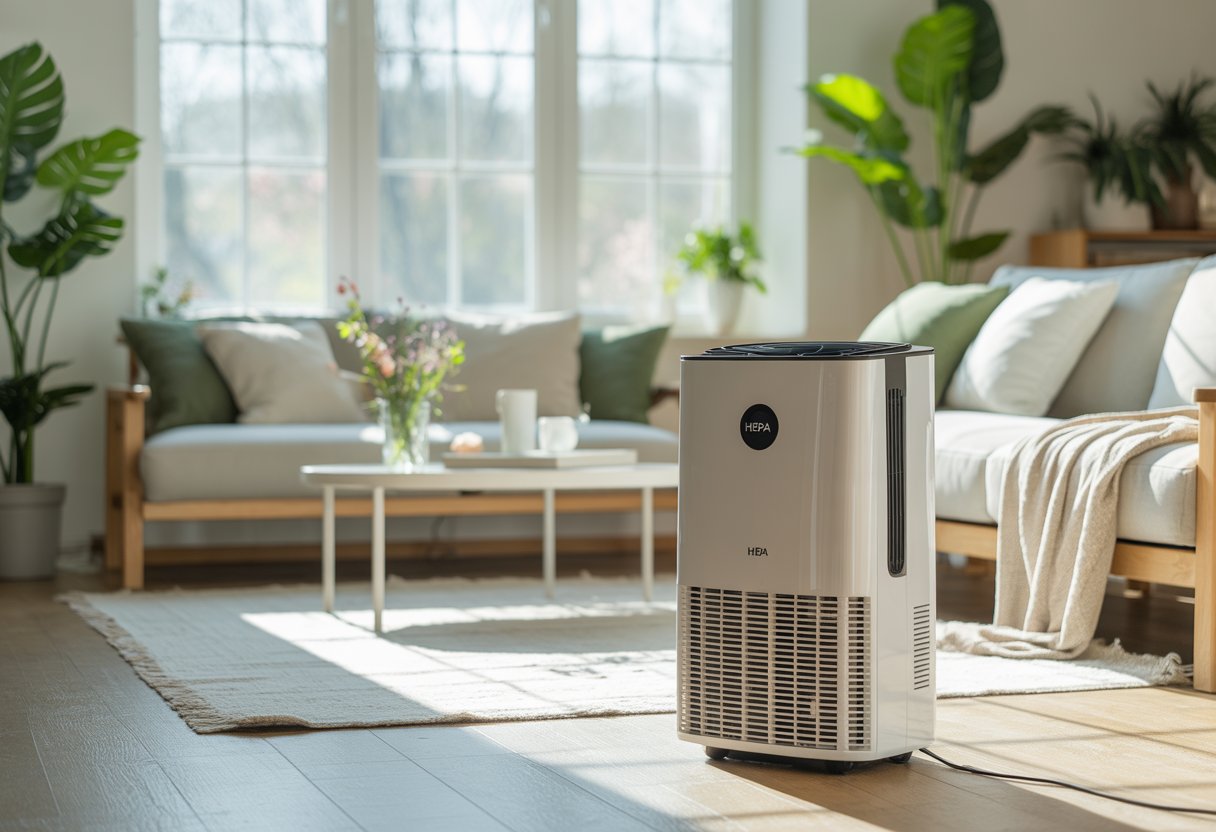
A HEPA air purifier can trap airborne allergens that float through the home. These devices work by pulling air through a special filter that catches tiny particles.
HEPA filters remove more than 99% of small particles[6], including pollen, pet dander, and mold spores. This makes them effective at cleaning the air in rooms where people spend most of their time.
Place the air purifier in common areas like the living room or bedroom. Running it regularly helps reduce the amount of allergens in the air.
However, air purifiers work best as part of a broader approach. Studies show they don’t always improve daily allergy symptoms[7] or replace the need for medication on their own. They should be used alongside other strategies like reducing triggers and following treatment plans.
For best results, keep windows closed during high pollen days while running the purifier. This prevents new allergens from entering while the device cleans the existing air.
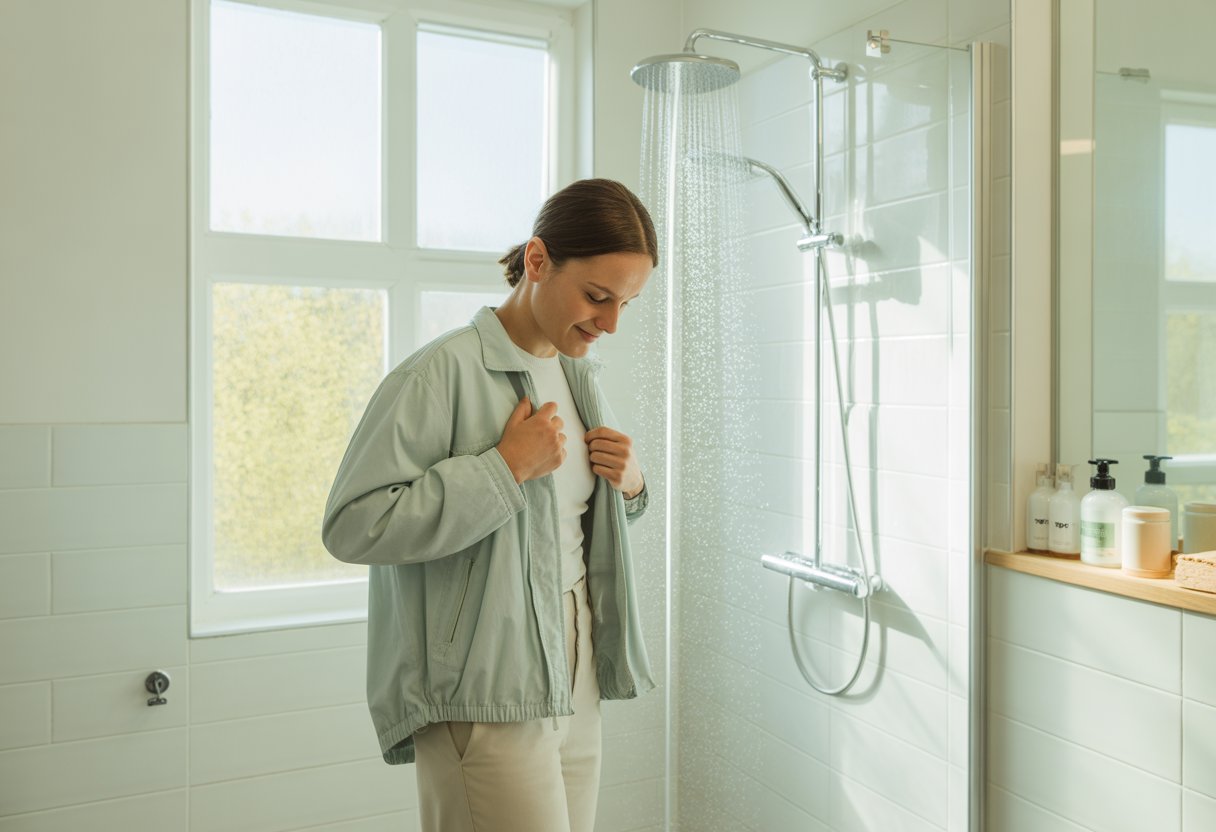
Pollen sticks to skin, hair, and clothing during time spent outside. Showering immediately after outdoor activities[8] prevents bringing these allergens into the home.
Elevate Your Health for Just $29.99/Month
Join the Precision Wellness Subscription at My Healing 365 and get discounted services, priority coaching access, virtual care, and exclusive wellness resources to support your physical, emotional, and hormonal health.
Join for $29.99/MonthA quick rinse washes away the pollen that has collected on the body throughout the day. This simple step reduces exposure to allergens that would otherwise spread to furniture, bedding, and other surfaces inside.
Changing clothes after being outdoors is equally important. The fabric traps pollen particles that continue releasing allergens long after coming inside. Fresh clothes help keep indoor spaces cleaner.
Showering before bed[9] is especially helpful for people with spring allergies. This practice keeps allergens out of bedding and allows for better sleep without irritation. Clean sheets and pillowcases stay free from the pollen that would cause nighttime symptoms.
Wearing wraparound sunglasses during outdoor activities adds extra protection. They shield eyes from direct pollen contact and reduce the amount that reaches the face.
5) Use a saline nasal spray to rinse nasal passages
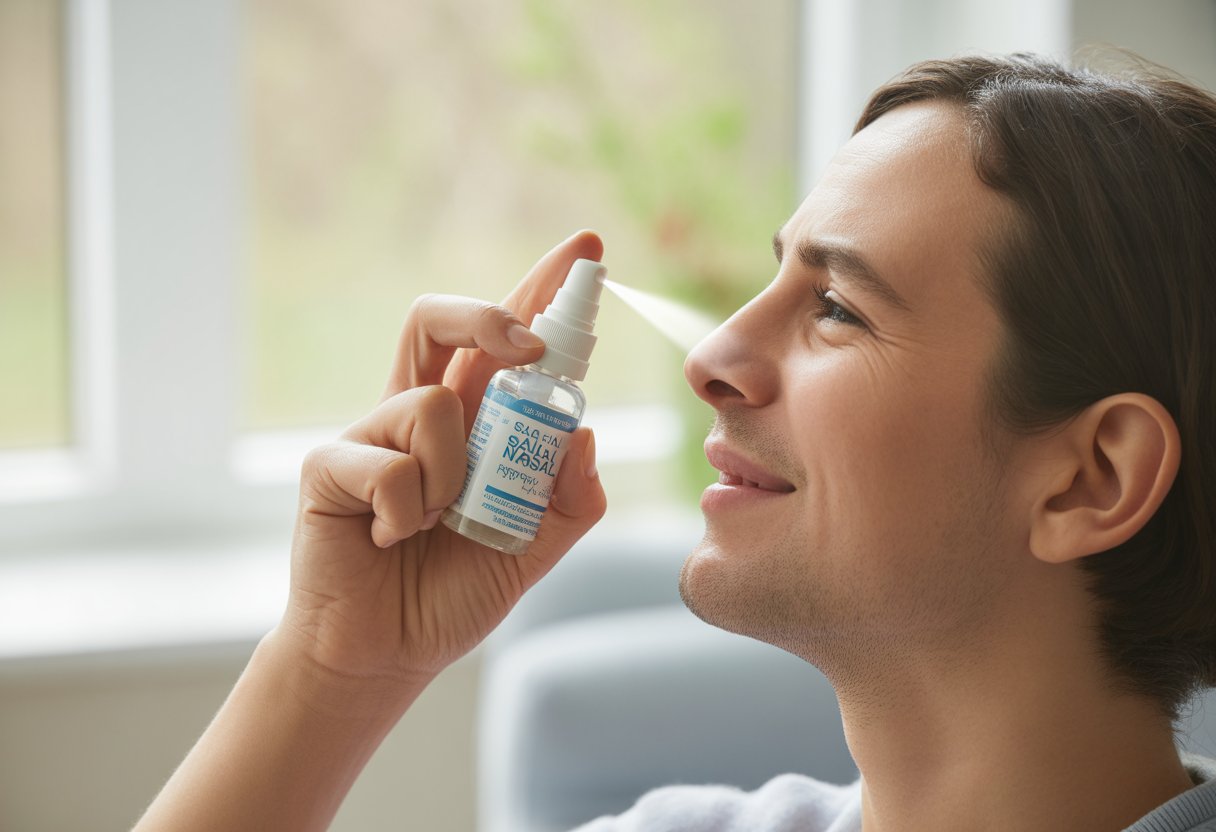
A saline nasal spray helps clear allergens like pollen and dust from nasal passages. The simple saltwater solution washes away irritants that cause sneezing, congestion, and other allergy symptoms.
Saline nasal sprays help with congestion and allergies[10] by keeping nasal passages moist and clean. They work without medication, making them safe for daily use during allergy season.
To get the best results, people should blow their nose gently before spraying. They can tilt their head slightly forward and insert the nozzle into one nostril. While breathing in through the nose, they should squeeze the bottle to release the spray.
The process gets repeated in the other nostril. People should avoid tilting their head back, as this can cause the solution to drip down the throat instead of coating the nasal passages.
Using nasal spray correctly[11] ensures the saline reaches all areas where allergens collect. Most people find relief by using saline spray two to three times daily during peak allergy season.
6) Take oral antihistamines like cetirizine or loratadine early in the season
Starting antihistamines before allergy symptoms begin can provide better relief. Oral antihistamines work similarly well for managing allergy symptoms[12], and experts don’t consider one to be the best option overall.
Common over-the-counter choices include cetirizine (Zyrtec), loratadine (Claritin), and fexofenadine (Allegra). These medications block histamine, a chemical the body releases during allergic reactions.
Taking antihistamines early in spring helps prevent symptoms from starting. The medication builds up in the system and works more effectively when used consistently throughout allergy season.
Loratadine reaches peak levels within an hour[13] after taking it. Most people can stop taking the medication once their allergy symptoms resolve.
Antihistamines are safe when used according to label directions[14]. People should follow dosing instructions carefully and avoid taking more than recommended. These medications can be combined with nasal steroid sprays for additional relief if needed.
7) Apply steroid nasal sprays such as fluticasone for inflammation
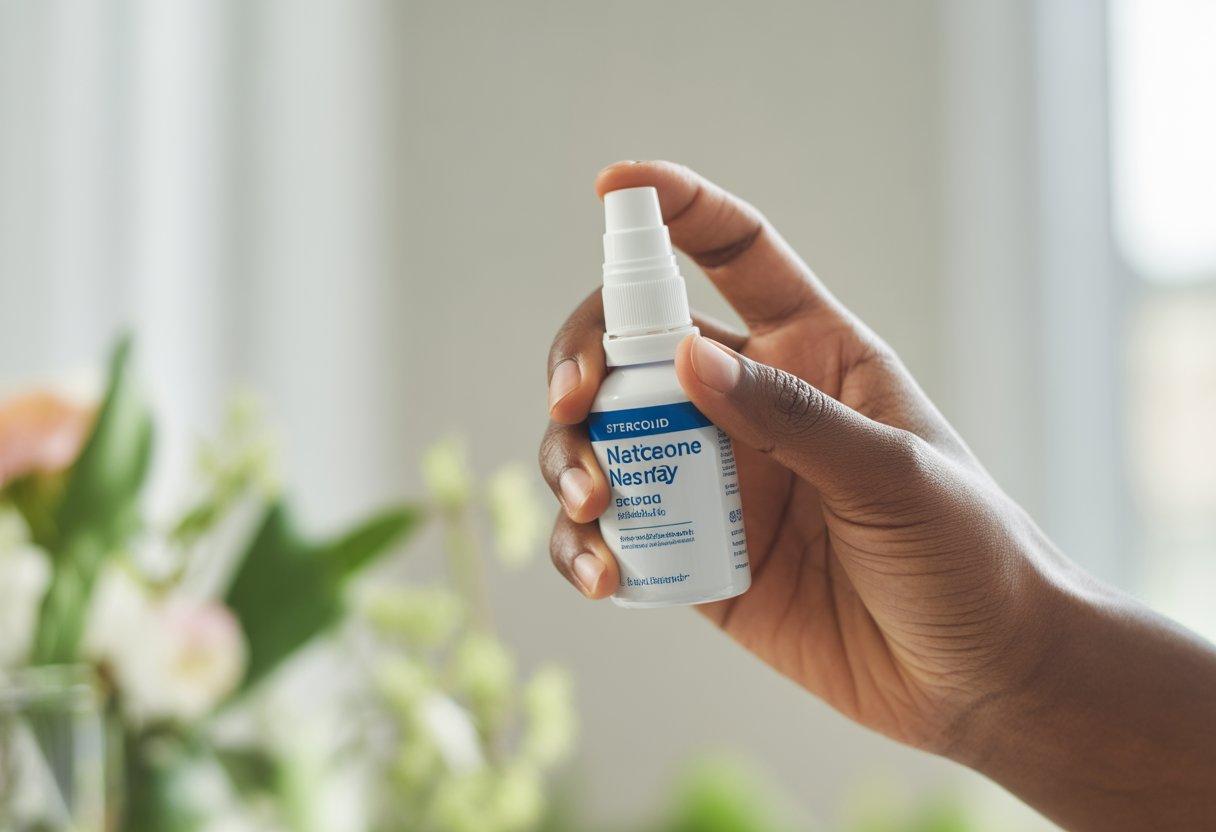
Steroid nasal sprays like fluticasone[15] work by reducing inflammation inside the nasal passages. This helps relieve common spring allergy symptoms like sneezing, itching, and congestion.
Fluticasone is a corticosteroid medication[16] that comes as a nasal spray. When someone breathes in pollen or other allergens, their immune system releases chemicals that cause swelling in the nose. The spray blocks this reaction and makes breathing easier.
These sprays start working within a few days. However, it may take up to a week of daily use[17] to feel the full benefits.
Other steroid nasal sprays include budesonide and triamcinolone[18]. They all reduce nasal inflammation and help clear mucus from airways. People need to use these sprays consistently each day for best results.
Proper use of the nasal spray[19] matters for effectiveness. Most products require priming before the first use.
8) Wear wraparound sunglasses outdoors to protect eyes from pollen
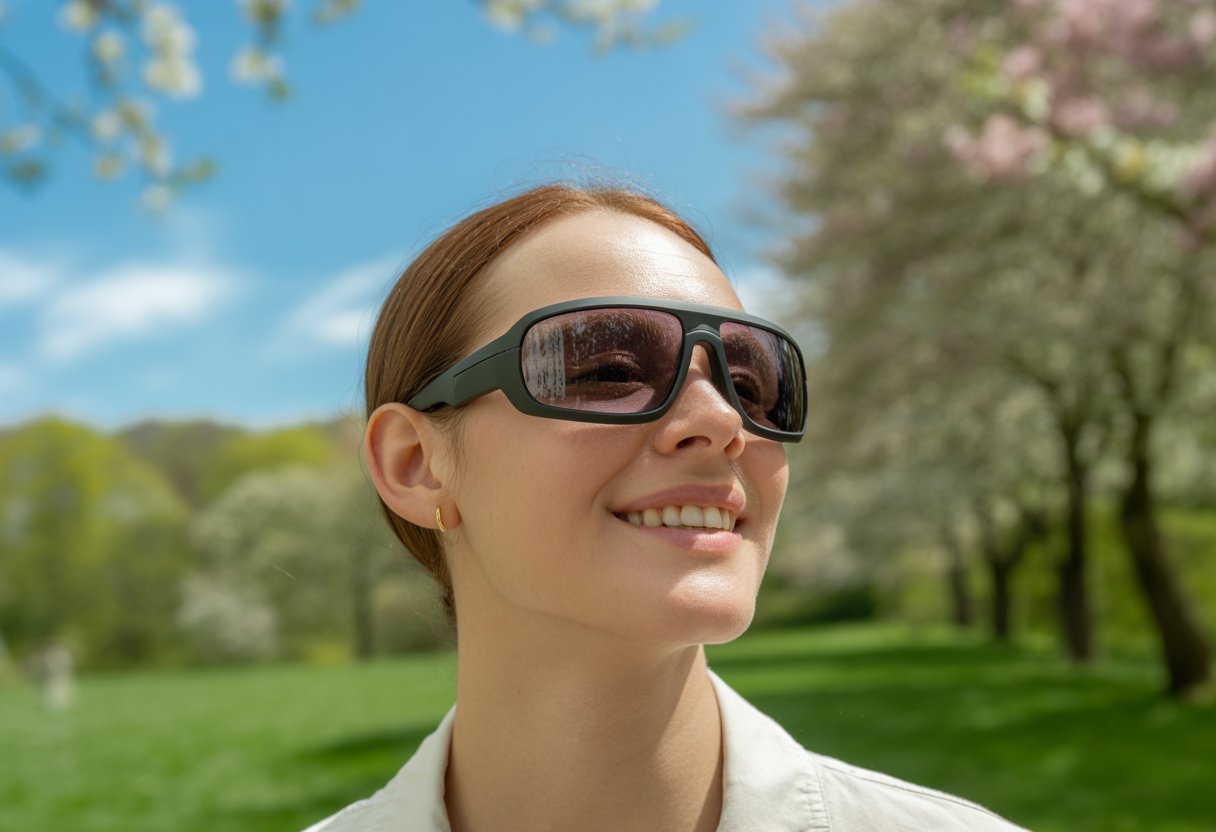
Wraparound sunglasses create a physical barrier between the eyes and airborne allergens. They block pollen, dust, and other irritants from reaching the sensitive eye area. Regular sunglasses leave gaps on the sides where particles can enter.
Wraparound sunglasses protect eyes from airborne allergens[20] and reduce exposure to pollen throughout the day. This simple step helps prevent itchy, watery, and red eyes during high pollen seasons.
People who spend time outdoors during spring should make wraparound sunglasses part of their daily routine. The close fit around the face stops pollen from drifting into the eyes from any angle.
These glasses also protect eyes from UV rays[21], which damage the cornea and lens. Choosing sunglasses that block both pollen and harmful radiation provides double protection for eye health.
Anyone with seasonal allergies should keep a pair of wraparound sunglasses handy. Wearing them during outdoor activities like walking, gardening, or exercising makes a noticeable difference in comfort levels.
9) Avoid outdoor activities during peak pollen times, usually early morning
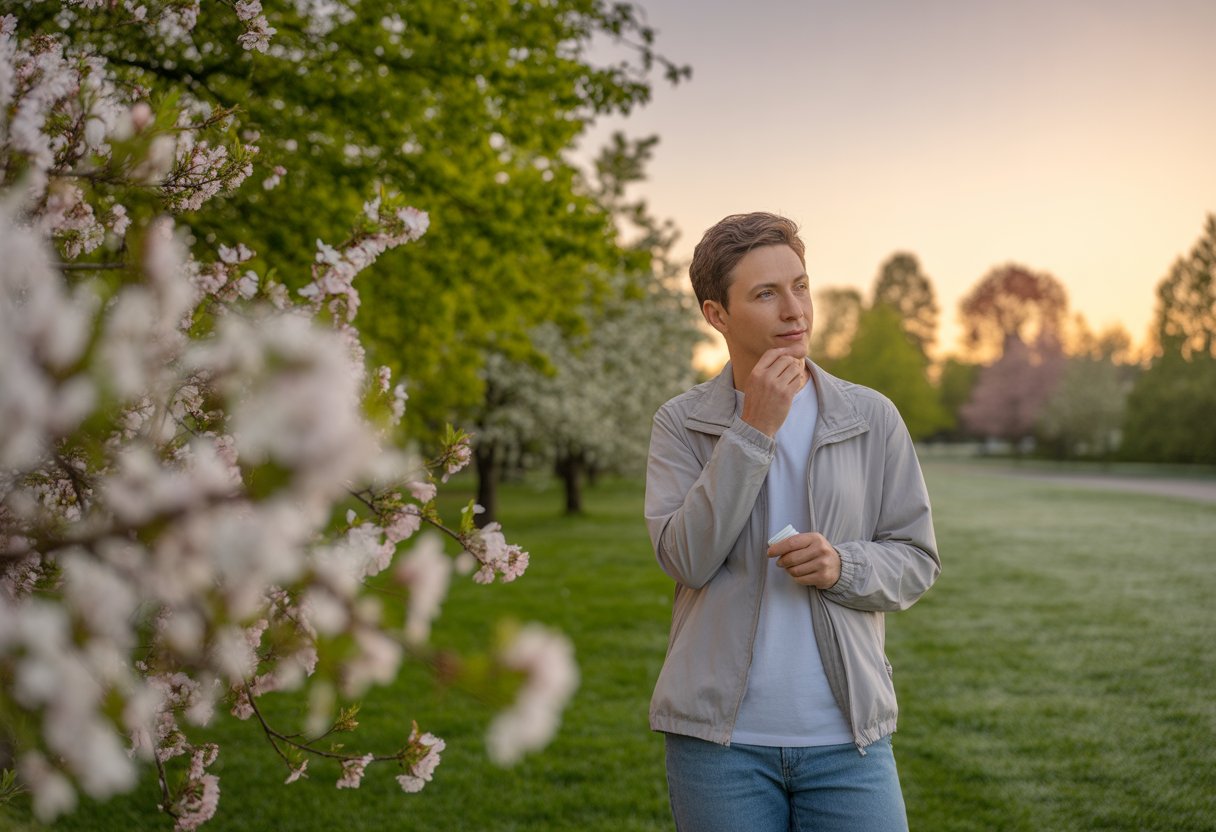
Pollen levels reach their highest points during specific times of day. Early morning hours typically see the most pollen in the air. Late afternoon also brings elevated pollen counts that can trigger allergy symptoms.
People with seasonal allergies should plan their outdoor activities carefully. Scheduling outdoor time for midday or after rain showers[22] can help reduce pollen exposure. Rain naturally clears pollen from the air, making it a better time to be outside.
Windy days make pollen problems worse. The wind carries pollen particles farther and keeps them suspended in the air longer. Calm days with less breeze create better conditions for people with allergies.
Those who must be outside during peak times can take precautions. Wearing sunglasses protects eyes from pollen. Changing clothes and showering after being outdoors removes pollen from skin and hair. These simple steps help minimize allergic reactions even when avoiding peak times isn’t possible.
10) Keep indoor humidity between 30-50% to reduce mold and dust mites
Controlling humidity levels helps fight two common spring allergy triggers: mold and dust mites. Both thrive in damp environments and can make allergy symptoms worse.
The ideal indoor humidity range is between 30% and 50%[23]. This range creates an environment where mold and dust mites struggle to survive and multiply.
When humidity rises above 50%, it creates perfect conditions for these allergens to grow. Humidity levels above 60% are especially problematic[24] for mold growth. Dust mites also need moisture to survive, so keeping humidity lower makes homes less hospitable to them.
A hygrometer measures indoor humidity levels. These devices are affordable and available at most hardware stores. Once someone knows their current humidity level, they can take steps to adjust it.
Dehumidifiers work well in damp spaces like basements. Air conditioners also remove moisture from the air during warmer months. Simple changes like using exhaust fans in bathrooms and kitchens help too.
Maintaining proper humidity prevents bacteria, viruses, and mold growth[25] while protecting the home from damage.
11) Clean and vacuum floors with a HEPA filter vacuum cleaner regularly
Floors collect dust, pollen, and other allergens that settle from the air. Regular vacuuming removes these particles before they get stirred back up into the breathing space.
Vacuums with HEPA filters[26] trap small particles instead of releasing them back into the air. Standard vacuums without proper filtration can actually make allergies worse by spreading allergens around.
People should vacuum carpeting weekly[27] with a small-particle or HEPA filter vacuum. Area rugs and floor mats need washing on the same schedule. Hard surface floors benefit from weekly mopping after vacuuming.
Moving the vacuum slowly forward and backward[28] gives the machine time to pick up more particles. A vacuum with strong suction and easy-to-use design makes the job faster and more effective.
Those with severe allergies or asthma should consider pairing their cleaning routine with an air purifier. This combination provides extra protection against airborne allergens.
12) Avoid using fans that draw outdoor air into the home
Window fans and whole-house fans can seem like a good way to cool down during spring. However, these fans pull air from outside directly into living spaces. This brings pollen, mold spores, and other allergens indoors with it.
Electric fans inside the home can kick up pollen[29] that has already settled on surfaces. This makes allergy symptoms worse even when windows are closed.
People with spring allergies should keep windows shut during high pollen days. Using central air conditioning with clean filters provides better air quality control. The system filters incoming air and removes many allergens before they circulate through the home.
Portable air purifiers with HEPA filters offer another solution for maintaining cool, clean air. These devices trap pollen and other particles without bringing in outdoor allergens.
For those who prefer natural ventilation, opening windows during early morning or late evening hours is safer. Pollen counts tend to be lower during these times compared to mid-morning through mid-afternoon.
13) Limit exposure to outdoor pets that can carry pollen indoors
Pets that spend time outside can bring pollen and other allergens into the home on their fur, paws, and skin. This creates an ongoing source of indoor allergen exposure that many people overlook.
Dogs and cats can transport outdoor allergens[30] directly into living spaces after walks or outdoor play. The pollen clings to their coats and gets distributed throughout the house as they move around.
Wiping down pets with a damp cloth before they come inside helps remove pollen from their fur. This simple step takes just a few minutes but can significantly reduce the amount of allergens entering the home.
Bathing pets more frequently during high pollen seasons provides additional relief. Regular grooming removes accumulated allergens from their coats.
Keeping pets out of bedrooms creates an allergen-free zone for sleep. This gives allergy sufferers a space where they can breathe easier and rest without constant exposure to pollen carried in on pet fur.
Designating certain areas of the home as pet-free zones can also help manage indoor allergen levels during peak allergy season.
14) Use allergy-proof covers on pillows and mattresses
Dust mites live in mattresses and pillows, where they feed on dead skin cells. Their waste products trigger allergy symptoms in many people.
Allergy-proof covers create a barrier[31] that completely surrounds pillows and mattresses. These encasings prevent allergens from escaping into the air where people breathe them in.
Research shows that hypoallergenic mattress and pillow covers work[32] to reduce exposure to dust mites. Doctors recommend these products as a first step in protecting against bedroom allergens.
The covers need to encase the entire mattress, box spring, and each pillow. Look for products labeled as allergen-proof or allergy-proof rather than just water-resistant.
People should wash sheets and pillowcases weekly in hot water at 130 degrees. The protective covers themselves can stay on[33] while washing other bedding. This combination of covers plus regular washing gives the best protection against dust mites and other allergens during spring allergy season.
15) Add local raw honey cautiously as a natural remedy to build pollen tolerance
Some people turn to local raw honey as a way to reduce seasonal allergy symptoms. The idea is that eating honey made from pollen in the area might help the body build tolerance to those allergens over time.
Local honey as a natural immunotherapy[34] works on a similar principle to allergy shots. When someone consumes small amounts of local pollen through honey, their immune system may become less reactive to it.
However, scientific evidence supporting this approach is limited. More research is needed[35] to fully confirm whether local honey effectively reduces allergy symptoms.
People interested in trying this remedy should start with small amounts. Raw, unfiltered honey from local beekeepers contains more pollen than processed varieties.
It’s important to note that honey should never be given to children under one year old. Anyone with severe allergies or bee sting allergies should consult a healthcare provider before trying honey as a remedy. Those taking allergy medications should continue their prescribed treatments unless directed otherwise by their doctor.
Understanding Spring Allergies
Spring allergies occur when the immune system overreacts to airborne particles like pollen from trees, grasses, and weeds. These reactions trigger uncomfortable symptoms that can last for weeks or months as different plants release pollen throughout the season.
Common Triggers in Spring
Tree pollen ranks as the primary culprit behind spring allergies[1] from March through May. Oak, birch, cedar, maple, and pine trees release tiny pollen grains that travel through the air and enter the nose, eyes, and lungs.
Grass pollen becomes problematic in late spring, typically starting in May and continuing into early summer. Common grasses like Timothy, Kentucky bluegrass, and Bermuda grass produce significant amounts of allergenic pollen.
Mold spores also increase during spring months. Outdoor mold grows on damp leaves, soil, and compost piles as temperatures warm and moisture levels rise.
Common Spring Allergens:
- Tree pollen (oak, birch, cedar, maple, pine)
- Grass pollen (Timothy, Kentucky bluegrass, Bermuda)
- Weed pollen (ragweed starts in late spring)
- Outdoor mold spores
Pollen counts vary based on weather conditions. Dry, windy days spread more pollen, while rain temporarily clears pollen from the air.
Immune System Response Explained
The body treats harmless pollen as a dangerous invader when someone has allergies. The immune system produces antibodies called Immunoglobulin E (IgE) that recognize specific allergens.
These IgE antibodies attach to mast cells in the nose, eyes, lungs, and skin. When pollen enters the body again, it binds to the IgE antibodies on these cells. This binding triggers mast cells to release histamine and other chemicals into the bloodstream.
Histamine causes blood vessels to expand and become more permeable. This leads to common allergy symptoms like sneezing, runny nose, itchy eyes, and congestion. The release of other inflammatory chemicals can worsen asthma symptoms[36] in people who have both conditions.
The severity of symptoms depends on how much pollen exposure occurs and how sensitive a person’s immune system is to that particular allergen.
How Lifestyle Choices Affect Allergy Relief
The choices people make each day directly impact how their bodies respond to allergens. Simple changes to home environments and daily habits can reduce exposure to pollen and other triggers that cause uncomfortable symptoms.
Environmental Control Strategies
Keeping windows closed during high pollen days creates a barrier between indoor spaces and outdoor allergens. Air conditioning helps filter air and maintains comfortable temperatures without letting pollen inside.
HEPA filters in air purifiers remove up to 99.97% of airborne particles. These devices work best in bedrooms and main living areas where people spend most of their time.
Regular cleaning reduces allergen buildup in homes. Key tasks include:
- Vacuuming carpets and upholstered furniture twice weekly
- Washing bedding in hot water every week
- Dusting surfaces with damp cloths to trap particles
- Removing shoes at the door to avoid tracking pollen inside
Shower before bed to rinse pollen from hair and skin. This prevents allergens from transferring to pillows and sheets during sleep.
Daily Routines to Minimize Symptoms
Checking local pollen counts helps people plan outdoor activities for times when levels are lower. Early morning and evening typically have higher pollen concentrations than midday hours.
Wearing sunglasses outdoors protects eyes from direct pollen contact. A hat keeps pollen out of hair, which reduces the amount brought indoors.
People who adopt diet and lifestyle changes that support a healthy microbiome[37] may experience better allergy management. A diverse gut bacteria population appears to influence how the immune system responds to allergens.
Staying hydrated helps thin mucus and makes breathing easier. Drinking water throughout the day supports the body’s natural defense systems against irritants.
Frequently Asked Questions
Many people wonder about natural relief options, whether allergies can be cured, and what home treatments work best for pollen and sinus symptoms. These common questions help clarify the most effective approaches to managing spring allergies.
What natural methods provide immediate relief for allergy symptoms?
Saline nasal sprays offer quick relief by rinsing pollen and allergens from nasal passages. This simple method reduces congestion and irritation within minutes of use.
Showering immediately after being outdoors removes pollen from skin and hair. This prevents continued exposure to allergens that cling to the body.
Cool compresses applied to itchy, watery eyes can reduce inflammation and provide instant comfort. This method works especially well when combined with keeping windows closed to limit pollen entry.
Can allergies be completely eliminated, and if so, how?
Allergies cannot be completely eliminated, but symptoms can be significantly reduced through various treatment approaches. The immune system remains sensitive to specific allergens even with treatment.
Immunotherapy, also known as allergy shots, can reduce symptom severity over time. This treatment gradually exposes the body to small amounts of allergens to build tolerance.
Some people experience reduced symptoms as they age, but this varies by individual. Consistent prevention strategies like using HEPA air purifiers and monitoring daily pollen counts help manage symptoms effectively.
Are there effective home treatments for pollen allergies?
Keeping windows and doors closed during high pollen days prevents allergens from entering the home. This creates a cleaner indoor environment where symptoms are less likely to occur.
HEPA air purifiers in common living areas filter out pollen particles from indoor air. These devices work continuously to maintain better air quality throughout the day.
Changing clothes after outdoor exposure prevents pollen from spreading through the home. Washing clothing immediately removes allergens before they settle on furniture and bedding.
What are the best home remedies for managing allergy symptoms?
Regular use of saline nasal rinses keeps nasal passages clear of irritants. This practice can be done multiple times daily without side effects.
Steam inhalation from hot showers or bowls of hot water helps loosen congestion. The moisture soothes irritated nasal passages and sinuses.
Local honey consumption may help some individuals build tolerance to local pollen, though scientific evidence remains limited. Staying hydrated by drinking plenty of water thins mucus and supports the body’s natural defense systems.
How can you quickly alleviate seasonal allergy discomfort?
Taking a shower and washing hair removes pollen that accumulates throughout the day. This provides immediate relief by eliminating the source of irritation.
Checking daily local pollen counts helps people plan outdoor activities during lower-risk times. Morning hours typically have higher pollen levels than evenings.
Using a cold, damp washcloth on the face and eyes reduces swelling and itching. This method combined with staying indoors during peak pollen times minimizes exposure.
What natural remedies are recommended for allergies and sinus issues?
Saline nasal sprays flush out allergens and thin mucus in sinus cavities. These sprays are safe for frequent use and provide gentle relief.
Staying well-hydrated helps thin mucus secretions naturally. Water, herbal teas, and clear broths support sinus drainage.
Using a humidifier adds moisture to dry indoor air, which can soothe irritated nasal passages. Clean humidifiers regularly to prevent mold growth that could worsen symptoms.
Post Views: 1
References
- Managing Spring Allergies. https://health.clevelandclinic.org/how-to-manage-spring-allergies Accessed March 8, 2026
- Allergy Plus App. https://www.pollen.com/tools/android Accessed March 8, 2026
- Check pollen counts by zip code & mold spore counts now. https://www.getambee.com/pollen-count Accessed March 8, 2026
- 14 Ways to Reduce Pollen in Your Home. https://merrymaids.com/blog/14-ways-reduce-pollen-your-home Accessed March 8, 2026
- Three ways to survive the pollen this spring. https://www.vcuhealth.org/news/three-ways-to-survive-the-pollen-this-spring/ Accessed March 8, 2026
- 15 Best Tips for Spring Allergies
| Air Oasis. https://www.airoasis.com/blogs/news/15-best-tips-for-spring-allergies Accessed March 8, 2026 - Studies show they don’t always improve daily allergy symptoms. https://www.verywellhealth.com/do-air-purifiers-help-with-allergies-11815981 Accessed March 8, 2026
- Allergy-Proof Your Spring: Tips for Tackling Seasonal Allergies Before They Start – ActiveBeat – Your Daily Dose of Health Headlines. https://activebeat.com/your-health/allergy-proof-your-spring-tips-for-tackling-seasonal-allergies-before-they-start/ Accessed March 8, 2026
- Attention Required!. https://www.nuvancehealth.org/health-tips-and-news/8-tips-to-reduce-your-spring-allergy-symptoms Accessed March 8, 2026
- Saline nasal sprays help with congestion and allergies. https://www.verywellhealth.com/saline-spray-snoring-allergies-3015306 Accessed March 8, 2026
- How To Use Nasal Spray. https://health.clevelandclinic.org/how-to-use-nasal-spray Accessed March 8, 2026
- Access to this page has been denied. https://www.goodrx.com/classes/antihistamines/loratadine-vs-cetirizine Accessed March 8, 2026
- Loratadine Patient Tips: 7 things you should know. https://www.drugs.com/tips/loratadine-patient-tips Accessed March 8, 2026
- Tips for taking antihistamines safely. https://www.vcuhealth.org/news/tips-for-taking-antihistamines-safely/ Accessed March 8, 2026
- Fluticasone nasal Patient Tips: 7 things you should know. https://www.drugs.com/tips/fluticasone-nasal-patient-tips Accessed March 8, 2026
- Fluticasone Nasal Spray: Brands, Uses & Side Effects. https://my.clevelandclinic.org/health/drugs/18853-fluticasone-nasal-spray Accessed March 8, 2026
- Fluticasone Propionate Nasal Spray: A Complete Guide for Relief. https://www.rupahealth.com/post/fluticasone-propionate-nasal-spray-a-complete-guide-for-relief Accessed March 8, 2026
- Using a Steroid Nasal Spray: Care Instructions . https://healthy.kaiserpermanente.org/health-wellness/health-encyclopedia/he.using-a-steroid-nasal-spray-care-instructions.abk6707 Accessed March 8, 2026
- How to Use Nasal Spray for Allergies. https://www.flonase.com/allergies/how-to-use-nasal-spray/ Accessed March 8, 2026
- How To Treat Seasonal Allergy Face Symptoms on Eyes & Skin. https://enticare.com/2025/03/10/how-to-treat-seasonal-allergy-face-symptoms/ Accessed March 8, 2026
- Human Verification. https://www.aao.org/eye-health/glasses-contacts/sunglasses-3 Accessed March 8, 2026
- Spring Is Here, and so Are Allergies | Blue Shield of California. https://news.blueshieldca.com/2025/03/20/spring-is-here-and-so-are-allergies Accessed March 8, 2026
- Indoor Humidity Chart: Ideal Levels by Season and Room. https://todayshomeowner.com/hvac/guides/indoor-humidity-chart/ Accessed March 8, 2026
- Mold Levels at Home: Keep Humidity Below This Number. https://www.attainablehome.com/mold-levels-at-home-keep-humidity-low/ Accessed March 8, 2026
- How to control humidity in a house: Ultimate expert guide. https://www.homesandgardens.com/solved/how-to-control-humidity-in-the-home Accessed March 8, 2026
- Should you get a vacuum cleaner with a HEPA filter?. https://www.choice.com.au/home-and-living/laundry-and-cleaning/vacuum-cleaners/articles/hepa-and-asthma Accessed March 8, 2026
- Allergy and Asthma Cleaning Tips. https://www.aaaai.org/tools-for-the-public/conditions-library/allergies/cleaning-tips-for-allergy-and-asthma-sufferers Accessed March 8, 2026
- Not All Vacuums Are Created Equal: Pick the Best One for Your Health. https://www.lung.org/blog/vacuum-indoor-air-quality Accessed March 8, 2026
- Spring Seasonal Allergies. https://www.nationaljewish.org/conditions/allergy/overview/lifestyle/spring-tips Accessed March 8, 2026
- Just a moment…. https://www.dogster.com/dog-training/how-to-stop-dogs-from-bringing-outdoor-allergens-home Accessed March 8, 2026
- Pillow and Mattress Encasings Allergy FAQs. https://www.missionallergy.com/faqs-pillow-and-mattress-encasings Accessed March 8, 2026
- Bedroom Allergens: Does Hypoallergenic Bedding Work?. https://health.clevelandclinic.org/do-hypoallergenic-pillow-and-mattress-covers-really-work Accessed March 8, 2026
- I have allergies, does Mattress Safe® have a hypoallergenic mattress cover?. https://mattresssafe.com/hypoallergenic-mattress-cover/ Accessed March 8, 2026
- Harnessing Nature’s Remedy: Local Raw Honey as Immunotherapy for Allergic Rhinitis and Seasonal Allergies – Integrative Practitioner. https://www.integrativepractitioner.com/featured/harnessing-nature-s-remedy-local-raw-honey-as-immunotherapy-for-allergic-rhinitis-and-seasonal-allergies/ Accessed March 8, 2026
- Does Local Honey Help With Allergies? 2026
| Wyndly. https://www.wyndly.com/blogs/learn/local-honey-for-allergies Accessed March 8, 2026 - Tips to Manage Symptoms of Spring Allergies Early. https://www.guthrie.org/blog/tips-manage-symptoms-spring-allergies-early Accessed March 8, 2026
- Allergy Season Survival Guide: Nutrition and Lifestyle Tips. https://us.sfihealth.com/researchscience/post/allergy-season-survival-guide-nutrition-and-lifestyle-tips Accessed March 8, 2026
























