
Medically Reviewed
Dr. Jose Rossello, MD, PhD, MHCM
Preventive Medicine & Public Health Specialist
Last Reviewed: March 15, 2026
Chronic illnesses like diabetes, heart disease, and autoimmune disorders affect millions of people. Many turn to medications for relief, but the answer might also be found in daily food choices. Using food as medicine[1] means choosing nutrient-rich foods that help prevent, manage, and sometimes reverse chronic health conditions.

The foods a person eats send signals to their body that can either reduce inflammation and support healing or contribute to disease progression. Research shows that whole foods rich in vitamins, minerals, and antioxidants work at the cellular level to restore balance in the body. Unlike medications that often target single symptoms, nutritious foods support multiple body systems at once.
Food as medicine interventions include personalized nutrition plans, anti-inflammatory diets, and targeted eating strategies. These approaches focus on addressing root causes of illness rather than just managing symptoms. Anyone dealing with chronic health issues can benefit from understanding how specific foods interact with their body’s systems.
Table of Contents
Key Takeaways
- Nutrient-dense whole foods can prevent and manage chronic diseases by reducing inflammation and supporting cellular repair
- Anti-inflammatory diets eliminate processed foods while adding omega-3s, colorful vegetables, and fermented foods to restore body balance
- Personalized nutrition plans based on individual health needs offer more effective results than generic dietary recommendations
Understanding Food as Medicine

Food as medicine integrates specific nutrition interventions into healthcare to prevent and manage diet-related conditions. This approach differs from general nutrition advice by using tailored food programs as part of medical treatment plans.
The Food as Medicine Framework
The food is medicine framework[2] treats nutrition as an essential component of healthcare delivery. Healthcare providers prescribe specific foods or meal plans to address chronic diseases like diabetes, heart disease, and cancer.
This framework includes three main intervention types. Medically tailored meals provide fully prepared meals designed for patients with complex conditions who cannot shop or cook. Medically tailored groceries offer unprepared foods selected by nutrition professionals for patients who can cook at home. Produce prescriptions give vouchers or cards for free fruits and vegetables to patients with or at risk for diet-related conditions.
These interventions are typically provided at no cost or low cost to patients. Funding comes from healthcare systems, government programs, or philanthropic organizations rather than out-of-pocket expenses.
Core Principles and Definitions
Food as medicine means that food and nutrition help improve health[2] and that access to nutritious food is essential for well-being. The approach recognizes that one in five deaths globally comes from poor diet, making nutrition more impactful than tobacco use.
The core principle focuses on using whole foods rather than supplements or processed products. Registered dietitians and nutrition professionals assess individual needs and create personalized food plans. These plans target specific health markers like blood sugar levels, blood pressure, or cholesterol.
Key elements include:
- Clinical assessment and diagnosis
- Individualized nutrition counseling
- Regular monitoring of health outcomes
- Coordination between healthcare providers and food programs
Distinction from Traditional Nutrition Advice
Traditional nutrition advice offers general guidance like eating more vegetables or reducing sugar intake. Food as medicine interventions[3] meet the specific dietary needs of individuals with chronic diseases and nutrition-related risk factors.
The main difference lies in delivery and funding. Food as medicine programs are directed by clinicians through the healthcare system and tied to medical treatment plans. Traditional nutrition advice typically comes from general wellness recommendations without medical oversight.
Food as medicine also addresses food insecurity as a health issue. Programs provide actual food rather than just information. This tackles barriers like inability to afford recommended foods or lack of access to healthy options.
The approach uses clinical data to measure success. Healthcare providers track metrics like hospital admissions, medication adherence, and disease markers rather than relying solely on patient self-reports.
The Link Between Diet and Chronic Illness
What people eat directly affects their risk of developing serious health problems. Poor dietary choices contribute to inflammation, damage blood vessels, and disrupt normal body functions that protect against disease.
Diet as a Major Risk Factor
Diet stands as one of the most significant controllable factors in chronic disease development. Research shows that nutrition plays a central role in chronic diseases[4] across different populations worldwide.
The standard American diet creates conditions that lead to multiple health problems. High intake of refined sugars raises blood sugar levels repeatedly throughout the day. This pattern damages blood vessels and organs over time.
Excess sodium intake elevates blood pressure and strains the cardiovascular system. Low fiber consumption disrupts digestive health and removes a key tool the body uses to control cholesterol levels.
Poor food choices also create nutrient deficiencies even when calorie intake is high. The body lacks the vitamins and minerals needed for normal cell repair and immune function. This combination of excess harmful substances and insufficient beneficial nutrients creates the perfect environment for chronic diseases to develop.
Impact of Ultra-Processed Foods
Ultra-processed foods have become a primary driver of diet-related conditions in modern society. These products contain refined grains, added sugars, unhealthy fats, and chemical additives that the human body struggles to process effectively.
Regular consumption of ultra-processed foods leads to several harmful effects:
- Blood sugar spikes that stress insulin-producing cells
- Increased inflammation throughout the body’s tissues
- Disrupted gut bacteria that weakens immune function
- Higher calorie intake without adequate nutrients
These foods are engineered for taste and convenience rather than health. They often contain excessive sodium, which raises blood pressure, and trans fats, which damage arterial walls. The lack of fiber means they digest quickly without providing satiety.
People who eat more ultra-processed foods show higher rates of heart disease, type 2 diabetes, and obesity. These products also contain additives and preservatives that may trigger inflammatory responses in sensitive individuals.
Role of Inflammation in Disease
Inflammation serves as a common pathway linking diet to chronic illness. While acute inflammation helps fight infections, chronic low-level inflammation damages healthy tissues and accelerates disease progression.
Certain foods trigger inflammatory responses in the body. Refined carbohydrates cause rapid blood sugar changes that promote inflammatory markers. Industrial seed oils high in omega-6 fatty acids shift the body toward inflammatory states when consumed in excess.
An anti-inflammatory diet[5] works by removing these triggers and adding protective foods. Omega-3 fatty acids from fish actively reduce inflammation at the cellular level. Antioxidants in colorful vegetables neutralize harmful compounds before they damage tissues.
Chronic inflammation contributes to heart disease by damaging arterial walls and promoting plaque formation. It disrupts insulin signaling in diabetes and triggers pain responses in autoimmune conditions. Understanding the relationship between food and disease prevention[6] helps people make informed choices that reduce inflammation naturally.
People who follow eating patterns rich in vegetables, fruits, whole grains, and healthy fats show significantly lower markers of inflammation in blood tests.
Key Dietary Patterns for Chronic Disease Management

Research shows that dietary patterns emphasizing high-quality foods reduce the risk of cardiovascular disease[7], type 2 diabetes, cancer, and death from all causes. Four evidence-based eating approaches stand out for their ability to prevent and manage chronic illness through specific food choices and nutrient combinations.
Mediterranean Diet
The Mediterranean diet centers on whole plant foods, healthy fats, and moderate amounts of fish and poultry. This pattern includes large amounts of vegetables, fruits, whole grains, legumes, nuts, and olive oil as the primary fat source.
People following this diet eat fish and seafood at least twice per week. They consume poultry, eggs, cheese, and yogurt in moderate portions. Red meat appears only occasionally, usually just a few times per month.
Key Components:
- Extra virgin olive oil as the main cooking fat
- Daily servings of vegetables and fruits
- Whole grains instead of refined grains
- Legumes and nuts multiple times per week
- Herbs and spices for flavor instead of salt
Studies link this eating pattern to lower rates of heart disease, stroke, and cognitive decline. The combination of omega-3 fatty acids from fish and monounsaturated fats from olive oil supports heart health and reduces inflammation throughout the body.
DASH Diet
The Dietary Approaches to Stop Hypertension[7] focuses on lowering blood pressure through specific food choices. This plan limits sodium to 2,300 milligrams per day or less, with an optional lower target of 1,500 milligrams for greater blood pressure reduction.
The DASH diet emphasizes vegetables, fruits, and low-fat dairy products. It includes whole grains, fish, poultry, beans, and nuts while limiting red meat, sweets, and sugary drinks.
Daily Servings Include:
- 4-5 servings of vegetables
- 4-5 servings of fruits
- 2-3 servings of low-fat dairy
- 6-8 servings of whole grains
- 4-5 servings per week of nuts and legumes
This approach provides high amounts of potassium, calcium, and magnesium. These minerals work together to regulate blood pressure and support bone health. Clinical trials demonstrate that people following DASH can lower systolic blood pressure by 8-14 points.
Plant-Based Eating Approaches
Plant-based diets range from completely vegan to primarily vegetarian with occasional animal products. These patterns emphasize foods from plants while minimizing or excluding meat, dairy, and eggs.
Elevate Your Health for Just $29.99/Month
Join the Precision Wellness Subscription at My Healing 365 and get discounted services, priority coaching access, virtual care, and exclusive wellness resources to support your physical, emotional, and hormonal health.
Join for $29.99/MonthA healthful plant-based approach focuses on whole grains, vegetables, fruits, legumes, nuts, and seeds. It limits refined grains, fruit juices, and plant-based foods high in added sugar or salt.
Benefits of Plant-Based Eating:
- Lower body weight and BMI
- Reduced risk of type 2 diabetes
- Lower cholesterol levels
- Decreased inflammation markers
People who eat more plant foods while limiting animal products show better blood sugar control. The high fiber content in plant-based diets slows digestion and prevents blood sugar spikes. Legumes, whole grains, and vegetables provide steady energy without causing insulin resistance.
Plant-based eaters need to plan carefully for certain nutrients. Vitamin B12, iron, calcium, and omega-3 fatty acids require attention through fortified foods or supplements.
Anti-Inflammatory Diets
Anti-inflammatory foods[7] help reduce chronic inflammation linked to heart disease, diabetes, arthritis, and other conditions. These dietary patterns limit foods that trigger inflammatory responses while increasing foods with protective compounds.
Foods to emphasize include fatty fish rich in omega-3s, colorful fruits and vegetables with antioxidants, and whole grains with fiber. Berries, leafy greens, tomatoes, and olive oil contain polyphenols that fight inflammation at the cellular level.
| Anti-Inflammatory Foods | Pro-Inflammatory Foods to Limit |
|---|---|
| Salmon, sardines, mackerel | Red meat and processed meats |
| Berries, cherries, oranges | Refined carbohydrates and white bread |
| Leafy greens, broccoli, peppers | Fried foods and trans fats |
| Nuts, especially walnuts and almonds | Sugary drinks and desserts |
| Turmeric, ginger, garlic | Excessive alcohol |
This eating pattern overlaps with Mediterranean and plant-based approaches. It reduces markers of inflammation in blood tests, including C-reactive protein and interleukin-6. People following anti-inflammatory diets report less joint pain and better mobility in arthritis studies.
Nutrient-Dense Foods for Prevention and Healing
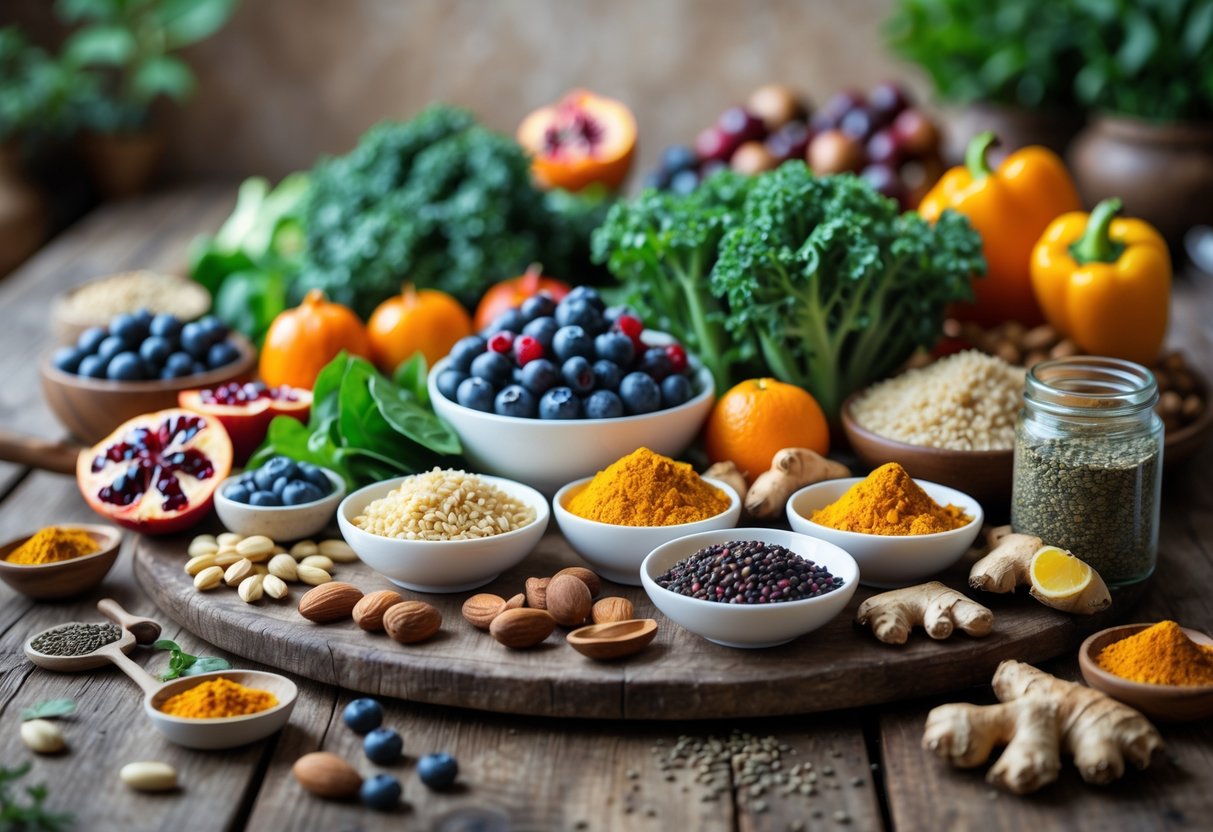
Certain whole foods provide concentrated amounts of vitamins, minerals, and antioxidants that support the body’s natural healing processes and reduce chronic disease risk. These minimally processed foods work at the cellular level to strengthen immune function, reduce inflammation, and maintain healthy organ systems.
Fruits and Vegetables
Leafy greens like spinach and kale deliver high amounts of vitamins A, C, and K along with folate and iron. These nutrients support wound healing and cell repair throughout the body.
Berries contain powerful antioxidants called anthocyanins that protect cells from damage. Blueberries, strawberries, and raspberries help reduce inflammation linked to heart disease and diabetes.
Cruciferous vegetables such as broccoli, cauliflower, and Brussels sprouts provide sulforaphane, a compound that helps the body eliminate toxins. These vegetables also contain fiber that feeds beneficial gut bacteria.
Colorful produce offers different protective compounds:
- Orange and yellow fruits and vegetables (carrots, sweet potatoes, oranges) provide beta-carotene
- Red produce (tomatoes, red peppers, watermelon) contains lycopene
- Purple and blue options (eggplant, purple cabbage, plums) deliver anthocyanins
Most adults benefit from eating at least five servings of varied fruits and vegetables daily.
Whole Grains and Legumes
Whole grains[8] retain their bran, germ, and endosperm, providing fiber, B vitamins, and minerals that refined grains lack. Brown rice, quinoa, and oats help regulate blood sugar levels and support digestive health.
Legumes including beans, lentils, and chickpeas deliver both protein and fiber in one package. A half-cup of cooked beans provides about 7-8 grams of protein and 6-8 grams of fiber.
These plant-based foods help lower cholesterol levels and reduce heart disease risk. The soluble fiber in oats and beans binds to cholesterol in the digestive system and removes it from the body.
Whole grains and legumes also provide:
- Iron for oxygen transport
- Magnesium for muscle and nerve function
- Zinc for immune health
- B vitamins for energy production
People can replace refined grains with whole grain alternatives like brown rice instead of white rice or whole wheat bread instead of white bread.
Healthy Fats and Oils
Olive oil contains monounsaturated fats and polyphenols that help fight inflammation[9] throughout the body. Extra virgin olive oil provides the highest concentration of these protective compounds.
Avocado delivers healthy fats along with potassium, fiber, and vitamins E and K. The monounsaturated fats in avocado help the body absorb fat-soluble vitamins from other foods.
Nuts and seeds provide omega-3 fatty acids, vitamin E, and minerals. Walnuts, flaxseeds, and chia seeds offer alpha-linolenic acid, a plant-based omega-3 that supports heart and brain health.
Key sources of healthy fats:
- Almonds and cashews for vitamin E
- Pumpkin seeds for zinc and magnesium
- Sunflower seeds for selenium
- Hemp seeds for complete protein
A small handful of nuts (about one ounce) or one tablespoon of seeds provides beneficial fats without excessive calories.
Lean Proteins and Low-Fat Dairy
Lean protein sources help wounds heal quickly[10] and support immune function. Fish, poultry without skin, and plant-based proteins like tofu provide essential amino acids without excess saturated fat.
Fatty fish such as salmon, mackerel, and sardines deliver omega-3 fatty acids EPA and DHA. These compounds reduce inflammation and support heart and brain health in ways that plant-based omega-3s cannot fully replicate.
Low-fat dairy products provide calcium, vitamin D, and protein while limiting saturated fat intake. Greek yogurt offers probiotics that support digestive health and immune function.
Protein needs vary by individual, but most adults require 0.8 grams per kilogram of body weight daily. Active individuals and older adults often need more protein to maintain muscle mass and support recovery.
The Science: Mechanisms Behind Food’s Medicinal Effects
Food works at the cellular and molecular level to prevent and treat disease through several key pathways. Plant-based foods contain bioactive compounds[11] like polyphenols that reduce inflammation and oxidative stress, while other nutrients directly influence blood sugar control and gut bacteria populations.
Gut Microbiome and Gut Health
The gut microbiome contains trillions of bacteria that influence digestion, immune function, and disease risk. When someone eats fiber-rich foods like vegetables, fruits, and whole grains, beneficial bacteria break down these fibers into short-chain fatty acids. These fatty acids reduce inflammation throughout the body and strengthen the intestinal barrier.
Different foods feed different bacterial strains in the gut. Fermented foods like yogurt, kimchi, and sauerkraut introduce beneficial bacteria directly into the digestive system. Prebiotics found in garlic, onions, and bananas provide fuel for existing good bacteria.
Research shows that individual factors like gut microbiome composition affect how blood sugar and lipid levels respond[12] to the same foods. This explains why two people eating identical meals may experience different health outcomes. A diverse microbiome protects against metabolic diseases, autoimmune conditions, and mental health disorders.
Phytonutrients, Polyphenols, and Flavonoids
Phytonutrients are natural compounds in plants that provide color, flavor, and disease protection. Polyphenols and flavonoids are two major categories that act as antioxidants in the body.
Key sources include:
- Berries – anthocyanins that reduce oxidative stress
- Green tea – catechins that support heart health
- Turmeric – curcumin that fights inflammation
- Dark chocolate – flavanols that improve blood flow
These compounds protect cells from damage caused by free radicals. They also activate genes that produce the body’s own antioxidant enzymes. Polyphenols reduce chronic inflammation, which drives conditions like heart disease, cancer, and arthritis.
The body absorbs these compounds better when eaten with certain fats. Pairing tomatoes with olive oil or adding black pepper to turmeric increases their medicinal effects.
Managing Blood Sugar and Insulin Sensitivity
Certain foods help cells respond better to insulin, the hormone that moves sugar from blood into cells. Omega-3 fatty acids from fish, flaxseeds, and walnuts reduce insulin resistance by decreasing inflammation in fat tissue and muscle.
Fiber slows sugar absorption into the bloodstream, preventing dangerous spikes after meals. Soluble fiber found in oats, beans, and apples is particularly effective for diabetes management[12]. Studies show that intermittent fasting combined with time-restricted eating improves post-meal blood sugar responses better than simple calorie restriction.
Cinnamon contains compounds that mimic insulin activity and help cells take up glucose. Vinegar consumed before meals lowers the glycemic response to carbohydrates. These small dietary changes improve insulin sensitivity over time, reducing the risk of type 2 diabetes and helping those with existing diabetes manage their condition.
Clinical Applications: Food as Medicine Interventions
Healthcare systems now integrate specific food-based interventions alongside medical nutrition therapy[3] to address chronic conditions. These programs connect patients with nutritious food while providing professional guidance to manage diseases like diabetes, heart disease, and obesity.
Medically Tailored Meals and Groceries
Medically tailored meals provide ready-to-eat foods designed for specific health conditions and dietary requirements. Patients with severe chronic illnesses who struggle to shop or cook receive meals that meet their complete daily nutritional needs. A registered dietitian nutritionist designs these meals to address conditions such as diabetes, kidney disease, or heart failure.
Programs that include RDN-designed meals[13] have reduced emergency department visits and hospital admissions. Research shows these interventions may lower healthcare costs by $13.6 billion annually while preventing 1.6 million hospitalizations. Patients experience less hypoglycemia, improved blood pressure control, and better mental health outcomes.
Medically tailored groceries offer a different approach. Participants receive perishable and non-perishable items that require preparation, along with recipes and cooking instructions. Studies demonstrate that MTG programs designed by nutrition professionals can reduce hemoglobin A1c levels in people with diabetes, lower blood pressure, and improve medication adherence.
Produce Prescriptions and Healthy Food Prescriptions
Produce prescription programs allow healthcare providers to prescribe fruits and vegetables[14] to patients with diet-related chronic illnesses. Patients receive vouchers or credits to purchase fresh produce at farmers markets or grocery stores. Primary care providers typically refer patients who face food insecurity and have conditions like type 2 diabetes or hypertension.
These healthy food prescriptions show measurable health benefits. Patients in produce prescription programs with nutrition education experienced decreased hemoglobin A1c levels and reduced body mass index. Programs also improve healthcare appointment adherence and dietary quality while reducing stress levels.
The effectiveness increases when registered dietitian nutritionists provide guidance on using the prescribed produce through personalized nutrition counseling and educational materials.
Nutrition Education in Healthcare
Culinary medicine programs teach food preparation and cooking skills combined with evidence-based nutrition information. Healthcare providers and patients learn to prevent or manage chronic conditions through practical cooking techniques. These nutrition interventions emphasize hands-on learning rather than theoretical knowledge alone.
Nutrition education within food is medicine programs[15] addresses both nutrition security and disease management. Registered dietitian nutritionists deliver medical nutrition therapy sessions that include personalized meal planning, dietary counseling, and ongoing monitoring. This comprehensive approach ensures patients understand how specific foods affect their conditions.
Research demonstrates that nutrition education combined with food access improves outcomes beyond food provision alone. Patients gain skills to maintain healthy eating patterns after program completion, leading to sustained improvements in diet quality and chronic disease markers.
Addressing Food Access and Food Insecurity

Getting healthy food to people who need it requires solving problems with access, affordability, and availability. Programs that connect healthcare with food resources help people manage chronic illnesses while addressing basic nutritional needs.
Food Deserts and Barriers to Access
Food deserts are areas where people have limited access to affordable, nutritious food. These areas typically lack full-service grocery stores within a reasonable distance. Residents often rely on convenience stores or gas stations that stock mostly processed foods high in sugar, salt, and unhealthy fats.
Transportation creates a major barrier in both urban and rural settings. People without cars struggle to travel long distances to grocery stores. Those with disabilities or chronic health conditions face additional challenges carrying heavy bags or navigating public transit.
Common barriers to food access include:
- Long distances to grocery stores (over 1 mile in urban areas, over 10 miles in rural areas)
- Limited public transportation options
- Higher food prices in low-income neighborhoods
- Physical disabilities that make shopping difficult
- Lack of storage or cooking facilities
Food insecurity and nutrition insecurity[16] work together to prevent people from getting foods that support health and prevent disease.
Food Assistance and Security Programs
SNAP (Supplemental Nutrition Assistance Program) provides monthly benefits to help low-income families buy groceries. The program serves millions of Americans but benefits often run out before the end of the month.
WIC (Women, Infants, and Children) targets pregnant women, new mothers, and young children. This program provides specific foods like milk, eggs, whole grains, and produce. WIC also offers nutrition education and breastfeeding support.
Food pantries distribute groceries to people facing temporary or ongoing hardship. Many pantries now focus on providing fresh produce and healthier options instead of only canned goods. Some partner with local farms or food banks to increase fresh food availability.
Key food assistance programs:
- SNAP: Monthly electronic benefits for grocery purchases
- WIC: Targeted nutrition support for mothers and young children
- Food pantries: Free groceries from community organizations
- Senior nutrition programs: Meal delivery for older adults
Healthcare systems that integrate food interventions[17] help patients access healthy food while treating chronic conditions. Doctors can prescribe produce vouchers or medically tailored meals just like medications.
Teaching kitchens bring nutrition education to life through hands-on cooking classes. Participants learn to prepare affordable, healthy meals using basic ingredients. These programs often address cultural food preferences and dietary restrictions.
Community health workers connect patients with food resources in their neighborhoods. They help people sign up for SNAP or WIC, find nearby food pantries, and access meal delivery services. The Food Is Medicine initiative[18] aims to reduce chronic disease and food insecurity through better integration of nutrition resources into healthcare.
Mobile markets and community gardens expand fresh food access in underserved areas. These solutions bring produce directly to neighborhoods lacking grocery stores.
Practical Strategies for Implementation

Successfully using food as medicine requires structured meal planning tailored to specific health conditions, strategies to overcome barriers like cost and access, and coordination with qualified healthcare professionals who can provide personalized guidance.
Meal Planning and Dietary Interventions
Effective meal planning starts with identifying specific health goals and the dietary pattern that best addresses them. Patients with cardiovascular disease benefit from Mediterranean-style meal plans emphasizing olive oil, fish, vegetables, and whole grains. Those managing type 2 diabetes need balanced meals that control blood sugar through proper carbohydrate distribution and fiber intake.
A practical weekly approach involves preparing a base of versatile ingredients that work across multiple meals. Batch cooking whole grains like brown rice or quinoa, roasting several types of vegetables, and preparing lean proteins creates building blocks for quick assembly throughout the week.
Sample Weekly Meal Planning Framework:
| Day | Breakfast | Lunch | Dinner |
|---|---|---|---|
| Mon-Wed | Overnight oats with berries | Mixed green salad with grilled chicken | Baked salmon with roasted vegetables |
| Thu-Sat | Vegetable omelet | Lentil soup with whole grain bread | Stir-fried tofu with brown rice |
| Sun | Greek yogurt with nuts | Quinoa bowl with beans | Grilled chicken with sweet potato |
Portion control matters as much as food choices for weight management. Using smaller plates, measuring initial servings until visual estimation improves, and filling half the plate with vegetables helps maintain appropriate portions without constant calorie counting.
Overcoming Common Obstacles
Cost represents the most frequently cited barrier to healthy eating. Buying frozen vegetables and fruits provides nutrition comparable to fresh produce at lower prices with less waste. Purchasing whole grains, dried beans, and legumes in bulk reduces per-serving costs significantly compared to processed alternatives.
Limited cooking skills prevent many people from preparing nutritious meals. Starting with simple recipes requiring five ingredients or fewer builds confidence. Sheet pan meals that cook proteins and vegetables together minimize complexity while producing balanced nutrition.
Time constraints affect meal preparation for most individuals. Dedicating two hours on weekends to prep ingredients—washing and chopping vegetables, cooking grains, portioning snacks—streamlines weeknight cooking to 20-30 minutes per meal.
Food access challenges require creative solutions. Community-supported agriculture programs, produce prescription programs, and farmers markets accepting SNAP benefits expand access to fresh produce in underserved areas.
Collaborating with Healthcare Teams
A registered dietitian nutritionist provides the expertise needed for personalized nutrition plans that account for medications, food allergies, cultural preferences, and specific disease states. RDNs are essential for implementing food as medicine programs[3] because they tailor interventions to individual medical needs rather than offering generic advice.
Patients should request referrals for Medical Nutrition Therapy, which Medicare and many insurance plans cover for conditions like diabetes and kidney disease. These sessions typically involve comprehensive nutritional assessment, goal setting, meal planning guidance, and follow-up monitoring.
Primary care physicians, endocrinologists, cardiologists, and other specialists should receive updates about dietary changes. Some medications require adjustment when patients significantly alter their diet, particularly blood pressure and diabetes medications. Keeping all providers informed prevents adverse interactions and allows the full healthcare team to support the healthy lifestyle changes.
Regular monitoring through lab work tracks biomarkers like hemoglobin A1c, cholesterol panels, and inflammatory markers. These objective measures demonstrate whether nutrition interventions produce desired health outcomes and guide necessary adjustments to the dietary approach.
Frequently Asked Questions

Diet plays a direct role in the development and management of many chronic health conditions. Understanding which foods help treat specific diseases and how nutrition interventions work can empower people to make better choices for their health.
What are the top diet-related diseases and how can they be addressed through nutrition?
One in five deaths globally can be attributed to poor diet, making it a more significant risk factor than tobacco. The most common diet-related chronic diseases include type 2 diabetes, cardiovascular disease, obesity, and certain cancers.
Type 2 diabetes responds well to dietary interventions that focus on controlling blood sugar levels. Patients benefit from reducing refined carbohydrates and increasing fiber intake through whole grains, vegetables, and legumes. Healthcare providers have seen success with medically tailored groceries that decreased HbA1c levels[17] in people with diabetes.
Cardiovascular disease requires a diet low in saturated fats and high in omega-3 fatty acids, fruits, and vegetables. The Mediterranean diet has shown strong evidence for protecting heart health through its emphasis on olive oil, fish, nuts, and plant-based foods.
Cancer prevention through nutrition focuses on antioxidant-rich foods and reducing processed meats. Colorful fruits and vegetables, cruciferous vegetables like broccoli, and foods high in fiber all contribute to lowering cancer risk.
In what ways does food act as medicine in managing chronic illnesses?
Food functions as medicine by providing essential nutrients that support bodily functions and reduce inflammation. Healthcare systems are integrating nutrition interventions[3] to meet the specific dietary needs of individuals with chronic diseases.
The primary mechanism involves delivering nutrients that help the body heal and maintain proper function. Anti-inflammatory foods like fatty fish, berries, and leafy greens can reduce chronic inflammation linked to many diseases. These foods contain compounds that actively combat disease processes at the cellular level.
Food also acts as medicine by replacing harmful substances with beneficial ones. When patients eliminate processed foods high in added sugars and unhealthy fats, they reduce their disease burden. Adding nutrient-dense whole foods provides the vitamins, minerals, and phytochemicals needed for optimal health.
Medically tailored meal programs[17] have shown measurable health benefits. These interventions decreased hospital admissions by 49% and reduced overall healthcare costs by 16% in one study. The meals are designed by nutrition professionals based on individual patient assessments and medical conditions.
Which specific nutritional strategies can help prevent the onset of chronic diseases?
Increasing fruit and vegetable consumption stands as one of the most effective prevention strategies. Adults should aim for at least five servings of varied fruits and vegetables daily to obtain protective antioxidants and fiber.
Whole grain consumption provides fiber that helps regulate blood sugar and supports digestive health. Replacing refined grains with whole grain options like quinoa, brown rice, and whole wheat reduces diabetes and heart disease risk.
Limiting added sugars prevents insulin resistance and weight gain. The American Heart Association recommends no more than 25 grams of added sugar per day for women and 36 grams for men.
Reducing sodium intake protects against high blood pressure and cardiovascular disease. Most people should consume less than 2,300 milligrams of sodium daily, with an ideal limit of 1,500 milligrams for those with hypertension.
Incorporating healthy fats from sources like nuts, seeds, avocados, and olive oil supports heart health. These fats help reduce inflammation and improve cholesterol levels when they replace saturated and trans fats.
How can making dietary changes reverse the progression of certain chronic conditions?
Dietary changes can stop and sometimes reverse certain chronic diseases, particularly type 2 diabetes and early-stage cardiovascular disease. The key lies in making comprehensive, sustained changes rather than temporary modifications.
Type 2 diabetes shows the strongest evidence for reversal through diet. A low-calorie diet combined with weight loss can restore normal blood sugar levels in some patients. Studies have demonstrated that losing 10-15% of body weight can put diabetes into remission for many individuals.
Cardiovascular disease progression can be halted through intensive dietary intervention. Plant-based diets that eliminate or minimize animal products have reversed arterial plaque buildup in clinical studies. These diets focus on vegetables, fruits, whole grains, and legumes while avoiding processed foods and added oils.
Fatty liver disease responds well to dietary changes and weight loss. Reducing alcohol consumption, limiting added sugars, and losing excess weight can reverse liver damage in many cases. The liver has remarkable regenerative capacity when given proper nutritional support.
High blood pressure often improves significantly with dietary modifications. The DASH diet, which emphasizes fruits, vegetables, low-fat dairy, and limited sodium, can lower blood pressure as effectively as some medications.
Can you provide a list of foods that are known to have medicinal properties in combating chronic diseases?
Fatty fish like salmon, mackerel, and sardines contain omega-3 fatty acids that reduce inflammation and protect heart health. These fish provide EPA and DHA, which support brain function and decrease cardiovascular disease risk.
Berries including blueberries, strawberries, and raspberries are rich in antioxidants that protect cells from damage. The anthocyanins in berries have been linked to improved blood sugar control and reduced cancer risk.
Leafy greens such as spinach, kale, and collard greens provide vitamins, minerals, and compounds that support multiple body systems. They contain lutein for eye health, vitamin K for bone health, and nitrates that help lower blood pressure.
Nuts and seeds offer healthy fats, protein, and fiber that promote satiety and heart health. Walnuts specifically contain alpha-linolenic acid, a plant-based omega-3 fatty acid beneficial for cardiovascular function.
Legumes including beans, lentils, and chickpeas provide plant-based protein and soluble fiber. They help stabilize blood sugar levels and support digestive health while reducing cholesterol.
Turmeric contains curcumin, a compound with powerful anti-inflammatory properties. It has shown promise in managing arthritis, metabolic syndrome, and other inflammatory conditions.
Garlic has been used medicinally for centuries and supports immune function while helping to lower blood pressure and cholesterol. Its sulfur compounds provide cardiovascular protection.
What role does a balanced diet play in the overall disease management and prevention strategy?
A balanced diet serves as the foundation for both preventing and managing chronic diseases.
Post Views: 2
References
- How to Use Food as Medicine: Food List and Examples. https://health.usnews.com/wellness/food/articles/using-food-as-medicine Accessed March 16, 2026
- Understanding Food Is Medicine. https://odphp.health.gov/foodismedicine/understanding-food-medicine Accessed March 16, 2026
- Food as medicine interventions. https://www.eatrightpro.org/news-center/practice-trends/a-guide-to-food-as-medicine Accessed March 16, 2026
- Association of Dietary Intake with Chronic Disease and Human Health. https://pmc.ncbi.nlm.nih.gov/articles/PMC11821025/ Accessed March 16, 2026
- Anti-Inflammatory Diet: Foods List and Benefits. https://health.clevelandclinic.org/anti-inflammatory-diet Accessed March 16, 2026
- Nutrition and Chronic Disease: Food as Preventive Medicine. https://www.indwes.edu/articles/2025/07/nutrition-and-chronic-disease Accessed March 16, 2026
- Optimal dietary patterns for prevention of chronic disease. https://pmc.ncbi.nlm.nih.gov/articles/PMC10294543/ Accessed March 16, 2026
- Food as Medicine-How to Improve your Health Through Diet, Nutrition & Prevention.. https://www.agcenture.com/2025/01/08/food-as-medicine/ Accessed March 16, 2026
- Foods that fight inflammation. https://www.health.harvard.edu/healthy-aging-and-longevity/foods-that-fight-inflammation Accessed March 16, 2026
- Foods That Speed Up Healing. https://health.clevelandclinic.org/foods-to-help-healing Accessed March 16, 2026
- Food as Medicine: Going Beyond Basic Nutrition. https://news.gsu.edu/research-magazine/food-as-medicine Accessed March 16, 2026
- Food as medicine: translating the evidence. https://www.nature.com/articles/s41591-023-02330-7 Accessed March 16, 2026
- Just a moment…. https://www.jandonline.org/article/S2212-2672(25)00497-6/fulltext Accessed March 16, 2026
- Types of Interventions. https://odphp.health.gov/foodismedicine/understanding-food-medicine/types-interventions Accessed March 16, 2026
- Just a moment…. https://www.bmj.com/content/369/bmj.m2482 Accessed March 16, 2026
- Just a moment…. https://www.jacc.org/doi/10.1016/j.jacc.2023.12.023 Accessed March 16, 2026
- Food is medicine: actions to integrate food and nutrition into healthcare. https://pmc.ncbi.nlm.nih.gov/articles/PMC7322667/ Accessed March 16, 2026
- Food Is Medicine: A Project to Unify and Advance Collective Action. https://odphp.health.gov/our-work/nutrition-physical-activity/food-medicine Accessed March 16, 2026

























