
Medically Reviewed
Dr. Jose Rossello, MD, PhD, MHCM
Preventive Medicine & Public Health Specialist
Last Reviewed: March 18, 2026
Pollen allergies affect approximately 20 million people in the United States, causing symptoms like sneezing, congestion, and itchy eyes during certain times of the year. The best treatment for pollen allergies[1] typically involves nasal steroid sprays as a first-line option, combined with antihistamines and strategies to avoid pollen exposure. For people with severe symptoms, allergen immunotherapy through allergy shots may provide long-term relief.
Finding the right treatment depends on the severity of symptoms and which type of pollen triggers the reaction. Trees pollinate in spring, grasses in summer, and weeds in fall, so knowing the specific allergen helps target treatment more effectively. Many people benefit from a combination approach that includes both medication and lifestyle changes.
Treatment options[2] range from over-the-counter medications to prescription therapies and natural remedies. Understanding how each option works and when to use it can help people manage their symptoms and enjoy outdoor activities during allergy season.
Table of Contents
Key Takeaways
- Nasal steroid sprays and antihistamines are the most effective first-line treatments for managing pollen allergy symptoms
- Identifying which type of pollen triggers symptoms helps people avoid exposure during peak seasons
- Severe cases may benefit from immunotherapy or allergy shots for long-term relief
Understanding Pollen Allergies
Pollen allergies affect approximately 20 million people in the United States and occur when the immune system overreacts to pollen particles from trees, grasses, and weeds. These seasonal allergies[1] trigger symptoms like sneezing, congestion, and watery eyes that can significantly impact daily life.
What Are Pollen Allergies?
A pollen allergy is a type of seasonal allergic rhinitis triggered by tiny particles that plants release into the air. Trees, grasses, and weeds produce pollen to fertilize other plants of the same species. These particles travel through the air and appear as fine yellow dust on surfaces.
When a person breathes in pollen, it can enter the nose, eyes, or lungs. Most people have no reaction to these particles. However, someone with pollen allergies experiences an immune response that leads to uncomfortable symptoms.
Different plants pollinate at different times throughout the year. Trees typically release pollen in spring, grasses pollinate in summer, and weeds produce pollen in fall. In warmer climates, pollen seasons can start as early as January or occur multiple times per year.
How the Immune System Reacts to Pollen
The immune system normally protects the body from harmful invaders like bacteria and viruses. In people with pollen allergies, the immune system mistakenly identifies pollen as a dangerous threat.
When pollen enters the body, the immune system produces antibodies to fight it off. These antibodies trigger the release of histamine and other chemicals into the bloodstream. Histamine causes inflammation in the nose, eyes, and airways.
This immune response happens quickly after pollen exposure. The body remembers the pollen and reacts the same way each time the person encounters it. This is why people experience the same allergy symptoms every year during specific seasons.
Common Allergy Symptoms
Pollen allergy symptoms[3] vary in severity from person to person. The most common symptoms include:
- Sneezing and runny nose
- Nasal congestion and stuffy nose
- Watery, itchy, or puffy eyes
- Itchy throat or ears
- Postnasal drip
- Coughing
Some people experience mild symptoms that cause minor annoyance. Others deal with severe symptoms that interfere with sleep, work, and daily activities. Symptoms typically appear during specific seasons when certain plants are pollinating.
The severity of symptoms often depends on pollen counts in the air. High pollen days can make symptoms worse, while rainy days may provide relief by washing pollen out of the air.
Types of Pollen and Their Seasons
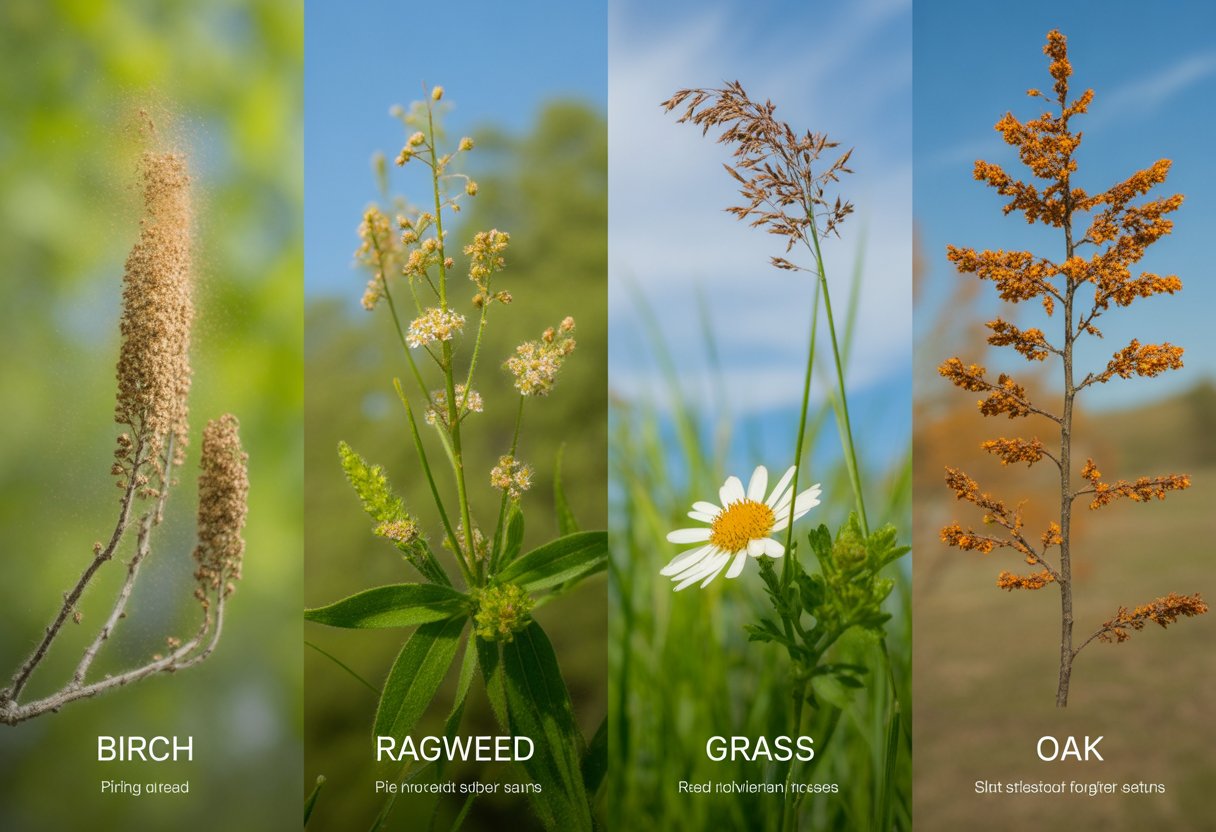
Pollen allergies occur at different times throughout the year depending on which plants are releasing pollen into the air. Tree, grass, and weed pollen[1] each have distinct seasons when they trigger hay fever symptoms in people who are allergic.
Tree Pollen Allergies
Tree pollen is usually the first allergen to appear each year. The tree pollen season typically runs from March through May in most areas. However, people living in warmer climates may start experiencing symptoms as early as January.
Certain tree species produce more allergic reactions than others. Birch, oak, and cedar trees[1] are among the most common culprits for allergy symptoms. Maple and ash trees also contribute to seasonal allergy problems.
In warmer regions, tree pollen season can overlap with other types of pollen present in spring and summer. This makes it harder for allergy sufferers to get relief. The wind carries tree pollen long distances, so even people without trees in their yard can experience symptoms.
Elevate Your Health for Just $29.99/Month
Join the Precision Wellness Subscription at My Healing 365 and get discounted services, priority coaching access, virtual care, and exclusive wellness resources to support your physical, emotional, and hormonal health.
Join for $29.99/MonthGrass Pollen Allergies
Grass pollen causes allergy symptoms during late spring and summer months. This allergy season sometimes overlaps with both tree pollen and weed pollen seasons. Grass pollen is very light, which allows the wind to carry it easily from one location to another.
Common grass types that trigger allergic reactions include:
- Bahia grass
- Bermuda grass
- Fescue
- Johnson grass
- Kentucky bluegrass
The neighbor’s lawn can cause allergy symptoms even if someone doesn’t have grass in their own yard. This happens because grass pollen travels through the air and settles on surfaces far from where it originated.
Weed Pollen and Ragweed Allergies
Weed pollen starts in summer and continues through fall. Ragweed is the most common weed allergen and grows in 49 states across the country. A single ragweed plant can produce about 1 billion grains of pollen.
Ragweed pollen can travel hundreds of miles through the air. This makes it especially difficult to avoid during allergy season. Other weeds that cause pollen allergies include burning bush, cocklebur, and lamb’s quarters.
Fall allergy symptoms are often more severe because of the high concentration of ragweed pollen in the air. People who are allergic to weed pollen may need to stay indoors more often during peak pollen times.
Pollen Counts and Allergy Season
Pollen counts measure how much pollen is in the air at any given time. These numbers help people with seasonal allergies plan their outdoor activities and medication schedules. High pollen counts typically occur on warm, dry, and windy days.
Approximately 20 million people in the U.S. have seasonal allergies[1] due to pollen. More than one in four adults and one in five children experience hay fever symptoms each year.
Pollen appears as a fine yellow dust on cars, outdoor furniture, and other surfaces. When pollen counts are high, people should check local forecasts before spending time outside. Rain helps lower pollen counts temporarily by washing pollen out of the air.
Diagnosing Pollen Allergies

Getting a proper diagnosis helps identify specific allergy triggers and leads to more effective treatment options. A doctor can determine which types of pollen cause symptoms through medical evaluation and testing.
When to See an Allergist
People should see an allergist when they experience symptoms like sneezing, stuffy nose, or itchy eyes that happen at the same time each year. These symptoms often match up with specific pollen seasons.
An allergist becomes necessary when over-the-counter medications don’t provide relief. They can also help when someone isn’t sure what causes their symptoms. The specialist has training to identify specific allergens and create personalized treatment plans.
People who need prescription allergy medication or want to explore long-term treatment options should also schedule an appointment. An allergist can discuss treatments that aren’t available at regular pharmacies.
Allergy Testing and Evaluation
Allergy testing identifies which specific pollens trigger symptoms. The most common test is a skin prick test. During this test, the doctor places small amounts of different allergens on the skin and watches for reactions.
Common allergy testing methods include:
- Skin prick tests (results in 15-20 minutes)
- Blood tests that measure antibody levels
- Patch tests for delayed reactions
The allergist reviews the test results along with the patient’s medical history. They ask about when symptoms occur and what makes them worse. This information helps pinpoint exact allergy triggers.
Blood tests work well for people who can’t have skin tests. The results take longer but provide similar information about which pollens cause problems.
First-Line Treatments: Nasal Steroid Sprays

Nasal steroid sprays are the most effective treatment for persistent allergy symptoms[4] that affect daily life. These medications reduce inflammation in the nasal passages better than antihistamines alone.
How Nasal Steroids Work
Nasal steroids work by decreasing the influx of inflammatory cells and blocking the release of cytokines in the nasal passages. This process reduces swelling and inflammation of the nasal mucosa.
The effects can begin in less than 30 minutes after use. However, peak effectiveness usually takes two to four weeks of regular use. This delayed full effect happens because the medications need time to reduce inflammation completely.
Common symptoms that improve with nasal steroids include:
- Nasal congestion and obstruction
- Runny nose
- Sneezing
- Nasal itching
The most frequent side effects are mild and include throat irritation, nosebleeds, stinging, burning, and nasal dryness. Long-term studies have not shown significant systemic effects like growth restriction in children, despite warnings on product labels.
Top Nasal Steroid Brands
Several effective nasal steroid options are available both over-the-counter and by prescription. Research shows no clear evidence that one nasal corticosteroid works better than another.
Available nasal steroid brands:
- Fluticasone propionate (Flonase) – Available over-the-counter for adults and children
- Fluticasone furoate – Over-the-counter option with once-daily dosing
- Budesonide (Rhinocort) – The only nasal steroid with FDA pregnancy category B rating
- Triamcinolone acetonide (Nasacort) – Over-the-counter option suitable for seasonal and year-round allergies
- Mometasone – Prescription option for persistent symptoms
- Ciclesonide – Prescription alternative with different dosing
The main differences between brands involve age restrictions, pregnancy safety ratings, and whether a prescription is needed. Budesonide stands out as the safest option during pregnancy.
Antihistamines for Allergy Relief

Antihistamines block histamine release in the body to reduce pollen allergy symptoms like sneezing, itching, and runny nose. Modern non-sedating options work quickly without causing significant drowsiness, while nasal sprays and eye drops target specific symptoms directly.
Oral Antihistamines and Non-Sedating Options
Non-sedating antihistamines are the preferred choice for treating pollen allergies because they provide effective relief without making people drowsy. Popular options include cetirizine (Zyrtec), fexofenadine (Allegra), and loratadine (Claritin). These medications work by blocking histamine, a chemical the immune system releases when exposed to pollen.
Zyrtec works the fastest[5], usually within one hour of taking it. However, it’s more likely to cause drowsiness compared to other options. Allegra is less likely to make people drowsy[5] than Zyrtec or Claritin, making it a good choice for those who need to stay alert.
Levocetirizine (Xyzal) is another non-sedating option that works similarly to cetirizine. Most people take these medications once daily, though doctors may recommend different dosing based on symptom severity.
Older antihistamines like diphenhydramine (Benadryl) still work for allergies but cause significant drowsiness. These first-generation antihistamines cross into the brain more easily, which leads to sedation.
Antihistamine Nasal Sprays
Azelastine (Astepro) is a prescription antihistamine nasal spray that delivers medication directly to nasal passages. This targeted approach often works faster than oral antihistamines for nasal symptoms. The spray reduces sneezing, runny nose, and nasal congestion caused by pollen exposure.
People typically use antihistamine sprays twice daily for best results. Some users notice a bitter taste after application, but this side effect is usually mild. The medication starts working within 15 to 30 minutes of use.
Antihistamine Eye Drops
Antihistamine eye drops provide fast relief for itchy, watery eyes caused by pollen allergies. Olopatadine (Pataday) and ketotifen (Zaditor) are common over-the-counter options that work directly on eye tissues. These drops block histamine release in the eyes to stop allergy symptoms quickly.
Most antihistamine eye drops work within minutes of application. People can use them once or twice daily depending on the specific product. The drops are safe for adults and children over age 3 in most cases.
Role of Decongestants in Treatment
Decongestants work by narrowing swollen blood vessels in the nasal passages, which reduces inflammation and helps restore normal breathing. They come in two main forms: oral medications taken by mouth and nasal sprays applied directly to the nose.
Oral Decongestants
Oral decongestants[6] come in pills, liquids, and syrups that provide relief throughout the body. The most common active ingredients are pseudoephedrine and phenylephrine.
Pseudoephedrine, found in Sudafed, is more effective than phenylephrine for most people. It requires asking a pharmacist since it’s kept behind the counter, even though no prescription is needed. Many combination products pair decongestants with antihistamines, such as Allegra-D, Claritin-D, and Zyrtec-D.
These medications typically work within 30 minutes and last 4 to 12 hours depending on the formula. People can use them for several days or weeks without the rebound effect that nasal sprays cause.
Side effects may include increased heart rate, elevated blood pressure, trouble sleeping, and nervousness. People with high blood pressure, heart disease, thyroid problems, or diabetes should consult their doctor before taking oral decongestants.
Nasal Decongestant Sprays
Nasal sprays deliver medication directly to swollen nasal tissues for faster relief than oral forms. Oxymetazoline is the primary active ingredient in popular brands like Afrin and Sinex.
These sprays work within minutes and provide relief for up to 12 hours. However, people should only use them for 3 days maximum. Using nasal decongestant sprays longer than one week can cause rebound congestion, a condition where the nose becomes more stuffed up than before.
The sprays are most useful for short-term situations like severe allergy flare-ups or air travel. They should not replace other pollen allergy treatments like antihistamines or nasal corticosteroid sprays for ongoing symptom management.
Allergen Immunotherapy and Allergy Shots
Allergen immunotherapy trains the immune system to tolerate pollen through regular exposure to small amounts of the allergen. This treatment can provide long-term relief and may reduce symptoms even after stopping treatment.
How Allergy Shots Work
Allergy shots[7] deliver gradually increasing doses of specific allergens through injections under the skin. The treatment follows two phases: a buildup phase and a maintenance phase.
During the buildup phase, patients receive injections one to three times per week. The dose increases with each shot over three to six months. Once the effective dose is reached, the maintenance phase begins with injections every two to four weeks.
The incremental increases of the allergen cause the immune system to become less sensitive[8] to the substance. The body produces blocking antibodies that reduce allergy symptoms when exposed to pollen in the future. This process also decreases inflammation in the nose and airways.
Most patients notice improvement within the first year. Treatment typically continues for three to five years to achieve lasting results.
Sublingual Immunotherapy Options
Sublingual immunotherapy delivers allergen doses through tablets placed under the tongue instead of injections. The FDA has approved several sublingual immunotherapy tablets[9] for specific pollen allergies.
FDA-Approved Tablets:
- Grastek – treats Timothy grass pollen allergy
- Oralair – treats five different grass pollens
- Ragwitek – treats ragweed pollen allergy
Patients take the first dose in their doctor’s office to monitor for reactions. After that, they take one tablet daily at home. Treatment starts three to four months before pollen season and continues throughout the season.
These tablets dissolve quickly under the tongue. Common side effects include itching or swelling in the mouth and throat irritation. Serious allergic reactions are rare but possible.
Other and Advanced Treatment Options

When standard antihistamines and nasal sprays don’t provide enough relief, several prescription options can target different parts of the allergic response. These medications work through distinct mechanisms to control inflammation and block chemical messengers that trigger symptoms.
Leukotriene Receptor Antagonists
Leukotriene receptor antagonists block leukotrienes, which are inflammatory chemicals the body releases during an allergic reaction. Montelukast (brand name Singulair) is the most commonly prescribed medication in this class for pollen allergies.
This oral medication comes as a once-daily tablet. It reduces nasal congestion, runny nose, and sneezing while also helping with asthma symptoms in people who have both conditions.
Montelukast typically starts working within one day, though full benefits may take several days to develop. Doctors often prescribe it for patients who can’t tolerate nasal sprays or need additional symptom control beyond antihistamines.
The medication is generally well-tolerated. Some people may experience headaches, stomach discomfort, or mood changes while taking it.
Mast Cell Stabilizers
Mast cell stabilizers prevent allergic cells from releasing histamine and other inflammatory substances. Cromolyn sodium (brand name NasalCrom) is available as an over-the-counter nasal spray that works through this mechanism.
This medication must be used regularly before symptoms start, typically three to four times daily. It works best when started one to two weeks before pollen season begins rather than after symptoms appear.
Cromolyn sodium has an excellent safety profile with minimal side effects. The main drawbacks are the frequent dosing schedule and the need for advance planning. People who have mild to moderate pollen allergies and prefer a non-steroid option often choose this treatment.
Prescription Medications for Persistent Symptoms
Patients with severe or year-round pollen allergies may need stronger prescription allergy medication[2] when other treatments fail. Options include prescription-strength nasal antihistamines like azelastine or combination sprays that contain both a steroid and an antihistamine.
Oral corticosteroids such as prednisone may be prescribed for short periods during severe flare-ups. These are not suitable for long-term use due to potential side effects. Some doctors prescribe them for a few days when symptoms become unbearable during peak pollen season.
For people whose symptoms interfere with daily life despite multiple medications, immunotherapy offers disease-modifying benefits[10] that can provide lasting relief even after treatment ends.
Non-Pharmacological & Lifestyle Strategies
Making changes to daily habits and home environments can significantly reduce pollen exposure and allergy symptoms. Simple adjustments like timing outdoor activities and controlling indoor air quality help many people manage their reactions without medication.
Reducing Allergen Exposure
Staying indoors during peak pollen hours offers the best protection against symptoms. Pollen counts typically reach their highest levels between 5 AM and 10 AM on dry, windy days.
People can check daily pollen forecasts to plan outdoor activities for late afternoon or after rain. When going outside during high pollen times becomes necessary, wearing wraparound sunglasses protects eyes from airborne particles.
Showering immediately after being outdoors removes pollen from hair and skin. This prevents allergens from spreading to bedding and furniture. Changing clothes after outdoor activities keeps pollen out of living spaces.
Keeping pets out of bedrooms[11] when they’ve been outside reduces pollen in sleeping areas. A saline rinse clears pollen from nasal passages and reduces postnasal drip.
Environmental Controls at Home
HEPA filters in air conditioning units and portable air purifiers trap pollen particles before they circulate through rooms. These filters capture 99.97% of airborne particles as small as 0.3 microns.
Keeping windows and doors closed during high pollen count days prevents allergens from entering the home. Running air conditioning with fresh air vents closed maintains comfortable temperatures while filtering indoor air.
Regular cleaning removes settled pollen from surfaces. Vacuuming with HEPA-equipped machines twice weekly prevents allergens from becoming airborne again. Washing bedding in hot water weekly eliminates accumulated pollen.
A humidifier should be avoided during pollen season, as excess moisture can promote mold growth and worsen symptoms.
Natural Remedies and Alternative Approaches
Several natural methods can help manage pollen allergies without medication. Nasal rinses with saline solutions[12] reduce allergen exposure in the nasal passages, while certain supplements may ease symptoms through immune support.
Saline Nasal Irrigation
Saline irrigation involves flushing a saltwater solution through the nasal passages using a neti pot, squeeze bottle, or bulb syringe. This process removes pollen and mucus while soothing inflamed nasal tissue.
Research shows that saline irrigation reduces the severity of seasonal allergies[12] in both adults and children when used regularly for up to three months. The treatment works by physically clearing allergens before they trigger immune reactions.
People can purchase premixed saline packets or make their own solution. A homemade version requires 3 teaspoons of iodide-free salt mixed with 1 teaspoon of baking soda. For each rinse, adults should combine 1 teaspoon of this mixture with 8 ounces of lukewarm distilled or boiled water.
Safety requires using only sterile water to prevent life-threatening infections. People should avoid rinsing when their nose is severely blocked and stop if they experience pain or nosebleeds.
Supplements and Herbal Remedies
Certain supplements may support the body’s response to allergens. Vitamin C acts as a natural antihistamine and may reduce inflammation in the airways. Probiotics might help regulate immune function, though more research is needed to confirm their effectiveness for pollen allergies.
Butterbur (Petasites hybridus) has shown promise in small studies. Some research found butterbur preparations similarly effective as over-the-counter antihistamines[12] like cetirizine and fexofenadine.
However, butterbur contains substances that can damage the liver and may cause cancer. Allergists recommend antihistamines over butterbur due to safety concerns. Anyone considering herbal remedies should consult a healthcare provider first to avoid medication interactions.
Acupuncture and Complementary Therapies
Acupuncture involves inserting thin needles into specific body points to balance energy and reduce inflammation. Limited research suggests it may lower inflammatory substances produced during allergic reactions.
The American Academy of Otolaryngology-Head and Neck Surgery notes that healthcare providers may recommend acupuncture[12] for people interested in non-medication options. Their confidence level remains low due to insufficient scientific evidence.
More studies comparing acupuncture to standard medical treatments are needed. People interested in this approach should seek licensed practitioners and discuss it with their doctor first.
Possible Complications of Untreated Pollen Allergies
When pollen allergies go untreated, they can lead to infections in the sinuses and ears. The constant inflammation and mucus buildup create conditions where bacteria and fungi can grow.
Sinusitis and Sinus Infections
Untreated allergies can weaken the immune system[13] and create an environment where sinus infections develop. When pollen causes the nasal passages to swell, mucus cannot drain properly from the sinuses. This trapped mucus becomes a breeding ground for bacteria and fungi.
Acute sinusitis typically lasts a few weeks. However, when allergies remain untreated, some people develop chronic sinusitis that persists for months or longer.
The symptoms of sinusitis include:
- Thick, discolored nasal discharge
- Facial pain and pressure around the eyes, cheeks, and forehead
- Reduced sense of smell
- Headaches
- Fever in some cases
People with ongoing pollen allergies face a higher risk of repeated sinus infections. Each infection can cause more inflammation and damage to the sinus tissues.
Chronic Nasal Symptoms
Long-term exposure to pollen without treatment leads to persistent nasal problems. The nose stays inflamed and irritated even outside of peak pollen season. This constant inflammation can damage the nasal passages over time.
People may experience a stuffy or runny nose that never fully clears. The nasal tissues can become swollen and sensitive to other irritants like smoke, strong smells, or temperature changes. Some people develop nasal polyps, which are soft growths in the nasal passages that make breathing even harder.
Post-nasal drip often becomes a chronic issue. Excess mucus drips down the back of the throat, causing throat irritation, coughing, and hoarseness. This can disrupt sleep and affect voice quality.
Ear Infections and Related Disorders
The connection between the nose and ears means that untreated pollen allergies can affect the ears. The Eustachian tubes connect the middle ear to the back of the throat. When allergies cause swelling, these tubes cannot drain fluid properly.
Fluid buildup in the middle ear creates pressure and discomfort. This trapped fluid can become infected, leading to painful ear infections. Adults and children with untreated allergies may experience repeated ear infections throughout allergy season.
Other ear-related problems include:
- Muffled hearing or temporary hearing loss
- A feeling of fullness or pressure in the ears
- Ringing in the ears (tinnitus)
- Balance problems or dizziness
Bacterial or fungal infections can develop in the ears[13] when fluid remains trapped for extended periods. Young children are especially vulnerable to these complications.
Frequently Asked Questions
People with pollen allergies often have questions about managing symptoms at home, choosing the right medications, and finding long-term solutions. Treatment options range from simple lifestyle changes to prescription immunotherapy.
How can seasonal allergies be effectively managed at home?
Keeping windows closed during high pollen days helps prevent allergens from entering the home. People should shower and change clothes after spending time outdoors to remove pollen particles from their skin and hair.
Using air purifiers with HEPA filters can reduce indoor pollen levels. Checking daily pollen counts allows individuals to plan outdoor activities when pollen levels are lower, typically in the evening or after rain.
Which medications are most effective for severe seasonal allergy symptoms?
Antihistamines work well for sneezing, itching, and runny nose by blocking the chemicals that cause allergic reactions. Nasal corticosteroid sprays reduce inflammation and are considered the most effective medications for severe nasal symptoms.
Decongestants provide quick relief for stuffy noses but should not be used for more than three days. Some people need a combination of medications to control severe symptoms effectively.
Are there ways to completely eliminate seasonal allergies?
Seasonal allergies cannot be completely cured or eliminated. The immune system will continue to react to pollen as if it were a dangerous substance.
However, treatments can significantly reduce symptoms and improve quality of life. Immunotherapy through allergy shots[14] can be very effective in controlling allergic symptoms, though it does not cure allergies.
What over-the-counter options are recommended for grass pollen allergies?
Over-the-counter antihistamines like cetirizine, loratadine, and fexofenadine effectively treat grass pollen symptoms. These medications are available without a prescription and can be taken daily during grass pollen season.
Nasal saline rinses help wash pollen out of the nasal passages. Eye drops designed for allergies can relieve itchy, watery eyes caused by grass pollen exposure.
Can immunotherapy provide long-term relief from pollen allergies?
Immunotherapy may be recommended for people who don’t respond well to medications[14] or experience side effects from them. This treatment involves regular injections of small amounts of allergens to help the body build tolerance over time.
The treatment typically takes three to five years to complete. Many people experience significant symptom reduction that lasts for years after finishing immunotherapy.
Between Claritin and Zyrtec, which is considered superior for managing pollen allergy symptoms?
Both Claritin and Zyrtec are effective antihistamines for pollen allergy symptoms[1]. Zyrtec tends to work faster and may provide stronger relief for some people, but it can cause more drowsiness.
Claritin is less likely to cause drowsiness and works well for mild to moderate symptoms. The best choice depends on individual response and whether drowsiness is a concern for daily activities.
Post Views: 2
References
- Pollen Allergy: Causes, Symptoms & Treatment. https://my.clevelandclinic.org/health/diseases/pollen-allergy Accessed March 19, 2026
- Allergy Medicine Guide: Best Treatments for Allergies. https://aafa.org/allergies/allergy-treatments/ Accessed March 19, 2026
- Pollen Allergy | Causes, Symptoms & Treatment. https://acaai.org/allergies/allergic-conditions/pollen-allergies/ Accessed March 19, 2026
- Treatment of Allergic Rhinitis. https://www.aafp.org/pubs/afp/issues/2015/1201/p985.html Accessed March 19, 2026
- Zyrtec works the fastest. https://www.verywellhealth.com/should-i-take-claritin-zyrtec-or-allegra-3971137 Accessed March 19, 2026
- Nasal Decongestant for Stuffy Nose Remedy. https://my.clevelandclinic.org/health/drugs/24923-nasal-decongestant Accessed March 19, 2026
- Allergy Shots (Immunotherapy). https://www.aaaai.org/tools-for-the-public/conditions-library/allergies/allergy-shots-(immunotherapy) Accessed March 19, 2026
- Allergy Immunotherapy | Allergy Treatment. https://acaai.org/allergies/management-treatment/allergy-immunotherapy/ Accessed March 19, 2026
- Allergy Shots vs. Sublingual Immunotherapy. https://neaai.com/allergy-shots-vs-sublingual-immunotherapy-which-is-right-for-you/ Accessed March 19, 2026
- Best long‑term treatments for pollen allergies: an evidence‑first guide. https://llm.wyndly.com/pollen-allergy-long-term-treatments Accessed March 19, 2026
- 9 ways to ease allergies without medicine. https://nortonhealthcare.com/news/ease-allergies-without-medicine/ Accessed March 19, 2026
- Nasal rinses with saline solutions. https://www.verywellhealth.com/seasonal-allergies-natural-treatments-11828948 Accessed March 19, 2026
- What Untreated Allergies Could Do to Your Health. https://www.bjc.org/news/what-untreated-allergies-could-do-your-health Accessed March 19, 2026
- Allergies: Allergic and non-allergic rhinitis frequently asked questions. https://www.marshfieldclinic.org/specialties/allergies/allergies-allergic-and-non-allergic-rhinitis-frequently-asked-questions Accessed March 19, 2026

























