
Medically Reviewed
Dr. Jose Rossello, MD, PhD, MHCM
Preventive Medicine & Public Health Specialist
Last Reviewed: March 20, 2026
Spring arrives with blooming flowers and warmer weather, but for millions of people, it also brings sneezing, itchy eyes, and congestion. The question of whether someone can experience a truly allergy-free spring depends on their sensitivity to allergens like pollen and the steps they take to manage symptoms. While completely eliminating all allergy symptoms may not be realistic for everyone, most people can significantly reduce their discomfort through a combination of environmental controls, medical treatments, and lifestyle adjustments.

Tree pollen is one of the main culprits behind spring allergies, with oak, maple, birch, and cedar trees releasing large amounts into the air. When pollen enters the body, the immune system can overreact and release histamines, causing inflammation in the nose, eyes, and throat. Understanding what triggers these reactions is the first step toward finding relief.
The good news is that many effective strategies exist for managing spring allergies. From keeping windows closed and using air purifiers to taking antihistamines and trying natural remedies, people have more options than ever before. With the right approach, spring can become a season to enjoy rather than endure.
Table of Contents
Key Takeaways
- Spring allergies are primarily caused by tree pollen, grass pollen, and mold spores that trigger immune system reactions
- Reducing exposure through indoor air quality improvements and limiting outdoor activities during peak pollen times can significantly decrease symptoms
- Both medical treatments like antihistamines and nasal sprays along with natural approaches offer effective relief options for managing seasonal allergies
Is an Allergy-Free Spring Truly Achievable?
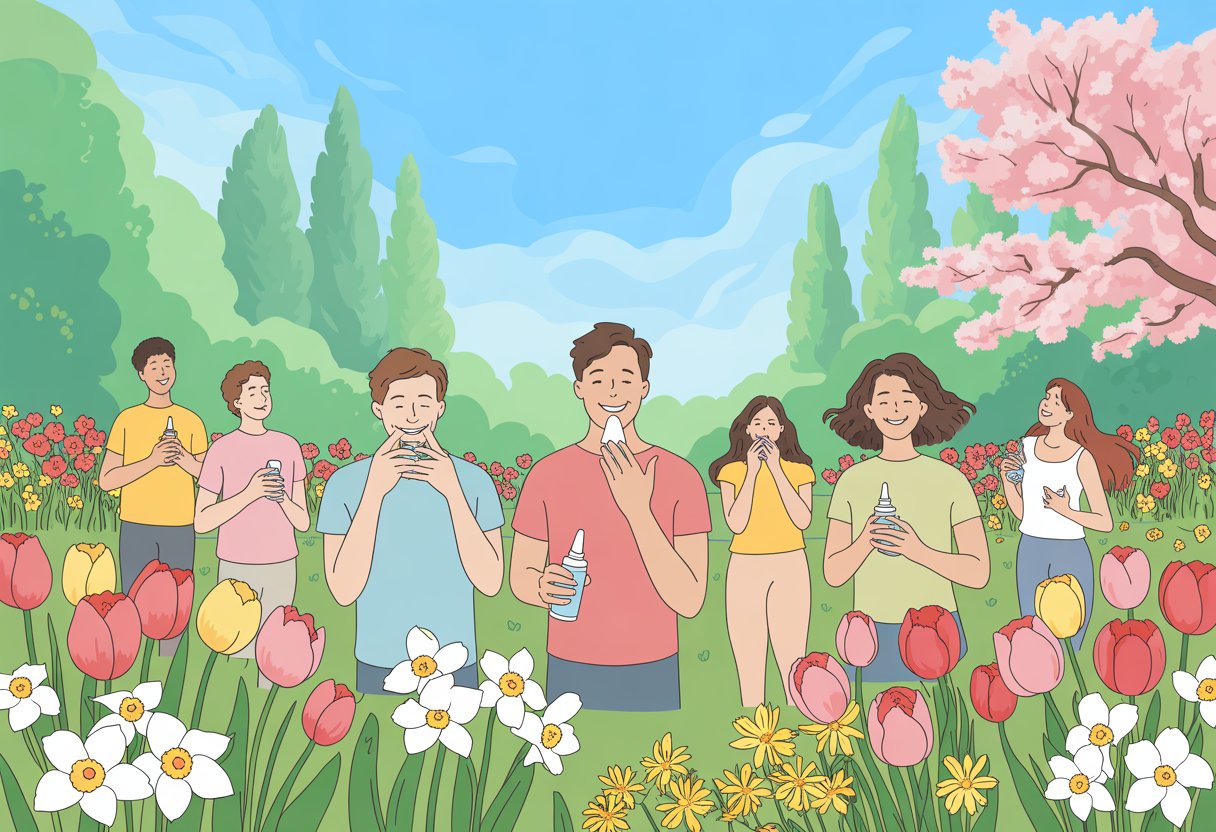
The idea of a completely allergy-free spring remains out of reach for most people with seasonal allergies. While various strategies can reduce exposure and minimize symptoms, eliminating all allergens from the environment is not realistic.
Understanding the Concept of Allergy-Free
An allergy-free environment means completely removing all substances that trigger allergic reactions. For spring allergies, this would require eliminating pollen from trees, grasses, and weeds from the air a person breathes.
Pollen travels through the air and gets inhaled naturally. These tiny particles can move for miles on wind currents. Even indoor spaces cannot remain completely pollen-free since pollen enters through windows, doors, and ventilation systems.
Common spring allergens include:
- Tree pollen (highest in spring)
- Grass pollen (peaks in late spring and summer)
- Weed pollen
- Mold spores
- Dust mites
The term “allergy-free” often gets misunderstood. People with hay fever might hear about allergy-free zones or climates. However, there is no truly allergy-free zone[1] anywhere in the country. Pollen allergies can occur in any location, including dry climates like the Southwest.
Barriers to a Completely Allergy-Free Environment
Physical barriers make it impossible to create a totally allergen-free space. Pollen exists in outdoor air during spring and enters homes continuously.
No matter how clean a house is, dust mites cannot be completely eliminated. These microscopic bugs live in bedding, furniture, and carpets. Mold spores also float through the air naturally and can enter homes whenever doors or windows open.
Climate change has made seasonal allergies worse. A warmer, earlier spring means a longer growing season[2], giving plants more time to produce pollen. This extends the allergy season both earlier in spring and later into fall.
According to health data, about 25% of adults and nearly 21% of children in the U.S. have a seasonal allergy[3]. The number of people affected continues to grow each year.
Setting Realistic Expectations
People with spring allergies should focus on reducing exposure rather than eliminating it completely. This approach proves more practical and achievable.
Effective strategies include keeping windows closed during high pollen days and showering after outdoor activities. Wearing glasses outdoors minimizes pollen contact with eyes. Checking daily pollen counts helps people plan activities during lower-risk times.
Indoor air quality improvements make a real difference. Using air conditioning instead of open windows during pollen season keeps indoor pollen levels lower. Washing bedding in hot water weekly and using allergen-proof covers on pillows and mattresses reduces dust mite exposure.
Realistic goals for managing allergy symptoms:
- Minimize outdoor exposure during peak pollen times
- Keep indoor allergen levels as low as possible
- Use medications as directed by a doctor
- Track pollen counts and plan accordingly
The goal should be managing allergy symptoms effectively rather than achieving a completely allergy-free spring. With proper planning and environmental allergy avoidance strategies[4], people can reduce their discomfort significantly.
What Causes Spring Allergies?
Spring allergies develop when the immune system mistakes harmless substances like pollen for dangerous invaders. Tree pollen dominates early spring, while mold spores thrive in damp conditions, and indoor allergens continue affecting people year-round.
Major Outdoor Allergy Triggers
Tree pollen ranks as the primary outdoor allergen during spring months. Trees like oak, birch, cedar, and maple release microscopic pollen grains that travel through the air for miles. These tiny particles enter the nose and airways, triggering allergic reactions in sensitive individuals.
Pollen causes the body to produce IgE antibodies[5] as an immune response. The immune system treats pollen as a threat even though it poses no real danger. This overreaction creates inflammation and leads to common allergy symptoms.
Grass pollen becomes more prevalent in late spring and early summer. Different regions experience peak pollen seasons at different times based on climate and plant varieties. Ragweed typically affects people in late summer and fall rather than spring.
Mold spores also increase during spring as temperatures warm and rainfall creates damp environments. Mold grows on dead leaves, compost piles, and soil. When disturbed, these spores become airborne and trigger allergic reactions similar to pollen.
Role of Indoor Allergens
Dust mites live in bedding, upholstered furniture, and carpets throughout the year. These microscopic creatures feed on dead skin cells and thrive in warm, humid environments. Their waste particles become airborne and trigger allergic reactions when inhaled.
Pet dander consists of tiny flakes of skin shed by cats, dogs, and other animals with fur or feathers. The proteins in dander can remain airborne for extended periods and settle on furniture and clothing. People often experience worse symptoms indoors during spring when they keep windows closed to avoid outdoor allergens.
Indoor mold grows in bathrooms, basements, and other areas with moisture problems. Spring cleaning activities can disturb settled dust and allergens, making symptoms temporarily worse.
Air Pollution and Its Impact on Allergies
Air pollution worsens spring allergy symptoms by irritating airways and making them more sensitive to allergens. Vehicle exhaust, industrial emissions, and ground-level ozone damage the respiratory system’s natural defenses.
Pollutants can also alter pollen itself, making it more allergenic. Diesel exhaust particles attach to pollen grains and increase their ability to trigger immune responses. Urban areas typically have both higher pollution levels and more intense allergy symptoms compared to rural locations.
Climate change extends pollen seasons and increases pollen production. Warmer temperatures cause plants to bloom earlier and produce more pollen overall, intensifying spring allergy problems each year.
Spring Allergy Symptoms: What to Expect
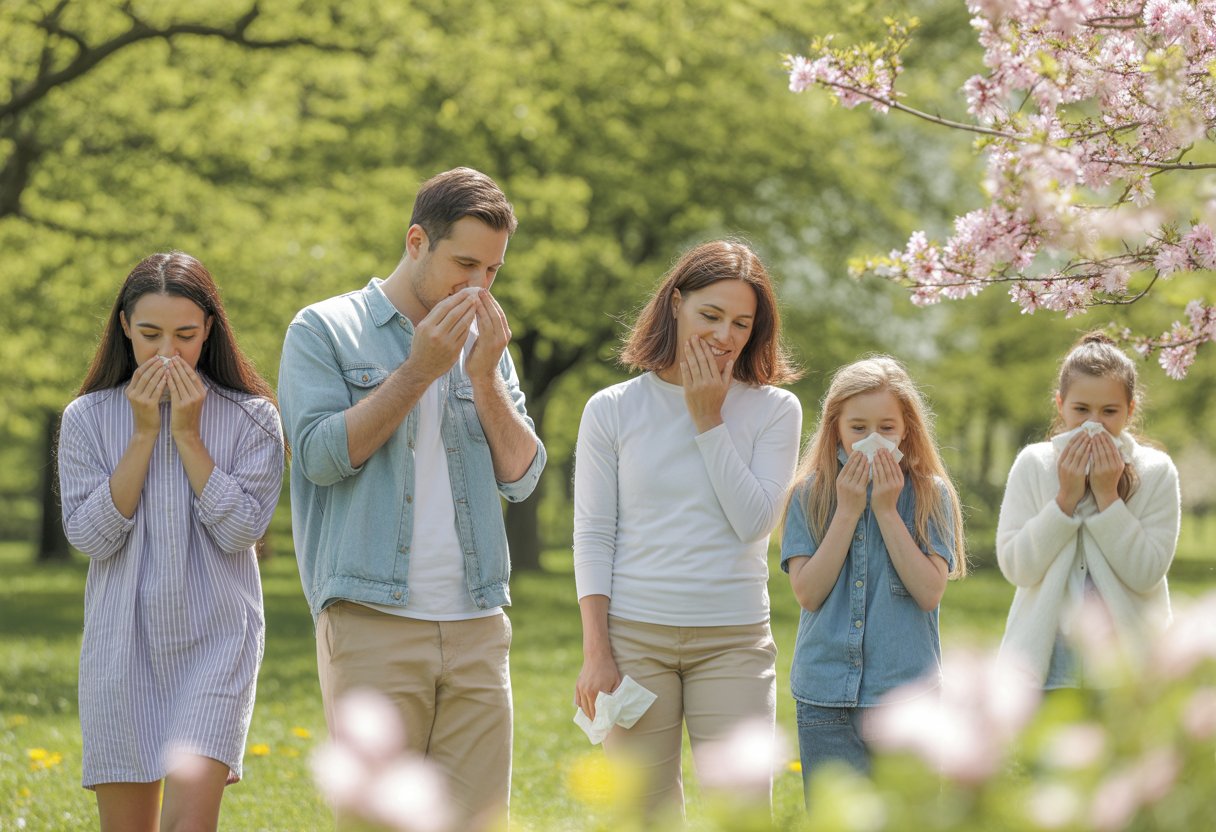
Spring allergies trigger a range of physical reactions that affect the respiratory system, eyes, and skin. About 35 million Americans experience symptoms from pollen and mold allergies[6] during this season.
Common Respiratory Reactions
The most frequent spring allergy symptoms involve the nose and throat. Sneezing often occurs in rapid bursts, particularly in the morning when pollen counts are highest. Congestion develops as nasal passages become inflamed and swollen from histamine release.
A runny nose accompanies the stuffiness, creating postnasal drip that irritates the throat. This leads to persistent coughing and throat clearing throughout the day. Sinus pressure builds up behind the cheeks and forehead, causing headaches that worsen when bending forward.
Many people also experience ear congestion as the eustachian tubes swell. This creates a feeling of fullness or muffled hearing. Fatigue becomes common because congestion disrupts normal sleep patterns and prevents deep rest.
Eye and Skin Problems
Itchy eyes rank among the most bothersome spring allergy symptoms. The whites of the eyes turn red and watery as allergens irritate the delicate tissues. Rubbing provides temporary relief but worsens the inflammation.
Some people notice their eyelids become puffy and swollen in the morning. Dark circles may appear under the eyes due to congestion in the small blood vessels. The itching can extend to the roof of the mouth, throat, and inner ears.
Skin reactions occur less frequently but still affect many allergy sufferers. Hives or rashes may develop after direct contact with grass or tree pollen. Some individuals notice their eczema flares up during peak pollen season.
Severe Symptoms Requiring Attention
Certain allergy symptoms require immediate medical evaluation. Spring allergies can trigger asthma attacks[7], causing wheezing, chest tightness, and shortness of breath. These respiratory complications need prompt treatment.
Difficulty swallowing or a rapidly swelling throat indicates a serious allergic reaction. Extreme fatigue that interferes with daily activities suggests allergic rhinitis has become severe. Facial pain combined with thick, colored nasal discharge may signal a sinus infection requiring antibiotics.
Anyone experiencing new or worsening symptoms should consult a healthcare provider. Persistent symptoms lasting more than two weeks without improvement warrant professional assessment.
Key Seasonal Allergy Triggers Explained
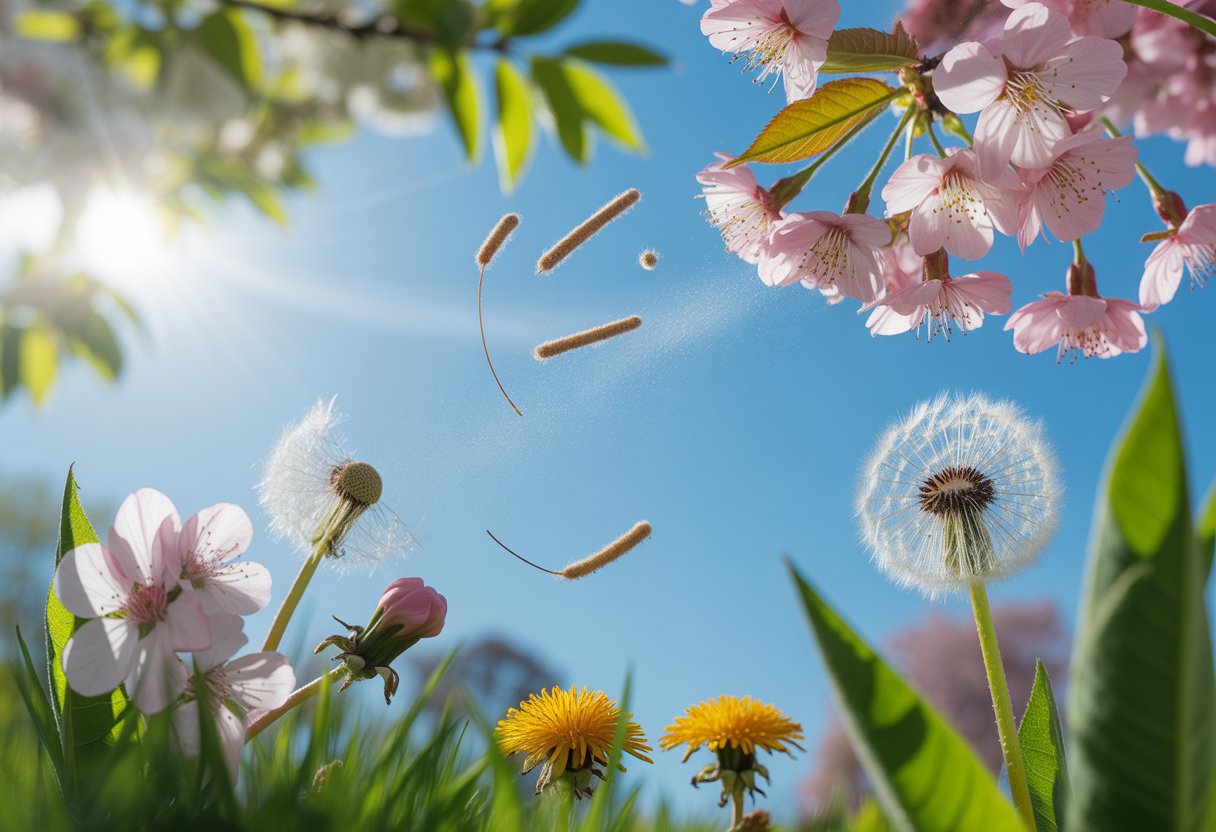
Spring allergies affect millions of people[8] each year, with pollen, mold spores, dust mites, and pet dander serving as the main culprits. Each trigger operates differently and peaks at specific times during the season.
Understanding Pollen Types and Counts
Pollen is a powdery substance plants release to reproduce. When people with allergies breathe it in, their bodies treat it as a threat and react with symptoms like sneezing and watery eyes.
Tree pollen typically appears in spring[9], especially from birches, oaks, elms, and maples. Grass pollen usually shows up in late spring and summer. Ragweed produces pollen from late summer through fall[9] and is one of the most common triggers.
Pollen counts measure how much pollen is in the air. Higher counts mean more exposure and worse symptoms for allergy sufferers. People can check pollen forecasts through the National Allergy Bureau, local news stations, or weather apps.
Elevate Your Health for Just $29.99/Month
Join the Precision Wellness Subscription at My Healing 365 and get discounted services, priority coaching access, virtual care, and exclusive wellness resources to support your physical, emotional, and hormonal health.
Join for $29.99/MonthWhen Pollen Peaks:
- Morning hours: Highest concentration
- Dry, windy days: Spreads easily
- After rain: Temporarily decreases
Impact of Mold and Dust Mites
Mold spores can cause seasonal allergies during spring, summer, and fall[9]. They thrive in damp environments both outdoors and inside homes. Outdoor mold grows on fallen leaves, compost piles, and damp soil.
Indoor mold develops in bathrooms, basements, and any area with excess moisture. These spores become airborne and trigger reactions when inhaled.
Dust mites are tiny creatures that live in bedding, carpets, and upholstered furniture. They feed on dead skin cells and prefer warm, humid environments. While dust mites cause year-round problems, their populations can grow during humid spring months.
Both mold and dust mites release particles that inflame airways and cause typical allergy symptoms.
The Role of Pet Dander
Pet dander consists of tiny flakes of skin that cats, dogs, and other furry animals shed constantly. These particles are extremely small and remain airborne for long periods.
Pets that spend time outdoors during spring bring pollen and mold spores inside on their fur. This creates a double exposure problem for allergy sufferers. The combination of pet dander plus outdoor allergens intensifies reactions.
Pet saliva and urine also contain proteins that trigger allergies. When pets groom themselves, these proteins transfer to their fur and become airborne as the fur dries.
Even homes without pets can have dander present, as it travels on clothing and sticks to surfaces easily.
Allergy Testing and Professional Diagnosis

About 35 million Americans suffer from pollen and mold allergies each spring. Getting tested by a specialist helps identify specific triggers and creates a path toward better symptom management.
When to See an Allergist or Immunologist
People should consider visiting an allergist when over-the-counter medications fail to control their symptoms. Persistent sneezing, congestion, itchy eyes, or breathing difficulties that interfere with daily life warrant professional evaluation.
A board-certified allergist specializes in diagnosing and treating allergic conditions. These doctors complete additional training beyond medical school to understand how the immune system responds to allergens. An immunologist offers similar expertise, often working with more complex immune system disorders.
Key reasons to schedule an appointment:
- Symptoms last longer than a few weeks
- Medications cause unwanted side effects
- Uncertainty about what triggers reactions
- Interest in long-term treatment options like immunotherapy
Spring marks the busiest time at allergy clinics[6] as seasonal symptoms emerge. Booking appointments early in the year helps patients get ahead of peak allergy season.
What Happens During Allergy Tests
The allergist begins by reviewing medical history and family allergies. This conversation helps narrow down potential triggers before any testing begins.
Skin prick tests represent the most common testing method. The doctor places small droplets of suspected allergens on the skin, usually on the forearm or back. A tiny prick allows the substance to enter just below the surface. Raised bumps resembling mosquito bites appear within 20 minutes if someone is allergic to that substance.
Blood tests measure IgE antibodies[10] that the immune system produces in response to specific allergens. Doctors often choose blood tests for patients who take certain medications or have skin conditions that prevent skin testing. Results typically arrive within several days.
Both methods show high accuracy in detecting sensitivities to environmental allergens. However, a positive result does not guarantee symptoms will occur upon exposure.
Benefits of Accurate Diagnosis
Working with a board-certified allergist[11] ensures test results combine with personal history for proper interpretation. Not everyone who tests positive for an allergen experiences symptoms when exposed to it.
An accurate diagnosis leads to targeted treatment plans. These plans may include specific medications, allergen avoidance strategies, or immunotherapy. Understanding exact triggers allows people to prepare before exposure rather than simply reacting to symptoms.
Professional diagnosis also prevents unnecessary restrictions. Someone might avoid certain activities or environments based on assumptions about their allergies. Testing reveals actual triggers, which may differ from what people suspect.
The allergist creates a personalized management approach based on test results and symptom patterns. This individualized care typically produces better outcomes than generic treatments. Patients gain tools to manage their specific allergy profile rather than following one-size-fits-all advice.
Preventive Strategies: Limiting Allergen Exposure
Reducing contact with pollen and other spring allergens requires deliberate planning and consistent habits. Simple adjustments to daily routines and home maintenance can significantly decrease symptom severity.
Monitoring Pollen Forecasts and Timing Outdoor Activities
Checking daily pollen counts helps people with allergies plan their schedules around peak pollen times. Most weather apps and allergy websites provide local pollen forecasts that rate levels as low, moderate, high, or very high.
Pollen levels typically peak in the early morning hours between 5 a.m. and 10 a.m. Planning outdoor activities for late afternoon or after rain can reduce exposure. Dry, windy days carry more allergens through the air, while rain helps clear pollen temporarily.
People should limit time outdoors when pollen counts reach high levels[12]. Exercising indoors during peak pollen days provides a practical alternative to outdoor workouts. When outdoor activities are necessary, wearing wraparound sunglasses protects eyes from airborne pollen.
Best Practices for Keeping Windows Closed
Closed windows prevent pollen from entering homes and cars. This applies to both living spaces and vehicles throughout spring allergy season.
Keep windows closed[13] even when temperatures feel comfortable outside. Air conditioning provides cooling without introducing outdoor allergens. Car air conditioning should run on recirculation mode to filter cabin air rather than pulling in outside air.
High-efficiency air filters in HVAC systems trap pollen particles that might otherwise circulate indoors. These filters need replacement according to manufacturer guidelines to maintain effectiveness. Air purifiers with HEPA filters add extra protection, particularly in bedrooms where people spend several hours sleeping.
Clothing and Personal Hygiene Tips
Pollen clings to clothing, hair, and skin after time outdoors. Showering when coming home[13] removes these particles before they spread throughout living spaces.
Changing into fresh clothes after being outside prevents pollen transfer to furniture and bedding. Worn clothing should go directly into a hamper rather than being draped over chairs or beds. Daily showers, especially before bed, wash away accumulated pollen.
Hair collects substantial amounts of pollen during outdoor exposure. Washing hair at night keeps pillowcases cleaner and reduces nighttime symptoms. Pets that spend time outside also carry pollen on their fur, so wiping them down with pet-safe wipes after outdoor time helps maintain a cleaner indoor environment.
Creating an Allergy-Proof Home Environment
Making your home less hospitable to allergens requires attention to air quality, regular cleaning with the right tools, and proper filtration systems. These three areas work together to reduce exposure to dust mites, pollen, pet dander, and mold spores that trigger allergic reactions.
Improving Indoor Air Quality
Poor ventilation and high humidity create conditions where allergens thrive indoors. Keeping humidity levels below 50% prevents dust mites and mold from multiplying in bedrooms, living rooms, and basements[14].
Opening windows during low pollen count periods helps flush out stale air. However, during peak pollen seasons in spring, keeping windows closed prevents outdoor allergens from entering. Air conditioning systems filter incoming air while maintaining comfortable temperatures without introducing pollen.
Exhaust fans in bathrooms and kitchens remove moisture that promotes mold growth. Running these fans during and after showers or cooking reduces dampness on surfaces where mold colonies develop.
Addressing water leaks immediately stops mold before it spreads. Even small amounts of moisture behind walls or under sinks create breeding grounds for mold spores that circulate through the air.
Cleaning Routines for Allergen Reduction
Regular cleaning removes allergens before they accumulate to problematic levels. Vacuuming with a HEPA filter traps microscopic particles that standard vacuums blow back into the air. These vacuums should be used on carpets, upholstered furniture, and curtains at least twice weekly.
Washing bedding in hot water weekly kills dust mites living in mattresses and pillows. Using allergen-proof covers on mattresses and pillows creates a barrier between sleepers and these microscopic creatures.
Dusting surfaces with damp cloths captures particles instead of spreading them around. Microfiber cloths work particularly well for trapping dust and pet dander on furniture, shelves, and electronics.
Pet owners should groom their animals outside regularly and wash pet bedding frequently. Keeping pets off furniture and out of bedrooms reduces dander exposure in areas where people spend the most time.
HVAC, Filters, and Air Purifiers
HVAC systems circulate air throughout homes, making filter quality critical for allergen control. Replacing HVAC filters every three months prevents dust and pollen from recirculating. High-efficiency filters capture smaller particles than standard options.
A HEPA air purifier[14] removes 99.97% of airborne particles as small as 0.3 microns. Placing these units in bedrooms and main living areas provides continuous filtration where people spend most of their time.
HVAC maintenance includes cleaning ducts and vents where dust accumulates. Professional duct cleaning every few years removes built-up allergens from the entire system.
Portable air purifiers with HEPA filters offer targeted relief in specific rooms. Running these devices continuously during spring maintains cleaner air despite increased outdoor pollen levels.
Medical Options for Allergy Relief

Nasal steroids offer the most effective over-the-counter relief for moderate to severe allergies, while antihistamines work well for mild symptoms. Immunotherapy provides long-term results by changing how the body responds to allergens.
Over-the-Counter and Prescription Medications
Antihistamines come in two forms: pills and nasal sprays. Pills like Zyrtec, Allegra, and Xyzal work by blocking histamine receptors that trigger allergy symptoms. They provide fast relief and can be taken as needed for mild allergies.
People should avoid first-generation antihistamines like Benadryl for regular use. These older medications cause drowsiness and may increase dementia risk with frequent long-term use.
Decongestants help reduce nasal congestion but only treat one symptom. They work best when combined with antihistamines for complete relief. Patients with high blood pressure should check with a doctor before using decongestants.
For eye symptoms, antihistamine eye drops like Pataday or Zaditor target itchy, watery eyes directly. These drops can be used alongside oral medications or nasal sprays without issue.
Allergy Shots and Immunotherapy
Allergy shots represent the most effective long-term treatment option available. This form of immunotherapy works by exposing the body to small amounts of allergens over time. The immune system gradually becomes less sensitive to these triggers.
Patients typically receive shots once or twice weekly for several months. The frequency then decreases to monthly maintenance doses. Most people see significant improvement within one year, though treatment continues for three to five years.
Sublingual immunotherapy offers an alternative to shots. Patients place tablets under their tongue daily instead of visiting a clinic for injections. Both methods provide lasting relief even after treatment ends.
Nasal Sprays and Saline Irrigation
Nasal steroids work as the most effective single treatment[15] for moderate to severe seasonal allergies. Brands like Flonase, Nasacort, and Nasonex reduce inflammation by blocking inflammatory cells in the nasal passages. These sprays need two weeks to reach full effectiveness, so starting before allergy season begins works best.
Saline nasal irrigation removes pollen and allergens from nasal passages. A neti pot or saline spray flushes out irritants with a saltwater solution. This drug-free method works well as a complement to medications.
Patients can combine different medication types safely. Taking a nasal steroid at night with an antihistamine in the morning provides comprehensive coverage throughout the day.
Natural Options and Lifestyle Approaches

Many people find relief from spring allergies through dietary changes, herbal supplements, and stress management techniques. These approaches work by supporting the immune system and reducing inflammatory responses in the body.
Dietary Choices That May Help
Certain foods contain natural compounds that may reduce allergic reactions. Quercetin, a plant pigment found in many fruits and vegetables, acts as a natural antihistamine. Apples, berries, kale, and peppers are all rich sources of this compound.
Vitamin C also plays a role in managing allergy symptoms. This nutrient helps stabilize mast cells, which release histamine during allergic reactions. Peppers contain exceptionally high amounts of vitamin C, with some varieties providing more than citrus fruits.
Foods to include:
- Apples (contain quercetin)
- Berries (blueberries, strawberries)
- Kale and other dark leafy greens
- Bell peppers (high in vitamin C)
- Onions and garlic
Probiotics support gut health, which influences immune function. Foods like yogurt, kefir, and fermented vegetables introduce beneficial bacteria to the digestive system. Some research suggests a healthy gut microbiome may reduce the severity of allergic responses.
Supplements and Herbal Remedies
Butterbur works as an antihistamine[16] without causing drowsiness. Swiss researchers found it effectively controls hay fever symptoms in clinical studies. People should only use butterbur products that are labeled PA-free, as some forms contain harmful compounds.
Stinging nettle has been used for centuries to treat respiratory conditions. This herb may reduce inflammation in nasal passages and decrease histamine production. It is available in capsule, tea, or tincture form.
Quercetin supplements offer a concentrated dose of this natural antihistamine. Most studies use doses between 500 and 1,000 mg daily. Vitamin C supplements may provide additional support, particularly for those who don’t consume enough fruits and vegetables.
Stress Reduction and Immune Support
Chronic stress weakens immune function and can worsen allergy symptoms. The body produces more inflammatory chemicals when under prolonged stress. This creates a cycle where allergies feel more severe during stressful periods.
Regular exercise helps regulate immune responses and reduces inflammation. Activities like walking, swimming, or yoga provide benefits without requiring intense effort. Even 20 to 30 minutes of moderate activity most days can make a difference.
Sleep quality directly affects how the body handles allergens. Adults need seven to nine hours of sleep nightly for optimal immune function. Poor sleep increases inflammatory markers and makes allergy symptoms harder to manage.
Outdoor Activities and Spring Gardening for Allergy Sufferers
Spring gardening doesn’t have to trigger constant sneezing and watery eyes. Strategic plant choices, proper timing, and simple protective measures allow people with spring allergies to enjoy outdoor spaces while minimizing exposure to pollen and other outdoor allergens.
Safer Gardening and Yard Work
Regular maintenance practices[17] help reduce pollen levels around the home. Mowing the lawn weekly prevents grass from flowering and releasing pollen. Removing weeds before they bloom stops another major source of outdoor allergens.
Using gravel or mulch instead of grass near the house creates low-pollen zones. These areas work well around windows and patios where people spend the most time. Avoiding overwatering prevents mold growth in damp soil and plant beds.
After finishing yard work, changing clothes and showering immediately removes pollen from skin and hair. Keeping gardening tools and shoes outside prevents tracking allergens into the home. These simple steps significantly reduce indoor exposure to spring allergies triggers.
Choosing Allergy-Friendly Plants
Brightly colored flowers produce less airborne pollen than pale, wind-pollinated varieties. Snapdragons, zinnias, and petunias attract pollinators while keeping pollen levels low. These flowers rely on insects rather than wind for pollination.
Low-allergy trees include apple, cherry, dogwood, and pear. For shrubs, azaleas, rhododendrons, and boxwoods add structure without aggravating symptoms. Holly and English ivy provide year-round greenery.
Herb gardens[17] offer functional beauty for allergy sufferers. Basil, chives, and parsley produce minimal airborne pollen. Planting allergy-friendly hedges creates natural barriers that filter pollen from neighboring yards.
Protective Gear and Timing
Pollen counts vary throughout the day and week. Late afternoon and post-rain periods offer the lowest exposure to outdoor allergens. Early mornings and windy days create peak pollen conditions that should be avoided.
Wearing a mask during yard work blocks pollen from entering airways. Wraparound sunglasses protect eyes from airborne particles. Gloves prevent direct skin contact with plant allergens.
Best gardening times:
- Late afternoon (4-7 PM)
- After rainfall
- Days with low wind
- When pollen forecasts show low counts
Watching for symptoms like sneezing, runny nose, or itchy eyes helps identify problematic plants. Noting which plants trigger reactions allows gardeners to relocate or remove them from high-traffic areas.
Long-Term Allergy Management Strategies
Managing spring allergies over the long term requires consistent effort and a personalized approach. Success depends on identifying specific triggers, maintaining detailed records, and working closely with medical experts to refine treatment plans.
Developing a Comprehensive Prevention Plan
A good prevention plan starts with identifying specific allergy triggers through testing. People need to know exactly which pollens, molds, or other allergens cause their symptoms. This knowledge allows them to create targeted strategies rather than guessing.
The plan should include daily habits like checking pollen counts before going outside. When counts are high, staying indoors during peak hours (usually morning) helps reduce exposure. Using HEPA filters in the home removes airborne allergens from indoor spaces.
Key prevention strategies include:
- Keeping windows closed during high pollen days
- Showering and changing clothes after being outside
- Washing bedding weekly in hot water
- Avoiding outdoor activities when pollen counts peak
- Using allergen-proof covers on pillows and mattresses
People should also prepare medications before allergy season starts. Starting antihistamines or nasal sprays a few weeks early can prevent symptoms from becoming severe.
Working with Healthcare Professionals
Regular visits with an allergist help people get the most effective treatments. Allergists can prescribe stronger medications than over-the-counter options when needed. They also determine if someone qualifies for immunotherapy treatments like allergy shots or sublingual tablets[18].
Immunotherapy involves gradually exposing the body to allergens[19] to build tolerance over time. This treatment takes months or years but can provide lasting relief. Not everyone is a candidate, so medical evaluation is essential.
Healthcare providers also help identify non-obvious triggers. Some people react to cross-reactive foods that share proteins with their pollen allergens. Others have multiple sensitivities that complicate treatment.
Tracking Progress and Adjusting Approaches
Keeping a detailed symptom diary helps identify patterns and measure improvement. People should record daily symptoms, medications taken, pollen counts, and activities. This information reveals which strategies work best.
A simple tracking table might include:
| Date | Symptom Severity (1-10) | Medications Used | Pollen Count | Notes |
|---|---|---|---|---|
| 3/16 | 7 | Antihistamine | High | Spent 2 hours outside |
| 3/17 | 4 | Antihistamine, nasal spray | Medium | Stayed indoors |
Treatment plans need regular adjustments based on these records. If symptoms worsen despite following the plan, different medications or dosages may be necessary. Some people find their allergy management needs change from year to year as pollen levels fluctuate.
Reviewing progress every few months with a healthcare provider ensures the approach stays effective. Minor tweaks to timing, dosage, or prevention methods can make significant differences in symptom control.
Frequently Asked Questions
Managing spring allergies involves understanding exposure reduction, treatment options, and home environment controls. People with seasonal allergies need practical answers about prevention methods, natural remedies, and medication choices.
What steps can be taken to minimize exposure to spring allergens?
Staying indoors during peak pollen times helps reduce exposure. Early morning and evening hours typically have the highest pollen counts.
Keeping windows closed at home and in the car prevents pollen from entering indoor spaces. Using air conditioning with clean filters provides ventilation without introducing allergens.
Changing clothes and showering after spending time outdoors removes pollen from skin and hair. Wearing sunglasses and a hat when outside creates a barrier against airborne allergens.
Avoiding hanging laundry outside to dry prevents pollen from settling on clothing and bedding. Checking pollen forecasts[13] helps with planning outdoor activities on lower pollen days.
Can certain foods help alleviate spring allergy symptoms?
Foods rich in vitamin C may help reduce histamine levels in the body. Oranges, bell peppers, and strawberries provide natural sources of this nutrient.
Omega-3 fatty acids found in fish and flaxseeds help reduce inflammation associated with allergic reactions. These anti-inflammatory properties support the immune system during allergy season.
Local honey consumed regularly might help the body adapt to local pollen. While research on this remedy remains limited, some people report experiencing fewer symptoms.
Are there any natural remedies effective against spring allergies?
Saline nasal irrigation using a neti pot or saline spray helps clear allergens from nasal passages. This method requires sterile, distilled, or boiled water to prevent infections.
Peppermint oil acts as a natural decongestant when inhaled. Eucalyptus oil helps open nasal passages and improve breathing.
Quercetin supplements provide natural antihistamine effects. This compound appears naturally in apples and onions.
HEPA air purifiers filter out pollen and dust from indoor air. These devices work continuously to maintain cleaner air quality.
How can air quality in the home be improved during allergy season?
Installing HEPA air purifiers throughout the home traps airborne particles including pollen and dust. These filters capture microscopic allergens that regular filters miss.
Vacuuming carpets and upholstery regularly with a HEPA-filter vacuum removes settled allergens. Weekly vacuuming prevents buildup of dust mites and pollen.
Washing bedding and curtains in hot water each week eliminates dust mites and pollen. Using allergy-proof pillows and mattress covers adds another layer of protection.
Maintaining humidity levels below 50 percent prevents mold growth. Dehumidifiers help control moisture in damp areas of the home.
Regular spring cleaning[20] removes allergens that accumulate over winter months. Wiping surfaces and cleaning often-overlooked areas reduces overall allergen load.
What are the best preventative measures against seasonal allergies?
Starting allergy medications before symptoms begin provides better control than waiting for symptoms to appear. Taking antihistamines a few weeks before allergy season offers optimal protection.
Limiting outdoor activities[21] during high pollen times reduces exposure. Scheduling outdoor tasks for late afternoon or after rain helps minimize contact with allergens.
Creating an allergen-free bedroom supports better sleep and symptom control. Keeping pets out of the bedroom and using hypoallergenic bedding materials makes a difference.
Monitoring local pollen counts through weather apps or websites helps with daily planning. Adjusting activities based on pollen levels provides practical prevention.
How do over-the-counter medications compare to prescriptions for treating spring allergies?
Over-the-counter antihistamines block histamine to reduce sneezing, itching, and runny nose. These medications work well for mild to moderate symptoms.
Decongestants help shrink swollen nasal passages for easier breathing. They provide short-term relief but should not be used for extended periods.
Prescription nasal corticosteroids reduce inflammation more effectively than many over-the-counter options. These medications decrease mucus production and congestion with consistent use.
Allergy shots, also called immunotherapy, offer long-term treatment by desensitizing the immune system to allergens. This prescription option requires regular visits to an allergist but can provide lasting relief.
Prescription-strength antihistamines may work better for people who don’t respond to over-the-counter versions. An allergist can determine which treatment approach works best based on individual symptoms and severity.
Post Views: 8
References
- Verifying the truth behind 3 common spring allergy myths | WCNC Charlotte. https://www.wfmynews2.com/article/news/verify/spring-allergy-myths-3-12-2025/275-0331ad40-80a2-4a64-a4ef-627fd8a93e13 Accessed March 22, 2026
- Longer Growing Season, Longer Allergy Season in 172 U.S. Cities. https://www.climatecentral.org/climate-matters/2025-allergy-season Accessed March 22, 2026
- Is allergy season worse this year? What to know, how to get relief. https://abcnews.com/GMA/Wellness/allergy-season-worse-year-relief/story?id=130963920 Accessed March 22, 2026
- Environmental Allergy Avoidance. https://acaai.org/allergies/management-treatment/living-with-allergies/environmental-allergy-avoidance/ Accessed March 22, 2026
- Spring Allergies | Symptoms and Treatment | Allergy Insider. https://www.thermofisher.com/allergy/us/en/allergy-types-symptoms/seasonal-allergies/spring-allergies.html Accessed March 22, 2026
- Making the Most of Your Spring Allergy Visit. https://www.aaaai.org/tools-for-the-public/conditions-library/allergies/spring-allergy Accessed March 22, 2026
- The Scope Blog – Spring Allergies 101: Symptoms, Remedies and Seeking Help. https://www.tanner.org/the-scope/spring-allergies-101 Accessed March 22, 2026
- Spring Allergies. https://www.aaaai.org/tools-for-the-public/conditions-library/allergies/spring-allergies Accessed March 22, 2026
- What triggers seasonal allergies?. https://magazine.medlineplus.gov/article/what-triggers-seasonal-allergies Accessed March 22, 2026
- Allergy Diagnosis and Testing. https://allergyasthmanetwork.org/allergies/how-are-allergies-diagnosed/ Accessed March 22, 2026
- Testing and Diagnosis. https://acaai.org/allergies/testing-diagnosis/ Accessed March 22, 2026
- Spring Allergies: Your Complete Guide to Fighting Pollen Season. https://www.austinallergist.com/spring-allergies-complete-guide-fighting-pollen-season/ Accessed March 22, 2026
- Managing Spring Allergies. https://health.clevelandclinic.org/how-to-manage-spring-allergies Accessed March 22, 2026
- How to Allergy-Proof Your Home: A Comprehensive Guide to Tackling Household Allergens. https://www.aspireallergy.com/blog/how-to-allergy-proof-your-home Accessed March 22, 2026
- Nasal steroids work as the most effective single treatment. https://www.womenshealthmag.com/health/a64487204/best-allergy-treatments/ Accessed March 22, 2026
- 8 Natural Ways to Beat Spring Allergies in 2026. https://blog.ochsner.org/articles/8-natural-ways-to-beat-spring-allergies/ Accessed March 22, 2026
- Allergy-Friendly Gardening Guide. https://familyallergy.com/allergies/gardening-with-allergies-tips-to-cultivate-a-symptom-free-environment/ Accessed March 22, 2026
- Effective Strategies for Managing Spring Allergy Symptoms. https://www.bernsteinallergyresearch.com/research-center/blog/2024/04/05/effective-strategies-for-managing-spring-allergy-symptoms/ Accessed March 22, 2026
- Spring Allergy Prevention Strategies. https://www.allervie.com/blog/spring-allergy-prevention-strategies/ Accessed March 22, 2026
- Spring Cleaning: Spruce up Your House While Toning Down Allergies. https://acaai.org/news/spring-cleaning-spruce-up-your-house-while-toning-down-allergies/ Accessed March 22, 2026
- Spring Allergy Survival Guide: Proven Strategies for Staying Symptom-Free. https://eshcs.com/2025/03/18/spring-allergy-survival-guide/ Accessed March 22, 2026

























