
Medically Reviewed
Dr. Jose Rossello, MD, PhD, MHCM
Preventive Medicine & Public Health Specialist
Last Reviewed: April 1, 2026
Your daily routine might be putting your health at risk without you knowing it. Small habits like eating too much salt, sitting for long periods, or not getting enough sleep can quietly push your body toward serious health problems. These behaviors often feel harmless because they don’t cause immediate pain or obvious symptoms.
Many common activities that seem normal can slowly increase your chances of developing high blood pressure, heart disease, and other life-threatening conditions. Processed foods contain hidden sodium[1] that builds up in your system over time. Chronic stress triggers hormones[1] that constrict blood vessels and raise heart rate.
Understanding which everyday choices harm your health helps you make better decisions. Simple changes to your diet, stress management, and physical activity can lower your risk. The following ten factors show how regular habits affect your long-term health and what you can do about them.
Table of Contents
Key Takeaways
- Common daily habits like high salt intake and prolonged sitting can raise your risk for serious health conditions
- Stress and poor sleep disrupt your body’s ability[2] to control blood pressure and heart rate
- Small lifestyle changes can reduce your chances of developing heart disease and other chronic illnesses
How Everyday Habits Increase Your Risk Level

Many people unknowingly engage in daily habits that elevate their risk for serious health conditions. Poor food choices, lack of movement, and inadequate rest work together to damage the body over time.
Unhealthy Dietary Choices
The foods people eat each day play a major role in their overall health risk. Excessive salt intake[3] raises blood sodium levels, which causes fluid to build up in blood vessels and increases blood pressure. Most people consume twice the recommended daily amount through processed snacks, restaurant meals, and condiments.
High sugar consumption and trans fats create inflammation throughout the body and raise unhealthy cholesterol levels. These substances appear in sugary drinks, packaged snacks, and fried foods that many people eat regularly.
Late-night snacking disrupts metabolism[3] and affects insulin levels, leading to weight gain and cholesterol problems. Skipping meals or eating at irregular times creates similar issues by throwing off metabolic balance. A diet low in fiber, fruits, and vegetables means the body misses important antioxidants and nutrients that protect against disease.
Physical Inactivity
Sitting for long periods damages health regardless of body weight. Sedentary behavior affects circulation[3], causes inflammation, and promotes plaque buildup in arteries. Even people at normal weight face risks for high blood pressure and insulin resistance when they remain inactive.
Common sedentary behaviors include:
- Excessive screen time on phones and TVs
- Sitting for more than 8 hours without breaks
- Avoiding walking or basic movement
Physical activity helps control multiple risk factors at once. Simple activities like walking for 30 minutes daily can significantly lower long-term disease risk. Getting up for two or three minutes every hour makes a real difference in reducing circulation problems.
Poor Sleep Quality
Sleep deprivation acts as a silent killer by raising stress hormone levels and blood pressure. Research shows that people who sleep 5 hours or fewer per night face increased risk compared to those getting 8 hours. The heart experiences additional strain when the body lacks adequate rest.
Chronic stress combined with poor sleep creates hormonal imbalances that damage cardiovascular health over time. The body needs consistent rest to regulate blood pressure and repair daily wear on the heart and blood vessels. Most people require 7-8 hours of quality sleep each night to maintain healthy function.
The Impact of Diet: Unexpected Risk Factors in Your Food
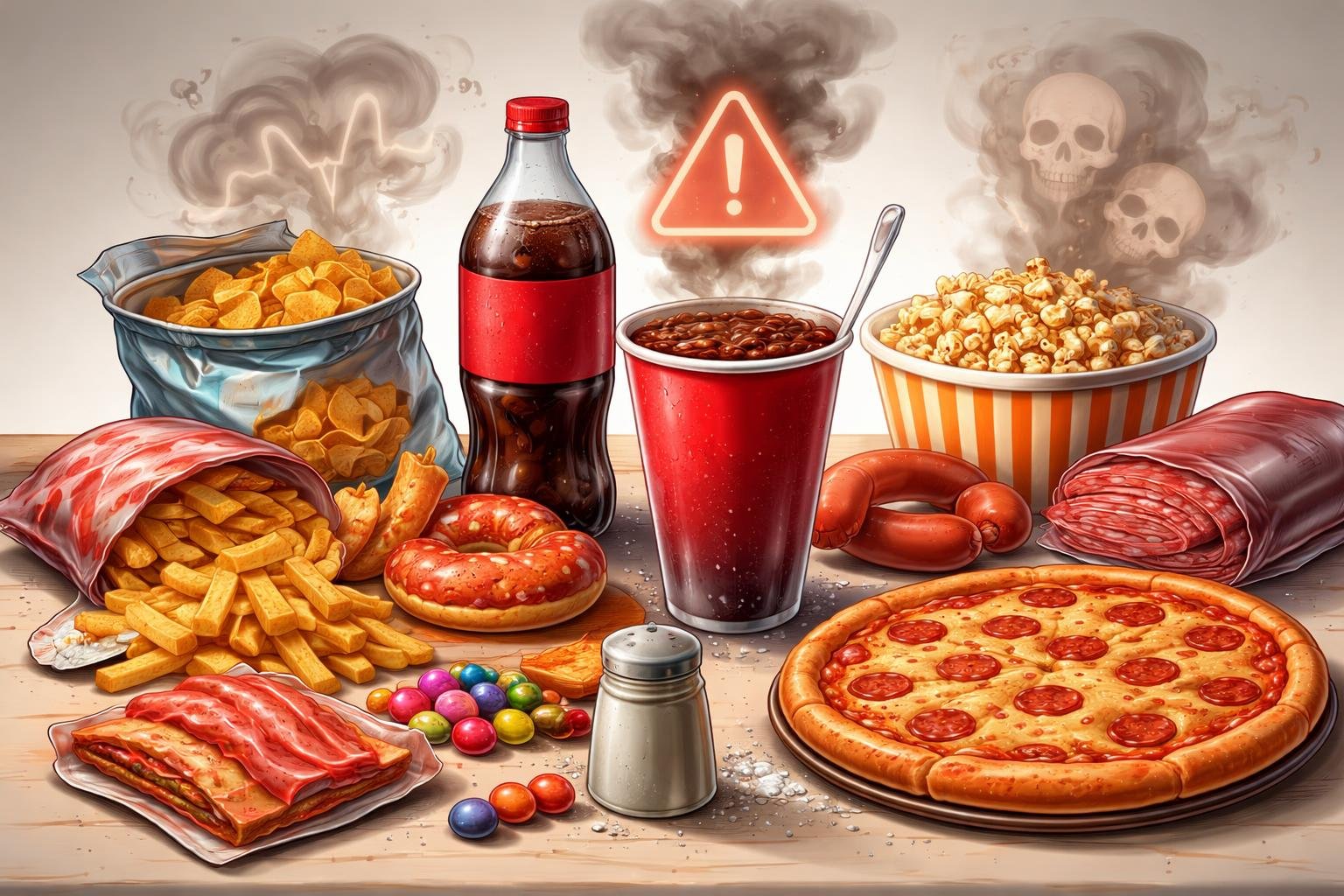
Research shows that eating suboptimal levels of specific foods was associated with more than 45% of deaths[4] from type 2 diabetes, heart disease, and stroke in 2012. Many everyday foods contain hidden dangers that quietly increase health risks through excessive sodium intake, processed ingredients, added sugars, and unhealthy fats.
Hidden Salt and Sodium Intake
Most people consume far more salt than they realize. The recommended goal is less than 2,000 milligrams of sodium per day, yet the average person exceeds this amount significantly.
Condiments like soy sauce, barbecue sauce, and bottled salad dressings contain surprisingly high sodium levels. A single tablespoon of soy sauce can pack over 900 milligrams of sodium. The American Heart Association identifies six main sodium sources: breads and rolls, pizza, sandwiches, cold cuts and cured meats, soups, and burritos and tacos.
Processed and packaged foods contribute the most sodium to the typical diet. Even foods that don’t taste particularly salty often contain substantial amounts. Bread, cheese, and canned vegetables all add hidden sodium throughout the day.
Fast food meals frequently contain an entire day’s worth of sodium in a single serving. A typical fast food hamburger with fries can deliver 1,500 to 2,000 milligrams.
Processed Meats and Red Meat Consumption
Processed meat consumption was estimated to contribute to 8.2% of deaths[4] from cardiometabolic diseases. These products include bologna, ham, salami, hot dogs, bacon, and deli meats. The preservation methods used in these foods introduce nitrates and high sodium levels that affect cardiovascular health.
Health experts recommend zero servings of processed meats per day. The combination of salt, preservatives, and processing methods creates multiple risk factors in a single food category.
Unprocessed red meat like beef also contributes to health risks, though to a lesser extent at 0.4% of cardiometabolic deaths. The recommended intake is less than 4 ounces per week. Ground beef in hamburgers, steaks, and roasts should be consumed sparingly.
People who eat red meat regularly face higher risks compared to those who choose poultry, fish, or plant-based proteins. Replacing beef with chicken, turkey, or legumes reduces these dietary risks considerably.
Added Sugars and Sugary Beverages
Sugar-sweetened beverages represent one of the most significant dietary risk factors. These drinks were estimated to contribute to 7.4% of cardiometabolic disease deaths[4]. Regular soda, sports drinks, sweetened coffee and tea drinks, and energy drinks all fall into this category.
The recommended intake for sugary beverages is zero servings per day. A single can of regular soda contains about 39 grams of added sugars, which exceeds the daily recommendation for most people.
Added sugars hide in many products beyond beverages. Yogurt, granola bars, breakfast cereals, and flavored oatmeal often contain multiple teaspoons of added sugar per serving. Even savory items like pasta sauce and bread include sugar.
The body processes liquid sugars differently than solid foods. Drinks don’t provide the same feeling of fullness, leading people to consume extra calories without realizing it. Eating a healthy diet can lower the risk of developing type 2 diabetes by 33%[5].
Unhealthy Fats and Fried Foods
Trans fats and excessive saturated fat increase cardiovascular disease risk. Fried foods like french fries and potato chips contain both unhealthy fats and excessive sodium. These foods are typically cooked in oils that have been reused multiple times, creating additional harmful compounds.
Butter and other animal fats contain high levels of saturated fat. While small amounts fit into a balanced diet, many people consume far more than recommended. Replacing saturated fats with polyunsaturated fats can reduce health risks.
Pizza combines multiple risk factors: high sodium in the crust and cheese, saturated fat from cheese and meat toppings, and refined carbohydrates. A single slice can contain 600 to 800 milligrams of sodium and substantial saturated fat.
Restaurant fried foods pose particular concerns because establishments rarely disclose the oil type or how often they change it. Fast food french fries contain trans fats, saturated fat, and sodium in one serving. Home-prepared foods offer more control over cooking methods and ingredient quality.
Lack of Protective Foods: What You’re Missing Out On

Your body needs specific nutrients to fight disease and maintain health, but many people fall short on key food groups that provide these essential compounds. Missing out on fruits, vegetables, whole grains, and nuts means losing access to fiber, vitamins, minerals, and protective plant compounds that work together to lower disease risk.
Insufficient Fruits and Vegetables
Most adults eat far fewer fruits and vegetables than their bodies need for optimal health. The human body requires a steady supply of vitamins, minerals, and fiber that these foods provide naturally.
Leafy greens like spinach, kale, and Swiss chard deliver high amounts of vitamins A, C, and K along with folate and iron. These nutrients support immune function, blood health, and cellular repair. Dark leafy vegetables also contain compounds that help reduce inflammation throughout the body.
Colorful vegetables provide different protective benefits based on their pigments. Red and orange vegetables contain provitamin A carotenoids that convert to vitamin A when paired with healthy fats. Bell peppers, carrots, and sweet potatoes offer these nutrients along with vitamin C, which helps the body absorb iron from plant sources.
People who consistently skip vegetables may develop common nutrient deficiencies[6] including vitamin C, folate, and magnesium. These gaps can lead to fatigue, weakened immunity, and poor wound healing.
Missing Out on Whole Grains and Oatmeal
Whole grains contain the entire grain kernel, including the fiber-rich outer layer that gets removed during refinement. When people choose white bread, white rice, and refined cereals instead of whole grain options, they miss out on substantial amounts of fiber, B vitamins, and minerals.
Oatmeal stands out as a particularly beneficial whole grain. It contains soluble fiber that helps lower cholesterol levels and stabilize blood sugar. A single serving provides magnesium, iron, and B vitamins that support energy production.
Quinoa offers complete protein along with fiber, making it valuable for people who eat limited animal products. It provides all nine essential amino acids the body cannot make on its own.
People who avoid whole grains often fall short on their daily fiber needs. Low fiber intake affects digestive health, blood sugar control, and cholesterol levels.
Not Eating Enough Nuts and Seeds
Nuts and seeds pack concentrated amounts of healthy fats, protein, fiber, and minerals into small servings. These foods provide omega-3 fatty acids, vitamin E, magnesium, and zinc that many diets lack.
Almonds and sunflower seeds deliver calcium and magnesium, two minerals that work together with vitamin D for bone health and muscle function. Walnuts contain plant-based omega-3s that support heart and brain health.
A small handful of nuts or seeds each day provides essential nutrients[7] without requiring large portions. These foods also help with satiety due to their protein and healthy fat content.
People who skip nuts and seeds may experience dry skin, poor circulation, and mood changes linked to omega-3 deficiency. The healthy fats in these foods also help the body absorb fat-soluble vitamins A, D, E, and K from other foods eaten at the same meal.
Elevate Your Health for Just $29.99/Month
Join the Precision Wellness Subscription at My Healing 365 and get discounted services, priority coaching access, virtual care, and exclusive wellness resources to support your physical, emotional, and hormonal health.
Join for $29.99/MonthLifestyle Habits That Quietly Raise Disease Risk
Many people don’t realize that sitting for long hours, dealing with ongoing stress, and getting poor sleep can significantly harm their health over time. These common patterns affect the body in ways that often go unnoticed until serious problems develop.
Physical Inactivity and Prolonged Sitting
Sitting for more than 10 hours a day damages the cardiovascular system even when someone exercises regularly. Extended sitting slows blood flow and raises clot risk[8] while disrupting how the body regulates cholesterol and blood sugar levels.
The body needs movement throughout the day to function properly. When people stay seated for long periods, their muscles use less blood sugar and their bodies burn fewer calories. This increases the risk of obesity, diabetes, and heart disease.
Physical activity breaks should happen every 30 to 60 minutes. Simple actions like standing up, walking to get water, or doing light stretches help counteract the effects of sitting. People who work desk jobs face particularly high risks if they don’t build regular movement into their routines.
Screen time adds another layer of concern. Hours spent looking at computers, phones, and tablets often mean hours of sitting, which compounds the health risks associated with a sedentary lifestyle.
Chronic Stress and Its Hidden Effects
Chronic stress keeps the body in a constant state of alert, flooding it with hormones like cortisol and norepinephrine. This prolonged stress response stiffens arteries and raises blood pressure[8] while making blood more likely to form dangerous clots.
Digital overload makes stress worse. Constant notifications, emails, and social media create mental strain that many people accept as normal. The body doesn’t distinguish between different types of stress—it responds the same way whether the threat is physical or digital.
Stress damages the heart through multiple pathways:
- Raises inflammation levels throughout the body
- Increases heart rate and blood pressure
- Promotes unhealthy coping behaviors like overeating
- Disrupts sleep patterns and recovery
The effects build up slowly. Someone might not notice the damage until they develop high blood pressure, experience chest pain, or face a serious cardiac event.
Poor Sleep Patterns
Getting less than six to seven hours of sleep regularly increases the risk of high blood pressure, weight gain, and artery damage. Sleep quality matters just as much as sleep duration—interrupted or restless sleep prevents the body from completing essential repair processes.
Inadequate sleep disrupts blood pressure regulation and fuels inflammation[8] that damages blood vessels over time. The body uses sleep to reset its cardiovascular system, so chronic sleep problems create lasting harm.
People who sleep poorly often develop insulin resistance, which raises diabetes risk. They also experience changes in hunger hormones that lead to overeating and weight gain. These factors work together to increase the likelihood of heart disease and metabolic disorders.
Consistent sleep schedules support better health outcomes. Going to bed and waking up at the same times each day helps regulate the body’s internal clock. Creating a dark, quiet sleeping environment and limiting screen time before bed improves sleep quality and reduces disease risk.
Hidden Health Risks: Conditions You Might Not Notice

Some health problems develop without any noticeable symptoms, making them particularly dangerous. High blood pressure can damage organs for years before a person realizes anything is wrong, while elevated cholesterol quietly builds up in arteries and unexpected weight changes can signal underlying metabolic issues.
Silent High Blood Pressure (Hypertension)
High blood pressure often progresses without symptoms[9], earning it the nickname “silent killer” in medical circles. The condition occurs when blood pushes against vessel walls with too much force over time.
Most people with hypertension feel completely normal. They go about their daily routines without knowing their blood vessels are under constant strain.
Some individuals may experience headaches, shortness of breath, or nosebleeds. However, these signs typically only appear when blood pressure reaches dangerous levels. By that point, the condition has already caused damage.
Common risk factors include:
- Being overweight or obese
- Eating too much salt
- Not exercising regularly
- Drinking excessive alcohol
- Smoking cigarettes
Regular blood pressure checks are the only reliable way to detect hypertension early. Adults should have their blood pressure measured at least once every two years if readings are normal. Those with elevated readings need more frequent monitoring.
Hidden High Cholesterol Levels
High cholesterol develops silently in the body without producing symptoms. The waxy substance accumulates in artery walls, forming plaques that narrow blood vessels over time.
This buildup process, called atherosclerosis, restricts blood flow to vital organs. The reduced circulation can lead to heart attacks or strokes without any prior warning signs.
People cannot feel high cholesterol in their bodies. Someone might exercise regularly, maintain a healthy weight, and still have dangerously elevated levels due to genetics or diet.
Key cholesterol numbers to know:
| Type | Healthy Level |
|---|---|
| Total cholesterol | Below 200 mg/dL |
| LDL (bad) cholesterol | Below 100 mg/dL |
| HDL (good) cholesterol | Above 60 mg/dL |
A simple blood test reveals cholesterol levels. Adults age 20 and older should get their cholesterol checked every four to six years. People with risk factors like family history or diabetes need more frequent testing.
Weight Gain Without Obvious Signs
Gradual weight gain often goes unnoticed because it happens slowly over months or years. A person’s clothes might fit slightly tighter, but they attribute it to laundry shrinkage or normal fluctuations.
Small increases of just five to ten pounds can impact health significantly. This extra weight raises the risk for diabetes, heart disease, and joint problems.
Sneaky causes of weight gain include:
- Medications like antidepressants or steroids
- Hormonal changes during menopause or thyroid problems
- Reduced muscle mass from aging or inactivity
- Sleep deprivation affecting hunger hormones
Many people don’t own a scale or weigh themselves regularly. They may not realize they’ve gained weight until a doctor’s appointment or physical exam reveals the change. Tracking weight monthly helps catch small increases before they become larger problems.
Consequences: Increased Risk for Serious Diseases

The silent risk factors discussed in this article contribute to multiple severe health conditions. High blood pressure and high cholesterol often progress without symptoms[10] for years before causing life-threatening events.
Heart Disease and Cardiovascular Health
Heart disease remains the world’s leading cause of death[10], often developing silently until a serious event occurs. High blood pressure stands as the biggest indicator of heart disease[11], especially when readings consistently exceed 130/80.
Cardiovascular health suffers from multiple compounding factors. Excessive alcohol consumption leads to high blood pressure and various forms of heart disease over time. Physical inactivity weakens the heart muscle and reduces circulation efficiency.
Poor nutrition accelerates cardiovascular decline through arterial plaque buildup. Diets high in saturated fats and added sugars damage blood vessels and increase inflammation. The combination of these factors significantly raises the likelihood of heart attacks and other cardiac events.
Cancer Risk Factors
Tobacco use, poor nutrition, physical inactivity, and excessive alcohol use represent the primary risk factors[12] for various cancers. Smoking damages cells throughout the body and affects multiple organ systems.
Key cancer-promoting behaviors include:
- Tobacco use in any form
- Excessive alcohol consumption
- Poor dietary choices lacking fruits and vegetables
- Sedentary lifestyle patterns
- Inadequate sleep affecting immune function
Diet plays a particularly important role in cancer development. Processed foods high in additives and low in antioxidants fail to provide protective nutrients. Meanwhile, insufficient intake of fruits and vegetables removes natural defenses against cellular damage.
Type 2 Diabetes Development
Eating habits directly influence the prevention, delay, and management of type 2 diabetes[12]. Poor nutrition causes blood sugar regulation problems and insulin resistance over time. Weight gain from excess calories makes cells less responsive to insulin signals.
Insufficient sleep has been linked to the development and poor management of diabetes[12]. Adults need at least 7 hours of sleep daily for proper metabolic function. Sleep deprivation disrupts hormone balance and affects how the body processes glucose.
Physical inactivity compounds diabetes risk by reducing the body’s ability to use insulin effectively. Muscles that stay inactive become less efficient at absorbing blood sugar. This creates a cycle where elevated blood sugar damages organs and nerves.
Stroke Risk and Prevention
Stroke risk increases substantially when multiple silent factors combine. Research shows a 32% increase in stroke risk[13] from certain lifestyle patterns, along with a 29% increased risk of heart disease.
High blood pressure represents a major risk factor that can affect the brain[14] when left uncontrolled. The excessive pressure damages blood vessel walls throughout the body, including those supplying the brain. This damage makes vessels more likely to rupture or become blocked.
Excessive drinking contributes to stroke risk through multiple mechanisms. Alcohol raises blood pressure and can cause irregular heart rhythms. These conditions increase the chance of blood clots forming and traveling to the brain.
Frequently Asked Questions

Many daily choices and body processes affect blood sugar without obvious warning signs. Understanding these connections helps people make better decisions about their health.
What lifestyle habits can inadvertently lead to increased blood sugar levels?
Not getting enough physical activity[14] can lead to higher blood sugar levels. When people sit for long periods without moving, their bodies become less efficient at using insulin.
Eating a diet high in saturated fats and processed foods causes blood sugar spikes. These foods break down quickly and flood the bloodstream with glucose faster than the body can process it.
Drinking too much alcohol[14] raises triglyceride levels and disrupts how the liver manages blood sugar. The liver normally releases stored glucose when needed, but alcohol interferes with this balance.
Tobacco use[14] damages blood vessels and makes cells more resistant to insulin. Nicotine also triggers the release of stress hormones that raise blood sugar levels.
How might stress contribute to changes in an individual’s blood sugar balance?
Stress triggers the body to release hormones like cortisol and adrenaline. These hormones signal the liver to release stored glucose for quick energy.
When stress becomes chronic, these hormones stay elevated for long periods. The constant flood of glucose into the bloodstream makes it harder for insulin to do its job effectively.
Mental stress also affects eating habits and sleep quality. People under stress often skip meals, reach for sugary snacks, or sleep poorly, which all impact blood sugar control.
In what ways could dehydration impact blood glucose levels in individuals without diabetes?
When the body lacks water, blood becomes more concentrated. This concentration means there is less fluid to dilute the glucose in the bloodstream.
The kidneys normally remove excess glucose through urine. Without enough water, the kidneys cannot filter blood effectively, allowing glucose levels to rise higher than normal.
Dehydration also triggers the release of certain hormones that tell the liver to produce more glucose. This process adds even more sugar to an already concentrated bloodstream.
Are there any hidden dietary factors that could lead to a rise in blood sugar?
Eating a diet high in saturated fats, trans fat, and cholesterol[14] affects how the body responds to insulin. These fats make cells less sensitive to insulin signals.
Too much salt in the diet raises blood pressure and can interfere with insulin function. Many processed foods contain hidden sodium that people do not account for in their daily intake.
Artificial sweeteners may seem like safe alternatives, but some studies suggest they can alter gut bacteria. These changes in gut health may affect how the body processes glucose over time.
Fruit juices and smoothies concentrate natural sugars without the fiber found in whole fruits. This lack of fiber means the sugar enters the bloodstream much faster.
Which commonly overlooked medical conditions can elevate an individual’s risk of fluctuating blood sugar?
Obesity[14] leads to higher bad cholesterol and can trigger insulin resistance. Excess body fat, especially around the abdomen, makes it harder for insulin to help cells absorb glucose.
High blood pressure[14] damages blood vessels throughout the body. This damage affects how nutrients and hormones move between organs, disrupting blood sugar control.
Thyroid disorders speed up or slow down metabolism in ways that affect glucose processing. An overactive thyroid can cause blood sugar to rise, while an underactive thyroid may lead to unpredictable fluctuations.
Polycystic ovary syndrome creates hormonal imbalances that interfere with insulin function. Women with this condition often develop insulin resistance even at normal body weights.
Sleep apnea causes repeated drops in oxygen levels during the night. These drops trigger stress responses that raise blood sugar and reduce insulin sensitivity.
What effects do sleep patterns have on blood sugar regulation?
Poor sleep quality reduces the body’s sensitivity to insulin. When people do not get enough deep sleep, their cells need more insulin to absorb the same amount of glucose.
Sleep deprivation increases hunger hormones like ghrelin while decreasing fullness hormones like leptin. This imbalance leads people to eat more, especially carbohydrate-rich foods that spike blood sugar.
Irregular sleep schedules disrupt the body’s circadian rhythm. This disruption affects when the liver releases glucose and when the pancreas produces insulin, creating mismatches in timing.
Getting less than six hours of sleep per night raises cortisol levels. These elevated stress hormones signal the liver to release more glucose into the bloodstream throughout the day.
Post Views: 8
References
- The Silent Spike: 10 Everyday Habits That Are Silently Raising Your Blood Pressure. https://healthprep.com/slideshow/living-healthy/the-silent-spike-everyday-habits-that-are-silently-raising-your-blood-pressure/ Accessed April 3, 2026
- Everyday Habits That Silently Raise Your Blood Pressure. https://sameenaclinic.com/everyday-habits-that-silently-raise-your-blood-pressure/ Accessed April 3, 2026
- Cardiologists share 10 daily habits that hurt your heart: Too much salt to lack of sleep. https://www.livemint.com/science/health/cardiologists-share-10-daily-habits-that-hurt-your-heart-too-much-salt-to-lack-of-sleep-11751944146366.html Accessed April 3, 2026
- 10 foods that may impact your risk of dying from heart disease, stroke, and type 2 diabetes. https://www.health.harvard.edu/blog/10-foods-that-may-impact-your-risk-of-dying-from-heart-disease-stroke-and-type-2-diabetes-2019100717965 Accessed April 3, 2026
- How Your Diet Influences Your Disease Risk. https://www.frederickhealth.org/news/2022/march/how-your-diet-influences-your-disease-risk/ Accessed April 3, 2026
- The 10 Most Common Nutrients You’re Missing (And What To Do About It). https://chelseanutritionist.com/the-10-most-common-nutrients-youre-missing-and-what-to-do-about-it/ Accessed April 3, 2026
- Essential Nutrients Missing from Modern Diets. https://www.rootsfoodgroup.com/blog/essential-nutrients-missing-from-modern-diets Accessed April 3, 2026
- World Heart Day 2025: 10 daily habits slowly destroying your heart health. https://www.business-standard.com/health/world-heart-2025-10-everyday-habits-putting-your-cardiac-health-at-risk-125092900293_1.html Accessed April 3, 2026
- These ‘Silent’ Medical Conditions Are More Dangerous Than You Think. https://www.healthdigest.com/1490531/silent-medical-conditions-dangerous-death-risk/ Accessed April 3, 2026
- NCDs. https://www.who.int/news-room/spotlight/the-silentkillers Accessed April 3, 2026
- Error Page. https://intermountainhealthcare.org/blogs/keep-things-ticking-know-the-biggest-risk-factors-for-heart-health Accessed April 3, 2026
- Preventing Chronic Diseases: What You Can Do Now | Chronic Disease. https://www.cdc.gov/chronic-disease/prevention/index.html Accessed April 3, 2026
- 10 Common Things That Quietly Raise Death Risk. https://jellyknow.com/10-common-things-that-quietly-raise-death-risk Accessed April 3, 2026
- Heart Disease Risk Factors | Heart Disease. https://www.cdc.gov/heart-disease/risk-factors/index.html Accessed April 3, 2026

























