Medically Reviewed
Dr. Jose Rossello, MD, PhD, MHCM
Preventive Medicine & Public Health Specialist
Last Reviewed: April 3, 2026
The kitchen serves as the heart of the home, where food choices and daily habits take shape. A healthy kitchen combines smart design decisions, safe materials, non-toxic cookware, and organized spaces that make nutritious eating easier and more enjoyable. Building this type of environment doesn’t require a complete overhaul overnight.
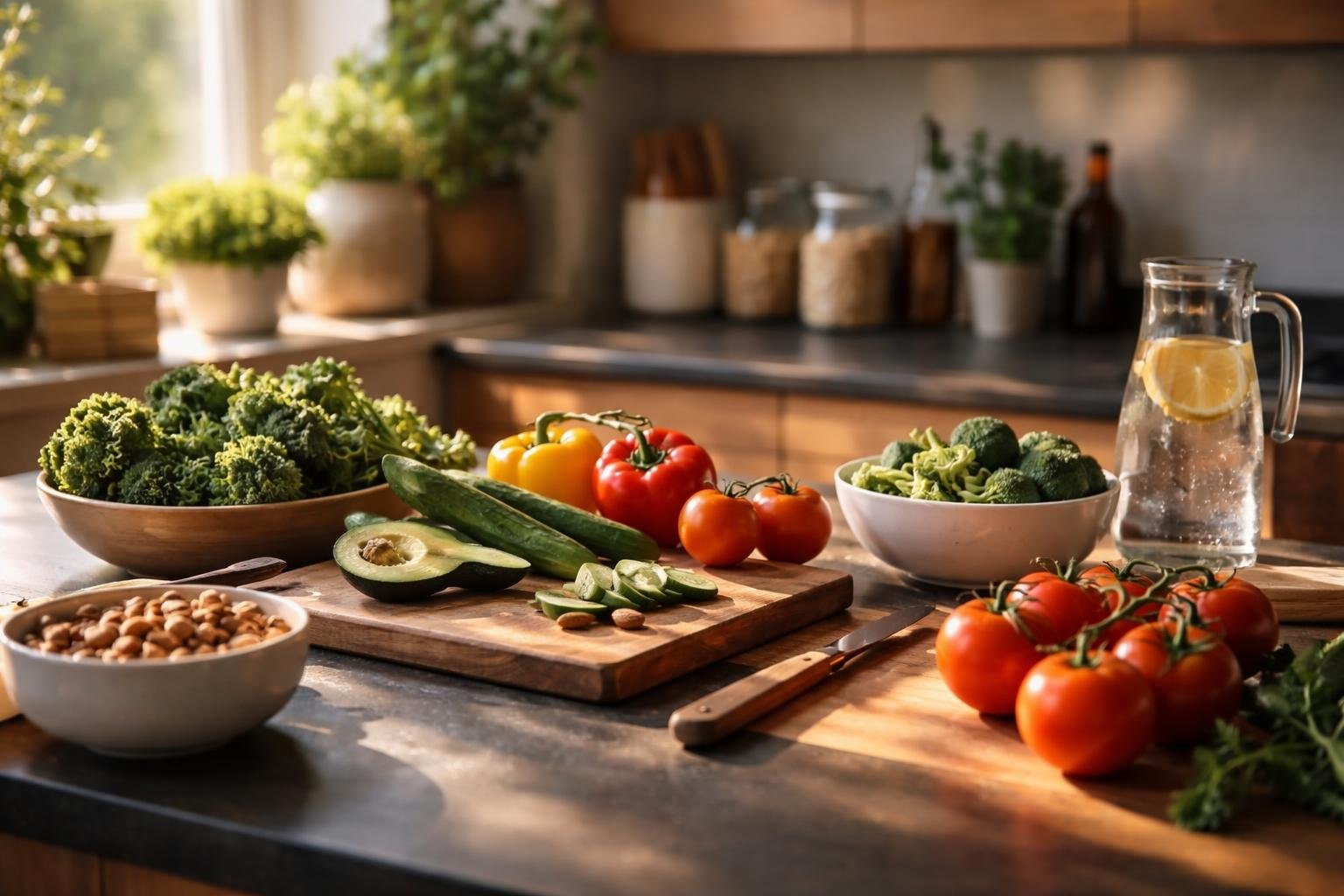
Small changes add up to create a space that supports better health. From removing harmful chemicals in cleaning products to organizing pantries for quick access to whole foods, each improvement matters. A kitchen can do more than just serve up meals[1]—it can actively encourage healthier choices through thoughtful setup and design.
Whether planning a kitchen remodeling project or working with an existing space, the right approach makes healthy cooking simpler. This guide covers practical steps for creating a kitchen that reduces exposure to toxins, saves energy and water, and keeps nutritious ingredients within easy reach.
Table of Contents
Key Takeaways
- A healthy kitchen combines safe materials, proper organization, and smart design choices that reduce chemical exposure
- Switching to non-toxic cookware, cleaners, and storage containers protects health while making meal preparation safer
- Strategic organization and accessible storage for whole foods makes choosing nutritious options easier every day
Designing Your Kitchen for Health and Wellness
A well-designed kitchen makes healthy cooking easier and reduces physical strain during meal preparation. The right layout, ergonomic features, and natural lighting work together to create a space that supports better eating habits and overall well-being.
Optimal Kitchen Layouts for Healthy Cooking
The work triangle remains the foundation of efficient kitchen design. This layout connects the refrigerator, stove, and sink in a triangular pattern that minimizes walking distance and wasted movement during meal preparation.
A kitchen island adds valuable workspace for chopping vegetables and assembling nutritious meals. Islands also provide extra storage for appliances and pantry items, keeping healthy ingredients within easy reach.
Open shelving near the cooking area displays fresh produce and whole grains at eye level. This visibility encourages healthier food choices compared to storing these items in closed cabinets. Clear containers on open shelves also make it simple to track inventory and reduce food waste.
Key Layout Considerations:
- Place the refrigerator at the end of the counter run for easy access
- Position the sink near a window for natural light during food prep
- Keep at least 36 inches of clearance in work aisles
- Install pull-out pantry units for storing healthy staples
Ergonomic and User-Friendly Design Features
Counter height matters for comfortable meal preparation. Standard counters sit at 36 inches, but varying heights between 32 and 42 inches accommodates different tasks and users. Lower surfaces work better for kneading dough, while higher counters suit chopping vegetables.
Pull-out shelving and drawers eliminate the need to bend or reach into deep cabinets. These features reduce back strain during cooking and make it easier to access stored items. Soft-close mechanisms prevent pinched fingers and reduce noise.
Ergonomic cabinet hardware includes D-shaped pulls and lever handles that require less grip strength than traditional knobs. These designs help people with arthritis or limited hand mobility use the kitchen comfortably. Installing handles at consistent heights throughout the space creates a predictable, user-friendly environment.
Incorporating Natural Lighting and Skylights
Natural sunlight improves mood and energy levels during cooking. Large windows above the sink or along the main work area bring in daylight that makes food preparation more enjoyable.
Skylights flood the kitchen with overhead light that reduces the need for artificial lighting during daytime hours. These features work especially well in kitchens with limited wall space for windows. Natural sunlight helps lift spirits[2] and creates a more inviting cooking environment.
Positioning windows to maximize morning light encourages earlier wake times and healthier breakfast habits. East-facing windows capture sunrise, while west-facing openings provide afternoon brightness. Light-colored window treatments allow privacy without blocking beneficial daylight. Tubular skylights offer a compact alternative for spaces where traditional skylights are not feasible, bringing natural light into darker corners of the kitchen.
Choosing Safe, Sustainable, and Functional Materials
Building a new kitchen requires careful selection of materials that protect health while supporting environmental goals. The right choices in countertops, flooring, and cabinetry create surfaces that resist bacteria growth and avoid releasing harmful chemicals into the home.
Low-Toxin and Sustainable Material Choices
Choosing toxin-free materials[3] helps create a safer cooking environment. Countertops made from solid wood, natural stone, or stainless steel avoid the chemical additives found in many synthetic options. These materials don’t release volatile organic compounds into the air.
For a kitchen remodel, sustainably sourced wood offers durability without environmental harm. Bamboo grows quickly and regenerates faster than traditional hardwoods. Reclaimed wood provides character while reducing demand for new lumber.
Safe countertop options include:
- Stainless steel (non-porous and bacteria-resistant)
- Solid wood sealed with food-safe oils
- Natural stone like granite or soapstone
- Ceramic tile with low-VOC grout
Custom cabinetry built with formaldehyde-free plywood or solid wood prevents toxic gas release. Many standard cabinets use composite materials that contain formaldehyde, which slowly releases into indoor air for years. Low-VOC or water-based finishes on cabinets reduce chemical exposure during and after a kitchen renovation.
Selecting Easy-to-Clean Surfaces for Food Safety
Non-porous surfaces prevent bacteria from hiding in tiny cracks and divots. Stainless steel countertops wipe clean easily and resist staining. Sealed natural stone provides similar benefits when properly maintained.
Smooth backsplash materials stop grease and food particles from accumulating. Glass tiles clean quickly with basic soap and water. Large-format tiles reduce grout lines where bacteria can grow.
Cabinet hardware in stainless steel or brass naturally resists bacterial growth better than plastic alternatives. These metals can be sanitized repeatedly without degrading. Drawer pulls and knobs get touched frequently during food prep, making material choice important for hygiene.
Seamless or minimal-seam installations reduce places where moisture and food debris collect. Integrated sinks that flow directly into countertops eliminate the gap where traditional sinks meet the counter.
Flooring and Cabinet Options for a Healthy Kitchen
Kitchen flooring must withstand spills while avoiding toxic materials. Cork and linoleum made from natural materials offer water resistance without vinyl’s chemical concerns. Both clean easily and provide cushioning underfoot.
Sealed hardwood from sustainably sourced wood brings warmth and durability. The finish should be water-based rather than oil-based to minimize VOC exposure. Porcelain or ceramic tile provides completely non-porous flooring that handles moisture well.
For a kitchen makeover, plywood cabinets with water-based sealants outperform particle board in both health and longevity. Solid wood face frames and doors add strength. Soft-close hinges reduce wear and noise.
Open shelving reduces the need for upper cabinets while improving air circulation. This approach works well in smaller spaces where sustainable kitchen design[4] prioritizes both function and material efficiency. Glass-front cabinets provide similar benefits while protecting dishes from dust.
Selecting Kitchen Appliances for Healthy Cooking
The right appliances can transform how you prepare meals and make nutritious cooking simpler. Smart choices in equipment, energy use, and air and water quality create a kitchen that supports better eating habits.
Essential and Advanced Healthy Cooking Appliances
An air fryer stands out as one of the most popular tools for reducing oil in meals. It uses hot air circulation to create crispy textures without deep frying. Many home cooks report that air fryers make healthy meals feel like a treat[5] by delivering the taste of fried food with minimal fat.
A multi-cooker like an Instant Pot handles multiple cooking methods in one device. It pressure cooks, slow cooks, steams, and sautés. This versatility helps people prepare whole grains, beans, and soups without standing over the stove.
Steam ovens preserve nutrients better than other cooking methods. They cook vegetables, fish, and grains using moisture instead of oil. The gentle heat keeps food tender while maintaining vitamins and minerals.
For precise temperature control, a sous-vide device cooks food in water baths at exact temperatures. This method works well for lean proteins that can easily dry out. An induction cooktop heats pots and pans directly through magnetic fields, offering faster cooking times and better temperature control than gas or electric burners.
Energy Efficiency and Smart Technology
Energy-efficient appliances reduce utility bills while supporting healthier cooking habits. Induction cooktops use 90% of the energy they generate, compared to 65% for gas stoves. They also keep kitchens cooler during meal prep.
Smart lighting systems let people adjust brightness and color temperature based on time of day. Bright, cool-toned light works best for detailed prep work like chopping vegetables. Warmer tones create a comfortable atmosphere for evening meals.
Modern appliances with energy ratings help homeowners make informed choices during kitchen remodeling services[6] projects. Look for ENERGY STAR certified products that meet strict efficiency guidelines. These appliances often include programmable features that optimize cooking times and temperatures automatically.
Water Filtration and Ventilation Solutions
Clean water matters for cooking and drinking. A filtration system removes chlorine, lead, and other contaminants that affect taste and health. Options include faucet-mounted filters, under-sink systems, and whole-house units.
Proper ventilation removes cooking fumes, excess moisture, and airborne grease particles. A range hood vented to the outside works better than recirculating models. It should move at least 100 cubic feet of air per minute for standard cooktops.
Carbon monoxide and other harmful gases can build up from gas stoves. Installing a hood that vents outdoors protects air quality. For kitchens without exterior venting options, high-quality recirculating hoods with charcoal filters provide a secondary solution.
Maximizing Storage and Organization for Nutritious Living
Smart storage solutions and thoughtful organization create an environment where healthy eating becomes the natural choice. Proper placement of nutritious foods, combined with efficient storage systems, removes barriers to meal prep and makes wholesome ingredients easy to access.
Efficient Storage Solutions to Support Healthy Habits
The right storage solutions transform a kitchen into a space that encourages better food choices. Pull-out shelves in lower cabinets make it easy to see and reach healthy staples like whole grains, nuts, and seeds without bending or searching through cluttered spaces. These sliding shelves prevent foods from getting lost in the back of cabinets.
A lazy susan works well for organizing oils, vinegars, and condiments in corner cabinets or on countertops. This rotating system keeps ingredients visible and accessible during meal prep. Clear, airtight containers for storing dried goods like quinoa, brown rice, and oats help maintain freshness while making it simple to see what needs restocking.
Vertical storage options[7] like wall-mounted shelves and hooks free up counter space and keep frequently used tools within reach. Stackable bins in the refrigerator create designated zones for different food groups. These organizational tools reduce the time spent searching for ingredients and make meal planning more efficient.
Pantry Organization for Fresh and Whole Foods
An organized pantry supports healthy eating habits[8] by keeping nutritious options front and center. Group similar items together on dedicated shelves: whole grains on one level, canned beans and vegetables on another, and healthy snacks in a separate area.
Store whole-wheat pasta, oats, and brown rice in transparent containers at eye level. Label each container with the item name and expiration date to reduce food waste. Place less nutritious snacks and sweets on higher shelves or toward the back where they’re harder to see and grab.
Keep frequently used items like nuts, seeds, and nut butters within easy reach on lower shelves. Stock shelf-stable healthy proteins like canned tuna, salmon, and chickpeas in a designated protein section. This system simplifies meal planning by showing exactly what ingredients are available.
Clutter-Free Zones and Easy Access to Nutritious Ingredients
A clean, uncluttered kitchen makes healthy meal prep[9] feel less overwhelming. Keep countertops clear except for a fruit bowl filled with fresh apples, bananas, and oranges. This visible display encourages grabbing fruit for snacks instead of processed foods.
Elevate Your Health for Just $29.99/Month
Join the Precision Wellness Subscription at My Healing 365 and get discounted services, priority coaching access, virtual care, and exclusive wellness resources to support your physical, emotional, and hormonal health.
Join for $29.99/MonthStore vegetables at eye level in the refrigerator rather than in bottom drawers where they get forgotten. Use clear containers to showcase colorful produce like bell peppers, carrots, and leafy greens. This placement makes these ingredients the first things visible when opening the fridge.
Designate specific zones for meal prep tasks. Create a prep station near the sink with cutting boards, knives, and mixing bowls stored in nearby drawers. Keep measuring cups, food scales, and portion containers together in one area. This organization speeds up cooking and removes excuses for skipping homemade meals.
Store kitchen gadgets that don’t get daily use in cabinets rather than on counters. A clutter-free workspace reduces stress and makes the kitchen more inviting for preparing nutritious meals.
Stocking Your Kitchen with Nutritious Ingredients
A well-stocked kitchen makes healthy eating effortless by keeping nutrient-dense foods within arm’s reach. The right mix of fresh items, shelf-stable ingredients, and flavor enhancers creates a foundation for balanced meals without last-minute grocery trips.
Fresh Produce and Whole Grains Essentials
Fresh produce forms the backbone of nutritious meals. Leafy greens like spinach and kale provide vitamins A and C, while colorful vegetables such as bell peppers, carrots, and broccoli add fiber and antioxidants. Fresh fruits including berries, apples, and bananas offer natural sweetness along with essential nutrients.
Whole grains deliver sustained energy and important B vitamins. Oats make an excellent breakfast base, while quinoa provides complete protein with all nine essential amino acids. Brown rice serves as a versatile side dish or bowl foundation. Other beneficial options include farro, barley, and whole wheat pasta.
Frozen produce maintains the same nutrient density[10] as fresh options because it’s frozen at peak ripeness. Stocking frozen vegetables and fruits ensures access to nutritious ingredients year-round while reducing food waste. These items work perfectly in smoothies, stir-fries, and soups.
Plant-Based Staples and Lean Proteins
Legumes rank among the most cost-effective protein sources available. Black beans, chickpeas, and lentils deliver both protein and fiber while supporting steady blood sugar levels. Canned varieties offer convenience, though dried legumes provide better value for bulk cooking.
Plant-based proteins like tofu, tempeh, and miso add variety to meals. Tofu absorbs flavors well and works in both savory and sweet dishes. Tempeh has a firmer texture with a nutty taste, while miso paste adds umami depth to soups and dressings.
Nut butters provide healthy fats and protein for quick snacks or meal additions. Almond, peanut, and cashew butters pair well with fruits, whole grain toast, or oatmeal. Seeds such as chia, flax, and hemp offer omega-3 fatty acids and can be sprinkled on yogurt or salads.
For those who eat animal products, eggs supply high-quality protein and essential nutrients. Canned fish like tuna and salmon provide omega-3 fatty acids and shelf-stable protein options.
Healthy Fats, Condiments, and Flavor Boosters
Olive oil serves as a heart-healthy cooking fat and salad dressing base. Extra virgin varieties contain the most antioxidants and beneficial compounds. Avocado oil works well for higher-heat cooking due to its high smoke point.
Vinegar varieties including balsamic, apple cider, and red wine vinegar brighten dishes without added calories. They balance flavors in dressings, marinades, and sauces while offering potential digestive benefits.
Herbs and spices transform simple ingredients into flavorful meals. Turmeric, cinnamon, and cumin provide anti-inflammatory benefits[10] alongside bold taste. Garlic powder, paprika, and dried herbs like oregano and basil reduce the need for excess salt.
Essential condiments include low-sodium soy sauce, mustard, and hot sauce for quick flavor additions. Keeping these items stocked means meals never taste bland, making it easier to stick with nutritious eating patterns long-term.
Building Healthy Cooking and Eating Habits
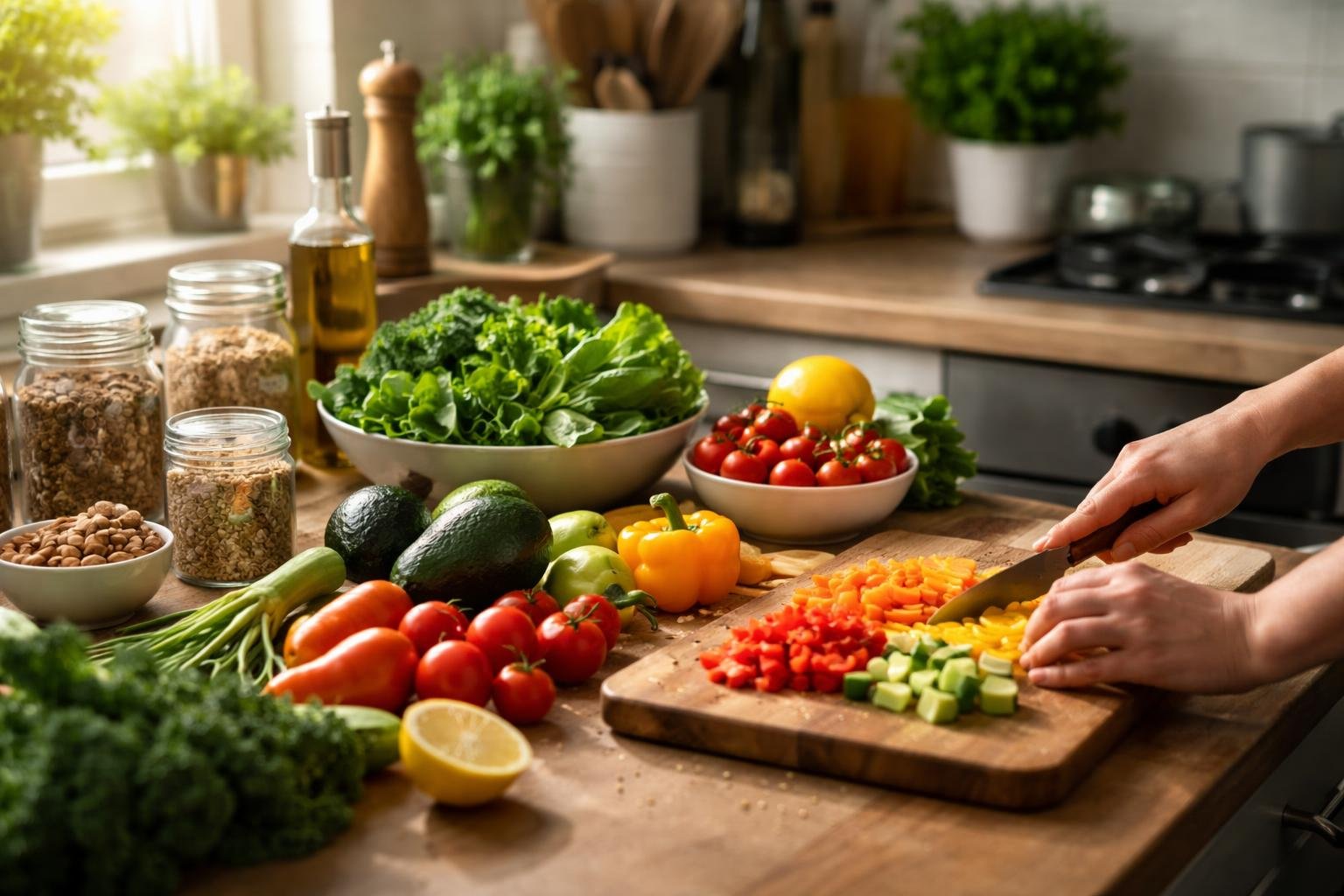
Creating consistent routines around food preparation and establishing positive behaviors at mealtime makes nutritious eating sustainable for busy households. Simple strategies like preparing staple ingredients in advance[11] and involving the whole family in meal decisions help people maintain healthy habits without added stress.
Meal Prepping and Batch Cooking Techniques
Meal prepping involves preparing ingredients or complete meals ahead of time to streamline weeknight cooking. People who batch cook can make large portions of grains, proteins, and vegetables on weekends and use them throughout the week.
Starting with two or three hours on a Sunday allows someone to cook quinoa, brown rice, or farro in bulk. They can roast several sheet pans of vegetables like sweet potatoes, broccoli, and bell peppers at once. Prepare lean proteins such as baked chicken breasts, ground turkey, or hard-boiled eggs that store well for three to four days.
Essential batch cooking staples include:
- Cooked whole grains (rice, quinoa, oats)
- Roasted or steamed vegetables
- Lean proteins (chicken, turkey, tofu, beans)
- Chopped raw vegetables for quick assembly
- Pre-portioned smoothie ingredients in freezer bags
Dividing foods into individual portions right after cooking helps with portion control. Someone can store these portions in clear containers so they easily see what’s available. This approach reduces the temptation to order takeout when hunger strikes after a long day.
Smart Meal Planning for the Whole Family
Meal planning saves time, reduces food waste, and ensures balanced nutrition throughout the week. A person should start by checking what ingredients they already have before making a grocery list.
Planning five to seven dinners at once helps families avoid last-minute decisions. Someone can choose recipes that share common ingredients to minimize shopping needs. For example, buying chicken breasts allows them to make grilled chicken one night, chicken stir-fry another night, and chicken tacos later in the week.
When shopping, people should focus on whole, nutrient-dense foods[12] from the store perimeter where fresh produce, dairy, and proteins are typically located. Shop the perimeter strategy helps avoid heavily processed foods in center aisles.
A plant-based diet or incorporating more plant foods means adding beans, lentils, nuts, and vegetables to weekly meal plans. These ingredients work well for batch cooking since they’re affordable and versatile. Someone following a plant-based approach can prep large batches of bean chili, lentil soup, or chickpea curry that taste even better as leftovers.
Promoting Healthy Eating Behaviors at Home
The kitchen environment shapes eating habits more than most people realize. Placing healthy options at eye level[11] in both the refrigerator and pantry makes nutritious choices the default rather than an afterthought.
Families should keep a bowl of fresh fruit visible on the counter. They can store pre-cut vegetables in clear containers at the front of the fridge. Making smoothies easy to prepare encourages consumption of fruits and vegetables—someone can freeze portions of spinach, berries, and bananas ready to blend.
Ways to encourage better eating behaviors:
- Eat meals together at the table without screens
- Let children help choose and prepare one meal per week
- Keep less nutritious snacks in opaque containers on high shelves
- Display water pitchers prominently to increase hydration
- Use smaller plates for automatic portion control
Cooking methods matter for health too. Baking, steaming, grilling, and roasting require less added fat than frying. Someone can enhance flavors through herbs, spices, citrus, and vinegar instead of relying on excess salt or sugar. Learning these techniques through practice[13] makes healthy cooking feel natural rather than restrictive.
Frequently Asked Questions
A healthier kitchen starts with understanding core principles like keeping nutritious foods visible and accessible, stocking versatile whole food ingredients, and organizing spaces to make good choices effortless. The right tools and strategic planning remove barriers to consistent healthy cooking.
What are the essential principles for setting up a healthier kitchen at home?
The foundation of a healthy kitchen[14] involves making nutritious foods the easiest option to reach. Fresh produce should be visible and accessible on countertops or at eye level in the refrigerator.
Good lighting makes the space more inviting and functional for meal preparation. Bright task lighting encourages people to spend more time cooking fresh meals instead of relying on convenience foods.
Clear storage containers allow people to see healthy staples like whole grains, nuts, and seeds at a glance. This visibility serves as a reminder to use these ingredients regularly.
Keeping a water pitcher accessible[1] on the counter promotes better hydration habits. A glass pitcher with fresh water or lemon slices makes drinking water more appealing throughout the day.
Which pantry staples make it easier to cook nutritious meals consistently?
Whole grains like quinoa, brown rice, and oats form the backbone of many healthy meals. These ingredients store well and provide fiber and nutrients that refined grains lack.
Canned beans and lentils offer quick protein sources that require minimal preparation. They work in salads, soups, grain bowls, and side dishes without lengthy cooking times.
Nuts, seeds, and nut butters add healthy fats and protein to meals and snacks. Almonds, walnuts, chia seeds, and natural peanut butter provide versatility across different recipes.
Olive oil, vinegars, and basic spices enable flavorful cooking without excess salt or sugar. Quality oils and a well-stocked spice cabinet make vegetables and whole grains taste better.
Canned tomatoes, vegetable broth, and dried herbs support quick meal assembly. These shelf-stable items help create nutritious soups, sauces, and one-pot meals.
How should I organize my fridge and cabinets to support healthier eating habits?
The most visible shelf space should hold the healthiest foods. Placing pre-cut vegetables, fresh fruit, and healthy proteins at eye level makes them the first choice when opening the refrigerator.
Less nutritious items belong in harder-to-reach spots like the back of upper shelves or lower drawers. This simple reorganization creates friction for less healthy choices while making nutritious options effortless.
Clear containers in the pantry keep whole grains, legumes, and healthy snacks visible and fresh. Transparent storage eliminates the “out of sight, out of mind” problem that leads to wasted food and poor choices.
Dedicating specific zones for meal prep ingredients streamlines healthy cooking. A smoothie station with a blender, frozen fruit, and protein powder reduces the steps needed to make nutritious drinks.
Fresh herbs on the windowsill add flavor to meals while keeping healthy cooking top of mind. Growing basil, parsley, or mint creates visual reminders to prepare fresh food.
What are the best cooking tools and appliances for preparing healthier meals efficiently?
An air fryer enables crispy textures with significantly less oil than traditional frying methods. This appliance makes it easier to enjoy favorites like roasted vegetables or chicken without excess fat.
A high-powered blender supports smoothies, soups, and homemade sauces from whole ingredients. Quality blenders can handle frozen fruit, leafy greens, and tough vegetables for quick nutritious meals.
Sharp knives and colorful cutting boards make vegetable preparation faster and more enjoyable. Good tools reduce the effort required to include fresh produce in daily meals.
A slow cooker or instant pot allows hands-off cooking of beans, whole grains, and one-pot meals. These appliances make it practical to prepare large batches of healthy food with minimal active time.
Glass meal prep containers enable batch cooking and portioning of healthy meals ahead of time. Having prepared food ready to grab reduces reliance on less nutritious convenience options.
How can I stock quick, healthy options for busy weekdays without relying on ultra-processed foods?
Pre-washed salad greens and pre-cut vegetables save time while keeping meals fresh and nutritious. These minimally processed options cost more than whole produce but still offer superior nutrition compared to packaged meals.
Hard-boiled eggs prepared in advance provide quick protein for breakfast or snacks. A batch cooked on Sunday offers grab-and-go nutrition throughout the week.
Frozen vegetables without added sauces maintain their nutritional value and require no chopping. They work in stir-fries, soups, and side dishes when fresh options aren’t practical.
Plain Greek yogurt, fresh fruit, and raw nuts create simple snacks and breakfast options. These whole foods require no preparation beyond portioning.
Rotisserie chicken from the grocery store offers cooked protein without preservatives or excess sodium found in deli meats. The meat works in salads, grain bowls, and quick dinners.
What is the 3 kitchen rule and how does it help guide healthier meal planning?
The 3 kitchen rule refers to keeping no more than three processed snack items in the kitchen at one time. This guideline creates natural limits on less nutritious foods without completely eliminating treats.
When processed snacks run out, the next shopping trip can include different options or wait until the following week. This approach prevents cabinets from filling with multiple boxes of cookies, chips, and crackers simultaneously.
The rule works because it maintains some flexibility while naturally increasing whole food consumption. People still enjoy their favorite treats but eat more fresh fruits, vegetables, and homemade snacks by default.
This strategy also reduces decision fatigue around snacking. With fewer processed options available, reaching for an apple or handful of nuts becomes the easier choice.
Families can adapt the rule to their needs by choosing which three items to keep on hand. Some might select crackers, dark chocolate, and granola bars while others prefer different combinations.
Post Views: 3
References
- 15 Ways to Make Your Kitchen Support Healthy Habits. https://homedecorbliss.com/ways-to-make-your-kitchen-support-healthy-habits/ Accessed April 4, 2026
- The Wellness Kitchen: Healthy Kitchen Design Options for Everyday Living. https://kitchensandspaces.com/2025/05/28/healthy-kitchen-design-ideas-for-everyday-living/ Accessed April 4, 2026
- Healthy Kitchen Makeover: How to Choose Toxin-Free Materials. https://healthyhouseontheblock.com/healthy-kitchen-update-ideas/ Accessed April 4, 2026
- Designing a Sustainable Kitchen: Materials and Habits – Uuklr. https://www.uuklr.com/sustainable-kitchen-design-guide/ Accessed April 4, 2026
- 10 Best Healthy Cooking Appliances for a Healthier Kitchen – Good Taste of Home. https://goodtasteofhome.com/best-healthy-cooking-appliances/ Accessed April 4, 2026
- How to Set Up a Functional, Healthy Kitchen. https://allabouthomeandgarden.com/how-to-set-up-a-functional-healthy-kitchen/ Accessed April 4, 2026
- 15 Smart Kitchen Storage Ideas to Maximize Space. https://www.liveneat.com/blog/kitchen-storage-ideas Accessed April 4, 2026
- Organize Your Kitchen Like a Dietitian: 8 Easy Tips for Healthier Eating. https://www.everydayhealth.com/diet-nutrition/how-rds-organize-their-kitchens-for-healthier-eating/ Accessed April 4, 2026
- Mom Knows Best: Organizing Your Kitchen for Healthy Meal Prep: Furniture and Storage Tips. https://www.momknowsbest.net/2025/03/organizing-your-kitchen-for-healthy.html Accessed April 4, 2026
- How to Stock a Healthy Pantry: A Dietitian Explains Staples for Health. https://www.berrystreet.co/blog/how-to-stock-a-healthy-pantry-a-registered-dietitian-s-guide Accessed April 4, 2026
- preparing staple ingredients in advance. https://www.marthastewart.com/organize-kitchen-for-healthy-eating-8750140 Accessed April 4, 2026
- Healthy Eating Tips | Nutrition. https://www.cdc.gov/nutrition/features/healthy-eating-tips.html Accessed April 4, 2026
- How to Cook Healthier at Home. https://www.heart.org/en/healthy-living/healthy-eating/cooking-skills/cooking/how-to-cook-healthier-at-home Accessed April 4, 2026
- Designing a Healthy Kitchen: The Complete Guide. https://www.soup.io/designing-a-healthy-kitchen-the-complete-guide Accessed April 4, 2026

























