Medically Reviewed
Dr. Jose Rossello, MD, PhD, MHCM
Preventive Medicine & Public Health Specialist
Last Reviewed: April 21, 2026
Getting glowing skin in one week is possible with the right combination of skin care habits and lifestyle changes. While it might sound too good to be true, taking care of your skin and following a few lifestyle tips can help you get glowing and healthy skin in a week[1]. The key is consistency and knowing which steps will make the biggest difference.
The path to glowing skin in 7 days requires a daily routine that includes proper cleansing, moisturizing, sun protection, drinking enough water, and using the right products for your specific skin type. Many people overlook basic steps like drinking water or applying sunscreen regularly, but these simple habits can transform skin faster than expensive treatments.
Natural approaches work well because skin thrives on simple, consistent care[2] using ingredients that are often already available at home. This guide breaks down exactly what to do each day, from morning cleansing routines to evening treatments, plus the lifestyle changes that support healthy skin from the inside out.
Table of Contents
Key Takeaways
- Follow a daily cleansing, toning, and moisturizing routine twice per day with products that match your skin type
- Protect skin with sunscreen every day, exfoliate regularly to remove dead cells, and drink more than 2 liters of water daily
- Eat colorful fruits and vegetables while avoiding processed foods and sugar to support skin health from within
Know Your Skin Type for Targeted Care
Understanding your specific skin type allows you to choose products and techniques that work best for your unique needs. Different skin types respond to different ingredients and care methods, making personalized skincare essential for achieving visible results quickly.
How to Determine Your Skin Type
The simplest way to identify your skin type is through the bare-face test. Wash your face with a gentle cleanser and pat it dry. Wait 30 minutes without applying any products.
After 30 minutes, examine your skin in natural light. If your entire face looks shiny, you likely have oily skin. If your skin feels tight and looks flaky, you have dry skin. When only your T-zone (forehead, nose, and chin) appears shiny while your cheeks feel normal or dry, you have combination skin.
Normal skin shows no excessive oil or dryness and feels comfortable. Sensitive skin often appears red, feels irritated, or reacts to new products with burning or stinging sensations.
You can also press a clean tissue to different areas of your face. Oil spots on the tissue indicate oily zones, while no transfer suggests dry areas.
Tailoring Your Routine for Oily, Dry, Combination, Normal, or Sensitive Skin
Each skin type requires a specific approach to achieve healthy, radiant skin[3]. Oily skin benefits from lightweight, oil-free moisturizers and gel-based cleansers that control excess sebum without stripping the skin. Use salicylic acid or niacinamide to reduce shine.
Dry skin needs rich, creamy moisturizers with ingredients like hyaluronic acid, ceramides, and glycerin. Avoid harsh cleansers and limit exfoliation to once weekly to prevent further moisture loss.
Combination skin requires a split approach. Apply lighter products to oily areas and richer formulas to dry patches. A balanced CTM routine (cleansing, toning, moisturizing) works well when products match each zone’s needs.
Normal skin tolerates most products but still needs consistent cleansing and moisturizing twice daily. Sensitive skin demands fragrance-free, hypoallergenic products with minimal ingredients. Test new products on a small area first and introduce them slowly to avoid irritation.
Daily Cleansing and Toner Essentials
A gentle cleanser removes dirt and oil without stripping the skin, while a hydrating toner restores moisture and prepares the face to absorb other products better.
Choosing a Gentle Cleanser
The right cleanser makes a difference in achieving glowing skin within seven days. A gentle cleanser removes makeup, dirt, and excess oil without damaging the skin’s natural barrier. People should avoid harsh soaps that leave skin feeling tight or dry.
Key features to look for:
- pH-balanced formula (around 5.5)
- Free from sulfates and alcohol
- Contains hydrating ingredients like glycerin or hyaluronic acid
- Suitable for specific skin type (oily, dry, or combination)
Deep cleansing happens best with a double cleansing method at night[4]. An oil-based cleanser dissolves makeup first, followed by a water-based cleanser to remove remaining impurities. This thorough approach ensures pores stay clear without over-scrubbing.
Morning cleansing can be lighter since skin only needs a quick refresh. Some people with dry skin can skip morning cleanser and just rinse with water. The goal is clean skin that feels soft, not stripped or irritated.
Why a Hydrating Toner Matters
A hydrating toner balances skin pH after cleansing and delivers an instant moisture boost. Many people skip this step, but toner helps other products absorb better and keeps skin plump throughout the day.
Modern toners differ from old alcohol-based versions that dried out skin. Today’s formulas contain beneficial ingredients like hyaluronic acid, glycerin, or rose water. These ingredients add hydration while preparing skin for serums and moisturizers.
Benefits of using toner daily:
- Restores moisture immediately after cleansing
- Helps remove any remaining traces of dirt
- Creates a smooth base for the rest of a simple skincare routine
- Can gently remove dead skin cells with mild exfoliating ingredients
Apply toner with clean hands or a cotton pad right after cleansing. Pat it gently into skin instead of rubbing. This extra step takes seconds but contributes to the week-long challenge for glowing skin[1] by keeping the face hydrated and ready for treatment products.
The Power of Skin Hydration
Proper hydration affects skin health from both inside and out. Drinking more than 2 liters of water daily[1] hydrates skin cells and improves overall appearance, while the right moisturizer locks in moisture at the surface level.
Drink Water and Water-Rich Foods
Water intake plays a direct role in skin health. The body needs adequate hydration to maintain skin elasticity and flush out toxins that can make skin look dull.
Plain water works well, but adding lemon creates lemon water that provides extra vitamin C. This simple addition makes it easier for people who struggle to drink enough throughout the day.
Water-rich foods boost hydration levels too. Cucumbers contain about 95% water and provide additional vitamins. Watermelon, oranges, and strawberries deliver both hydration and antioxidants that protect skin cells.
Top water-rich foods for skin:
- Cucumbers (95% water)
- Watermelon (92% water)
- Strawberries (91% water)
- Lettuce (96% water)
- Celery (95% water)
People should aim for at least 8 glasses of water daily. Those who exercise or live in hot climates need more to replace what they lose through sweat.
Maintaining Skin Hydration with Moisturizer
A moisturizer creates a barrier that prevents water loss from the skin surface. Different skin types need different formulas to maintain proper skin hydration.
People with dry skin benefit from cream-based moisturizers that contain ingredients like hyaluronic acid or glycerin. Those with oily skin should choose lightweight, non-comedogenic formulas that won’t clog pores.
The best time to apply moisturizer is right after cleansing, when skin is still slightly damp. This traps water in the skin and maximizes hydration benefits. Morning and night applications keep skin protected throughout the day and support repair during beauty sleep.
Key moisturizer ingredients:
- Hyaluronic acid holds up to 1000 times its weight in water
- Glycerin draws moisture from the air into skin
- Ceramides strengthen the skin barrier
- Niacinamide reduces water loss
Consistent moisturizer use shows visible results within days as skin becomes more plump and smooth.
Mastering the CTM Routine
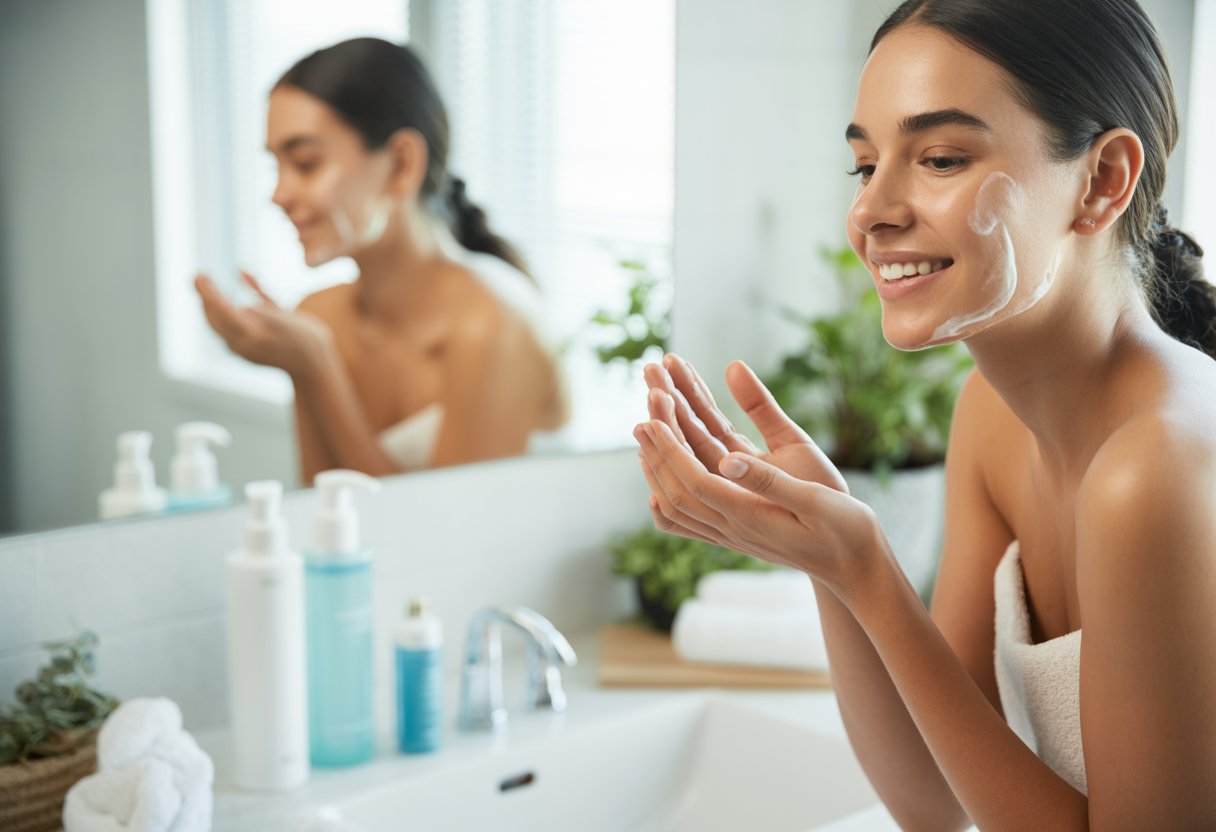
Following a CTM routine[1] twice daily provides the foundation for achieving glowing skin within a week. The three essential steps work together to remove impurities, balance pH levels, and lock in hydration.
Cleansing for a Fresh Start
A gentle cleanser removes dirt, oil, and makeup without stripping the skin’s natural moisture barrier. People with dry skin should look for cream-based cleansers that contain hydrating ingredients. Those with oily skin benefit from gel or foaming formulas that control excess sebum.
The cleansing process requires about 60 seconds of massaging the product into damp skin using circular motions. This allows the cleanser to break down impurities effectively. Rinsing with lukewarm water prevents irritation that hot water can cause.
Morning cleansing removes oils that accumulate overnight. Evening cleansing is equally important for eliminating pollution, sunscreen, and makeup that build up during the day. This regular skin care routine[5] prevents clogged pores and dullness.
Toning for Balance
A hydrating toner restores the skin’s pH balance after cleansing and prepares it to absorb the moisturizer more effectively. Toners also provide an extra layer of hydration and can target specific skin concerns.
Apply toner to clean skin using a cotton pad or by patting it directly onto the face with clean hands. The patting method wastes less product and allows better absorption. Some toners contain ingredients like rose water or glycerin that add moisture, while others include acids for gentle exfoliation.
People should avoid toners with high alcohol content, as they can dry out the skin and cause irritation.
Moisturizing for Supple Skin
A moisturizer seals in hydration and creates a protective barrier on the skin’s surface. Even oily skin types need this step, though they should choose lightweight, oil-free formulas.
Different skin types require different moisturizer textures:
- Dry skin: Rich creams with ingredients like hyaluronic acid
- Oily skin: Gel-based or water-based lotions
- Combination skin: Lightweight lotions that balance hydration
- Sensitive skin: Fragrance-free formulas with soothing ingredients
Apply moisturizer while the skin is still slightly damp from toning. This traps water in the skin and maximizes hydration benefits. The ctm routine takes only a few minutes but delivers significant improvements in skin texture and radiance when performed consistently morning and night.
Exfoliation Strategies for Radiance
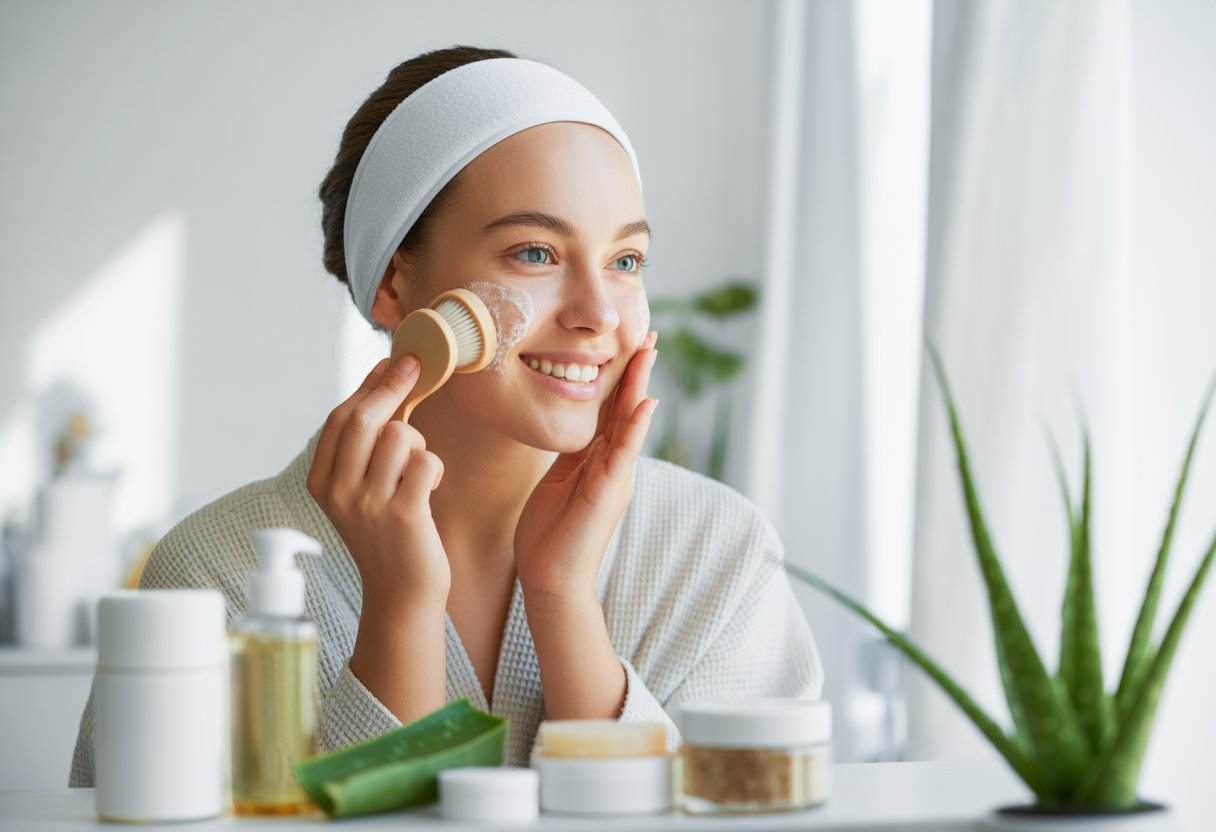
Regular exfoliation removes dead skin cells that make skin look dull and tired. The right approach depends on skin type and involves choosing between chemical or physical methods while being careful not to overdo it.
Chemical Exfoliation: AHAs, BHAs, and Enzymes
Chemical exfoliants use acids and enzymes to dissolve the bonds between dead skin cells. AHAs like glycolic acid and lactic acid work on the skin’s surface to brighten and smooth texture. Glycolic acid has the smallest molecules, making it effective for penetrating skin quickly.
Lactic acid offers a gentler option that also hydrates while it exfoliates. BHAs, particularly salicylic acid, go deeper into pores to clear out oil and debris. This makes salicylic acid especially useful for people with oily or acne-prone skin.
Chemical exfoliation is generally recommended[6] over physical methods since it causes less irritation. People with normal or combination skin can use a chemical exfoliator two times per week. Those with oily skin may exfoliate up to four times weekly.
Physical and Natural Exfoliants
Physical exfoliants use particles or tools to manually scrub away dead skin cells. Natural options include sugar scrubs, rice enzyme powders, and ground oatmeal. These tend to be less abrasive than synthetic microbeads or rough walnut shells.
A physical exfoliant should have fine, smooth particles that won’t create tiny tears in the skin. Rice powder and jojoba beads offer gentle exfoliation without damage. Some people prefer using a soft washcloth or silicone cleansing brush for light physical exfoliation.
When using any physical method, light pressure is essential. The motion should feel like gently caressing the skin rather than scrubbing hard. For quick results during a seven-day challenge[7], exfoliating two or three times helps improve brightness without causing harm.
Avoiding Over-Exfoliation
Over-exfoliation strips away the skin’s protective barrier and causes redness, peeling, and increased sensitivity. Signs include stinging sensations, flaking skin, and irritation that won’t go away. People already using retinol products typically don’t need additional exfoliation since retinol increases cell turnover on its own.
Those with sensitive skin should skip frequent exfoliation or use a low-percentage glycolic acid cleanser just once weekly. Avoid harsh scrubs with jagged particles that damage skin. Anyone experiencing active breakouts, sunburn, or open wounds should pause exfoliation until the skin heals.
Night-time exfoliation works best since the process makes skin more sensitive to sun damage. Always apply moisturizer after exfoliating to prevent dryness.
Boost With Serums and Targeted Treatments
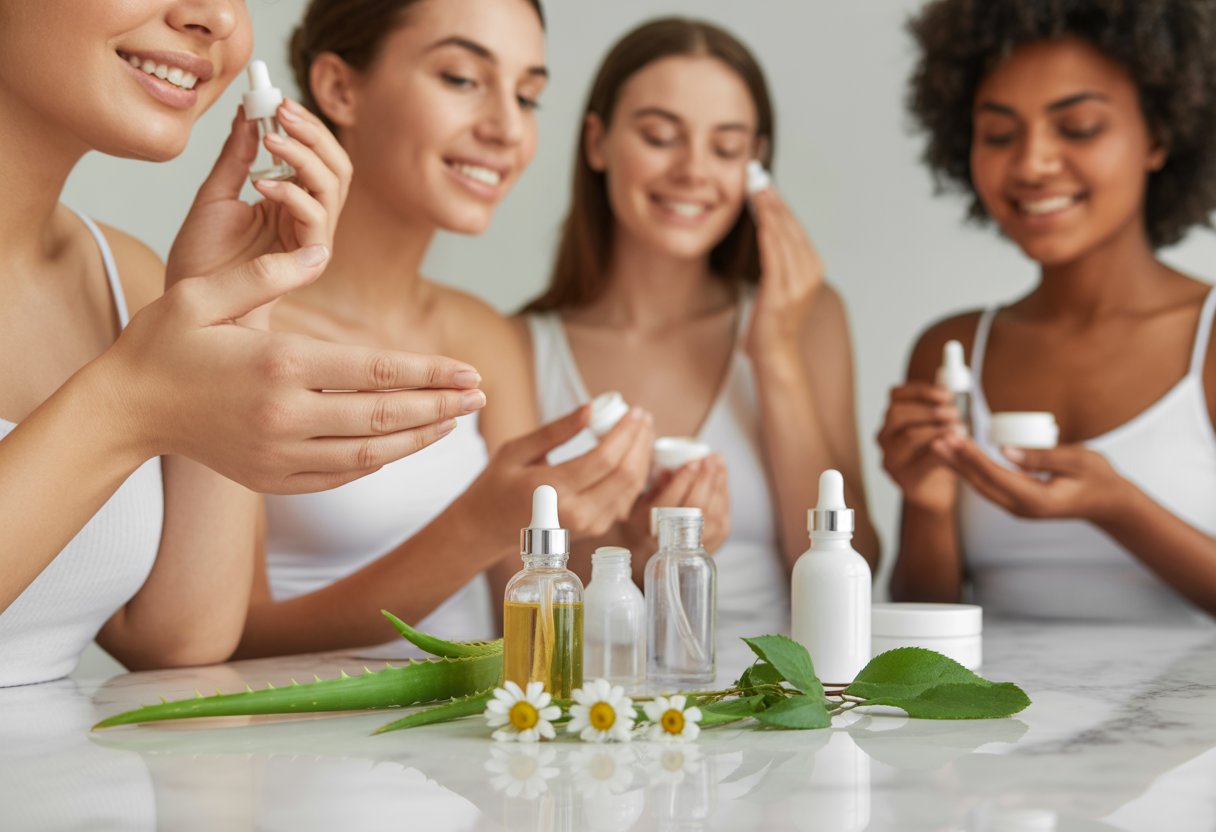
Serums deliver concentrated active ingredients deep into the skin to address specific concerns like dullness and uneven tone. Combining the right serums with targeted treatments can transform skin appearance within a week by working on multiple levels at once.
Vitamin C Serum and Antioxidants
Vitamin C serum stands out as one of the most effective ingredients for achieving radiant skin quickly. This powerful antioxidant helps even out skin tone and reduce the appearance of dark spots while defending against environmental damage. Adding vitamin C to a skincare regimen[8] can help achieve an overall radiant glow.
Vitamin C works best when applied in the morning before sunscreen. The ingredient helps the SPF work harder by providing additional protection against UV damage. For best results, users should look for serums with at least 10-15% vitamin C concentration.
Other antioxidants like grape seed extract provide additional protective benefits. These ingredients work together to neutralize free radicals that cause skin dullness. Consistent use of antioxidant serums helps maintain a healthy complexion and prevents premature aging.
Brightening and Repairing Ingredients
Niacinamide serum offers multiple skin benefits including brightening properties and improved texture. This versatile ingredient reduces inflammation and helps fade discoloration without causing irritation. Many people see visible improvements in skin clarity within days of use.
Key brightening ingredients include:
- Niacinamide (vitamin B3)
- Azelaic acid
- Kojic acid
- Retinol and retinoids
Retinol enhances skin cell turnover and improves texture for a fresher appearance. Users should apply retinoids at night since they increase sun sensitivity. Starting with a gentle formula helps the skin adjust without irritation.
Peptides support overnight skin repair by signaling the skin to produce more collagen. A hydrating serum with peptides can work while sleeping to restore and refresh tired-looking skin. Combining these skin-brightening ingredients creates a comprehensive approach to achieving visible glow.
Managing Sensitive Skin and Troublespots
Sensitive skin requires a careful approach when introducing new serums and treatments. Starting with one product at a time helps identify any potential reactions. Patch testing on a small area before full application prevents widespread irritation.
Niacinamide works well for sensitive skin types because it strengthens the skin barrier while providing brightening properties. This gentle ingredient rarely causes reactions and can actually help calm redness. Users can apply niacinamide twice daily without overwhelming their skin.
For troublespots like dark marks or uneven patches, targeted treatments with azelaic acid or kojic acid deliver results without harsh side effects. These ingredients gently fade discoloration while being well-tolerated by most skin types. Applying treatments directly to problem areas maximizes effectiveness while minimizing product waste.
Sun Protection Every Single Day
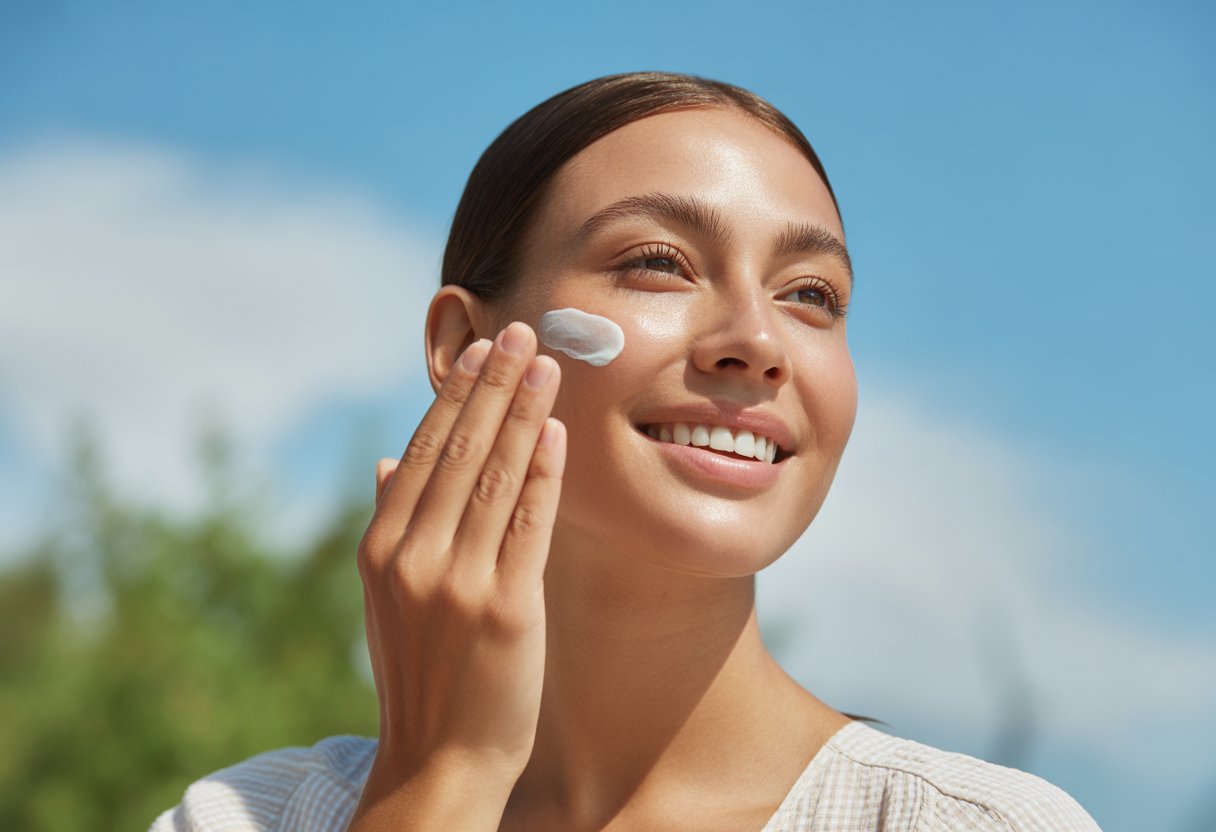
UV rays damage skin cells and prevent the glowing complexion most people want to achieve. Sunscreen protects from both UVA and UVB rays[1] and should be part of any routine focused on improving skin appearance within a week.
Broad-Spectrum vs. PA+++
Broad-spectrum sunscreen protects against both UVA and UVB rays. UVB rays cause sunburn and visible damage. UVA rays penetrate deeper into the skin and contribute to premature aging and dark spots.
SPF measures protection against UVB rays only. An SPF 30 blocks about 97% of UVB rays, while SPF 50 blocks about 98%. The PA rating system measures UVA protection specifically.
PA+ offers some UVA protection. PA++ provides moderate protection. PA+++ gives high protection against UVA rays. PA++++ delivers the highest level of UVA defense available.
A person should look for products labeled as broad-spectrum with at least SPF 30 and PA+++ or higher. This combination ensures protection from both types of harmful rays that cause dullness and skin damage.
How and When to Reapply Sunscreen
Sunscreen breaks down over time through sun exposure, sweat, and contact with clothing or other surfaces. Most people apply only 25-50% of the recommended amount, which reduces effectiveness significantly.
Apply sunscreen 15-20 minutes before going outside. Use about one ounce (a shot glass full) for the entire body or a nickel-sized amount for the face and neck.
Reapply sunscreen every 2 hours[1] when outdoors. Reapply immediately after swimming or heavy sweating, even if the product claims to be water-resistant. Indoor workers near windows should also reapply at least once during the day since UVA rays penetrate glass.
Sun Protection Beyond SPF
Physical barriers provide additional defense against sun damage. Wide-brimmed hats shade the face, ears, and neck. Sunglasses with UV protection prevent damage to the delicate skin around the eyes.
Clothing with UPF ratings offers measurable sun protection. Dark or brightly colored fabrics block more UV rays than white or pastel colors. Tightly woven materials provide better coverage than loose weaves.
Seek shade during peak sun hours between 10 AM and 4 PM when UV rays are strongest. Trees, umbrellas, and covered structures all reduce direct sun exposure. However, reflected light from water, sand, or concrete still requires sunscreen application.
7-Day Plan for Glowing Skin
A structured weekly routine combines daily skincare steps with targeted treatments like DIY face masks and facial massage techniques. This approach helps the skin renew itself while reducing puffiness and evening out tone through consistent care.
Step-by-Step Daily Breakdown
Each day builds on the previous one to create visible improvements. Days 1-2 focus on deep cleansing and exfoliation to remove dead skin cells and unclog pores. The skin needs a clean base before it can absorb beneficial ingredients.
Days 3-4 introduce hydration treatments with aloe vera gel applied twice daily. Aloe vera soothes inflammation and provides moisture without clogging pores. These middle days also include drinking at least 8 glasses of water to hydrate from within.
Days 5-6 add brightening treatments using turmeric-based masks. An overnight sleeping mask should be applied on night 6 to lock in moisture while the body repairs skin during sleep.
Day 7 combines all previous steps with extra attention to problem areas. Sheet masks work well on this final day to deliver concentrated ingredients. The 7-day approach[1] allows enough time for the skin to show noticeable changes without requiring months of commitment.
DIY Face Masks and Treatments
Homemade masks use simple ingredients that work effectively for glowing skin. A basic turmeric mask combines 1 teaspoon turmeric powder with 2 tablespoons yogurt and 1 teaspoon honey. This mixture brightens skin and reduces redness when applied for 10-15 minutes three times during the week.
Another effective DIY face mask mixes mashed banana with 1 tablespoon honey for moisture. Oatmeal mixed with milk creates a gentle exfoliating treatment that removes dead skin without irritation.
Aloe vera gel serves multiple purposes throughout the week. It can be applied directly from the plant or used as a base for other ingredients. Mix aloe vera gel with a few drops of lemon juice for a brightening treatment, or combine it with cucumber juice to reduce puffiness around the eyes.
These natural treatments cost less than store-bought options and contain no harsh chemicals. Each mask should be applied to clean skin and rinsed with lukewarm water.
Facial Massage and Sheet Masks
Facial massage improves circulation and helps reduce puffiness that makes skin look dull. Use gentle upward strokes starting at the neck and moving toward the forehead. Spend 5 minutes each morning massaging the face with clean hands or a jade roller.
Key massage movements include circular motions on the cheeks, light tapping under the eyes, and firm pressure along the jawline. These techniques drain excess fluid and tone facial muscles.
Sheet masks provide concentrated serums that penetrate deeply when worn for 15-20 minutes. Hydrating sheet masks work best on days 3, 5, and 7. The fabric keeps the serum against the skin longer than regular application would allow.
Apply sheet masks after cleansing but before moisturizer. The skin absorbs the ingredients better when pores are open from warm water. Leave the remaining serum on the skin and pat it in rather than rinsing it off. Following these tips for glowing skin[9] consistently produces better results than sporadic treatments.
Dietary Choices for Brighter Skin

The foods someone eats directly affect their skin’s appearance and health. Choosing nutrient-dense options while avoiding inflammatory foods can create visible improvements in skin texture and radiance within days.
Fruits, Vegetables, and Antioxidant-Rich Foods
Eating fruits and vegetables provides essential vitamins and minerals that support skin cell renewal and protection. Vitamin C-rich options like oranges, strawberries, and bell peppers help repair wounds and promote healing. Dark leafy greens such as spinach and kale deliver magnesium, which fights inflammation throughout the body.
Berries stand out as powerful antioxidant-rich foods that protect skin cells from damage. Blueberries, raspberries, and blackberries contain compounds that neutralize harmful free radicals. Tomatoes provide lycopene, an antioxidant that shields skin from environmental stress.
Someone following a 7-day diet plan for glowing skin[10] should aim to fill half their plate with colorful produce at each meal. This ensures adequate intake of the vitamins A, C, and E that maintain skin elasticity and brightness.
Limiting Sugar and Processed Foods
Excessive sugar consumption reduces skin elasticity and accelerates aging. When someone eats high amounts of refined sugars, their body experiences inflammation that manifests in the skin. This process damages collagen and elastin, the proteins that keep skin firm and smooth.
Processed food often contains trans fats and additives that trigger inflammatory responses. These ingredients can worsen conditions like acne, eczema, and psoriasis. Packaged snacks, sugary beverages, and refined carbohydrates spike blood sugar levels, leading to breakouts and dull complexion.
Replacing these items with whole foods creates noticeable changes in skin appearance. Fresh ingredients without added sugars or preservatives allow the body to function optimally and repair skin damage more effectively.
Healthy Fats and Protein Intake
Omega-3 fatty acids decrease inflammation and maintain the skin’s moisture barrier. Salmon, sardines, and herring provide these essential fats that give skin a plumper, more hydrated appearance. Someone should consume two 3-ounce servings of fatty fish per week for optimal benefits.
Nuts and seeds offer both healthy fats and protein that support skin structure. Walnuts, almonds, and chia seeds contain nutrients that promote healthy skin from within[11]. Avocados provide monounsaturated fats that help skin stay flexible and moisturized.
Adequate protein intake supports collagen production and skin repair. Greek yogurt, eggs, and legumes deliver the amino acids necessary for building new skin cells. A diet containing at least 60 grams of protein daily helps maintain skin firmness and accelerates the healing of blemishes.
Makeup Techniques for Instant Glow
Makeup can create an immediate radiant effect while skin care works its magic over seven days. The right products and application methods transform dull skin into a luminous complexion within minutes.
Using Illuminating Primers and Strobe Creams
An illuminating primer creates the perfect base for glowing skin by reflecting light and smoothing the skin’s surface. These products contain light-reflecting particles that blur imperfections and add dimension to the face.
Apply primer after moisturizer and sunscreen but before foundation. Use a pea-sized amount and focus on areas that naturally catch light: the center of the forehead, bridge of the nose, tops of cheekbones, and chin. Pat the product into skin rather than rubbing it.
Strobe cream offers a more intense glow than standard primers. It contains larger light-reflecting particles and often includes hydrating ingredients like hyaluronic acid. Mix a small amount with foundation for an all-over glow, or apply it to high points of the face for targeted radiance.
For oily skin, choose oil-free formulas. Dry skin benefits from hydrating primers with glycerin or squalane. Those with combination skin should apply primer only to areas needing extra luminosity.
Liquid Foundation and Face Oils for Dewy Finish
Liquid foundation provides better coverage than powder while maintaining a natural, dewy appearance. Formulas with light-reflecting properties enhance the glowing effect without looking cakey or heavy.
Choose a foundation one shade lighter than natural skin tone for a brightening effect, or match exactly for a more subtle glow. Apply with a damp beauty sponge for sheer coverage or a dense brush for fuller coverage. Build gradually rather than applying too much product at once.
Face oil transforms matte foundation into a radiant finish. Mix one drop of face oil with foundation before application, or press a tiny amount onto cheekbones and forehead after makeup is complete. Rosehip, jojoba, and squalane oils work well without breaking down makeup. This technique creates a dewy, refreshed complexion[12] that looks naturally healthy.
Strategic Application of Highlighter and Bronzer
Highlighter placement determines how natural the glow appears. Apply it to the tops of cheekbones, brow bones, inner corners of eyes, cupid’s bow, and down the center of the nose. Use a fan brush for a subtle effect or a smaller brush for more intensity.
Best highlighter textures:
- Cream: blends seamlessly into skin, ideal for dry skin
- Liquid: offers the most natural finish, easy to control
- Powder: provides long-lasting glow, best for oily skin
Bronzer adds warmth and dimension that makes highlighter pop. Apply it to areas where the sun naturally hits: temples, cheekbones, and jawline. Use a fluffy brush and tap off excess product before application.
Layer bronzer first, then highlighter on top for maximum impact. The contrast between the two products creates depth and makes skin look more three-dimensional. Blend thoroughly where the products meet to avoid harsh lines.
Maintaining Your Glow After 7 Days
Getting glowing skin is just the first step. The real challenge is keeping that healthy glow for weeks and months ahead through simple daily habits and smart skincare choices.
Keeping Consistency in Your Routine
A simple skincare routine works best when done every single day. The skin needs regular care to stay healthy and bright. People should cleanse their face twice daily, apply moisturizer morning and night, and never skip sunscreen during the day.
Consistent skin-care habits[13] are what make healthy skin last beyond the initial seven days. Skipping a day here and there won’t ruin progress, but going too long without proper care will show on the face. The products that worked during the seven-day plan should continue to be used in the same order.
Essential daily steps include:
- Gentle cleanser twice per day
- Hyaluronic acid serum for hydration
- Moisturizer to lock in moisture
- SPF 30 or higher every morning
- Retinol or vitamin C as recommended
The skin repairs itself during sleep, making overnight skin repair a critical part of any routine. Nighttime products should focus on ingredients like retinol and peptides that work while resting.
Lifestyle Habits for Lasting Results
Beauty sleep isn’t just a saying. The body does real repair work during sleep, including cleaning out damaged cells and rebuilding healthy tissue. Adults need seven to nine hours of quality sleep each night for their skin to properly renew itself.
Drinking enough water throughout the day keeps skin plump and hydrated from the inside out. Most people need at least eight glasses of water daily. A balanced diet rich in plant-based foods[13] provides nutrients that support skin health naturally.
Key lifestyle factors include:
- Getting 7-9 hours of sleep nightly
- Drinking 8+ glasses of water daily
- Eating leafy greens and antioxidant-rich fruits
- Limiting processed foods and excess sugar
- Managing stress through exercise or meditation
Regular physical activity improves blood flow to the skin, delivering oxygen and nutrients that maintain a natural glow. Even 30 minutes of walking most days makes a visible difference in skin appearance over time.
Frequently Asked Questions
Getting glowing skin in one week requires understanding which products work best for your skin type and how diet and lifestyle factors affect your complexion. Most people can see noticeable improvements within seven days by following the right combination of skincare steps, natural treatments, and healthy habits.
What daily skincare routine can improve skin glow within one week?
A basic cleanse-tone-moisturize routine forms the foundation for glowing skin. People should wash their face twice daily with a gentle cleanser suited to their skin type, apply a toner to balance pH levels, and finish with a moisturizer to lock in hydration.
Exfoliation removes dead skin cells that make skin look dull and patchy. Using a gentle exfoliator two to three times per week helps reveal brighter skin underneath. Chemical exfoliants containing AHAs like lactic acid work well for beginners.
Sunscreen with at least SPF 30 and PA+++[1] protects skin from UV damage and should be applied every morning. Reapplication every two hours is necessary when spending time outdoors.
Which natural home remedies can brighten dull skin in 7 days?
Steaming the face for a few minutes two to three times weekly opens pores and removes impurities. The heat helps skin sweat out toxins and prepares it to better absorb other skincare products.
Face masks made with natural fruit enzymes from pineapple or papaya can smooth skin texture. These peeling masks work faster than regular scrubs at removing dead skin cells and evening out skin tone.
DIY masks using watermelon, papaya, or banana applied three times per week keep skin soft and bright. These fruits contain vitamins and natural acids that nourish the complexion.
What 7-day diet plan supports clearer, more radiant skin for women?
Eating colorful fruits and vegetables provides essential vitamins and minerals for healthy skin. These foods contain antioxidants that prevent free radical damage and help maintain hydration levels.
Cutting out sugar and processed foods reduces skin inflammation. High-sugar foods and items with a high glycemic index like white bread and rice can accelerate aging by damaging collagen fibers.
Drinking more than 2 liters of water daily[1] hydrates skin from within and improves its overall health and appearance. Adding lemon slices or fruit to water makes it easier to drink throughout the day.
How should an oily-skin routine be adjusted to get a healthy glow in a week?
Oily skin types need oil-free, non-comedogenic products that won’t clog pores. A gentle foaming cleanser removes excess oil without stripping the skin, which can trigger more oil production.
Using a lightweight, gel-based moisturizer keeps skin hydrated without adding shine. Even oily skin needs moisture to stay balanced and healthy-looking.
Exfoliating with BHAs helps oily skin by cleaning out pores from the inside. These acids penetrate deeper than AHAs and work well for people with greasy T-zones.
Is it realistic to get visibly clearer skin in 7 days, and what results are typical?
Getting glowing skin in seven days is possible[2] with consistent care and the right approach. Most people notice improvements in texture, brightness, and hydration levels within one week.
Deep skin concerns like acne scars or hyperpigmentation take longer than seven days to fade. A week-long routine can improve overall skin appearance but won’t completely eliminate these issues.
Results depend on starting skin condition and how consistently someone follows their routine. People who maintain proper skincare steps twice daily and make lifestyle changes see better results than those who skip steps.
What lifestyle changes (sleep, hydration, stress) can boost skin radiance in one week?
Exercise two to three times per week increases blood flow and oxygen throughout the body. This improved circulation leads to clearer, healthier-looking skin while helping the body sweat out toxins.
Getting adequate sleep allows skin to repair itself overnight. The body produces collagen during deep sleep, which keeps skin firm and smooth.
Managing stress through relaxation techniques prevents stress-related skin problems. High stress levels can trigger inflammation and breakouts that make skin look dull.
Post Views: 6
References
- How To Get Glowing Skin In 7 Days: 7 Essential Tips. https://www.stylecraze.com/articles/how-to-get-glowing-skin-in-7-days-with-day-by-day-instructions/ Accessed April 21, 2026
- How to Get Glowing Skin in 7 Days Without Expensive Products. https://www.healthevoke.com/glowing-skin-days-without-expensive-products/ Accessed April 21, 2026
- Create a healthy glow for your individual Skin Type. https://www.clinique.com/skin-school-blog/how-to/get-healthy-skin-by-skin-type Accessed April 21, 2026
- 7 Days Glowing Skin Challenge: Your Path to Radiance. https://www.lorealparis.co.in/beauty-magazine/skin-care-blogs/seven-days-glowing-skin-challenge Accessed April 21, 2026
- How to Get Glowing Skin in 7 Days: Your Ultimate Guide
– CYMBIOTIKA
. https://cymbiotika.com/blogs/health-hub/how-to-get-glowing-skin-in-7-days-your-ultimate-guide Accessed April 21, 2026 - Chemical exfoliation is generally recommended. https://www.womenshealthmag.com/beauty/a65903428/best-exfoliation-tips-for-glowing-skin/ Accessed April 21, 2026
- The 7-Day Challenge for a Glowing and Radiant Skin at Home. https://www.ulike.com/blogs/skincare/the-7-day-challenge-for-a-glowing-and-radiant-skin-at-home Accessed April 21, 2026
- Adding vitamin C to a skincare regimen. https://www.byrdie.com/how-to-get-glowing-skin-8610215 Accessed April 21, 2026
- How to Glow Skin in 7 Days? Best Skincare Routine & Tips. https://www.kaya.in/blog/how-to-glow-skin-in-7-days Accessed April 21, 2026
- 7-day diet plan for glowing skin. https://www.eatingwell.com/article/291721/7-day-meal-plan-for-healthy-skin/ Accessed April 21, 2026
- Diet For Glowing Skin: 15 Essential Foods And Meal Plan. https://www.stylecraze.com/articles/best-diet-for-glowing-skin/ Accessed April 21, 2026
- How to Get an Instant Glow: 7 Radiance-Boosting Rituals for Immediate
– KNESKO. https://knesko.com/blogs/skin-care/get-instant-glow-radiance-boosting-rituals-immediate-results Accessed April 21, 2026 - Consistent skin-care habits. https://www.instyle.com/tips-for-glowy-skin-11916211 Accessed April 21, 2026
Elevate Your Health for Just $29.99/Month
Join the Precision Wellness Subscription at My Healing 365 and get discounted services, priority coaching access, virtual care, and exclusive wellness resources to support your physical, emotional, and hormonal health.
Join for $29.99/Month
























