Medically Reviewed
Dr. Jose Rossello, MD, PhD, MHCM
Preventive Medicine & Public Health Specialist
Last Reviewed: April 28, 2026
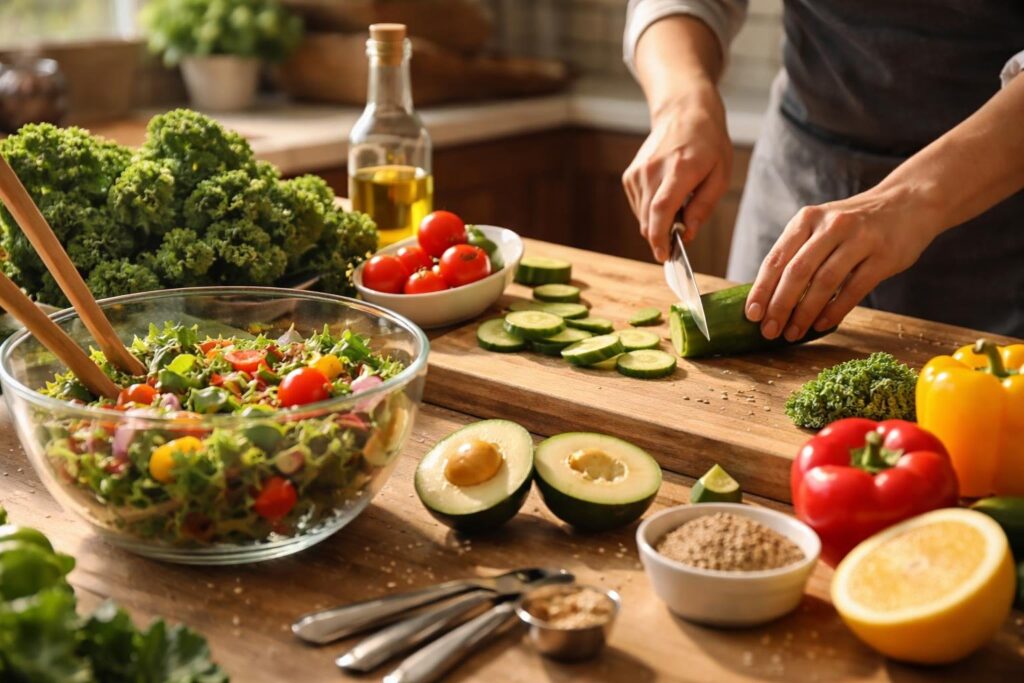
Your kitchen setup plays a bigger role in weight loss than most people realize. The way you organize your space, stock your pantry, and prepare meals can either support your goals or make them harder to achieve.
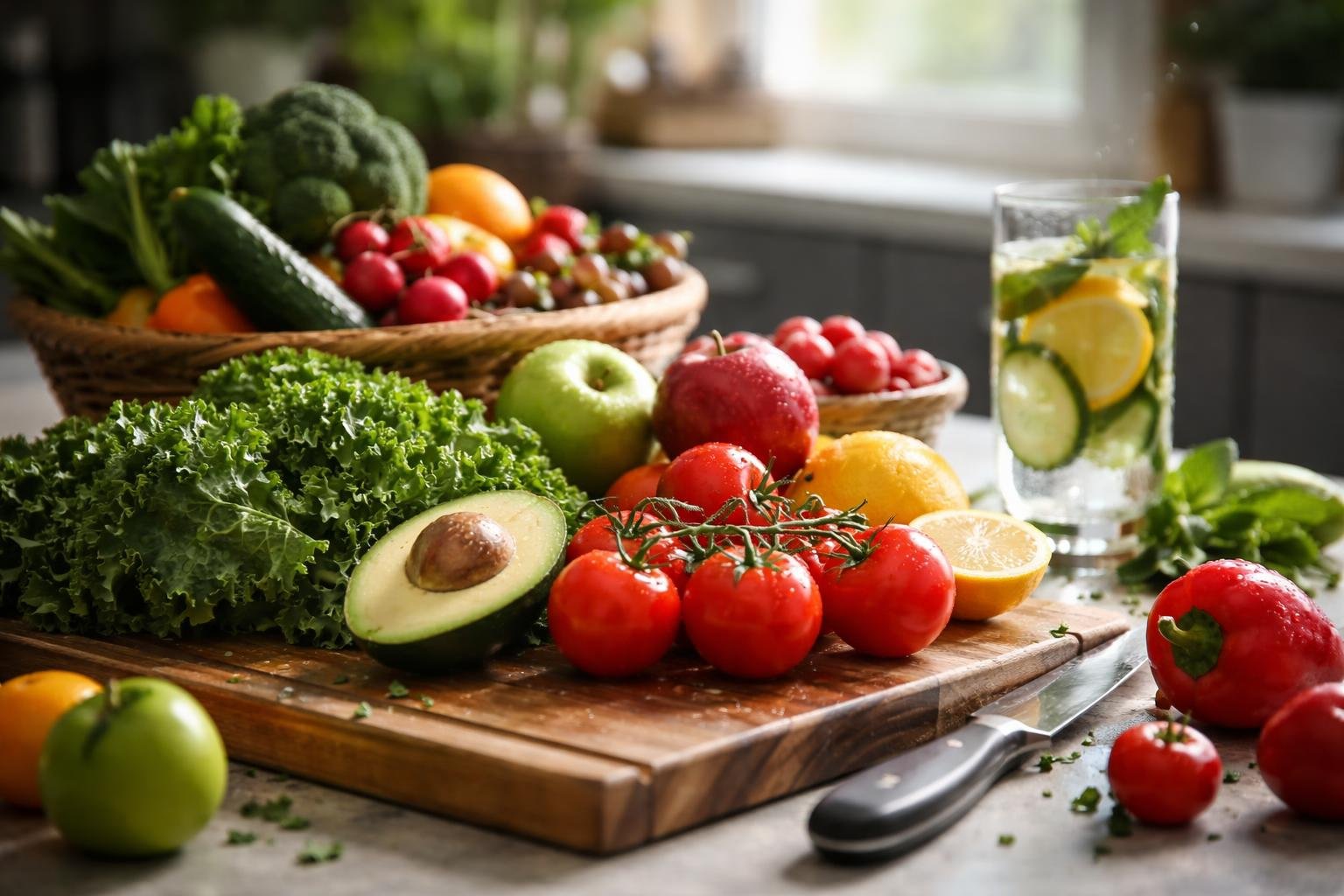
Making simple changes to your kitchen environment can help you lose weight by encouraging healthier food choices and better portion control. Home cooking puts you in control[1] of what goes into meals and makes it easier to manage portions. When nutritious foods are easy to see and reach, people tend to eat better without thinking about it.
The good news is that transforming a kitchen into a weight loss-friendly space doesn’t require expensive renovations or fancy equipment. Small adjustments like rearranging the fridge, using prepared ingredients to save time[2], and choosing the right tools can make healthy eating feel natural instead of forced.
Table of Contents
Key Takeaways
- Organizing your kitchen to keep healthy foods visible and accessible makes it easier to stick to weight loss goals
- Simple cooking methods and smart ingredient swaps help reduce calories without sacrificing flavor
- Using the right kitchen tools and pre-portioning meals prevents overeating and supports long-term success
How Your Kitchen Environment Influences Weight Loss
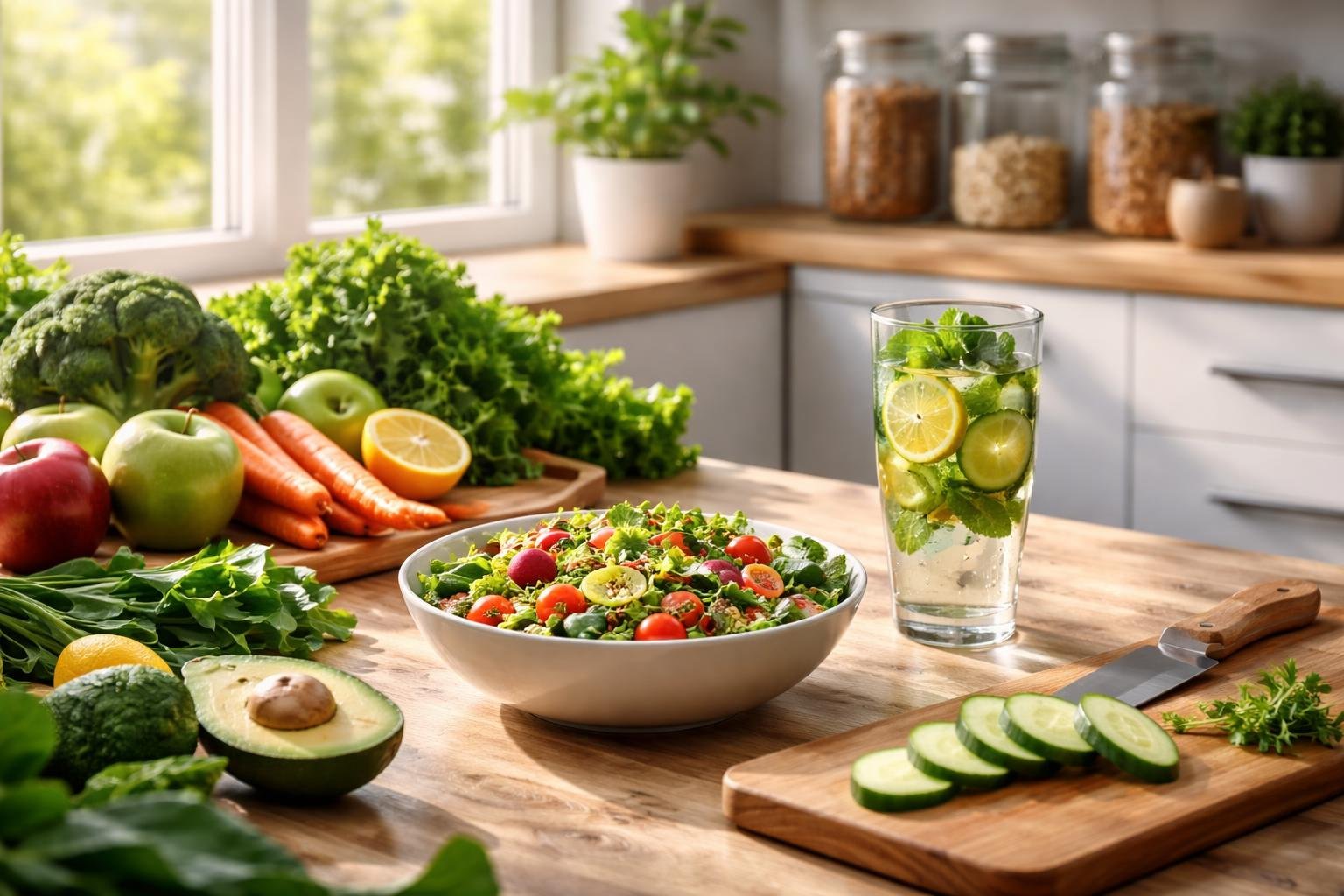
The physical setup of a kitchen directly affects eating behaviors and food choices throughout the day. Simple changes to what’s visible, how food is stored, and the overall organization of cooking spaces can support healthy weight management without requiring constant willpower.
Visual Cues and Food Placement
What people see when they walk into their kitchen shapes what they eat. Research from Cornell University’s Food and Brand Lab found that people who kept fruit visible on their counter weighed about 13 pounds less[3] than those who didn’t.
The proximity of food matters too. When snacks sit within arm’s reach, consumption increases dramatically. One study showed that office workers ate 9 candies per day when a jar sat on their desk, but only 4 candies when it was moved six feet away.
Key visibility strategies include:
- Placing cut vegetables and fruits at eye level in the refrigerator
- Using clear containers for healthy foods
- Storing less nutritious items in opaque containers or on higher shelves
- Keeping a bowl of whole fruit on the counter as a default snack option
The first foods someone sees when opening the fridge or pantry are the ones they’re most likely to choose. Moving vegetables and healthy proteins to front-and-center positions makes them the default choice.
Organizational Strategies to Reduce Temptation
Organizing a kitchen to make healthy choices easier[4] removes the need to rely on willpower alone. People make over 200 food decisions daily, and most happen automatically.
Creating a “healthy first” pantry means arranging shelves so whole grains, nuts, and beans appear before processed snacks. This doesn’t require removing treats entirely. It just adds friction to less nutritious choices.
Effective organizational tactics:
- Store chips and cookies on higher shelves or behind other items
- Pre-portion snacks into small containers instead of eating from bags
- Keep cooking essentials like olive oil and spices easily accessible
- Use smaller plates (9-10 inches) instead of standard 12-inch dinner plates
Plate size affects portion control through visual perception. Switching to smaller plates can reduce calorie intake by up to 22% without anyone feeling deprived. The same amount of food looks more satisfying when it fills a smaller plate.
Decluttering and Creating a Supportive Atmosphere
A cluttered kitchen makes healthy cooking feel harder than it actually is. When counters are covered with packages and appliances, preparing fresh meals becomes inconvenient. This increases reliance on takeout and processed foods.
Clearing counter space except for a fruit bowl and essential cooking tools reduces visual distractions. It also makes the kitchen feel more inviting for meal preparation. The physical environment creates a psychological atmosphere[5] that influences eating habits.
Someone trying to lose weight benefits from keeping healthy cooking equipment within easy reach. A cutting board, sharp knives, and measuring cups stored in convenient locations make preparing vegetables and portioning meals simpler. When healthy cooking requires less effort than ordering delivery, it becomes the path of least resistance.
The “see food” trap happens when treats sit on counters in plain view. Every time someone walks past, they’re reminded to grab a handful. Removing these visual triggers supports weight loss goals by eliminating unnecessary decisions throughout the day.
Stocking Your Kitchen for Weight Loss Success
The foods a person keeps at home directly impact their ability to make healthy choices throughout the day. Filling kitchen storage spaces with nutrient-rich whole foods while limiting processed options creates an environment where healthy eating becomes the easiest choice.
Building a Healthy Pantry
A well-organized pantry filled with healthy pantry staples makes meal preparation faster and supports weight loss goals. Whole grains like quinoa, brown rice, and whole-wheat pasta[6] provide more fiber than refined grains, which helps maintain steady energy levels and keeps a person feeling full longer.
Canned beans serve as versatile pantry staples that add protein and fiber to meals. Black beans, pinto beans, and chickpeas can be rinsed and added to salads, soups, or grain bowls in minutes. Dried red lentils cook in just 15 minutes and offer similar nutritional benefits.
Other essential items include whole-grain cereals, rolled oats for quick breakfasts, and air-popped popcorn for satisfying snacks. A person can eat five cups of air-popped popcorn for the same 150 calories found in just 22 potato chips. Canned tuna and salmon provide lean protein options for busy weeknights.
Filling Your Fridge With Nutrient-Dense Options
The refrigerator should contain fresh produce and lean proteins at eye level where they’re easily visible. Placing fruits, vegetables, lean meats, eggs, hummus, low-fat milk, cottage cheese, and yogurt[6] in the most accessible spots increases the likelihood of choosing these foods when hunger strikes.
Non-starchy vegetables like leafy greens, bell peppers, cucumbers, and carrots should take up significant refrigerator space. These whole foods provide essential vitamins and minerals while being naturally low in calories. A bowl of fruit on the counter correlates with weighing 13 pounds less than those who don’t keep visible fruit.
Nuts and seeds offer healthy fats and protein for snacks or meal toppings. Pre-washed salad greens and pre-cut vegetables reduce preparation time and remove barriers to eating fresh produce.
Choosing the Right Freezer Staples
Frozen vegetables often contain more nutrients than fresh options that have been sitting on store shelves for days. Flash-frozen produce is processed within hours of harvest, preserving its nutritional value. Frozen broccoli, spinach, carrots, peas, and edamame provide quick side dishes that cook in minutes.
Stocking the freezer with plain vegetables without added cheese or butter sauces keeps calories in check. Stir-fry vegetable blends offer convenient options for fast meals. Frozen fruits work well for smoothies or oatmeal toppings.
Lean proteins like chicken breasts, fish fillets, and turkey can be stored in the freezer for future use. Having these options readily available prevents last-minute decisions that might lead to less healthy choices.
Meal Planning and Prep for Effective Weight Management
Planning meals ahead and preparing food in batches gives people more control over portions and ingredients. These practices reduce the temptation to grab unhealthy options when hunger strikes.
Meal Planning Strategies
A successful meal plan starts with a master list of go-to recipes that are both nutritious and enjoyable to eat. People should write down all the meals they regularly cook and their household enjoys. This list makes weekly planning faster and prevents decision fatigue during busy weekdays.
The next step involves checking what ingredients are already in the fridge, freezer, and pantry. Using these items first saves money and reduces food waste. Meal planning helps people make healthier choices[7] by removing impulse decisions about food.
When creating a meal plan, people should aim for variety across the week. Different fruits, vegetables, grains, and proteins provide a wider range of vitamins and minerals. Those new to meal planning can start with just three or four days instead of a full week to avoid feeling overwhelmed.
Time-Saving Meal Prep Techniques
Setting aside one to two hours on a weekend day for prep work eliminates daily cooking stress. During this time, people can wash and chop vegetables, cook grains, and portion proteins for the week ahead.
Batch cooking is one of the most efficient techniques. Preparing large quantities of one or two recipes creates multiple ready-to-eat meals stored in individual containers. Overnight oats make an excellent breakfast option[7] that requires simple mixing the night before.
People can also prep ingredients rather than complete meals. Pre-cut vegetables, cooked quinoa, and grilled chicken allow for quick assembly of different dishes throughout the week. This approach provides flexibility while still saving time. Healthy snacks like portioned nuts, cut fruit, or veggie sticks should also be prepared during this session.
Creating a Weekly Grocery List
A well-organized grocery list prevents unnecessary purchases and keeps shopping trips efficient. The list should be based directly on the meal plan for the week.
People can organize their list by store sections:
Produce: Fresh vegetables and fruits needed for recipes Proteins: Chicken, fish, beans, or other lean options Grains: Rice, quinoa, oats, or whole grain bread Dairy: Greek yogurt, milk, or cheese Pantry: Spices, oils, canned goods, or healthy snacks
Checking what items are already at home before writing the list prevents buying duplicates. People should stick to their list while shopping to avoid impulse purchases of processed foods or treats. Shopping once per week with a complete list reduces the temptation to make multiple trips where unplanned items end up in the cart.
Cooking Methods and Smart Ingredient Choices
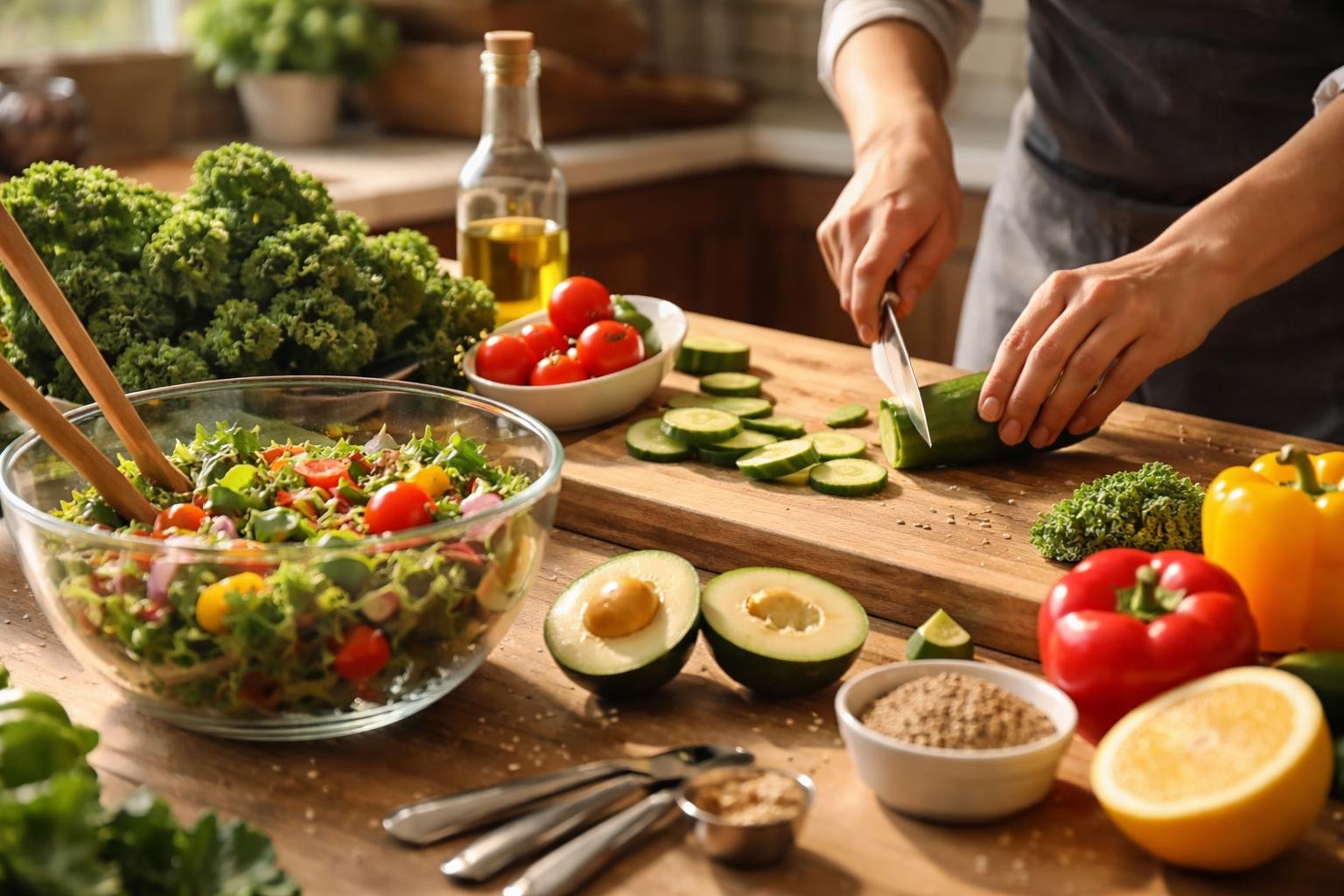
The way food gets prepared and the ingredients chosen can make a big difference in weight loss success. Simple changes to cooking techniques and ingredient selections help cut calories while keeping meals satisfying and full of flavor.
Cooking With Lean Proteins
Lean protein forms the foundation of many weight loss meals because it helps people feel full longer without adding excessive calories. Chicken breast stands out as one of the most popular lean proteins, containing about 165 calories and 31 grams of protein per 3.5-ounce serving when cooked without skin.
Other protein-rich foods that support weight loss include:
- Turkey breast
- Fish like cod, tilapia, and halibut
- Shrimp and other shellfish
- Tofu and tempeh
- Greek yogurt
- Egg whites
The cooking method matters as much as the protein choice. Grilling, baking, poaching, and air frying all preserve the lean quality of these proteins without adding extra fat. Pan-frying in minimal oil or steaming also works well. These methods keep the calorie count low while maintaining moisture and flavor in the meat or fish.
Healthy Fats and Oils in the Kitchen
Not all fats work against weight loss goals. Healthy fats in moderate amounts actually support the body’s needs and help with nutrient absorption. Olive oil contains heart-healthy monounsaturated fats and works well for light sautéing or drizzling over finished dishes.
Avocado oil offers similar benefits with a higher smoke point, making it better for cooking at higher temperatures. It contains about 120 calories per tablespoon, the same as olive oil, so portion control remains important.
When cooking, measuring oil carefully prevents accidentally adding hundreds of extra calories. Using cooking spray, a brush to apply oil, or investing in an oil mister helps control portions. Some cooks also use vegetable broth or water for sautéing vegetables to cut fat entirely while still preventing sticking.
Flavor Boosters and Spice Blends
Spice blends add bold flavor to dishes[2] without contributing calories or sodium from heavy sauces. Common blends like Italian seasoning, garam masala, Chinese five spice, and adobo transform simple proteins and vegetables into interesting meals.
Fresh and dried herbs also boost taste without adding calories. Garlic, ginger, lemon juice, and vinegar create depth in cooking. These ingredients allow people to reduce or eliminate high-calorie additions like butter, cream sauces, and cheese while still enjoying flavorful food.
Popular calorie-free flavor boosters:
- Hot sauce and chili flakes
- Citrus zest
- Fresh herbs (cilantro, basil, parsley)
- Balsamic vinegar
- Mustard
- Smoked paprika
Using these flavor enhancers means meals stay interesting and satisfying throughout a weight loss journey. Food doesn’t need to taste bland to support health goals.
The right kitchen equipment makes controlling portions and preparing healthier meals much simpler. Specific tools like measuring cups, digital scales, and divided plates remove guesswork from serving sizes, while modern appliances can reduce cooking time and eliminate excess fats.
Essential Portion Control Tools
Portion control tools help people manage serving sizes[8] without constant calculations. Digital food scales provide exact measurements for proteins, grains, and snacks. A person can weigh chicken breast or pasta to match their calorie goals instead of estimating by eye.
Measuring cups remain valuable for liquids and dry ingredients. They ensure consistent portions of cereal, rice, or nuts.
Divided plates feature three compartments[9] that naturally guide meal composition. The typical layout includes 50% vegetables, 25% protein, and 25% grains. These plates make balanced eating automatic.
Portion control bowls include built-in markers for cereals, soups, and snacks. The measurements sit right on the bowl’s interior, showing exactly how much food equals one serving. Glass food storage containers with measurement lines work similarly for meal prep, allowing someone to prepare multiple portions at once and grab pre-measured meals throughout the week.
Helpful Kitchen Gadgets for Healthier Cooking
Kitchen gadgets streamline healthy meal preparation[10] and reduce reliance on processed foods. Vegetable choppers and food processors cut prep time significantly. They dice onions, shred carrots, or slice bell peppers in seconds rather than minutes.
Spiralizers transform zucchini, carrots, and sweet potatoes into noodle shapes. These vegetable noodles contain fewer calories and carbohydrates than traditional pasta while adding vitamins and fiber to meals.
A salad spinner dries lettuce properly so dressing coats evenly without pooling at the bottom of the bowl. Herb scissors with multiple blades chop fresh basil, cilantro, and parsley quickly, adding flavor to dishes without extra calories.
Oil misters let someone spray a light coating of oil instead of pouring it directly from a bottle. This small change can cut cooking oil usage by 75% or more per meal. Silicone baking mats eliminate the need for greasing pans entirely when roasting vegetables or baking chicken.
Using Appliances to Support Healthy Habits
Modern appliances make cooking methods that preserve nutrients and reduce fat more accessible. An air fryer uses circulating hot air[9] to create crispy textures without deep frying in oil. Foods like chicken wings, french fries, or fish fillets cook with minimal added fat while still developing a satisfying crunch.
Slow cookers prepare soups, stews, and lean proteins with little supervision. A person can add ingredients in the morning and return home to a ready meal. Many models feature programmable timers that switch to a warming mode after cooking finishes.
An Instant Pot combines pressure cooking, slow cooking, and steaming in one device. It cooks dried beans in 30 minutes and prepares whole chicken breasts in 10 minutes. The pressure cooking method requires minimal added fats.
Blenders create smoothies, soups, and sauces from whole fruits and vegetables. High-powered models can blend frozen ingredients and tough greens without leaving chunks. Steamers cook vegetables while preserving water-soluble vitamins that boiling water would otherwise remove.
Elevate Your Health for Just $29.99/Month
Join the Precision Wellness Subscription at My Healing 365 and get discounted services, priority coaching access, virtual care, and exclusive wellness resources to support your physical, emotional, and hormonal health.
Join for $29.99/MonthBuilding Long-Term Habits for Sustainable Results
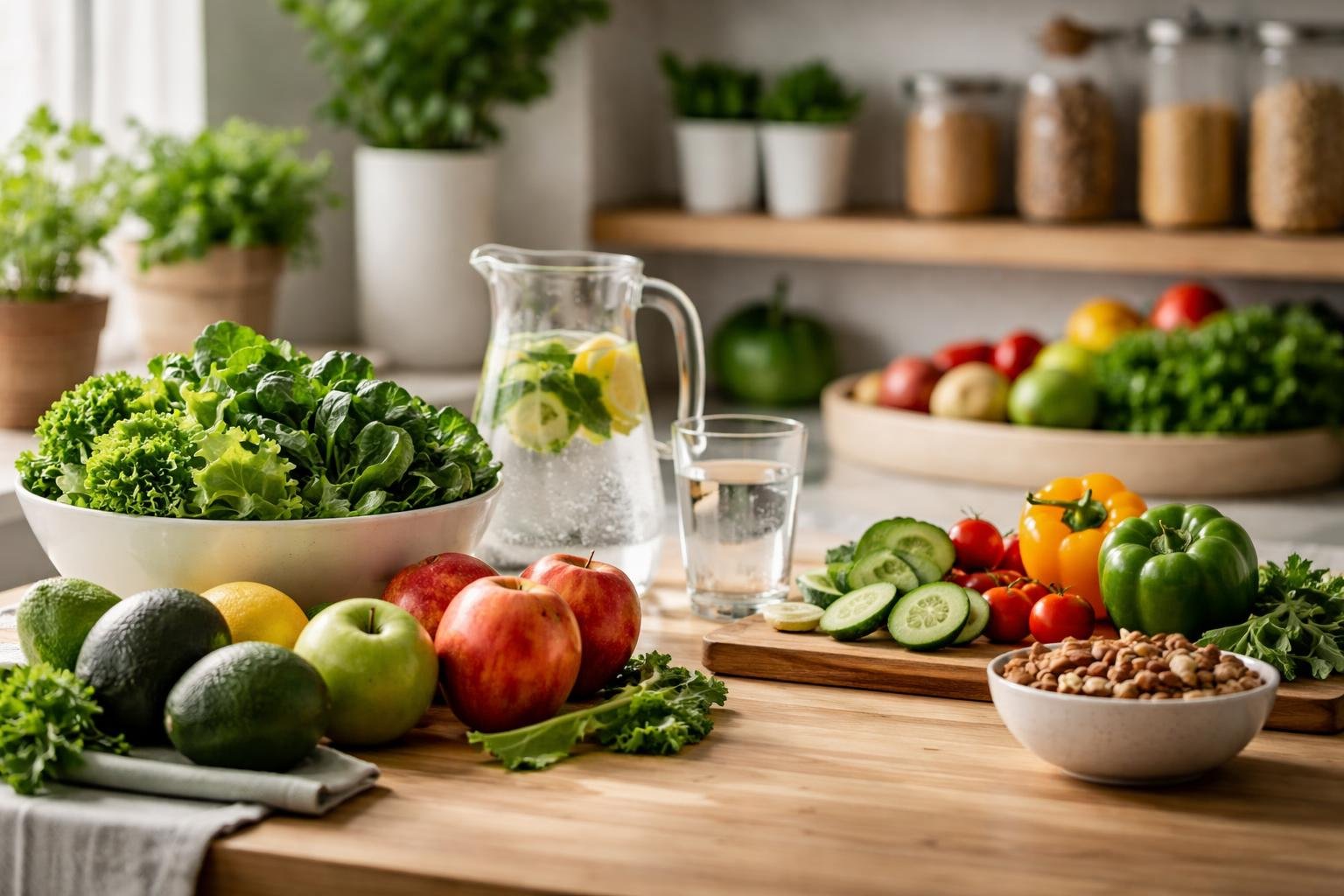
A well-organized kitchen supports weight loss only when paired with consistent habits and realistic expectations. Sleep quality, goal-setting, and regular adjustments to one’s environment create the foundation for maintaining progress over months and years.
Setting Realistic Weight Loss Goals
Successful sustainable weight loss plans[11] focus on gradual progress rather than rapid changes. Most experts recommend aiming for 1-2 pounds per week, which allows the body to adjust without triggering extreme hunger or metabolic slowdown.
People should set specific, measurable targets rather than vague intentions. Instead of “eat healthier,” a better goal would be “prepare three home-cooked meals using organized pantry staples each week.” This approach creates clear action steps tied to the kitchen changes already in place.
Breaking down larger goals helps maintain motivation:
- Monthly milestones (4-8 pounds)
- Weekly behavior targets (meal prep sessions, portion control practice)
- Daily actions (using smaller plates, choosing visible fruit over hidden snacks)
Flexible goals accommodate life’s unpredictability. Someone might plan for five home-cooked dinners but adjust to four during busy weeks without viewing it as failure.
Tracking Progress and Adjusting Your Environment
Regular monitoring helps identify which kitchen changes produce the best results. Weighing portions with a kitchen scale for two weeks builds awareness of proper serving sizes, even if someone doesn’t continue weighing food forever.
A simple tracking system might include weekly weigh-ins, measurements, or photos. Some people prefer noting energy levels and how clothes fit rather than focusing solely on scale numbers.
The kitchen itself needs periodic updates. As habits improve, someone might notice they rarely reach for the hidden snacks and can donate them entirely. Or they might realize their vegetable drawer stays empty because frozen options work better for their schedule.
Environmental adjustments to consider every 4-6 weeks:
- Rotating healthy staples to prevent boredom
- Moving newly-formed habit triggers (like the fruit bowl) to even more prominent spots
- Removing items that consistently tempt overeating
- Adding new tools that support current goals (like spiralizers for low-calorie pasta alternatives)
Prioritizing Other Healthy Lifestyle Factors
Kitchen organization cannot compensate for poor sleep or chronic stress. Adults who sleep less than seven hours per night experience hormonal changes that increase hunger and cravings for high-calorie foods.
When someone prioritizes sleep, they make better food choices throughout the day. They have more energy to prepare the healthy meals their organized kitchen makes possible. Setting a consistent bedtime helps regulate appetite hormones like ghrelin and leptin.
Physical activity complements dietary changes for healthy weight management[12]. Regular movement increases the number of calories burned and helps preserve muscle mass during weight loss. Even a 20-minute daily walk supports the efforts made in the kitchen.
Stress management matters too. High stress levels trigger cortisol release, which promotes fat storage and emotional eating. Someone might have perfectly organized healthy snacks at eye level, but chronic stress can override those environmental cues.
Frequently Asked Questions
Setting up the right kitchen habits and stocking specific foods can make weight loss more practical and sustainable. These questions address the most effective strategies for using your home cooking space to support fat loss goals.
What kitchen habits make it easier to maintain a calorie deficit consistently?
Measuring portions with kitchen scales and measuring cups helps people track their intake accurately. Many nutrition labels list serving sizes in ounces, which makes eyeballing portions difficult and often leads to overeating.
Preparing meals ahead of time in individual containers prevents overeating during busy days. When healthy, ready-to-eat meals are visible in the fridge, people are less likely to reach for processed snacks or order takeout.
Keeping healthy snacks visible and accessible makes better choices easier. Placing cut vegetables, fresh fruit, or unsalted nuts at eye level in the refrigerator increases the likelihood of choosing them over high-calorie alternatives.
Using smaller plates and bowls can help control portion sizes without feeling deprived. This simple change makes standard portions appear larger and more satisfying.
Which meal-prep strategies at home lead to the most reliable fat loss results?
Batch cooking proteins like chicken, fish, or lean beef on weekends saves time and ensures healthy options are available throughout the week. Pre-cooked proteins can be added to salads, grain bowls, or vegetable dishes in minutes.
Portioning meals into individual glass containers immediately after cooking prevents second servings and makes calorie tracking straightforward. Labeling containers with dates and contents helps people stick to their meal plan.
Washing and chopping vegetables right after grocery shopping removes barriers to healthy eating. When vegetables are ready to use, people are more likely to include them in meals rather than skipping them due to preparation time.
Freezing individual portions of soups, stews, and casseroles provides quick meal options that prevent reliance on restaurant food. Foods cooked in pressure cookers may help people feel fuller for longer and prevent blood sugar spikes.
What are the best high-protein, low-calorie pantry staples to keep on hand for weight loss?
Canned tuna and salmon provide 20-25 grams of protein per serving with minimal calories. These shelf-stable proteins work well in salads, wraps, or mixed with whole grain crackers.
Dried lentils and chickpeas offer plant-based protein and fiber that promotes fullness. A half-cup of cooked lentils contains about 9 grams of protein and 8 grams of fiber for roughly 115 calories.
Plain Greek yogurt delivers twice the protein of regular yogurt with fewer carbohydrates. It can serve as a base for smoothies, a substitute for sour cream, or a high-protein snack when paired with fruit.
Eggs are one of the most affordable protein sources at approximately 6 grams of protein and 70 calories per large egg. They can be prepared in numerous ways and stored hard-boiled for quick snacks.
Protein powder offers a convenient way to increase protein intake in smoothies, oatmeal, or baked goods. Whey and plant-based options typically provide 20-30 grams of protein per scoop.
Which simple kitchen swaps reduce calories without sacrificing flavor or satisfaction?
Trading butter or lard for extra virgin olive oil when cooking reduces saturated fat while maintaining flavor. Oils contain healthier fats that support energy levels and vitamin absorption, though they should still be used in moderation due to their calorie density.
Choosing whole grain bread, pasta, and brown rice instead of refined versions adds fiber that increases fullness. Whole grains are associated with decreased risk of weight gain and provide more nutrients than their refined counterparts.
Using air fryers instead of traditional frying methods creates crispy textures with significantly less oil. This cooking method can reduce the calories in fried foods by 70-80% compared to deep frying.
Replacing sugary drinks with water, unsweetened tea, or sparkling water eliminates hundreds of empty calories daily. A single 20-ounce soda contains about 240 calories with no nutritional value.
Swapping sour cream for Greek yogurt in recipes cuts calories while adding protein. This substitution works well in dips, baked potatoes, and Mexican dishes.
What are practical ways to lose 20 pounds safely and sustainably using home-cooked meals?
Creating a consistent meal schedule with three balanced meals per day helps regulate appetite and prevents extreme hunger that leads to overeating. Cooking meals at home allows complete control over ingredients and portion sizes.
Focusing on meals that combine lean protein, vegetables, and whole grains provides satisfaction while maintaining a calorie deficit. A balanced plate might include 4 ounces of chicken, 2 cups of vegetables, and a half-cup of quinoa.
Gradually reducing added sugars and sodium in home-cooked meals helps people adjust to less processed flavors. Small shifts in food choices over time lead to sustainable weight loss without feeling deprived.
Planning weekly menus and shopping lists prevents impulse purchases of high-calorie convenience foods. Cooking dinner frequently at home is associated with consumption of a healthier diet[13] whether or not someone is actively trying to lose weight.
Tracking progress through consistent weigh-ins and measurements helps people stay accountable. Losing 1-2 pounds per week through a 500-750 calorie daily deficit is considered safe and sustainable.
Which common three-ingredient combinations are claimed to mimic Ozempic effects, and what should you know before trying them?
No food combination can replicate the effects of prescription weight loss medications like Ozempic, which work by affecting specific hormone receptors in the body. Claims about ingredients mimicking these medications are not supported by scientific evidence.
Some popular combinations claim to use ingredients like lemon juice, cayenne pepper, and apple cider vinegar to boost metabolism or suppress appetite. While these foods are generally safe in normal amounts, they do not produce weight loss comparable to medical interventions.
Apple cider vinegar has been studied for potential modest effects on blood sugar and satiety, but results are limited. Any small benefits come from consuming it as part of an overall healthy diet, not as a replacement for medical treatment.
People considering weight loss medications should consult healthcare providers rather than trying unproven food combinations. Medical supervision ensures safe and effective approaches tailored to individual health needs.
Sustainable weight loss comes from consistent habits like cooking meals at home[14], choosing whole foods, and maintaining a moderate calorie deficit. Quick fixes and trending ingredient combinations rarely lead to lasting results
Post Views: 5
References
- Cooking For Weight Loss. https://www.heart.org/en/healthy-living/healthy-eating/losing-weight/cooking-for-weight-loss Accessed April 29, 2026
- Access Denied. https://www.loseit.com/articles/kitchen-hacks-that-make-weight-loss-cooking-easier/ Accessed April 29, 2026
- Food Environment Design: How Your Kitchen Setup Affects Weight Loss. https://nanorhino.com/blog/food-environment-design-how-your-kitchen-setup-affects-weight-loss Accessed April 29, 2026
- 13 Kitchen Changes that Can Help You Lose Weight. https://www.livescience.com/36781-kitchen-changes-help-lose-weight.html Accessed April 29, 2026
- The Psychology of Home Spaces: How Kitchen Design Affects Your Eating Habits. https://healthfooding.com/the-psychology-of-home-spaces-how-kitchen-design-affects-your-eating-habits/ Accessed April 29, 2026
- Reorganize your kitchen: 6 hacks to help you lose weight and keep it off. https://www.health.harvard.edu/healthbeat/reorganize-your-kitchen-6-hacks-to-help-you-lose-weight-and-keep-it-off Accessed April 29, 2026
- Meal planning helps people make healthier choices. https://www.eatingwell.com/article/291319/meal-prep-for-weight-loss-8-ways-it-will-make-you-more-successful/ Accessed April 29, 2026
- The 11 best portion-control tools to keep in your kitchen, according to registered dietitians. https://www.elytstyle.com/nutrition/article/the-11-best-portion-control-tools-to-keep-in-your-kitchen-according-to-registered-dietitians Accessed April 29, 2026
- 25 Essential Kitchen Tools for Weight Loss. https://www.eatthis.com/kitchen-tools-for-weight-loss/ Accessed April 29, 2026
- 10 kitchen devices that make losing weight easier. https://www.nbcnews.com/select/lifestyle/10-kitchen-gadgets-help-you-lose-weight-ncna785366 Accessed April 29, 2026
- How to Build a Sustainable Weight Loss Plan. https://getzealthy.com/post/how-to-build-a-sustainable-weight-loss-plan Accessed April 29, 2026
- Sustainable Lifestyle Habits for Weight Loss. https://resources.healthgrades.com/right-care/weight-control-and-obesity/long-term-weight-loss-more-than-a-diet-its-a-lifestyle Accessed April 29, 2026
- Is cooking at home associated with better diet quality or weight-loss intention?. https://pmc.ncbi.nlm.nih.gov/articles/PMC8728746/ Accessed April 29, 2026
- Cooking for Weight Loss. https://www.weightwatchers.com/us/blog/weight-loss/cooking-for-weight-loss Accessed April 29, 2026























