• Twenty47HealthNews
  • Health & Wellness
  • Disclaimer
    • Terms of Use
    • Privacy Policy
    • DMCA Notice
  • Twenty47HealthNews
  • Health & Wellness
  • Disclaimer
    • Terms of Use
    • Privacy Policy
    • DMCA Notice
24/7 Health News
No Result
View All Result
Home Article

Financial strain, lockdowns and fear of infection during disease outbreaks magnify violence against women and girls − new research

May 5, 2026
in Article
Financial strain, lockdowns and fear of infection during disease outbreaks magnify violence against women and girls − new research
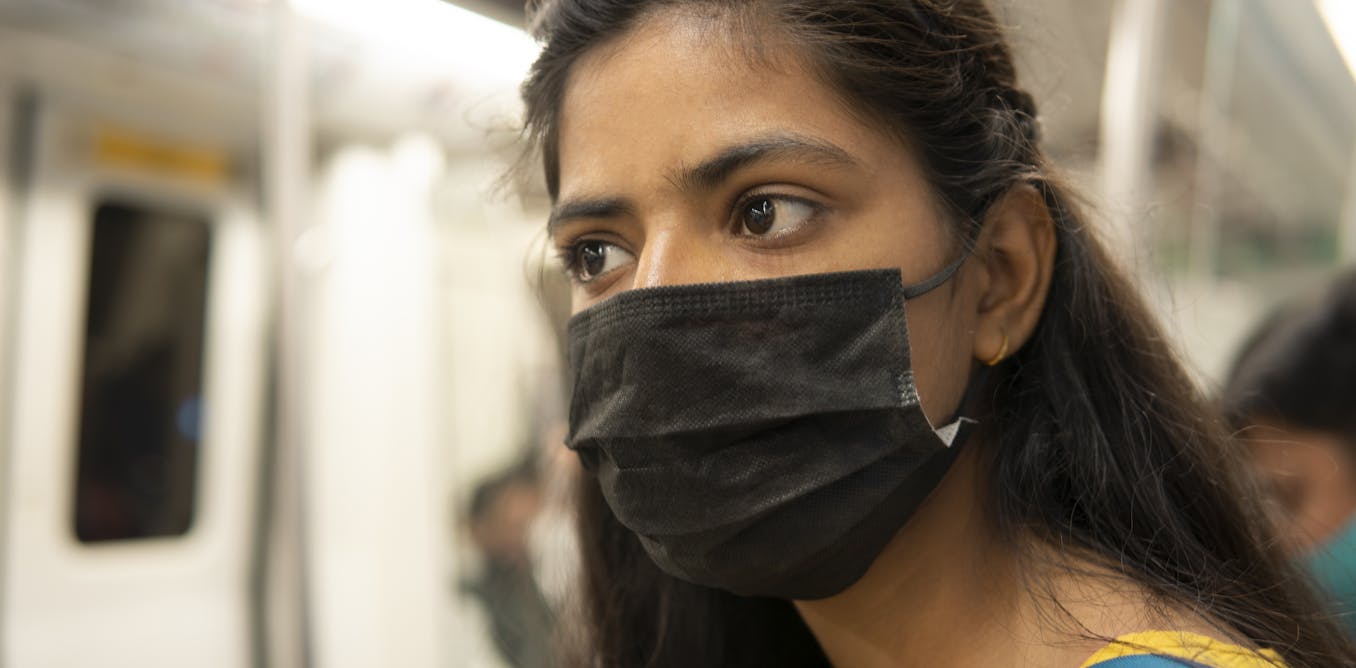
image

When the world shut down due to the COVID-19 pandemic in early 2020, another crisis quietly grew behind closed doors. Reports from around the globe suggested that violence against women and girls was increasing. Governments, nongovernmental organizations and advocates began referring to the phenomenon as a “shadow pandemic.”

To determine whether these headlines and informal reports reflected reality, we led the first-ever comprehensive review of studies tracking violence against women and girls during infectious disease outbreaks across low- and middle-income countries. We focused on those regions because less research on the topic has been done there, and women and girls face specific risks, such as child marriage, that are less prevalent in wealthier nations.

Our findings, published in BMJ Global Health and co-authored with UNICEF, are both clear and concerning: Violence against women and girls tends to increase during outbreaks, and the very measures used to control disease spread can lead to that rise.

Across 53 studies measuring changes in violence against women and girls in the first year of the COVID-19 pandemic, the majority found increases, with some studies showing no change and relatively few showing declines. This pattern held across different types of violence – for example, physical domestic violence, sexual domestic violence, psychological violence or online violence – particularly committed within the home.

But even more striking was how little evidence there was from other infectious disease outbreaks. Despite the growing frequency of global health emergencies, only one study examined violence against women and girls during an outbreak other than COVID-19, specifically examining violence in Sierra Leone during both Ebola and COVID-19.

How outbreaks contribute to gender-based violence

Infectious disease outbreaks do more than spread illness. They can disrupt economies, burden health systems and reshape daily life. These shifts can amplify existing inequalities and, in many cases, increase the risk of violence.

Our research identified five key pathways through which outbreaks contribute to violence against women and girls.

[embedded content]
The United Nations dubbed the rise in violence against women and girls during the COVID-19 pandemic ‘the shadow pandemic.’

First, job loss, reduced income and financial stress were the most consistently identified contributors to violence. When households experience economic strain, tensions rise – and women and girls often bear the consequences. In some contexts, economic stress was linked not only to intimate partner violence but also to harmful practices like child marriage.

Second, movement restrictions like lockdowns and quarantines can trap women and girls with abusive partners or family members. While these outbreak response measures are designed to reduce disease transmission, they can also isolate women from social networks and limit opportunities to seek both formal and informal help.

Third, deeming certain services as nonessential reduces people’s access to support. During COVID-19, many health, social and legal services were scaled back or became harder to access. School closures also meant that girls in some contexts faced increased risks of exploitation, early pregnancy or forced marriage.

Fourth, perpetrators may use women’s and girls’ fear of infection to control or manipulate them. For example, men sometimes discouraged their partners from leaving the home or seeking care in order to avoid disease risk.

Finally, women’s and girls’ past experiences with health systems can influence their intention to seek services in the future. In settings affected by earlier outbreaks, such as the 2014 Ebola outbreak, mistrust of health services discouraged some survivors from seeking care after experiencing violence, especially if doing so might lead to quarantine or mistreatment.

These pathways are not isolated. They often interact and reinforce one another, creating conditions in which violence becomes more likely during crises.

Building better evidence

Public health emergencies are becoming more frequent, and measures like lockdowns and limiting access to schools, clinics and other services can have unintended consequences.
Our findings show that protecting women and girls needs to be part of how public health experts respond to outbreaks from the start and not something to address only after violence has already increased.

Tracking the issue in different types of outbreaks – such as cholera, influenza or Ebola – could help determine which policy responses are most protective.

But even within COVID-19 research, we uncovered important limitations. First, most studies focused on adult women, with far less attention to girls. And second, many studies relied on metrics such as the number of hotline calls or clinic visits, which can be misleading. A drop in reports does not necessarily mean a drop in violence; it may reflect reduced access to services or greater barriers to reporting.

Despite the data gaps we uncovered, our study already points to targeted strategies that can protect women and girls: reducing households’ financial stress, making services safe and easy to reach, ensuring girls’ continued access to school, and building stronger community support.


ShareTweetSharePin
Next Post
In rural Appalachia, abortion pill offers reproductive choice and privacy − but police may see a crime

In rural Appalachia, abortion pill offers reproductive choice and privacy − but police may see a crime

Most Read

What causes stuttering? A speech pathology researcher explains the science and the misconceptions around this speech disorder

What causes stuttering? A speech pathology researcher explains the science and the misconceptions around this speech disorder

December 15, 2022
In war-torn Iran, air pollution from burning oil depots and bombed buildings unleashes invisible health threats

In war-torn cities, air pollution from burning oil depots and bombed buildings unleashes invisible health threats

March 25, 2026
3 women stroke prevention

Silent Stroke Symptoms in Women: What You Might Be Overlooking

February 27, 2026
morning back pain

Morning Again Ache Trigger Is Not the Mattress

October 11, 2021

4 steps to building a healthier relationship with your phone

January 28, 2025

Why Circadian Rhythms Matter for Your Health

July 30, 2024
lower back pain relief exercises

5 decrease again ache aid workouts

October 11, 2021
Nasal vaccines promise to stop the COVID-19 virus before it gets to the lungs – an immunologist explains how they work

Nasal vaccines promise to stop the COVID-19 virus before it gets to the lungs – an immunologist explains how they work

December 14, 2022
bleeding in gum

When The Bleeding in gum Is Severe ?

October 11, 2021
Good Night Sleep

6 Causes of Good Evening Sleep

October 11, 2021
3 years after legalization, we have shockingly little information about how it changed cannabis use and health harms

3 years after legalization, we have shockingly little information about how it changed cannabis use and health harms

October 15, 2021
Kick up your heels – ballroom dancing offers benefits to the aging brain and could help stave off dementia

Kick up your heels – ballroom dancing offers benefits to the aging brain and could help stave off dementia

January 3, 2023
Biden is getting prostate cancer treatment, but that’s not the best choice for all men − a cancer researcher describes how she helped her father decide

Biden is getting prostate cancer treatment, but that’s not the best choice for all men − a cancer researcher describes how she helped her father decide

May 20, 2025

COVID vaccines: how one can pace up rollout in poorer international locations

October 5, 2021
Ten small changes you can make today to prevent weight gain

Ten small changes you can make today to prevent weight gain

October 12, 2021

Maximize Your Performance – Sync with Your Circadian Rhythms

August 9, 2024
Five ways to avoid pain and injury when starting a new exercise regime

Five ways to avoid pain and injury when starting a new exercise regime

December 30, 2022

Multiple sclerosis: the link with earlier infection just got stronger – new study

October 12, 2021

This Simple Hygiene Habit Could Cut Your Risk of Stroke, New Research Reveals

February 1, 2025
Support and collaboration with health-care providers can help people make health decisions

Support and collaboration with health-care providers can help people make health decisions

December 16, 2021
Greece to make COVID vaccines mandatory for over-60s, but do vaccine mandates work?

Greece to make COVID vaccines mandatory for over-60s, but do vaccine mandates work?

December 1, 2021
GLP-1 drugs may fight addiction across every major substance, according to a study of 600,000 people

GLP-1 drugs may fight addiction across every major substance, according to a study of 600,000 people

March 6, 2026
woman covered with white blanket

Exploring the Impact of Sleep Patterns on Mental Health

August 4, 2024
News of war can impact your mental health — here’s how to cope

Binge-eating disorder is more common than many realise, yet it’s rarely discussed – here’s what you need to know

December 2, 2022
Nurses’ attitudes toward COVID-19 vaccination for their children are highly influenced by partisanship, a new study finds

Nurses’ attitudes toward COVID-19 vaccination for their children are highly influenced by partisanship, a new study finds

December 2, 2022
As viral infections skyrocket, masks are still a tried-and-true way to help keep yourself and others safe

As viral infections skyrocket, masks are still a tried-and-true way to help keep yourself and others safe

December 14, 2022
GPs don’t give useful weight-loss advice – new study

GPs don’t give useful weight-loss advice – new study

December 16, 2022
Nutrition advice is rife with misinformation − a medical education specialist explains how to tell valid health information from pseudoscience

Nutrition advice is rife with misinformation − a medical education specialist explains how to tell valid health information from pseudoscience

January 28, 2025
Why are some people faster than others? 2 exercise scientists explain the secrets of running speed

Why are some people faster than others? 2 exercise scientists explain the secrets of running speed

April 29, 2024
Backlash to transgender health care isn’t new − but the faulty science used to justify it has changed to meet the times

Backlash to transgender health care isn’t new − but the faulty science used to justify it has changed to meet the times

January 30, 2024
  • Twenty47HealthNews
  • Health & Wellness
  • Disclaimer

© 2020 DAILY HEALTH NEWS

  • Twenty47HealthNews
  • Health & Wellness
  • Disclaimer
    • Terms of Use
    • Privacy Policy
    • DMCA Notice

© 2020 DAILY HEALTH NEWS















