Medically Reviewed
Dr. Jose Rossello, MD, PhD, MHCM
Preventive Medicine & Public Health Specialist
Last Reviewed: May 3, 2026
You don’t need to love the gym to get healthy and fit. Many people feel anxious, uncomfortable, or simply bored at traditional gyms, yet they still want the benefits of regular movement. The good news is that effective exercise can happen anywhere, from your living room to your local park, without ever stepping foot in a gym.
The struggle to hate exercise often comes from trying to force yourself into activities that don’t match your interests or lifestyle. When people try workouts they genuinely dislike, they rarely stick with them long enough to see results. Building an exercise habit becomes much easier when you choose movements that feel natural and enjoyable rather than like a chore.
Getting started with physical activity outside the gym means exploring options that fit your preferences and schedule. Whether that’s walking with friends, doing bodyweight exercises at home, or playing a sport you enjoyed as a kid, the key is finding what works for you. Small, consistent steps lead to lasting changes without the pressure of gym memberships or complicated equipment.
Table of Contents
Key Takeaways
- Exercise doesn’t require a gym membership and can be done effectively at home or outdoors with activities you actually enjoy
- Building a consistent habit starts with choosing movements that match your interests and starting small to avoid burnout
- Social support, enjoyable activities, and personal rewards help turn physical activity into a sustainable routine rather than a dreaded task
Understanding Why the Gym Isn’t for Everyone
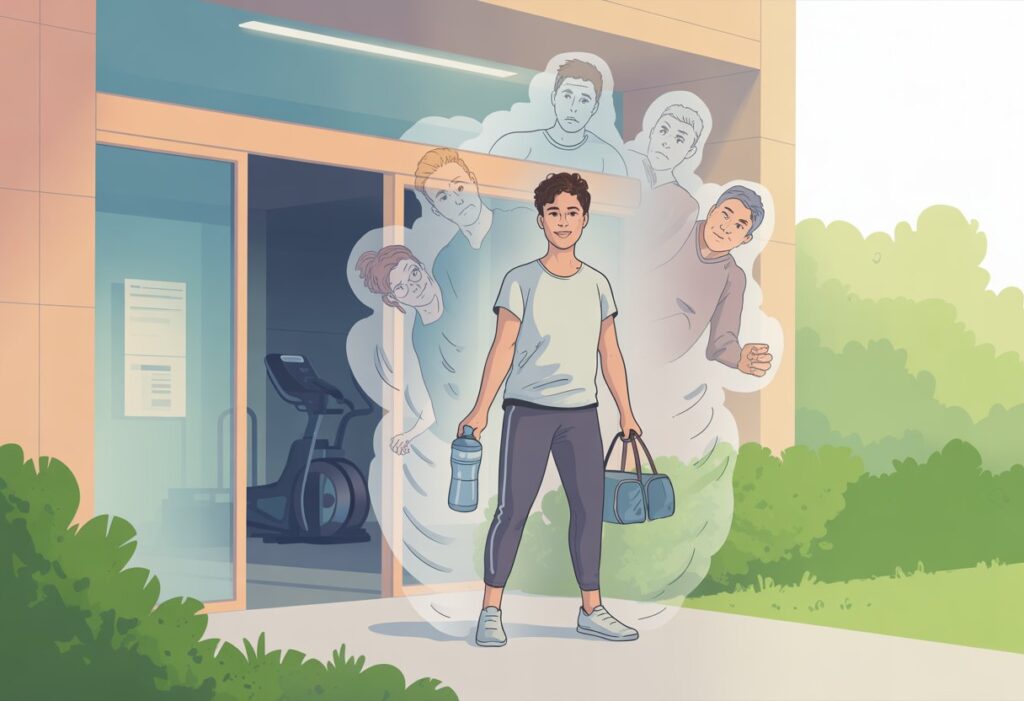
Many people struggle with traditional gym settings due to specific psychological, social, and environmental factors that make the experience uncomfortable or unsustainable. The barriers go beyond simple laziness and often involve deeper issues with motivation, atmosphere, and personal preferences.
Common Barriers to Gym Motivation
Cost stands as a major obstacle for many individuals. Monthly gym memberships range from $10 to over $100, and some people feel guilty paying for a service they don’t use regularly. The financial pressure creates stress rather than motivation.
Time constraints make gym visits difficult to fit into busy schedules. Commuting to a gym, changing clothes, working out, showering, and returning home can take two hours or more. People with jobs, families, or long commutes often can’t dedicate this much time to exercise.
Lack of knowledge about equipment and proper form intimidates newcomers. Walking into a gym filled with complex machines and free weights can feel overwhelming. Many people worry about injuring themselves or looking foolish in front of experienced gym-goers.
Previous negative experiences also create lasting barriers. Someone who felt judged, injured themselves, or had an uncomfortable interaction may avoid gyms entirely. These memories stick and make it harder to try again.
The Psychology of Hating Exercise
The absence of intrinsic motivation makes exercise feel like a chore rather than an enjoyable activity. When people exercise solely because they think they should, rather than because they want to, they rarely stick with it long-term.
Habit formation requires consistent repetition over weeks or months. Most people give up before exercise becomes automatic. Research shows it takes an average of 66 days for a new behavior to become a habit, but many quit within the first two weeks.
Perfectionist thinking sabotages progress. People often believe they need to work out intensely for an hour or it doesn’t count. This all-or-nothing mindset prevents them from starting small and building gradually.
Negative self-talk during workouts reinforces the dislike of exercise. When someone’s internal dialogue focuses on discomfort, difficulty, or inadequacy, the brain associates physical activity with negative emotions. This mental pattern becomes harder to break over time.
Social and Environmental Factors
The atmosphere in some gyms feels competitive rather than supportive. Pressure to look a certain way or lift a certain amount[1] discourages many people before they even start. This comparison culture creates anxiety instead of encouragement.
Crowded facilities during peak hours make equipment access frustrating. Waiting for machines interrupts workout flow and wastes time. The noise, mirrors everywhere, and lack of personal space can feel overwhelming for introverted or self-conscious individuals.
Gender-related discomfort affects many women in particular. Some experience unwanted attention, comments, or staring that makes them feel unsafe or uncomfortable. This creates a genuine barrier to regular gym attendance.
Physical accessibility issues exclude people with disabilities or mobility limitations. Not all gyms have appropriate equipment, ramps, or staff training to accommodate diverse needs.
Redefining Exercise Beyond the Gym
Physical activity exists in countless forms outside traditional gym walls. Swimming, hiking, dancing, and skiing[2] all provide excellent workouts while feeling more like recreation than structured exercise. Finding enjoyable movement makes consistency easier.
Daily activities offer hidden workout opportunities. Taking stairs instead of elevators, walking for errands, doing household chores vigorously, and playing with children all burn calories and build strength. These activities integrate movement into existing exercise routines without requiring extra time.
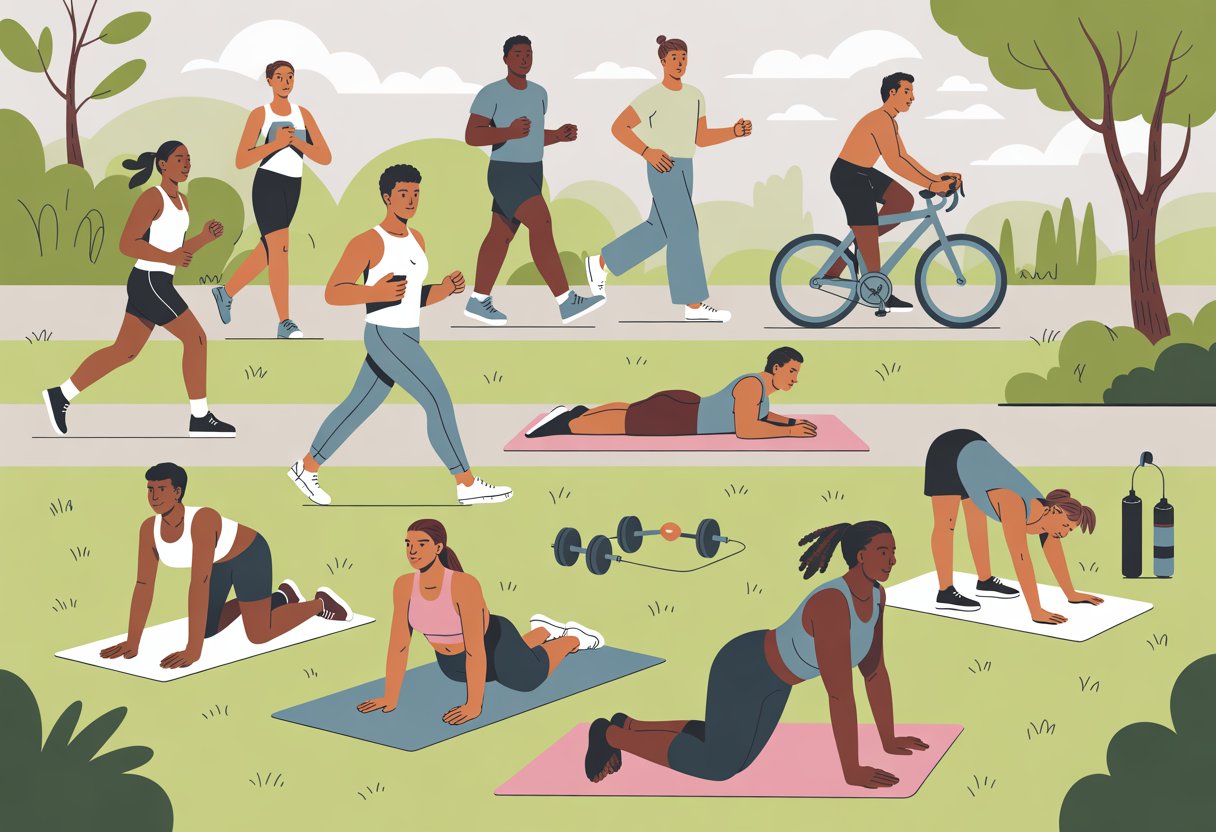
Outdoor environments provide free alternatives to gym workouts. Parks, playgrounds, and trails offer space for bodyweight exercises, running, and sports. Fresh air and natural settings often make physical activity more pleasant than fluorescent-lit indoor facilities.
Home-based workouts eliminate many gym barriers entirely. Seven-minute high-intensity circuits, yoga videos, resistance band exercises, and bodyweight training require minimal equipment. People can exercise on their own schedule without commuting or worrying about others watching them.
Finding Enjoyable Alternatives to the Gym
Exercise doesn’t require expensive equipment or a gym membership to be effective. Many activities provide excellent physical activity while keeping the experience fresh and entertaining.
Transforming Exercise Into Fun Activities
Dancing stands out as one of the most entertaining ways to get moving. A person can burn 200-400 calories per hour while dancing to their favorite music at home or joining a local dance class.
Hula hooping workouts[3] offer another playful option that delivers serious results. Research shows people can burn an average of seven calories per minute, which equals about 210 calories in 30 minutes. This matches the calorie burn of cardio kickboxing.
Rock climbing provides both physical challenge and mental engagement. The activity builds strength throughout the entire body while improving flexibility. Indoor climbing gyms offer different wall difficulties so beginners can start easy and progress over time.
Outdoor yoga combines the benefits of stretching with nature’s calming effects. Someone can practice poses on a beach, in a park, or even on a hiking trail. The change of scenery makes the workout feel less like traditional exercise.
Incorporating Physical Activity Into Daily Life
A brisk walk serves as the simplest way to add movement without feeling like a workout. Walking to run errands, taking phone calls while strolling, or parking farther from store entrances all count as exercise.
Bodyweight squats can happen anywhere throughout the day. A person might do 10 squats while waiting for coffee to brew or during TV commercial breaks. These small bursts add up to meaningful strength gains.
Taking stairs instead of elevators turns a daily necessity into a mini cardio session. Even two flights of stairs several times per day improves cardiovascular fitness. Gardening and yard work provide another way to stay active while accomplishing practical tasks.
Active Hobbies That Don’t Feel Like Workouts
Playing recreational sports offers social connection alongside physical benefits. Joining a casual basketball, soccer, or volleyball league makes exercise feel like playtime rather than work.
Swimming and water activities provide low-impact full-body workouts. Whether it’s swimming laps, playing pool games, or trying paddleboarding, water-based movement is gentle on joints while building endurance.
Exploring new hiking trails combines adventure with cardio. The varied terrain and scenery keep the mind engaged while jogging or running on flat paths might feel monotonous. Someone can start with easy trails and gradually tackle more challenging routes as fitness improves.
Building a Consistent Exercise Habit at Home
The key to successful habit formation lies in creating consistent contexts[4] through environment, routine structure, and strategic scheduling. These three elements work together to make exercise automatic rather than something that requires constant willpower.
Creating an Inviting Environment
A dedicated workout space helps the brain associate a specific area with physical activity. This doesn’t require an entire room. A corner with a yoga mat, some resistance bands, and enough space to move works perfectly fine.
The area should be clean and free of clutter. Good lighting makes a difference in both mood and safety during movement. Some people add a small speaker for music or keep a water bottle nearby.
Visual cues strengthen the exercise habit. Laying out workout clothes the night before or keeping exercise equipment visible serves as a reminder. When the yoga mat stays rolled out in the corner, it acts as a daily prompt to move.
Temperature matters too. A space that’s too cold or too hot makes starting harder. The goal is removing any excuse that might prevent someone from beginning their workout.
Structuring Simple At-Home Routines
At-home workout routines[5] don’t need to be complicated to build an effective exercise routine. Starting with basic bodyweight movements like squats, push-ups, and planks provides a solid foundation.
A simple structure might look like this:
- 5 minutes of light movement to warm up
- 15-20 minutes of main exercises
- 5 minutes of stretching to cool down
People who start exercising should focus on consistency over intensity. Three 20-minute sessions per week beats one exhausting hour-long workout that leads to burnout.
Beginner-friendly exercises[6] include wall push-ups, chair squats, and modified planks. These can be done without any equipment and adjusted based on current fitness level.
Scheduling for Success
Exercise becomes a habit[7] when it happens at the same time each day. The brain starts expecting the activity and prepares for it automatically.
Morning workouts work well for people who have unpredictable afternoons. Evening sessions suit those who aren’t morning people. The best time is whenever someone can maintain consistency.
Blocking off time on a calendar makes exercise a real appointment. Treating it like a meeting with a doctor or important work commitment increases follow-through.
Starting with just 10 minutes makes scheduling easier. Someone struggling to find time can break this into two 5-minute sessions. Once the habit forms, duration can increase naturally.
Making Movement Social and Supportive
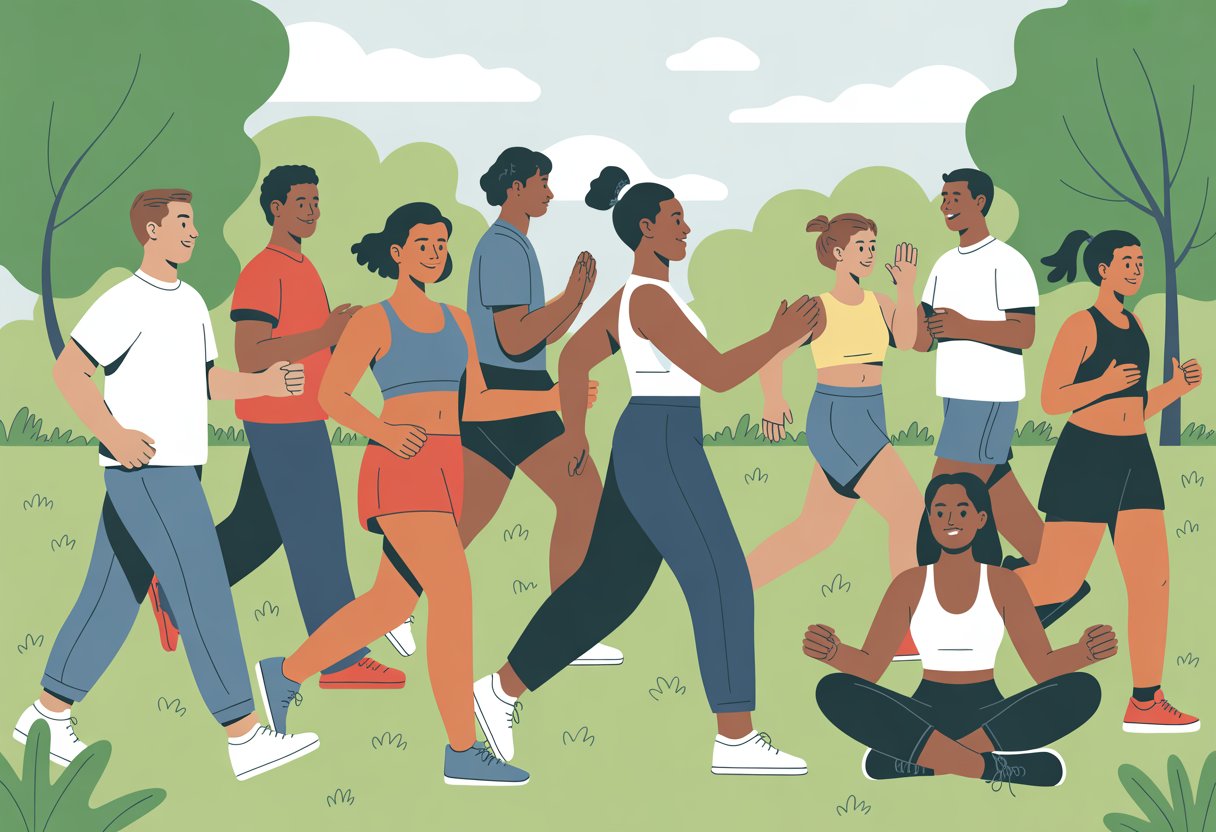
Working out with others can transform exercise from a dreaded task into an enjoyable activity. Social connections provide both immediate motivation and long-term accountability that helps people stick with physical activity even when they don’t enjoy traditional workouts.
Partnering Up for Motivation
Finding a workout partner changes the entire exercise experience. When someone agrees to meet a friend for a walk or workout, they become less likely to skip it because they don’t want to let the other person down.
Research shows that people exercise for longer[8] when they work out with family members and friends compared to those who exercise alone. A partner provides instant accountability and makes the time pass faster through conversation.
The best workout partners share similar fitness levels and goals. They should also have compatible schedules to make meeting up realistic. Even virtual partnerships work well, where friends text each other before and after workouts to stay connected.
Community and Team-Based Activities
Group activities offer built-in social support without the pressure of one-on-one partnerships. Walking clubs, recreational sports leagues, and group fitness classes create natural communities around movement.
Team-based activities add an element of fun that individual workouts often lack. Playing softball, joining a hiking group, or taking a dance class shifts the focus from pure exercise to shared experiences. People often work harder without realizing it when engaged in activities they genuinely enjoy.
Dog walking groups provide another social option. Dog walkers exercise more often and for longer[8] than people without dogs, and they feel safer and more connected in their neighborhoods.
Accountability Strategies
External accountability helps people maintain an exercise habit until intrinsic motivation develops. Setting up systems that create consequences for skipping workouts taps into powerful behavioral triggers.
Some people make financial commitments by signing contracts where they lose money if they don’t meet their physical activity goals. This approach uses loss aversion to drive behavior change.
Other effective strategies include:
- Sharing goals publicly on social media or with friends
- Scheduling workouts like important appointments
- Tracking progress with fitness apps that friends can view
- Joining challenges with coworkers or online communities
It takes three to four months to form an exercise habit. During this period, external accountability bridges the gap until working out becomes automatic.
Effective Alternatives to Traditional Cardio
Running on a treadmill isn’t the only way to improve cardiovascular health. Many people find success with outdoor activities, dance-based workouts, and technology-driven fitness games that make movement feel less like exercise.
Brisk Walking and Jogging Outdoors
A brisk walk offers an accessible entry point for anyone starting a cardio routine. Walking at a pace of 3 to 4 miles per hour elevates the heart rate without the joint impact of running.
Jogging outdoors provides additional benefits beyond what indoor cardio machines offer. Fresh air and changing scenery reduce workout boredom. The natural terrain creates varied resistance that engages different muscle groups.
Interval training works well for outdoor walking and jogging. A person can alternate between 2 minutes of brisk walking and 1 minute of jogging. This approach builds endurance gradually while keeping the workout interesting.
Outdoor routes also eliminate common gym-related stress. No waiting for equipment or crowded facilities. Just consistent physical activity in a natural environment.
Dancing and Recreational Sports
Dance-based workouts disguise cardio as entertainment. Hula hooping workouts burn seven calories per minute[3], which equals 210 calories in 30 minutes.
Sports leagues and recreational games provide cardio through play rather than structured exercise. Basketball, tennis, and volleyball all elevate heart rate while focusing attention on the game itself. The competitive or social elements distract from physical exertion.
Group dance classes remove the self-consciousness some people feel at traditional gyms. Everyone learns together in a supportive environment. The music and choreography create structure without the monotony of repetitive cardio movements.
Gamifying Movement with Apps and Video Games
Fitness apps transform physical activity into challenges and competitions. Step-counting apps turn daily walking into a game with badges and streaks. Users compete against themselves or friends to reach movement goals.
Video game systems with motion controls make cardio interactive. Boxing games, rhythm-based dancing games, and virtual sports create engaging workouts. Players focus on gameplay rather than exercise intensity.
These technologies track progress automatically. Heart rate data, calories burned, and workout duration appear without manual logging. The immediate feedback helps people see results and maintain motivation.
Some apps incorporate interval training into game formats. Short bursts of high-intensity movement alternate with recovery periods. This structure builds cardiovascular fitness while keeping sessions under 20 minutes.
Strength Training Without Equipment
Building muscle and getting stronger doesn’t require dumbbells or machines. Bodyweight exercises work the same major muscle groups[9] as gym equipment and can be done anywhere with just a small amount of floor space.
Bodyweight Exercises for Beginners
Push-ups stand out as one of the most effective upper body exercises. They work the chest, shoulders, and triceps while engaging the core for stability. Beginners can start with wall push-ups or knee push-ups before moving to standard push-ups with straight legs.
Squats target the largest muscles in the body. The bodyweight squat works the quadriceps, glutes, and inner thighs[9] while improving balance and coordination. A person should stand with feet shoulder-width apart and lower down as far as their mobility allows.
Lunges strengthen each leg individually. They help fix muscle imbalances since most people have one leg that’s stronger than the other. The basic forward lunge involves stepping forward and sinking down until the back knee nearly touches the floor.
Bench dips require only a sturdy chair or bench. This exercise primarily targets the triceps on the back of the arms. Someone can make it easier by bending their knees or harder by extending their legs straight out.
Elevate Your Health for Just $29.99/Month
Join the Precision Wellness Subscription at My Healing 365 and get discounted services, priority coaching access, virtual care, and exclusive wellness resources to support your physical, emotional, and hormonal health.
Join for $29.99/MonthThe Benefits of Bodyweight Squats and Push-Ups
Research shows that push-ups build chest and triceps muscle just as effectively as bench presses, especially for people new to strength training. They require zero equipment and can be modified to match any fitness level.
Squats burn more calories than isolation exercises because they involve the largest muscle groups. The movement pattern translates directly to everyday activities like climbing stairs and standing up from chairs. Regular squatting also maintains flexibility in the hips, knees, and ankles.
Both exercises allow for easy progression. A person can do more repetitions, slow down the movement, or change the angle to increase difficulty. For push-ups, elevating the feet makes them harder. For squats, trying single-leg pistol squats adds a major challenge.
Adding weight is simple without gym equipment. Filling a backpack with books or water bottles creates resistance for both movements. This approach lets someone continue building strength as bodyweight alone becomes too easy.
Mixing Strength and Cardio for Maximum Impact
Combining strength exercises with cardio elements creates efficient workouts that build muscle while improving heart health. Jumping lunges add explosive power and elevate heart rate between regular strength sets.
Reducing rest time between exercises turns strength training into vigorous activity. Cutting rest from 90 seconds down to 30 seconds keeps the heart rate elevated throughout the workout. This method saves time while providing both strength and cardiovascular benefits.
Circuit training involves rotating through different exercises with minimal rest. A person might do push-ups, then squats, then lunges, then repeat the cycle. This format prevents boredom and works different muscle groups while maintaining an elevated heart rate.
Step-ups on stairs or a sturdy chair combine strength and cardio naturally. Research indicates this exercise activates the glutes more than squats or hip thrusts[9] while also raising heart rate as physical activity intensity increases.
Establishing Motivating Routines and Rewards
Building a sustainable exercise routine requires clear goals and positive reinforcement that keeps people moving even when initial enthusiasm fades. The right rewards and progress markers transform exercise from a dreaded chore into a habit worth maintaining.
Setting Realistic Exercise Goals
People who hate the gym often fail because they set unrealistic fitness goals[10] that lead to burnout and disappointment. Someone who hasn’t exercised in years shouldn’t aim to work out six days a week immediately.
A better approach involves breaking down larger goals into smaller targets. For example:
- Short-term goal (2-3 weeks): Walk 15 minutes three times per week
- Medium-term goal (3 months): Complete 30-minute walks five days per week
- Long-term goal (6 months): Add bodyweight exercises twice weekly
Starting slow allows the body to adapt without injury. Someone might begin with just 10 minutes of movement and gradually increase duration and frequency. This method builds intrinsic motivation because each small success creates confidence.
Writing goals down and placing them somewhere visible creates accountability. However, these goals must align with actual abilities and lifestyle constraints, not idealized versions of what exercise “should” look like.
Tracking Progress and Celebrating Wins
Recording fitness achievements provides concrete evidence of improvement when motivation wavers. A simple notebook works just as well as fancy apps or wearables.
People should track metrics beyond weight or appearance:
- Number of workouts completed each week
- Energy levels throughout the day
- Sleep quality improvements
- Mood changes after activity
- Increased stamina during daily tasks
Celebrating these wins reinforces the exercise habit[7] and strengthens the connection between effort and results. Someone might notice they can climb stairs without getting winded or play with their kids without exhaustion. These real-world improvements matter more than abstract fitness benchmarks.
Milestones deserve recognition at regular intervals. Completing two weeks of consistent movement is an achievement. Finishing a full month proves the routine is sticking.
Reward Systems That Actually Work
Effective rewards strengthen the desire to start exercising without undermining health goals. Food-based rewards often backfire and create negative associations with exercise.
Non-food rewards that support intrinsic motivation include:
| Milestone | Reward Example |
|---|---|
| 1 week consistent | Extra episode of favorite show |
| 2 weeks consistent | New workout playlist or podcast |
| 1 month consistent | Comfortable athletic shoes |
| 3 months consistent | Massage or spa treatment |
| 6 months consistent | Weekend getaway or hobby investment |
The best rewards connect to personal interests. Someone who loves reading might reward themselves with a new book. A music enthusiast might download premium songs for their workout playlist.
Immediate small rewards work better than distant large ones. Listening to an engaging podcast only during walks creates anticipation for the next session. This strategy transforms exercise into the gateway to something enjoyable rather than a punishment to endure.
Overcoming Discomfort and Negative Associations
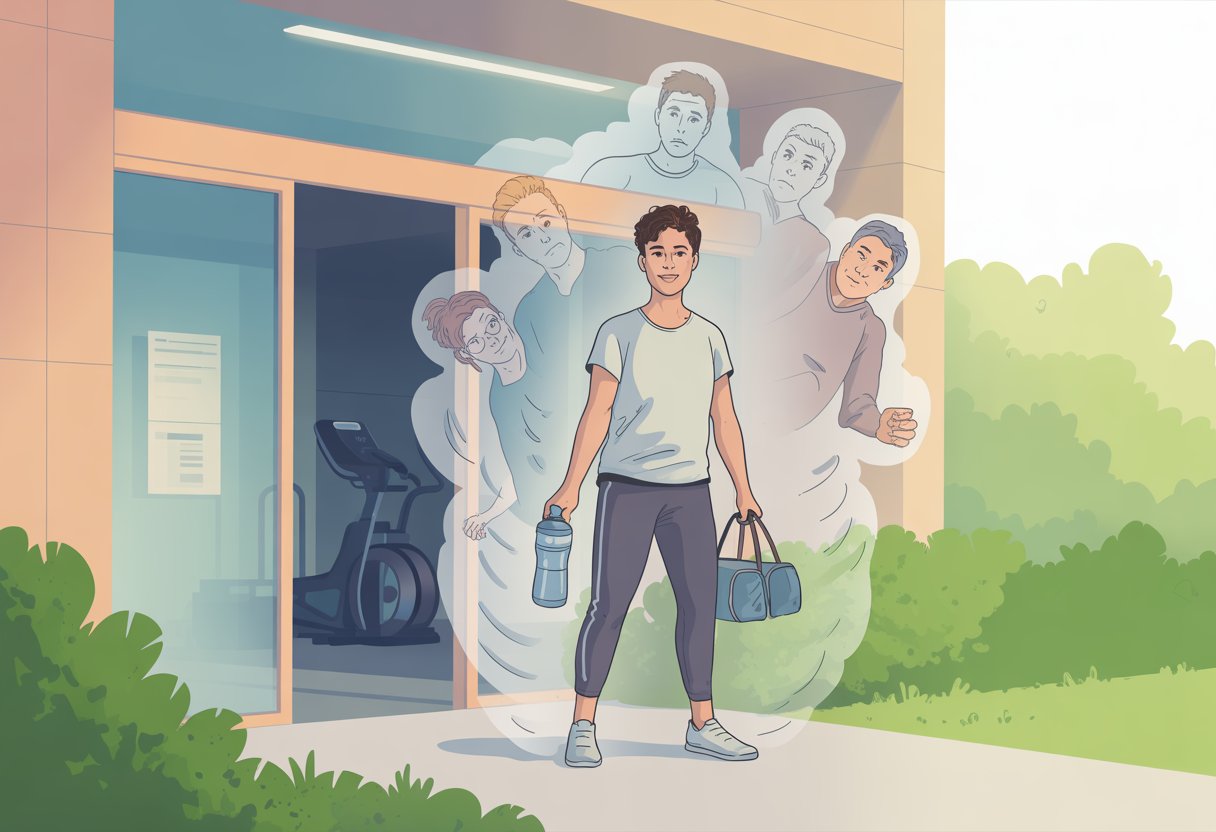
Many people struggle with exercise because past experiences have linked physical activity with pain, embarrassment, or punishment. Building a healthier relationship with movement requires adjusting the challenge level to match current abilities, finding ways to make activity more pleasant, and reframing why someone chooses to move their body.
Adapting Intensity to Your Level
Starting at the wrong intensity causes unnecessary discomfort and reinforces negative feelings about exercise. A person doesn’t need to push themselves to exhaustion or engage in vigorous activity to get health benefits.
Low-impact options work just as well for building a foundation. Walking at a comfortable pace, gentle stretching, or easy cycling all count as valuable physical activity. The key is finding a level that feels challenging but not overwhelming.
Managing challenges when building fitness[11] means knowing when to push forward and when to scale back. Someone should be able to hold a conversation during most workouts. If they can’t catch their breath or feel pain beyond normal muscle fatigue, the intensity is too high.
Progress happens through consistency, not through forcing the body beyond its current capacity. Gradually increasing duration or difficulty over weeks and months produces better long-term results than starting too hard and quitting.
Pairing Movement With Enjoyable Activities
Combining physical activity with something pleasurable helps create positive associations. A person can listen to their favorite podcast only during walks, watch an engaging show while using a stationary bike, or play upbeat music during movement sessions.
Social connection also transforms the experience. Moving with a friend, joining a casual sports league, or participating in group dance classes shifts the focus from exercise as work to movement as social time.
The environment matters too. Some people prefer outdoor settings like parks or trails over indoor spaces. Others enjoy the structure of following along with online videos in their living room. Experimenting with different contexts helps identify what feels most natural and appealing.
Shifting Mindset From Punishment to Self-Care
Viewing exercise as punishment for eating or for having a certain body type creates a harmful cycle. This perspective relies on external pressure rather than intrinsic motivation, making it difficult to maintain any routine.
Reframing movement as a form of self-care changes the entire relationship. Physical activity reduces stress, improves sleep quality, and boosts mood through natural chemical changes in the brain. These benefits happen regardless of weight loss or appearance changes.
A person can ask themselves what their body needs on any given day. Sometimes that means gentle stretching. Other times it might mean a more energetic activity. Listening to internal cues rather than external rules builds a sustainable practice based on self-respect rather than self-criticism.
Following Physical Activity Guidelines for Health
Adults need a specific amount of physical activity each week to maintain good health. Meeting these targets involves understanding the difference between moderate and vigorous exercise, then adding strength work to build a complete routine.
Understanding National Recommendations
Health authorities recommend that adults aged 18-65 get at least 150 minutes of moderate-intensity physical activity each week. For better health outcomes, aiming for 300 minutes per week[12] provides greater benefits.
Moderate-intensity exercise includes activities like brisk walking, light cycling, or mowing the lawn. These activities increase heart rate but still allow for conversation.
People who prefer more intense workouts need less time. Vigorous activity requires only 75-150 minutes per week. Any amount of movement helps, even if someone can’t meet the full guidelines right away.
Balancing Moderate and Vigorous Activity
Vigorous activity involves exercises intense enough that holding a conversation becomes difficult. Running, jogging, or playing sports like tennis or football fall into this category.
The key difference lies in intensity and duration. Someone can walk briskly for 150 minutes weekly or jog for 75 minutes and achieve similar health benefits. Many people combine both types throughout their week.
Activity Intensity Comparison:
| Intensity Level | Weekly Minutes Needed | Example Activities |
|---|---|---|
| Moderate | 150-300 minutes | Brisk walking, cycling, lawn mowing |
| Vigorous | 75-150 minutes | Jogging, running, competitive sports |
Mixing both types adds variety and keeps an exercise habit interesting. Someone might walk on weekdays and play basketball on weekends.
Incorporating Strength and Aerobic Training
Strength training should happen at least twice per week. These exercises include lifting weights, doing push-ups, or using resistance bands. Different physical activities provide different benefits[12], so variety matters.
Muscle-strengthening work keeps bones dense and muscles strong. It prevents age-related muscle loss and supports daily activities.
A balanced routine combines aerobic exercise with strength work. Someone might walk three days weekly and add two strength sessions. This approach builds endurance while maintaining muscle mass and bone health.
Starting Small and Building Long-Term Consistency
The key to making exercise stick when gyms feel off-putting is to begin with manageable actions and adapt your approach as life changes. Small daily movements create stronger habits than sporadic intense workouts, and flexibility in activity choices prevents burnout.
Micro-Habits for Life-Long Change
Starting with tiny actions makes habit formation much easier than jumping into a full workout plan. A person might begin with just five minutes of movement each day, like a short walk around the block or ten jumping jacks after brushing their teeth.
These micro-habits work because they remove the mental barrier of commitment. Someone can tell themselves they only needs to put on sneakers and step outside for two minutes. Often, they’ll end up moving longer once they start.
Effective micro-habits include:
- Walking for 5-10 minutes after meals
- Doing 10 squats before morning coffee
- Stretching during TV commercials
- Taking the stairs instead of elevators
- Parking farther from store entrances
The goal is to make the action so small that skipping it feels harder than doing it. Once the habit becomes automatic after a few weeks, a person can gradually increase duration or intensity. This approach builds intrinsic motivation because each small win creates positive feelings about movement.
Adapting When Motivation Slips
Everyone experiences days when they don’t want to move, and maintaining consistency matters more than intensity[10]. On low-energy days, a person can switch to gentler activities rather than skipping exercise entirely.
A ten-minute walk counts as maintaining the exercise routine even when a longer session feels impossible. The act of showing up reinforces the habit, while taking a complete break can make restarting harder.
People should pay attention to whether lack of motivation stems from genuine fatigue or just mental resistance. Physical tiredness might call for restorative activities like gentle stretching or slow walking. Mental resistance often fades once movement begins.
Adapting strategies include:
- Reducing workout time by half on difficult days
- Switching to enjoyable low-effort activities
- Moving earlier in the day before energy dips
- Doing activities indoors when weather feels discouraging
Staying Flexible With Your Activity Choices
Discovering workouts someone enjoys[10] increases the likelihood they’ll stick with regular movement long-term. A person who hates running shouldn’t force themselves to run when dancing, swimming, or hiking might bring more joy.
Having multiple activity options prevents boredom and accommodates different moods, schedules, and physical needs. Someone might prefer energizing activities like bike rides on some days and calming yoga sessions on others.
Weather, time constraints, and energy levels all affect which activities feel manageable. A person with thirty minutes might choose a brisk neighborhood walk, while someone with just ten minutes could do bodyweight exercises at home.
Activity variety might include:
- Outdoor options: Walking trails, cycling, gardening, outdoor yoga
- Indoor alternatives: Dancing, online workout videos, cleaning with extra movement
- Social choices: Group sports, walking with friends, active community events
- Solo activities: Swimming, hiking, skateboarding, jump rope
Flexibility also means adjusting expectations based on life circumstances. A parent might split exercise into three ten-minute sessions throughout the day rather than one thirty-minute block.
Adapting Exercise to Your Lifestyle and Preferences
Exercise works best when it fits naturally into daily life and matches personal interests. The right approach considers individual schedules, environmental factors, and activity preferences to create a sustainable routine.
Personalizing Your Routine
A successful exercise routine aligns with natural energy patterns and lifestyle constraints. Morning people benefit from scheduling workouts before work, while night owls perform better with evening sessions. Those with unpredictable schedules can break physical activity into shorter segments throughout the day.
Time-based options include:
- 30-minute continuous sessions
- Three 10-minute blocks spread across the day
- Weekend-focused longer workouts when weekdays are busy
Personal preferences matter more than following popular trends. Someone who dislikes running can choose cycling, swimming, or dancing instead. The activity itself matters less than consistency. People with joint concerns might prefer low-impact options like walking or water exercises, while those seeking intensity can try interval training or sports.
Success comes from choosing activities that make you feel happy and confident[13] rather than forcing uncomfortable workouts.
Seasonal and Environmental Adaptations
Weather and climate changes require flexible planning. Summer heat calls for early morning or evening outdoor activities, while winter conditions might shift exercise indoors. Indoor alternatives maintain consistency without weather disruptions.
Seasonal adjustments:
| Season | Outdoor Options | Indoor Alternatives |
|---|---|---|
| Summer | Early morning walks, swimming | Air-conditioned gym, home workouts |
| Winter | Brisk daytime walks, winter sports | Mall walking, fitness videos |
| Rainy | Covered areas, quick sessions | Stairs, bodyweight exercises |
Temperature extremes demand proper hydration and clothing choices. Heat requires lightweight, breathable fabrics and increased water intake. Cold weather needs layered clothing that wicks moisture while providing warmth.
Mixing and Matching Activities for Variety
Combining different activities prevents boredom and works various muscle groups. A weekly plan might include walking on Monday, interval training on Wednesday, and a recreational sport on Saturday. This variety reduces repetitive stress injuries while maintaining interest.
Sample weekly mix:
- Two days of cardio (running, cycling)
- Two days of strength-based activities
- One day of flexibility work
- Two rest or light activity days
Rotating between solo and group activities provides social variety. Individual walks offer quiet reflection time, while team sports or fitness classes add social connection. Adapting your fitness routine for every stage of life[14] ensures long-term sustainability.
Physical limitations or health conditions require modifications rather than complete avoidance. Lower-intensity versions of most activities exist, allowing participation at appropriate levels.
Frequently Asked Questions
Starting an exercise routine brings up common concerns about motivation, finding enjoyable activities, and managing specific health conditions. These answers address practical ways to begin moving more without relying on traditional gym workouts.
What are the best ways to start exercising if you feel out of shape and unmotivated?
Someone feeling out of shape should start with just five to ten minutes of activity per day. Short walks around the block, gentle stretching, or light housework all count as movement. The goal is building consistency rather than intensity.
Modest amounts of physical activity[13] added to a weekly routine can improve mental and emotional health. A person doesn’t need to spend hours working out to see benefits. Adding movement gradually prevents the frustration that comes from expecting too much too soon.
Pairing exercise with something enjoyable makes it easier to stick with. Someone can listen to music while walking, watch a favorite show while doing bodyweight exercises, or call a friend during a stroll. These combinations make the time pass faster and create positive associations with movement.
Which at-home workouts are genuinely fun and easy to stick with for beginners?
Dance-based workouts like Zumba or dance videos appeal to people who enjoy music and rhythm. These activities don’t feel like traditional exercise because they focus on having fun rather than counting repetitions.
Activity-based video games provide another engaging option. Games that require standing and moving can burn as many calories as walking on a treadmill. These interactive experiences work well for people who enjoy gaming and want to combine it with physical activity.
Bodyweight exercises at home require no equipment and can be done in small spaces. Simple movements like squats, modified push-ups, and planks build strength gradually. A person can follow along with free online videos or create their own simple routine.
How can you lose weight if you dislike traditional workouts and cardio?
Weight loss happens when someone burns more calories than they consume through any form of movement. Yard work, gardening, house cleaning, and playing with kids or pets all burn calories without feeling like structured exercise.
Walking remains one of the most accessible activities for weight loss. A person can walk in their neighborhood, at a mall, or around a park. Breaking up walks into multiple short sessions throughout the day works just as well as one longer walk.
Daily activities can be modified to increase calorie burn. Taking stairs instead of elevators, parking farther away, or doing household chores at a faster pace all add up. These small changes fit naturally into existing routines without requiring dedicated workout time.
What are effective methods to build muscle without doing conventional gym routines?
Bodyweight exercises build muscle using only a person’s own weight as resistance. Push-ups, squats, lunges, and planks all create muscle growth when done regularly. Progressive difficulty can be added by changing the angle, speed, or number of repetitions.
Resistance bands offer portable strength training without heavy equipment. These bands come in different resistance levels and can target all major muscle groups. They work well for home use and cost much less than gym memberships.
Everyday objects can serve as weights for strength training. Milk jugs filled with water, heavy books, or bags of rice provide resistance for arm exercises. Carrying groceries, moving furniture, or doing heavy yard work also builds functional strength.
Which types of exercise can help lower A1c and improve blood sugar control?
Walking after meals helps control blood sugar spikes. A ten to fifteen minute walk following breakfast, lunch, or dinner can lower glucose levels more effectively than walking at other times. This timing helps the body use the glucose from food more efficiently.
Resistance training improves insulin sensitivity and helps muscles absorb glucose from the bloodstream. Even simple bodyweight exercises done two to three times per week can lower A1c levels over time. Building muscle mass increases the body’s ability to process and store glucose.
Consistency matters more than intensity for blood sugar control. Regular daily movement, even if gentle, produces better results than occasional intense workouts. Activities like gardening, household chores, or leisure cycling all contribute to improved glucose management.
Which core exercises should someone with scoliosis avoid to reduce the risk of pain or injury?
People with scoliosis should avoid exercises that involve twisting the spine under load. Movements like Russian twists with weights or rotational medicine ball throws can strain an already curved spine. Exercises that involve extreme bending to one side may also increase discomfort.
Heavy lifting with poor form puts extra stress on a curved spine. Exercises like heavy deadlifts or weighted side bends without proper guidance can worsen pain. Anyone with scoliosis should consult a physical therapist before starting strength training.
High-impact activities that jar the spine may cause issues for some people with scoliosis. Jumping exercises, running on hard surfaces, or contact sports might need modification. Each person’s condition varies, so working with a healthcare provider helps identify which movements to avoid based on their specific curve pattern.
Post Views: 4
References
- Why Don’t More People Go to the Gym—and What Can You Do About It? Real Answers, Not Just Pep Talks. https://stoverpt.com/why-dont-more-people-go-to-the-gym-and-what-can-you-do-about-it-real-answers-not-just-pep-talks/ Accessed May 5, 2026
- Swimming, hiking, dancing, and skiing. https://www.byrdie.com/how-to-get-in-shape-when-you-hate-working-out Accessed May 5, 2026
- 6 Workouts To Try if You Hate the Gym. https://www.eatthis.com/alternative-workouts-if-you-hate-the-gym/ Accessed May 5, 2026
- 7 Tips for Making Exercise A Habit. https://howdyhealth.tamu.edu/7-tips-for-making-exercise-a-habit/ Accessed May 5, 2026
- The 10 Best at Home Workouts (No-Equipment!). https://www.nerdfitness.com/blog/the-7-best-at-home-workout-routines-the-ultimate-guide-for-training-without-a-gym/ Accessed May 5, 2026
- 15 Best Exercises to Do for Your Beginner At-Home Workout. https://www.hingehealth.com/resources/articles/how-to-exercise-at-home/ Accessed May 5, 2026
- How to Make Exercise a Daily Habit: 12 Science-Backed Strategies That Work. https://greatergoodhealth.com/patients/make-exercise-daily-habit/ Accessed May 5, 2026
- Research shows that people exercise for longer. https://www.hri.org.au/health/your-health/lifestyle/how-do-i-improve-my-motivation-to-exercise-when-i-really-hate-it-10-science-backed-tips Accessed May 5, 2026
- 10 Home Strength Training Exercises Without Equipment – StrengthLog. https://www.strengthlog.com/strength-training-exercises-at-home/ Accessed May 5, 2026
- Sticking to an Exercise Program: 25 Tips to Achieve Exercise Success. https://www.acefitness.org/resources/everyone/blog/8704/sticking-to-an-exercise-program-25-tips-to-achieve-exercise-success/ Accessed May 5, 2026
- No Pain, No Gain? Managing Challenges When Building Your Fitness. https://www.massgeneral.org/news/article/managing-challenges-when-building-your-fitness Accessed May 5, 2026
- Really Hate Exercise? These 10 Science-Based Tips Could Help You Get Motivated : ScienceAlert. https://www.sciencealert.com/really-hate-exercise-these-10-science-based-tips-could-help-you-get-motivated Accessed May 5, 2026
- How to Start Exercising and Stick to It – HelpGuide.org. https://www.helpguide.org/wellness/fitness/how-to-start-exercising-and-stick-to-it Accessed May 5, 2026
- Fitness at Any Age: Adapt Your Routine for Every Stage. https://www.jazzercise.com/about/blog/articleId/fitness-at-any-age-how-to-adapt-your-fitness-routine-for-every-stage-of-life Accessed May 5, 2026
























