If you’ve ever tried to lose weight, balance your blood sugar, or simply feel better in your body, you’ve probably heard the word “macros.” But most people still don’t really know what macros are — or how to use them without feeling overwhelmed.
At Twenty47 Health News, we break down health topics in a way that’s simple, practical, and grounded in real science. Today, we’re diving into the nutrition strategy that helps thousands of people improve their energy, metabolism, and body composition without dieting or deprivation.
Let’s make macros make sense.
Table of Contents
What Are Macros — and Why Do They Matter?
Macros — short for macronutrients — are the three main nutrients your body needs in large amounts:
-
Protein
-
Carbohydrates
-
Fats
These nutrients determine how you feel, how you perform, how you recover, and how your body uses energy.
Protein: The Repair & Recovery Nutrient
Protein supports muscle, immune function, metabolism, and satiety.
Most adults don’t eat nearly enough — which leads to cravings, fatigue, and slower progress.
Carbs: The Body’s Preferred Fuel
Carbs power your brain, workouts, hormones, and mood.
Carbs aren’t the enemy — unbalanced carbs are.
Fats: The Hormone & Brain Support System
Healthy fats help regulate hormones, support brain health, and keep you full longer.
Macros aren’t a diet. They’re simply a framework for understanding what your body needs.
Why Macros Matter More Than Calories
Calories tell you how much you’re eating.
Macros tell you what kind of nutrients you’re eating.
Two meals can have the same calories but completely different effects on your hunger, energy, and metabolism.
A 400‑calorie donut spikes blood sugar and leaves you hungry.
A 400‑calorie chicken‑rice‑veggie bowl stabilizes blood sugar and keeps you full.
This is why macro balance is more important than calorie counting alone.
The Most Common Macro Mistakes People Make
Most people don’t struggle because they’re “undisciplined.”
They struggle because they’re unknowingly making predictable nutrition mistakes:
-
Too little protein
-
Carbs eaten alone (causing energy crashes)
-
Fear of healthy fats
-
Eyeballing portions
-
Chronic undereating (slowing metabolism)
The good news? These are easy to fix once you understand the basics.
How to Calculate Your Macros (Without Math Anxiety)
Here’s a simple, practical way to set your macros:
1. Set Your Protein
Aim for 0.7–1.0 grams per pound of goal body weight.
Example:
Goal weight 150 lbs → 105–150g protein/day.
2. Set Your Fats
Most adults do well with 50–70 grams of fat per day.
3. Fill the Rest With Carbs
Carbs depend on activity level:
-
Active: more carbs
-
Sedentary: fewer carbs
Most adults land between 120–220 grams per day.
4. Adjust Based on Your Goal
-
Fat loss → high protein, moderate carbs
-
Muscle gain → higher carbs
-
Maintenance → balanced macros
Macros are a guide — not a rigid rulebook.
What Macro‑Balanced Meals Look Like
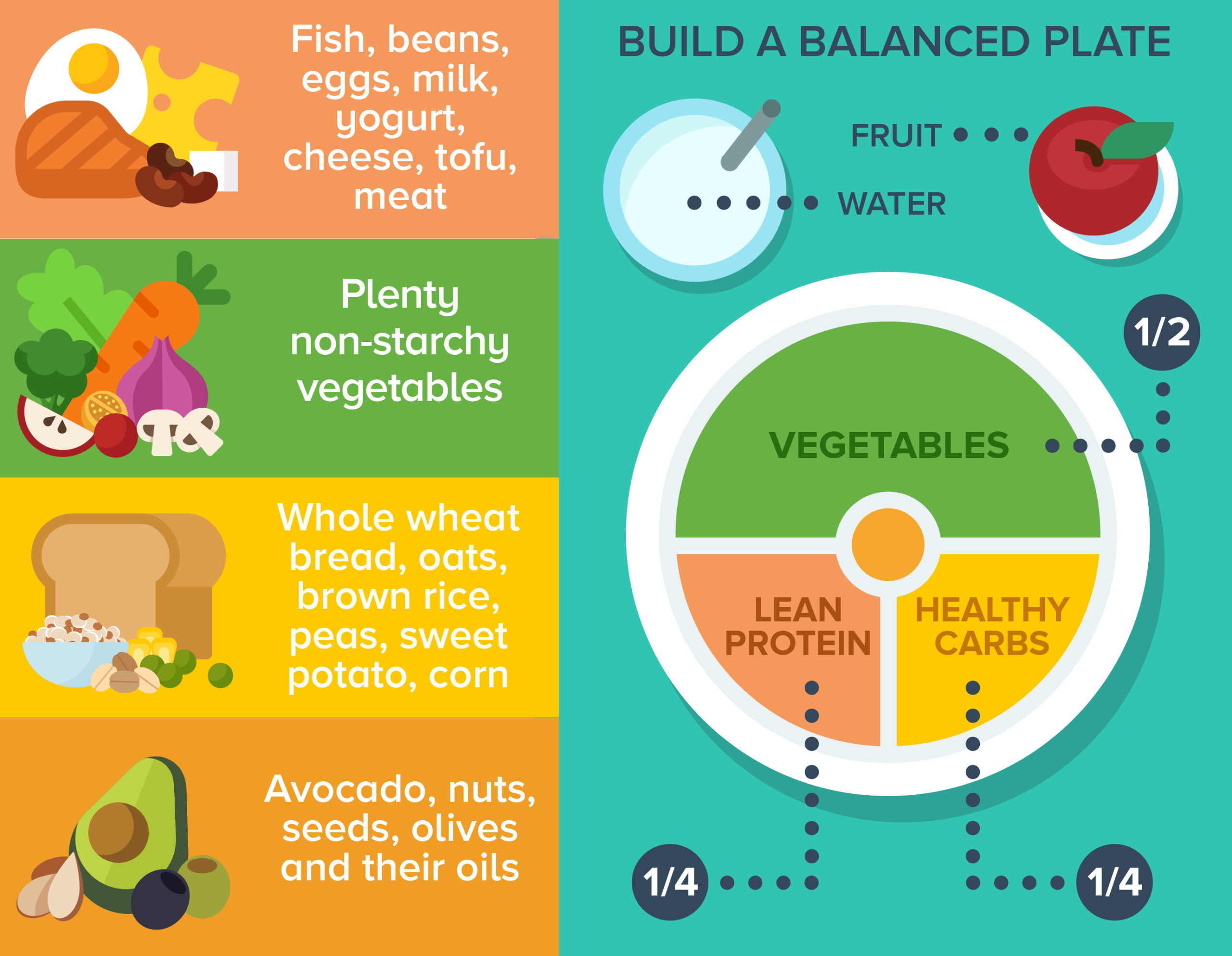
A macro‑balanced plate includes:
-
Protein source
-
Carb source
-
Healthy fat
-
Fiber (veggies or fruit)
Examples
Breakfast:
Greek yogurt + berries + chia seeds
or
Eggs + turkey sausage + fruit
Lunch:
Chicken bowl with rice, veggies, avocado
or
Tuna salad with crackers and fruit
Dinner:
Salmon + potatoes + asparagus
or
Lean beef tacos with salsa and guacamole
Balanced meals = stable energy, fewer cravings, and better results.
Macros for Fat Loss vs. Muscle Gain
Your macro balance should match your goal:
For Fat Loss
-
High protein
-
Moderate carbs
-
Slight calorie deficit
-
Strength training 2–4x/week
For Muscle Gain
-
High protein
-
Higher carbs
-
Slight calorie surplus
-
Strength training 3–5x/week
For Maintenance
-
Balanced macros
-
Consistent meals
-
Enough calories to support energy
Do You Need to Track Macros Forever?
Absolutely not.
Tracking is a temporary tool that builds awareness.
Once you understand your portions, you can transition to:
-
The hand‑portion method
-
Consistent meal patterns
-
Protein‑first eating
-
Carb timing around activity
The goal is not perfection — it’s consistency.
Final Thoughts
Macros aren’t about dieting. They’re about understanding your body so you can fuel it with confidence. When you balance your macros, you stabilize your energy, reduce cravings, support your metabolism, and make weight loss or muscle gain far more predictable.
If you want help calculating your macros or building a personalized plan, you can sign up for a Free Macros Consultation https://api.leadconnectorhq.
Elevate Your Health for Just $29.99/Month
Join the Precision Wellness Subscription at My Healing 365 and get discounted services, priority coaching access, virtual care, and exclusive wellness resources to support your physical, emotional, and hormonal health.
Join for $29.99/Month