Medically Reviewed
Dr. Jose Rossello, MD, PhD, MHCM
Preventive Medicine & Public Health Specialist
Last Reviewed: May 22, 2026
Yes, stress does cause inflammation in the body. When someone experiences ongoing stress, their body continuously produces cortisol, a stress hormone. This constant flood of cortisol creates inflammation throughout the body[1], which can lead to serious health problems over time.
The connection between stress and inflammation affects both mental and physical health. Research shows that stress triggers inflammation[2] by changing how the nervous and endocrine systems work. This isn’t just about feeling stressed or anxious. When stress becomes chronic and unmanaged, it weakens the immune system[3] by reducing white blood cells that fight infections.
Understanding how stress creates inflammation helps people take action to protect their health. The body’s stress response serves an important purpose in short bursts. But when stress never stops, inflammation builds up and makes people vulnerable to many chronic diseases.
Table of Contents
Key Takeaways
- Chronic stress causes the body to produce excess cortisol, which triggers widespread inflammation
- Stress-induced inflammation weakens the immune system and increases the risk of chronic diseases
- Managing stress through lifestyle changes and specific techniques can reduce inflammation and improve overall health
How the Body Responds to Stress
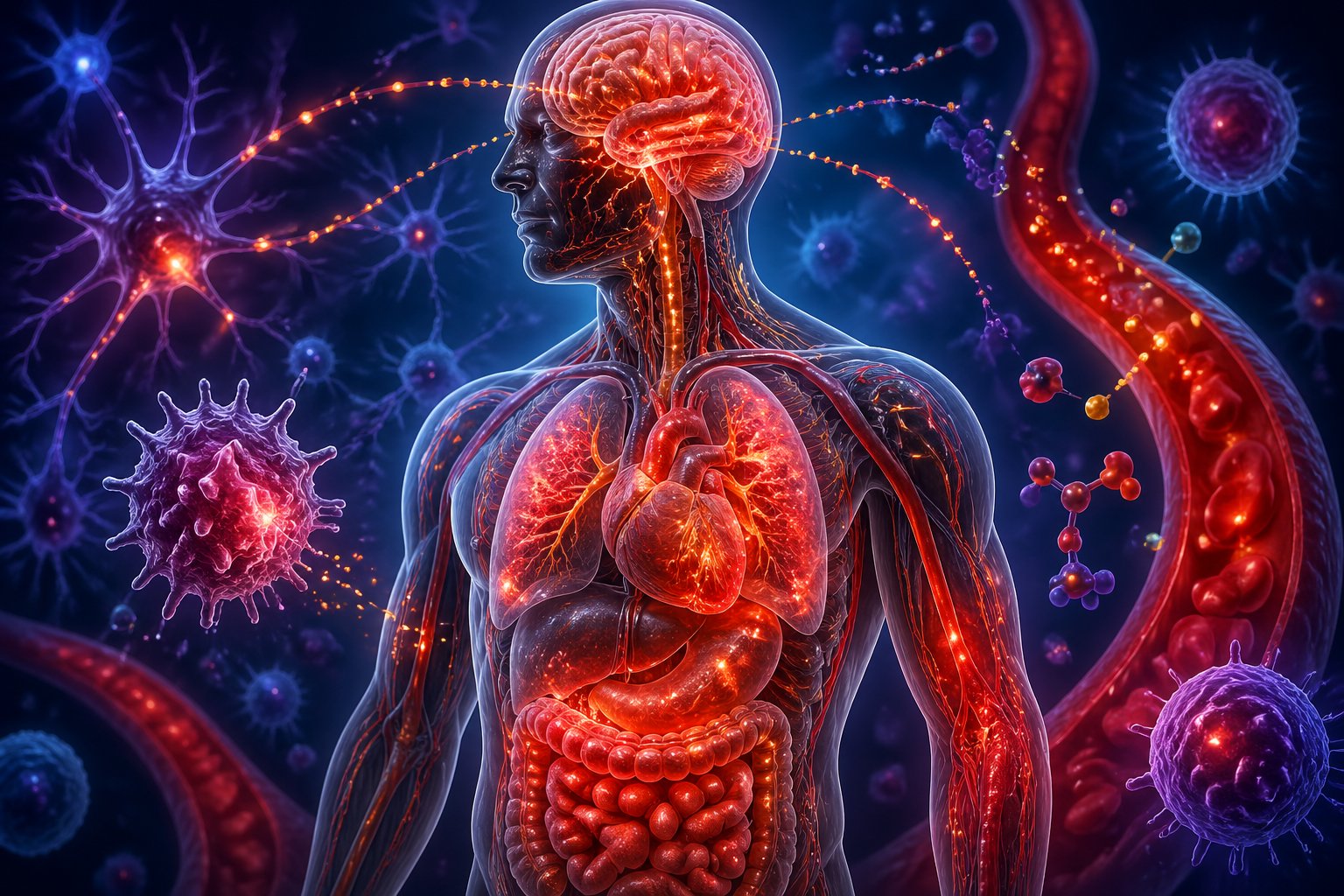
When a person faces a threat or challenge, their body launches a series of automatic responses designed to help them survive. The stress response triggers the release of specific hormones that prepare the body for immediate action, and the type of stress determines how long these changes last.
The Role of the Stress Response and ‘Fight or Flight’
The fight or flight response is the body’s built-in alarm system. When someone perceives danger, their brain signals the nervous system to prepare for quick action.
This response happens automatically and affects the entire body. The heart beats faster to pump more blood to muscles. Breathing speeds up to take in more oxygen. Blood pressure rises.
The pupils dilate to improve vision. Muscles tense up, ready to move. Blood sugar increases to provide extra energy.
These changes happen within seconds. They give the body what it needs to either confront a threat or escape from it. The stress response communicates threats throughout the organism[4] and prepares every system to react.
Key Stress Hormones: Cortisol and Adrenaline
Two main stress hormones drive the body’s response to threats: adrenaline and cortisol.
Adrenaline kicks in first. It works within seconds to increase heart rate, raise blood pressure, and boost energy. This hormone creates the immediate physical sensations people feel during stressful moments.
Cortisol follows shortly after. This hormone keeps the body on alert after the initial rush of adrenaline fades. It increases blood sugar levels and helps the brain use that sugar more effectively.
Cortisol also temporarily reduces functions that aren’t essential during an emergency. These include digestion and growth processes. When stress becomes chronic, the body produces more cortisol over time[5], which can weaken the immune system and make people more likely to get sick.
Acute Versus Chronic Stressors
Acute stress comes from immediate, short-term challenges. Examples include taking a test, having a job interview, or narrowly avoiding a car accident. This type of stress triggers a quick response that ends once the situation passes.
Chronic stress results from ongoing pressures that last for weeks, months, or years. Job pressure, financial problems, and difficult relationships create this type of stress.
The body handles these two types of stress differently. Acute stress can actually help by sharpening focus and boosting performance temporarily. Chronic stress takes a toll on the body through repeated activation[6] of the stress response.
Long-term exposure to stressors keeps stress hormones elevated for extended periods. This sustained activation affects multiple body systems and can lead to serious health problems over time.
Inflammatory Pathways Triggered by Stress
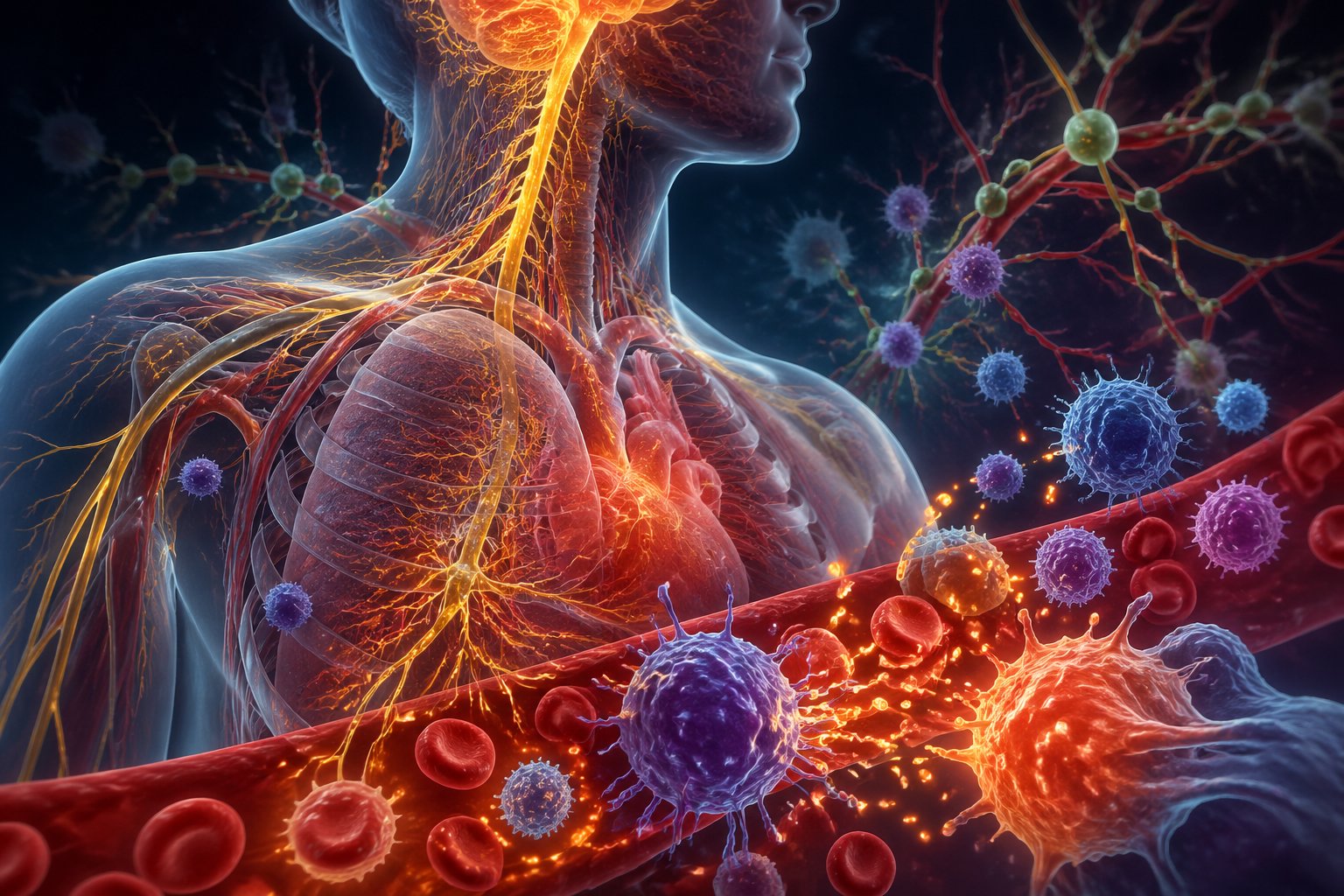
When the body experiences stress, it activates specific biological pathways that lead to inflammation. These pathways involve the release of inflammatory chemicals, shifts in immune system activity, and measurable changes in blood markers that indicate inflammation levels.
The Inflammatory Response and Cytokine Release
Stress triggers the body’s hypothalamic-pituitary-adrenal (HPA) axis and sympathetic nervous system. These systems release stress hormones like cortisol and adrenaline.
These hormones signal immune cells to produce cytokines. Cytokines are proteins that act as messengers in the immune system. The main pro-inflammatory cytokines include interleukin-6 (IL-6), tumor necrosis factor-alpha (TNF-alpha), and C-reactive protein.
Under normal conditions, this inflammatory response helps protect the body from threats. The immune system ramps up quickly to fight infections or heal injuries. Once the threat passes, the response typically shuts down.
However, when stress continues without relief, the body keeps producing these inflammatory chemicals. The system that should turn off remains active. This creates a state where inflammation becomes a major factor in chronic diseases[7].
Chronic Stress and Low-Grade Inflammation
Chronic stress creates a different pattern than short-term stress responses. Instead of the intense but brief inflammation needed for healing, the body maintains low-grade inflammation over weeks, months, or years.
The effect of stress on the body triggers inflammation[2] that contributes to disease development. This persistent activation affects multiple body systems simultaneously. The immune system shifts toward producing more inflammatory cells while reducing its ability to fight viruses.
Ongoing stress exposure keeps inflammatory pathways activated even when no immediate threat exists. The body essentially stays in a constant state of alert. This chronic activation damages tissues and organs over time, increasing the risk of heart disease, diabetes, and other conditions.
Links Between Stress and Inflammatory Markers
Researchers measure specific substances in the blood to track inflammation levels. These inflammatory markers provide evidence of how stress affects the body.
Studies show that people experiencing chronic stress have higher levels of:
- IL-6: Increases by 20-40% in stressed individuals
- TNF-alpha: Elevated in those with ongoing psychological stress
- C-reactive protein: Often doubles or triples during periods of high stress
Blood tests can detect these markers and reveal inflammation that may not cause obvious symptoms yet. People under long-term stress consistently show elevated readings compared to those with lower stress levels. These markers predict future health problems, including cardiovascular disease and metabolic disorders.
The connection between psychological stress and these physical markers demonstrates how stress literally gets under the skin[8] to affect bodily systems.
Physical Effects of Stress-Induced Inflammation
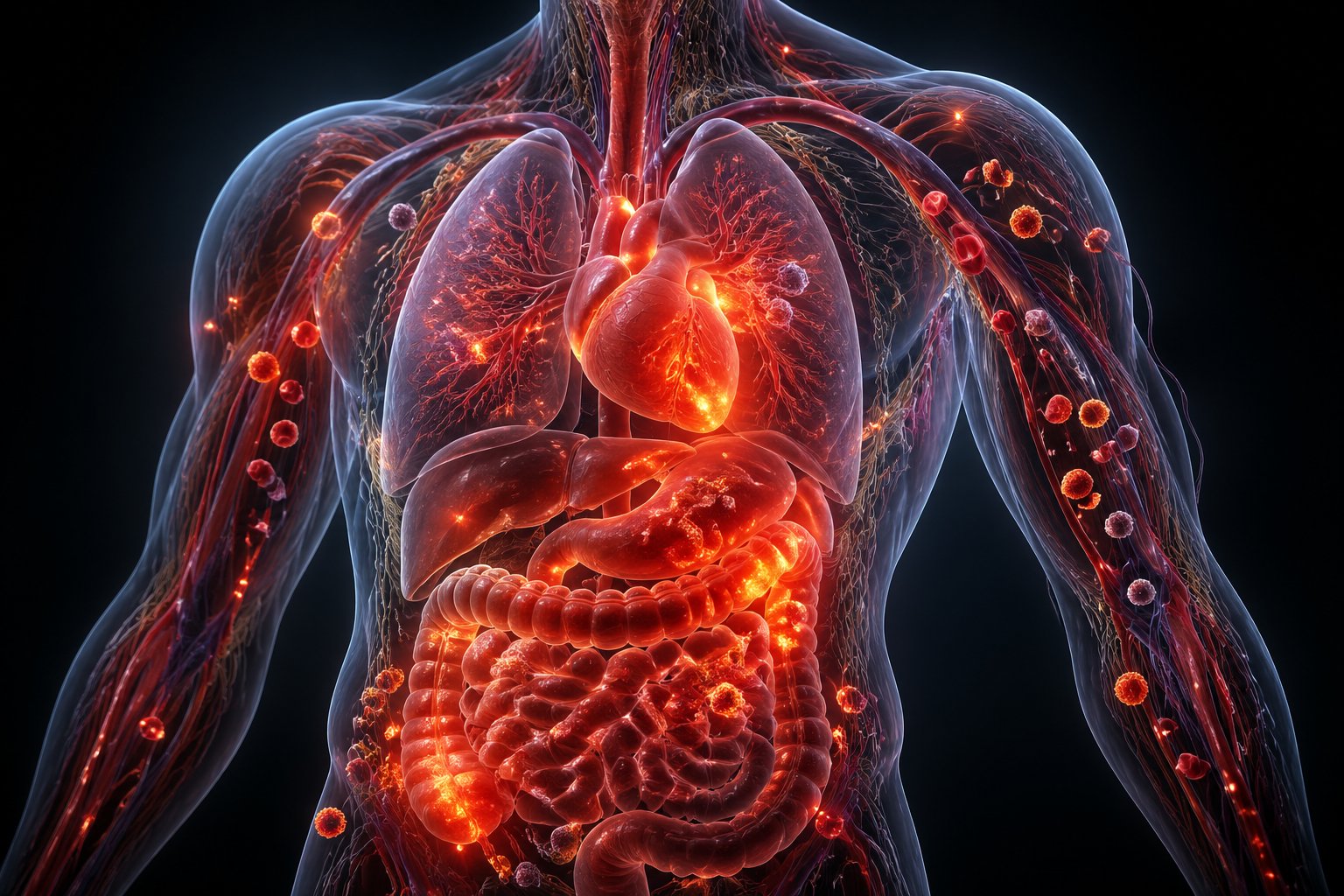
When stress triggers inflammation throughout the body, it affects multiple organ systems and can lead to both immediate symptoms and long-term health problems. The immune system becomes less effective at fighting infections, while the heart, brain, digestive tract, and muscles all experience measurable changes that impact daily functioning.
Impact on the Immune System
Chronic stress fundamentally alters how the immune system operates. Acute stress temporarily enhances immune responses[9] as the body prepares to heal from potential injury or infection. However, prolonged stress has the opposite effect.
Long-term stress suppresses normal immune function while paradoxically increasing inflammation. This creates a problematic situation where the body struggles to fight off infections and viruses yet maintains damaging inflammatory responses. The sustained inflammation from chronic stress raises the risk of developing autoimmune disorders, where the immune system mistakenly attacks healthy tissues.
People experiencing chronic stress often notice they get sick more frequently. They may catch colds more easily or take longer to recover from minor illnesses. This happens because stress hormones interfere with the production and activity of immune cells that normally protect against pathogens.
Cardiovascular and Neurological Effects
The link between stress and inflammation[2] particularly affects the heart and blood vessels. Chronic inflammation damages the inner lining of arteries, contributing to atherosclerosis. This condition involves the buildup of plaque in arterial walls, which narrows blood vessels and restricts blood flow.
The inflammatory response triggered by stress increases blood pressure and heart rate over time. These changes force the cardiovascular system to work harder, raising the risk of heart attacks and strokes.
The brain also suffers from stress-induced inflammation. Inflammatory markers can cross the blood-brain barrier and affect neural tissue. This process may contribute to neurodegenerative diseases and cognitive decline. Many people experience headaches as a direct result of inflammation affecting blood vessels in the brain and surrounding tissues.
Brain fog, difficulty concentrating, and memory problems often accompany chronic stress inflammation. These neurological symptoms interfere with work performance and daily activities.
Elevate Your Health for Just $29.99/Month
Join the Precision Wellness Subscription at My Healing 365 and get discounted services, priority coaching access, virtual care, and exclusive wellness resources to support your physical, emotional, and hormonal health.
Join for $29.99/MonthDigestive and Musculoskeletal Manifestations
The digestive system shows clear signs of stress-related inflammation. Many individuals experience abdominal pain, bloating, and changes in bowel habits when under prolonged stress. The gut contains its own nervous system that responds directly to stress signals, triggering inflammatory responses in the intestinal lining.
This inflammation can worsen existing digestive conditions or create new gastrointestinal problems. The gut-brain connection means that stress simultaneously affects both systems through inflammatory pathways.
Muscles and joints also respond to chronic inflammation with pain and stiffness. People often report increased muscle tension, aches, and reduced flexibility during stressful periods. The inflammatory compounds circulating through the bloodstream affect muscle tissue and connective structures.
Common musculoskeletal symptoms include:
- Persistent muscle tension in the neck and shoulders
- Lower back pain
- Joint stiffness and discomfort
- Reduced range of motion
Fatigue represents one of the most widespread effects of stress-induced inflammation. The body uses significant energy to maintain inflammatory responses, leaving less available for normal daily activities. This exhaustion goes beyond normal tiredness and often doesn’t improve with rest alone.
The Cycle of Stress, Anxiety, and Inflammation
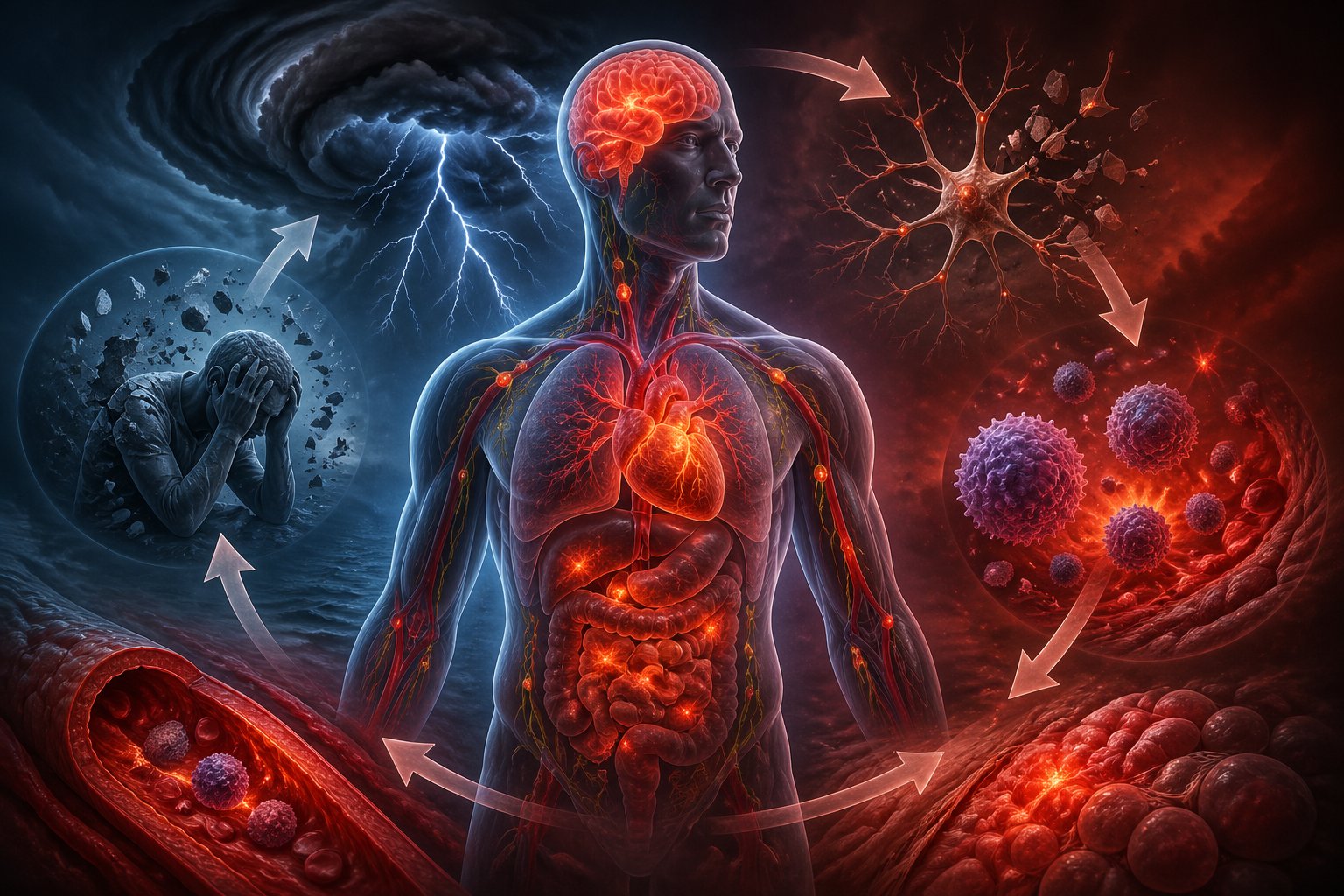
Stress and anxiety create a self-reinforcing loop with inflammation that affects both mental and physical health. When the body faces ongoing stress, it triggers inflammatory responses that can worsen anxiety symptoms, which in turn increases stress levels and perpetuates the cycle.
How Stress and Anxiety Amplify Inflammation
When a person experiences stress and anxiety, the body activates its fight-or-flight response. This triggers the release of stress hormones like cortisol and adrenaline.
In healthy situations, cortisol helps control inflammation. However, chronic stress changes how the body responds to cortisol. The immune system becomes less sensitive to cortisol’s anti-inflammatory signals.
This reduced sensitivity means the body cannot properly regulate its inflammatory response. Immune cells continue to produce inflammatory chemicals even when they should stop. The link between stress and inflammation[2] shows how this process contributes to various health problems.
The sympathetic nervous system stays activated during periods of anxiety. This constant activation keeps inflammatory pathways turned on. Blood vessels release more inflammatory markers, and white blood cells behave as if the body is under threat.
Mental Health Risks and Physical Symptoms
The combination of inflammation and stress creates specific risks for mental health. High levels of inflammatory chemicals in the blood can affect brain function and mood regulation.
People caught in this cycle often experience:
- Persistent fatigue and low energy
- Difficulty concentrating or brain fog
- Sleep problems and insomnia
- Digestive issues
- Headaches and muscle tension
- Increased feelings of worry or dread
Inflammation in the brain can make anxiety symptoms worse. This creates a feedback loop where anxiety drives inflammation, and inflammation increases anxiety. The body’s weakened immune response also makes it harder to break free from this pattern.
Stress-Related Disorders and Disease Progression
Chronic stress combined with ongoing inflammation accelerates the development of serious health conditions. The body’s inability to properly regulate inflammation allows stress-related disorders[10] to progress more rapidly.
This prolonged state of inflammation contributes to cardiovascular disease, diabetes, and autoimmune conditions. The constant inflammatory response damages blood vessels and organs over time.
Mental health disorders also worsen under these conditions. Depression and anxiety disorders become harder to treat when inflammation remains high. The physical symptoms compound the mental health challenges, creating barriers to recovery.
Research indicates that breaking this cycle requires addressing both the stress response and the inflammatory process simultaneously. Managing stress levels helps reduce inflammation, while controlling inflammation can improve the body’s stress response.
Effective Stress Management Techniques
Managing stress through proven techniques can lower inflammation and protect long-term health. Research shows that mindfulness and meditation[11], physical relaxation methods, and lifestyle changes work together to reduce the body’s inflammatory response.
Meditation and Mindfulness Practices
Meditation and mindfulness practices help calm the stress response and reduce inflammation in the body. Studies show that mindfulness-based stress reduction training reduces pro-inflammatory gene expression[12] in older adults while also decreasing feelings of loneliness.
Regular meditation practice takes just 10 to 20 minutes per day. People can start by focusing on their breath and noticing thoughts without judgment. This simple practice helps lower cortisol levels and decreases the production of inflammatory chemicals.
Mindfulness extends beyond formal meditation sessions. It involves paying attention to the present moment during daily activities like eating, walking, or talking with others. This awareness helps people recognize stress triggers before they activate the full inflammatory response.
Progressive Muscle Relaxation and Yoga
Progressive muscle relaxation teaches people to tense and release different muscle groups in sequence. This technique reduces physical tension and signals the nervous system to switch from stress mode to relaxation mode. The practice takes about 15 minutes and can be done anywhere.
Yoga combines physical movement with breath control and mental focus. Mind and body approaches including yoga and tai chi[11] help manage stress symptoms effectively. Regular yoga practice lowers inflammatory markers while improving flexibility and strength.
Both methods activate the parasympathetic nervous system, which counteracts stress hormones. This shift helps decrease the chronic inflammation linked to heart disease and autoimmune conditions.
Lifestyle Modifications and Healthy Habits
Strong social connections protect against stress-related inflammation. People with supportive relationships show lower levels of inflammatory chemicals even during challenging times. Regular contact with friends and family provides emotional support that buffers stress effects.
Sleep quality directly affects inflammation levels. Adults need seven to nine hours of sleep each night to allow the body to repair and reduce inflammatory markers. Poor sleep increases cortisol and triggers more inflammation.
Regular physical activity reduces stress hormones and inflammation. Exercise for 30 minutes most days helps regulate the immune system and improves mood. Healthy eating patterns that include fruits, vegetables, and omega-3 fatty acids also combat inflammation while supporting stress resilience.
Diet and Lifestyle Strategies to Reduce Inflammation
Making specific changes to what you eat and how you live can lower inflammation levels in the body. Eating whole foods like fruits and vegetables while avoiding processed foods[13] helps reduce chronic inflammation, and combining this approach with regular movement and stress management creates the strongest results.
The Role of Anti-Inflammatory Foods
Certain foods actively work to reduce inflammation in the body. Fatty fish like salmon and sardines contain omega-3 fatty acids that fight inflammatory responses. Leafy greens such as spinach and kale provide antioxidants that protect cells from damage.
Berries, nuts, and olive oil also rank among the top anti-inflammatory foods. These items contain compounds that block inflammatory pathways at the cellular level. Adding colorful vegetables like tomatoes, peppers, and beets brings additional anti-inflammatory benefits.
People should limit foods that trigger inflammation. Processed meats, refined carbohydrates, and foods high in added sugars can increase inflammatory markers. Replacing these items with whole grains, legumes, and fresh produce supports both mental and physical health.
Balancing Nutrition and Physical Activity
Regular physical activity helps the body manage inflammation naturally. Exercise reduces inflammatory markers in the bloodstream and improves how cells respond to stress. Walking, swimming, or cycling for 30 minutes most days provides measurable benefits.
Stress, lack of sleep, overeating, obesity, and being sedentary all contribute to inflammation[14]. Combining movement with proper nutrition creates a stronger effect than either strategy alone. Eating balanced meals with protein, healthy fats, and fiber before or after exercise supports recovery and reduces inflammatory responses.
Maintaining a healthy weight through diet and activity matters for inflammation control. Excess body fat produces inflammatory chemicals that affect the entire system.
Integrating Stress and Inflammation Reduction
Stress management, getting enough sleep, and proper hydration all reduce inflammation in the body[15]. Chronic stress triggers the release of cortisol and other hormones that increase inflammatory markers over time. Practicing deep breathing, meditation, or yoga for even 10 minutes daily can lower these stress hormones.
Sleep plays a direct role in controlling inflammation. Adults need seven to nine hours of quality sleep each night to allow the body to repair and regulate inflammatory processes. Poor sleep increases markers of chronic inflammation and weakens the immune response.
Drinking enough water throughout the day supports the body’s natural ability to flush out inflammatory compounds. Limiting alcohol and avoiding smoking also reduce inflammation and protect long-term health.
Frequently Asked Questions
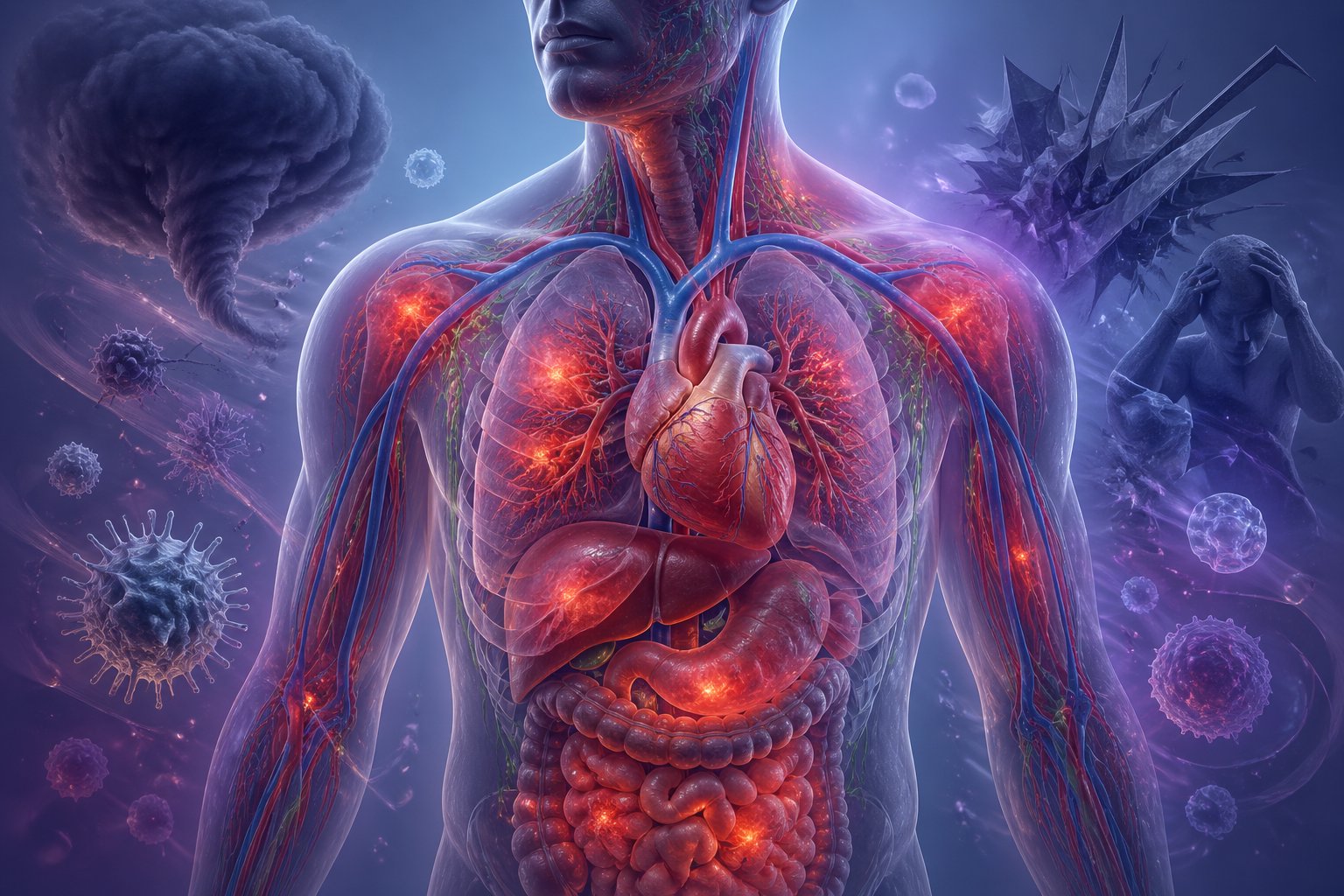
Stress-related inflammation can show up in different ways throughout the body, from digestive problems to elevated blood test results. Understanding these connections helps people recognize when stress might be affecting their physical health.
What are the common symptoms of inflammation triggered by chronic stress?
Chronic stress can trigger several physical symptoms that signal inflammation in the body. Fatigue is one of the most common signs, as increased inflammation from stress overload[16] can drain a person’s energy levels throughout the day.
Brain fog and difficulty concentrating often accompany stress-related inflammation. Gastrointestinal issues like bloating, cramping, or irregular bowel movements are also frequent complaints.
Some people experience headaches, muscle aches, or general body pain. Sleep disturbances and mood changes can occur alongside these physical symptoms as the body responds to ongoing stress.
Can prolonged stress contribute to joint pain and inflammation flare-ups?
Prolonged stress can worsen existing inflammatory conditions and trigger new pain episodes. Chronic pain syndromes such as fibromyalgia or chronic back pain may become more acute[9] due to stress heightening inflammation and pain sensitivity.
The body’s stress response increases the production of inflammatory chemicals that can affect joints and connective tissues. This process explains why people with arthritis or other inflammatory conditions often notice their symptoms worsen during stressful periods.
Regular stress management becomes especially important for those dealing with chronic pain conditions. Reducing stress levels can help decrease inflammation-related pain flare-ups.
How can you reduce stress-related inflammation through lifestyle changes?
Effectively managing stress is essential to reducing its impact on inflammation[9] and improving overall health outcomes. Regular physical activity helps lower stress hormones and reduce inflammatory markers in the body.
Getting adequate sleep each night allows the body to regulate its immune response properly. A balanced diet rich in anti-inflammatory foods like fruits, vegetables, and omega-3 fatty acids supports the body’s natural healing processes.
Mindfulness practices such as meditation, deep breathing, or yoga can lower the body’s stress response. Building strong social connections and maintaining supportive relationships also helps buffer against the negative effects of stress. Limiting alcohol consumption and avoiding smoking prevents additional inflammatory triggers.
Can stress aggravate inflammation in the stomach and cause digestive discomfort?
Stress has a direct impact on digestive health and can increase inflammation in the stomach and intestines. The gut contains numerous nerve endings that communicate with the brain, making it highly sensitive to emotional and psychological stress.
When stress hormones flood the body, they can disrupt the balance of bacteria in the digestive system. This disruption can lead to increased intestinal permeability and inflammation in the gut lining.
People under chronic stress often experience symptoms like acid reflux, stomach pain, nausea, or changes in bowel habits. Stress-induced inflammation can contribute to inflammatory bowel disease[17] and other digestive disorders over time.
Can stress and anxiety increase inflammatory markers in blood tests?
Stress and anxiety can cause measurable increases in inflammatory markers that show up in blood work. Stressful experiences can lead to an increase in pro-inflammatory cytokines[18], which are molecules that promote inflammation throughout the body.
Common inflammatory markers like C-reactive protein, interleukin-6, and tumor necrosis factor alpha often rise during periods of chronic stress. These elevated levels appear in standard blood tests and indicate heightened inflammatory activity.
Doctors may recommend repeat testing after implementing stress reduction techniques to see if inflammatory markers decrease. Tracking these numbers over time helps assess whether stress management strategies are working.
What are the five classic signs of inflammation to look for?
The five classic signs of inflammation have been recognized in medicine for centuries and apply to acute inflammatory responses. These signs include redness, heat, swelling, pain, and loss of function in the affected area.
Redness occurs when blood flow increases to the inflamed tissue. Heat develops as more warm blood circulates to the area.
Swelling happens when fluid accumulates in the tissue. Pain results from chemical mediators and pressure on nerve endings. Loss of function means the inflamed body part cannot work normally due to pain and swelling.
While these signs are most visible in localized inflammation like an injury or infection, chronic stress-related inflammation throughout the body may present with less obvious symptoms like fatigue and general discomfort.
Post Views: 5
References
- 10 Strange Things Stress Can Do to Your Body. https://health.clevelandclinic.org/things-stress-can-do-to-your-body Accessed May 23, 2026
- The Link Between Stress and Inflammation. https://www.everydayhealth.com/wellness/united-states-of-stress/link-between-stress-inflammation/ Accessed May 23, 2026
- When stress becomes chronic and unmanaged, it weakens the immune system. https://www.verywellmind.com/yes-stress-can-really-make-you-sick-this-is-why-8350874 Accessed May 23, 2026
- ScienceDirect. https://www.sciencedirect.com/science/article/pii/S0306453018306954 Accessed May 23, 2026
- Stress Sickness: Stress and Your Immune System. https://health.clevelandclinic.org/what-happens-when-your-immune-system-gets-stressed-out Accessed May 23, 2026
- Understanding the stress response. https://www.health.harvard.edu/healthy-aging-and-longevity/understanding-the-stress-response Accessed May 23, 2026
- Checking your browser. https://pmc.ncbi.nlm.nih.gov/articles/PMC8570552/ Accessed May 23, 2026
- how stress literally gets under the skin. https://www.eatingwell.com/article/7902105/stress-causing-inflammation-what-you-can-do-about-it/ Accessed May 23, 2026
- Attention Required!. https://integrishealth.org/resources/on-your-health/2025/april/does-stress-worsen-inflammation Accessed May 23, 2026
- Checking your browser. https://pmc.ncbi.nlm.nih.gov/articles/PMC10495591/ Accessed May 23, 2026
- Mind and Body Approaches for Stress and Anxiety: What the Science Says. https://www.nccih.nih.gov/health/providers/digest/mind-and-body-approaches-for-stress-science Accessed May 23, 2026
- ScienceDirect. https://www.sciencedirect.com/science/chapter/bookseries/pii/S0079612325000032 Accessed May 23, 2026
- Anti-Inflammatory Diet: Foods List and Benefits. https://health.clevelandclinic.org/anti-inflammatory-diet Accessed May 23, 2026
- Top anti-inflammatory foods: How your diet can reduce chronic inflammation. https://www.health.harvard.edu/healthbeat/top-anti-inflammatory-foods-how-your-diet-can-reduce-chronic-inflammation Accessed May 23, 2026
- Healthy habits for reducing chronic inflammation. https://www.mdanderson.org/cancerwise/how-to-reduce-inflammation-in-the-body.h00-159853767.html Accessed May 23, 2026
- Can Stress Cause Inflammation and Lead to Chronic Illness?. https://drruscio.com/can-stress-cause-inflammation/ Accessed May 23, 2026
- 404 Error. https://www.carepatron.com/blogs/understanding-the-link-between-stress-and-inflammation Accessed May 23, 2026
- Just a moment…. https://scivast.com/articles/stress-inflammation-connection-review/ Accessed May 23, 2026
























