Disclosure: This site contains some affiliate links. We might receive a small commission at no additional cost to you.
Medically Reviewed
Dr. Jose Rossello, MD, PhD, MHCM
Preventive Medicine & Public Health Specialist
Last Reviewed: June 9, 2026
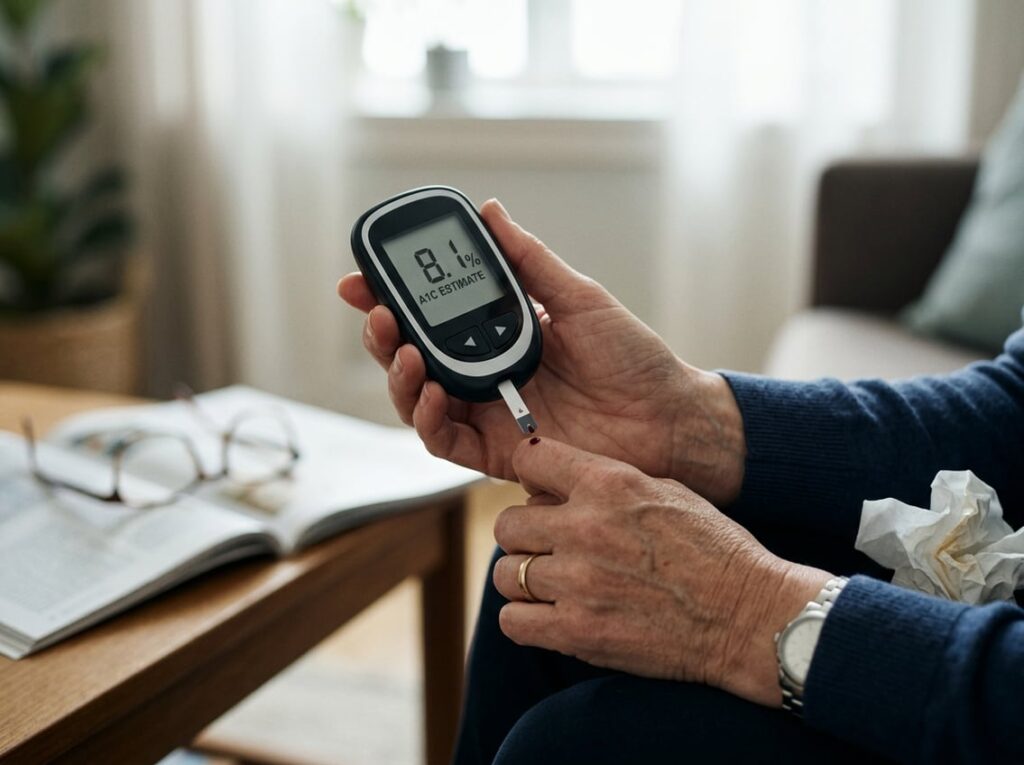
An A1C result at or above 6.5% is one of the thresholds used to diagnose type 2 diabetes. If you’ve received this result, you likely have a mix of questions and concerns — and that is entirely understandable. This article is written to help you understand what that number means, how your care team will approach next steps, and which questions to bring to your appointment. The emphasis throughout is on empowering a productive, informed conversation with your clinician — not on drawing clinical conclusions about your specific situation, which is their role.
Table of Contents
What This Means in Plain Language
A1C — also called hemoglobin A1C or HbA1c — is a blood test that reflects your average blood glucose over the past 2–3 months. When blood sugar is elevated, glucose attaches to hemoglobin (the protein in red blood cells), and the A1C test measures what percentage of hemoglobin has glucose attached to it. A higher percentage means blood glucose has been higher on average.
The American Diabetes Association[1] explains that A1C is used both to screen for and monitor diabetes. An A1C of 5.7–6.4% indicates prediabetes. An A1C of 6.5% or higher, confirmed on a second test from a certified laboratory, meets the diagnostic criteria for diabetes, per ADA Standards of Care[2].
A few important nuances: A1C can give misleading results in certain conditions — including pregnancy, some hemoglobin variants, G6PD deficiency, significant anemia, and certain other medical situations. In those cases, plasma glucose testing may be used instead. Your clinician will consider whether your specific circumstances require confirmation through a different test.
An A1C in the diabetes range on a first test is not a reason to panic — it is a signal to work with your care team to understand your situation fully and build a plan.
Why Guidelines Pay Attention
The ADA Standards of Care in Diabetes 2024[3] — the most comprehensive evidence-based framework for diabetes care — establish the diagnostic threshold, guide confirmation, and lay out the principles of person-centered, team-based diabetes management.
Key principles in ADA guidelines include:
- Confirmation before diagnosis. Because A1C can have laboratory variability and may be affected by certain conditions, a single A1C result at or above 6.5% is generally confirmed with a repeat test before a formal diabetes diagnosis is established, unless the person has classic symptoms and a concurrent random glucose of 200 mg/dL or higher.
- Person-centered care. ADA guidelines consistently emphasize that treatment decisions should reflect the individual’s values, preferences, and overall health picture — not a one-size-fits-all approach. Glycemic targets, for example, may be individualized based on age, other health conditions, risk of hypoglycemia, and life expectancy.
- Team-based care. Evidence strongly supports team-based approaches to diabetes management. A Community Preventive Services Task Force review[4] found that team-based care reduced A1C levels by a mean of 0.5%, increased the proportion of patients reaching target glycemic levels by a median of 15 percentage points, and improved blood pressure and lipid outcomes compared with usual care. The care team for diabetes typically includes the primary care provider, often a diabetes care and education specialist, and may include a dietitian, pharmacist, and mental health professional.
- Lifestyle as a cornerstone. Medical nutrition therapy, physical activity, and weight management are the foundation of diabetes management, regardless of whether medications are also used.
Common Drivers and Causes (Population-Level)
Type 2 diabetes — the most common form — develops through a combination of:
- Insulin resistance. Cells in muscle, fat, and liver become less responsive to insulin, requiring the pancreas to produce more to maintain normal blood glucose. Over time, the pancreas may not keep up.
- Reduced pancreatic insulin secretion. As insulin resistance progresses and beta cells are stressed, the pancreas produces less insulin over time.
- Excess body fat — especially visceral (abdominal) fat. Adipose tissue, particularly around internal organs, contributes to insulin resistance.
- Genetic predisposition. As discussed in the previous article, family history substantially elevates risk.
- Physical inactivity. Sedentary behavior reduces skeletal muscle glucose uptake and contributes to insulin resistance.
- Diet composition. High intake of refined carbohydrates, sugary beverages, and processed foods is associated with higher glucose burden over time.
- Sleep quality. Sleep deprivation and sleep disorders such as obstructive sleep apnea impair glucose metabolism.
- Certain medications. Corticosteroids, some antipsychotics, and several other drug classes can elevate blood glucose.
It is also worth noting that not everyone with an A1C in the diabetes range has type 2 diabetes. Latent autoimmune diabetes in adults (LADA), a slower-onset form of type 1 diabetes, can present in adults. Your clinician may consider additional testing to clarify the type of diabetes present, particularly if you are younger or have specific clinical features.
What Screening, Labs, or Follow-Up Evaluations May Be Considered

This is general educational information; what applies to any individual depends entirely on their specific clinical situation.
- Confirmation testing. A repeat A1C (or fasting glucose, or oral glucose tolerance test) on a separate day is standard practice before formally establishing a diabetes diagnosis.
- Fasting glucose. Often measured alongside A1C to provide additional information about glycemic status.
- C-peptide and autoantibody testing. In some situations, clinicians may check C-peptide (a marker of how much insulin the pancreas is producing) and diabetes-related autoantibodies (such as GADA) to distinguish type 2 from type 1 or LADA — especially in younger patients or those with unexpected features.
- Comprehensive metabolic panel. Kidney function, liver enzymes, and electrolytes are routinely assessed because diabetes affects and is affected by kidney and liver function.
- Lipid panel. Type 2 diabetes is strongly associated with dyslipidemia, particularly elevated triglycerides and low HDL. The lipid picture informs cardiovascular risk management.
- Blood pressure measurement. Hypertension co-occurs frequently with type 2 diabetes and compounds cardiovascular risk.
- Urine albumin-creatinine ratio. Early screening for diabetic kidney disease. The ADA recommends annual urine albumin testing once diabetes is confirmed.
- Eye examination (dilated retinal exam). Diabetic retinopathy can begin before symptoms appear; eye evaluation is recommended at diagnosis of type 2 diabetes.
- Foot examination. Peripheral neuropathy and peripheral vascular disease are common complications; a baseline foot exam is standard.
- Ongoing A1C monitoring. According to the ADA[1], most people with diabetes have A1C testing at least twice a year when at goal; more often when goals are not being met or management is changing.
Lifestyle and Prevention Factors Evidence Supports
For people with an A1C in the diabetes range, lifestyle factors are not just secondary considerations — they are core to management:
- Medical nutrition therapy. Working with a registered dietitian familiar with diabetes is associated with meaningful improvements in A1C. There is no single universally mandated “diabetes diet” — individualized approaches that emphasize fiber-rich carbohydrates, vegetables, lean protein, and healthy fats, while reducing refined carbohydrates and sugary beverages, are consistently supported by evidence.
- Physical activity. Regular aerobic exercise (at least 150 minutes per week of moderate intensity) and resistance training each independently improve insulin sensitivity and lower A1C. Even breaking up prolonged sitting with brief movement has metabolic benefits.
- Weight management. For people with excess body weight, even 5–10% weight loss significantly improves glycemic control and can reduce A1C meaningfully. More substantial weight loss — as demonstrated in the DiRECT trial and others — has been associated with diabetes remission in some individuals.
- Sleep quality. Addressing sleep disorders, particularly obstructive sleep apnea, is increasingly recognized as part of diabetes management because of the relationship between sleep and glucose regulation.
- Reducing alcohol. Alcohol can affect blood glucose in complex ways — it can cause hypoglycemia in some settings and contribute to glycemic variability.
- Smoking cessation. Smoking worsens insulin resistance and significantly elevates cardiovascular risk in people with diabetes.
- Stress management. Psychological stress can elevate blood glucose both directly (through cortisol) and indirectly (by affecting eating, sleep, and medication adherence). Mental health support is part of comprehensive diabetes care.
Questions to Bring to Your Appointment
Questions you may want to discuss with your care team include:
- Does my A1C result need to be confirmed with a second test before we treat it as a diabetes diagnosis?
- What type of diabetes do you think I most likely have, and is there any testing that would help clarify that?
- What would a realistic glycemic goal look like for me, taking my overall health and preferences into account?
- What does a diabetes care team look like in this practice — who else should I be meeting with?
- Would a referral to a diabetes care and education specialist (formerly called a diabetes educator) be helpful?
- What nutrition approach does the evidence suggest I explore, and can I meet with a registered dietitian?
- What kind of physical activity is realistic and safe for where I am right now?
- What complications or related conditions should we screen for now that diabetes is a possibility?
- How will we monitor my progress over time — how often should I have A1C and other tests?
- Are there medications that might be discussed as part of my care — and if so, how would that conversation work?
- What blood glucose readings at home, if I measure them, would prompt me to contact you sooner?
- What does “diabetes remission” mean, and is that something that would be worth discussing in my situation?
Red Flags Warranting Prompter Follow-Up
Contact your clinician promptly — do not wait for a scheduled visit — if you experience:
- Significant thirst, very frequent urination, and unexplained weight loss happening together (these can indicate very high blood glucose)
- Nausea, vomiting, abdominal pain, or difficulty breathing (could indicate diabetic ketoacidosis — call 911 if severe)
- Shakiness, confusion, sweating, or near-fainting if you have started any glucose-lowering therapy (possible hypoglycemia)
- Signs of infection — especially foot sores, cuts that are not healing, or urinary tract infections — which can be more serious in people with elevated blood glucose
- Vision changes, especially sudden blurring
Key Takeaways
- An A1C of 6.5% or above on two separate, certified laboratory tests meets the ADA’s diagnostic criteria for diabetes — but the complete clinical picture, including the type of diabetes, guides care.
- Team-based care — with primary care, diabetes care and education specialists, dietitians, and other team members — has strong evidence for improving glycemic, blood pressure, and lipid outcomes.
- Lifestyle — medical nutrition therapy, physical activity, and weight management — is a core component of diabetes management, not just a secondary suggestion.
- Several follow-up evaluations are standard once a diabetes diagnosis is confirmed, including kidney function assessment, lipid panel, eye examination, and foot evaluation.
- Diabetes care is highly individualized. Glycemic targets, lifestyle approaches, and any medication decisions should reflect a collaborative conversation with your care team based on your full health picture, preferences, and goals.
- Medications for diabetes are a discussion for you and your licensed clinician — this article does not recommend starting, stopping, or adjusting any medication.
Disclaimer: This content is for general educational purposes only and is not medical advice. It does not create a doctor-patient relationship. Always talk to your licensed healthcare professional about your specific situation.
Post Views: 7
Elevate Your Health for Just $29.99/Month
Join the Precision Wellness Subscription at My Healing 365 and get discounted services, priority coaching access, virtual care, and exclusive wellness resources to support your physical, emotional, and hormonal health.
Join for $29.99/MonthDisclosure: This site contains some affiliate links. We might receive a small commission at no additional cost to you.
Medically Reviewed
Dr. Jose Rossello, MD, PhD, MHCM
Preventive Medicine & Public Health Specialist
Last Reviewed: June 9, 2026
An A1C result at or above 6.5% is one of the thresholds used to diagnose type 2 diabetes. If you’ve received this result, you likely have a mix of questions and concerns — and that is entirely understandable. This article is written to help you understand what that number means, how your care team will approach next steps, and which questions to bring to your appointment. The emphasis throughout is on empowering a productive, informed conversation with your clinician — not on drawing clinical conclusions about your specific situation, which is their role.
What This Means in Plain Language
A1C — also called hemoglobin A1C or HbA1c — is a blood test that reflects your average blood glucose over the past 2–3 months. When blood sugar is elevated, glucose attaches to hemoglobin (the protein in red blood cells), and the A1C test measures what percentage of hemoglobin has glucose attached to it. A higher percentage means blood glucose has been higher on average.
The American Diabetes Association[1] explains that A1C is used both to screen for and monitor diabetes. An A1C of 5.7–6.4% indicates prediabetes. An A1C of 6.5% or higher, confirmed on a second test from a certified laboratory, meets the diagnostic criteria for diabetes, per ADA Standards of Care[2].
A few important nuances: A1C can give misleading results in certain conditions — including pregnancy, some hemoglobin variants, G6PD deficiency, significant anemia, and certain other medical situations. In those cases, plasma glucose testing may be used instead. Your clinician will consider whether your specific circumstances require confirmation through a different test.
An A1C in the diabetes range on a first test is not a reason to panic — it is a signal to work with your care team to understand your situation fully and build a plan.
Why Guidelines Pay Attention
The ADA Standards of Care in Diabetes 2024[3] — the most comprehensive evidence-based framework for diabetes care — establish the diagnostic threshold, guide confirmation, and lay out the principles of person-centered, team-based diabetes management.
Key principles in ADA guidelines include:
- Confirmation before diagnosis. Because A1C can have laboratory variability and may be affected by certain conditions, a single A1C result at or above 6.5% is generally confirmed with a repeat test before a formal diabetes diagnosis is established, unless the person has classic symptoms and a concurrent random glucose of 200 mg/dL or higher.
- Person-centered care. ADA guidelines consistently emphasize that treatment decisions should reflect the individual’s values, preferences, and overall health picture — not a one-size-fits-all approach. Glycemic targets, for example, may be individualized based on age, other health conditions, risk of hypoglycemia, and life expectancy.
- Team-based care. Evidence strongly supports team-based approaches to diabetes management. A Community Preventive Services Task Force review[4] found that team-based care reduced A1C levels by a mean of 0.5%, increased the proportion of patients reaching target glycemic levels by a median of 15 percentage points, and improved blood pressure and lipid outcomes compared with usual care. The care team for diabetes typically includes the primary care provider, often a diabetes care and education specialist, and may include a dietitian, pharmacist, and mental health professional.
- Lifestyle as a cornerstone. Medical nutrition therapy, physical activity, and weight management are the foundation of diabetes management, regardless of whether medications are also used.
Common Drivers and Causes (Population-Level)
Type 2 diabetes — the most common form — develops through a combination of:
- Insulin resistance. Cells in muscle, fat, and liver become less responsive to insulin, requiring the pancreas to produce more to maintain normal blood glucose. Over time, the pancreas may not keep up.
- Reduced pancreatic insulin secretion. As insulin resistance progresses and beta cells are stressed, the pancreas produces less insulin over time.
- Excess body fat — especially visceral (abdominal) fat. Adipose tissue, particularly around internal organs, contributes to insulin resistance.
- Genetic predisposition. As discussed in the previous article, family history substantially elevates risk.
- Physical inactivity. Sedentary behavior reduces skeletal muscle glucose uptake and contributes to insulin resistance.
- Diet composition. High intake of refined carbohydrates, sugary beverages, and processed foods is associated with higher glucose burden over time.
- Sleep quality. Sleep deprivation and sleep disorders such as obstructive sleep apnea impair glucose metabolism.
- Certain medications. Corticosteroids, some antipsychotics, and several other drug classes can elevate blood glucose.
It is also worth noting that not everyone with an A1C in the diabetes range has type 2 diabetes. Latent autoimmune diabetes in adults (LADA), a slower-onset form of type 1 diabetes, can present in adults. Your clinician may consider additional testing to clarify the type of diabetes present, particularly if you are younger or have specific clinical features.
What Screening, Labs, or Follow-Up Evaluations May Be Considered
This is general educational information; what applies to any individual depends entirely on their specific clinical situation.
- Confirmation testing. A repeat A1C (or fasting glucose, or oral glucose tolerance test) on a separate day is standard practice before formally establishing a diabetes diagnosis.
- Fasting glucose. Often measured alongside A1C to provide additional information about glycemic status.
- C-peptide and autoantibody testing. In some situations, clinicians may check C-peptide (a marker of how much insulin the pancreas is producing) and diabetes-related autoantibodies (such as GADA) to distinguish type 2 from type 1 or LADA — especially in younger patients or those with unexpected features.
- Comprehensive metabolic panel. Kidney function, liver enzymes, and electrolytes are routinely assessed because diabetes affects and is affected by kidney and liver function.
- Lipid panel. Type 2 diabetes is strongly associated with dyslipidemia, particularly elevated triglycerides and low HDL. The lipid picture informs cardiovascular risk management.
- Blood pressure measurement. Hypertension co-occurs frequently with type 2 diabetes and compounds cardiovascular risk.
- Urine albumin-creatinine ratio. Early screening for diabetic kidney disease. The ADA recommends annual urine albumin testing once diabetes is confirmed.
- Eye examination (dilated retinal exam). Diabetic retinopathy can begin before symptoms appear; eye evaluation is recommended at diagnosis of type 2 diabetes.
- Foot examination. Peripheral neuropathy and peripheral vascular disease are common complications; a baseline foot exam is standard.
- Ongoing A1C monitoring. According to the ADA[1], most people with diabetes have A1C testing at least twice a year when at goal; more often when goals are not being met or management is changing.
Lifestyle and Prevention Factors Evidence Supports
For people with an A1C in the diabetes range, lifestyle factors are not just secondary considerations — they are core to management:
- Medical nutrition therapy. Working with a registered dietitian familiar with diabetes is associated with meaningful improvements in A1C. There is no single universally mandated “diabetes diet” — individualized approaches that emphasize fiber-rich carbohydrates, vegetables, lean protein, and healthy fats, while reducing refined carbohydrates and sugary beverages, are consistently supported by evidence.
- Physical activity. Regular aerobic exercise (at least 150 minutes per week of moderate intensity) and resistance training each independently improve insulin sensitivity and lower A1C. Even breaking up prolonged sitting with brief movement has metabolic benefits.
- Weight management. For people with excess body weight, even 5–10% weight loss significantly improves glycemic control and can reduce A1C meaningfully. More substantial weight loss — as demonstrated in the DiRECT trial and others — has been associated with diabetes remission in some individuals.
- Sleep quality. Addressing sleep disorders, particularly obstructive sleep apnea, is increasingly recognized as part of diabetes management because of the relationship between sleep and glucose regulation.
- Reducing alcohol. Alcohol can affect blood glucose in complex ways — it can cause hypoglycemia in some settings and contribute to glycemic variability.
- Smoking cessation. Smoking worsens insulin resistance and significantly elevates cardiovascular risk in people with diabetes.
- Stress management. Psychological stress can elevate blood glucose both directly (through cortisol) and indirectly (by affecting eating, sleep, and medication adherence). Mental health support is part of comprehensive diabetes care.
Questions to Bring to Your Appointment
Questions you may want to discuss with your care team include:
- Does my A1C result need to be confirmed with a second test before we treat it as a diabetes diagnosis?
- What type of diabetes do you think I most likely have, and is there any testing that would help clarify that?
- What would a realistic glycemic goal look like for me, taking my overall health and preferences into account?
- What does a diabetes care team look like in this practice — who else should I be meeting with?
- Would a referral to a diabetes care and education specialist (formerly called a diabetes educator) be helpful?
- What nutrition approach does the evidence suggest I explore, and can I meet with a registered dietitian?
- What kind of physical activity is realistic and safe for where I am right now?
- What complications or related conditions should we screen for now that diabetes is a possibility?
- How will we monitor my progress over time — how often should I have A1C and other tests?
- Are there medications that might be discussed as part of my care — and if so, how would that conversation work?
- What blood glucose readings at home, if I measure them, would prompt me to contact you sooner?
- What does “diabetes remission” mean, and is that something that would be worth discussing in my situation?
Red Flags Warranting Prompter Follow-Up
Contact your clinician promptly — do not wait for a scheduled visit — if you experience:
- Significant thirst, very frequent urination, and unexplained weight loss happening together (these can indicate very high blood glucose)
- Nausea, vomiting, abdominal pain, or difficulty breathing (could indicate diabetic ketoacidosis — call 911 if severe)
- Shakiness, confusion, sweating, or near-fainting if you have started any glucose-lowering therapy (possible hypoglycemia)
- Signs of infection — especially foot sores, cuts that are not healing, or urinary tract infections — which can be more serious in people with elevated blood glucose
- Vision changes, especially sudden blurring
Key Takeaways
- An A1C of 6.5% or above on two separate, certified laboratory tests meets the ADA’s diagnostic criteria for diabetes — but the complete clinical picture, including the type of diabetes, guides care.
- Team-based care — with primary care, diabetes care and education specialists, dietitians, and other team members — has strong evidence for improving glycemic, blood pressure, and lipid outcomes.
- Lifestyle — medical nutrition therapy, physical activity, and weight management — is a core component of diabetes management, not just a secondary suggestion.
- Several follow-up evaluations are standard once a diabetes diagnosis is confirmed, including kidney function assessment, lipid panel, eye examination, and foot evaluation.
- Diabetes care is highly individualized. Glycemic targets, lifestyle approaches, and any medication decisions should reflect a collaborative conversation with your care team based on your full health picture, preferences, and goals.
- Medications for diabetes are a discussion for you and your licensed clinician — this article does not recommend starting, stopping, or adjusting any medication.
Disclaimer: This content is for general educational purposes only and is not medical advice. It does not create a doctor-patient relationship. Always talk to your licensed healthcare professional about your specific situation.
Post Views: 7

























