Medically Reviewed
Dr. Jose Rossello, MD, PhD, MHCM
Preventive Medicine & Public Health Specialist
Last Reviewed: June 19, 2026
Feeling tired all the time can make even simple tasks feel overwhelming. Many people struggle with fatigue and low energy without realizing that their bodies might be missing key nutrients. Certain minerals play a direct role in how the body produces and maintains energy throughout the day, and getting enough of these nutrients can make a significant difference in how energetic someone feels.
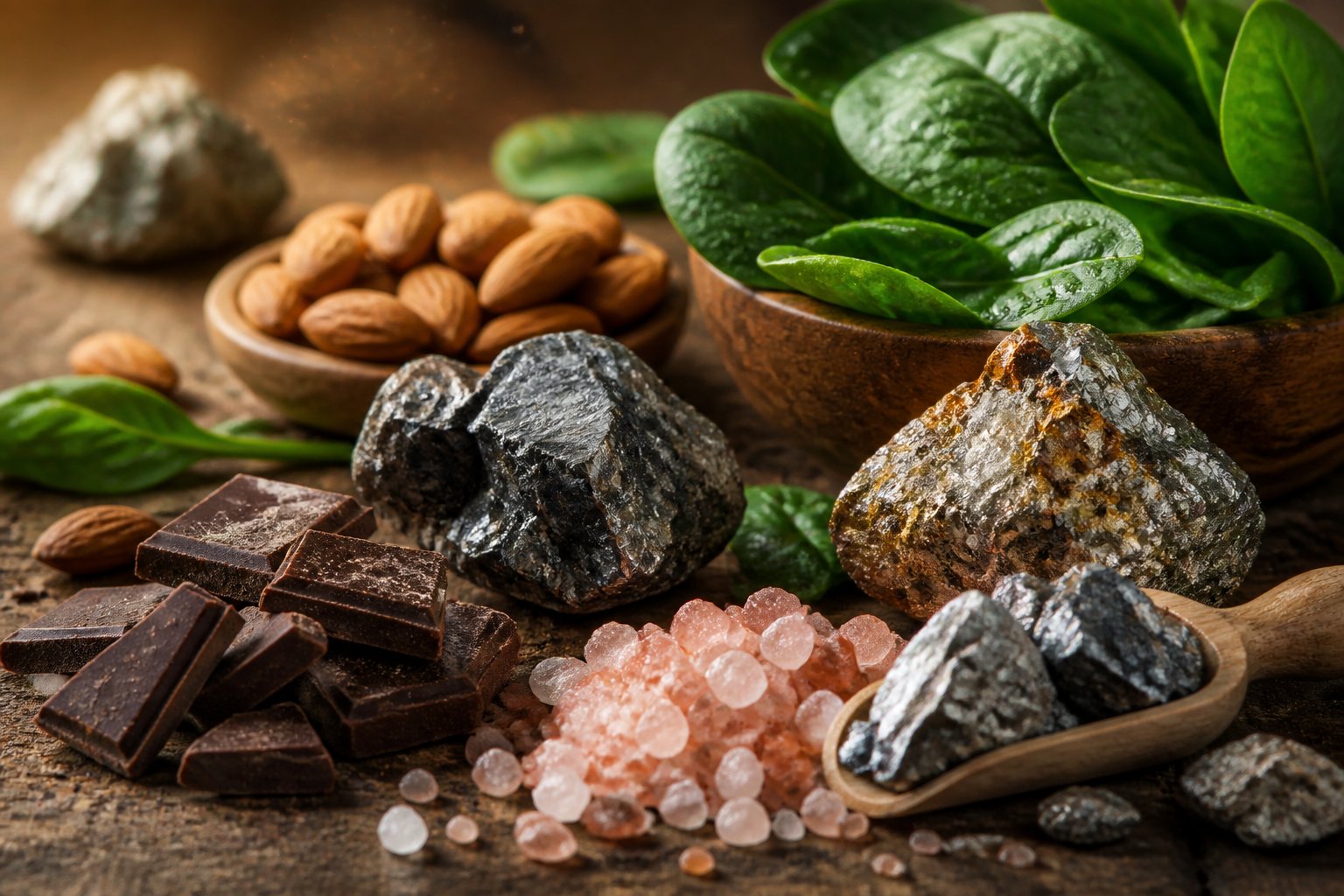
The body needs specific minerals to convert food into usable energy at the cellular level. Iron helps deliver oxygen to tissues[1], while magnesium breaks down glucose[1] to fuel daily activities. Without adequate amounts of these essential minerals, the body cannot function at its best.
Understanding which minerals boost energy levels and how to get them from food or supplements can help people feel more alert and capable. This guide explores the key minerals that combat fatigue, explains how they work in the body, and provides practical strategies for maintaining consistent energy throughout the day.
Table of Contents
Key Takeaways
- The body requires specific minerals like iron and magnesium to produce energy at the cellular level
- Common nutrient deficiencies can cause persistent fatigue and low energy that improves with proper nutrition
- A balanced diet with targeted supplementation when needed provides the best approach for maintaining steady energy levels
The Science of Energy Production in the Body
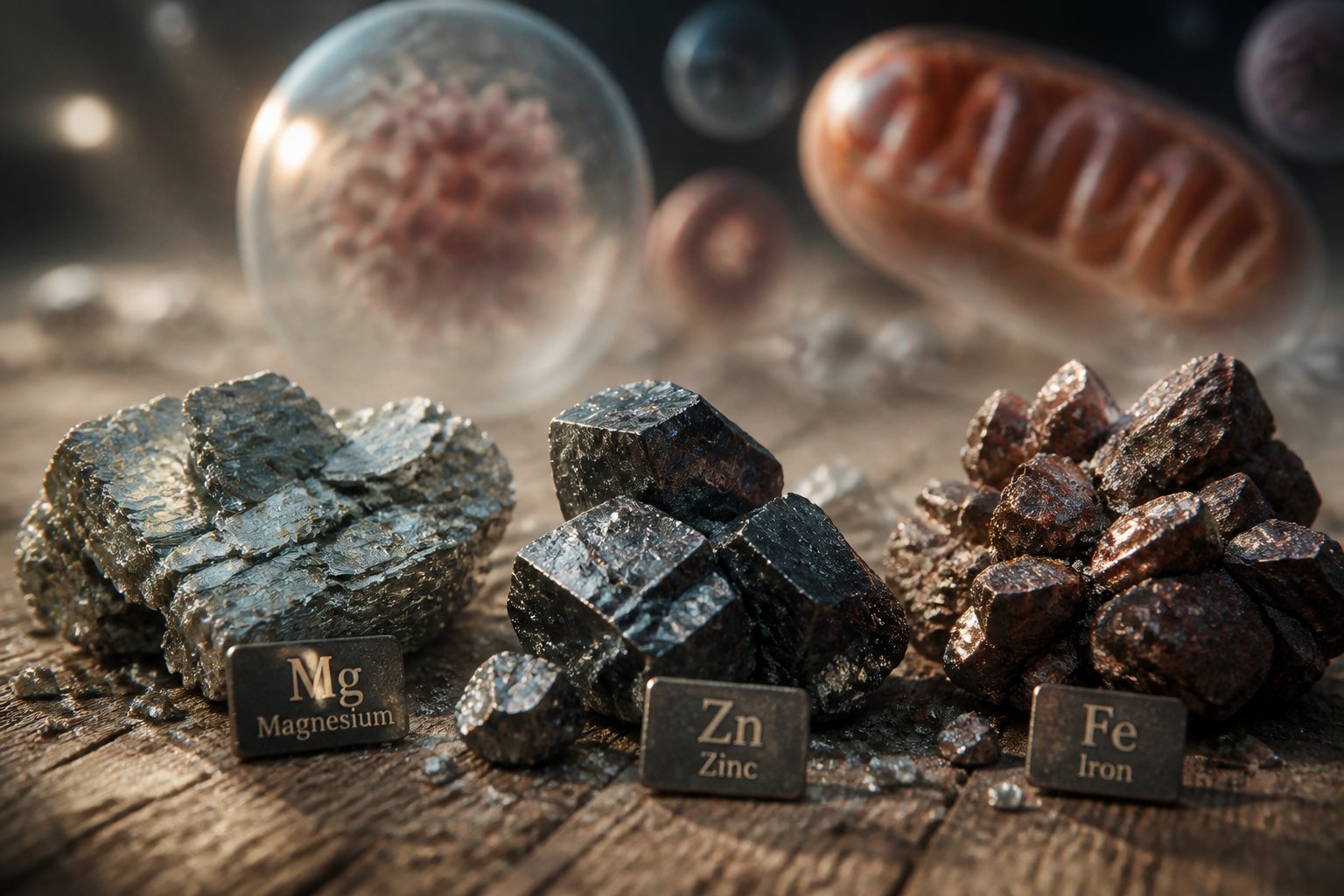
The body transforms food into usable energy through complex processes that depend on specific nutrients. Minerals and vitamins work inside cells to power these energy-making systems and keep organs functioning properly.
Understanding Cellular Energy and Mitochondria
Cells produce energy in small structures called mitochondria. These power plants convert nutrients from food into ATP, which stands for adenosine triphosphate. ATP serves as the main energy currency that cells use to perform all their functions.
Mitochondria need several minerals to work correctly. Without these minerals, the energy production process slows down or stops completely. Each cell contains hundreds to thousands of mitochondria depending on how much energy that cell needs.
Muscle cells and brain cells contain the most mitochondria because they require large amounts of energy. Heart muscle cells can have up to 5,000 mitochondria per cell. When mitochondria don’t function well, people experience fatigue and weakness.
Key Roles of Vitamins and Minerals in Energy Metabolism
B vitamins and minerals play essential roles in energy metabolism[2] as functional parts of enzymes involved in energy release and storage. These nutrients help break down carbohydrates, proteins, and fats into ATP.
Key minerals for energy production include:
- Magnesium – activates over 300 enzymes in energy pathways
- Iron – transports oxygen needed for ATP production
- Zinc – supports enzyme function in cellular metabolism
- Manganese – helps process carbohydrates and proteins
When someone lacks these nutrients, their body cannot convert macronutrients into usable energy efficiently[3]. This leads to fatigue even when eating enough calories.
Deficiencies in key nutrients like B vitamins, iron, and magnesium can lead to fatigue and brain fog[4]. The body needs consistent intake of these minerals through diet or supplements.
How Red Blood Cells and Oxygen Transport Impact Energy
Red blood cells carry oxygen from the lungs to every cell in the body. Without enough oxygen, mitochondria cannot produce ATP efficiently. This process requires iron to build hemoglobin, the protein in red blood cells that holds oxygen.
Low iron levels reduce the number of healthy red blood cells. This condition decreases oxygen delivery to tissues and organs. People with poor oxygen transport feel tired because their cells cannot make enough energy.
Each red blood cell lives about 120 days before the body replaces it. The body needs a steady supply of iron and other minerals to maintain healthy red blood cell production. Poor oxygen transport affects brain function, muscle performance, and overall energy levels throughout the day.
Essential Minerals for Energy and Their Functions
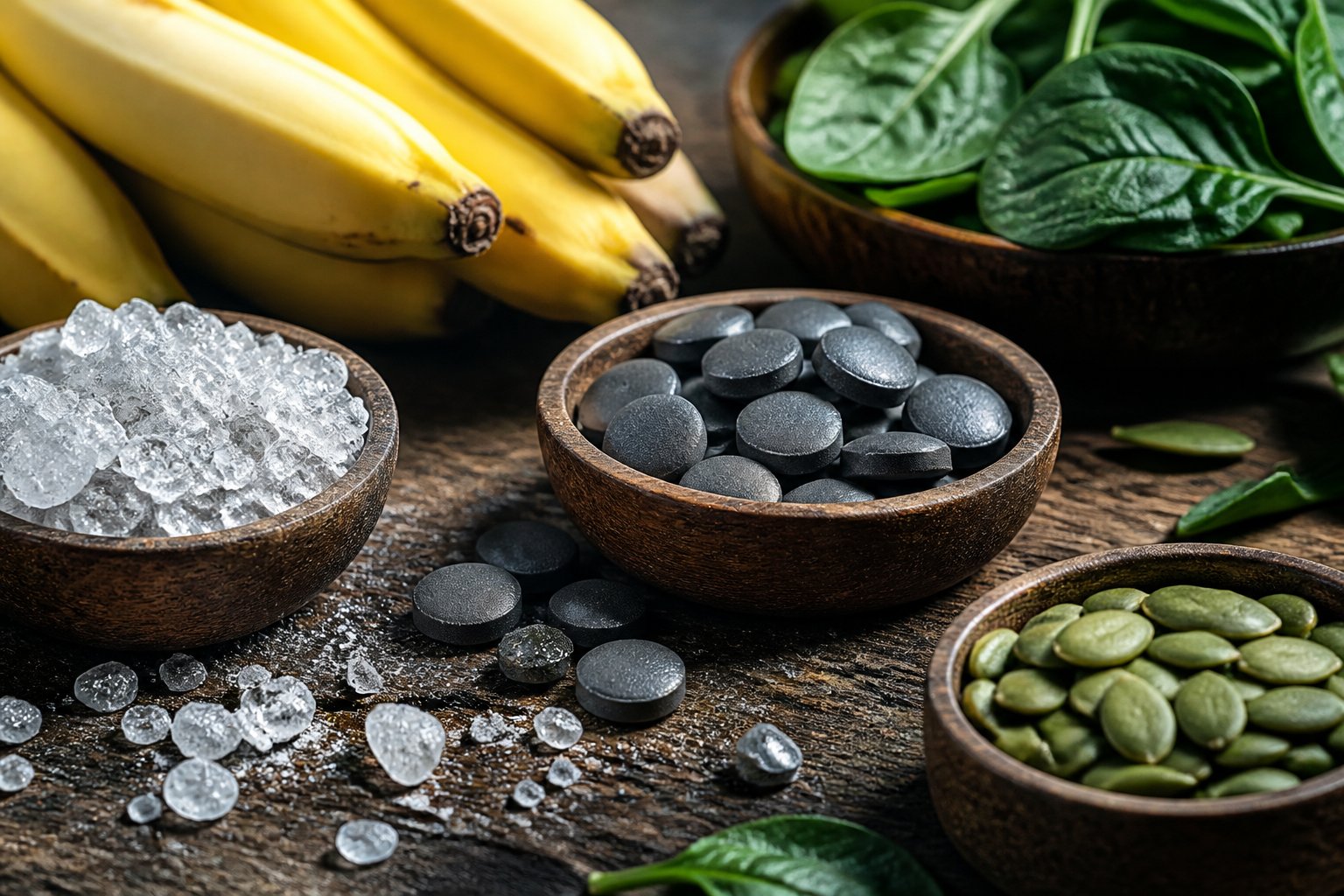
Your body depends on specific minerals to convert food into usable energy and maintain daily vitality. Iron carries oxygen to cells, magnesium activates energy production, zinc regulates metabolism, and selenium supports thyroid function.
Iron: Preventing Anemia and Supporting Vitality
Iron plays a critical role in energy production by helping create hemoglobin, the protein in red blood cells that carries oxygen throughout the body. When iron deficiency prevents the bone marrow from making enough hemoglobin[1], tissues receive less oxygen, which leads to fatigue and weakness.
Common signs of iron deficiency include:
- Persistent tiredness and low energy levels
- Muscle weakness and difficulty concentrating
- Pale skin and cold hands or feet
- Shortness of breath during normal activities
Without adequate iron, the body develops anemia, a condition where red blood cells cannot deliver sufficient oxygen to muscles and organs. Women who menstruate, pregnant individuals, and people with certain digestive conditions face higher risks of iron deficiency. The body absorbs iron from animal sources like red meat, poultry, and fish more easily than plant-based sources such as beans, lentils, and fortified cereals.
Magnesium: The Energy Catalyst
Magnesium participates in over 300 biochemical reactions in the body, including those that convert food into energy at the cellular level. This mineral activates ATP (adenosine triphosphate), the molecule that stores and releases energy in every cell. Low magnesium levels directly impact energy production and can cause noticeable physical symptoms.
People with insufficient magnesium often experience muscle cramps, particularly in the legs and feet, along with general muscle weakness. The mineral helps muscles relax after contracting, so deficiency can lead to tightness and spasms. Magnesium is crucial for supporting energy metabolism[5] and maintaining consistent energy levels throughout the day.
Good food sources of magnesium:
- Dark leafy greens (spinach, kale)
- Nuts and seeds (almonds, pumpkin seeds)
- Whole grains and legumes
- Dark chocolate and avocados
Zinc: Optimizing Metabolism and Immunity
Zinc supports energy production by helping the body process carbohydrates, proteins, and fats for fuel. This mineral also maintains immune function, protecting the body from infections that can drain energy and cause fatigue.
The body needs zinc to produce and activate enzymes involved in metabolism. Without enough zinc, metabolic processes slow down, leading to decreased energy levels and reduced physical performance. Zinc deficiency weakens immune function, making people more susceptible to colds and infections that interrupt daily activities.
Adults typically need 8-11 mg of zinc daily. Oysters contain more zinc per serving than any other food, but red meat, poultry, beans, nuts, and whole grains also provide good amounts. Vegetarians and vegans may need higher intake since plant-based zinc is less easily absorbed than zinc from animal sources.
Selenium: Thyroid Support and Antioxidant Benefits
Selenium helps regulate thyroid hormones, which control how quickly the body uses energy. The thyroid gland contains more selenium per gram of tissue than any other organ, highlighting this mineral’s importance for metabolic function.
The thyroid produces hormones that determine metabolic rate and energy levels. Selenium enables the conversion of inactive thyroid hormone (T4) into its active form (T3), which cells can use. Low selenium levels can impair thyroid function and slow metabolism, resulting in fatigue and weight gain.
Selenium also acts as an antioxidant, protecting cells from damage during energy production. Just 1-2 Brazil nuts provide the daily recommended amount of 55 mcg. Other sources include seafood, eggs, chicken, and whole grains grown in selenium-rich soil.
Crucial Vitamins that Power Daily Energy
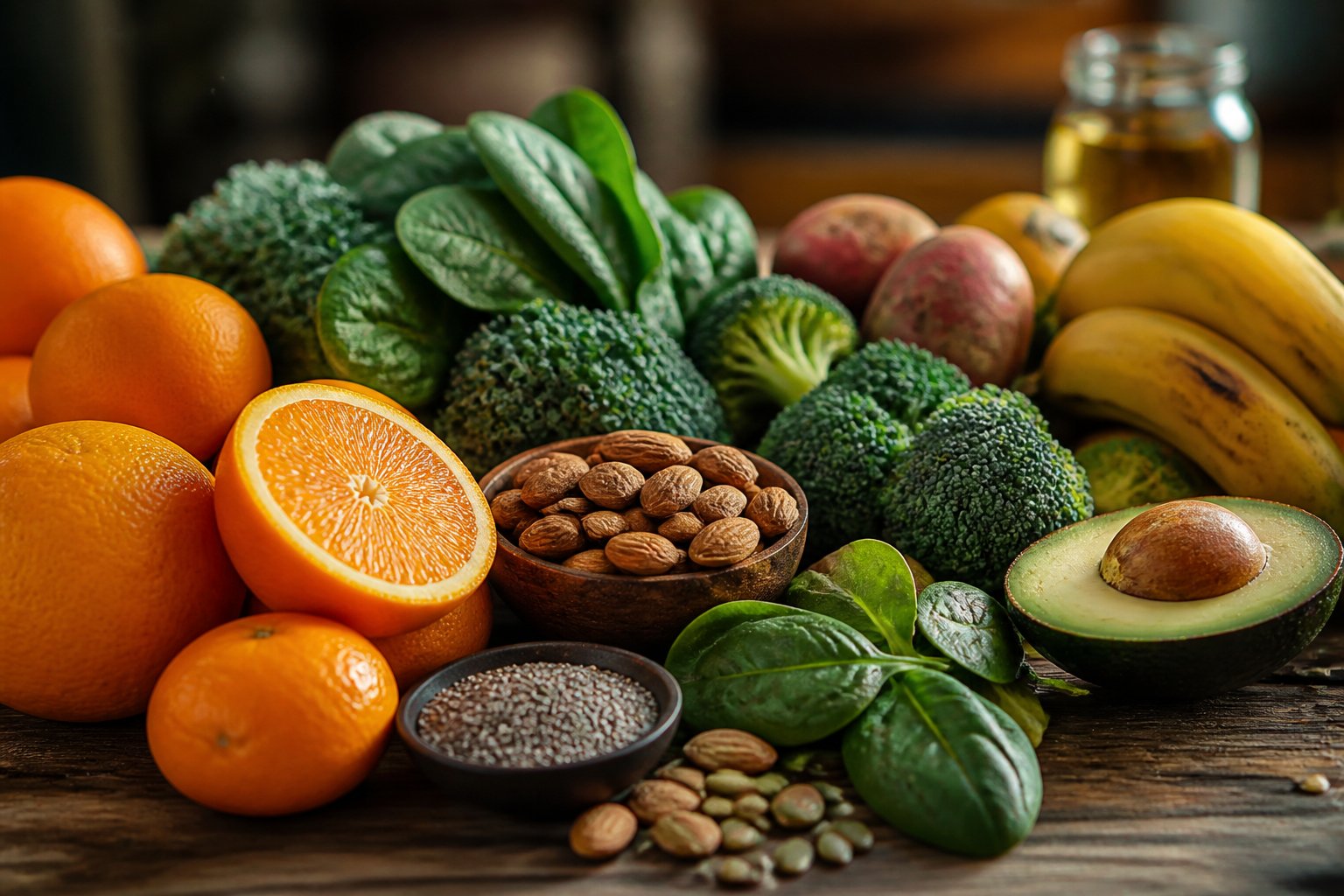
Several key vitamins play direct roles in converting food into usable energy, strengthening the body’s ability to transport oxygen, and maintaining the mental clarity needed throughout the day. Deficiencies in B vitamins, vitamin C, vitamin D, and folate can lead to fatigue and reduced physical performance.
B Vitamins: The Energy Powerhouse
B vitamins are essential for transforming the food people eat into ATP, the molecule that powers every cell in the body. This group includes eight distinct vitamins, each with specific energy-related functions.
Vitamin B1 (thiamine) helps break down carbohydrates and proteins. Vitamin B6 supports amino acid metabolism and aids in producing neurotransmitters that regulate energy levels. Vitamin B12[1] stands out as particularly important because deficiency can cause anemia, preventing adequate oxygen delivery to tissues.
About 6% of people ages 60 and older lack sufficient B12. The body’s ability to absorb this vitamin from meat and dairy products decreases with age. Vegetarians and vegans face higher risk since B12 occurs naturally only in animal products like fish, meat, poultry, eggs, and milk.
People with certain health conditions may also develop deficiencies. Those taking metformin for type 2 diabetes for more than four months can develop low B12 levels. Inflammatory bowel disease can interfere with absorption of multiple B vitamins.
B12 supplement[6] injections only increase energy in people who are actually deficient. Taking extra when levels are normal provides no additional benefit.
Vitamin C: Boosting Absorption and Recovery
Vitamin C enhances the body’s ability to absorb iron from plant-based foods, making it an indirect but important player in energy production. Iron carries oxygen through red blood cells, and without adequate absorption, fatigue can develop even when eating iron-rich foods.
This vitamin also supports the production of carnitine, a compound that helps cells convert fat into energy. During periods of physical stress or illness, vitamin C needs increase as the body uses it for tissue repair and immune function.
People who eat fruits and vegetables regularly typically get enough vitamin C. Citrus fruits, strawberries, bell peppers, broccoli, and tomatoes provide substantial amounts. Smokers require higher intake since smoking depletes vitamin C stores faster than normal.
Taking vitamin C alongside iron-rich plant foods like spinach, lentils, or fortified cereals maximizes iron absorption. This combination proves especially valuable for people who don’t eat meat.
Vitamin D: The Sunshine Vitamin for Strength and Mood
Vitamin D deficiency[1] reduces bone and muscle strength, creating feelings of weakness that limit the ability to perform everyday tasks. Low levels also contribute to depressed mood, draining energy further.
The body manufactures this sunshine vitamin in skin exposed to sunlight. It’s also found in fatty fish like tuna, salmon, mackerel, and herring, plus fortified milk, soy beverages, orange juice, and breakfast cereals.
Recommended amounts vary by age:
- Adults up to age 70: 600 IU daily
- Adults 71 and older: 800 IU daily
- Infants up to 12 months: 400 IU daily
Vitamin D3[1] works better than other forms for older adults with deficiency. The body absorbs it more easily and uses it more effectively. People with limited sun exposure or darker skin may need supplementation to maintain adequate levels.
Folate and Folic Acid: Supporting Red Blood Cells
Folate and its synthetic form, folic acid, prevent certain types of anemia by supporting red blood cell production. Deficiency in these nutrients leads to fatigue similar to that caused by low B12.
Most people get sufficient amounts because many packaged foods, breads, and flour contain added folic acid. This widespread fortification has dramatically reduced folate deficiency in the general population.
Pregnant women need extra folate to support fetal development and prevent neural tube defects. Dark leafy greens, beans, citrus fruits, and fortified grains provide natural folate. The synthetic version in supplements and fortified foods gets absorbed more efficiently than the natural form.
Medications can interfere with folate levels. Certain drugs used for autoimmune conditions and some antibiotics reduce the body’s ability to use this vitamin properly. People taking these medications may need higher intake through diet or supplements.
Recognizing and Addressing Common Deficiencies
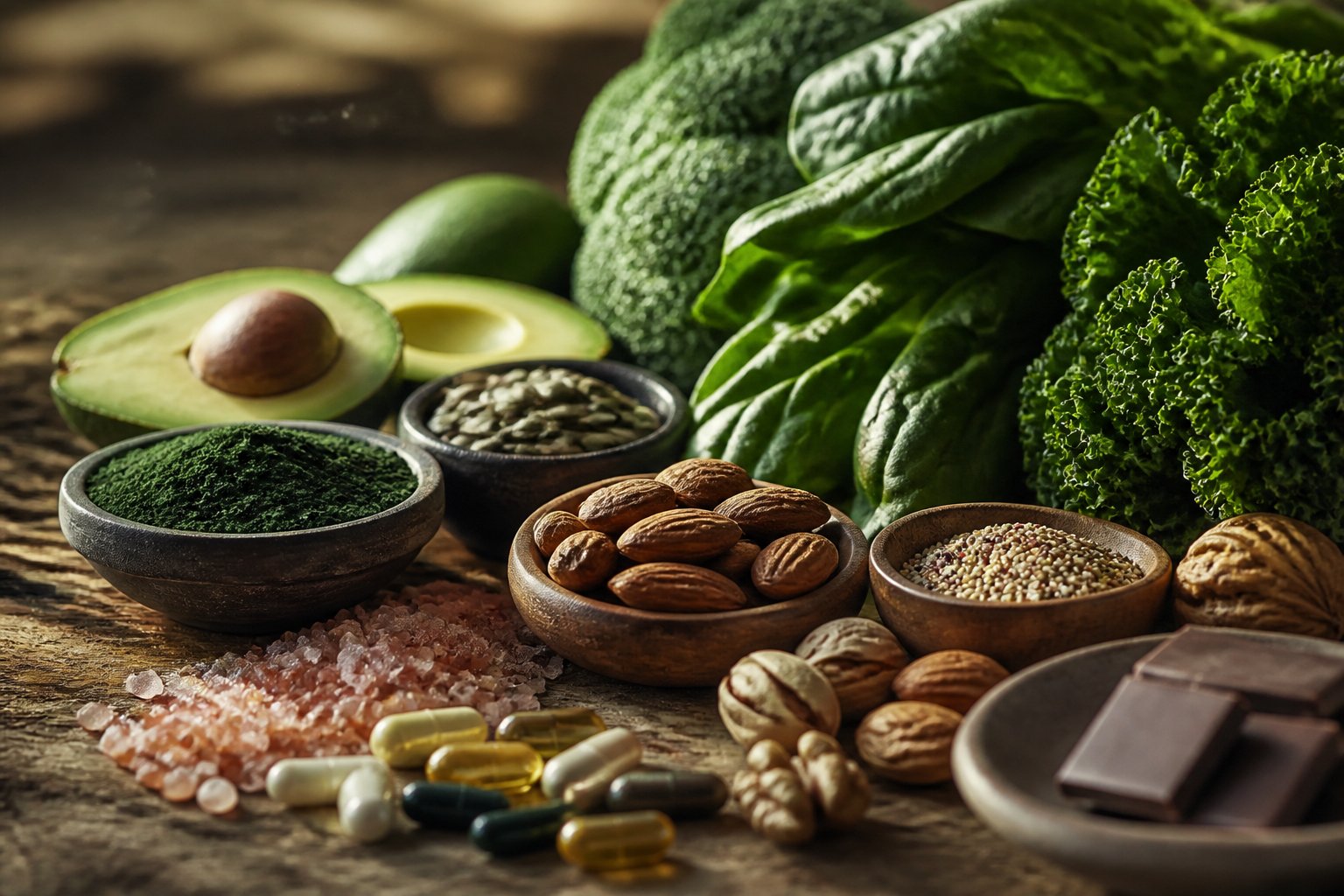
Identifying mineral deficiencies early helps prevent ongoing fatigue and health problems. Symptoms like persistent tiredness[7] often signal that the body lacks key nutrients needed for energy production.
Symptoms of Fatigue and Low Energy
Physical tiredness represents the most common sign of mineral deficiency. People with low iron levels experience mental fatigue alongside physical exhaustion because their bodies cannot deliver enough oxygen to tissues.
Muscle weakness develops when magnesium levels drop too low. The body needs this mineral to convert glucose into usable energy. Without adequate amounts, even simple daily tasks become difficult.
Other warning signs include pale skin, shortness of breath, and dizziness. Frequent illness[1] can also indicate a deficiency since minerals support immune function. People who feel cold often or have brittle nails may need to check their iron levels.
Common deficiency symptoms:
- Constant exhaustion despite adequate sleep
- Difficulty concentrating or brain fog
- Weakened muscles and reduced stamina
- Getting sick more often than usual
- Headaches or lightheadedness
Diagnosing Iron, Magnesium, and Vitamin Deficiencies
A blood test provides the most accurate way to identify deficiencies. Doctors measure hemoglobin levels to detect iron deficiency anemia[1], which prevents red blood cells from carrying oxygen properly.
Magnesium testing requires specific requests since standard blood panels do not always include it. About 48% of Americans consume less magnesium than recommended daily amounts of 320 mg for women and 420 mg for men.
Healthcare providers also check vitamin D and B12 levels when patients report fatigue. These nutrients work alongside minerals to support energy production. Some conditions like inflammatory bowel disease interfere with nutrient absorption even when diet contains adequate amounts.
Who Is at Risk: Lifestyle, Gender, and Dietary Patterns
Women who menstruate face higher iron deficiency risk because they lose blood during each period. Up to 20% of pregnant women develop anemia during pregnancy due to increased iron needs.
Older adults struggle to absorb vitamin B12 from foods like meat and dairy products. About 6% of people over 60 show deficiency in this essential nutrient.
Vegetarians and vegans need careful planning to get enough iron and vitamin B12[1] since these nutrients come mainly from animal products. People taking certain medications also face higher deficiency risk. Those with type 2 diabetes who use high-dose metformin for more than four months may develop low B12 levels.
High-risk groups include:
- Menstruating and pregnant women
- Adults over 60 years old
- Plant-based diet followers
- People with digestive disorders
- Individuals on long-term medications
Dietary Sources and Smart Supplementation Strategies
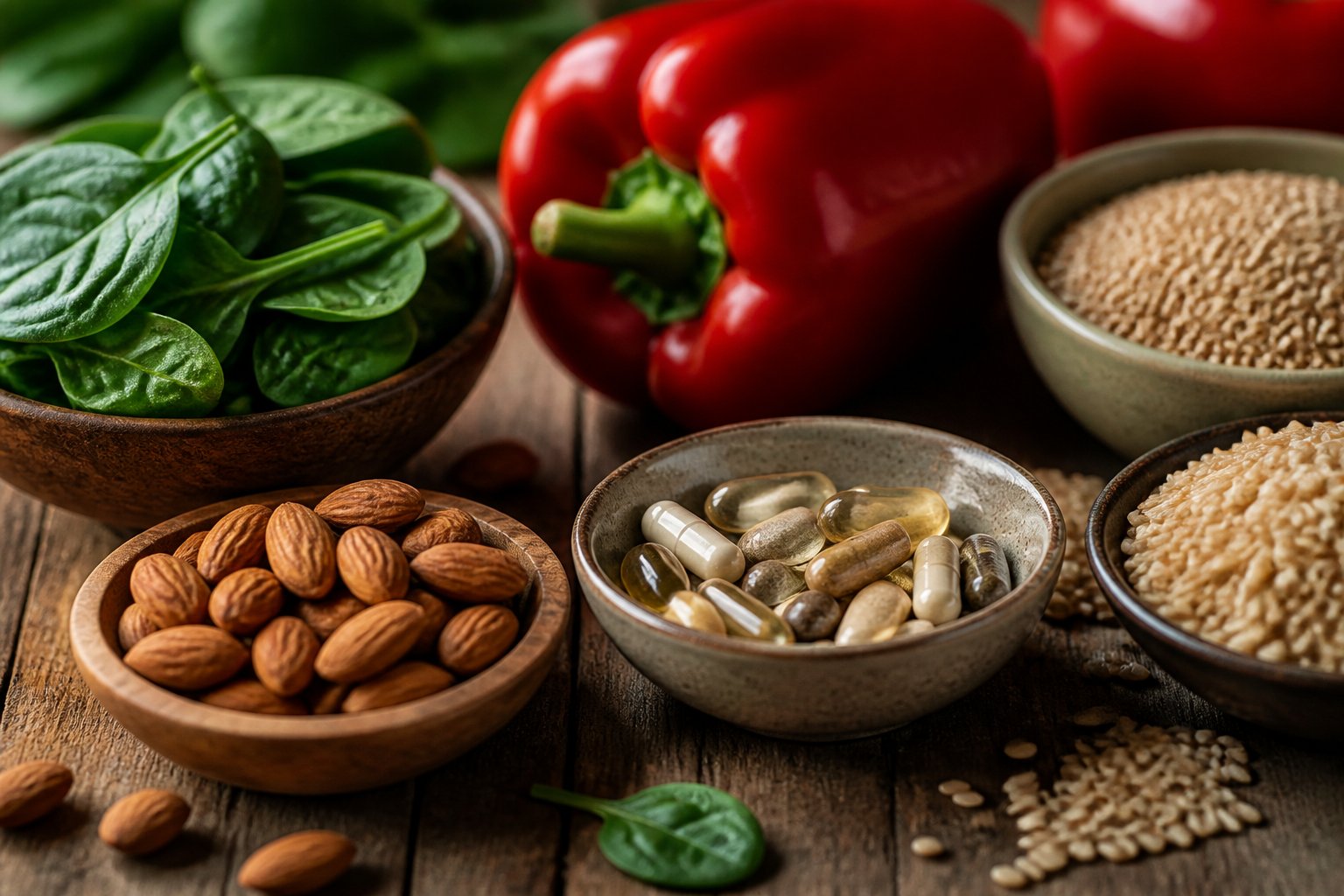
Getting energy-boosting minerals from whole foods provides the most benefits, but supplements can fill gaps when dietary intake falls short. Understanding which foods provide key nutrients, how to choose quality supplements, and how to combine them for better absorption helps maximize their energy-enhancing effects.
Mineral-Rich and Vitamin-Packed Foods
Iron-rich foods[1] include lean meat, seafood, poultry, white beans, lentils, spinach, kidney beans, peas, nuts, and some dried fruits. These foods help prevent anemia and support oxygen delivery to cells.
For magnesium, people should eat legumes, nuts, seeds, whole grains, and green leafy vegetables like spinach. Fortified foods, milk, and yogurt also provide good amounts of this mineral that helps convert glucose into energy.
Vitamin B12 comes from animal products such as fish, meat, poultry, eggs, milk, and other dairy products. People who follow vegetarian or vegan diets need to find fortified foods or supplements since plant foods don’t naturally contain B12.
Key Food Sources by Nutrient:
- Iron: Red meat, shellfish, beans, fortified cereals
- Magnesium: Pumpkin seeds, almonds, black beans, brown rice
- Vitamin D: Fatty fish (salmon, mackerel, tuna), fortified milk, egg yolks
- Vitamin B12: Clams, beef liver, trout, nutritional yeast (fortified)
Dark leafy greens work well for both calcium and magnesium, while nuts and seeds boost zinc intake.
Multivitamins and Choosing Quality Supplements
About half of all Americans routinely take dietary supplements[1], with multivitamin and multimineral supplements being the most common. A multivitamin can help fill nutritional gaps, but it won’t boost energy unless someone has an actual deficiency.
Quality matters when selecting supplements. People should look for products that have been tested by third-party organizations. The label should clearly list all ingredients and their amounts.
An iron supplement makes sense for menstruating women or those diagnosed with iron deficiency anemia. Up to 20% of pregnant women develop anemia during pregnancy and may need supplementation. However, taking iron without a deficiency can lead to iron overload, which damages the liver and heart.
For magnesium, approximately 48% of the U.S. population consumes less than the required amount (320 mg for women and 420 mg for men). A b12 supplement becomes important for older adults, as about 6% of people ages 60 and older are deficient because absorption decreases with age.
Nutrient Pairings for Optimal Absorption
Certain nutrients work better together. Vitamin C enhances iron absorption from plant sources, so pairing iron-rich foods with citrus fruits or tomatoes improves uptake.
Magnesium glycinate absorbs better than other forms of magnesium and causes fewer digestive side effects. Taking it with food can further improve absorption.
Vitamin D helps the body absorb calcium and supports bone strength. Older adults who are deficient should take vitamin D3, which absorbs more easily than other forms. The recommended amount is 600 IU per day for adults up to age 70 and 800 IU for those 71 and older.
Fat-soluble vitamins (A, D, E, K) need to be taken with dietary fat for proper absorption. Taking these with a meal that contains healthy fats like avocado or olive oil helps the body use them.
Safety Considerations in Supplement Use
Taking more vitamins and minerals than needed doesn’t increase energy if levels are already normal. This can actually cause harm in some cases.
High doses of iron supplements can cause constipation, nausea, and organ damage. People should get their iron levels tested before starting supplementation.
Some medications interact with supplements. Metformin, used for type 2 diabetes, can lead to low vitamin B12 levels when taken for more than four months at high doses. Inflammatory bowel disease can interfere with B12 and folic acid absorption[1], even when diet contains adequate amounts.
Hydration and electrolyte balance also affect how well the body uses minerals. Drinking enough water helps nutrients reach cells and supports immune function. People taking mineral supplements should maintain proper fluid intake throughout the day.
Anyone considering supplements should talk with their doctor first, especially if they take medications or have health conditions. Blood tests can identify actual deficiencies rather than guessing which supplements to take.
Lifestyle Tips for Consistent Energy and Reduced Fatigue
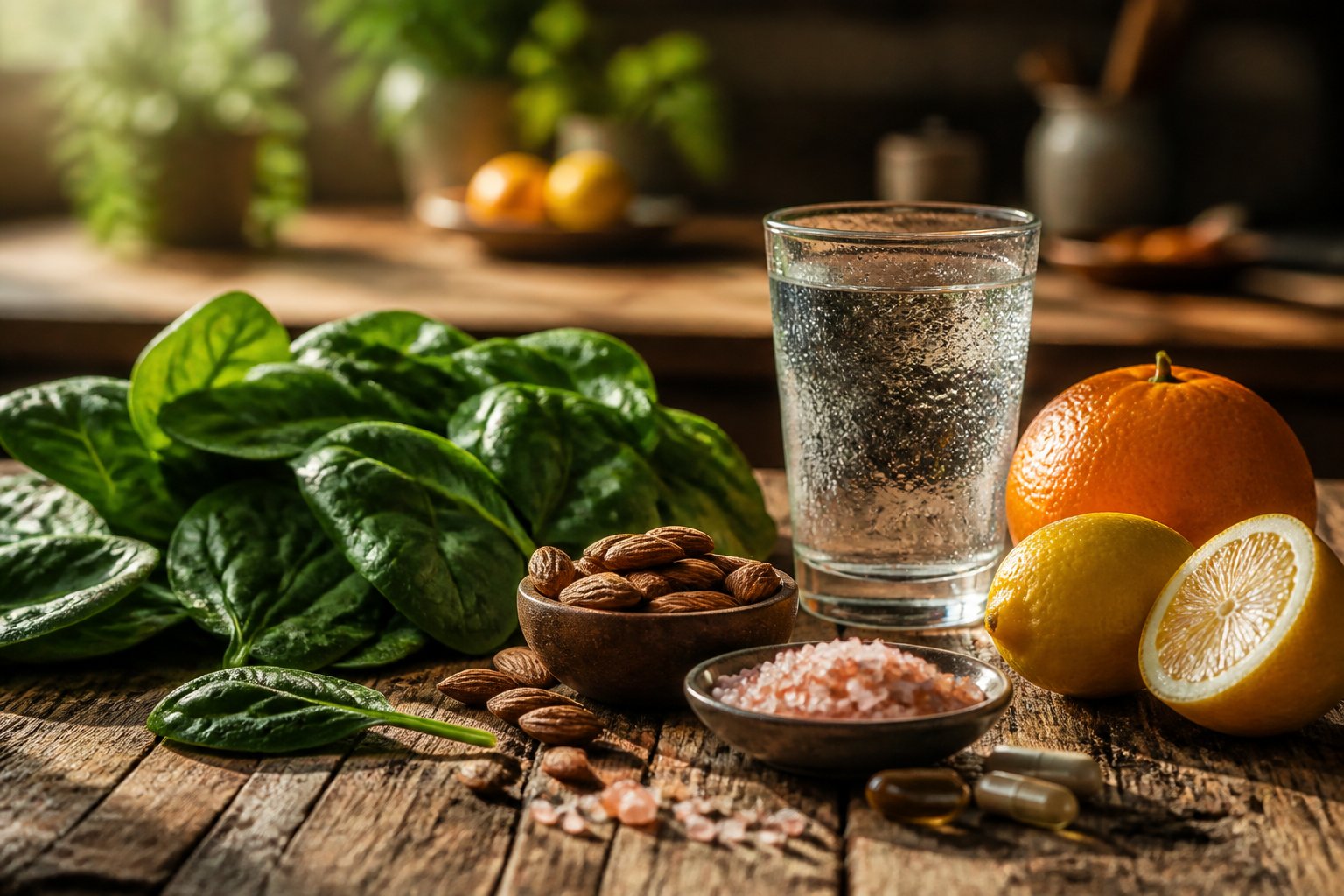
Getting enough minerals is only part of the energy equation. Daily habits like sleep quality, water intake, and physical activity work together to maintain steady energy levels throughout the day.
The Roles of Sleep, Hydration, and Exercise
Sleep directly affects how energized someone feels during waking hours. Adults need seven to nine hours of quality sleep each night to allow the body to repair and recharge. Poor sleep habits drain energy reserves and make it harder to focus.
Water is the only nutrient proven to enhance performance for most physical activities[8]. When the body runs short on fluids, fatigue often appears as one of the first warning signs. Drinking water throughout the day keeps cells functioning properly and prevents energy dips.
Exercise seems like it would tire people out, but it actually does the opposite. Regular physical activity helps people sleep more soundly at night. It also increases oxygen circulation and raises brain dopamine levels, which improves mood. Walking at a brisk pace provides extra health benefits beyond a leisurely stroll.
Key hydration tips:
- Drink water before feeling thirsty
- Keep a water bottle nearby during work
- Limit caffeinated drinks after 2 p.m.
Managing Afternoon Slumps and Mental Performance
The midday energy crash happens to many people, but specific choices can prevent it. Eating lunch without alcohol helps maintain alertness through the afternoon. Alcohol has a strong sedative effect at midday[8] that can derail productivity for hours.
Caffeine works best when used carefully. A cup of coffee sharpens mental focus and increases alertness. However, drinking too much or consuming it late in the day causes sleep problems. Limiting caffeine intake to moderate amounts before 2 p.m. prevents insomnia while still providing benefits.
Mental performance stays higher when stress stays under control. Stress-induced emotions use up huge amounts of energy. Talking with trusted friends or family members helps reduce stress. Relaxation practices like meditation, yoga, or tai chi also work well for managing daily pressures.
Long-Term Habits and Personalized Approaches
Building consistent energy requires lifestyle changes that become permanent habits[9]. One major factor is reducing overwork. Taking on too many professional, family, and social obligations leads to exhaustion. People should identify their most important tasks and cut back on less critical activities.
Smoking drains energy by disrupting sleep patterns. Nicotine acts as a stimulant that speeds up heart rate and triggers brain activity linked to wakefulness. This makes falling asleep harder and can cause middle-of-the-night wake-ups from cravings.
Eating patterns matter for sustained energy. Foods with a low glycemic index release sugar slowly into the bloodstream. This prevents the energy crash that follows quickly absorbed sugars. Whole grains, high-fiber vegetables, nuts, and olive oil all support steady energy levels. About 14% of Americans report they lack the energy needed to complete daily tasks, but these practical changes can make a real difference.
Frequently Asked Questions
Certain minerals directly address fatigue by supporting oxygen delivery, energy metabolism, and cellular function. Testing and proper combinations help identify deficiencies and restore energy more effectively than single nutrients alone.
Which minerals are most important for reducing fatigue and improving energy levels?
Iron stands out as the most critical mineral for fighting fatigue because it enables red blood cells to carry oxygen throughout the body. Without adequate iron, cells cannot produce energy efficiently, leading to persistent tiredness.
Magnesium ranks second in importance since it helps break down glucose into energy[1] at the cellular level. This mineral activates hundreds of enzymes involved in energy production. About 48% of Americans consume less than the required amount of magnesium from food, which is 320 mg daily for women and 420 mg for men.
Zinc, selenium, and copper also contribute to energy levels by supporting immune function and reducing inflammation that drains energy reserves.
How can you tell if low iron, magnesium, or vitamin B12 is causing tiredness?
A blood test provides the most accurate way to identify specific nutrient deficiencies causing fatigue. Doctors can measure iron levels, magnesium status, and vitamin B12 concentrations through simple lab work.
Iron deficiency typically causes additional symptoms beyond tiredness, including pale skin, shortness of breath, and cold hands and feet. People may also experience headaches and dizziness when standing up quickly.
Low magnesium often appears alongside muscle cramps, weakness, and irregular heartbeat. Some people notice increased anxiety or difficulty sleeping.
Vitamin B12 deficiency can produce numbness or tingling in the hands and feet, memory problems, and difficulty with balance. About 6% of people ages 60 and older lack sufficient B12, partly because the body absorbs less of this vitamin from food as people age.
What are the best mineral and vitamin combinations to support energy and motivation?
B vitamins work together with iron[4] to support energy production and red blood cell formation. Vitamin B12 and folic acid both prevent anemia, while other B vitamins help convert food into usable energy.
Magnesium pairs well with vitamin D for energy support. Vitamin D deficiency can reduce bone and muscle strength, making people feel weak and less motivated. The combination helps maintain both physical strength and mood.
Iron absorption improves when taken with vitamin C. Eating iron-rich foods like spinach or lentils alongside citrus fruits or bell peppers increases the amount of iron the body can use.
Vitamin D works best when combined with calcium and magnesium. These three nutrients support muscle function and reduce the physical weakness that drains motivation.
Which supplements are most effective for chronic fatigue, and when should you consider them?
Iron supplements help restore energy only when a person has an iron deficiency. Taking iron without a deficiency can lead to iron overload, which damages the liver and heart and may actually cause fatigue.
Magnesium supplements benefit the nearly half of Americans who consume less than recommended amounts. Green leafy vegetables, nuts, seeds, and whole grains provide this mineral naturally, but supplements can fill gaps in the diet.
Vitamin B12 supplements or injections help people who cannot absorb enough from food. This includes older adults, vegetarians, vegans, and people taking metformin for diabetes. Some people receive B12 shots for energy, but this only works if they have a B12 deficiency.
Vitamin D3 supplements work best for older adults who are deficient. This form absorbs more easily than other types of vitamin D. The recommended daily amount is 600 IU for adults up to age 70 and 800 IU for those 71 and older.
What energy-supporting nutrients are most helpful for women, especially during menstruation or pregnancy?
Iron becomes especially important for menstruating women because they lose blood and iron with each period. Anemia is most common in menstruating women[1], making iron-rich foods and supplements essential for maintaining energy.
Up to 20% of pregnant women develop anemia during pregnancy due to increased blood volume and fetal development needs. Pregnant women need more iron than usual to support both their own bodies and their growing babies.
Folic acid prevents anemia and supports fetal development. Most packaged foods including breads and flour contain added folic acid, helping women meet their needs during pregnancy.
Vitamin B12 works with folic acid to prevent anemia in women. Pregnant and nursing women who follow vegetarian or vegan diets should pay special attention to B12 intake since it comes mainly from animal products.
How do energy needs and nutrient requirements change after age 40, and what should you prioritize?
The body becomes less efficient at absorbing certain nutrients after age 40, particularly vitamin B12. Stomach acid decreases with age, making it harder to extract B12 from meat and dairy products.
Vitamin D becomes more critical after age 40 because the skin produces less of it from sunlight. Low vitamin D levels can depress mood and reduce muscle strength, both of which decrease energy. Adults over 70 need 800 IU daily compared to 600 IU for younger adults.
Magnesium needs remain constant, but many older adults consume less food overall and may miss adequate amounts. This mineral helps maintain muscle function and energy metabolism, which become more important for maintaining independence.
Iron needs actually decrease for women after menopause since they no longer lose blood monthly. However, men and postmenopausal women should still monitor iron levels, as deficiency can occur from poor absorption or health conditions.
Post Views: 8

Elevate Your Health for Just $29.99/Month
Join the Precision Wellness Subscription at My Healing 365 and get discounted services, priority coaching access, virtual care, and exclusive wellness resources to support your physical, emotional, and hormonal health.
Join for $29.99/MonthMedically Reviewed
Dr. Jose Rossello, MD, PhD, MHCM
Preventive Medicine & Public Health Specialist
Last Reviewed: June 19, 2026
Feeling tired all the time can make even simple tasks feel overwhelming. Many people struggle with fatigue and low energy without realizing that their bodies might be missing key nutrients. Certain minerals play a direct role in how the body produces and maintains energy throughout the day, and getting enough of these nutrients can make a significant difference in how energetic someone feels.
The body needs specific minerals to convert food into usable energy at the cellular level. Iron helps deliver oxygen to tissues[1], while magnesium breaks down glucose[1] to fuel daily activities. Without adequate amounts of these essential minerals, the body cannot function at its best.
Understanding which minerals boost energy levels and how to get them from food or supplements can help people feel more alert and capable. This guide explores the key minerals that combat fatigue, explains how they work in the body, and provides practical strategies for maintaining consistent energy throughout the day.
Key Takeaways
- The body requires specific minerals like iron and magnesium to produce energy at the cellular level
- Common nutrient deficiencies can cause persistent fatigue and low energy that improves with proper nutrition
- A balanced diet with targeted supplementation when needed provides the best approach for maintaining steady energy levels
The Science of Energy Production in the Body
The body transforms food into usable energy through complex processes that depend on specific nutrients. Minerals and vitamins work inside cells to power these energy-making systems and keep organs functioning properly.
Understanding Cellular Energy and Mitochondria
Cells produce energy in small structures called mitochondria. These power plants convert nutrients from food into ATP, which stands for adenosine triphosphate. ATP serves as the main energy currency that cells use to perform all their functions.
Mitochondria need several minerals to work correctly. Without these minerals, the energy production process slows down or stops completely. Each cell contains hundreds to thousands of mitochondria depending on how much energy that cell needs.
Muscle cells and brain cells contain the most mitochondria because they require large amounts of energy. Heart muscle cells can have up to 5,000 mitochondria per cell. When mitochondria don’t function well, people experience fatigue and weakness.
Key Roles of Vitamins and Minerals in Energy Metabolism
B vitamins and minerals play essential roles in energy metabolism[2] as functional parts of enzymes involved in energy release and storage. These nutrients help break down carbohydrates, proteins, and fats into ATP.
Key minerals for energy production include:
- Magnesium – activates over 300 enzymes in energy pathways
- Iron – transports oxygen needed for ATP production
- Zinc – supports enzyme function in cellular metabolism
- Manganese – helps process carbohydrates and proteins
When someone lacks these nutrients, their body cannot convert macronutrients into usable energy efficiently[3]. This leads to fatigue even when eating enough calories.
Deficiencies in key nutrients like B vitamins, iron, and magnesium can lead to fatigue and brain fog[4]. The body needs consistent intake of these minerals through diet or supplements.
How Red Blood Cells and Oxygen Transport Impact Energy
Red blood cells carry oxygen from the lungs to every cell in the body. Without enough oxygen, mitochondria cannot produce ATP efficiently. This process requires iron to build hemoglobin, the protein in red blood cells that holds oxygen.
Low iron levels reduce the number of healthy red blood cells. This condition decreases oxygen delivery to tissues and organs. People with poor oxygen transport feel tired because their cells cannot make enough energy.
Each red blood cell lives about 120 days before the body replaces it. The body needs a steady supply of iron and other minerals to maintain healthy red blood cell production. Poor oxygen transport affects brain function, muscle performance, and overall energy levels throughout the day.
Essential Minerals for Energy and Their Functions
Your body depends on specific minerals to convert food into usable energy and maintain daily vitality. Iron carries oxygen to cells, magnesium activates energy production, zinc regulates metabolism, and selenium supports thyroid function.
Iron: Preventing Anemia and Supporting Vitality
Iron plays a critical role in energy production by helping create hemoglobin, the protein in red blood cells that carries oxygen throughout the body. When iron deficiency prevents the bone marrow from making enough hemoglobin[1], tissues receive less oxygen, which leads to fatigue and weakness.
Common signs of iron deficiency include:
- Persistent tiredness and low energy levels
- Muscle weakness and difficulty concentrating
- Pale skin and cold hands or feet
- Shortness of breath during normal activities
Without adequate iron, the body develops anemia, a condition where red blood cells cannot deliver sufficient oxygen to muscles and organs. Women who menstruate, pregnant individuals, and people with certain digestive conditions face higher risks of iron deficiency. The body absorbs iron from animal sources like red meat, poultry, and fish more easily than plant-based sources such as beans, lentils, and fortified cereals.
Magnesium: The Energy Catalyst
Magnesium participates in over 300 biochemical reactions in the body, including those that convert food into energy at the cellular level. This mineral activates ATP (adenosine triphosphate), the molecule that stores and releases energy in every cell. Low magnesium levels directly impact energy production and can cause noticeable physical symptoms.
People with insufficient magnesium often experience muscle cramps, particularly in the legs and feet, along with general muscle weakness. The mineral helps muscles relax after contracting, so deficiency can lead to tightness and spasms. Magnesium is crucial for supporting energy metabolism[5] and maintaining consistent energy levels throughout the day.
Good food sources of magnesium:
- Dark leafy greens (spinach, kale)
- Nuts and seeds (almonds, pumpkin seeds)
- Whole grains and legumes
- Dark chocolate and avocados
Zinc: Optimizing Metabolism and Immunity
Zinc supports energy production by helping the body process carbohydrates, proteins, and fats for fuel. This mineral also maintains immune function, protecting the body from infections that can drain energy and cause fatigue.
The body needs zinc to produce and activate enzymes involved in metabolism. Without enough zinc, metabolic processes slow down, leading to decreased energy levels and reduced physical performance. Zinc deficiency weakens immune function, making people more susceptible to colds and infections that interrupt daily activities.
Adults typically need 8-11 mg of zinc daily. Oysters contain more zinc per serving than any other food, but red meat, poultry, beans, nuts, and whole grains also provide good amounts. Vegetarians and vegans may need higher intake since plant-based zinc is less easily absorbed than zinc from animal sources.
Selenium: Thyroid Support and Antioxidant Benefits
Selenium helps regulate thyroid hormones, which control how quickly the body uses energy. The thyroid gland contains more selenium per gram of tissue than any other organ, highlighting this mineral’s importance for metabolic function.
The thyroid produces hormones that determine metabolic rate and energy levels. Selenium enables the conversion of inactive thyroid hormone (T4) into its active form (T3), which cells can use. Low selenium levels can impair thyroid function and slow metabolism, resulting in fatigue and weight gain.
Selenium also acts as an antioxidant, protecting cells from damage during energy production. Just 1-2 Brazil nuts provide the daily recommended amount of 55 mcg. Other sources include seafood, eggs, chicken, and whole grains grown in selenium-rich soil.
Crucial Vitamins that Power Daily Energy
Several key vitamins play direct roles in converting food into usable energy, strengthening the body’s ability to transport oxygen, and maintaining the mental clarity needed throughout the day. Deficiencies in B vitamins, vitamin C, vitamin D, and folate can lead to fatigue and reduced physical performance.
B Vitamins: The Energy Powerhouse
B vitamins are essential for transforming the food people eat into ATP, the molecule that powers every cell in the body. This group includes eight distinct vitamins, each with specific energy-related functions.
Vitamin B1 (thiamine) helps break down carbohydrates and proteins. Vitamin B6 supports amino acid metabolism and aids in producing neurotransmitters that regulate energy levels. Vitamin B12[1] stands out as particularly important because deficiency can cause anemia, preventing adequate oxygen delivery to tissues.
About 6% of people ages 60 and older lack sufficient B12. The body’s ability to absorb this vitamin from meat and dairy products decreases with age. Vegetarians and vegans face higher risk since B12 occurs naturally only in animal products like fish, meat, poultry, eggs, and milk.
People with certain health conditions may also develop deficiencies. Those taking metformin for type 2 diabetes for more than four months can develop low B12 levels. Inflammatory bowel disease can interfere with absorption of multiple B vitamins.
B12 supplement[6] injections only increase energy in people who are actually deficient. Taking extra when levels are normal provides no additional benefit.
Vitamin C: Boosting Absorption and Recovery
Vitamin C enhances the body’s ability to absorb iron from plant-based foods, making it an indirect but important player in energy production. Iron carries oxygen through red blood cells, and without adequate absorption, fatigue can develop even when eating iron-rich foods.
This vitamin also supports the production of carnitine, a compound that helps cells convert fat into energy. During periods of physical stress or illness, vitamin C needs increase as the body uses it for tissue repair and immune function.
People who eat fruits and vegetables regularly typically get enough vitamin C. Citrus fruits, strawberries, bell peppers, broccoli, and tomatoes provide substantial amounts. Smokers require higher intake since smoking depletes vitamin C stores faster than normal.
Taking vitamin C alongside iron-rich plant foods like spinach, lentils, or fortified cereals maximizes iron absorption. This combination proves especially valuable for people who don’t eat meat.
Vitamin D: The Sunshine Vitamin for Strength and Mood
Vitamin D deficiency[1] reduces bone and muscle strength, creating feelings of weakness that limit the ability to perform everyday tasks. Low levels also contribute to depressed mood, draining energy further.
The body manufactures this sunshine vitamin in skin exposed to sunlight. It’s also found in fatty fish like tuna, salmon, mackerel, and herring, plus fortified milk, soy beverages, orange juice, and breakfast cereals.
Recommended amounts vary by age:
- Adults up to age 70: 600 IU daily
- Adults 71 and older: 800 IU daily
- Infants up to 12 months: 400 IU daily
Vitamin D3[1] works better than other forms for older adults with deficiency. The body absorbs it more easily and uses it more effectively. People with limited sun exposure or darker skin may need supplementation to maintain adequate levels.
Folate and Folic Acid: Supporting Red Blood Cells
Folate and its synthetic form, folic acid, prevent certain types of anemia by supporting red blood cell production. Deficiency in these nutrients leads to fatigue similar to that caused by low B12.
Most people get sufficient amounts because many packaged foods, breads, and flour contain added folic acid. This widespread fortification has dramatically reduced folate deficiency in the general population.
Pregnant women need extra folate to support fetal development and prevent neural tube defects. Dark leafy greens, beans, citrus fruits, and fortified grains provide natural folate. The synthetic version in supplements and fortified foods gets absorbed more efficiently than the natural form.
Medications can interfere with folate levels. Certain drugs used for autoimmune conditions and some antibiotics reduce the body’s ability to use this vitamin properly. People taking these medications may need higher intake through diet or supplements.
Recognizing and Addressing Common Deficiencies
Identifying mineral deficiencies early helps prevent ongoing fatigue and health problems. Symptoms like persistent tiredness[7] often signal that the body lacks key nutrients needed for energy production.
Symptoms of Fatigue and Low Energy
Physical tiredness represents the most common sign of mineral deficiency. People with low iron levels experience mental fatigue alongside physical exhaustion because their bodies cannot deliver enough oxygen to tissues.
Muscle weakness develops when magnesium levels drop too low. The body needs this mineral to convert glucose into usable energy. Without adequate amounts, even simple daily tasks become difficult.
Other warning signs include pale skin, shortness of breath, and dizziness. Frequent illness[1] can also indicate a deficiency since minerals support immune function. People who feel cold often or have brittle nails may need to check their iron levels.
Common deficiency symptoms:
- Constant exhaustion despite adequate sleep
- Difficulty concentrating or brain fog
- Weakened muscles and reduced stamina
- Getting sick more often than usual
- Headaches or lightheadedness
Diagnosing Iron, Magnesium, and Vitamin Deficiencies
A blood test provides the most accurate way to identify deficiencies. Doctors measure hemoglobin levels to detect iron deficiency anemia[1], which prevents red blood cells from carrying oxygen properly.
Magnesium testing requires specific requests since standard blood panels do not always include it. About 48% of Americans consume less magnesium than recommended daily amounts of 320 mg for women and 420 mg for men.
Healthcare providers also check vitamin D and B12 levels when patients report fatigue. These nutrients work alongside minerals to support energy production. Some conditions like inflammatory bowel disease interfere with nutrient absorption even when diet contains adequate amounts.
Who Is at Risk: Lifestyle, Gender, and Dietary Patterns
Women who menstruate face higher iron deficiency risk because they lose blood during each period. Up to 20% of pregnant women develop anemia during pregnancy due to increased iron needs.
Older adults struggle to absorb vitamin B12 from foods like meat and dairy products. About 6% of people over 60 show deficiency in this essential nutrient.
Vegetarians and vegans need careful planning to get enough iron and vitamin B12[1] since these nutrients come mainly from animal products. People taking certain medications also face higher deficiency risk. Those with type 2 diabetes who use high-dose metformin for more than four months may develop low B12 levels.
High-risk groups include:
- Menstruating and pregnant women
- Adults over 60 years old
- Plant-based diet followers
- People with digestive disorders
- Individuals on long-term medications
Dietary Sources and Smart Supplementation Strategies
Getting energy-boosting minerals from whole foods provides the most benefits, but supplements can fill gaps when dietary intake falls short. Understanding which foods provide key nutrients, how to choose quality supplements, and how to combine them for better absorption helps maximize their energy-enhancing effects.
Mineral-Rich and Vitamin-Packed Foods
Iron-rich foods[1] include lean meat, seafood, poultry, white beans, lentils, spinach, kidney beans, peas, nuts, and some dried fruits. These foods help prevent anemia and support oxygen delivery to cells.
For magnesium, people should eat legumes, nuts, seeds, whole grains, and green leafy vegetables like spinach. Fortified foods, milk, and yogurt also provide good amounts of this mineral that helps convert glucose into energy.
Vitamin B12 comes from animal products such as fish, meat, poultry, eggs, milk, and other dairy products. People who follow vegetarian or vegan diets need to find fortified foods or supplements since plant foods don’t naturally contain B12.
Key Food Sources by Nutrient:
- Iron: Red meat, shellfish, beans, fortified cereals
- Magnesium: Pumpkin seeds, almonds, black beans, brown rice
- Vitamin D: Fatty fish (salmon, mackerel, tuna), fortified milk, egg yolks
- Vitamin B12: Clams, beef liver, trout, nutritional yeast (fortified)
Dark leafy greens work well for both calcium and magnesium, while nuts and seeds boost zinc intake.
Multivitamins and Choosing Quality Supplements
About half of all Americans routinely take dietary supplements[1], with multivitamin and multimineral supplements being the most common. A multivitamin can help fill nutritional gaps, but it won’t boost energy unless someone has an actual deficiency.
Quality matters when selecting supplements. People should look for products that have been tested by third-party organizations. The label should clearly list all ingredients and their amounts.
An iron supplement makes sense for menstruating women or those diagnosed with iron deficiency anemia. Up to 20% of pregnant women develop anemia during pregnancy and may need supplementation. However, taking iron without a deficiency can lead to iron overload, which damages the liver and heart.
For magnesium, approximately 48% of the U.S. population consumes less than the required amount (320 mg for women and 420 mg for men). A b12 supplement becomes important for older adults, as about 6% of people ages 60 and older are deficient because absorption decreases with age.
Nutrient Pairings for Optimal Absorption
Certain nutrients work better together. Vitamin C enhances iron absorption from plant sources, so pairing iron-rich foods with citrus fruits or tomatoes improves uptake.
Magnesium glycinate absorbs better than other forms of magnesium and causes fewer digestive side effects. Taking it with food can further improve absorption.
Vitamin D helps the body absorb calcium and supports bone strength. Older adults who are deficient should take vitamin D3, which absorbs more easily than other forms. The recommended amount is 600 IU per day for adults up to age 70 and 800 IU for those 71 and older.
Fat-soluble vitamins (A, D, E, K) need to be taken with dietary fat for proper absorption. Taking these with a meal that contains healthy fats like avocado or olive oil helps the body use them.
Safety Considerations in Supplement Use
Taking more vitamins and minerals than needed doesn’t increase energy if levels are already normal. This can actually cause harm in some cases.
High doses of iron supplements can cause constipation, nausea, and organ damage. People should get their iron levels tested before starting supplementation.
Some medications interact with supplements. Metformin, used for type 2 diabetes, can lead to low vitamin B12 levels when taken for more than four months at high doses. Inflammatory bowel disease can interfere with B12 and folic acid absorption[1], even when diet contains adequate amounts.
Hydration and electrolyte balance also affect how well the body uses minerals. Drinking enough water helps nutrients reach cells and supports immune function. People taking mineral supplements should maintain proper fluid intake throughout the day.
Anyone considering supplements should talk with their doctor first, especially if they take medications or have health conditions. Blood tests can identify actual deficiencies rather than guessing which supplements to take.
Lifestyle Tips for Consistent Energy and Reduced Fatigue
Getting enough minerals is only part of the energy equation. Daily habits like sleep quality, water intake, and physical activity work together to maintain steady energy levels throughout the day.
The Roles of Sleep, Hydration, and Exercise
Sleep directly affects how energized someone feels during waking hours. Adults need seven to nine hours of quality sleep each night to allow the body to repair and recharge. Poor sleep habits drain energy reserves and make it harder to focus.
Water is the only nutrient proven to enhance performance for most physical activities[8]. When the body runs short on fluids, fatigue often appears as one of the first warning signs. Drinking water throughout the day keeps cells functioning properly and prevents energy dips.
Exercise seems like it would tire people out, but it actually does the opposite. Regular physical activity helps people sleep more soundly at night. It also increases oxygen circulation and raises brain dopamine levels, which improves mood. Walking at a brisk pace provides extra health benefits beyond a leisurely stroll.
Key hydration tips:
- Drink water before feeling thirsty
- Keep a water bottle nearby during work
- Limit caffeinated drinks after 2 p.m.
Managing Afternoon Slumps and Mental Performance
The midday energy crash happens to many people, but specific choices can prevent it. Eating lunch without alcohol helps maintain alertness through the afternoon. Alcohol has a strong sedative effect at midday[8] that can derail productivity for hours.
Caffeine works best when used carefully. A cup of coffee sharpens mental focus and increases alertness. However, drinking too much or consuming it late in the day causes sleep problems. Limiting caffeine intake to moderate amounts before 2 p.m. prevents insomnia while still providing benefits.
Mental performance stays higher when stress stays under control. Stress-induced emotions use up huge amounts of energy. Talking with trusted friends or family members helps reduce stress. Relaxation practices like meditation, yoga, or tai chi also work well for managing daily pressures.
Long-Term Habits and Personalized Approaches
Building consistent energy requires lifestyle changes that become permanent habits[9]. One major factor is reducing overwork. Taking on too many professional, family, and social obligations leads to exhaustion. People should identify their most important tasks and cut back on less critical activities.
Smoking drains energy by disrupting sleep patterns. Nicotine acts as a stimulant that speeds up heart rate and triggers brain activity linked to wakefulness. This makes falling asleep harder and can cause middle-of-the-night wake-ups from cravings.
Eating patterns matter for sustained energy. Foods with a low glycemic index release sugar slowly into the bloodstream. This prevents the energy crash that follows quickly absorbed sugars. Whole grains, high-fiber vegetables, nuts, and olive oil all support steady energy levels. About 14% of Americans report they lack the energy needed to complete daily tasks, but these practical changes can make a real difference.
Frequently Asked Questions
Certain minerals directly address fatigue by supporting oxygen delivery, energy metabolism, and cellular function. Testing and proper combinations help identify deficiencies and restore energy more effectively than single nutrients alone.
Which minerals are most important for reducing fatigue and improving energy levels?
Iron stands out as the most critical mineral for fighting fatigue because it enables red blood cells to carry oxygen throughout the body. Without adequate iron, cells cannot produce energy efficiently, leading to persistent tiredness.
Magnesium ranks second in importance since it helps break down glucose into energy[1] at the cellular level. This mineral activates hundreds of enzymes involved in energy production. About 48% of Americans consume less than the required amount of magnesium from food, which is 320 mg daily for women and 420 mg for men.
Zinc, selenium, and copper also contribute to energy levels by supporting immune function and reducing inflammation that drains energy reserves.
How can you tell if low iron, magnesium, or vitamin B12 is causing tiredness?
A blood test provides the most accurate way to identify specific nutrient deficiencies causing fatigue. Doctors can measure iron levels, magnesium status, and vitamin B12 concentrations through simple lab work.
Iron deficiency typically causes additional symptoms beyond tiredness, including pale skin, shortness of breath, and cold hands and feet. People may also experience headaches and dizziness when standing up quickly.
Low magnesium often appears alongside muscle cramps, weakness, and irregular heartbeat. Some people notice increased anxiety or difficulty sleeping.
Vitamin B12 deficiency can produce numbness or tingling in the hands and feet, memory problems, and difficulty with balance. About 6% of people ages 60 and older lack sufficient B12, partly because the body absorbs less of this vitamin from food as people age.
What are the best mineral and vitamin combinations to support energy and motivation?
B vitamins work together with iron[4] to support energy production and red blood cell formation. Vitamin B12 and folic acid both prevent anemia, while other B vitamins help convert food into usable energy.
Magnesium pairs well with vitamin D for energy support. Vitamin D deficiency can reduce bone and muscle strength, making people feel weak and less motivated. The combination helps maintain both physical strength and mood.
Iron absorption improves when taken with vitamin C. Eating iron-rich foods like spinach or lentils alongside citrus fruits or bell peppers increases the amount of iron the body can use.
Vitamin D works best when combined with calcium and magnesium. These three nutrients support muscle function and reduce the physical weakness that drains motivation.
Which supplements are most effective for chronic fatigue, and when should you consider them?
Iron supplements help restore energy only when a person has an iron deficiency. Taking iron without a deficiency can lead to iron overload, which damages the liver and heart and may actually cause fatigue.
Magnesium supplements benefit the nearly half of Americans who consume less than recommended amounts. Green leafy vegetables, nuts, seeds, and whole grains provide this mineral naturally, but supplements can fill gaps in the diet.
Vitamin B12 supplements or injections help people who cannot absorb enough from food. This includes older adults, vegetarians, vegans, and people taking metformin for diabetes. Some people receive B12 shots for energy, but this only works if they have a B12 deficiency.
Vitamin D3 supplements work best for older adults who are deficient. This form absorbs more easily than other types of vitamin D. The recommended daily amount is 600 IU for adults up to age 70 and 800 IU for those 71 and older.
What energy-supporting nutrients are most helpful for women, especially during menstruation or pregnancy?
Iron becomes especially important for menstruating women because they lose blood and iron with each period. Anemia is most common in menstruating women[1], making iron-rich foods and supplements essential for maintaining energy.
Up to 20% of pregnant women develop anemia during pregnancy due to increased blood volume and fetal development needs. Pregnant women need more iron than usual to support both their own bodies and their growing babies.
Folic acid prevents anemia and supports fetal development. Most packaged foods including breads and flour contain added folic acid, helping women meet their needs during pregnancy.
Vitamin B12 works with folic acid to prevent anemia in women. Pregnant and nursing women who follow vegetarian or vegan diets should pay special attention to B12 intake since it comes mainly from animal products.
How do energy needs and nutrient requirements change after age 40, and what should you prioritize?
The body becomes less efficient at absorbing certain nutrients after age 40, particularly vitamin B12. Stomach acid decreases with age, making it harder to extract B12 from meat and dairy products.
Vitamin D becomes more critical after age 40 because the skin produces less of it from sunlight. Low vitamin D levels can depress mood and reduce muscle strength, both of which decrease energy. Adults over 70 need 800 IU daily compared to 600 IU for younger adults.
Magnesium needs remain constant, but many older adults consume less food overall and may miss adequate amounts. This mineral helps maintain muscle function and energy metabolism, which become more important for maintaining independence.
Iron needs actually decrease for women after menopause since they no longer lose blood monthly. However, men and postmenopausal women should still monitor iron levels, as deficiency can occur from poor absorption or health conditions.
Post Views: 8

























