• Twenty47HealthNews
  • Health & Wellness
  • Disclaimer
    • Terms of Use
    • Privacy Policy
    • DMCA Notice
  • Twenty47HealthNews
  • Health & Wellness
  • Disclaimer
    • Terms of Use
    • Privacy Policy
    • DMCA Notice
24/7 Health News
No Result
View All Result
Struggling with energy, weight, or blood sugar?
Get personalized medical & wellness support at My Healing 365.
Book Your Wellness Strategy Session
Home Article

Why rural healthcare fund’s $50B focus on tech upgrades may not help vulnerable hospitals and providers

June 25, 2026
in Article
Why rural healthcare fund’s $50B focus on tech upgrades may not help vulnerable hospitals and providers

Healthcare across rural America is in crisis.

In the past two decades, close to 200 rural hospitals have closed – 44 since 2020 alone. Hundreds more have cut much-needed health services, such as maternity care and chemotherapy treatments. Nearly half are losing money on their day-to-day operations, putting them at risk of closure.

Most regions in rural America are designated as areas that lack sufficient healthcare providers.

In 2025, the federal government launched a five-year, US$50 billion program – the Rural Health Transformation Program – to help modernize rural healthcare delivery in all 50 states.

This money is certainly much needed. As a longtime rural policy advocate and researcher, I am well aware of the ongoing barriers that prevent rural hospitals and providers from delivering high-quality care.

However, I fear that the program is too focused on making expensive and unsustainable technology upgrades that will still leave rural hospitals and health providers holding the bill for basic local infrastructure they often can’t afford.
In addition, a disproportionate focus on technology runs the risk of overlooking the most basic needs of rural healthcare systems, such as ensuring that rural areas have a healthy healthcare workforce – and providers that get paid for the work they do.

Table of Contents

  • Uphill battle for rural healthcare dollars
  • A growing digital divide
  • Who gets the money?
  • Supplement, not supplant

Uphill battle for rural healthcare dollars

The Rural Health Transformation Program was launched as part of the tax and spending package signed into law by President Donald Trump in July 2025.

This law will hit rural hospitals hard. For one, it will cut federal spending on Medicaid by nearly $1 trillion over 10 years, according to estimates from the Congressional Budget Office. This will directly squeeze rural hospitals’ already small operating margins.

The 2025 law is also expected to increase the number of uninsured Americans by up to 10 million by 2034. That means already strained healthcare providers will have to provide more unpaid care – placing them at even greater risk of closures.

[embedded content]
Even with money from the Rural Health Transformation Program, rural hospitals will be hit hard by Medicaid cuts.

The Trump administration billed the Rural Health Transformation Program as a way to mitigate these effects – though $50 billion does not cover the financial losses that rural healthcare systems are expected to incur due to the tax and spending bill.

The program includes $25 billion to be disbursed equally among all 50 states, regardless of each state’s size or population. Another $25 billion will be awarded to states for projects relating to technology upgrades, chronic disease programs, specific state policies and boosting the rural healthcare workforce.

Many of the states’ approved applications prioritized technology, such as investments in electronic health record systems, artificial intelligence capabilities and data sharing from urban centers into rural areas.

A growing digital divide

There’s no doubt that technology has a growing role in healthcare. Since the COVID-19 pandemic, patients increasingly use telehealth to access needed care. Remote patient monitoring – using digital devices to track and report clinical data like blood pressure or glucose levels remotely – has become more widespread.

Clinics and hospitals are also increasingly adopting AI to summarize conversations between patients and providers and help with documentation, diagnosis and more.

Rural providers have long lagged behind in adopting new technology – not from a lack of interest, but from a lack of staff and resources. Electronic health records and other IT tools such as AI require expensive software and computer equipment, as well as staff trained in running these systems.

A one-time, short-term infusion of funds from the rural health program can pay for purchasing and setting up new technology tools, but it isn’t clear where the money for maintaining and upgrading them will come from when the program’s funds run out.

Who gets the money?

Many companies that provide health technology services to rural areas, such as Epic and Oracle, are based in cities. Rural healthcare providers often access these services by partnering with large, urban health centers that already have them.

Upgrading urban systems can be valuable. But many rural providers are making do with outdated computers and information systems that lack cybersecurity protections and other technological capabilities.

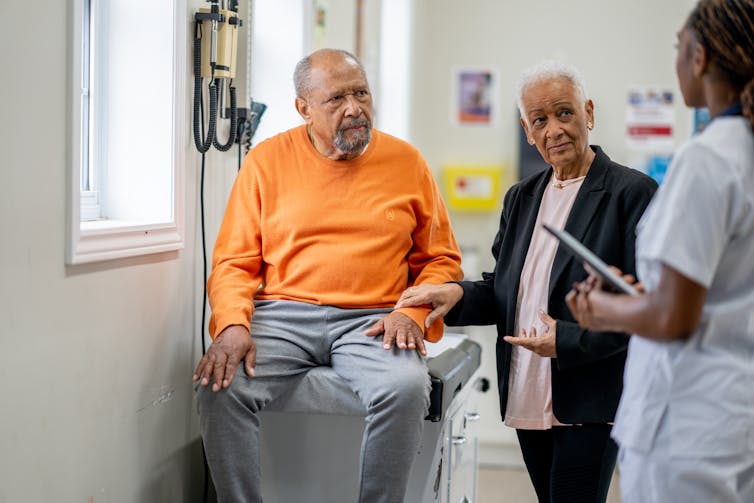
Older man sits on an exam table, older woman by his side, their doctor stands facing them.

Health technology investments often lead to money going to large companies rather than rural communities.
FatCamera/E+ via Getty Images

As Rural Health Transformation Program funds start rolling out, some health policy experts worry that most of this money will go to tech companies or urban health centers, rather than directly benefiting rural providers or being spent in partnership with them.

Elevate Your Health for Just $29.99/Month

Join the Precision Wellness Subscription at My Healing 365 and get discounted services, priority coaching access, virtual care, and exclusive wellness resources to support your physical, emotional, and hormonal health.

Join for $29.99/Month

Without also investing in local technology infrastructure that can handle advanced electronic health records or AI systems – and workers who can maintain those systems – such centralized upgrades may fall short of transforming rural care.

Supplement, not supplant

Perhaps the biggest worry about the program’s push to expand telehealth and other technology-enhanced services in rural communities is whether it will displace existing, in-person local providers in favor of distant ones.

A mantra often repeated among rural leaders is that technology should supplement the care that healthcare practitioners in those communities already provide – not supplant it.

Big tech solutions are already having this effect, to some extent. Retail-based care through companies such as CVS and Amazon, especially delivered online, risks essentially reducing the demand for local providers. This cuts into income that these providers rely on to keep brick-and-mortar clinics running – and it also further fragments care, which hurts patients’ health.

Enabling providers in some healthcare specialties to serve rural communities remotely from nearby urban areas would benefit those rural patients. But in my view, deepening reliance on technologies such as telehealth, online retail clinics and AI-based diagnosis – without close coordination and sharing information with providers in the community – could end up fragmenting rural healthcare even further.


ShareTweetSharePin
Next Post
My father left my mother for another woman. He wants us to start including her. Do we need to? | Leading Questions

My father left my mother for another woman. He wants us to start including her. Do we need to? | Leading Questions

Most Read

What causes stuttering? A speech pathology researcher explains the science and the misconceptions around this speech disorder

What causes stuttering? A speech pathology researcher explains the science and the misconceptions around this speech disorder

December 15, 2022
In war-torn Iran, air pollution from burning oil depots and bombed buildings unleashes invisible health threats

In war-torn cities, air pollution from burning oil depots and bombed buildings unleashes invisible health threats

March 25, 2026
3 women stroke prevention

Silent Stroke Symptoms in Women: What You Might Be Overlooking

February 27, 2026
morning back pain

Morning Again Ache Trigger Is Not the Mattress

October 11, 2021
lower back pain relief exercises

5 decrease again ache aid workouts

October 11, 2021

4 steps to building a healthier relationship with your phone

January 28, 2025

Why Circadian Rhythms Matter for Your Health

July 30, 2024
bleeding in gum

When The Bleeding in gum Is Severe ?

October 11, 2021
Good Night Sleep

6 Causes of Good Evening Sleep

October 11, 2021
3 years after legalization, we have shockingly little information about how it changed cannabis use and health harms

3 years after legalization, we have shockingly little information about how it changed cannabis use and health harms

October 15, 2021
Nasal vaccines promise to stop the COVID-19 virus before it gets to the lungs – an immunologist explains how they work

Nasal vaccines promise to stop the COVID-19 virus before it gets to the lungs – an immunologist explains how they work

December 14, 2022
Kick up your heels – ballroom dancing offers benefits to the aging brain and could help stave off dementia

Kick up your heels – ballroom dancing offers benefits to the aging brain and could help stave off dementia

January 3, 2023
Socialising, work, exercise: what makes a good day and is there a ‘formula’ for making it better?

Socialising, work, exercise: what makes a good day and is there a ‘formula’ for making it better?

April 12, 2026
Biden is getting prostate cancer treatment, but that’s not the best choice for all men − a cancer researcher describes how she helped her father decide

Biden is getting prostate cancer treatment, but that’s not the best choice for all men − a cancer researcher describes how she helped her father decide

May 20, 2025
Ten small changes you can make today to prevent weight gain

Ten small changes you can make today to prevent weight gain

October 12, 2021

COVID vaccines: how one can pace up rollout in poorer international locations

October 5, 2021
GLP-1 drugs may fight addiction across every major substance, according to a study of 600,000 people

GLP-1 drugs may fight addiction across every major substance, according to a study of 600,000 people

March 6, 2026

Multiple sclerosis: the link with earlier infection just got stronger – new study

October 12, 2021
Support and collaboration with health-care providers can help people make health decisions

Support and collaboration with health-care providers can help people make health decisions

December 16, 2021
Greece to make COVID vaccines mandatory for over-60s, but do vaccine mandates work?

Greece to make COVID vaccines mandatory for over-60s, but do vaccine mandates work?

December 1, 2021
Five ways to avoid pain and injury when starting a new exercise regime

Five ways to avoid pain and injury when starting a new exercise regime

December 30, 2022

This Simple Hygiene Habit Could Cut Your Risk of Stroke, New Research Reveals

February 1, 2025

Maximize Your Performance – Sync with Your Circadian Rhythms

August 9, 2024
woman covered with white blanket

Exploring the Impact of Sleep Patterns on Mental Health

August 4, 2024
Six ways to improve your cat’s one wild and precious life

Six ways to improve your cat’s one wild and precious life

June 6, 2026
Four ways to avoid gaining weight over the festive period – but also why you shouldn’t fret about it too much

Four ways to avoid gaining weight over the festive period – but also why you shouldn’t fret about it too much

December 22, 2022
GPs don’t give useful weight-loss advice – new study

GPs don’t give useful weight-loss advice – new study

December 16, 2022
As viral infections skyrocket, masks are still a tried-and-true way to help keep yourself and others safe

As viral infections skyrocket, masks are still a tried-and-true way to help keep yourself and others safe

December 14, 2022
You’ve reached your weight loss goal on GLP-1 medications – what now?

You’ve reached your weight loss goal on GLP-1 medications – what now?

February 5, 2026
How to protect your well-being, survive the stress of the holiday season and still keep your cheer

How to protect your well-being, survive the stress of the holiday season and still keep your cheer

December 21, 2025

Ready to take control of your health?

Get a personalized plan for your weight, energy, hormones, and blood sugar with My Healing 365.

Book Your Session Now – Limited Weekly Spots
  • Twenty47HealthNews
  • Health & Wellness
  • Disclaimer

© 2020 DAILY HEALTH NEWS

  • Twenty47HealthNews
  • Health & Wellness
  • Disclaimer
    • Terms of Use
    • Privacy Policy
    • DMCA Notice

© 2020 DAILY HEALTH NEWS















