Medically Reviewed
Dr. Jose Rossello, MD, PhD, MHCM
Preventive Medicine & Public Health Specialist
Last Reviewed: June 27, 2026
Feeling tired all the time can make everyday tasks feel overwhelming. While many things can cause fatigue, low iron levels are one of the most common reasons people feel drained and sluggish. Iron is essential for carrying oxygen throughout the body and producing energy, so when iron levels drop, exhaustion often follows.
The good news is that eating iron-rich foods can help fight fatigue and boost energy naturally. Both meat and plant-based foods offer different types of iron that the body can use. Learning which foods contain the most iron and how to help the body absorb it better can make a real difference in energy levels.
This guide covers everything needed to understand how iron works in the body and which foods provide the biggest boost. From recognizing the signs of low iron to choosing the best iron-rich options[1], readers will find practical steps to fight fatigue and feel more energized throughout the day.
Table of Contents
Key Takeaways
- Iron helps produce energy by carrying oxygen to cells, and low levels lead to fatigue and weakness
- Heme iron from meat absorbs better than non-heme iron from plants, but pairing plant sources with vitamin C improves absorption
- Adults need between 8-18 mg of iron daily depending on age and gender, which can be met through strategic food choices
How Iron Supports Energy and Red Blood Cell Health
Iron plays a direct role in creating the proteins that carry oxygen through the body and power daily activities. When iron levels drop, the body cannot produce enough healthy red blood cells, leading to widespread tiredness and other symptoms.
The Role of Hemoglobin in Oxygen Transport
Iron helps the body produce hemoglobin, a protein found in red blood cells. Hemoglobin binds to oxygen in the lungs and carries it to every tissue and organ in the body. Without enough iron, the body cannot make sufficient hemoglobin.
This shortage results in smaller red blood cells that carry less oxygen. When cells and organs receive less oxygen, they cannot function at full capacity. The brain, muscles, and other vital systems all depend on this steady oxygen supply to work properly.
Iron also helps create myoglobin, another oxygen-carrying protein. Myoglobin specifically delivers oxygen to muscle tissues. Together, hemoglobin and myoglobin ensure that oxygen reaches where the body needs it most.
The Impact of Iron on Daily Energy Levels
Iron helps the body produce energy by ensuring cells receive adequate oxygen. Cells use oxygen to convert nutrients into usable energy through a process called cellular respiration. When iron levels are sufficient, this process runs smoothly and people feel energized throughout the day.
Low iron reduces the amount of oxygen available to cells. This forces the body to work harder just to maintain basic functions. Tasks that normally feel easy become more difficult and tiring.
People with adequate iron levels maintain better stamina and can handle physical and mental demands more effectively. The connection between iron and energy is so strong that even mild deficiencies can noticeably affect daily performance.
Why Iron Deficiency Causes Fatigue and Dizziness
Iron deficiency anemia develops when the body lacks enough iron to produce healthy red blood cells. Common symptoms include:
- Persistent tiredness
- Lightheadedness
- Difficulty concentrating
- Weakness
These symptoms occur because tissues throughout the body are not receiving enough oxygen. The brain is particularly sensitive to oxygen levels. When hemoglobin levels drop[2], blood flow to the brain decreases, causing dizziness and mental fog.
Fatigue from iron deficiency differs from normal tiredness. It persists even after adequate rest and makes completing routine activities feel exhausting. The body essentially shifts into a conservation mode, prioritizing vital organs over other functions like immune response and hair growth.
Recognizing Iron Deficiency Symptoms
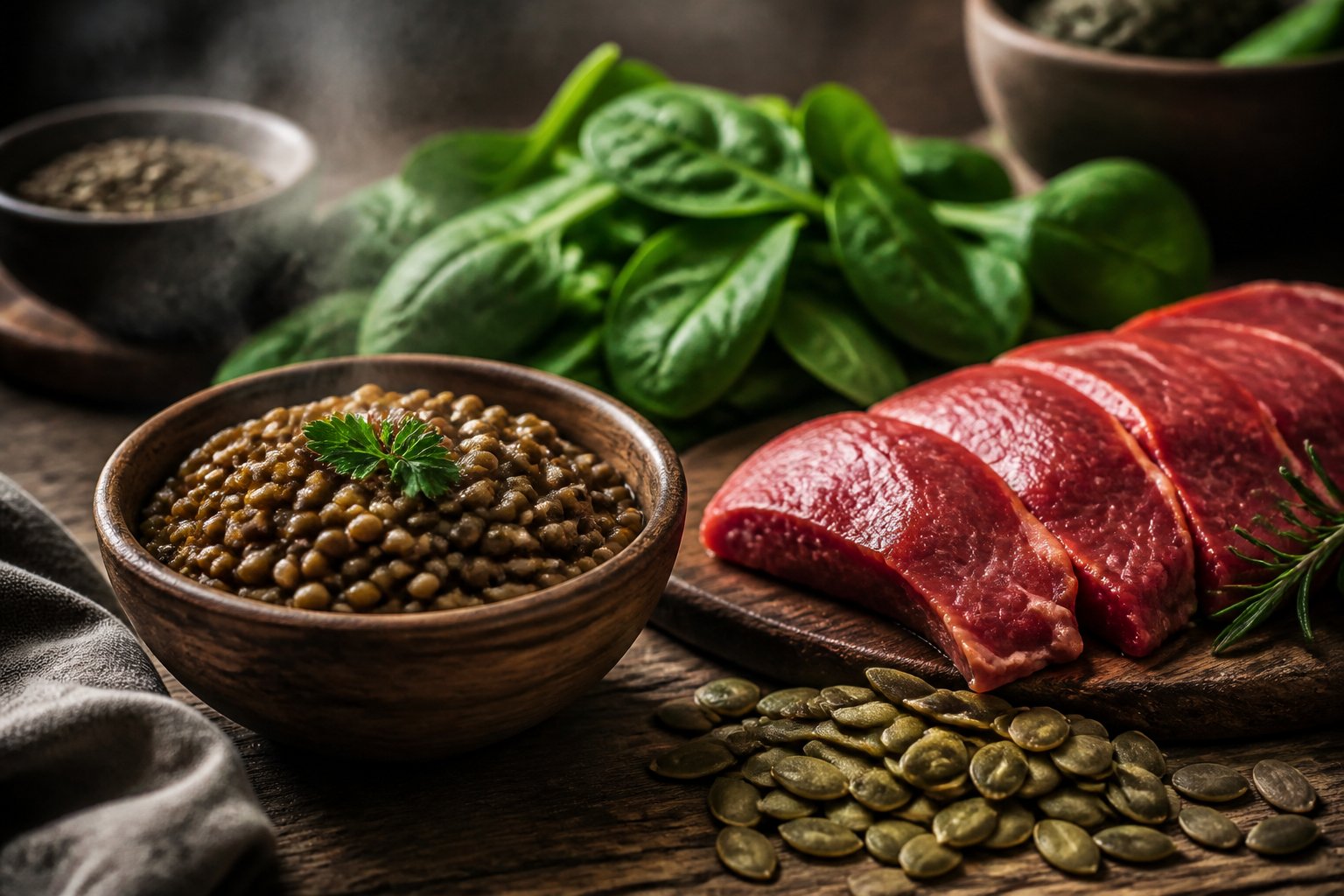
Low iron affects millions of people and can seriously impact daily life through persistent tiredness and other health issues. Catching the warning signs early helps people get treatment faster and feel better sooner.
Common Signs of Low Iron
Fatigue stands out as the most common symptom of low iron. People feel tired even after a full night of sleep because their bodies can’t deliver enough oxygen to muscles and tissues.
Pale skin appears when hemoglobin levels drop. The skin, inner eyelids, gums, and nail beds may look lighter than usual. This happens because hemoglobin gives blood its red color.
Other iron deficiency symptoms include:
- Weakness and reduced stamina
- Dizziness or lightheadedness
- Headaches
- Cold hands and feet
- Brittle nails
- Shortness of breath during normal activities
Some people develop pica, an unusual craving to chew ice, dirt, starch, or other non-food items. This strange symptom often goes away once iron levels return to normal.
Understanding Iron Deficiency Anemia
Iron deficiency progresses through stages. The body first uses stored iron to maintain normal functions. When those stores run out, iron deficiency anemia develops.
Iron deficiency anemia occurs when the body lacks enough iron to make adequate hemoglobin. Hemoglobin carries oxygen in red blood cells throughout the body. Without sufficient hemoglobin levels, organs and tissues don’t get the oxygen they need.
This condition represents the leading cause of anemia in the United States. Blood tests measure ferritin, hemoglobin, and other markers to confirm the diagnosis. Low ferritin indicates depleted iron stores, while low hemoglobin confirms anemia.
When to Seek Professional Advice
Anyone experiencing persistent fatigue, weakness, or other warning signs should talk to a doctor. Self-diagnosing can be dangerous since these symptoms overlap with many conditions.
A healthcare provider will order blood tests to check iron status and hemoglobin levels. They’ll also investigate why iron levels dropped, looking at diet, medical history, and potential blood loss.
Women with heavy periods, pregnant women, and people with digestive conditions face higher risks. Children who drink too much cow’s milk may also develop problems.
Getting professional help matters because taking iron supplements without testing can cause harm. Too much iron builds up in organs and creates serious health problems. A doctor determines the right treatment approach based on test results.
Understanding Iron Types: Heme vs. Non-Heme Iron
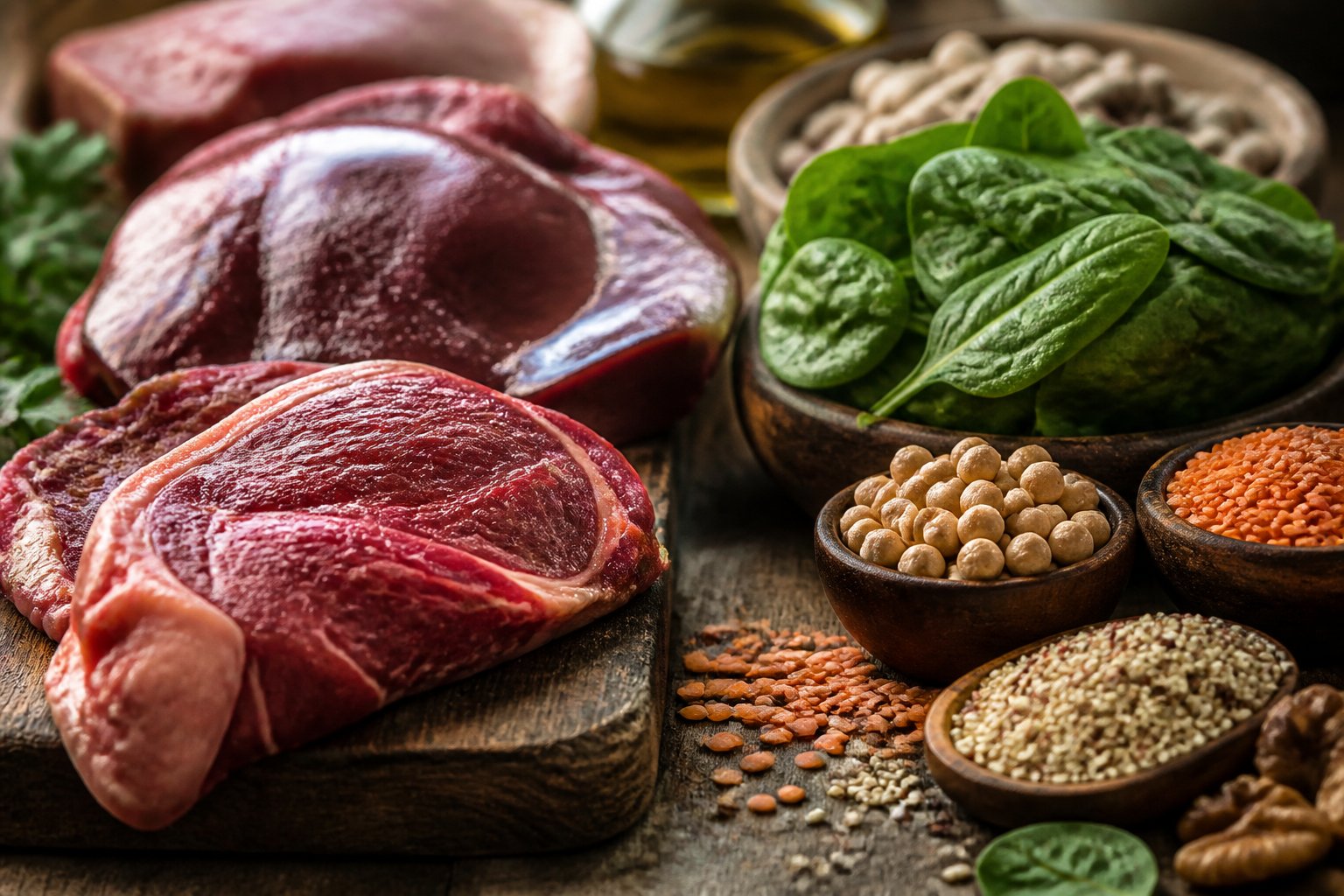
Iron from food exists in two distinct forms with different absorption rates. Heme iron absorbs much more efficiently than non-heme iron, which affects how the body uses iron from different food sources.
Differences in Absorption and Bioavailability
The body absorbs heme iron at rates between 15-35%, making it highly bioavailable. Non-heme iron has much lower absorption rates of only 2-20%.
This difference in iron bioavailability matters because someone eating plant-based foods needs to consume more iron to meet their daily requirements. The body processes heme iron differently because it doesn’t face the same barriers during digestion.
Non-heme iron absorption depends heavily on other foods eaten at the same meal. Vitamin C increases absorption significantly when consumed together. Foods high in calcium, tannins from tea, and phytates from grains can block non-heme iron from being absorbed properly.
Iron absorption also adjusts based on the body’s current iron stores. When someone has low iron levels, their body naturally increases absorption rates from both forms.
Heme Iron Sources Explained
Heme iron comes only from animal flesh like meat, poultry, and seafood. The iron is bound to hemoglobin and myoglobin proteins in animal tissue.
Top heme iron sources include:
- Oysters, clams, and mussels
- Beef and chicken liver
- Organ meats
- Canned sardines
- Beef and lamb
- Poultry
- Canned light tuna
These animal-based foods provide the most readily absorbed form of dietary iron. Red meat contains higher amounts than white meat from poultry. Shellfish ranks among the richest sources available.
Non-Heme and Plant-Based Iron Overview
Plant-based iron appears in whole grains, nuts, seeds, legumes, and leafy greens. Animal flesh also contains some non-heme iron because animals eat plant foods.
Common non-heme iron sources include:
- Fortified breakfast cereals
- Beans and lentils
- Dark chocolate (at least 45% cacao)
- Spinach
- Potatoes with skin
- Nuts and seeds
- Enriched rice and bread
Many grain products in the U.S. have added iron through fortification. Plant foods require strategic pairing with vitamin C-rich options like citrus fruits, tomatoes, or peppers to boost absorption. People following vegetarian or vegan diets need to pay careful attention to consuming adequate amounts of these foods while avoiding absorption inhibitors at the same meal.
Best Dietary Strategies for Iron Absorption
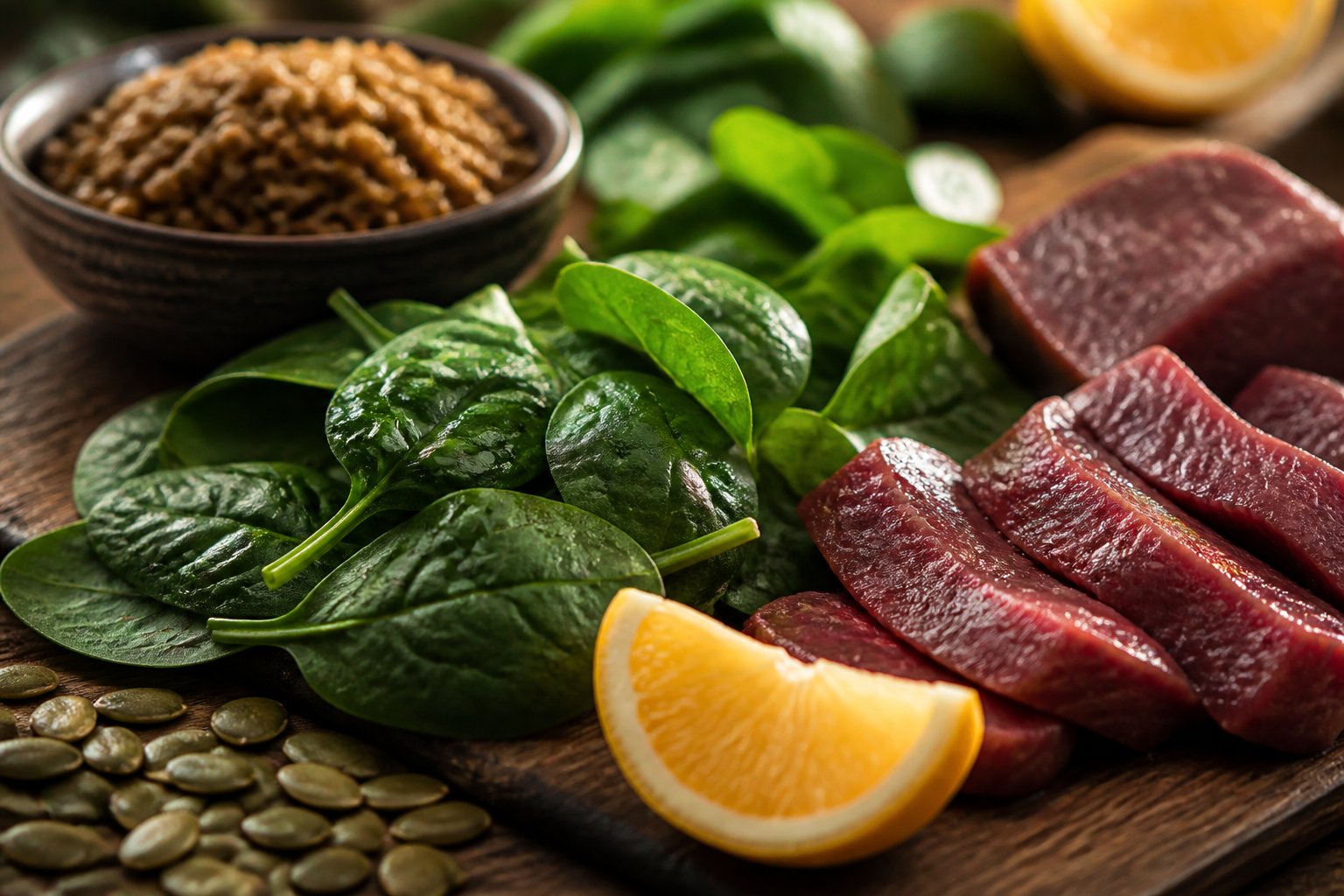
Getting enough iron from food requires more than just eating iron-rich items. The body absorbs iron more efficiently when paired with certain nutrients, while other foods and habits can block uptake by up to 60%.
How to Maximize Iron Absorption
Vitamin C stands out as the most powerful tool for boosting iron absorption from foods. Adding just 25-100 mg of vitamin C to a meal can increase iron uptake by three to four times.
The best approach involves pairing iron sources with citrus fruits, strawberries, bell peppers, or tomatoes at every meal. A spinach salad with orange slices or lentil soup with diced tomatoes creates ideal combinations. Even a glass of orange juice with breakfast cereal makes a difference.
Cooking in cast iron pans adds small amounts of iron to food. This works especially well for acidic foods like tomato sauce. Soaking, sprouting, and fermenting beans and grains reduces compounds that block absorption.
People taking iron supplements should consume them with vitamin C-rich foods or juice. Taking supplements on an empty stomach improves uptake, though this may cause stomach discomfort for some individuals.
Foods and Habits That Inhibit Iron Uptake
Calcium blocks iron absorption when consumed together. Dairy products like milk, cheese, and yogurt should be eaten separately from iron-rich meals by at least two hours.
Coffee and tea contain tannins that can reduce iron uptake by 50-90%. Drinking these beverages between meals instead of with food prevents this issue.
Common iron blockers include:
- Coffee and black tea
- Dairy products
- Whole grains (due to phytates)
- Eggs (specific protein in yolks)
- Chocolate
Antacids and medications that reduce stomach acid interfere with iron absorption. The body needs stomach acid to break down and absorb iron properly.
Combining Foods for Better Iron Bioavailability
Strategic food pairing transforms how much iron the body actually uses from meals. Plant-based iron sources require vitamin C at the same meal for optimal absorption.
Effective combinations include:
- Black beans with salsa and lime
- Tofu stir-fry with broccoli and red peppers
- Fortified cereal with strawberries
- Chickpea curry with tomatoes
- Quinoa bowl with lemon juice
Animal proteins help the body absorb plant-based iron when eaten together. Adding small amounts of chicken or beef to bean dishes increases total iron uptake. This matters for maintaining an iron-rich diet that supports energy and focus.
Spacing out iron-blocking foods creates better absorption windows. Eating an iron-rich lunch, then waiting three hours before drinking coffee, allows the body to process the iron first.
Top Iron-Rich Foods for Fighting Fatigue
Getting enough iron from food helps the body make red blood cells that carry oxygen to tissues and organs. Animal sources provide heme iron that the body absorbs more easily, while plant-based options offer nonheme iron that still contributes to daily iron needs.
Animal-Based Iron-Rich Foods
Liver stands out as one of the best iron-rich foods available. A 3-ounce serving contains 15.2 mg of iron, covering most daily iron needs for women who menstruate.
Seafood offers excellent iron content too. Mussels provide 5.7 mg per 3-ounce serving, while oysters deliver 4.9 mg per six raw oysters. Clams contain 2.4 mg in a 3-ounce portion.
Beef contains 2 mg of iron per 3-ounce serving. While this amount seems lower than organ meats, the body absorbs heme iron from beef more efficiently than plant-based sources.
These animal proteins support red blood cells by providing the building blocks needed for hemoglobin production. The iron in these foods helps fight fatigue by ensuring oxygen reaches all parts of the body.
Best Plant-Based and Fortified Options
Fortified cereals rank among the top plant-based iron sources. Fortified corn flakes contain 13.5 mg per cup, while fortified bran flakes offer 9 mg per cup.
Legumes provide significant iron for those following an iron-rich diet. Canned white beans contain 7.8 mg per cup, and tofu has 6.7 mg per half cup. Cooked lentils deliver 6.6 mg per cup, along with fiber and protein.
Leafy greens work well in an iron-rich diet. Cooked spinach provides 6.4 mg per cup, making it one of the best iron-rich foods from vegetables. Cooked beet greens offer 2.7 mg per cup.
Old-fashioned oats contain 2.11 mg per cup. Dried apricots provide 3.5 mg per cup and make a convenient snack option.
Nuts, Seeds, and Other Snackable Iron Sources
Pumpkin seeds lead the category with 9.5 mg of iron per cup when roasted. These seeds work as a portable snack or salad topping.
Almonds contain 5.3 mg per cup, while walnuts provide 3.4 mg per cup. Hemp seeds offer 2.4 mg per three tablespoons and blend easily into smoothies or yogurt.
These snackable options help people meet their iron requirements throughout the day. They pair well with vitamin C sources to boost absorption of the nonheme iron they contain.
Adding these foods to meals and snacks helps build iron stores gradually without relying on supplements alone.
Optimizing Your Iron Intake for Individual Needs
Iron requirements vary based on age, sex, and health conditions, making personalized intake essential for maintaining energy levels. Understanding when diet alone suffices versus when medical intervention becomes necessary helps prevent both deficiency and excess.
Daily Iron Needs by Age and Lifestyle
Daily iron needs change throughout life stages and depend heavily on biological factors. Adult men and postmenopausal women need about 8 milligrams per day, while women aged 19 to 50 who menstruate require 18 milligrams daily.
Pregnant women face the highest demands at 27 milligrams per day due to increased blood volume and fetal development. Teenagers going through growth spurts need 11 milligrams for boys and 15 milligrams for girls.
Athletes and people who donate blood regularly may need more iron than standard recommendations. Vegetarians and vegans typically need 1.8 times the recommended amount because plant-based iron absorbs less efficiently than animal sources.
Monitoring Hemoglobin Levels and Iron Status
Hemoglobin levels provide the clearest picture of iron status in the body. Normal hemoglobin ranges from 13.5 to 17.5 grams per deciliter for men and 12 to 15.5 grams per deciliter for women.
Blood tests measure several markers beyond hemoglobin, including ferritin, which indicates iron stores, and serum iron, which shows circulating iron. A complete iron panel gives the most accurate assessment of deficiency or overload.
People experiencing persistent fatigue, weakness, or pale skin should request testing from their healthcare provider. Regular monitoring becomes especially important for those with chronic conditions affecting iron absorption or individuals taking iron supplements.
When Iron Supplements Are Necessary
Iron supplements become necessary when dietary changes cannot restore levels quickly enough or when absorption issues prevent adequate uptake. Doctors typically prescribe supplements when ferritin drops below 30 nanograms per milliliter or hemoglobin indicates anemia.
Certain medical conditions require supplementation regardless of diet quality. These include inflammatory bowel disease, celiac disease, and chronic kidney disease.
Taking supplements without medical guidance can lead to constipation and iron overload, which damages organs over time. Healthcare providers determine appropriate dosages based on blood test results and individual health status. Most iron deficiency cases respond to treatment through diet combined with vitamin C to enhance absorption.
Frequently Asked Questions
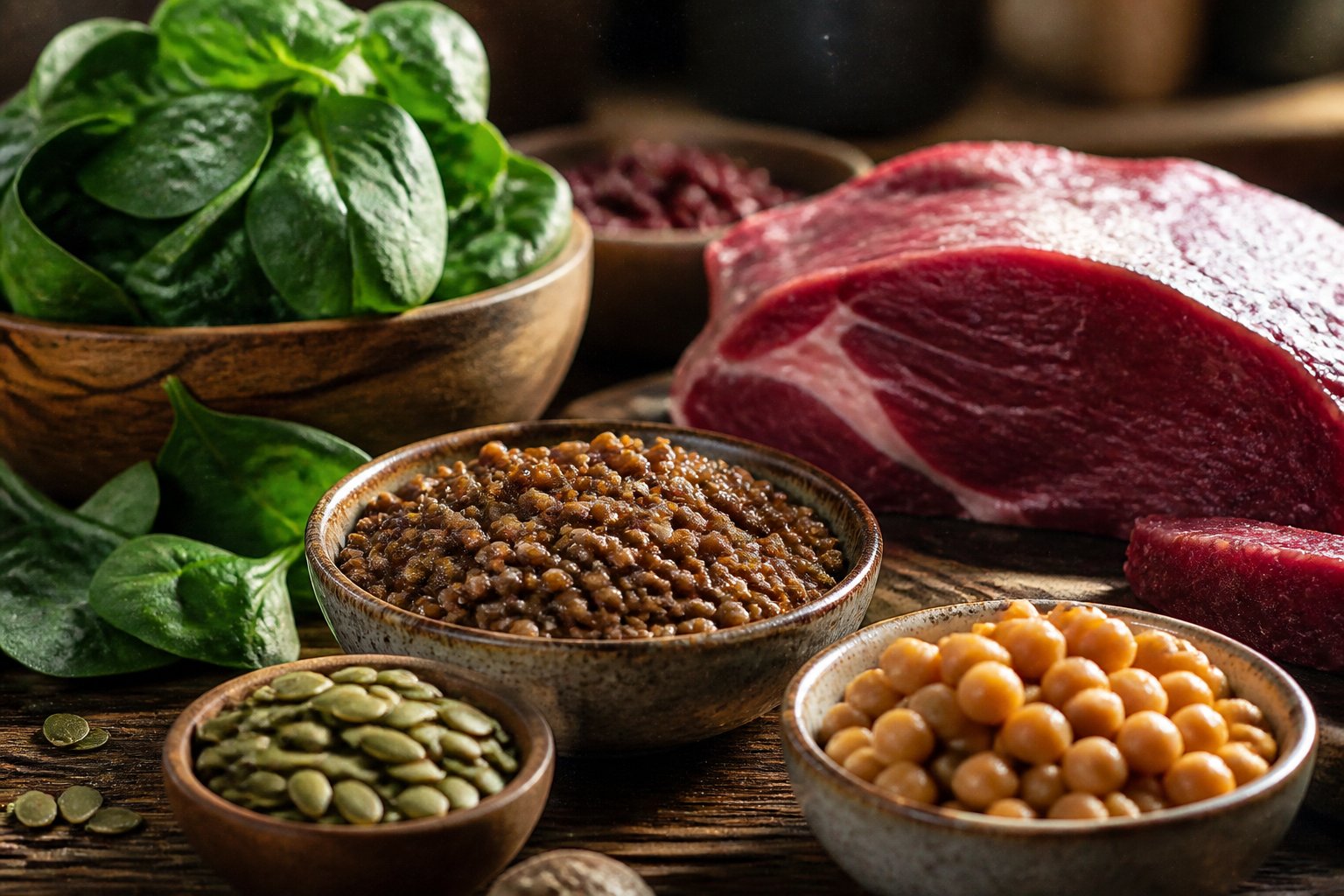
Low iron affects energy levels and overall health in measurable ways. Understanding which foods provide the most iron and what interferes with absorption helps people make better dietary choices.
What are the most common signs and symptoms of iron deficiency to watch for?
Fatigue stands out as the most common sign of iron deficiency. When the body lacks enough iron to produce adequate red blood cells, less oxygen reaches the tissues and muscles.
Weakness and lightheadedness often accompany the fatigue. Some people experience trouble maintaining body heat or notice their skin looks paler than usual.
Headaches and dizziness can indicate low iron levels[1]. An inflamed or sore tongue sometimes develops in people with iron-deficiency anemia.
These symptoms occur because iron plays a vital role in carrying oxygen throughout the body. Without enough iron, cells cannot produce energy efficiently.
Which foods are highest in iron, and how do they compare by serving size?
Liver and red meat contain high amounts of heme iron, which the body absorbs more easily than plant-based iron. Clams, oysters, and other shellfish also rank among the top iron-rich foods.
Beef, lamb, and pork provide substantial iron per serving. Chicken and turkey offer moderate amounts of heme iron.
Plant sources like lentils, beans, and tofu contain non-heme iron. Dark leafy greens such as spinach, kale, and collard greens contribute iron along with other nutrients.
Fortified cereals and enriched grains can provide significant iron. Seeds like pumpkin, sesame, and hemp seeds pack concentrated amounts of iron in small servings.
What are the top iron-rich foods to add to a weekly meal plan?
Including a protein source with each meal helps meet daily iron requirements. Beef, chicken, fish, or eggs work well for those who eat animal products.
Lentils and beans offer versatile options for plant-based meals. Black beans, kidney beans, chickpeas, and soybeans all contain good amounts of iron.
Leafy greens like spinach and kale can be added to salads, smoothies, or cooked dishes. Fortified breakfast cereals provide an easy way to boost iron intake in the morning.
Tofu and tempeh serve as iron-rich protein alternatives. Nuts and seeds make convenient snacks that contribute to daily iron intake.
How can you increase iron levels quickly through diet alone?
Eating heme iron sources from meat, poultry, and seafood provides the fastest dietary boost. The body absorbs heme iron more efficiently than plant-based iron.
Pairing non-heme iron foods with vitamin C enhances absorption significantly. Adding citrus fruits, strawberries, tomatoes, or broccoli to meals with beans or greens increases how much iron the body takes in.
Consuming iron-rich foods at multiple meals throughout the day works better than relying on one large serving. Spreading intake helps the body absorb more total iron.
Cooking in cast iron pans can increase the iron content of foods. This method works especially well for acidic foods like tomato sauce.
Which foods, drinks, or nutrients can reduce iron absorption and should be limited around meals?
Coffee and tea contain compounds that block iron absorption. Drinking these beverages with meals or shortly after eating reduces how much iron the body absorbs.
High-calcium foods can interfere with iron absorption when consumed together. Milk, cheese, and yogurt should be eaten separately from iron-rich meals when possible.
Whole grains and legumes contain phytates that bind to iron and reduce absorption. Soaking beans before cooking or choosing sourdough bread can help reduce this effect.
Antacids and supplements containing calcium or magnesium can limit iron uptake. Taking these products at different times from iron-rich meals improves absorption.
What foods should be avoided or reduced when trying to improve low iron status?
Excessive dairy consumption at mealtimes can interfere with iron absorption. Moving milk and cheese to separate snack times allows better iron uptake during main meals.
Large amounts of bran and fiber supplements may reduce iron absorption. While fiber remains important for health, spacing it away from iron-rich foods helps maximize absorption.
Processed foods high in phosphates can bind with iron. Reducing intake of processed meats, soft drinks, and packaged foods may improve iron status.
Alcohol can interfere with iron absorption and storage. Limiting alcohol intake supports better iron metabolism and overall nutrient absorption.
Post Views: 2

Elevate Your Health for Just $29.99/Month
Join the Precision Wellness Subscription at My Healing 365 and get discounted services, priority coaching access, virtual care, and exclusive wellness resources to support your physical, emotional, and hormonal health.
Join for $29.99/MonthMedically Reviewed
Dr. Jose Rossello, MD, PhD, MHCM
Preventive Medicine & Public Health Specialist
Last Reviewed: June 27, 2026
Feeling tired all the time can make everyday tasks feel overwhelming. While many things can cause fatigue, low iron levels are one of the most common reasons people feel drained and sluggish. Iron is essential for carrying oxygen throughout the body and producing energy, so when iron levels drop, exhaustion often follows.
The good news is that eating iron-rich foods can help fight fatigue and boost energy naturally. Both meat and plant-based foods offer different types of iron that the body can use. Learning which foods contain the most iron and how to help the body absorb it better can make a real difference in energy levels.
This guide covers everything needed to understand how iron works in the body and which foods provide the biggest boost. From recognizing the signs of low iron to choosing the best iron-rich options[1], readers will find practical steps to fight fatigue and feel more energized throughout the day.
Key Takeaways
- Iron helps produce energy by carrying oxygen to cells, and low levels lead to fatigue and weakness
- Heme iron from meat absorbs better than non-heme iron from plants, but pairing plant sources with vitamin C improves absorption
- Adults need between 8-18 mg of iron daily depending on age and gender, which can be met through strategic food choices
How Iron Supports Energy and Red Blood Cell Health
Iron plays a direct role in creating the proteins that carry oxygen through the body and power daily activities. When iron levels drop, the body cannot produce enough healthy red blood cells, leading to widespread tiredness and other symptoms.
The Role of Hemoglobin in Oxygen Transport
Iron helps the body produce hemoglobin, a protein found in red blood cells. Hemoglobin binds to oxygen in the lungs and carries it to every tissue and organ in the body. Without enough iron, the body cannot make sufficient hemoglobin.
This shortage results in smaller red blood cells that carry less oxygen. When cells and organs receive less oxygen, they cannot function at full capacity. The brain, muscles, and other vital systems all depend on this steady oxygen supply to work properly.
Iron also helps create myoglobin, another oxygen-carrying protein. Myoglobin specifically delivers oxygen to muscle tissues. Together, hemoglobin and myoglobin ensure that oxygen reaches where the body needs it most.
The Impact of Iron on Daily Energy Levels
Iron helps the body produce energy by ensuring cells receive adequate oxygen. Cells use oxygen to convert nutrients into usable energy through a process called cellular respiration. When iron levels are sufficient, this process runs smoothly and people feel energized throughout the day.
Low iron reduces the amount of oxygen available to cells. This forces the body to work harder just to maintain basic functions. Tasks that normally feel easy become more difficult and tiring.
People with adequate iron levels maintain better stamina and can handle physical and mental demands more effectively. The connection between iron and energy is so strong that even mild deficiencies can noticeably affect daily performance.
Why Iron Deficiency Causes Fatigue and Dizziness
Iron deficiency anemia develops when the body lacks enough iron to produce healthy red blood cells. Common symptoms include:
- Persistent tiredness
- Lightheadedness
- Difficulty concentrating
- Weakness
These symptoms occur because tissues throughout the body are not receiving enough oxygen. The brain is particularly sensitive to oxygen levels. When hemoglobin levels drop[2], blood flow to the brain decreases, causing dizziness and mental fog.
Fatigue from iron deficiency differs from normal tiredness. It persists even after adequate rest and makes completing routine activities feel exhausting. The body essentially shifts into a conservation mode, prioritizing vital organs over other functions like immune response and hair growth.
Recognizing Iron Deficiency Symptoms
Low iron affects millions of people and can seriously impact daily life through persistent tiredness and other health issues. Catching the warning signs early helps people get treatment faster and feel better sooner.
Common Signs of Low Iron
Fatigue stands out as the most common symptom of low iron. People feel tired even after a full night of sleep because their bodies can’t deliver enough oxygen to muscles and tissues.
Pale skin appears when hemoglobin levels drop. The skin, inner eyelids, gums, and nail beds may look lighter than usual. This happens because hemoglobin gives blood its red color.
Other iron deficiency symptoms include:
- Weakness and reduced stamina
- Dizziness or lightheadedness
- Headaches
- Cold hands and feet
- Brittle nails
- Shortness of breath during normal activities
Some people develop pica, an unusual craving to chew ice, dirt, starch, or other non-food items. This strange symptom often goes away once iron levels return to normal.
Understanding Iron Deficiency Anemia
Iron deficiency progresses through stages. The body first uses stored iron to maintain normal functions. When those stores run out, iron deficiency anemia develops.
Iron deficiency anemia occurs when the body lacks enough iron to make adequate hemoglobin. Hemoglobin carries oxygen in red blood cells throughout the body. Without sufficient hemoglobin levels, organs and tissues don’t get the oxygen they need.
This condition represents the leading cause of anemia in the United States. Blood tests measure ferritin, hemoglobin, and other markers to confirm the diagnosis. Low ferritin indicates depleted iron stores, while low hemoglobin confirms anemia.
When to Seek Professional Advice
Anyone experiencing persistent fatigue, weakness, or other warning signs should talk to a doctor. Self-diagnosing can be dangerous since these symptoms overlap with many conditions.
A healthcare provider will order blood tests to check iron status and hemoglobin levels. They’ll also investigate why iron levels dropped, looking at diet, medical history, and potential blood loss.
Women with heavy periods, pregnant women, and people with digestive conditions face higher risks. Children who drink too much cow’s milk may also develop problems.
Getting professional help matters because taking iron supplements without testing can cause harm. Too much iron builds up in organs and creates serious health problems. A doctor determines the right treatment approach based on test results.
Understanding Iron Types: Heme vs. Non-Heme Iron
Iron from food exists in two distinct forms with different absorption rates. Heme iron absorbs much more efficiently than non-heme iron, which affects how the body uses iron from different food sources.
Differences in Absorption and Bioavailability
The body absorbs heme iron at rates between 15-35%, making it highly bioavailable. Non-heme iron has much lower absorption rates of only 2-20%.
This difference in iron bioavailability matters because someone eating plant-based foods needs to consume more iron to meet their daily requirements. The body processes heme iron differently because it doesn’t face the same barriers during digestion.
Non-heme iron absorption depends heavily on other foods eaten at the same meal. Vitamin C increases absorption significantly when consumed together. Foods high in calcium, tannins from tea, and phytates from grains can block non-heme iron from being absorbed properly.
Iron absorption also adjusts based on the body’s current iron stores. When someone has low iron levels, their body naturally increases absorption rates from both forms.
Heme Iron Sources Explained
Heme iron comes only from animal flesh like meat, poultry, and seafood. The iron is bound to hemoglobin and myoglobin proteins in animal tissue.
Top heme iron sources include:
- Oysters, clams, and mussels
- Beef and chicken liver
- Organ meats
- Canned sardines
- Beef and lamb
- Poultry
- Canned light tuna
These animal-based foods provide the most readily absorbed form of dietary iron. Red meat contains higher amounts than white meat from poultry. Shellfish ranks among the richest sources available.
Non-Heme and Plant-Based Iron Overview
Plant-based iron appears in whole grains, nuts, seeds, legumes, and leafy greens. Animal flesh also contains some non-heme iron because animals eat plant foods.
Common non-heme iron sources include:
- Fortified breakfast cereals
- Beans and lentils
- Dark chocolate (at least 45% cacao)
- Spinach
- Potatoes with skin
- Nuts and seeds
- Enriched rice and bread
Many grain products in the U.S. have added iron through fortification. Plant foods require strategic pairing with vitamin C-rich options like citrus fruits, tomatoes, or peppers to boost absorption. People following vegetarian or vegan diets need to pay careful attention to consuming adequate amounts of these foods while avoiding absorption inhibitors at the same meal.
Best Dietary Strategies for Iron Absorption
Getting enough iron from food requires more than just eating iron-rich items. The body absorbs iron more efficiently when paired with certain nutrients, while other foods and habits can block uptake by up to 60%.
How to Maximize Iron Absorption
Vitamin C stands out as the most powerful tool for boosting iron absorption from foods. Adding just 25-100 mg of vitamin C to a meal can increase iron uptake by three to four times.
The best approach involves pairing iron sources with citrus fruits, strawberries, bell peppers, or tomatoes at every meal. A spinach salad with orange slices or lentil soup with diced tomatoes creates ideal combinations. Even a glass of orange juice with breakfast cereal makes a difference.
Cooking in cast iron pans adds small amounts of iron to food. This works especially well for acidic foods like tomato sauce. Soaking, sprouting, and fermenting beans and grains reduces compounds that block absorption.
People taking iron supplements should consume them with vitamin C-rich foods or juice. Taking supplements on an empty stomach improves uptake, though this may cause stomach discomfort for some individuals.
Foods and Habits That Inhibit Iron Uptake
Calcium blocks iron absorption when consumed together. Dairy products like milk, cheese, and yogurt should be eaten separately from iron-rich meals by at least two hours.
Coffee and tea contain tannins that can reduce iron uptake by 50-90%. Drinking these beverages between meals instead of with food prevents this issue.
Common iron blockers include:
- Coffee and black tea
- Dairy products
- Whole grains (due to phytates)
- Eggs (specific protein in yolks)
- Chocolate
Antacids and medications that reduce stomach acid interfere with iron absorption. The body needs stomach acid to break down and absorb iron properly.
Combining Foods for Better Iron Bioavailability
Strategic food pairing transforms how much iron the body actually uses from meals. Plant-based iron sources require vitamin C at the same meal for optimal absorption.
Effective combinations include:
- Black beans with salsa and lime
- Tofu stir-fry with broccoli and red peppers
- Fortified cereal with strawberries
- Chickpea curry with tomatoes
- Quinoa bowl with lemon juice
Animal proteins help the body absorb plant-based iron when eaten together. Adding small amounts of chicken or beef to bean dishes increases total iron uptake. This matters for maintaining an iron-rich diet that supports energy and focus.
Spacing out iron-blocking foods creates better absorption windows. Eating an iron-rich lunch, then waiting three hours before drinking coffee, allows the body to process the iron first.
Top Iron-Rich Foods for Fighting Fatigue
Getting enough iron from food helps the body make red blood cells that carry oxygen to tissues and organs. Animal sources provide heme iron that the body absorbs more easily, while plant-based options offer nonheme iron that still contributes to daily iron needs.
Animal-Based Iron-Rich Foods
Liver stands out as one of the best iron-rich foods available. A 3-ounce serving contains 15.2 mg of iron, covering most daily iron needs for women who menstruate.
Seafood offers excellent iron content too. Mussels provide 5.7 mg per 3-ounce serving, while oysters deliver 4.9 mg per six raw oysters. Clams contain 2.4 mg in a 3-ounce portion.
Beef contains 2 mg of iron per 3-ounce serving. While this amount seems lower than organ meats, the body absorbs heme iron from beef more efficiently than plant-based sources.
These animal proteins support red blood cells by providing the building blocks needed for hemoglobin production. The iron in these foods helps fight fatigue by ensuring oxygen reaches all parts of the body.
Best Plant-Based and Fortified Options
Fortified cereals rank among the top plant-based iron sources. Fortified corn flakes contain 13.5 mg per cup, while fortified bran flakes offer 9 mg per cup.
Legumes provide significant iron for those following an iron-rich diet. Canned white beans contain 7.8 mg per cup, and tofu has 6.7 mg per half cup. Cooked lentils deliver 6.6 mg per cup, along with fiber and protein.
Leafy greens work well in an iron-rich diet. Cooked spinach provides 6.4 mg per cup, making it one of the best iron-rich foods from vegetables. Cooked beet greens offer 2.7 mg per cup.
Old-fashioned oats contain 2.11 mg per cup. Dried apricots provide 3.5 mg per cup and make a convenient snack option.
Nuts, Seeds, and Other Snackable Iron Sources
Pumpkin seeds lead the category with 9.5 mg of iron per cup when roasted. These seeds work as a portable snack or salad topping.
Almonds contain 5.3 mg per cup, while walnuts provide 3.4 mg per cup. Hemp seeds offer 2.4 mg per three tablespoons and blend easily into smoothies or yogurt.
These snackable options help people meet their iron requirements throughout the day. They pair well with vitamin C sources to boost absorption of the nonheme iron they contain.
Adding these foods to meals and snacks helps build iron stores gradually without relying on supplements alone.
Optimizing Your Iron Intake for Individual Needs
Iron requirements vary based on age, sex, and health conditions, making personalized intake essential for maintaining energy levels. Understanding when diet alone suffices versus when medical intervention becomes necessary helps prevent both deficiency and excess.
Daily Iron Needs by Age and Lifestyle
Daily iron needs change throughout life stages and depend heavily on biological factors. Adult men and postmenopausal women need about 8 milligrams per day, while women aged 19 to 50 who menstruate require 18 milligrams daily.
Pregnant women face the highest demands at 27 milligrams per day due to increased blood volume and fetal development. Teenagers going through growth spurts need 11 milligrams for boys and 15 milligrams for girls.
Athletes and people who donate blood regularly may need more iron than standard recommendations. Vegetarians and vegans typically need 1.8 times the recommended amount because plant-based iron absorbs less efficiently than animal sources.
Monitoring Hemoglobin Levels and Iron Status
Hemoglobin levels provide the clearest picture of iron status in the body. Normal hemoglobin ranges from 13.5 to 17.5 grams per deciliter for men and 12 to 15.5 grams per deciliter for women.
Blood tests measure several markers beyond hemoglobin, including ferritin, which indicates iron stores, and serum iron, which shows circulating iron. A complete iron panel gives the most accurate assessment of deficiency or overload.
People experiencing persistent fatigue, weakness, or pale skin should request testing from their healthcare provider. Regular monitoring becomes especially important for those with chronic conditions affecting iron absorption or individuals taking iron supplements.
When Iron Supplements Are Necessary
Iron supplements become necessary when dietary changes cannot restore levels quickly enough or when absorption issues prevent adequate uptake. Doctors typically prescribe supplements when ferritin drops below 30 nanograms per milliliter or hemoglobin indicates anemia.
Certain medical conditions require supplementation regardless of diet quality. These include inflammatory bowel disease, celiac disease, and chronic kidney disease.
Taking supplements without medical guidance can lead to constipation and iron overload, which damages organs over time. Healthcare providers determine appropriate dosages based on blood test results and individual health status. Most iron deficiency cases respond to treatment through diet combined with vitamin C to enhance absorption.
Frequently Asked Questions
Low iron affects energy levels and overall health in measurable ways. Understanding which foods provide the most iron and what interferes with absorption helps people make better dietary choices.
What are the most common signs and symptoms of iron deficiency to watch for?
Fatigue stands out as the most common sign of iron deficiency. When the body lacks enough iron to produce adequate red blood cells, less oxygen reaches the tissues and muscles.
Weakness and lightheadedness often accompany the fatigue. Some people experience trouble maintaining body heat or notice their skin looks paler than usual.
Headaches and dizziness can indicate low iron levels[1]. An inflamed or sore tongue sometimes develops in people with iron-deficiency anemia.
These symptoms occur because iron plays a vital role in carrying oxygen throughout the body. Without enough iron, cells cannot produce energy efficiently.
Which foods are highest in iron, and how do they compare by serving size?
Liver and red meat contain high amounts of heme iron, which the body absorbs more easily than plant-based iron. Clams, oysters, and other shellfish also rank among the top iron-rich foods.
Beef, lamb, and pork provide substantial iron per serving. Chicken and turkey offer moderate amounts of heme iron.
Plant sources like lentils, beans, and tofu contain non-heme iron. Dark leafy greens such as spinach, kale, and collard greens contribute iron along with other nutrients.
Fortified cereals and enriched grains can provide significant iron. Seeds like pumpkin, sesame, and hemp seeds pack concentrated amounts of iron in small servings.
What are the top iron-rich foods to add to a weekly meal plan?
Including a protein source with each meal helps meet daily iron requirements. Beef, chicken, fish, or eggs work well for those who eat animal products.
Lentils and beans offer versatile options for plant-based meals. Black beans, kidney beans, chickpeas, and soybeans all contain good amounts of iron.
Leafy greens like spinach and kale can be added to salads, smoothies, or cooked dishes. Fortified breakfast cereals provide an easy way to boost iron intake in the morning.
Tofu and tempeh serve as iron-rich protein alternatives. Nuts and seeds make convenient snacks that contribute to daily iron intake.
How can you increase iron levels quickly through diet alone?
Eating heme iron sources from meat, poultry, and seafood provides the fastest dietary boost. The body absorbs heme iron more efficiently than plant-based iron.
Pairing non-heme iron foods with vitamin C enhances absorption significantly. Adding citrus fruits, strawberries, tomatoes, or broccoli to meals with beans or greens increases how much iron the body takes in.
Consuming iron-rich foods at multiple meals throughout the day works better than relying on one large serving. Spreading intake helps the body absorb more total iron.
Cooking in cast iron pans can increase the iron content of foods. This method works especially well for acidic foods like tomato sauce.
Which foods, drinks, or nutrients can reduce iron absorption and should be limited around meals?
Coffee and tea contain compounds that block iron absorption. Drinking these beverages with meals or shortly after eating reduces how much iron the body absorbs.
High-calcium foods can interfere with iron absorption when consumed together. Milk, cheese, and yogurt should be eaten separately from iron-rich meals when possible.
Whole grains and legumes contain phytates that bind to iron and reduce absorption. Soaking beans before cooking or choosing sourdough bread can help reduce this effect.
Antacids and supplements containing calcium or magnesium can limit iron uptake. Taking these products at different times from iron-rich meals improves absorption.
What foods should be avoided or reduced when trying to improve low iron status?
Excessive dairy consumption at mealtimes can interfere with iron absorption. Moving milk and cheese to separate snack times allows better iron uptake during main meals.
Large amounts of bran and fiber supplements may reduce iron absorption. While fiber remains important for health, spacing it away from iron-rich foods helps maximize absorption.
Processed foods high in phosphates can bind with iron. Reducing intake of processed meats, soft drinks, and packaged foods may improve iron status.
Alcohol can interfere with iron absorption and storage. Limiting alcohol intake supports better iron metabolism and overall nutrient absorption.
Post Views: 2

























