
Medically Reviewed
Dr. Jose Rossello, MD, PhD, MHCM
Preventive Medicine & Public Health Specialist
Last Reviewed: June 26, 2026
Your body needs zinc to keep your immune system working properly. This mineral helps immune cells develop and function, reduces inflammation, and supports your body’s ability to fight off infections. Without enough zinc, people become more likely to get sick and take longer to recover.
Zinc plays a critical role in immune function by helping white blood cells respond to threats, supporting the production of antibodies, and maintaining the protective barriers in your skin and mucous membranes. Adults need between 8 and 11 milligrams of zinc daily, which most people can get from food. However, certain groups like older adults, vegetarians, and people with digestive issues may need extra attention to their zinc intake.
Getting the right amount of zinc makes a real difference in how well the immune system works. Research shows that zinc deficiency affects about two billion people worldwide[1] and can lead to increased infections, slower wound healing, and a weakened immune response. The good news is that both dietary changes and supplements can help restore healthy zinc levels when needed.
Table of Contents
Key Takeaways
- Adults need 8-11 milligrams of zinc daily to support immune cell function and fight infections
- Foods high in zinc include red meat, oysters, nuts, and fortified cereals, while supplements can help those at risk of deficiency
- Too much zinc can cause side effects, so staying within recommended doses is important for safe and effective immune support
Understanding Zinc: Functions and Importance
Zinc is a trace mineral that the human body needs for hundreds of essential functions. At 2-3 grams total, zinc is the second most abundant metal in the human body[1]. The body cannot produce zinc on its own, so people must get it through food or supplements.
This mineral functions as a structural or catalytic component of more than 300 enzymes[2]. These enzymes help with vital processes throughout the body. About 10% of all human proteins can potentially bind to zinc, showing how important this mineral is for normal body function.
Key Functions of Zinc:
- Immune system support – Helps produce and activate immune cells that fight infections
- Wound healing – Assists in tissue repair and skin health
- Cell growth and division – Necessary for DNA synthesis and cell signaling
- Enzyme activity – Required for proper function of digestive enzymes and metabolism
- Protein synthesis – Helps the body build and repair proteins
- Hormone balance – Supports hormone production and regulation
The body stores zinc unevenly across different organs. The prostate, pancreas, and bones contain the highest concentrations. The brain, heart, and blood plasma have lower amounts. Despite having low concentrations, blood plasma serves as one of the most important reservoirs for maintaining zinc balance.
Zinc plays a central role in immune defense, tissue repair, and cell signaling. Without adequate zinc, the body struggles to perform these basic functions properly.
Zinc and Immune System Support
Zinc functions as a critical regulator of immune cell activity and inflammatory responses throughout the body. This mineral directly influences how the body responds to infections and manages the healing process after injury.
How Zinc Regulates Immune Responses
Zinc acts as what researchers call a “gatekeeper of immune function”[1] by controlling signaling pathways in both innate and adaptive immune cells. The mineral helps regulate the production and activity of immune cells including T cells, B cells, and natural killer cells.
Within immune cells, zinc transporters control the movement of zinc ions across cell membranes. These transporters include 14 ZIP proteins that bring zinc into cells and 10 ZnT proteins that remove it. The balance between these transporters determines how much zinc reaches different parts of the cell.
About 10% of human proteins can bind to zinc. This binding affects how enzymes work and how genes get expressed. When zinc levels drop, immune cells cannot signal properly or respond to threats effectively.
Key immune cells affected by zinc:
- T helper cells
- Cytotoxic T cells
- Natural killer cells
- Monocytes
- B cells
Role in Inflammation and Wound Healing
Zinc demonstrates anti-inflammatory and antioxidant properties that help control excessive immune responses. When the body has adequate zinc, it can better manage inflammation without triggering chronic inflammatory conditions.
The mineral supports wound healing by enabling proper cell division and protein synthesis. Zinc deficiency leads to delayed wound healing and increased susceptibility to infections at wound sites. People with zinc deficiency often experience skin abnormalities and slower recovery from injuries.
Zinc oxide, a common form used in topical treatments, protects skin and promotes healing of minor wounds and irritations. The mineral helps maintain the integrity of skin and mucous membranes, which serve as the body’s first line of defense against pathogens.
Zinc’s Impact on Infection Risk
Zinc deficiency affects approximately two billion people worldwide[1], making it the fifth leading cause of lost healthy life years in developing countries. People with low zinc levels face higher rates of bacterial, viral, and parasitic infections.
Studies show zinc supplementation reduces the duration and severity of common colds. The mineral also proves effective in treating pediatric diarrhea, having saved millions of children’s lives in countries like India.
Nearly 30% of elderly adults experience zinc deficiency. This group shows increased vulnerability to infections and reduced vaccine response. Vegetarians, vegans, and people with chronic diarrhea or kidney problems also face higher deficiency risk.
Populations at elevated infection risk due to zinc deficiency:
- Adults over 65 years old
- Vegetarians and vegans
- People with chronic diarrhea
- Individuals with kidney disease
- Those consuming high amounts of phytates from grains and legumes
Identifying and Preventing Zinc Deficiency

Recognizing zinc deficiency early helps prevent serious health problems, as specific symptoms and risk factors can signal when the body lacks this essential mineral. Certain groups face higher risks than others.
Symptoms of Zinc Deficiency
The body shows clear signs when zinc levels drop too low. Skin rashes, hair loss, and changes in nails often appear as early warning signs.
People with zinc deficiency frequently experience:
- Weakened immune system leading to frequent infections
- Loss of appetite and changes in taste or smell
- Slow wound healing that takes longer than normal
- Diarrhea, especially in infants and young children
- Growth retardation in children
Weight loss, rough skin, and cognitive impairment can develop as deficiency worsens. The body’s immune system becomes weak when zinc levels stay low for extended periods.
At-Risk Populations
Certain groups need extra attention to their zinc intake. Nearly 30% of the elderly population is considered to be zinc deficient[1], making age a significant risk factor.
High-risk groups include:
- Older adults over 60 years
- Vegetarians and vegans
- Pregnant and breastfeeding women
- People with chronic diarrhea
- Patients with kidney disease
Vegetarians or vegans face higher risks[1] because plant foods contain phytates and lignin that bind to zinc and reduce absorption. Foods from unrefined cereals and legumes can decrease zinc bioavailability in the body.
Health Risks of Deficiency
Low zinc levels create serious health consequences beyond immediate symptoms. Lymphopenia, decreased ratios of T helper cells to cytotoxic T cells, and decreased natural killer cell activity[1] occur in people with severe deficiency.
Chronic zinc deficiency increases the risk of:
- Cardiovascular disease and diabetes
- Rheumatoid arthritis and other autoimmune conditions
- Age-related macular degeneration that can lead to blindness
- Impaired cognitive function similar to Alzheimer’s disease
The condition triggers chronic inflammation and oxidative stress throughout the body. Acrodermatitis Enteropathica, a genetic disorder affecting zinc absorption, can be lethal without treatment. Worldwide, about two billion people are estimated to be affected by zinc deficiency[1].
Best Food Sources of Zinc
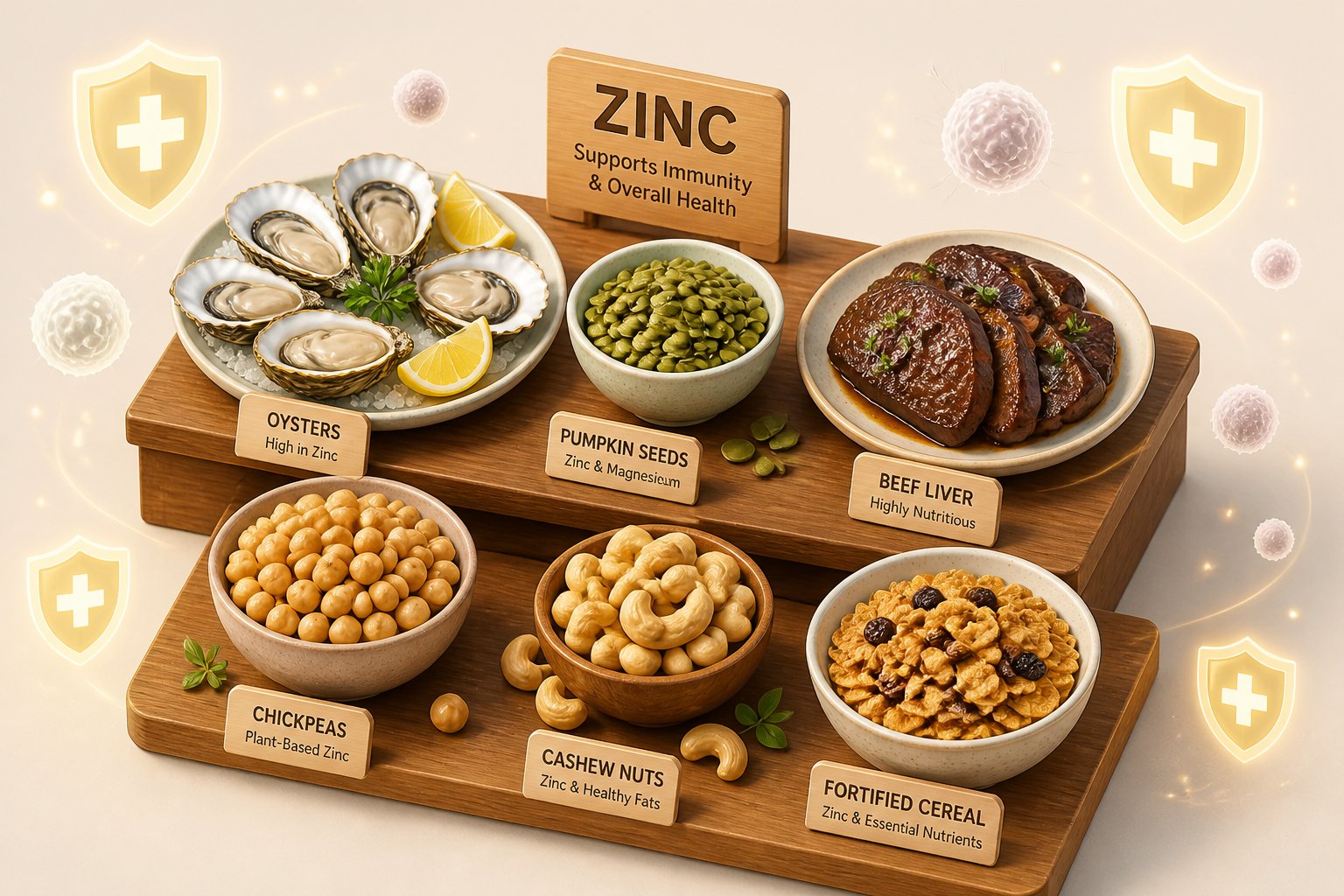
Getting enough zinc through diet is achievable with the right food choices. Animal products typically contain higher amounts of zinc per serving, while plant-based options require more attention to absorption factors.
Animal-Based Zinc-Rich Foods
Oysters rank as the top food source of zinc, with just 3 ounces of raw farmed oysters providing 32 milligrams. Pacific oysters offer 28.2 milligrams per 3-ounce serving when cooked.
Beef provides substantial zinc content, with 3 ounces of roasted bottom sirloin containing 3.8 milligrams. Other red meats like pork center loin chops deliver 1.9 milligrams per serving.
Seafood options beyond oysters include blue crab at 3.2 milligrams per 3 ounces and shrimp at 1.4 milligrams. Sardines canned in oil provide 1.1 milligrams per serving.
Poultry and dairy contribute moderate amounts. Turkey breast offers 1.5 milligrams per 3 ounces, while 1.5 ounces of cheddar cheese matches that amount. Greek yogurt and milk each contain 1 milligram per serving.
Plant-Based Food Sources
Plant-based zinc sources provide viable options, though the body absorbs less zinc from these foods compared to meat. Pumpkin seeds lead vegetarian sources with 2.2 milligrams per ounce when roasted.
Legumes offer solid zinc content. Lentils contain 1.3 milligrams per half cup when boiled. Chickpeas provide another legume option for those following plant-based diets.
Nuts and seeds include cashews at 1.4 milligrams per ounce. Fortified breakfast cereals can deliver 2.8 milligrams per serving, while plain cooked oatmeal provides 2.3 milligrams per cup.
Mushrooms contribute 1.2 milligrams per cup when raw. Whole grains and quinoa also contain zinc, making them useful additions to a varied diet.
Maximizing Absorption From Foods
The body absorbs zinc from animal sources more efficiently than from plants. This difference matters for people relying primarily on plant-based foods to meet their zinc needs.
Soaking or sprouting legumes before cooking helps improve zinc absorption. These preparation methods reduce compounds called phytates that bind to zinc and prevent absorption.
Eating a variety of zinc-rich foods throughout the day supports better intake. Combining different food sources ensures adequate consumption even with varying absorption rates.
Adults need 11 milligrams daily for men and 8 milligrams for women. Pregnant women require 11 milligrams, while nursing mothers need 12 milligrams per day to prevent zinc deficiency.
Choosing and Using Zinc Supplements
Different forms of zinc supplements offer varying absorption rates and uses, while proper dosing ensures safety and effectiveness. Adults need 8 to 12 mg daily, though higher amounts may help with specific health conditions.
Forms of Zinc Supplements
Several types of zinc supplements exist on the market, each with distinct properties. Zinc gluconate is one of the most common over-the-counter forms and frequently appears in cold remedies and nasal sprays.
Zinc acetate works similarly to zinc gluconate in cold lozenges, helping reduce symptoms and speed recovery. Zinc sulfate helps prevent deficiency and has proven effective at reducing acne severity.
Research indicates that zinc picolinate may offer better absorption than other forms, including zinc gluconate and zinc citrate. Zinc citrate absorbs as well as zinc gluconate but tastes less bitter, making it more pleasant to take.
Zinc orotate binds to orotic acid and ranks among the most common supplement types available. People seeking an affordable option often choose zinc gluconate due to its wide availability and low cost. Those willing to invest more might prefer zinc picolinate for its superior absorption rate.
These supplements come in capsules, tablets, and lozenges. However, zinc nasal sprays should be avoided since they have been linked to loss of smell.
Recommended Dosages and Safety
The recommended dietary allowance for adults ranges from 8 to 12 mg daily, depending on sex and whether someone is breastfeeding. Zinc supplements contain different amounts of elemental zinc based on their form.
For example, zinc sulfate contains 23% elemental zinc, so 220 mg provides approximately 50 mg of actual zinc. The elemental amount appears on supplement labels, making it easy to determine proper intake.
Higher doses may treat conditions like acne, diarrhea, and respiratory infections. However, people should not exceed 40 mg per day without medical supervision to avoid side effects.
Taking too much zinc can cause nausea, vomiting, diarrhea, and stomach pain. Amounts over 40 mg daily may trigger flu-like symptoms including fever, coughing, headache, and fatigue. Excess zinc also interferes with copper absorption, potentially causing deficiency over time.
Zinc supplements can reduce the effectiveness of certain antibiotics when taken simultaneously. Anyone experiencing negative effects should lower their dosage and consult a healthcare professional if symptoms continue.
Who Should Consider Supplementation
People with restrictive diets, impaired nutrient absorption, or certain health conditions face higher risk of zinc deficiency. Those following vegetarian or vegan diets may need supplementation since plant-based zinc sources are less bioavailable than animal sources.
Individuals experiencing symptoms like decreased immunity, hair loss, poor appetite, diarrhea, or slow wound healing might have low zinc levels. A blood test can confirm whether supplementation would be beneficial.
Most people can obtain adequate zinc through food sources like meat, poultry, seafood, fortified cereals, nuts, seeds, legumes, and dairy products. A 3-ounce beef patty provides 5.3 mg of zinc, while certain breakfast cereals contain around 2.8 mg per serving.
Zinc lozenges containing 80 to 92 mg may reduce common cold duration by up to 33% when taken at the first sign of symptoms. People over 50 and those with chronic conditions affecting immune function might benefit from supplementation after consulting their doctor.
Comparing Types of Zinc Supplements
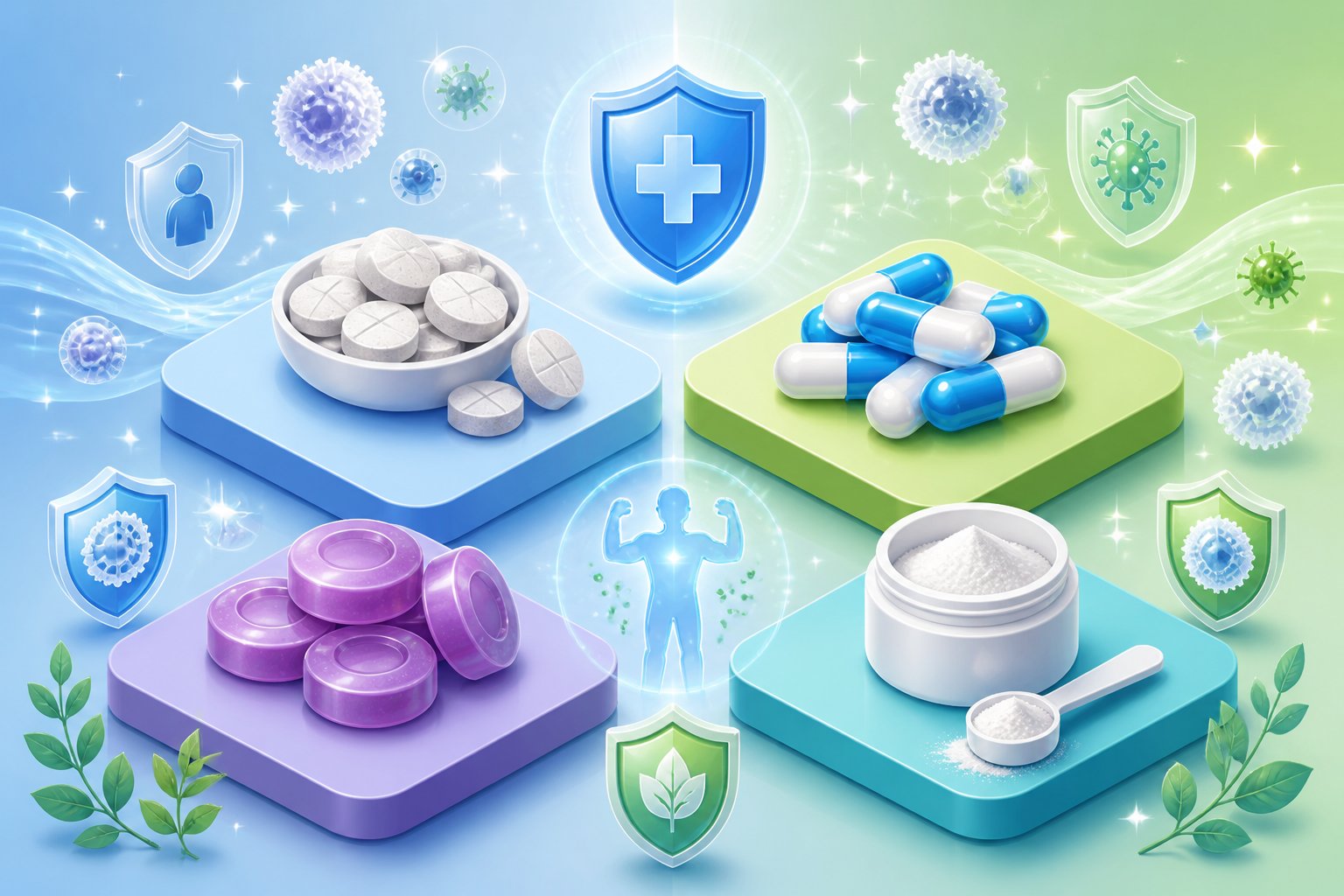
Different forms of zinc offer varying rates of absorption and serve specific health purposes. Zinc gluconate and zinc acetate work best for cold symptoms, while zinc picolinate and zinc citrate provide superior absorption for daily supplementation.
Zinc Gluconate Versus Zinc Acetate
Zinc gluconate stands as one of the most common over-the-counter forms available. It appears frequently in cold remedies and nasal sprays due to its effectiveness at reducing symptom duration.
Zinc acetate works similarly to zinc gluconate in cold lozenges to speed up recovery when symptoms first appear. Studies show that lozenges containing 80 to 92 mg of zinc may reduce common cold duration by up to 33%.
Both forms provide affordable options for treating respiratory infections. Zinc gluconate typically costs less and offers wider availability in stores. Zinc acetate delivers comparable benefits but may be harder to find in some locations.
The main difference lies in their chemical composition rather than effectiveness. Both bind zinc to different compounds that help the body process the mineral. People can choose either form based on availability and personal preference without sacrificing results.
Bioavailability of Zinc Citrate and Zinc Picolinate
Zinc picolinate shows significantly higher absorption rates compared to zinc citrate and zinc gluconate in the human body. This enhanced bioavailability makes it particularly valuable for people who need to correct deficiencies quickly.
Research indicates that the body absorbs zinc picolinate faster and more efficiently than other common forms. This matters because many people struggle to get enough zinc from diet alone.
Zinc citrate offers a middle ground between cost and absorption. A 2014 study found that the body absorbs it as well as zinc gluconate but with a less bitter and more appealing taste. This makes it easier for people to take regularly without the unpleasant flavor that turns some away from supplements.
Key absorption comparison:
- Zinc Picolinate: Highest absorption rate
- Zinc Citrate: Good absorption with better taste
- Zinc Gluconate: Lower absorption but widely available
People willing to invest more money may benefit from choosing zinc picolinate. Those seeking a balance between effectiveness and affordability often prefer zinc citrate.
Uses of Zinc Oxide
Zinc oxide serves different purposes than other zinc supplement forms. It appears most commonly in topical skin products rather than oral supplements meant for immune support.
This form works well for treating skin conditions and protecting against sun damage. Zinc sulfate proves more effective than zinc oxide for treating acne when taken orally. Studies show zinc sulfate reduces symptoms of mild to moderate acne by decreasing inflammatory bumps.
Zinc oxide rarely appears in immune-boosting supplements because the body absorbs it poorly when swallowed. Manufacturers instead use it in creams, ointments, and sunscreens where it creates a physical barrier on the skin.
People looking to boost their immune system should avoid zinc oxide supplements. The other forms listed provide better results for internal health benefits. Zinc oxide remains best suited for external applications on the skin.
Potential Side Effects and Precautions
While zinc supplements offer immune-boosting benefits, taking too much can lead to adverse effects and interfere with other nutrients. Understanding safe dosage limits and potential interactions helps people use zinc supplements effectively without risking their health.
Safe Upper Limits
Adults should not exceed 40 mg of elemental zinc per day unless under medical supervision. This upper limit exists because consuming high amounts of zinc can cause digestive issues and other health problems.
Taking more than the recommended amount can trigger flu-like symptoms. These include fever, coughing, headache, and fatigue. Common digestive side effects include nausea, vomiting, diarrhea, and stomach pain.
The daily recommended amount for adults ranges from 8 to 12 mg depending on sex and whether someone is breastfeeding. Some conditions like acne or respiratory infections may require higher therapeutic doses, but these should only be taken under doctor guidance.
Interactions With Medications
Zinc supplements can reduce the effectiveness of certain antibiotics when taken at the same time. The mineral interferes with how the body absorbs these medications.
People taking antibiotics should separate their zinc supplement dose by at least 2 hours from their medication. This spacing allows both the antibiotic and zinc to be absorbed properly.
Anyone taking prescription medications should consult their doctor before starting zinc supplements. The mineral may interact with other drugs beyond antibiotics, potentially changing how well those medications work.
Monitoring for Copper Deficiency
Zinc can block the body’s ability to absorb copper over time. This creates a risk of copper deficiency for people who take zinc supplements regularly.
Signs of copper deficiency include:
- Weakness and fatigue
- Frequent infections
- Bone problems
- Nerve issues
People who take zinc supplements long-term should have their copper levels checked periodically. A doctor can order blood tests to monitor both zinc and copper status. If copper levels drop too low, reducing the zinc dose or adding a copper supplement may be necessary.
Frequently Asked Questions
Zinc supplement forms vary in absorption rates, and adults typically need between 8-11 mg daily for basic immune support. Taking too much zinc can actually harm immunity rather than help it.
What type of zinc supplement is best for supporting immune function?
Zinc gluconate, zinc acetate, and zinc sulfate are the most common forms available in supplements. Research hasn’t clearly shown that one form works better than others for immune support.
Zinc lozenges containing zinc gluconate or zinc acetate[3] may be most effective when fighting a cold. These forms release zinc ions in the mouth and throat where cold viruses replicate.
Zinc picolinate and zinc citrate are also popular choices. They tend to be well-absorbed by the body.
The delivery method matters when treating colds. Lozenges work differently than pills because they dissolve slowly in the mouth.
What is the recommended daily zinc dosage for immune support in adults?
Adult men need 11 mg of zinc daily while adult women need 8 mg. These amounts support normal immune function and overall health.
Pregnant women require 11 mg daily and breastfeeding women need 12 mg. The body needs extra zinc during these times to support both mother and baby.
The upper limit for adults is 40 mg per day[3] from all sources combined. This includes food, drinks, and supplements.
Most people in the United States get enough zinc from their regular diet. Oysters provide very high amounts while meat, fish, and poultry are also good sources.
Do zinc supplements actually reduce the duration or severity of common colds?
Some studies show that zinc lozenges or syrup can speed recovery from the common cold. The key is starting them right when cold symptoms begin.
These products don’t appear to make cold symptoms less severe. They may just help people get better faster.
Scientists still need to determine the best dose and form of zinc for treating colds. They’re also studying how often and how long zinc should be taken.
The research on zinc and colds[4] shows mixed results. Not all studies have found the same benefits.
Is taking 50 mg of zinc per day too much for long-term use?
Taking 50 mg of zinc daily exceeds the upper limit of 40 mg for adults. This amount can cause health problems over time.
Long-term use of high zinc doses can lower immunity rather than boost it. It can also reduce HDL (good) cholesterol levels and interfere with copper absorption.
Taking too much zinc causes nausea, vomiting, headaches, and stomach upset. These are signs the body is getting more than it can handle safely.
High zinc intake can reduce the body’s ability to absorb magnesium. It creates an imbalance that affects multiple body systems.
Can zinc intake ever weaken immune function or cause negative immune effects?
Excessive zinc intake actually weakens the immune system. Taking too much zinc for extended periods lowers immunity[3] and makes the body more vulnerable to infections.
Too much zinc interferes with copper absorption. Copper is another mineral the immune system needs to function properly.
The body maintains a delicate balance of minerals. Getting too much of one can throw off this balance and harm immune defenses.
Very high doses of supplemental zinc reduce magnesium absorption. Both minerals play important roles in immune health.
How does zinc compare to vitamin C for supporting immune health?
Zinc helps activate immune cells that fight bacteria and viruses. The body also uses it to make proteins and DNA needed for immune responses.
Vitamin C supports immune cells in different ways. It acts as an antioxidant and helps certain white blood cells function better.
Both nutrients are essential for a strong immune system. They work through different mechanisms and can’t replace each other.
Getting enough of both from food is ideal. Most people can meet their needs through a balanced diet without supplements.
Neither nutrient is clearly superior for immunity. The body needs adequate amounts of both to keep the immune system working properly.
Post Views: 4

Elevate Your Health for Just $29.99/Month
Join the Precision Wellness Subscription at My Healing 365 and get discounted services, priority coaching access, virtual care, and exclusive wellness resources to support your physical, emotional, and hormonal health.
Join for $29.99/MonthMedically Reviewed
Dr. Jose Rossello, MD, PhD, MHCM
Preventive Medicine & Public Health Specialist
Last Reviewed: June 26, 2026
Your body needs zinc to keep your immune system working properly. This mineral helps immune cells develop and function, reduces inflammation, and supports your body’s ability to fight off infections. Without enough zinc, people become more likely to get sick and take longer to recover.
Zinc plays a critical role in immune function by helping white blood cells respond to threats, supporting the production of antibodies, and maintaining the protective barriers in your skin and mucous membranes. Adults need between 8 and 11 milligrams of zinc daily, which most people can get from food. However, certain groups like older adults, vegetarians, and people with digestive issues may need extra attention to their zinc intake.
Getting the right amount of zinc makes a real difference in how well the immune system works. Research shows that zinc deficiency affects about two billion people worldwide[1] and can lead to increased infections, slower wound healing, and a weakened immune response. The good news is that both dietary changes and supplements can help restore healthy zinc levels when needed.
Key Takeaways
- Adults need 8-11 milligrams of zinc daily to support immune cell function and fight infections
- Foods high in zinc include red meat, oysters, nuts, and fortified cereals, while supplements can help those at risk of deficiency
- Too much zinc can cause side effects, so staying within recommended doses is important for safe and effective immune support
Understanding Zinc: Functions and Importance
Zinc is a trace mineral that the human body needs for hundreds of essential functions. At 2-3 grams total, zinc is the second most abundant metal in the human body[1]. The body cannot produce zinc on its own, so people must get it through food or supplements.
This mineral functions as a structural or catalytic component of more than 300 enzymes[2]. These enzymes help with vital processes throughout the body. About 10% of all human proteins can potentially bind to zinc, showing how important this mineral is for normal body function.
Key Functions of Zinc:
- Immune system support – Helps produce and activate immune cells that fight infections
- Wound healing – Assists in tissue repair and skin health
- Cell growth and division – Necessary for DNA synthesis and cell signaling
- Enzyme activity – Required for proper function of digestive enzymes and metabolism
- Protein synthesis – Helps the body build and repair proteins
- Hormone balance – Supports hormone production and regulation
The body stores zinc unevenly across different organs. The prostate, pancreas, and bones contain the highest concentrations. The brain, heart, and blood plasma have lower amounts. Despite having low concentrations, blood plasma serves as one of the most important reservoirs for maintaining zinc balance.
Zinc plays a central role in immune defense, tissue repair, and cell signaling. Without adequate zinc, the body struggles to perform these basic functions properly.
Zinc and Immune System Support
Zinc functions as a critical regulator of immune cell activity and inflammatory responses throughout the body. This mineral directly influences how the body responds to infections and manages the healing process after injury.
How Zinc Regulates Immune Responses
Zinc acts as what researchers call a “gatekeeper of immune function”[1] by controlling signaling pathways in both innate and adaptive immune cells. The mineral helps regulate the production and activity of immune cells including T cells, B cells, and natural killer cells.
Within immune cells, zinc transporters control the movement of zinc ions across cell membranes. These transporters include 14 ZIP proteins that bring zinc into cells and 10 ZnT proteins that remove it. The balance between these transporters determines how much zinc reaches different parts of the cell.
About 10% of human proteins can bind to zinc. This binding affects how enzymes work and how genes get expressed. When zinc levels drop, immune cells cannot signal properly or respond to threats effectively.
Key immune cells affected by zinc:
- T helper cells
- Cytotoxic T cells
- Natural killer cells
- Monocytes
- B cells
Role in Inflammation and Wound Healing
Zinc demonstrates anti-inflammatory and antioxidant properties that help control excessive immune responses. When the body has adequate zinc, it can better manage inflammation without triggering chronic inflammatory conditions.
The mineral supports wound healing by enabling proper cell division and protein synthesis. Zinc deficiency leads to delayed wound healing and increased susceptibility to infections at wound sites. People with zinc deficiency often experience skin abnormalities and slower recovery from injuries.
Zinc oxide, a common form used in topical treatments, protects skin and promotes healing of minor wounds and irritations. The mineral helps maintain the integrity of skin and mucous membranes, which serve as the body’s first line of defense against pathogens.
Zinc’s Impact on Infection Risk
Zinc deficiency affects approximately two billion people worldwide[1], making it the fifth leading cause of lost healthy life years in developing countries. People with low zinc levels face higher rates of bacterial, viral, and parasitic infections.
Studies show zinc supplementation reduces the duration and severity of common colds. The mineral also proves effective in treating pediatric diarrhea, having saved millions of children’s lives in countries like India.
Nearly 30% of elderly adults experience zinc deficiency. This group shows increased vulnerability to infections and reduced vaccine response. Vegetarians, vegans, and people with chronic diarrhea or kidney problems also face higher deficiency risk.
Populations at elevated infection risk due to zinc deficiency:
- Adults over 65 years old
- Vegetarians and vegans
- People with chronic diarrhea
- Individuals with kidney disease
- Those consuming high amounts of phytates from grains and legumes
Identifying and Preventing Zinc Deficiency
Recognizing zinc deficiency early helps prevent serious health problems, as specific symptoms and risk factors can signal when the body lacks this essential mineral. Certain groups face higher risks than others.
Symptoms of Zinc Deficiency
The body shows clear signs when zinc levels drop too low. Skin rashes, hair loss, and changes in nails often appear as early warning signs.
People with zinc deficiency frequently experience:
- Weakened immune system leading to frequent infections
- Loss of appetite and changes in taste or smell
- Slow wound healing that takes longer than normal
- Diarrhea, especially in infants and young children
- Growth retardation in children
Weight loss, rough skin, and cognitive impairment can develop as deficiency worsens. The body’s immune system becomes weak when zinc levels stay low for extended periods.
At-Risk Populations
Certain groups need extra attention to their zinc intake. Nearly 30% of the elderly population is considered to be zinc deficient[1], making age a significant risk factor.
High-risk groups include:
- Older adults over 60 years
- Vegetarians and vegans
- Pregnant and breastfeeding women
- People with chronic diarrhea
- Patients with kidney disease
Vegetarians or vegans face higher risks[1] because plant foods contain phytates and lignin that bind to zinc and reduce absorption. Foods from unrefined cereals and legumes can decrease zinc bioavailability in the body.
Health Risks of Deficiency
Low zinc levels create serious health consequences beyond immediate symptoms. Lymphopenia, decreased ratios of T helper cells to cytotoxic T cells, and decreased natural killer cell activity[1] occur in people with severe deficiency.
Chronic zinc deficiency increases the risk of:
- Cardiovascular disease and diabetes
- Rheumatoid arthritis and other autoimmune conditions
- Age-related macular degeneration that can lead to blindness
- Impaired cognitive function similar to Alzheimer’s disease
The condition triggers chronic inflammation and oxidative stress throughout the body. Acrodermatitis Enteropathica, a genetic disorder affecting zinc absorption, can be lethal without treatment. Worldwide, about two billion people are estimated to be affected by zinc deficiency[1].
Best Food Sources of Zinc
Getting enough zinc through diet is achievable with the right food choices. Animal products typically contain higher amounts of zinc per serving, while plant-based options require more attention to absorption factors.
Animal-Based Zinc-Rich Foods
Oysters rank as the top food source of zinc, with just 3 ounces of raw farmed oysters providing 32 milligrams. Pacific oysters offer 28.2 milligrams per 3-ounce serving when cooked.
Beef provides substantial zinc content, with 3 ounces of roasted bottom sirloin containing 3.8 milligrams. Other red meats like pork center loin chops deliver 1.9 milligrams per serving.
Seafood options beyond oysters include blue crab at 3.2 milligrams per 3 ounces and shrimp at 1.4 milligrams. Sardines canned in oil provide 1.1 milligrams per serving.
Poultry and dairy contribute moderate amounts. Turkey breast offers 1.5 milligrams per 3 ounces, while 1.5 ounces of cheddar cheese matches that amount. Greek yogurt and milk each contain 1 milligram per serving.
Plant-Based Food Sources
Plant-based zinc sources provide viable options, though the body absorbs less zinc from these foods compared to meat. Pumpkin seeds lead vegetarian sources with 2.2 milligrams per ounce when roasted.
Legumes offer solid zinc content. Lentils contain 1.3 milligrams per half cup when boiled. Chickpeas provide another legume option for those following plant-based diets.
Nuts and seeds include cashews at 1.4 milligrams per ounce. Fortified breakfast cereals can deliver 2.8 milligrams per serving, while plain cooked oatmeal provides 2.3 milligrams per cup.
Mushrooms contribute 1.2 milligrams per cup when raw. Whole grains and quinoa also contain zinc, making them useful additions to a varied diet.
Maximizing Absorption From Foods
The body absorbs zinc from animal sources more efficiently than from plants. This difference matters for people relying primarily on plant-based foods to meet their zinc needs.
Soaking or sprouting legumes before cooking helps improve zinc absorption. These preparation methods reduce compounds called phytates that bind to zinc and prevent absorption.
Eating a variety of zinc-rich foods throughout the day supports better intake. Combining different food sources ensures adequate consumption even with varying absorption rates.
Adults need 11 milligrams daily for men and 8 milligrams for women. Pregnant women require 11 milligrams, while nursing mothers need 12 milligrams per day to prevent zinc deficiency.
Choosing and Using Zinc Supplements
Different forms of zinc supplements offer varying absorption rates and uses, while proper dosing ensures safety and effectiveness. Adults need 8 to 12 mg daily, though higher amounts may help with specific health conditions.
Forms of Zinc Supplements
Several types of zinc supplements exist on the market, each with distinct properties. Zinc gluconate is one of the most common over-the-counter forms and frequently appears in cold remedies and nasal sprays.
Zinc acetate works similarly to zinc gluconate in cold lozenges, helping reduce symptoms and speed recovery. Zinc sulfate helps prevent deficiency and has proven effective at reducing acne severity.
Research indicates that zinc picolinate may offer better absorption than other forms, including zinc gluconate and zinc citrate. Zinc citrate absorbs as well as zinc gluconate but tastes less bitter, making it more pleasant to take.
Zinc orotate binds to orotic acid and ranks among the most common supplement types available. People seeking an affordable option often choose zinc gluconate due to its wide availability and low cost. Those willing to invest more might prefer zinc picolinate for its superior absorption rate.
These supplements come in capsules, tablets, and lozenges. However, zinc nasal sprays should be avoided since they have been linked to loss of smell.
Recommended Dosages and Safety
The recommended dietary allowance for adults ranges from 8 to 12 mg daily, depending on sex and whether someone is breastfeeding. Zinc supplements contain different amounts of elemental zinc based on their form.
For example, zinc sulfate contains 23% elemental zinc, so 220 mg provides approximately 50 mg of actual zinc. The elemental amount appears on supplement labels, making it easy to determine proper intake.
Higher doses may treat conditions like acne, diarrhea, and respiratory infections. However, people should not exceed 40 mg per day without medical supervision to avoid side effects.
Taking too much zinc can cause nausea, vomiting, diarrhea, and stomach pain. Amounts over 40 mg daily may trigger flu-like symptoms including fever, coughing, headache, and fatigue. Excess zinc also interferes with copper absorption, potentially causing deficiency over time.
Zinc supplements can reduce the effectiveness of certain antibiotics when taken simultaneously. Anyone experiencing negative effects should lower their dosage and consult a healthcare professional if symptoms continue.
Who Should Consider Supplementation
People with restrictive diets, impaired nutrient absorption, or certain health conditions face higher risk of zinc deficiency. Those following vegetarian or vegan diets may need supplementation since plant-based zinc sources are less bioavailable than animal sources.
Individuals experiencing symptoms like decreased immunity, hair loss, poor appetite, diarrhea, or slow wound healing might have low zinc levels. A blood test can confirm whether supplementation would be beneficial.
Most people can obtain adequate zinc through food sources like meat, poultry, seafood, fortified cereals, nuts, seeds, legumes, and dairy products. A 3-ounce beef patty provides 5.3 mg of zinc, while certain breakfast cereals contain around 2.8 mg per serving.
Zinc lozenges containing 80 to 92 mg may reduce common cold duration by up to 33% when taken at the first sign of symptoms. People over 50 and those with chronic conditions affecting immune function might benefit from supplementation after consulting their doctor.
Comparing Types of Zinc Supplements
Different forms of zinc offer varying rates of absorption and serve specific health purposes. Zinc gluconate and zinc acetate work best for cold symptoms, while zinc picolinate and zinc citrate provide superior absorption for daily supplementation.
Zinc Gluconate Versus Zinc Acetate
Zinc gluconate stands as one of the most common over-the-counter forms available. It appears frequently in cold remedies and nasal sprays due to its effectiveness at reducing symptom duration.
Zinc acetate works similarly to zinc gluconate in cold lozenges to speed up recovery when symptoms first appear. Studies show that lozenges containing 80 to 92 mg of zinc may reduce common cold duration by up to 33%.
Both forms provide affordable options for treating respiratory infections. Zinc gluconate typically costs less and offers wider availability in stores. Zinc acetate delivers comparable benefits but may be harder to find in some locations.
The main difference lies in their chemical composition rather than effectiveness. Both bind zinc to different compounds that help the body process the mineral. People can choose either form based on availability and personal preference without sacrificing results.
Bioavailability of Zinc Citrate and Zinc Picolinate
Zinc picolinate shows significantly higher absorption rates compared to zinc citrate and zinc gluconate in the human body. This enhanced bioavailability makes it particularly valuable for people who need to correct deficiencies quickly.
Research indicates that the body absorbs zinc picolinate faster and more efficiently than other common forms. This matters because many people struggle to get enough zinc from diet alone.
Zinc citrate offers a middle ground between cost and absorption. A 2014 study found that the body absorbs it as well as zinc gluconate but with a less bitter and more appealing taste. This makes it easier for people to take regularly without the unpleasant flavor that turns some away from supplements.
Key absorption comparison:
- Zinc Picolinate: Highest absorption rate
- Zinc Citrate: Good absorption with better taste
- Zinc Gluconate: Lower absorption but widely available
People willing to invest more money may benefit from choosing zinc picolinate. Those seeking a balance between effectiveness and affordability often prefer zinc citrate.
Uses of Zinc Oxide
Zinc oxide serves different purposes than other zinc supplement forms. It appears most commonly in topical skin products rather than oral supplements meant for immune support.
This form works well for treating skin conditions and protecting against sun damage. Zinc sulfate proves more effective than zinc oxide for treating acne when taken orally. Studies show zinc sulfate reduces symptoms of mild to moderate acne by decreasing inflammatory bumps.
Zinc oxide rarely appears in immune-boosting supplements because the body absorbs it poorly when swallowed. Manufacturers instead use it in creams, ointments, and sunscreens where it creates a physical barrier on the skin.
People looking to boost their immune system should avoid zinc oxide supplements. The other forms listed provide better results for internal health benefits. Zinc oxide remains best suited for external applications on the skin.
Potential Side Effects and Precautions
While zinc supplements offer immune-boosting benefits, taking too much can lead to adverse effects and interfere with other nutrients. Understanding safe dosage limits and potential interactions helps people use zinc supplements effectively without risking their health.
Safe Upper Limits
Adults should not exceed 40 mg of elemental zinc per day unless under medical supervision. This upper limit exists because consuming high amounts of zinc can cause digestive issues and other health problems.
Taking more than the recommended amount can trigger flu-like symptoms. These include fever, coughing, headache, and fatigue. Common digestive side effects include nausea, vomiting, diarrhea, and stomach pain.
The daily recommended amount for adults ranges from 8 to 12 mg depending on sex and whether someone is breastfeeding. Some conditions like acne or respiratory infections may require higher therapeutic doses, but these should only be taken under doctor guidance.
Interactions With Medications
Zinc supplements can reduce the effectiveness of certain antibiotics when taken at the same time. The mineral interferes with how the body absorbs these medications.
People taking antibiotics should separate their zinc supplement dose by at least 2 hours from their medication. This spacing allows both the antibiotic and zinc to be absorbed properly.
Anyone taking prescription medications should consult their doctor before starting zinc supplements. The mineral may interact with other drugs beyond antibiotics, potentially changing how well those medications work.
Monitoring for Copper Deficiency
Zinc can block the body’s ability to absorb copper over time. This creates a risk of copper deficiency for people who take zinc supplements regularly.
Signs of copper deficiency include:
- Weakness and fatigue
- Frequent infections
- Bone problems
- Nerve issues
People who take zinc supplements long-term should have their copper levels checked periodically. A doctor can order blood tests to monitor both zinc and copper status. If copper levels drop too low, reducing the zinc dose or adding a copper supplement may be necessary.
Frequently Asked Questions
Zinc supplement forms vary in absorption rates, and adults typically need between 8-11 mg daily for basic immune support. Taking too much zinc can actually harm immunity rather than help it.
What type of zinc supplement is best for supporting immune function?
Zinc gluconate, zinc acetate, and zinc sulfate are the most common forms available in supplements. Research hasn’t clearly shown that one form works better than others for immune support.
Zinc lozenges containing zinc gluconate or zinc acetate[3] may be most effective when fighting a cold. These forms release zinc ions in the mouth and throat where cold viruses replicate.
Zinc picolinate and zinc citrate are also popular choices. They tend to be well-absorbed by the body.
The delivery method matters when treating colds. Lozenges work differently than pills because they dissolve slowly in the mouth.
What is the recommended daily zinc dosage for immune support in adults?
Adult men need 11 mg of zinc daily while adult women need 8 mg. These amounts support normal immune function and overall health.
Pregnant women require 11 mg daily and breastfeeding women need 12 mg. The body needs extra zinc during these times to support both mother and baby.
The upper limit for adults is 40 mg per day[3] from all sources combined. This includes food, drinks, and supplements.
Most people in the United States get enough zinc from their regular diet. Oysters provide very high amounts while meat, fish, and poultry are also good sources.
Do zinc supplements actually reduce the duration or severity of common colds?
Some studies show that zinc lozenges or syrup can speed recovery from the common cold. The key is starting them right when cold symptoms begin.
These products don’t appear to make cold symptoms less severe. They may just help people get better faster.
Scientists still need to determine the best dose and form of zinc for treating colds. They’re also studying how often and how long zinc should be taken.
The research on zinc and colds[4] shows mixed results. Not all studies have found the same benefits.
Is taking 50 mg of zinc per day too much for long-term use?
Taking 50 mg of zinc daily exceeds the upper limit of 40 mg for adults. This amount can cause health problems over time.
Long-term use of high zinc doses can lower immunity rather than boost it. It can also reduce HDL (good) cholesterol levels and interfere with copper absorption.
Taking too much zinc causes nausea, vomiting, headaches, and stomach upset. These are signs the body is getting more than it can handle safely.
High zinc intake can reduce the body’s ability to absorb magnesium. It creates an imbalance that affects multiple body systems.
Can zinc intake ever weaken immune function or cause negative immune effects?
Excessive zinc intake actually weakens the immune system. Taking too much zinc for extended periods lowers immunity[3] and makes the body more vulnerable to infections.
Too much zinc interferes with copper absorption. Copper is another mineral the immune system needs to function properly.
The body maintains a delicate balance of minerals. Getting too much of one can throw off this balance and harm immune defenses.
Very high doses of supplemental zinc reduce magnesium absorption. Both minerals play important roles in immune health.
How does zinc compare to vitamin C for supporting immune health?
Zinc helps activate immune cells that fight bacteria and viruses. The body also uses it to make proteins and DNA needed for immune responses.
Vitamin C supports immune cells in different ways. It acts as an antioxidant and helps certain white blood cells function better.
Both nutrients are essential for a strong immune system. They work through different mechanisms and can’t replace each other.
Getting enough of both from food is ideal. Most people can meet their needs through a balanced diet without supplements.
Neither nutrient is clearly superior for immunity. The body needs adequate amounts of both to keep the immune system working properly.
Post Views: 4

























