
Medically Reviewed
Dr. Jose Rossello, MD, PhD, MHCM
Preventive Medicine & Public Health Specialist
Last Reviewed: June 25, 2026
Your bones need more than just calcium to stay strong and healthy throughout your life. While most people know calcium matters, key nutrients work together in harmony to build and maintain bone density. Getting the right combination of minerals through diet, along with specific vitamins that help your body absorb them, gives your bones the tools they need to resist fractures and stay strong as you age.
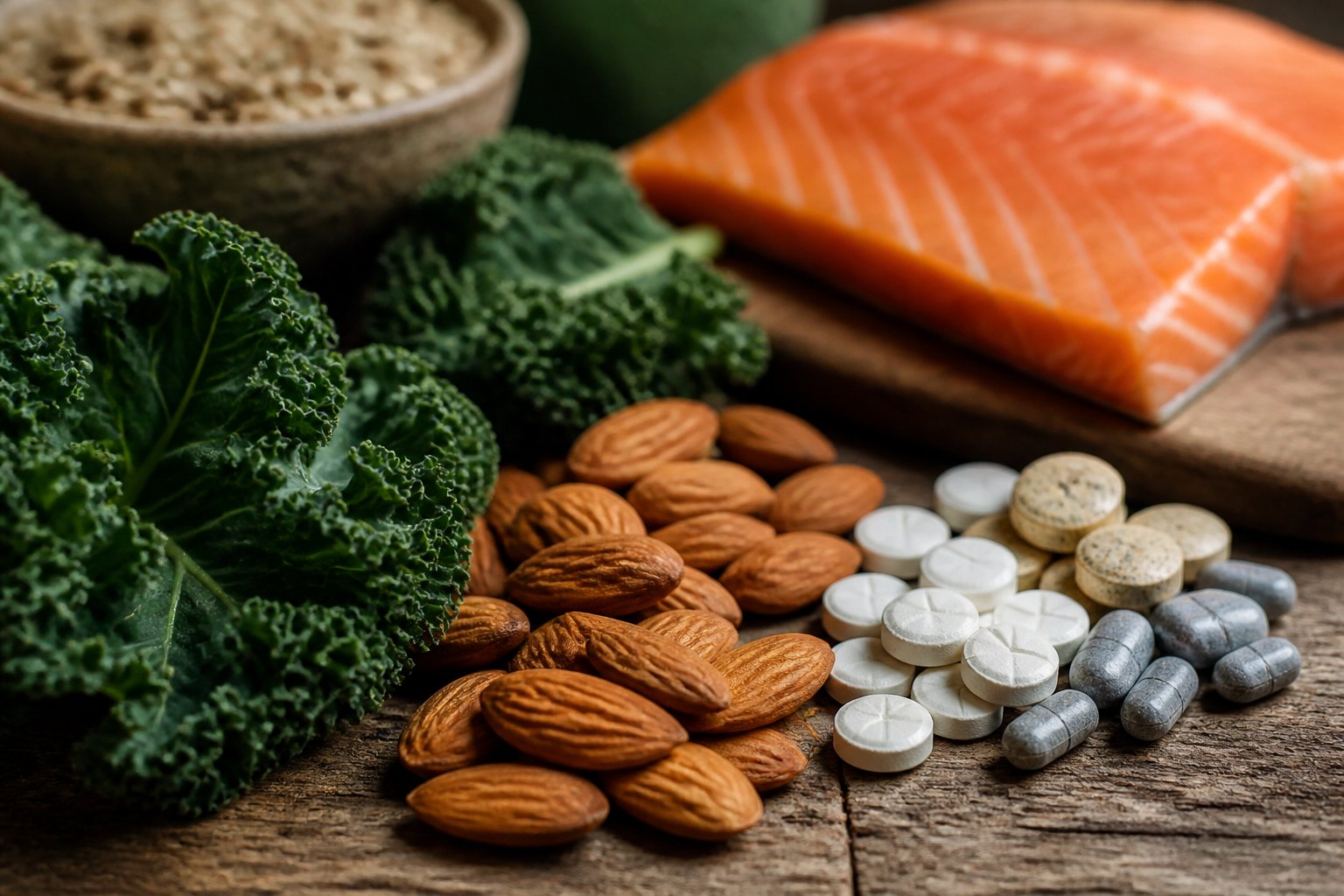
The body constantly rebuilds bone tissue, breaking down old bone and forming new bone to replace it. This process requires a steady supply of minerals like calcium, magnesium, and phosphorus. Without enough of these essential nutrients your body needs for building bone[1], your body pulls minerals from your existing bones to keep other systems running, which weakens your skeleton over time.
Understanding which minerals matter most and how to get them through food can make a real difference in bone health. Simple changes to what you eat and how you move each day can strengthen your bones at any age.
Table of Contents
Key Takeaways
- A combination of minerals including calcium, magnesium, and phosphorus work together to build and maintain strong bones
- Getting these minerals from food sources is safer and more effective than relying only on supplements
- Regular weight-bearing exercise and a balanced diet rich in bone-supporting nutrients protect bone health throughout life
The Role of Essential Minerals in Bone Structure
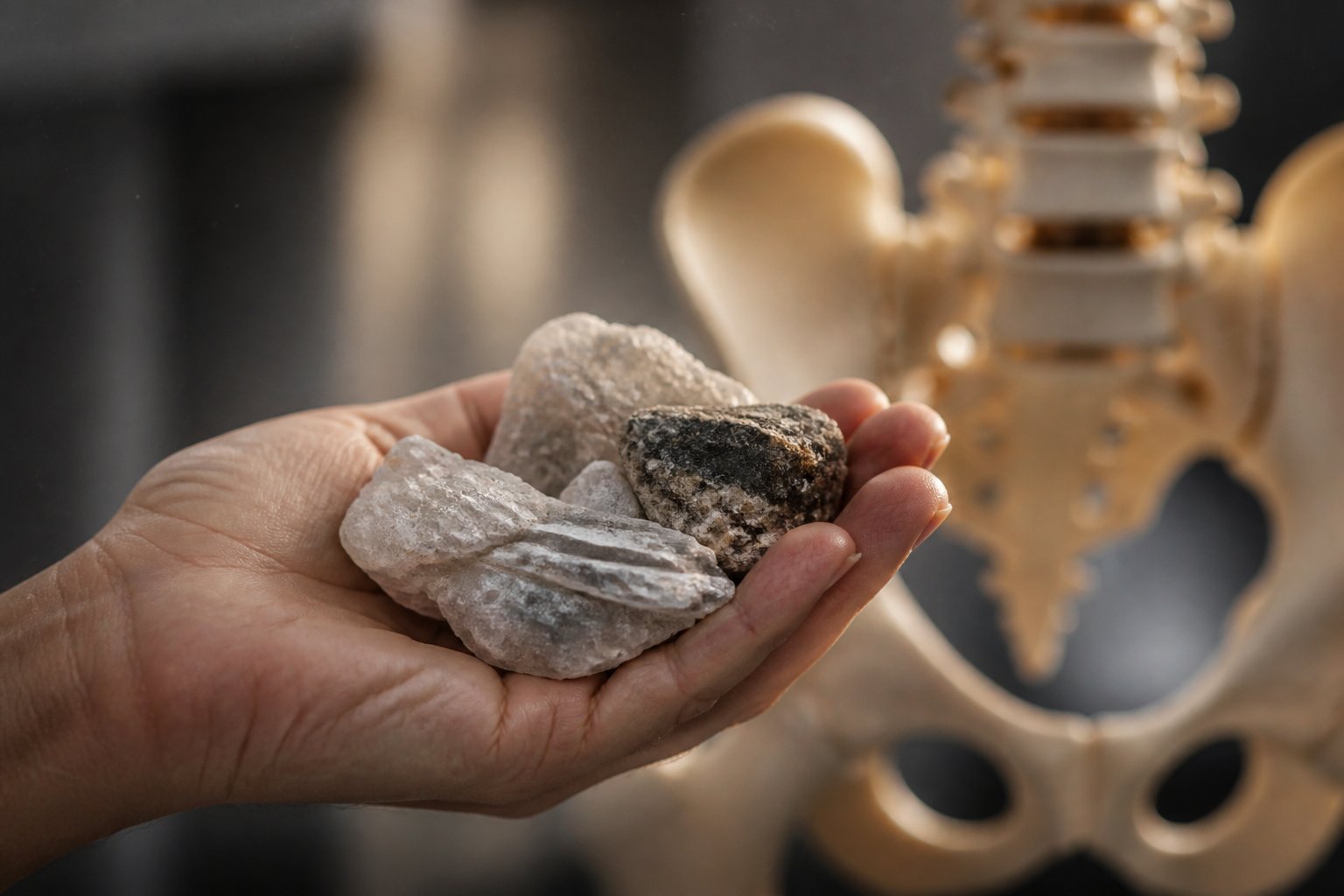
Bones rely on several key minerals to maintain their density and structural integrity. Calcium forms the primary building material, while magnesium, phosphorus, zinc, and other trace minerals work together to support bone formation and ongoing bone metabolism.
Calcium: Foundation of Bone Strength
Calcium is the most abundant mineral in the body[2], making up a significant portion of bone tissue. Bones contain calcium phosphate, which hardens and strengthens the skeletal structure.
The body cannot produce calcium on its own. People must obtain it through food, drinks, or supplements to build strong bones and teeth. When dietary calcium intake falls short, the body pulls calcium from bones to support vital functions in muscles, heart, and nerves.
This process weakens bones over time and increases the risk of osteoporosis. Adults ages 19 to 50 need 1,000 mg of calcium daily, while women over 50 and men over 70 require 1,200 mg per day. Children and teens ages 9 to 18 need the highest amount at 1,300 mg daily to support growing bones.
Magnesium and Phosphorus: Supporting Bone Density
Magnesium and phosphorus serve as critical structural bone builders alongside calcium. Phosphorus combines with calcium to form calcium phosphate, the compound that gives bones their hardness and density.
Magnesium plays multiple roles in bone health. It helps regulate calcium absorption and supports the activity of cells that build new bone tissue. Without adequate magnesium, bones cannot properly utilize the calcium available to them.
These minerals work together rather than independently. The balance between calcium, magnesium, and phosphorus determines how effectively the body can maintain bone density and prevent deterioration.
Zinc and Trace Minerals for Bone Metabolism
Zinc regulates bone metabolism by controlling the activity of osteoblasts and osteoclasts. Osteoblasts build new bone tissue, while osteoclasts break down old bone. This constant remodeling process keeps bones healthy and strong.
Trace minerals beyond zinc contribute to ongoing bone health through various mechanisms. These micronutrients support the cellular processes that maintain bone structure throughout life.
The body needs smaller amounts of trace minerals compared to calcium, but their roles remain essential. They assist in calcium absorption, support bone cell function, and help maintain the mineral balance necessary for optimal bone strength.
Vital Vitamins for Calcium Utilization
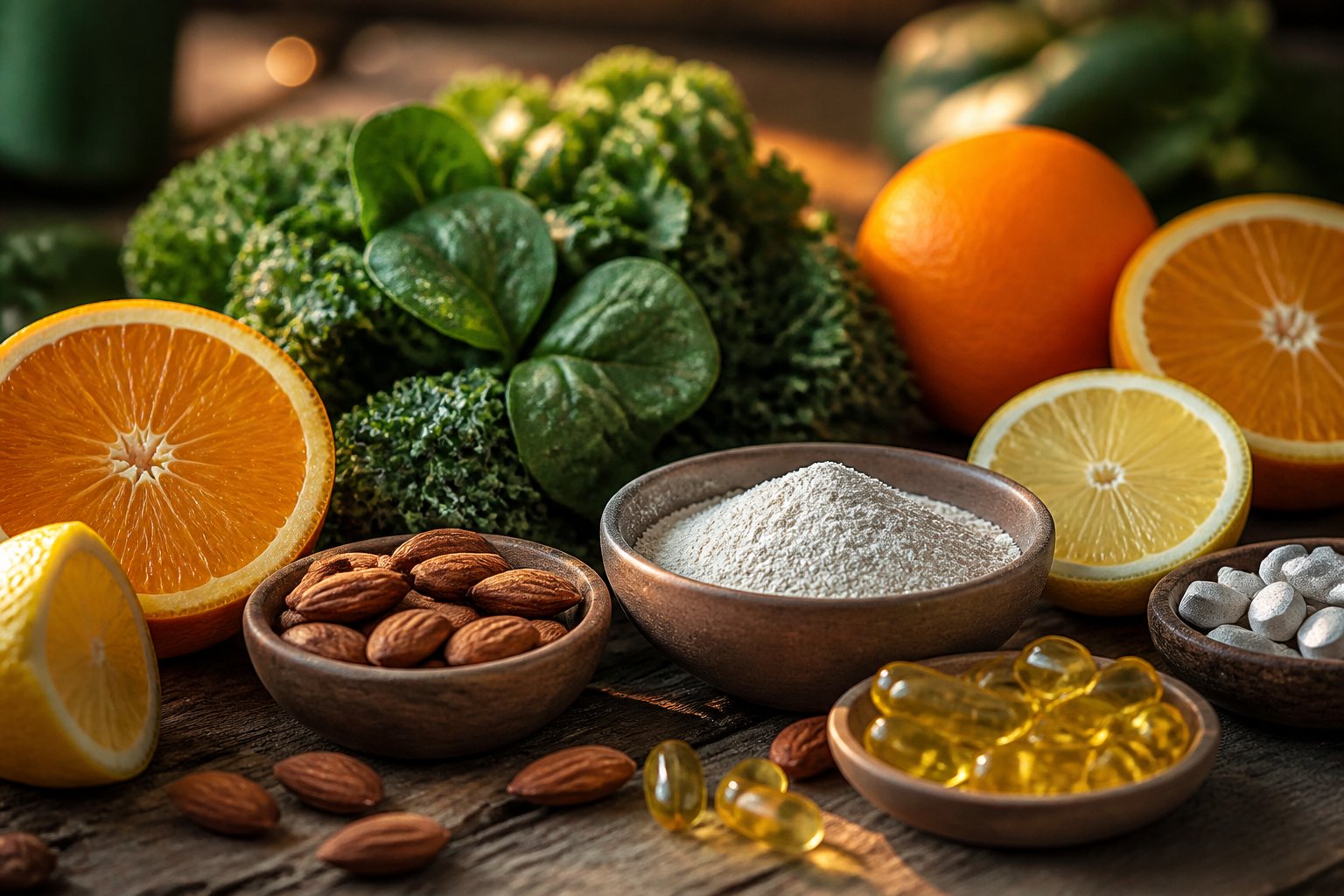
Getting enough calcium matters, but the body needs specific vitamins to absorb and use it properly. Vitamin D enables calcium absorption in the intestines, while vitamin K2 directs calcium to bones instead of soft tissues, and vitamins C and A support the processes that build and maintain bone strength.
Vitamin D and Sun Exposure
The body cannot absorb calcium effectively without adequate vitamin D. This vitamin helps the intestines take in calcium from food and ensures enough calcium and phosphorus reach the bloodstream to support bone formation.
Sun exposure provides the most natural way to get vitamin D. When ultraviolet B rays hit the skin, the body produces vitamin d3, the active form the body uses best. About 10 to 30 minutes of midday sun several times per week can help many people maintain healthy levels.
People who live in northern climates, work indoors, or have darker skin may struggle to produce enough from sunshine alone. Fortified foods[2] like milk, orange juice, and cereals provide alternative sources. Fortified milk typically contains 100 IU of vitamin d per cup.
Vitamin K and K2: Directing Calcium
Vitamin K plays a different but equally important role in bone health. It activates proteins that bind calcium to the bone matrix. Without enough vitamin K, calcium may deposit in arteries and soft tissues instead of bones.
Vitamin k2 works specifically to guide calcium to the right places in the body. This form activates osteocalcin, a protein that pulls calcium into bones and teeth. Magnesium helps minerals like calcium harden and strengthen bones when vitamin k2 directs them properly.
Leafy greens provide vitamin K1, while fermented foods and animal products contain k2. Both forms contribute to bone health, though k2 appears more effective at directing calcium.
Synergistic Effects with Vitamin C and A
Vitamin C supports collagen production, which forms the framework bones need before minerals can attach. Collagen makes up about 30% of bone mass and provides flexibility that prevents fractures. The body requires vitamin C to build and repair this essential bone structure.
Vitamin A helps regulate the cells that break down old bone and build new bone tissue. This balance keeps bones healthy and strong throughout life. However, too much vitamin A can actually weaken bones, so balance matters.
These vitamins work together to improve calcium absorption and retention[3]. When the body has enough of each vitamin, calcium bioavailability increases significantly compared to taking calcium alone.
Dietary Strategies for Improving Bone Health

Building strong bones requires strategic food choices that deliver essential nutrients throughout the day. The right combination of calcium sources, adequate protein, and mineral-rich foods creates a foundation for lasting skeletal strength.
Calcium-Rich Foods: Dairy and Plant Sources
Dairy products remain one of the most efficient ways to meet daily calcium needs. A single cup of milk, cheese, or yogurt provides approximately 300 milligrams of calcium. These dairy options also deliver protein and phosphorus, which work together to support bone mineralization.
For those who avoid dairy, numerous plant-based alternatives offer comparable benefits. Fortified orange juice contains about 300 milligrams of calcium per cup, while fortified almond milk can provide up to 450 milligrams. Leafy greens like kale, spinach, and broccoli contribute both calcium and additional nutrients that support bone health.
High-Calcium Plant Foods:
- Fortified foods (plant milks, orange juice)
- Leafy greens (kale, collard greens, broccoli)
- Nuts (almonds contain roughly 300 mg per cup)
- Seeds (chia seeds, sesame seeds)
- Beans and legumes (white beans, soybeans)
Adults over 51 should aim for 1,000 to 1,200 milligrams of calcium daily through dietary sources and supplements[1] when necessary.
Protein Intake and Bone Formation
Protein creates the structural framework upon which minerals like calcium and phosphorus attach to form solid bone. Without adequate protein, the body cannot effectively build or repair skeletal tissue. This meshwork of protein fibers acts as scaffolding for bone growth and maintenance.
Quality protein sources include fish, poultry, dairy products, legumes, whole grains, nuts, and certain vegetables like corn and asparagus. Lentils deserve special attention because they provide both protein and other bone-supporting nutrients in a single food.
To calculate individual protein needs, people should multiply their weight in pounds by 0.36. A person weighing 150 pounds requires about 54 grams of protein daily. This amount is achievable through regular meals: one and a half cups of bran cereal with milk (14 grams), half a cup of cottage cheese (12 grams), and 3 ounces of salmon or chicken with lentils (30 grams).
Certain protein sources offer calcium alongside amino acids, creating dual benefits for bone health.
Magnesium- and Potassium-Rich Foods
Magnesium and potassium play critical but often overlooked roles in maintaining bone density. Magnesium helps regulate calcium levels and supports the conversion of vitamin D to its active form. Potassium neutralizes acids that can leach calcium from bones.
- Nuts (almonds, cashews)
- Seeds (pumpkin seeds, chia seeds)
- Whole grains (quinoa, brown rice)
- Leafy greens (spinach, Swiss chard)
- Legumes (black beans, chickpeas)
These foods naturally contain multiple minerals that work synergistically. Pumpkin seeds, for example, deliver magnesium, zinc, and healthy fats in one nutrient-dense package. Incorporating a variety of these magnesium-rich foods ensures comprehensive mineral support for skeletal health.
Balanced Diet for Long-Term Bone Wellness
A healthy diet that includes fruits, vegetables, legumes, nuts, seeds, and lean proteins[1] provides most nutrients bones need to function optimally. This whole-foods approach delivers not just calcium and protein, but also vitamin K, vitamin C, and trace minerals that contribute to bone strength.
Whole grains like quinoa offer B vitamins and fiber alongside bone-supporting minerals. Soy products provide protein, calcium, and phytonutrients unique to plant foods. The combination of varied food groups creates nutritional synergy that isolated supplements cannot replicate.
People should focus on eating patterns rather than individual foods. Consistent intake of dairy or fortified alternatives, regular servings of leafy greens, daily portions of beans or legumes, and adequate nuts and seeds establishes the dietary foundation for lifelong bone health.
Superfoods for Strong Bones
Certain whole foods deliver concentrated amounts of bone-building minerals that work together to maintain skeletal strength. Fatty fish provides vitamin D and omega-3s, while plant foods offer magnesium and alkalizing minerals that support calcium retention.
Fatty Fish and Seafood
Salmon stands out as one of the most effective foods for bone health because it contains both vitamin D and omega-3 fatty acids. A 3-ounce serving of wild salmon provides around 570 IU of vitamin D, which helps the body absorb calcium efficiently.
Canned salmon with bones offers an even greater benefit. The soft, edible bones add significant calcium to the diet, with a 3-ounce serving providing approximately 180-200 mg of calcium along with the vitamin D from the fish itself.
Sardines deliver similar advantages in a smaller package. These tiny fatty fish contain both calcium from their edible bones and vitamin D from their flesh. Canned sardines typically provide 325 mg of calcium per 3-ounce serving.
Other shellfish contribute important minerals too. Oysters contain zinc, which supports collagen production in bones. Most fatty fish options provide the omega-3 fats EPA and DHA that help reduce inflammation and protect bone tissue.
Plant-Based Bone Builders
Leafy greens deliver calcium, magnesium, and vitamin K without animal products. Spinach contains high amounts of these minerals, though its oxalate content can reduce calcium absorption somewhat. Broccoli offers a better-absorbed form of calcium along with vitamin C, which helps build the collagen matrix in bones.
Mushrooms exposed to UV light provide one of the few plant sources of vitamin D. Some commercial varieties contain 400 IU or more per serving. Soy products like tofu and tempeh offer both calcium and protein needed for bone structure.
Beans provide magnesium and protein while helping maintain alkaline balance in the body. This alkaline environment helps bones retain minerals rather than releasing them to buffer acid. Avocados contain magnesium and potassium, which work together to support mineral balance.
Fermented foods may improve mineral absorption by supporting gut health. Better digestion means the body can extract and use more nutrients from all foods consumed.
Nuts and Seeds Power
Almonds rank among the best foods that strengthen bones by providing calcium, magnesium, and protein. One ounce of almonds contains about 75 mg of calcium and 76 mg of magnesium.
Chia seeds pack multiple bone-building nutrients into a tiny package. Two tablespoons provide 180 mg of calcium, plus omega-3 fatty acids and magnesium. These seeds also contain boron, which helps the body use vitamin D and calcium more effectively.
Pumpkin seeds offer high amounts of magnesium and zinc. Just one ounce delivers nearly 40% of daily magnesium needs. Cashews contribute copper and magnesium, both necessary for forming and maintaining the collagen framework that gives bones their flexibility.
Seeds and nuts provide protein needed for the organic matrix of bone. This protein structure holds minerals in place and gives bones their ability to bend slightly under pressure without breaking.
Physical Activity to Boost Bone Strength

Regular physical activity strengthens bones by triggering bone formation and increasing bone density through mechanical stress. The most effective exercises combine weight-bearing movements with resistance training, and recommendations vary based on age and fitness level.
Weight-Bearing and Resistance Exercises
Weight-bearing exercise forces bones to work against gravity, which stimulates bone remodeling and helps maintain peak bone mass. Activities like walking, brisk walking, jogging, and tennis create impact that signals the body to strengthen bone tissue. These exercises are particularly effective because muscles pull on bones during movement, prompting the skeletal system to respond by building denser, stronger structures.
Resistance training adds another layer of bone protection by using external resistance to challenge muscles and bones simultaneously. Lifting weights with free weights or weight machines creates stress on bones that encourages new bone formation. Weight training doesn’t require heavy loads to be effective—even moderate resistance stimulates bone-building cells.
Resistance bands offer a gentler alternative for those who need lower-impact options while still providing the mechanical load bones need to stay strong. Strength training exercises that use body weight, such as pushups and pullups, also strengthen both muscles and bones[4] effectively.
Types of Effective Bone-Focused Workouts
Different types of exercise improve bone density through varied mechanisms. High-impact activities like running and jumping rope create the strongest bone-building signals, though they’re not suitable for everyone.
Impact Level Categories:
- High-impact: Jogging, tennis, jumping rope, basketball
- Moderate-impact: Brisk walking (3-4 miles per hour), dancing, climbing stairs
- Low-impact with resistance: Tai chi, elliptical machines, resistance band exercises
Balance training becomes especially important for older adults because it helps prevent falls and fractures[4]. Tai chi combines gentle movement with weight shifting that improves stability while providing modest bone benefits. Walking backwards, lunges, and step-ups challenge balance while loading bones.
Racket sports like tennis, badminton, and pickleball offer dual benefits by combining impact forces with quick directional changes. These movements stress bones in multiple planes, promoting more comprehensive bone strengthening than single-direction activities.
Exercise Recommendations for All Ages
Adults of all ages should aim for at least 150 minutes of moderate-intensity exercise weekly, plus muscle-strengthening activities twice per week. This combination maintains bone density and reduces fracture risk as people age.
Children and teens age 6 to 17 need at least one hour of daily physical activity, with bone-strengthening exercises at least three days per week. Young children from age 3 to 5 benefit from active play throughout the day that includes jumping, climbing, and running.
Older adults should mix balance training, aerobic activity, and strength training into their weekly 150 minutes. Those with low bone density or osteoporosis need to consult healthcare providers before starting new exercise programs to ensure activities are safe for their condition.
Pregnant women and those who recently gave birth should continue 150 minutes of moderate exercise weekly, spread throughout the week. People with chronic conditions should work toward these goals as their health allows, adjusting intensity and duration based on individual limitations.
Lifestyle and Medical Factors Impacting Bone Health
Several factors beyond diet and exercise affect bone density and the risk of osteoporosis. Hormones, genetics, lifestyle habits, and certain medications all play important roles in bone strength throughout life.
Hormones, Age, and Genetics
Hormone levels have a direct impact on bone density. Dropping estrogen levels during menopause[5] typically cause significant bone loss in women. Women who experience amenorrhea, or long periods without menstruation, face a higher risk of osteoporosis before menopause. Men with low testosterone levels also experience bone mass reduction.
Too much thyroid hormone can weaken bones and accelerate bone loss. Most people reach their peak bone mass around age 30, and after that point, the body breaks down slightly more bone than it creates.
Genetics and family history matter for bone health. People with a parent who had osteoporosis face higher risk themselves. Those of white or Asian descent have greater chances of developing bone problems compared to other groups. People with small body frames or a body mass index under 19 typically have less bone mass to maintain as they age.
Lifestyle Choices and Their Effects
Tobacco use weakens bones[5] and increases the risk of osteoporosis. Both smoking and vaping damage bone tissue over time.
Alcohol consumption affects bone density when consumed in excess. Women who drink more than one alcoholic beverage daily and men who drink more than two daily face increased osteoporosis risk. Physical inactivity creates problems for bone strength. People who don’t exercise regularly have higher rates of bone loss compared to those who stay active.
Key lifestyle factors for preventing fractures:
- Regular weight-bearing exercise
- Limited alcohol intake
- No tobacco use
- Adequate sleep
- Maintaining healthy body weight
Medications and Risk Factors
Long-term use of certain medications damages bones and increases the risk of osteoporosis. Glucocorticoid steroids, commonly prescribed for inflammation, can weaken bone structure over time. Hormone treatments for breast cancer and prostate cancer affect bone density.
Other medications that impact bone health include seizure prevention drugs, thyroid disease treatments, selective serotonin reuptake inhibitors, and proton pump inhibitors. Anyone taking these medications long-term should ask their doctor about bone health monitoring.
Medical conditions raise osteoporosis risk[5] as well. Eating disorders like anorexia weaken bones through malnutrition and low body weight. Thyroid diseases, inflammatory bowel disease, rheumatoid arthritis, and Cushing syndrome all contribute to bone loss.
People over 50 who break a bone should talk to their doctor about getting a bone density test. This test measures bone strength and can detect osteopenia, an early stage of bone loss that comes before osteoporosis. Early detection helps doctors recommend treatments to prevent further damage.
When to Consider Supplements and Seek Professional Guidance
Getting enough bone-building minerals from food alone can be challenging for many people. Supplements may fill nutritional gaps, but they require careful selection and medical oversight to ensure safety and effectiveness.
Choosing and Using Calcium Supplements
A calcium supplement becomes necessary when dietary intake falls short of daily needs. Adults typically need 1,000 to 1,200 mg of calcium daily, depending on age and sex.
Calcium carbonate and calcium citrate are the two main forms available. Calcium carbonate contains more elemental calcium per pill but requires stomach acid for absorption, so people should take it with meals. Calcium citrate absorbs well with or without food and works better for older adults or those taking acid-reducing medications.
The body absorbs calcium best in doses of 500 mg or less at one time. Someone taking 1,000 mg should split it into two doses throughout the day.
Most calcium supplements also contain vitamin D3, which helps the body absorb calcium more efficiently. Vitamin D and calcium work together[6] to support bone strength, making combination supplements a practical choice for many people.
Other Mineral and Vitamin Supplementation
Beyond calcium, several other nutrients support bone health through supplements that may benefit bone strength, including magnesium, vitamin K, vitamin C, and collagen.
Magnesium helps convert vitamin D into its active form and supports bone mineralization. Most adults need 310 to 420 mg daily. Vitamin K2 directs calcium to bones rather than soft tissues. Boron helps the body use calcium, magnesium, and vitamin D more effectively, though it only requires small amounts measured in milligrams.
Trace minerals like zinc, copper, and manganese also play roles in bone formation. Many people get enough from a balanced diet, but multivitamins can provide these nutrients in appropriate amounts.
People should avoid taking high doses without medical guidance, as excessive amounts of certain minerals can cause health problems or interfere with medication absorption.
When to Consult a Doctor
A doctor should evaluate bone health before someone starts taking supplements, especially for those at higher risk of bone loss. Professional guidance helps determine which supplements are necessary and in what amounts.
People should seek medical advice if they:
- Have a family history of osteoporosis
- Experience unexpected bone fractures
- Take medications that affect bone density
- Have digestive conditions affecting nutrient absorption
- Are postmenopausal women or men over 50
Blood tests can measure vitamin D levels, calcium levels, and bone metabolism markers. These results help doctors recommend personalized supplement dosages rather than generic amounts.
Anyone experiencing side effects from supplements needs to contact their healthcare provider. Too much calcium intake can cause kidney stones, constipation, or interfere with iron and zinc absorption.
Frequently Asked Questions
Calcium and phosphorus form the foundation of bone strength, while magnesium, vitamin D, and vitamin K2 help direct these minerals where they need to go. Getting the right balance through food and sometimes supplements makes a real difference in bone health at any age.
Which minerals are most important for maintaining strong bones and teeth?
Calcium stands out as the primary mineral for bones and teeth. Over 99% of the body’s calcium is stored in the skeletal system, providing the main structural component.
Phosphorus works alongside calcium to create hydroxyapatite crystals. These crystals give bones their hardness and strength.
Magnesium plays a crucial role too. It influences how bone crystals form and helps maintain the flexibility that prevents bones from becoming brittle.
Zinc, copper, and manganese support the collagen framework that holds minerals in place. Without this framework, bones would lack the proper structure to retain calcium and phosphorus effectively.
What two minerals contribute most to making bones hard and strong?
Calcium and phosphorus are the two minerals that contribute most to bone hardness. They combine to form hydroxyapatite, the mineral compound that makes up about 50-60% of bone mass.
Calcium provides compressive strength, allowing bones to withstand pressure and weight. Most people need between 800 and 1,200 mg of calcium daily to maintain healthy bones.
Phosphorus binds with calcium in a specific ratio to create the hard mineral structure. The body requires 700 to 1,200 mg of phosphorus each day for optimal bone formation.
These two minerals work together constantly. When one is missing or out of balance, the bone-building process becomes less effective.
What are the top nutrients needed to support healthy bone density over time?
Building strong bones requires 20 key nutrients working together, not just calcium alone. The process involves structural minerals, collagen builders, nutrient directors, and metabolic coordinators.
Vitamin D enhances calcium absorption from food and helps maintain balanced bone turnover. Without adequate vitamin D, the body cannot use calcium effectively no matter how much is consumed.
Vitamin K2 directs calcium into bones and keeps it away from soft tissues like arteries. This targeting function prevents calcium from depositing in the wrong places.
Magnesium influences bone crystal formation and contributes to bone flexibility. It also helps activate vitamin D so the body can use it properly.
Protein and collagen form the organic matrix that gives bones tensile strength. This framework must be in place before minerals can harden the bone structure.
Vitamin C, zinc, manganese, copper, and silicon all support collagen production. They help build the scaffolding that holds bone minerals securely.
Which foods provide the best mineral support for stronger bones and joints?
Dairy products deliver high amounts of calcium along with protein and phosphorus. Milk, yogurt, and cheese provide these nutrients in forms the body absorbs well.
Leafy greens supply calcium, magnesium, and vitamin K. Kale, collard greens, and bok choy offer excellent mineral content without the calories found in dairy.
Fatty fish like salmon and sardines provide calcium from the bones, vitamin D, and omega-3 fats. Canned fish with soft edible bones delivers particularly high calcium levels.
Nuts and seeds contain magnesium, zinc, and healthy fats. Almonds, sesame seeds, and pumpkin seeds support both the mineral structure and collagen framework of bones.
Eggs, tofu, and legumes offer protein along with various bone-supporting minerals. These foods help build the organic matrix that holds minerals in place.
Whole grains provide magnesium, phosphorus, and B vitamins. They support the metabolic processes that protect bone health over time.
Are there effective mineral-rich drinks that can support bone repair and recovery?
Milk remains one of the most mineral-dense drinks for bones. One cup provides about 300 mg of calcium plus protein, vitamin D, and phosphorus.
Fortified plant-based milks can match dairy milk’s calcium content. Almond, soy, and oat milks often contain added calcium and vitamin D to support bone health.
Bone broth made from simmering animal bones releases calcium, magnesium, phosphorus, and collagen. The minerals and amino acids in bone broth support both bone structure and the collagen matrix.
Green smoothies made with leafy greens, seeds, and yogurt combine multiple bone-supporting nutrients. Adding ingredients like kale, chia seeds, and Greek yogurt creates a mineral-rich drink.
Mineral water contains varying amounts of calcium and magnesium depending on the source. Some brands provide significant amounts of these minerals in each serving.
Is it ever too late to improve bone density, and how do minerals factor into that process?
Bone is living tissue that constantly rebuilds itself throughout life. This ongoing remodeling process means bones can respond to improved nutrition at any age.
The body needs the right minerals to support this rebuilding process. Calcium, phosphorus, and magnesium provide the raw materials for new bone formation.
Older adults may need higher amounts of certain nutrients because absorption decreases with age. Vitamin D becomes particularly important for helping the body use calcium effectively.
Weight-bearing exercise combined with proper mineral intake produces better results than nutrition alone. The mechanical stress signals bones to strengthen, while minerals provide the building blocks.
Starting mineral support earlier produces better outcomes, but improvements can occur at any stage. Even people with existing bone loss can slow progression and support bone quality through targeted nutrition.
The key is consistency rather than timing. Regular intake of bone-supporting minerals helps maintain the constant remodeling process that keeps bones strong.
Post Views: 7

Elevate Your Health for Just $29.99/Month
Join the Precision Wellness Subscription at My Healing 365 and get discounted services, priority coaching access, virtual care, and exclusive wellness resources to support your physical, emotional, and hormonal health.
Join for $29.99/MonthMedically Reviewed
Dr. Jose Rossello, MD, PhD, MHCM
Preventive Medicine & Public Health Specialist
Last Reviewed: June 25, 2026
Your bones need more than just calcium to stay strong and healthy throughout your life. While most people know calcium matters, key nutrients work together in harmony to build and maintain bone density. Getting the right combination of minerals through diet, along with specific vitamins that help your body absorb them, gives your bones the tools they need to resist fractures and stay strong as you age.
The body constantly rebuilds bone tissue, breaking down old bone and forming new bone to replace it. This process requires a steady supply of minerals like calcium, magnesium, and phosphorus. Without enough of these essential nutrients your body needs for building bone[1], your body pulls minerals from your existing bones to keep other systems running, which weakens your skeleton over time.
Understanding which minerals matter most and how to get them through food can make a real difference in bone health. Simple changes to what you eat and how you move each day can strengthen your bones at any age.
Key Takeaways
- A combination of minerals including calcium, magnesium, and phosphorus work together to build and maintain strong bones
- Getting these minerals from food sources is safer and more effective than relying only on supplements
- Regular weight-bearing exercise and a balanced diet rich in bone-supporting nutrients protect bone health throughout life
The Role of Essential Minerals in Bone Structure
Bones rely on several key minerals to maintain their density and structural integrity. Calcium forms the primary building material, while magnesium, phosphorus, zinc, and other trace minerals work together to support bone formation and ongoing bone metabolism.
Calcium: Foundation of Bone Strength
Calcium is the most abundant mineral in the body[2], making up a significant portion of bone tissue. Bones contain calcium phosphate, which hardens and strengthens the skeletal structure.
The body cannot produce calcium on its own. People must obtain it through food, drinks, or supplements to build strong bones and teeth. When dietary calcium intake falls short, the body pulls calcium from bones to support vital functions in muscles, heart, and nerves.
This process weakens bones over time and increases the risk of osteoporosis. Adults ages 19 to 50 need 1,000 mg of calcium daily, while women over 50 and men over 70 require 1,200 mg per day. Children and teens ages 9 to 18 need the highest amount at 1,300 mg daily to support growing bones.
Magnesium and Phosphorus: Supporting Bone Density
Magnesium and phosphorus serve as critical structural bone builders alongside calcium. Phosphorus combines with calcium to form calcium phosphate, the compound that gives bones their hardness and density.
Magnesium plays multiple roles in bone health. It helps regulate calcium absorption and supports the activity of cells that build new bone tissue. Without adequate magnesium, bones cannot properly utilize the calcium available to them.
These minerals work together rather than independently. The balance between calcium, magnesium, and phosphorus determines how effectively the body can maintain bone density and prevent deterioration.
Zinc and Trace Minerals for Bone Metabolism
Zinc regulates bone metabolism by controlling the activity of osteoblasts and osteoclasts. Osteoblasts build new bone tissue, while osteoclasts break down old bone. This constant remodeling process keeps bones healthy and strong.
Trace minerals beyond zinc contribute to ongoing bone health through various mechanisms. These micronutrients support the cellular processes that maintain bone structure throughout life.
The body needs smaller amounts of trace minerals compared to calcium, but their roles remain essential. They assist in calcium absorption, support bone cell function, and help maintain the mineral balance necessary for optimal bone strength.
Vital Vitamins for Calcium Utilization
Getting enough calcium matters, but the body needs specific vitamins to absorb and use it properly. Vitamin D enables calcium absorption in the intestines, while vitamin K2 directs calcium to bones instead of soft tissues, and vitamins C and A support the processes that build and maintain bone strength.
Vitamin D and Sun Exposure
The body cannot absorb calcium effectively without adequate vitamin D. This vitamin helps the intestines take in calcium from food and ensures enough calcium and phosphorus reach the bloodstream to support bone formation.
Sun exposure provides the most natural way to get vitamin D. When ultraviolet B rays hit the skin, the body produces vitamin d3, the active form the body uses best. About 10 to 30 minutes of midday sun several times per week can help many people maintain healthy levels.
People who live in northern climates, work indoors, or have darker skin may struggle to produce enough from sunshine alone. Fortified foods[2] like milk, orange juice, and cereals provide alternative sources. Fortified milk typically contains 100 IU of vitamin d per cup.
Vitamin K and K2: Directing Calcium
Vitamin K plays a different but equally important role in bone health. It activates proteins that bind calcium to the bone matrix. Without enough vitamin K, calcium may deposit in arteries and soft tissues instead of bones.
Vitamin k2 works specifically to guide calcium to the right places in the body. This form activates osteocalcin, a protein that pulls calcium into bones and teeth. Magnesium helps minerals like calcium harden and strengthen bones when vitamin k2 directs them properly.
Leafy greens provide vitamin K1, while fermented foods and animal products contain k2. Both forms contribute to bone health, though k2 appears more effective at directing calcium.
Synergistic Effects with Vitamin C and A
Vitamin C supports collagen production, which forms the framework bones need before minerals can attach. Collagen makes up about 30% of bone mass and provides flexibility that prevents fractures. The body requires vitamin C to build and repair this essential bone structure.
Vitamin A helps regulate the cells that break down old bone and build new bone tissue. This balance keeps bones healthy and strong throughout life. However, too much vitamin A can actually weaken bones, so balance matters.
These vitamins work together to improve calcium absorption and retention[3]. When the body has enough of each vitamin, calcium bioavailability increases significantly compared to taking calcium alone.
Dietary Strategies for Improving Bone Health
Building strong bones requires strategic food choices that deliver essential nutrients throughout the day. The right combination of calcium sources, adequate protein, and mineral-rich foods creates a foundation for lasting skeletal strength.
Calcium-Rich Foods: Dairy and Plant Sources
Dairy products remain one of the most efficient ways to meet daily calcium needs. A single cup of milk, cheese, or yogurt provides approximately 300 milligrams of calcium. These dairy options also deliver protein and phosphorus, which work together to support bone mineralization.
For those who avoid dairy, numerous plant-based alternatives offer comparable benefits. Fortified orange juice contains about 300 milligrams of calcium per cup, while fortified almond milk can provide up to 450 milligrams. Leafy greens like kale, spinach, and broccoli contribute both calcium and additional nutrients that support bone health.
High-Calcium Plant Foods:
- Fortified foods (plant milks, orange juice)
- Leafy greens (kale, collard greens, broccoli)
- Nuts (almonds contain roughly 300 mg per cup)
- Seeds (chia seeds, sesame seeds)
- Beans and legumes (white beans, soybeans)
Adults over 51 should aim for 1,000 to 1,200 milligrams of calcium daily through dietary sources and supplements[1] when necessary.
Protein Intake and Bone Formation
Protein creates the structural framework upon which minerals like calcium and phosphorus attach to form solid bone. Without adequate protein, the body cannot effectively build or repair skeletal tissue. This meshwork of protein fibers acts as scaffolding for bone growth and maintenance.
Quality protein sources include fish, poultry, dairy products, legumes, whole grains, nuts, and certain vegetables like corn and asparagus. Lentils deserve special attention because they provide both protein and other bone-supporting nutrients in a single food.
To calculate individual protein needs, people should multiply their weight in pounds by 0.36. A person weighing 150 pounds requires about 54 grams of protein daily. This amount is achievable through regular meals: one and a half cups of bran cereal with milk (14 grams), half a cup of cottage cheese (12 grams), and 3 ounces of salmon or chicken with lentils (30 grams).
Certain protein sources offer calcium alongside amino acids, creating dual benefits for bone health.
Magnesium- and Potassium-Rich Foods
Magnesium and potassium play critical but often overlooked roles in maintaining bone density. Magnesium helps regulate calcium levels and supports the conversion of vitamin D to its active form. Potassium neutralizes acids that can leach calcium from bones.
- Nuts (almonds, cashews)
- Seeds (pumpkin seeds, chia seeds)
- Whole grains (quinoa, brown rice)
- Leafy greens (spinach, Swiss chard)
- Legumes (black beans, chickpeas)
These foods naturally contain multiple minerals that work synergistically. Pumpkin seeds, for example, deliver magnesium, zinc, and healthy fats in one nutrient-dense package. Incorporating a variety of these magnesium-rich foods ensures comprehensive mineral support for skeletal health.
Balanced Diet for Long-Term Bone Wellness
A healthy diet that includes fruits, vegetables, legumes, nuts, seeds, and lean proteins[1] provides most nutrients bones need to function optimally. This whole-foods approach delivers not just calcium and protein, but also vitamin K, vitamin C, and trace minerals that contribute to bone strength.
Whole grains like quinoa offer B vitamins and fiber alongside bone-supporting minerals. Soy products provide protein, calcium, and phytonutrients unique to plant foods. The combination of varied food groups creates nutritional synergy that isolated supplements cannot replicate.
People should focus on eating patterns rather than individual foods. Consistent intake of dairy or fortified alternatives, regular servings of leafy greens, daily portions of beans or legumes, and adequate nuts and seeds establishes the dietary foundation for lifelong bone health.
Superfoods for Strong Bones
Certain whole foods deliver concentrated amounts of bone-building minerals that work together to maintain skeletal strength. Fatty fish provides vitamin D and omega-3s, while plant foods offer magnesium and alkalizing minerals that support calcium retention.
Fatty Fish and Seafood
Salmon stands out as one of the most effective foods for bone health because it contains both vitamin D and omega-3 fatty acids. A 3-ounce serving of wild salmon provides around 570 IU of vitamin D, which helps the body absorb calcium efficiently.
Canned salmon with bones offers an even greater benefit. The soft, edible bones add significant calcium to the diet, with a 3-ounce serving providing approximately 180-200 mg of calcium along with the vitamin D from the fish itself.
Sardines deliver similar advantages in a smaller package. These tiny fatty fish contain both calcium from their edible bones and vitamin D from their flesh. Canned sardines typically provide 325 mg of calcium per 3-ounce serving.
Other shellfish contribute important minerals too. Oysters contain zinc, which supports collagen production in bones. Most fatty fish options provide the omega-3 fats EPA and DHA that help reduce inflammation and protect bone tissue.
Plant-Based Bone Builders
Leafy greens deliver calcium, magnesium, and vitamin K without animal products. Spinach contains high amounts of these minerals, though its oxalate content can reduce calcium absorption somewhat. Broccoli offers a better-absorbed form of calcium along with vitamin C, which helps build the collagen matrix in bones.
Mushrooms exposed to UV light provide one of the few plant sources of vitamin D. Some commercial varieties contain 400 IU or more per serving. Soy products like tofu and tempeh offer both calcium and protein needed for bone structure.
Beans provide magnesium and protein while helping maintain alkaline balance in the body. This alkaline environment helps bones retain minerals rather than releasing them to buffer acid. Avocados contain magnesium and potassium, which work together to support mineral balance.
Fermented foods may improve mineral absorption by supporting gut health. Better digestion means the body can extract and use more nutrients from all foods consumed.
Nuts and Seeds Power
Almonds rank among the best foods that strengthen bones by providing calcium, magnesium, and protein. One ounce of almonds contains about 75 mg of calcium and 76 mg of magnesium.
Chia seeds pack multiple bone-building nutrients into a tiny package. Two tablespoons provide 180 mg of calcium, plus omega-3 fatty acids and magnesium. These seeds also contain boron, which helps the body use vitamin D and calcium more effectively.
Pumpkin seeds offer high amounts of magnesium and zinc. Just one ounce delivers nearly 40% of daily magnesium needs. Cashews contribute copper and magnesium, both necessary for forming and maintaining the collagen framework that gives bones their flexibility.
Seeds and nuts provide protein needed for the organic matrix of bone. This protein structure holds minerals in place and gives bones their ability to bend slightly under pressure without breaking.
Physical Activity to Boost Bone Strength
Regular physical activity strengthens bones by triggering bone formation and increasing bone density through mechanical stress. The most effective exercises combine weight-bearing movements with resistance training, and recommendations vary based on age and fitness level.
Weight-Bearing and Resistance Exercises
Weight-bearing exercise forces bones to work against gravity, which stimulates bone remodeling and helps maintain peak bone mass. Activities like walking, brisk walking, jogging, and tennis create impact that signals the body to strengthen bone tissue. These exercises are particularly effective because muscles pull on bones during movement, prompting the skeletal system to respond by building denser, stronger structures.
Resistance training adds another layer of bone protection by using external resistance to challenge muscles and bones simultaneously. Lifting weights with free weights or weight machines creates stress on bones that encourages new bone formation. Weight training doesn’t require heavy loads to be effective—even moderate resistance stimulates bone-building cells.
Resistance bands offer a gentler alternative for those who need lower-impact options while still providing the mechanical load bones need to stay strong. Strength training exercises that use body weight, such as pushups and pullups, also strengthen both muscles and bones[4] effectively.
Types of Effective Bone-Focused Workouts
Different types of exercise improve bone density through varied mechanisms. High-impact activities like running and jumping rope create the strongest bone-building signals, though they’re not suitable for everyone.
Impact Level Categories:
- High-impact: Jogging, tennis, jumping rope, basketball
- Moderate-impact: Brisk walking (3-4 miles per hour), dancing, climbing stairs
- Low-impact with resistance: Tai chi, elliptical machines, resistance band exercises
Balance training becomes especially important for older adults because it helps prevent falls and fractures[4]. Tai chi combines gentle movement with weight shifting that improves stability while providing modest bone benefits. Walking backwards, lunges, and step-ups challenge balance while loading bones.
Racket sports like tennis, badminton, and pickleball offer dual benefits by combining impact forces with quick directional changes. These movements stress bones in multiple planes, promoting more comprehensive bone strengthening than single-direction activities.
Exercise Recommendations for All Ages
Adults of all ages should aim for at least 150 minutes of moderate-intensity exercise weekly, plus muscle-strengthening activities twice per week. This combination maintains bone density and reduces fracture risk as people age.
Children and teens age 6 to 17 need at least one hour of daily physical activity, with bone-strengthening exercises at least three days per week. Young children from age 3 to 5 benefit from active play throughout the day that includes jumping, climbing, and running.
Older adults should mix balance training, aerobic activity, and strength training into their weekly 150 minutes. Those with low bone density or osteoporosis need to consult healthcare providers before starting new exercise programs to ensure activities are safe for their condition.
Pregnant women and those who recently gave birth should continue 150 minutes of moderate exercise weekly, spread throughout the week. People with chronic conditions should work toward these goals as their health allows, adjusting intensity and duration based on individual limitations.
Lifestyle and Medical Factors Impacting Bone Health
Several factors beyond diet and exercise affect bone density and the risk of osteoporosis. Hormones, genetics, lifestyle habits, and certain medications all play important roles in bone strength throughout life.
Hormones, Age, and Genetics
Hormone levels have a direct impact on bone density. Dropping estrogen levels during menopause[5] typically cause significant bone loss in women. Women who experience amenorrhea, or long periods without menstruation, face a higher risk of osteoporosis before menopause. Men with low testosterone levels also experience bone mass reduction.
Too much thyroid hormone can weaken bones and accelerate bone loss. Most people reach their peak bone mass around age 30, and after that point, the body breaks down slightly more bone than it creates.
Genetics and family history matter for bone health. People with a parent who had osteoporosis face higher risk themselves. Those of white or Asian descent have greater chances of developing bone problems compared to other groups. People with small body frames or a body mass index under 19 typically have less bone mass to maintain as they age.
Lifestyle Choices and Their Effects
Tobacco use weakens bones[5] and increases the risk of osteoporosis. Both smoking and vaping damage bone tissue over time.
Alcohol consumption affects bone density when consumed in excess. Women who drink more than one alcoholic beverage daily and men who drink more than two daily face increased osteoporosis risk. Physical inactivity creates problems for bone strength. People who don’t exercise regularly have higher rates of bone loss compared to those who stay active.
Key lifestyle factors for preventing fractures:
- Regular weight-bearing exercise
- Limited alcohol intake
- No tobacco use
- Adequate sleep
- Maintaining healthy body weight
Medications and Risk Factors
Long-term use of certain medications damages bones and increases the risk of osteoporosis. Glucocorticoid steroids, commonly prescribed for inflammation, can weaken bone structure over time. Hormone treatments for breast cancer and prostate cancer affect bone density.
Other medications that impact bone health include seizure prevention drugs, thyroid disease treatments, selective serotonin reuptake inhibitors, and proton pump inhibitors. Anyone taking these medications long-term should ask their doctor about bone health monitoring.
Medical conditions raise osteoporosis risk[5] as well. Eating disorders like anorexia weaken bones through malnutrition and low body weight. Thyroid diseases, inflammatory bowel disease, rheumatoid arthritis, and Cushing syndrome all contribute to bone loss.
People over 50 who break a bone should talk to their doctor about getting a bone density test. This test measures bone strength and can detect osteopenia, an early stage of bone loss that comes before osteoporosis. Early detection helps doctors recommend treatments to prevent further damage.
When to Consider Supplements and Seek Professional Guidance
Getting enough bone-building minerals from food alone can be challenging for many people. Supplements may fill nutritional gaps, but they require careful selection and medical oversight to ensure safety and effectiveness.
Choosing and Using Calcium Supplements
A calcium supplement becomes necessary when dietary intake falls short of daily needs. Adults typically need 1,000 to 1,200 mg of calcium daily, depending on age and sex.
Calcium carbonate and calcium citrate are the two main forms available. Calcium carbonate contains more elemental calcium per pill but requires stomach acid for absorption, so people should take it with meals. Calcium citrate absorbs well with or without food and works better for older adults or those taking acid-reducing medications.
The body absorbs calcium best in doses of 500 mg or less at one time. Someone taking 1,000 mg should split it into two doses throughout the day.
Most calcium supplements also contain vitamin D3, which helps the body absorb calcium more efficiently. Vitamin D and calcium work together[6] to support bone strength, making combination supplements a practical choice for many people.
Other Mineral and Vitamin Supplementation
Beyond calcium, several other nutrients support bone health through supplements that may benefit bone strength, including magnesium, vitamin K, vitamin C, and collagen.
Magnesium helps convert vitamin D into its active form and supports bone mineralization. Most adults need 310 to 420 mg daily. Vitamin K2 directs calcium to bones rather than soft tissues. Boron helps the body use calcium, magnesium, and vitamin D more effectively, though it only requires small amounts measured in milligrams.
Trace minerals like zinc, copper, and manganese also play roles in bone formation. Many people get enough from a balanced diet, but multivitamins can provide these nutrients in appropriate amounts.
People should avoid taking high doses without medical guidance, as excessive amounts of certain minerals can cause health problems or interfere with medication absorption.
When to Consult a Doctor
A doctor should evaluate bone health before someone starts taking supplements, especially for those at higher risk of bone loss. Professional guidance helps determine which supplements are necessary and in what amounts.
People should seek medical advice if they:
- Have a family history of osteoporosis
- Experience unexpected bone fractures
- Take medications that affect bone density
- Have digestive conditions affecting nutrient absorption
- Are postmenopausal women or men over 50
Blood tests can measure vitamin D levels, calcium levels, and bone metabolism markers. These results help doctors recommend personalized supplement dosages rather than generic amounts.
Anyone experiencing side effects from supplements needs to contact their healthcare provider. Too much calcium intake can cause kidney stones, constipation, or interfere with iron and zinc absorption.
Frequently Asked Questions
Calcium and phosphorus form the foundation of bone strength, while magnesium, vitamin D, and vitamin K2 help direct these minerals where they need to go. Getting the right balance through food and sometimes supplements makes a real difference in bone health at any age.
Which minerals are most important for maintaining strong bones and teeth?
Calcium stands out as the primary mineral for bones and teeth. Over 99% of the body’s calcium is stored in the skeletal system, providing the main structural component.
Phosphorus works alongside calcium to create hydroxyapatite crystals. These crystals give bones their hardness and strength.
Magnesium plays a crucial role too. It influences how bone crystals form and helps maintain the flexibility that prevents bones from becoming brittle.
Zinc, copper, and manganese support the collagen framework that holds minerals in place. Without this framework, bones would lack the proper structure to retain calcium and phosphorus effectively.
What two minerals contribute most to making bones hard and strong?
Calcium and phosphorus are the two minerals that contribute most to bone hardness. They combine to form hydroxyapatite, the mineral compound that makes up about 50-60% of bone mass.
Calcium provides compressive strength, allowing bones to withstand pressure and weight. Most people need between 800 and 1,200 mg of calcium daily to maintain healthy bones.
Phosphorus binds with calcium in a specific ratio to create the hard mineral structure. The body requires 700 to 1,200 mg of phosphorus each day for optimal bone formation.
These two minerals work together constantly. When one is missing or out of balance, the bone-building process becomes less effective.
What are the top nutrients needed to support healthy bone density over time?
Building strong bones requires 20 key nutrients working together, not just calcium alone. The process involves structural minerals, collagen builders, nutrient directors, and metabolic coordinators.
Vitamin D enhances calcium absorption from food and helps maintain balanced bone turnover. Without adequate vitamin D, the body cannot use calcium effectively no matter how much is consumed.
Vitamin K2 directs calcium into bones and keeps it away from soft tissues like arteries. This targeting function prevents calcium from depositing in the wrong places.
Magnesium influences bone crystal formation and contributes to bone flexibility. It also helps activate vitamin D so the body can use it properly.
Protein and collagen form the organic matrix that gives bones tensile strength. This framework must be in place before minerals can harden the bone structure.
Vitamin C, zinc, manganese, copper, and silicon all support collagen production. They help build the scaffolding that holds bone minerals securely.
Which foods provide the best mineral support for stronger bones and joints?
Dairy products deliver high amounts of calcium along with protein and phosphorus. Milk, yogurt, and cheese provide these nutrients in forms the body absorbs well.
Leafy greens supply calcium, magnesium, and vitamin K. Kale, collard greens, and bok choy offer excellent mineral content without the calories found in dairy.
Fatty fish like salmon and sardines provide calcium from the bones, vitamin D, and omega-3 fats. Canned fish with soft edible bones delivers particularly high calcium levels.
Nuts and seeds contain magnesium, zinc, and healthy fats. Almonds, sesame seeds, and pumpkin seeds support both the mineral structure and collagen framework of bones.
Eggs, tofu, and legumes offer protein along with various bone-supporting minerals. These foods help build the organic matrix that holds minerals in place.
Whole grains provide magnesium, phosphorus, and B vitamins. They support the metabolic processes that protect bone health over time.
Are there effective mineral-rich drinks that can support bone repair and recovery?
Milk remains one of the most mineral-dense drinks for bones. One cup provides about 300 mg of calcium plus protein, vitamin D, and phosphorus.
Fortified plant-based milks can match dairy milk’s calcium content. Almond, soy, and oat milks often contain added calcium and vitamin D to support bone health.
Bone broth made from simmering animal bones releases calcium, magnesium, phosphorus, and collagen. The minerals and amino acids in bone broth support both bone structure and the collagen matrix.
Green smoothies made with leafy greens, seeds, and yogurt combine multiple bone-supporting nutrients. Adding ingredients like kale, chia seeds, and Greek yogurt creates a mineral-rich drink.
Mineral water contains varying amounts of calcium and magnesium depending on the source. Some brands provide significant amounts of these minerals in each serving.
Is it ever too late to improve bone density, and how do minerals factor into that process?
Bone is living tissue that constantly rebuilds itself throughout life. This ongoing remodeling process means bones can respond to improved nutrition at any age.
The body needs the right minerals to support this rebuilding process. Calcium, phosphorus, and magnesium provide the raw materials for new bone formation.
Older adults may need higher amounts of certain nutrients because absorption decreases with age. Vitamin D becomes particularly important for helping the body use calcium effectively.
Weight-bearing exercise combined with proper mineral intake produces better results than nutrition alone. The mechanical stress signals bones to strengthen, while minerals provide the building blocks.
Starting mineral support earlier produces better outcomes, but improvements can occur at any stage. Even people with existing bone loss can slow progression and support bone quality through targeted nutrition.
The key is consistency rather than timing. Regular intake of bone-supporting minerals helps maintain the constant remodeling process that keeps bones strong.
Post Views: 7

























