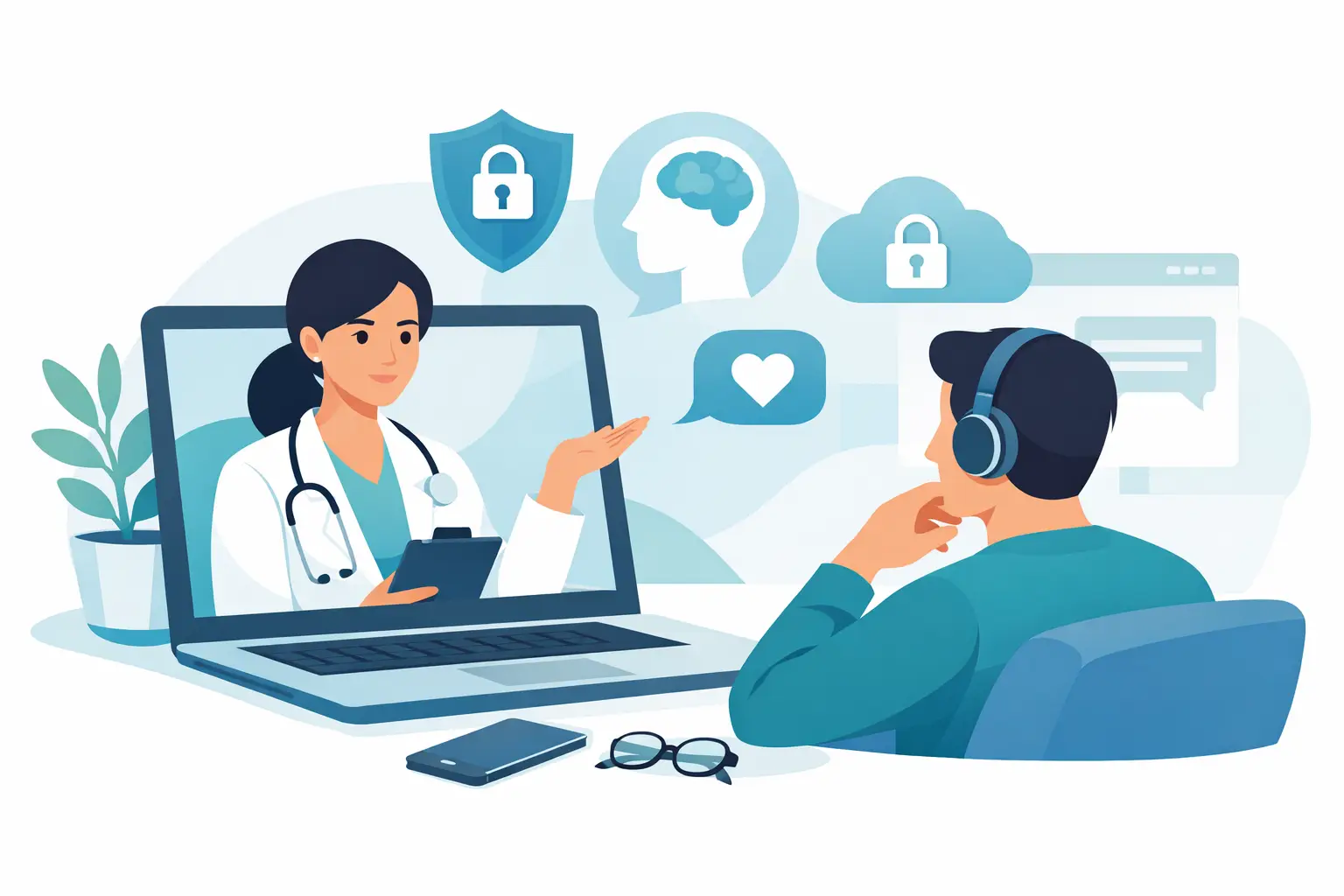
When your mind feels noisy, heavy, or off balance, getting help should not turn into another source of stress. If you are wondering how to start online psychiatry, the process is usually much simpler than people expect: choose a licensed provider platform, complete a private intake, meet with a clinician, and begin a treatment plan built around your symptoms, goals, and daily life.
For many adults, the hardest part is not deciding they want support. It is getting past the friction. Long waits, phone calls during work, commuting to appointments, and the discomfort of sitting in a waiting room can make care feel harder to reach than it should be. Online psychiatry removes many of those barriers while still giving you access to licensed medical professionals, structured treatment, and ongoing follow-up.
Table of Contents
What online psychiatry actually includes
Online psychiatry is mental health care delivered through a secure digital platform. Depending on the service, that may include a video evaluation, medication management, treatment guidance, and follow-up messaging with a licensed provider. It can help with common concerns such as anxiety, depression, sleep problems, stress after a major life event, and other symptoms that are affecting how you feel and function.
This matters because psychiatry is not just about getting a prescription. A good online care experience should start with assessment, not assumptions. Your provider should ask about your symptoms, medical history, current medications, past treatment, and safety concerns before recommending next steps. In some cases, medication is appropriate. In others, lifestyle changes, monitoring, therapy, or a different level of care may make more sense. That clinical judgment is what makes the process feel safe rather than rushed.
How to start online psychiatry step by step
The first step is choosing a platform that offers care from licensed providers. Look for clear information about who is treating patients, what conditions are commonly supported, how communication works, and whether medication management is part of the service. If the website feels vague about credentials or makes big promises without explaining the clinical process, that is worth noticing.
Next, you will usually complete an online intake form. This is where you describe what you have been feeling, how long symptoms have been going on, whether they are getting worse, and how they are affecting sleep, work, relationships, or daily routines. Be honest here. The more accurate your answers, the more useful your treatment plan will be.
After intake, you may be matched with a licensed psychiatric provider for an evaluation. Some services offer same-day or next-day appointments, while others take longer. During the visit, your provider may ask about anxiety, mood changes, panic symptoms, focus, sleep, physical health, substance use, and family history. This can feel personal, but it is part of building safe and effective care.
If treatment is recommended, your plan may include medication, regular check-ins, educational tools, and ongoing messaging. That combination can be especially helpful if you want support between appointments and not just during them. Many people do best when care feels continuous rather than episodic.
How to know if online psychiatry is a good fit
Online psychiatry can be a strong fit if you want privacy, convenience, and faster access to help. It works well for many adults with mild to moderate symptoms who are looking for professional evaluation and a manageable treatment path. It can also be a practical option if your schedule makes in-person care difficult or if you feel more comfortable opening up from home.
That said, it is not the right fit for every situation. If you are in immediate danger, having thoughts of harming yourself or others, or experiencing severe psychiatric symptoms such as psychosis or mania, you need urgent in-person support. A responsible online psychiatry service should say this clearly. Good telehealth care includes knowing its limits.
There is also an in-between category where it depends. Some people need both online psychiatry and talk therapy. Others may start with psychiatry for symptom relief and add therapy later. If your symptoms are complex or you have multiple diagnoses, a more coordinated treatment plan may be needed. Online care can still be useful, but it should be designed around your actual needs rather than a one-size-fits-all model.
What to look for before you sign up
If you are comparing options, focus on trust and clarity. A strong service should explain whether providers are licensed in your state, how prescriptions are handled, what follow-up looks like, and what the pricing includes. This is especially important if you want ongoing care, not just a single visit.
You should also know how communication works after your first appointment. Some platforms only offer scheduled visits. Others include provider messaging, care plan updates, and symptom-specific treatment guides. That extra support can make a real difference when you are starting medication, adjusting to side effects, or simply trying to stay consistent.
Privacy matters too. Mental health care is personal, and digital care should still feel protected. Look for secure systems, straightforward consent information, and a process that respects your time without making you sacrifice safety.
Medication, expectations, and real progress
A lot of people begin online psychiatry because they think they may need medication, but feel unsure about what that really means. Medication can be helpful for anxiety, depression, sleep disruption, and related symptoms, but it is not instant and it is not identical for everyone. The right plan depends on your history, current symptoms, and how your body responds over time.
This is where expectations matter. Some medications take several weeks to show full benefits. Some need dose adjustments. Some work well but cause side effects that need to be managed. Good psychiatric care includes monitoring, not just prescribing. You should feel like there is a clear path for follow-up if something is not working or if you have questions between visits.
It is also okay if your goal is not to stay on medication forever. For some people, medication supports a stressful season or helps stabilize symptoms so they can rebuild sleep, routines, and emotional resilience. For others, longer-term treatment is the better option. Neither path is automatically right. The best plan is the one that is clinically sound and realistic for your life.
Common concerns people have about getting care online
One of the biggest worries is whether online psychiatry feels impersonal. It can, if the platform is built like a transaction. But when the process includes a thorough evaluation, licensed-provider oversight, and continued communication, many patients actually find it easier to be honest online than in a traditional office.
Another concern is speed. Fast access is a benefit, but fast should not mean careless. A good service moves efficiently while still asking the right questions, reviewing your health history, and making thoughtful recommendations. Convenience is valuable. Clinical quality still comes first.
Elevate Your Health for Just $29.99/Month
Join the Precision Wellness Subscription at My Healing 365 and get discounted services, priority coaching access, virtual care, and exclusive wellness resources to support your physical, emotional, and hormonal health.
Join for $29.99/MonthPeople also worry about cost. Online care is often more approachable than traditional psychiatry, especially when the pricing is transparent and there is a clear entry point for treatment. If affordability has been holding you back, that alone can be a reason online care feels more possible.
Starting online psychiatry with confidence
If you have been putting this off, try to think of the first step as information, not a lifetime commitment. Starting care does not mean you need to have everything figured out. It means you are ready to let a licensed professional help you sort through what you are feeling and what might help.
At My Healing 365, that kind of support is built to feel both accessible and clinically grounded, with licensed providers, personalized treatment plans, and digital follow-up designed for real life. Whether you are dealing with anxiety, depression, sleep issues, or emotional strain after a major change, you do not have to keep guessing your way through it alone.
The right time to start is usually earlier than people think. If your symptoms are affecting your mood, focus, sleep, relationships, or ability to get through the day, getting help online can be a practical and private way to take back some control.























