The allegations surrounding the so-called Cornell 7 have attracted growing public attention and political scrutiny around the world, exposing persistent misunderstandings about consent and sexual violence.
According to a civil lawsuit filed by a student identified as “Jane Doe,” seven fraternity members allegedly drugged and sexually assaulted her over several hours in October 2024.
Reportedly, a Snapchat group of more than 50 fraternity members is accused of circulating photos and messages about Jane Doe during the alleged assault. One message described a woman upstairs as available for “free” sex; another member later asked “Shop still open?” and received the response, “Yea.” According to Jane Doe’s attorney, no one who saw the messages intervened to stop the assault.
Some media coverage of the case has fuelled rape myths about false reporting and contributed to victim blaming. An opinion piece in USA Today critiqued Jane Doe’s changing accounts of what happened and ended with the line: “Regretting one’s bad decisions is a far cry from rape.”
The case reflects broader problems of deeply ingrained misogyny, misunderstandings of consent and persistent myths about sexual violence.
It also raises questions beyond Cornell about what we’re doing as educators to ensure young people understand consent, bodily autonomy and healthy relationships before they reach university.
Elevate Your Health for Just $29.99/Month
Join the Precision Wellness Subscription at My Healing 365 and get discounted services, priority coaching access, virtual care, and exclusive wellness resources to support your physical, emotional, and hormonal health.
Join for $29.99/MonthTable of Contents
Comprehensive sexual health education
There is an urgent need for comprehensive, responsive and compulsory sexual health education in public schools. Comprehensive sexual education can reduce sexual violence, gender-based discrimination and homophobic and transphobic violence, while helping students understand how to foster healthy relationships.
Yet the time dedicated to sexual health education in K-12 schools across Canada is limited. Provincial curriculums do not live up to human rights standards, research-informed evidence or the Canadian Guidelines for Sexual Health Education.
Five provinces offer parental opt-out policies for sexual health education, and one province, Alberta, requires opt-in parental permission for sexuality-related content.

THE CANADIAN PRESS/Jonathan Hayward
Manitoba recently announced a long-awaited update to its Physical Education and Health Curriculum. The updated curriculum, which was applauded by the Sexuality Education Resource Centre of Manitoba, includes topics such as consent, bodily autonomy and broader understandings of health.
Within a month of the announcement, however, Premier Wab Kinew stated parents would be permitted to continue to opt their children out of lessons on human sexuality.
When governments permit opt-outs, they communicate that these lessons are elective and trivial. Yet understanding consent, bodily autonomy, healthy relationships and sexual health has consequences for individual and public health.
What opt-outs communicate
When provincial governments make comprehensive sexual health education elective, children and youth can face increased risk of unwanted pregnancies, sexually transmitted infections, loss of educational and life opportunities, and misunderstandings of consent and healthy relationships.
Sexual health education is also part of preventing gender-based sexual violence. Opt-out and opt-in policies can signal that this education is negotiable rather than a core component of public education.
Read more:
Alberta’s education legislation erodes gender-based violence prevention in K-12 schools
The issue becomes more complicated when parents seek exemptions from curriculums on religious or other grounds. While public schools should do their best to accommodate freedom of religion and conscience, those freedoms exist alongside students’ rights to equality and freedom from discrimination.
This is particularly relevant to curriculums concerning gender and sexuality. Recognizing the rights of 2SLGBTQIA+ students does not, in itself, undermine the religious freedom of other students. Religious freedom does not give individuals or groups a general exemption from laws or policies that protect other people’s rights.
Where rights intersect, governments must balance competing interests rather than treating one group’s rights as automatically more important than another’s.
Human rights are neither optional nor debatable. Policies that allow students to opt out of education about gender and sexuality can inadvertently teach people that the human rights of 2SLGBTQIA+ people are not already settled and protected by legislation.
The right to education
Whether parents should be able to decide what their children learn about sex, gender and relationships in school is often framed as a question of parental rights.
Parents do have an important role in their children’s education, but their rights aren’t violated simply because sexual health education is taught in public schools — whereas children’s rights are violated when they are denied access to sexual health education. Children have rights, including rights to education and health information.
Canada ratified the United Nations Convention on the Rights of the Child in 1991, which recognizes a child’s right to education, access to health information and protection from harm and abuse. Ratification means Canada has formally agreed, under international law, to respect and implement the rights in the convention. These commitments should inform government policy and the protection of children’s rights.
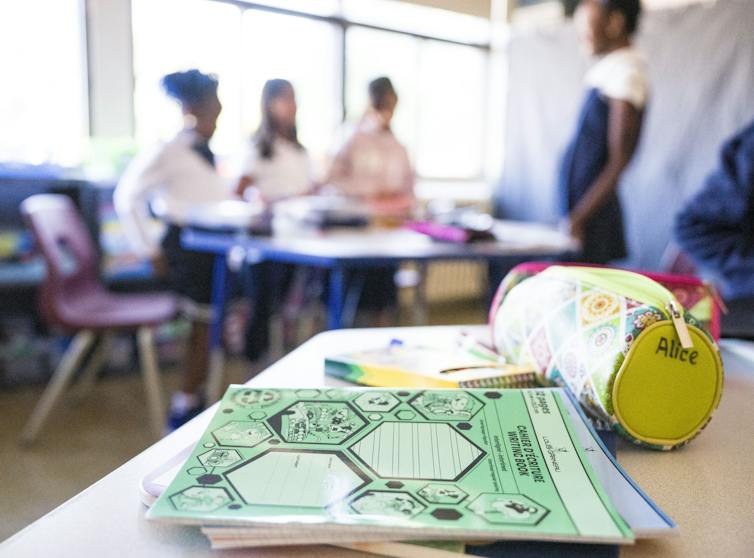
THE CANADIAN PRESS/Christinne Muschi
Permitting parental opt-outs can deny children access to information that supports their health and safety, making them more vulnerable to abuse, and creating risks for other children.
When governments invite students to opt out of particular lessons, they undermine the broader purpose of public education: to introduce students to the diversity of our society, foster understanding of human rights and values, and advance public health, safety and the public good.
Public schools have an obligation to uphold children’s rights, respect human rights and provide research-informed curriculums. The allegations surrounding the Cornell 7 reinforce the need to strengthen sexual health education across curriculums rather than treating it as an optional part of one school subject.
Consent, bodily autonomy, healthy relationships and boundaries should not be optional lessons.
























