When people prepare to see a doctor before an international trip, vaccines usually dominate the conversation.
And while vaccines are important, many of the health problems most likely to derail a trip cannot be prevented with a vaccine: Diarrhea, respiratory infections, motion sickness and flare-ups of existing medical conditions are all common – and none of them can be headed off with a shot.
The U.S. Centers for Disease Control and Prevention estimates that between 43% and 79% of travelers to low- and middle-income countries become ill during or after their trip, although most of those illnesses are mild.
As an infectious diseases physician who specializes in travel and tropical medicine, I counsel many patients before they leave the country and care for them when they come home sick.
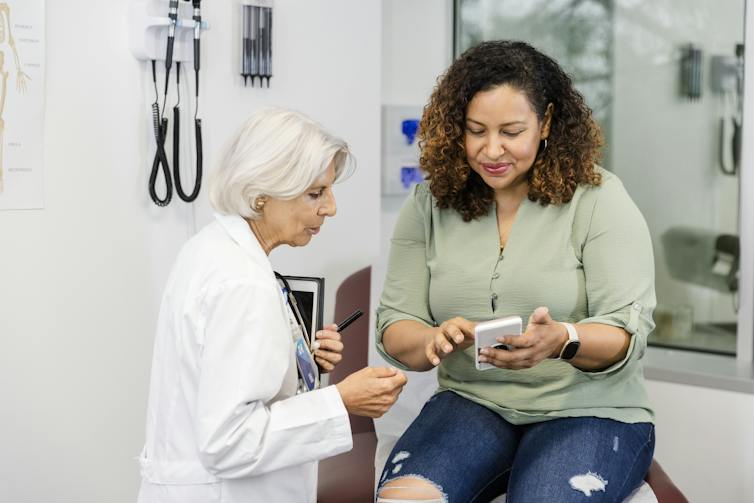
A good pretravel visit to the doctor should end with more than a list of shots. You should know which illnesses you could encounter on your itinerary, which symptoms you can reasonably handle yourself, which medicines to carry and how to use them, and which warning signs mean it is time to find a doctor.
Table of Contents
Serious illnesses
Infectious disease risks abroad are constantly shifting. A good healthcare provider who specializes in travel and geographic medicine keeps up with these developments so that the advice you get reflects what is happening now, not last year.
Elevate Your Health for Just $29.99/Month
Join the Precision Wellness Subscription at My Healing 365 and get discounted services, priority coaching access, virtual care, and exclusive wellness resources to support your physical, emotional, and hormonal health.
Join for $29.99/MonthSince early 2025, South America has seen new yellow fever outbreaks that redrew long-standing risk maps and an unusual hantavirus cluster that spread from person to person aboard a cruise ship.
Cases of dengue fever worldwide roughly doubled in a single year, and another tropical disease – chikungunya – also flared in new places, including the largest outbreak ever recorded in China. Fiji declared a fast-growing HIV outbreak. And common respiratory viruses, from influenza to COVID-19, continue to circulate all over the world.
In my own clinical research with colleagues, we have seen travelers who returned to the U.S. with serious – and occasionally fatal – infections, such as malaria and hepatitis, often after dangerous delays in recognizing what was wrong.

SDI Productions/E+ via Getty Images
Let your itinerary guide the conversation
Travel health advice is not one-size-fits-all. A week at a Caribbean resort, a safari in East Africa and a month trekking in Nepal carry very different risks.
Even the likely cause of a fever changes with the destination. Dengue is a leading concern after travel in much of Latin America and Asia, while malaria is especially important in parts of sub-Saharan Africa, and typhoid and paratyphoid fever loom largest in South Asia.
What you do matters, too – freshwater swimming, visiting caves, animal contact, hiking and staying in remote areas each add their own hazards.
So bring your actual itinerary to the appointment. Tell your doctor not just which countries you’ll visit, but whether you’ll be in cities or the countryside, what you plan to do, how high you’ll go, how long you’ll stay and how easily you could reach a reliable hospital.
Illnesses you can safely treat yourself
For minor illnesses, you can plan to treat yourself. Travelers’ diarrhea is the best example of such an illness. Depending on the destination and season, it affects an estimated 10% to 40% of travelers during the first two weeks of a trip. Most cases clear up on their own within a few days, but having a plan makes a real difference.
Ask your doctor what to do if diarrhea develops. Oral rehydration salts help replace fluids when losses are heavy. Loperamide, an over-the-counter antidiarrheal, can reduce how often and how urgently you need a bathroom, but it should not be used on its own when diarrhea comes with a fever or blood in the stool. Depending on your destination and medical history, your doctor may also give you an antibiotic to carry and use only for moderate or severe diarrhea.
When it comes to treatments you’ll be administering yourself, it’s as important to ask your doctor when to use each medicine as it is to have the drugs on hand. Antibiotics have side effects, can leave you carrying drug-resistant bacteria and contribute to antibiotic resistance worldwide – so they are best saved for the episodes that truly need them.
The same logic applies to other predictable problems. Someone prone to seasickness on a planned boat trip might discuss meclizine or a scopolamine patch. A traveler flying straight into a high-altitude city such as Cusco, Peru, or La Paz, Bolivia, might discuss acetazolamide, a prescription medicine that helps the body acclimatize and roughly halves the risk of altitude sickness during rapid ascents.
Build a small medical kit – not a portable pharmacy
A basic travel health kit keeps a small problem from becoming a big one. The contents depend on the traveler and the trip, but useful items include pain and fever medicine, bandages, antiseptic, oral rehydration salts, loperamide, antihistamine and anything prescribed specifically for the trip.
People with chronic conditions should pack enough of their regular medications for the entire trip, plus extra in case of delays. Keep medicines in their original labeled containers, carry them in your hand luggage rather than checked bags, and consider bringing a copy of your prescriptions written with the drugs’ generic names.
Replacing a medication abroad can be harder than you expect. Drugs may have different names, formulations or availability in other countries, and counterfeit or low-quality medicines remain a real problem in some places. Some medications that are routine in the U.S. are restricted or banned elsewhere. Insulin, injectable drugs, controlled substances and anything that needs refrigeration will require extra planning.

Senko Nelly/Moment via Getty Images
Be skeptical of popular travel remedies
Travel medicine is full of remedies with better reputations than evidence. Ginger is often recommended for motion sickness, but studies have produced mixed results. Acupressure wristbands for motion sickness do not outperform placebos. And despite their popularity, probiotics are not recommended for preventing travelers’ diarrhea, as their efficacy is still unknown.
Coca leaves and coca tea are widely used for altitude symptoms in the Andes, but there is no strong evidence that they prevent altitude illness – and the same is true of garlic, ginkgo and vitamin E. “Natural” does not mean effective, or even harmless, particularly when a supplement interacts with a prescription drug.
Ask about when to seek medical care
Perhaps the most important part of any plan is recognizing when self-care is no longer appropriate.
Seek medical attention for severe dehydration, persistent vomiting, difficulty breathing, confusion, severe abdominal pain or an illness that is rapidly getting worse. Bloody diarrhea or diarrhea with a significant fever calls for medical care rather than simply taking an antidiarrheal and carrying on with your trip.
At high altitudes, shortness of breath while resting, confusion, or difficulty walking a straight line are warning signs. Severe altitude illness is treated by descending and getting medical care – another cup of coca tea is not an adequate substitute.
Fever after travel to an area where malaria is common deserves special attention. Malaria can turn deadly within hours, so get evaluated promptly and make sure the clinician knows where you have been. Some travel-related infections surface weeks or even months after you get home, which is why your travel history stays relevant long after your suitcase is unpacked.
Leave home with a plan
I encourage travelers to make a medical contingency plan. Ask yourself: If my flight home were canceled and I had to stay abroad another week, would I have enough medication? If I developed diarrhea tomorrow, would I know what to take? If I spiked a fever, would I know when and where to seek care?
International travel will never be risk-free. But preparing for the problems most likely to happen can keep a manageable illness from becoming a medical emergency.