• Twenty47HealthNews
  • Health & Wellness
  • Disclaimer
    • Terms of Use
    • Privacy Policy
    • DMCA Notice
  • Twenty47HealthNews
  • Health & Wellness
  • Disclaimer
    • Terms of Use
    • Privacy Policy
    • DMCA Notice
24/7 Health News
No Result
View All Result
Home Article

Brain injury is almost 10 times more common in unhoused people. Addressing it is key to reducing homelessness

February 17, 2026
in Article
Brain injury is almost 10 times more common in unhoused people. Addressing it is key to reducing homelessness

On any given night, 60,000 people in Canada will go to sleep homeless. Research estimates that more than half of them have had a brain injury at one point in their lives, most of them being injured before becoming homeless. An estimated 22.5 per cent live with moderate or severe brain injuries, a rate nearly 10 times higher than the general population.

Several avenues can lead a person to experience homelessness, including abuse, criminality and other adverse life events, all of which can be interrelated with brain injury. For example, experiencing a brain injury can lead to the onset of a mental health or substance use disorder, impulsivity and aggression, which can, in turn, lead to unemployment, family breakdown or other known causes of homelessness.

“Acquired brain injury” refers to brain damage after birth, either from external physical force (called traumatic brain injury) or internal problems like stroke or infection (non-traumatic). The more severe the brain injury, the greater the impairment, with cognitive abilities often being the most affected.

Table of Contents

  • Cognitive impairment and homelessness
  • Systemic gaps in supports
  • What can we do? Top five solutions
  • Supporting a national strategy: Bill C-206

Cognitive impairment and homelessness

At the CORTEX Lab at the University of Victoria, one of our research interests is the impact of brain injury.

Brain injury often leads to a wide range of cognitive challenges, including mental fog, fatigue, difficulty concentrating and memory problems that disrupt learning and daily functioning. Executive functioning, including decision-making and problem-solving processes, can be particularly affected.

When these impairments go undiagnosed and unsupported, the consequences ripple across every aspect of life: work and school performance decline, relationships suffer and healthy coping mechanisms erode.
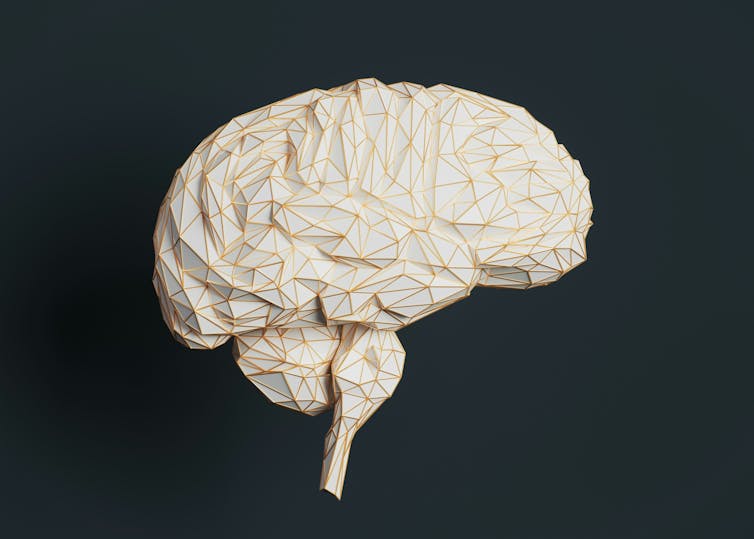
A white and gold model of a brain
When impairments related to brain injury go undiagnosed and unsupported, the consequences ripple across every aspect of life.
(Planet Volumes/Unsplash)

Sustaining employment, education and family responsibilities becomes overwhelming. Remembering medications, appointments, and effectively completing tasks such as filling out a form can feel nearly impossible. Financial strain, interpersonal loss and chronic stress compound these difficulties.

Without adequate recovery supports, these factors converge, increasing vulnerability to homelessness and perpetuating a cycle where further brain injuries become more likely.

Systemic gaps in supports

Our research identified several systemic barriers that make it difficult for people living with brain injuries to break the cycle of housing instability and homelessness.

Stigma is pervasive and can undermine the quality of care people receive. People may be discouraged from seeking help when they need it because their trust in systems and service providers is broken.

Health-care and housing systems operate in silos. Long wait-lists, complex application processes and limited communication between organizations make the available services difficult to navigate, especially for people with brain injuries who may require additional support to complete paperwork, attend appointments and advocate for their needs.

Many people with brain injuries rely on income assistance. There is growing concern about the discrepancy between these supplements and the rising cost of living. In today’s rental market, “affordable” housing is financially inaccessible for those relying on income assistance. When housing is obtained, individuals are left with minimal resources to meet their basic needs after rent is paid. This, coupled with under-investment in existing supportive and transitional housing, further limits the availability of appropriate shelter options.

A tent encampment with urban buildings in the background
Research identified several systemic barriers that make it difficult for people living with brain injuries to break the cycle of housing instability and homelessness.
THE CANADIAN PRESS/Darryl Dyck

What can we do? Top five solutions

Our community partners’ insights yielded the following recommendations for improving the health and well-being of people experiencing homelessness and brain injury, listed below in order of priority:

1. Provide accessible and affordable housing

People with a brain injury need affordable, accessible housing with special support, including alternative transportation, age-appropriate settings and flexible living options. A housing-first approach with adequate financial help provides the stability needed for successful community living.

2. Enhance resources for service providers

Specialized training for health-care and public service workers who commonly interact with people experiencing homelessness, such as community outreach workers and police, can help to improve the quality of care. The expansion of brain injury health-care services into homeless communities is also key, with particular emphasis on screening and diagnostic services as the first step to connecting people to specialized care.

3. Design needs-based services

Health-care services must consider basic needs that are often overlooked. For example, providers should offer storage, even without ID, so that unhoused patients can safely store their belongings while attending appointments, which can be plentiful following a brain injury.

4. Improve collaboration and adopt a long-term integrated approach

Improving communication between health authorities and housing service providers may facilitate a smoother transition from hospital (post-brain injury) to housing, in turn preventing people from being discharged to the streets. The idea of “care with distinction” is critical, as a team of multidisciplinary health-care professionals are needed to understand needs specific to brain injury, psychiatric or physical conditions, and how these challenges interact in people experiencing homelessness. Continuity of care is also crucial, as brain injury can require lifelong support.

5. Reduce stigma through public health education

Public health education campaigns arose as a promising means for promoting awareness and reducing stigma. By fostering greater awareness for the interconnections between brain injury and homelessness, greater compassion might be promoted.

Supporting a national strategy: Bill C-206

The high burden of brain injury among people experiencing homelessness is undeniable. Bill C-206, an Act to establish a national strategy on brain injuries, represents a critical step toward addressing brain injury in Canada and, as an outcome, addressing homelessness.

The legislation aims to improve prevention, treatment and recovery support for the millions of Canadians affected by brain injury. The bill emphasizes collaboration, public education, and comprehensive care for individuals and families navigating life after a brain injury. A national strategy will have a visible impact not only on affected individuals but on our communities at large.


ShareTweetSharePin
Next Post
Reverend Jesse Jackson, a Civil Rights Legend, Has Passed Away

Reverend Jesse Jackson, a Civil Rights Legend, Has Passed Away

Most Read

What causes stuttering? A speech pathology researcher explains the science and the misconceptions around this speech disorder

What causes stuttering? A speech pathology researcher explains the science and the misconceptions around this speech disorder

December 15, 2022
morning back pain

Morning Again Ache Trigger Is Not the Mattress

October 11, 2021

Why Circadian Rhythms Matter for Your Health

July 30, 2024
lower back pain relief exercises

5 decrease again ache aid workouts

October 11, 2021

4 steps to building a healthier relationship with your phone

January 28, 2025
bleeding in gum

When The Bleeding in gum Is Severe ?

October 11, 2021
3 years after legalization, we have shockingly little information about how it changed cannabis use and health harms

3 years after legalization, we have shockingly little information about how it changed cannabis use and health harms

October 15, 2021
Nasal vaccines promise to stop the COVID-19 virus before it gets to the lungs – an immunologist explains how they work

Nasal vaccines promise to stop the COVID-19 virus before it gets to the lungs – an immunologist explains how they work

December 14, 2022
Good Night Sleep

6 Causes of Good Evening Sleep

October 11, 2021
Kick up your heels – ballroom dancing offers benefits to the aging brain and could help stave off dementia

Kick up your heels – ballroom dancing offers benefits to the aging brain and could help stave off dementia

January 3, 2023
Biden is getting prostate cancer treatment, but that’s not the best choice for all men − a cancer researcher describes how she helped her father decide

Biden is getting prostate cancer treatment, but that’s not the best choice for all men − a cancer researcher describes how she helped her father decide

May 20, 2025

COVID vaccines: how one can pace up rollout in poorer international locations

October 5, 2021
Ten small changes you can make today to prevent weight gain

Ten small changes you can make today to prevent weight gain

October 12, 2021

Maximize Your Performance – Sync with Your Circadian Rhythms

August 9, 2024
Support and collaboration with health-care providers can help people make health decisions

Support and collaboration with health-care providers can help people make health decisions

December 16, 2021
Greece to make COVID vaccines mandatory for over-60s, but do vaccine mandates work?

Greece to make COVID vaccines mandatory for over-60s, but do vaccine mandates work?

December 1, 2021
Five ways to avoid pain and injury when starting a new exercise regime

Five ways to avoid pain and injury when starting a new exercise regime

December 30, 2022

Multiple sclerosis: the link with earlier infection just got stronger – new study

October 12, 2021

This Simple Hygiene Habit Could Cut Your Risk of Stroke, New Research Reveals

February 1, 2025
woman covered with white blanket

Exploring the Impact of Sleep Patterns on Mental Health

August 4, 2024
News of war can impact your mental health — here’s how to cope

Binge-eating disorder is more common than many realise, yet it’s rarely discussed – here’s what you need to know

December 2, 2022
Nurses’ attitudes toward COVID-19 vaccination for their children are highly influenced by partisanship, a new study finds

Nurses’ attitudes toward COVID-19 vaccination for their children are highly influenced by partisanship, a new study finds

December 2, 2022
Why are some people faster than others? 2 exercise scientists explain the secrets of running speed

Why are some people faster than others? 2 exercise scientists explain the secrets of running speed

April 29, 2024
GPs don’t give useful weight-loss advice – new study

GPs don’t give useful weight-loss advice – new study

December 16, 2022
Four ways to avoid gaining weight over the festive period – but also why you shouldn’t fret about it too much

Four ways to avoid gaining weight over the festive period – but also why you shouldn’t fret about it too much

December 22, 2022
Backlash to transgender health care isn’t new − but the faulty science used to justify it has changed to meet the times

Backlash to transgender health care isn’t new − but the faulty science used to justify it has changed to meet the times

January 30, 2024
Nutrition advice is rife with misinformation − a medical education specialist explains how to tell valid health information from pseudoscience

Nutrition advice is rife with misinformation − a medical education specialist explains how to tell valid health information from pseudoscience

January 28, 2025
How hot is too hot for the human body? Our lab found heat + humidity gets dangerous faster than many people realize

How hot is too hot for the human body? Our lab found heat + humidity gets dangerous faster than many people realize

July 6, 2022

🧬 How Your DNA Affects Exercise: The Science of Personalized Fitness

May 21, 2025
FDA limits access to COVID-19 vaccine to older adults and other high-risk groups – a public health expert explains the new rules

FDA limits access to COVID-19 vaccine to older adults and other high-risk groups – a public health expert explains the new rules

May 21, 2025
  • Twenty47HealthNews
  • Health & Wellness
  • Disclaimer

© 2020 DAILY HEALTH NEWS

  • Twenty47HealthNews
  • Health & Wellness
  • Disclaimer
    • Terms of Use
    • Privacy Policy
    • DMCA Notice

© 2020 DAILY HEALTH NEWS










