Medically Reviewed
Dr. Jose Rossello, MD, PhD, MHCM
Preventive Medicine & Public Health Specialist
Last Reviewed: January 23, 2026
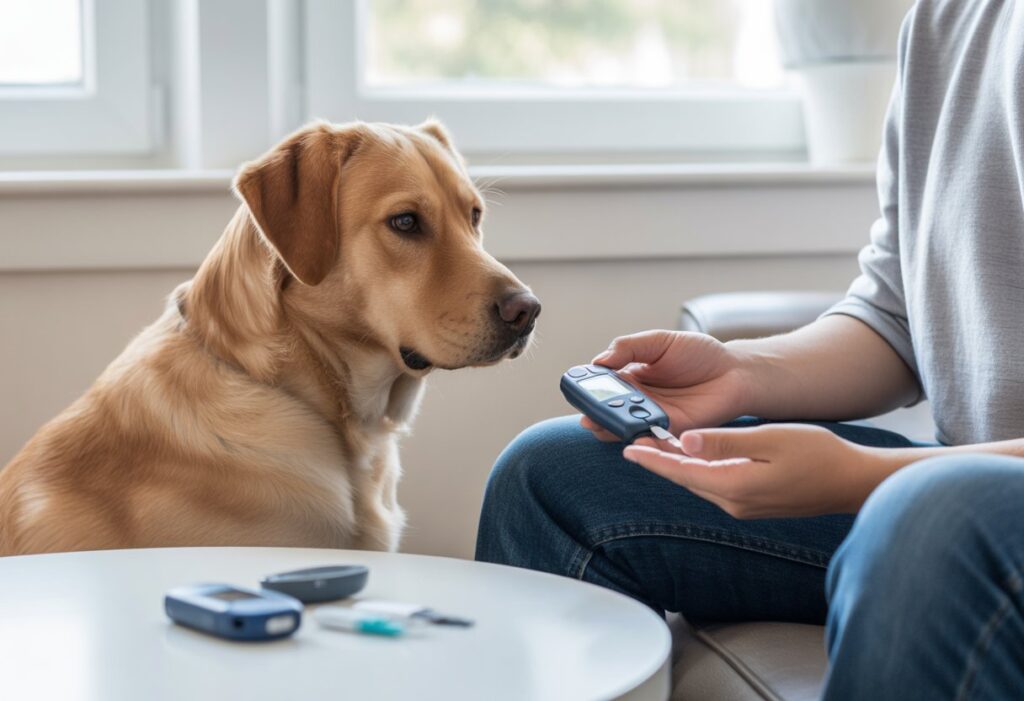
Dogs possess an extraordinary ability to detect changes in blood sugar levels through their powerful sense of smell. Diabetic alert dogs are specially trained service animals[1] that can identify when a person’s blood glucose drops too low or rises too high, allowing them to take action before a medical emergency occurs. These remarkable animals provide both practical assistance and emotional support to people managing diabetes.
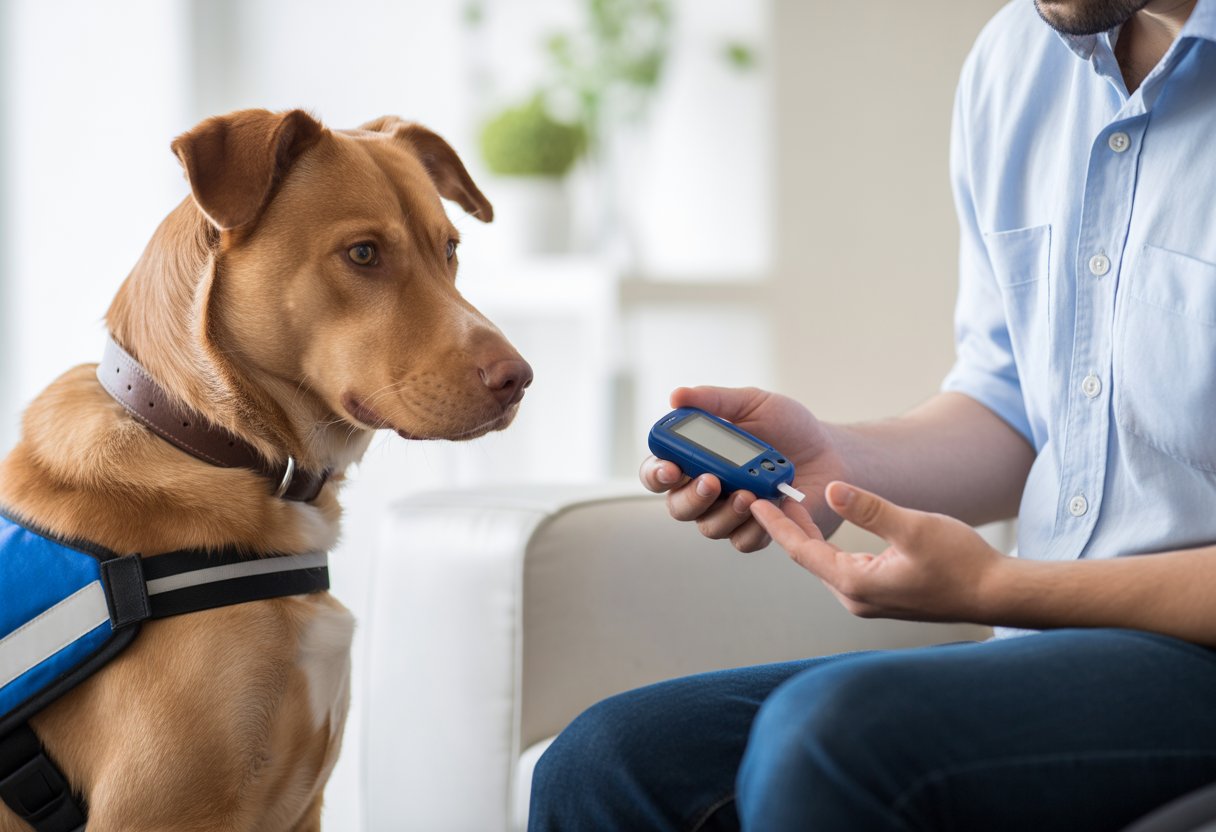
Over 38 million Americans live with diabetes, a chronic condition that requires constant attention to blood sugar levels. Traditional monitoring methods involve regular testing with glucose meters, but these devices only provide readings at specific moments. Dogs can detect blood sugar changes[2] continuously throughout the day and night by sensing chemical changes in a person’s breath or sweat that humans cannot perceive.
The partnership between diabetic individuals and alert dogs offers more than just medical monitoring. These service animals help reduce anxiety about missing dangerous blood sugar swings, especially during sleep. They provide independence and confidence while delivering the companionship that comes with any well-trained dog.
Table of Contents
Key Takeaways
- Diabetic alert dogs use their sense of smell to detect dangerous blood sugar changes before they become life-threatening
- These service animals alert their owners through trained behaviors like pawing, licking, or fetching glucose meters
- Alert dogs provide both medical benefits and emotional support while helping people with diabetes maintain better control of their condition
The Role of Dogs in Diabetic Alert
Diabetic alert dogs[1] use their powerful sense of smell to detect dangerous changes in blood sugar levels, providing people with diabetes an extra layer of protection. These specially trained animals can identify both low and high blood sugar events before they become life-threatening.
What Are Diabetic Alert Dogs
Diabetic alert dogs are a type of medical response dog trained specifically to assist people living with diabetes. These service dogs learn to recognize chemical changes that occur in a person’s body when blood sugar levels shift outside the normal range.
Dogs blood sugar detection[3] works through their exceptional sense of smell, which is thousands of times more sensitive than humans. When glucose levels drop or rise significantly, the body releases different scents through breath and skin. The dogs pick up on these subtle odor changes that people cannot detect themselves.
DADs work with individuals who use insulin and other diabetes medications. They provide alerts through specific trained behaviors like pawing, nudging, or bringing an object to their handler. This gives the person time to check their glucose monitor and take appropriate action.
Early Warning Capabilities
Diabetic alert dogs can detect low or rapidly dropping blood glucose levels[4] before standard symptoms appear. This early warning system helps prevent dangerous hypoglycemic episodes that could lead to confusion, loss of consciousness, or seizures.
The dogs typically alert their handlers 15 to 30 minutes before blood sugar reaches critical levels. This advance notice allows people to consume fast-acting carbohydrates or adjust their insulin dosage. Some diabetes service dogs are also trained to retrieve glucose tablets, juice, or emergency supplies.
Many DADs can detect hyperglycemia as well. High blood sugar alerts[5] help handlers take steps to bring their levels back to a healthy range before complications develop.
Limitations Compared to Technology
Diabetic alert dogs should not replace continuous glucose monitors or regular blood sugar testing. While these service dogs provide valuable alerts, they are not 100% accurate in all situations. Environmental factors, illness, and other scents can sometimes interfere with their detection abilities.
Technology like CGMs provides constant numerical readings and data tracking that dogs cannot offer. The devices work 24/7 without fatigue and give precise measurements rather than general alerts.
However, diabetic alert dogs offer benefits[6] that technology cannot match. They provide emotional support, companionship, and can alert during equipment malfunctions or when someone cannot access their device. The ideal approach combines both the dog’s natural detection abilities with medical monitoring technology.
Understanding Diabetes and Blood Sugar Fluctuations
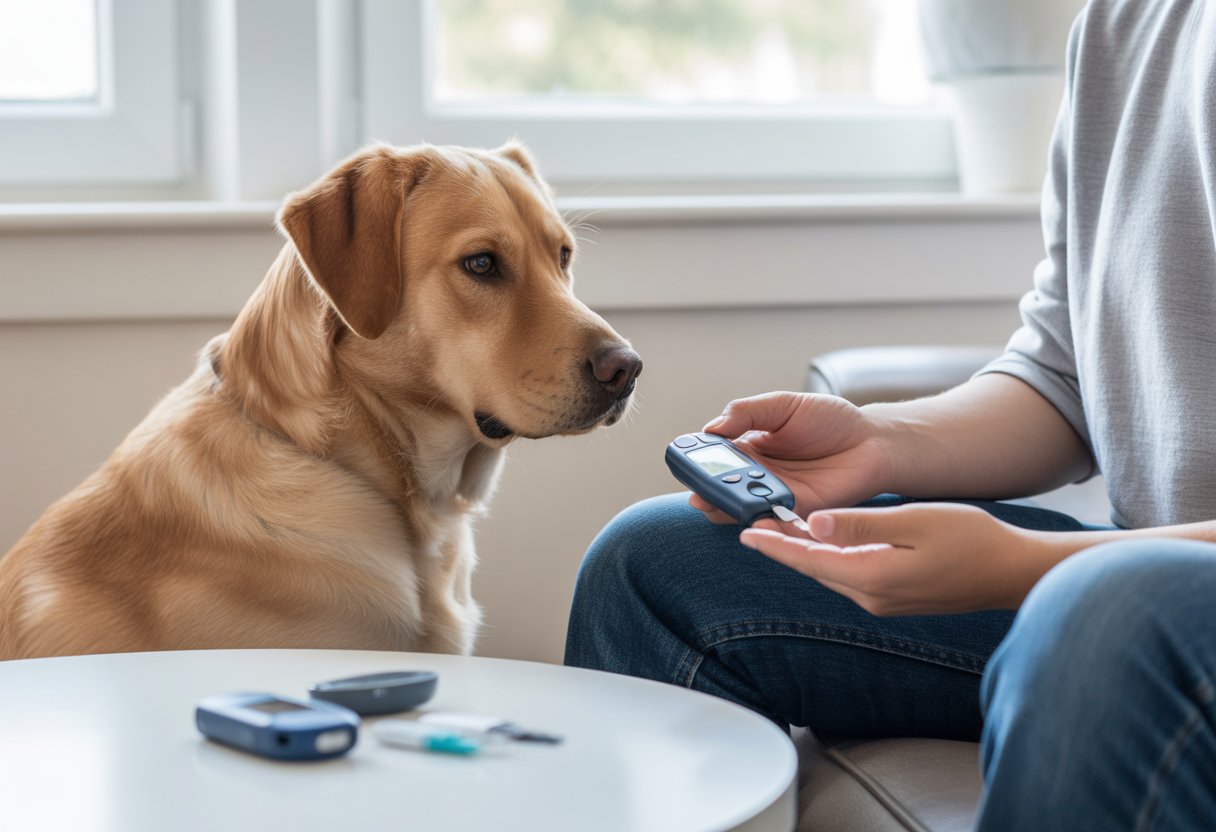
Diabetes affects how the body processes glucose, leading to dangerous swings in blood sugar levels that require constant monitoring. Both extremely low and high blood sugar can cause serious health problems or even death.
Types of Diabetes
Type 1 diabetes occurs when the pancreas produces little or no insulin. The immune system attacks and destroys the insulin-producing cells. People with this form must take insulin daily to survive.
Type 2 diabetes develops when the body becomes resistant to insulin or doesn’t produce enough of it. This is the most common form, affecting about 90-95% of people with diabetes. It often develops in adults but is increasingly seen in children.
Gestational diabetes appears during pregnancy in women who didn’t previously have diabetes. It usually goes away after the baby is born. However, it increases the risk of developing Type 2 diabetes later in life.
Risks of Hypoglycemia and Hyperglycemia
Hypoglycemia happens when blood sugar drops too low, typically below 70 mg/dL. Symptoms include shakiness, sweating, confusion, rapid heartbeat, and dizziness. Severe cases can lead to seizures, loss of consciousness, or death.
Hyperglycemia occurs when blood sugar rises too high, usually above 180 mg/dL after meals. Signs include increased thirst, frequent urination, blurred vision, and fatigue. Long-term high blood sugar damages blood vessels, nerves, kidneys, and eyes.
Both conditions require immediate attention. Hypoglycemia needs fast-acting sugar or glucose tablets. Hyperglycemia may need insulin adjustments or medical care. Repeated episodes of either condition increase the risk of complications and medical emergencies.
Insulin and Blood Sugar Regulation
Insulin acts as a key that unlocks cells so glucose can enter and provide energy. The pancreas releases insulin when blood sugar rises after eating. In healthy people, this process keeps glucose levels balanced automatically.
People with diabetes must manage this process manually. They check blood sugar levels multiple times daily using glucose meters. Type 1 diabetics inject insulin or use insulin pumps throughout the day.
The challenge lies in calculating the right insulin dose. Too much insulin causes dangerous low blood sugar. Too little allows blood sugar to climb too high. Factors like food, exercise, stress, and illness all affect blood sugar levels in unpredictable ways.
How Dogs Detect Blood Sugar Changes
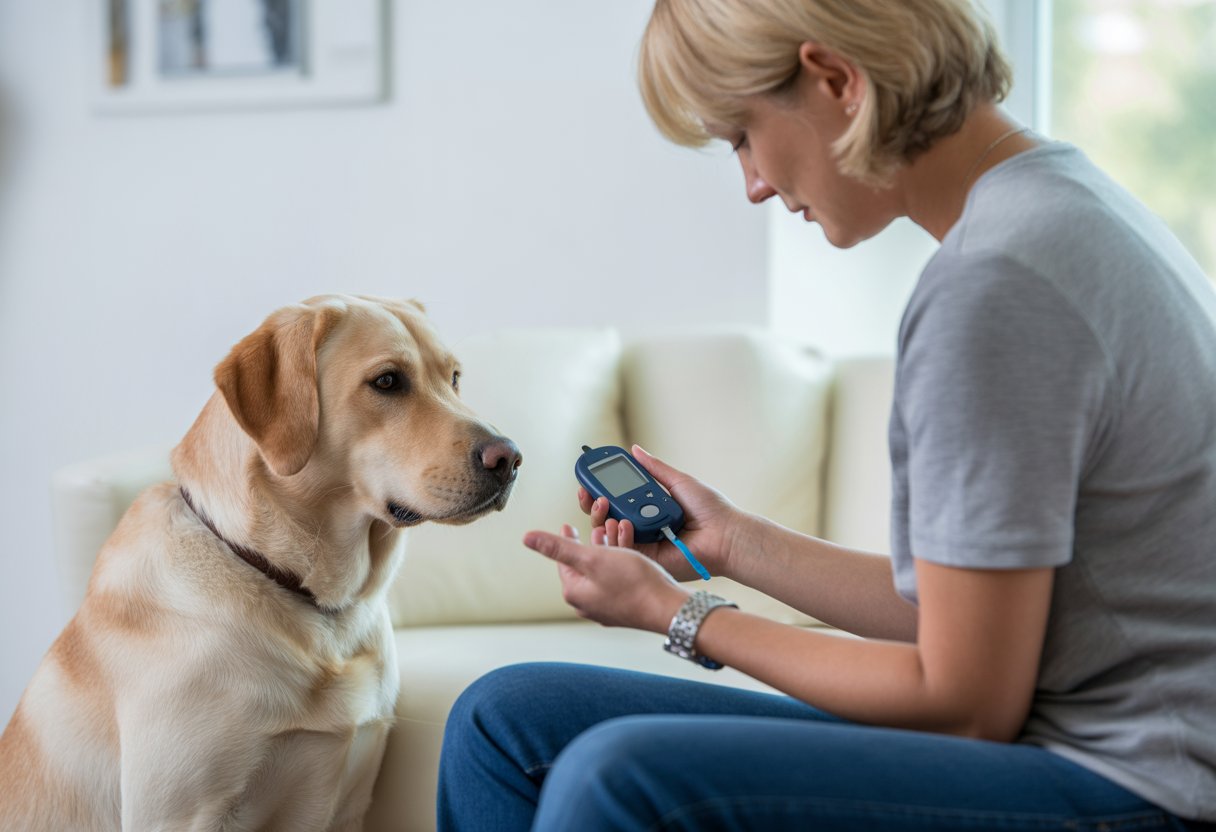
Dogs possess extraordinary biological capabilities that allow them to identify chemical changes in the human body linked to blood glucose levels. Their detection abilities rely on specialized anatomy and the body’s release of specific compounds during glucose changes.
The Canine Sense of Smell
Dogs have between 100 to 220 million scent receptors in their noses, compared to only five million in humans. This biological advantage makes their sense of smell approximately 10,000 to 100,000 times more powerful than human olfactory capability.
A large portion of the canine brain is dedicated to processing scent information. The olfactory bulb and related neural structures occupy significantly more space than in humans, allowing dogs to analyze complex chemical signatures with remarkable precision.
When dogs inhale, their nostrils split each sniff into separate pathways. One pathway handles normal breathing while the other focuses exclusively on scent analysis. This specialized system enables dogs to detect blood sugar changes[3] from across rooms or even through closed doors, as scent molecules travel through air vents and small openings.
Chemical Markers and Scent Detection
When blood sugar levels shift outside normal ranges, the body releases volatile organic compounds into breath, sweat, and saliva. Isoprene, a specific chemical marker, increases in human breath during hypoglycemia episodes when blood glucose drops too low.
Dogs trained as diabetic alert animals[1] learn to recognize these unique scent signatures. The animals can distinguish between high blood sugar (hyperglycemia) and low blood sugar (hypoglycemia) based on different chemical profiles each condition produces.
Blood chemistry alterations create distinct odor patterns that remain undetectable to human senses. Trained dogs memorize their handler’s specific scent baseline and then identify deviations that signal dangerous glucose changes.
Scientific Evidence for Detection
Research has documented that dogs can track human scent up to 100 meters away, roughly the length of a football field. In practical settings, diabetes service dogs typically detect blood sugar shifts from anywhere within a home or yard.
Studies have confirmed dogs’ ability to respond to hypoglycemia and hyperglycemia before their handlers show obvious symptoms. The animals demonstrate consistent alerting behaviors when exposed to saliva samples collected during blood sugar episodes versus normal-range samples.
Training programs use samples of a person’s breath, sweat, or saliva collected during documented high and low blood sugar events. Dogs learn through positive reinforcement to associate these specific scents with rewards, creating reliable detection and alerting responses.
Training Methods for Diabetic Alert Dogs
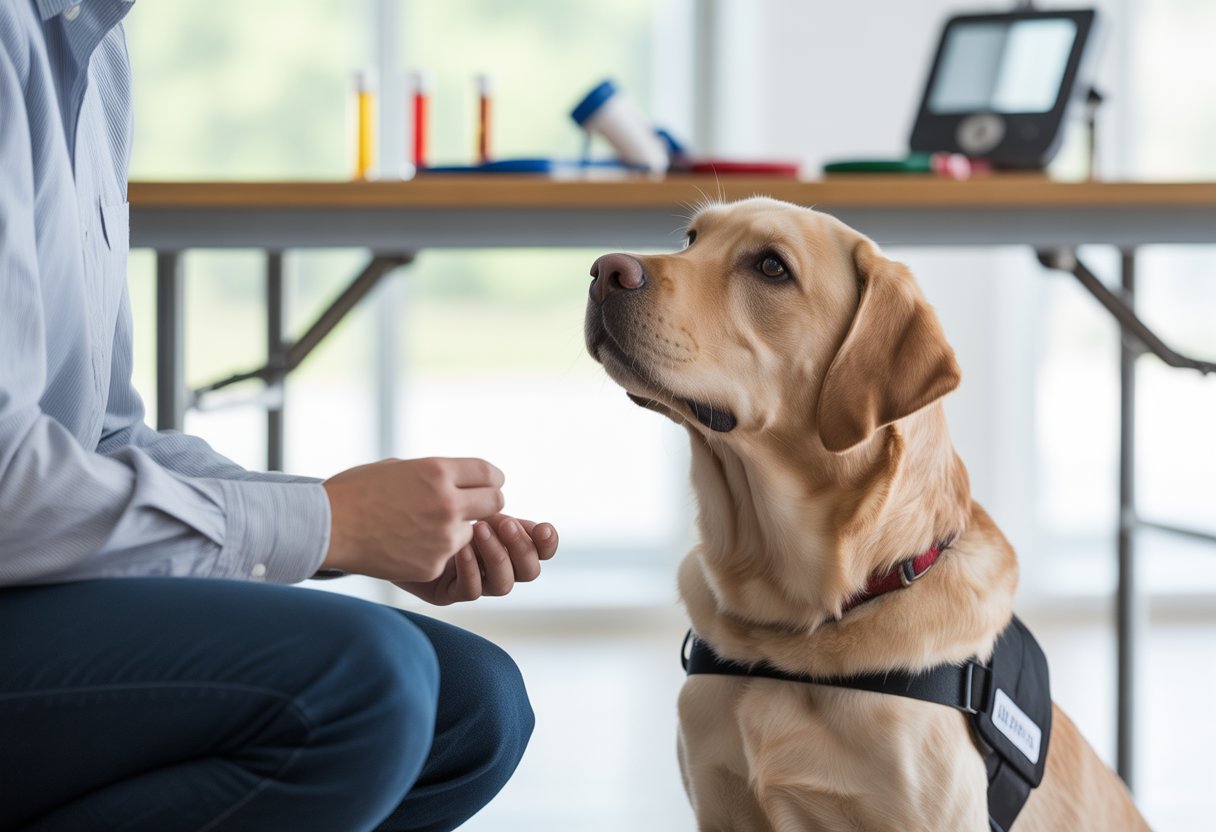
Diabetic alert dogs learn to recognize blood sugar changes[6] through specialized scent training combined with standard service dog skills. The process involves teaching dogs to identify specific scents and respond with trained alert behaviors.
Scent Training Process
The foundation of diabetic alert dog training centers on teaching dogs to identify the unique scent that occurs when blood sugar levels rise or fall outside normal ranges. Trainers use positive reinforcement to help dogs associate this scent with a reward.
Dogs learn to distinguish between normal and abnormal glucose levels through repeated exposure. When a dog correctly identifies the target scent, trainers immediately provide praise or treats to reinforce the behavior.
The alert behavior varies by training program and handler needs. Some dogs nudge their handler with their nose, while others paw at them or bring a specific object. The dog must perform this alert consistently and reliably before moving to advanced training stages.
Sample Collection and Conditioning
Training programs rely on saliva samples collected from diabetic individuals during high and low blood sugar episodes. Handlers collect these samples using cotton balls or gauze pads when their glucose monitor shows readings outside their target range.
Each sample gets sealed in a container and labeled with the exact blood sugar reading and timestamp. Programs typically need multiple samples from various glucose levels to create a comprehensive training library.
Trainers present these scent samples to dogs during training sessions multiple times per day. The dog learns to differentiate between samples taken during normal glucose levels and those collected during dangerous highs or lows. This repetitive conditioning builds the dog’s ability to detect subtle chemical changes in real-time situations.
Service Dog Training Standards
Service dog training[6] for diabetic alert work extends beyond scent detection to include public access skills and task-specific commands. Dogs must remain calm in crowded spaces, ignore distractions, and respond to basic obedience commands.
Core training requirements include:
- Heeling without pulling in public spaces
- Staying in place when commanded
- Remaining quiet unless alerting
- Ignoring food, other animals, and people
Advanced tasks prepare dogs for emergency situations. Some programs teach dogs to retrieve medical supplies from a vest pocket or another location. Dogs may learn to activate emergency call buttons or fetch glucose tablets from designated storage areas.
Training duration typically spans 18 to 24 months before a dog becomes fully certified. The handler also completes training to learn proper commands, maintain the dog’s skills, and understand alert signals.
Typical Alert Behaviors and Responses
Diabetic alert dogs use specific trained behaviors to warn their handlers about dangerous blood sugar changes. These dogs perform consistent alert signals, retrieve essential medical equipment, and take emergency actions to keep their owners safe during critical moments.
Types of Alerts and Signals
Dogs trained for blood sugar detection use several distinct behaviors to communicate with their handlers. The most common alert is pawing at the person’s leg or arm to get immediate attention. Some dogs jump up repeatedly or place their paws on their handler’s chest or lap.
Licking is another frequent signal that diabetes alert dogs use. The dog may lick their owner’s face, hands, or arms persistently until the person checks their glucose levels.
Vocalization serves as an effective alert method for many medical response dogs. They might bark, whine, or make other sounds to signal a problem. Some dogs bring a specific toy or object to their handler as their trained alert behavior.
Dogs may also use nose nudging or body blocking to stop their handler from continuing an activity. Each dog learns one or two primary alert signals during training that become their consistent communication method.
Retrieval of Medical Supplies
Many diabetic alert dogs learn to fetch critical medical equipment when they detect blood sugar changes. These dogs can retrieve a blood glucose meter from a designated spot in the home. The dog brings the testing kit directly to their handler so they can check their levels immediately.
Some dogs retrieve glucose tablets or other fast-acting sugar sources stored in accessible containers. This quick access helps people treat low blood sugar faster.
For individuals who use an insulin pump, dogs can bring the device or its supplies when needed. Dogs can also fetch emergency phone numbers or medical alert cards. They might carry a special pouch or bag that contains multiple supplies.
Training teaches these dogs to recognize specific items by sight and scent. The retrieval behavior gives handlers faster access to treatment tools during episodes when they might feel confused or weak.
Emergency Response Actions
When a handler doesn’t respond to initial alerts, diabetes alert dogs perform escalated emergency actions. The dog may activate a medical alert system by pressing a button with their paw or nose. This direct activation contacts emergency services or designated family members.
Some medical response dogs learn to wake sleeping household members when their handler needs help. The dog runs to another room and uses persistent pawing, barking, or jumping to get someone’s attention.
Dogs can also stay close to their handler during a severe episode to provide physical support and prevent falls. They position themselves as a brace so the person can lean on them for stability.
Certain dogs receive training to open doors or turn on lights during emergencies. These actions help the handler navigate safely or allow emergency responders easier access to the home.
Who Can Benefit from Diabetic Alert Dogs
Diabetic alert dogs provide the most value to people who face higher risks from sudden blood sugar changes or have difficulty recognizing warning signs. These trained animals offer an extra layer of protection that can make diabetes management safer and less stressful.
Children and Teenagers
Young people with diabetes face unique challenges in managing their condition. Children often struggle to recognize the early warning signs of low blood sugar, which puts them at greater risk during school, sports, and sleep.
Parents of diabetic children gain peace of mind knowing a trained dog can monitor their child’s blood sugar levels throughout the day and night. The dog can alert parents to dangerous changes before a child experiences confusion, seizures, or loss of consciousness.
Teenagers benefit from increased independence as they navigate school activities, sports, and social events. A diabetic alert dog allows them to participate more fully in normal teenage experiences while maintaining safety. The dog’s presence also helps reduce parental anxiety about their teen’s ability to manage diabetes away from home.
People with Hypoglycemia Unawareness
Some diabetics lose the ability to feel symptoms when their blood sugar drops too low. This condition, called hypoglycemia unawareness, makes it extremely dangerous to go about daily activities without external monitoring.
Diabetic alert dogs are trained to monitor their owner[1] and detect blood sugar changes before they reach dangerous levels. These dogs provide critical early warnings that the person’s own body no longer sends. The dog’s alert gives the handler time to test their blood sugar and take corrective action before experiencing a medical emergency.
This early detection capability often works faster than continuous glucose monitors in some situations. The added layer of protection helps people with hypoglycemia unawareness regain confidence in their daily routines.
Individuals Living Alone
Adults who live by themselves face serious risks if blood sugar drops during sleep or when no one else is around to help. A severe low blood sugar event without assistance can lead to unconsciousness, seizures, or worse outcomes.
A trained service dog provides 24-hour monitoring and can wake a handler during nighttime blood sugar drops. These dogs can also be trained to retrieve glucose tablets, push alert buttons, or even contact emergency services if their handler becomes unresponsive. The constant presence of an alert dog gives solo dwellers greater security and quality of life while managing their condition independently.
Dog Breeds Commonly Used for Blood Sugar Detection
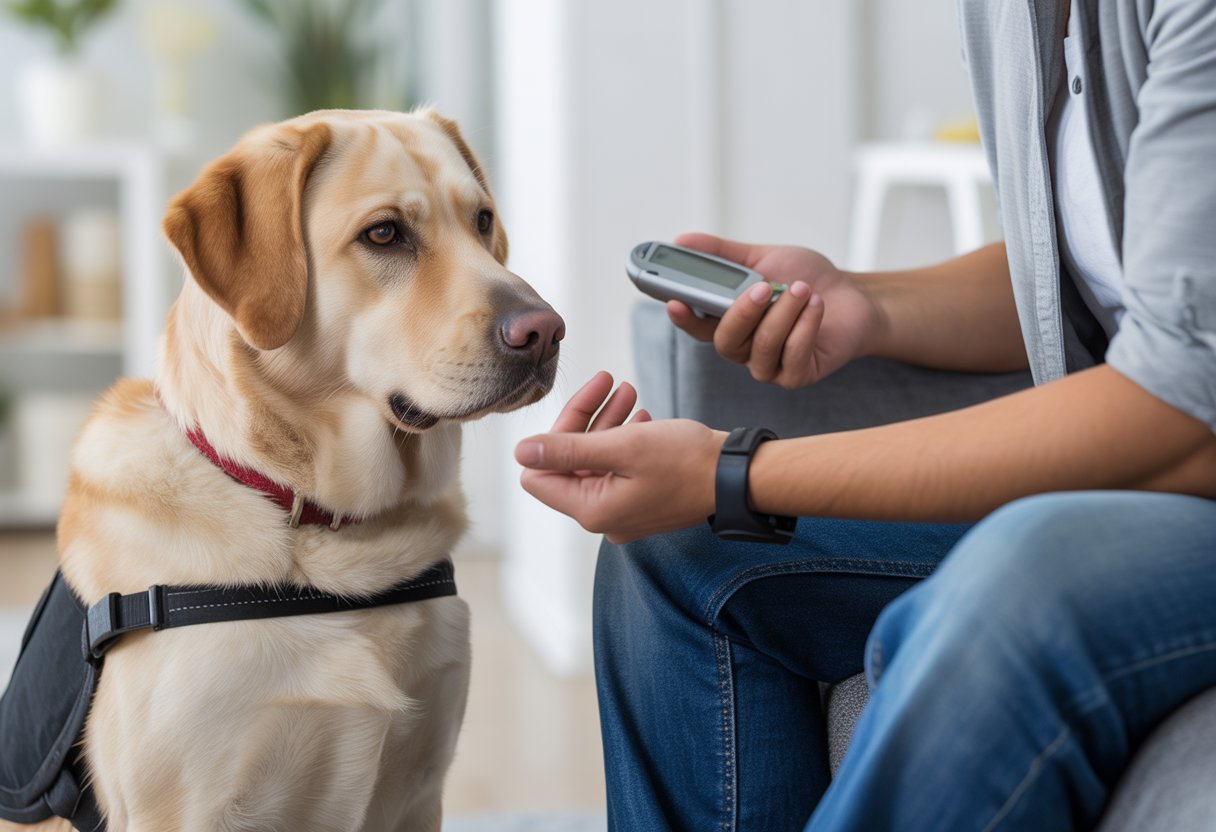
Several dog breeds excel at blood sugar detection work due to their intelligence, trainability, and strong sense of smell. Golden Retrievers, Labrador Retrievers, and Poodles[7] are among the most popular choices for this specialized service work.
Golden Retrievers
Golden Retrievers rank among the top choices for diabetic alert work. Their friendly and gentle temperament makes them well-suited for close companionship with people who need constant monitoring. These dogs possess an excellent sense of smell that allows them to detect subtle changes in blood chemistry.
Their eagerness to please and high intelligence make training more effective. Golden Retrievers typically bond strongly with their handlers, which enhances their ability to stay attentive to blood sugar changes. They maintain a calm presence during medical emergencies, which helps their handlers stay focused on managing their condition.
The breed’s medium to large size allows them to perform physical tasks like retrieving glucose tablets or alerting family members when needed. Their consistent energy levels mean they can remain alert throughout the day and night.
Labrador Retrievers
Labrador Retrievers are frequently chosen as diabetic alert dogs[8] due to their exceptional work ethic and reliability. These dogs have powerful noses capable of detecting the chemical changes that occur when blood sugar levels shift. Labs demonstrate strong focus during training sessions, allowing them to master complex alert behaviors.
Their friendly nature helps them work well in public settings where diabetic alert dogs must accompany their handlers. Labrador Retrievers adapt easily to different environments, from homes to workplaces to stores. They maintain their training even in distracting situations.
The breed’s sturdy build and stamina enable them to work long hours without fatigue. Labs also show consistent temperament, which is essential for medical alert work that requires dependable responses every time.
Poodles and Other Breeds
Poodles work effectively as diabetic alert dogs despite being less commonly recognized for this role. Standard Poodles offer hypoallergenic coats that benefit handlers with allergies. Their sharp intelligence allows them to learn alert behaviors quickly and retain training over time.
Other breeds can also succeed at blood sugar detection work. Any dog with the right temperament, training, and olfactory capabilities[9] can potentially learn to alert to blood glucose changes. Mixed breeds sometimes perform as well as purebreds when they possess the necessary traits.
Key traits for diabetic alert work include:
- Strong scenting ability
- High trainability
- Calm temperament
- Strong handler bond
- Consistent behavior patterns
The individual dog’s abilities matter more than breed alone when selecting a diabetic alert dog.
Comparing Diabetic Alert Dogs with Glucose Monitoring Technology
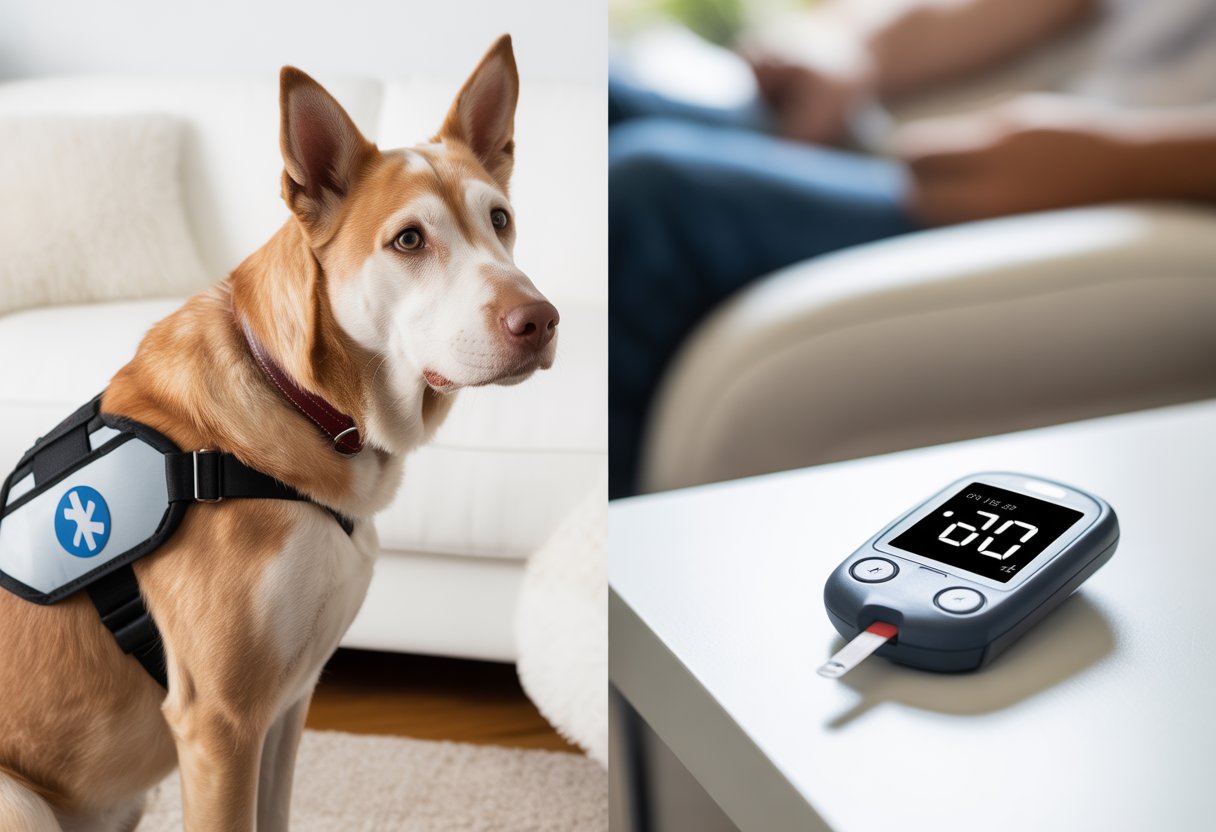
Modern diabetes management involves choosing between technology-based solutions and canine assistance, though each option serves different needs. People with Type 1 diabetes now have access to advanced electronic monitoring systems alongside trained dogs that detect dangerous blood sugar changes.
Continuous Glucose Monitors and CGMs
Continuous glucose monitors are wearable devices that track blood sugar levels throughout the day and night. These small sensors attach to the skin and measure glucose in interstitial fluid every few minutes. The data transmits wirelessly to a smartphone or dedicated receiver.
CGMs provide real-time readings and trend arrows that show whether glucose levels are rising or falling. Users receive alerts when their blood sugar approaches dangerous thresholds. The technology has become smaller and more accurate over recent years.
Some systems now function as part of hybrid closed-loop systems that work like an artificial pancreas. These advanced setups automatically adjust insulin delivery based on CGM readings. The devices require calibration and sensor changes every 7-14 days depending on the model.
Complementary Roles in Diabetes Management
Dogs trained to detect blood sugar changes[1] can work alongside CGMs rather than replacing them. Some diabetic alert dogs learn to respond to CGM alarms by fetching supplies or alerting family members. This combination provides both technological accuracy and physical assistance.
Key benefits dogs provide beyond monitoring:
- Physical support for balance during blood sugar fluctuations
- Fetching insulin or emergency supplies
- Pressing emergency alert buttons
- Detecting changes through smell and behavioral cues
Dogs offer emotional support and companionship[10] that technology cannot replicate. They adapt to their partner’s specific needs over time by learning individual patterns. Research shows dogs may respond to physiological and behavioral changes beyond just scent detection.
Potential Limitations and Gaps
CGMs can malfunction, lose signal, or provide delayed readings during rapid glucose changes. The devices measure interstitial fluid rather than blood directly, which creates a 5-15 minute lag time. Battery failures and sensor errors occur without warning.
Dogs require extensive training and ongoing care including veterinary visits and feeding schedules. Not all dogs successfully complete training programs. Their detection abilities may vary based on the dog’s attention level or environmental distractions.
Cost considerations differ significantly between the two options. CGM systems involve recurring expenses for sensors and transmitters. Service dogs require initial training fees plus lifetime care costs. Insurance coverage varies widely for both options depending on the policy and location.
Legal Rights and Accessibility
Diabetic alert dogs receive specific legal protections as service animals, allowing their handlers to access public spaces with their trained companions. Understanding these rights helps people with diabetes navigate daily activities while maintaining their health and safety.
Service Dog Protections under the ADA
The Americans with Disabilities Act recognizes only dogs as service animals[11] under titles II and III. A service animal must be individually trained to perform specific tasks for a person with a disability.
Diabetic alert dogs qualify as service animals[12] because they detect blood sugar changes and alert their handlers before complications arise. This early warning system allows individuals to take corrective action while still conscious and capable of self-treatment.
Under the ADA, handlers have the right to bring their diabetic alert dogs into most public places. This includes restaurants, stores, hotels, and other businesses that serve the public. Airlines and housing providers follow additional regulations that also protect service dog access.
Business owners may only ask two questions: whether the dog is required because of a disability, and what tasks the dog has been trained to perform. They cannot require documentation, demand the dog demonstrate its tasks, or ask about the person’s specific medical condition.
Certification and Accreditation Bodies
No federal law requires service dogs to be certified or registered. Handlers are not legally obligated to carry identification cards or certificates for their diabetic alert dogs.
Assistance Dogs International serves as a leading coalition that accredits service dog training programs. Organizations that meet ADI standards demonstrate quality training practices and ethical breeding programs. ADI accreditation helps families identify reputable trainers when seeking a diabetic alert dog.
Many organizations offer registry services or certification documents, but these hold no legal weight. Businesses cannot require handlers to show proof of certification as a condition of entry.
Public Access Considerations
Handlers must maintain control of their diabetic alert dogs at all times in public spaces. The dog should remain on a leash, harness, or tether unless these devices interfere with the dog’s work.
Service dogs must be housebroken and behave appropriately in public settings. If a dog displays aggressive behavior or creates a disturbance, business owners may ask the handler to remove the animal.
Handlers bear responsibility for their dog’s care and supervision. This includes cleaning up after the dog and ensuring it does not pose a direct threat to others’ health or safety.
Some locations maintain limited exceptions to service dog access. Sterile hospital environments and certain food preparation areas may restrict access when the dog’s presence would compromise safety standards.
Benefits and Challenges of Having a Diabetes Alert Dog
Diabetes alert dogs provide significant advantages in managing blood sugar levels and reducing anxiety, but they also require substantial financial investment and ongoing care commitments.
Improved Blood Sugar Control
Diabetic alert dogs can detect both hyperglycemia and hypoglycemia[1] by sensing chemical changes in their owner’s breath or sweat. This early detection allows people with diabetes to check their glucose levels and take action before reaching dangerous levels.
Research shows that people who work with these dogs experience fewer emergency situations. A 2013 study found that patients with alert dogs had fewer calls to paramedics and fewer unconscious episodes compared to before getting their dog.
The dogs monitor their owners continuously, even during sleep. They alert through specific behaviors like pawing, licking, or vocalizing when they detect concerning blood sugar changes. This constant monitoring helps fill gaps that standard glucose meters cannot cover, particularly during nighttime hours when dangerous drops often occur unnoticed.
Impact on Emotional Well-being
People with diabetes often experience constant anxiety about missing warning signs of blood sugar changes. This worry affects their daily activities and sleep quality.
Alert dogs provide emotional security by serving as a reliable backup monitoring system. Knowing a trained animal watches for dangerous changes reduces stress and allows people to engage more confidently in work, social activities, and sleep. The dogs offer companionship while performing their medical alert duties.
Studies indicate that patients gain improved independence[1] after receiving an alert dog. They report feeling more secure and capable of managing their condition without constant fear of sudden emergencies.
Costs and Long-term Care
Obtaining a trained diabetes alert dog requires a significant financial commitment. Professional training programs typically cost between $10,000 and $30,000 for a fully trained animal.
Beyond the initial cost, owners must budget for:
- Veterinary care: Annual checkups, vaccinations, and emergency medical treatment
- Food and supplies: Quality dog food, treats for training reinforcement, and basic supplies
- Ongoing training: Refresher sessions to maintain the dog’s alerting skills
- Insurance: Pet health insurance or liability coverage
The dog requires daily care including feeding, exercise, grooming, and attention. Owners must commit 10-15 years to caring for their alert dog throughout its working life. These service dogs are usually larger breeds[13], which means higher food and veterinary costs compared to smaller dogs.
Frequently Asked Questions
People considering diabetic alert dogs often have questions about training requirements, effectiveness rates, financial costs, and legal protections. Understanding these practical details helps individuals make informed decisions about whether a diabetic alert dog is right for their situation.
What are the qualifications for a dog to be trained as a diabetic alert animal?
Dogs being trained as diabetic alert animals must demonstrate a strong sense of smell and the ability to focus on scent detection tasks. They need calm temperaments that allow them to work well in public settings without becoming distracted or aggressive.
The dog should be healthy and physically able to perform required tasks. Trainers look for dogs that show eagerness to learn and respond well to positive reinforcement methods.
Most diabetic alert dogs[1] start training between 8 weeks and 2 years of age. The dog must be able to pass basic obedience training before moving on to scent detection work.
What is the process for training a diabetic alert dog?
Training organizations use positive reinforcement methods to teach dogs to recognize different scents that people release when their blood sugar is normal, high, or low. Dogs learn to detect these chemical changes through their sense of smell.
The training process includes intense obedience work and socialization in various public settings. Dogs practice their skills in grocery stores, shopping malls, restaurants, libraries, movie theaters, and public parks.
Trainers teach dogs specific alert behaviors such as jumping on the owner’s lap, touching them with their nose, or pawing at them. Some dogs also learn to retrieve cell phones, bring medications, or get help from other family members.
The total training time varies between organizations. Some programs take about 6 months for boarding and training, while others may require longer periods depending on the dog’s progress and the specific tasks being taught.
How effective are diabetic alert dogs in recognizing and responding to hypoglycemia?
Diabetic alert dogs are not machines and can make errors in detecting blood sugar changes. They sometimes alert when there is no actual change in blood glucose levels, and they may miss changes in certain situations.
Environmental factors can affect a dog’s ability to detect scent changes. Strong smells in places like food courts may interfere with the dog’s ability to pick up on the handler’s scent.
The dog’s effectiveness depends on its natural ability to detect scents and the quality of its training. Regular reinforcement training helps maintain the dog’s skills over time.
A diabetic alert dog should never replace regular blood glucose testing. These animals serve as an additional monitoring tool, not the primary method for tracking blood sugar levels.
What are the costs involved in obtaining a diabetic alert dog?
For-profit training agencies typically charge between $8,000 and $25,000 for a fully trained diabetic alert dog. These organizations usually have shorter waiting lists ranging from 2 to 6 months.
Nonprofit organizations often charge much lower fees or provide dogs at no cost beyond application and training material fees. These programs rely on volunteers and fundraising to cover their costs.
Ongoing expenses include regular veterinary care, vaccinations, grooming supplies, and food. Handlers should budget for routine health checkups, nail clipping, teeth brushing, and coat maintenance.
Additional costs may include training classes to reinforce the dog’s skills and strengthen the bond between handler and dog. Some organizations include follow-up training in their initial fees, while others charge separately.
Are there organizations that offer diabetic alert dogs at no charge?
Nonprofit organizations often provide diabetic alert dogs at very low cost or free to qualified individuals. These programs typically only charge for application fees and training materials.
The waiting lists for free or low-cost programs can be quite long, ranging from 2 to 5 years. These organizations run on volunteer work and raise funding through various fundraising projects.
Some nonprofits collaborate with government-related programs such as animal shelters, homeless shelters, and prison rehabilitation programs. These partnerships help reduce costs by using rescue dogs and involving inmates in training programs.
Individuals who cannot afford the full cost of a diabetic alert dog should research multiple nonprofit organizations. Each program has different eligibility requirements and funding availability.
How do diabetic alert dogs differ from other service animals in terms of rights and public access?
Diabetic alert dogs have the same legal protections as other service dogs under the American Disabilities Act. They can accompany their handlers in all public places including grocery stores, restaurants, hotels, schools, health clubs, swimming pools, and hospitals.
Staff at public locations may only ask two questions: whether the dog is a service animal required because of a disability, and what tasks the dog has been trained to perform. They cannot request documentation, demand a demonstration of abilities, or ask about the handler’s specific disability.
Service dogs can fly for free[14] with their handlers under the Air Carrier Access Act. Public transportation systems must allow service dogs to accompany their handlers at no additional charge.
Rental properties must allow diabetic alert dogs even in no-pets housing under the Fair Housing Amendments Act. Landlords cannot charge pet deposits or monthly fees for service animals, and breed restrictions do not apply to service dogs.
Employers must provide proper accommodation for service dogs in work environments. The only exceptions are workplaces deemed too dangerous for animals, such as commercial kitchens or construction sites.
Post Views: 71
References
- What Is a Diabetic Alert Dog?. https://www.akc.org/expert-advice/lifestyle/diabetic-alert-dog/ Accessed March 7, 2026
- How To Get a Diabetes Alert Dog. https://diabetesstrong.com/how-to-get-a-diabetes-alert-dog/ Accessed March 7, 2026
- Just a moment…. https://a-z-animals.com/articles/how-diabetic-alert-dogs-protect-their-people/ Accessed March 7, 2026
- Medical Alert Dogs. https://canine.org/service-dogs/our-dogs/medical-alert-dogs/ Accessed March 7, 2026
- Diabetic Alert Dogs of America. https://www.diabeticalertdogsofamerica.com/ Accessed March 7, 2026
- Diabetic Alert Dogs. https://littleangelsservicedogs.org/disabilities-served/diabetic-alert-dogs/ Accessed March 7, 2026
- Just a moment…. https://petreader.net/which-dog-breeds-are-utilized-for-diabetic-alert-dogs/ Accessed March 7, 2026
- Just a moment…. https://www.servicedogtrainingschool.org/blog/best-diabetic-alert-dog-breeds Accessed March 7, 2026
- What breed of dogs can detect blood sugar? – The Institute for Environmental Research and Education. https://iere.org/what-breed-of-dogs-can-detect-blood-sugar/ Accessed March 7, 2026
- Just a moment…. https://assistancedogsinternational.org/news/2024/11/14/member-news/diabetes-alert-dogs-much-more-than-super-sniffers/ Accessed March 7, 2026
- ADA Requirements: Service Animals. https://www.ada.gov/resources/service-animals-2010-requirements/ Accessed March 7, 2026
- Does Insurance Cover Diabetic Alert Dogs? What You Need to Know. https://legalclarity.org/does-insurance-cover-diabetic-alert-dogs-what-you-need-to-know/ Accessed March 7, 2026
- How dogs can make it easier to manage diabetes. https://diabetesvoice.org/en/living-with-diabetes/how-dogs-can-make-it-easier-to-manage-diabetes/ Accessed March 7, 2026
- Diabetes Alert Dogs Comprehensive Guide. https://www.thediabetescouncil.com/diabetic-alert-dogs-everything-you-need-to-know/ Accessed March 7, 2026

















