Medically Reviewed
Dr. Jose Rossello, MD, PhD, MHCM
Preventive Medicine & Public Health Specialist
Last Reviewed: January 26, 2026
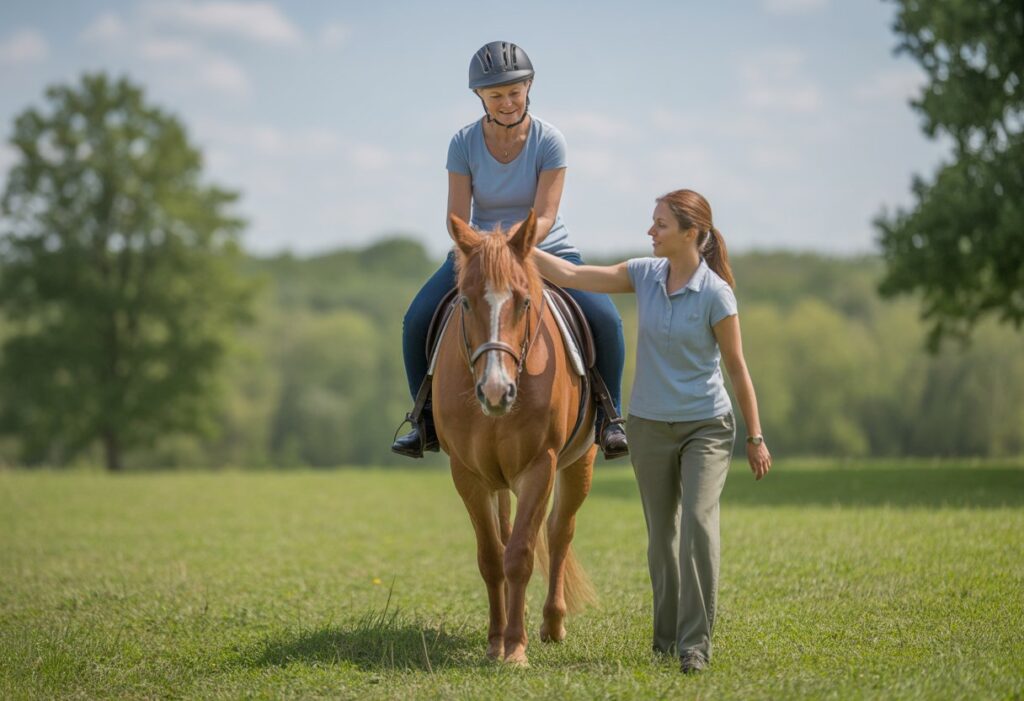
Multiple sclerosis creates challenging symptoms that affect balance, coordination, and daily movement. Hippotherapy, a specialized form of physical therapy that uses horse movement, shows measurable improvements in balance, fatigue, spasticity, and quality of life for people living with MS. Research demonstrates that the rhythmic motion of horses provides unique sensory feedback that helps retrain the nervous system and strengthen postural control.
The therapeutic benefits extend beyond physical improvements. Studies show that hippotherapy improves balance in persons with multiple sclerosis[1] while also reducing emotional tension and enhancing mental health scores. The horse’s three-dimensional movement pattern mimics human walking, which makes it effective for neurological rehabilitation where traditional therapies may plateau.
Horse-based therapy works with the patient’s specific needs[2] through exercises performed while sitting on or riding a horse. Sessions typically run 30 to 50 minutes and focus on building strength, coordination, and balance. This approach offers MS patients a treatment option that addresses multiple symptoms simultaneously while providing measurable clinical outcomes.
Table of Contents
Key Takeaways
- Hippotherapy uses horse movement to improve balance, reduce fatigue, and decrease spasticity in MS patients
- Research shows significant improvements in postural stability and quality of life scores after regular sessions
- Treatment protocols typically involve twice-weekly sessions lasting 30 to 50 minutes over several weeks
Overview of Multiple Sclerosis and Its Challenges
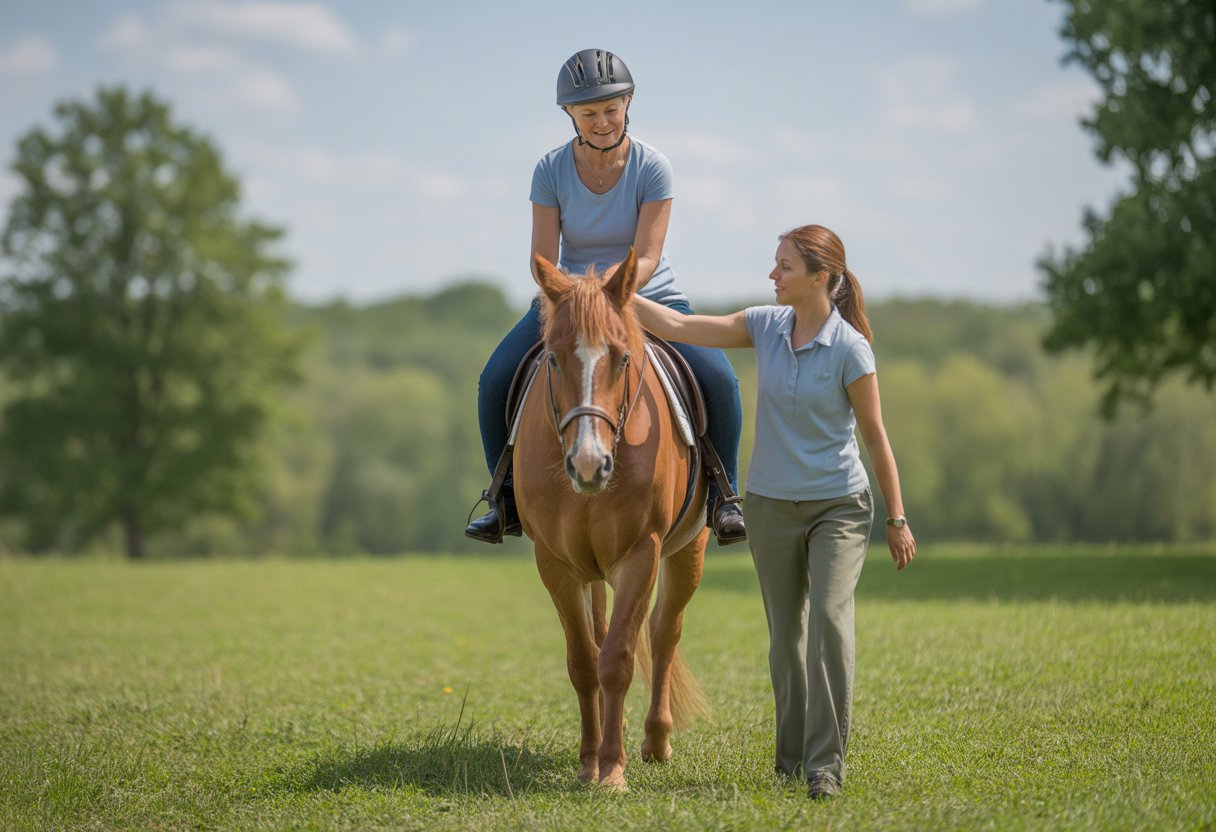
Multiple sclerosis disrupts nerve communication throughout the body, leading to physical limitations and cognitive changes that vary widely between individuals. The disease progresses through different patterns and causes symptoms that range from mild numbness to severe mobility problems.
Pathophysiology and Types of MS
Multiple sclerosis occurs when the immune system attacks myelin, the protective coating around nerve fibers in the brain and spinal cord. This damage creates scar tissue called sclerosis, which disrupts electrical signals between the brain and body.
MS appears in four main types. Relapsing-remitting MS affects about 85% of patients at diagnosis and involves clear attacks followed by recovery periods. Secondary progressive MS develops when relapsing-remitting MS transitions to steadily worsening symptoms. Primary progressive MS causes gradual decline from the start without distinct relapses. Progressive-relapsing MS combines steady progression with occasional acute attacks.
The exact cause remains unknown, but researchers believe a combination of genetic factors and environmental triggers activates the autoimmune response.
Common Symptoms and Disability Progression
MS symptoms depend on which nerves sustain damage. Fatigue affects nearly 80% of patients and often becomes the most disabling symptom. Numbness or tingling typically appears in the face, arms, legs, or fingers.
Vision problems include blurred or double vision and eye pain. Balance and coordination difficulties make walking challenging. Muscle weakness, stiffness, and spasms limit mobility and daily activities. Some patients experience cognitive changes affecting memory, attention, and problem-solving.
Doctors measure disability using the Expanded Disability Status Scale (EDSS), which scores impairment from 0 (normal) to 10 (death from MS). Scores below 4.0 indicate minimal disability, while scores above 6.0 mean walking assistance is required.
Impact on Quality of Life
The unpredictable nature of MS creates significant emotional and practical challenges. Physical limitations affect employment, hobbies, and independence in daily tasks like dressing or cooking.
Chronic fatigue forces many patients to modify work schedules or reduce hours. Mobility problems may require assistive devices or home modifications. Cognitive symptoms interfere with job performance and social interactions.
Quality of life extends beyond physical function to include emotional well-being and social connections. Depression affects up to 50% of MS patients during their lifetime. Anxiety about disease progression and financial concerns add psychological burden. Social isolation increases as physical limitations make leaving home more difficult.
Hippotherapy and Equine-Assisted Therapy Defined

Horse-based therapies for multiple sclerosis patients fall into distinct categories with different goals and methods. Understanding these differences helps patients and families choose the right approach for their needs.
What Is Hippotherapy?
Hippotherapy is a specialized form of physical therapy[3] that uses horse movement as a treatment tool. Licensed occupational therapists, physical therapists, and speech-language pathologists deliver this therapy.
The horse’s rhythmic walking motion creates a pattern similar to human walking. This movement transfers to the rider’s pelvis and spine at about 100 movements per minute. The therapist adjusts the horse’s speed, direction, and gait to target specific treatment goals.
During sessions, patients do not control the horse. A handler leads the horse while the therapist works directly with the patient on the horse’s back. The American Hippotherapy Association sets standards for practitioners who integrate hippotherapy into treatment plans.
Hippotherapy helps improve balance, coordination, muscle tone, and sensory processing[4]. Therapists use this approach alongside other treatment methods to address neurological and physical conditions.
Equine Therapy Versus Therapeutic Riding
Equine-assisted therapy is an umbrella term covering all horse-based treatments. Equine therapy focuses on mental health goals[5], while hippotherapy targets physical rehabilitation.
In equine therapy programs, patients often groom, feed, and care for horses in stable settings. These activities build emotional skills and address psychological needs. Mental health professionals lead these sessions.
Therapeutic riding teaches actual horseback riding skills to people with disabilities. Students learn to control the horse independently. Certified riding instructors adapt traditional riding lessons for different abilities.
Hippotherapy differs because it uses horse movement as a physical therapy tool[6]. Patients never learn riding skills. The therapy focuses strictly on physical outcomes like strength and balance.
History and Evolution of Hippotherapy
Ancient Greek physicians documented therapeutic benefits of horseback riding as early as 400 BCE. Modern hippotherapy emerged in Europe during the 1950s and 1960s.
German and Austrian physical therapists developed systematic approaches using horse movement for rehabilitation. The therapy spread to North America in the 1970s. Professional organizations formed to establish training standards and research evidence.
Research expanded in the 1990s and 2000s to include neurological conditions like multiple sclerosis. Therapists refined techniques based on clinical outcomes and scientific studies. Technology now allows measurement of precise movement patterns and treatment effects.
Mechanisms of Equine Therapy in Neurological Rehabilitation
Equine therapy works through the unique rhythmic movement of horses, which closely mimics human walking patterns and activates multiple sensory and motor systems simultaneously. The therapy team guides patients through structured activities that help retrain the nervous system and improve physical function.
Equine Movement as a Therapy Tool
A horse’s walking motion creates a three-dimensional movement pattern that transfers to the rider’s pelvis and spine. This movement occurs at a rate of about 100 movements per minute, similar to human walking. The horse’s gait produces forward and backward motion, side-to-side shifting, and up-and-down movement.
These movements challenge the rider’s balance and core muscles constantly. The warmth from the horse’s body also helps relax tight muscles, which is particularly helpful for people with spasticity.
The rhythmic pattern provides repetitive input to the nervous system. This repetition helps create new neural pathways and can improve motor control over time.
Motor and Sensory Integration
Hippotherapy improves motor function[7] by engaging multiple body systems at once. Riders must process visual, tactile, and movement information while maintaining their position on the horse.
The therapy activates sensory processing centers in the brain. Patients receive input through touch, pressure, and movement that their nervous system must interpret and respond to.
Key motor improvements include:
- Better coordination between body sides
- Increased muscle tone and strength
- Enhanced balance reactions
- Improved posture control
The therapy requires active engagement from patients. They must make constant small adjustments to stay balanced, which strengthens core muscles and improves body awareness.
The Role of the Therapy Team
Licensed physical therapists or occupational therapists lead hippotherapy sessions. They manipulate the horse’s movement speed, direction, and gait to achieve specific therapeutic goals. The therapist walks alongside the horse and adjusts the patient’s position and activities during the session.
A trained horse handler controls the horse throughout the treatment. Sidewalkers may also assist for safety and provide physical support when needed. This team approach ensures patient safety while maximizing therapeutic benefits.
Benefits of Hippotherapy for MS Patients
Research shows that hippotherapy provides measurable improvements across multiple areas for MS patients. Studies document gains in balance control, reduced muscle stiffness, enhanced strength and mobility, and decreased fatigue levels.
Balance and Postural Control Improvements
Hippotherapy addresses one of the most challenging symptoms MS patients face: impaired balance. The horse’s rhythmic movement provides sensory feedback[1] that helps retrain the nervous system for better postural control.
Studies measuring balance improvements often use the Berg Balance Scale (BBS), a standardized assessment tool. Research on hippotherapy for MS patients[8] found that participants showed enhanced processing of sensory cues for postural control after treatment sessions.
The three-dimensional movement of the horse mimics human walking patterns. This stimulates the same muscles and neural pathways used during normal gait. Patients develop better proprioception, which is the body’s ability to sense its position in space.
Hippotherapy sessions challenge balance systems in ways that traditional physical therapy cannot replicate. The unpredictable yet rhythmic motion forces continuous micro-adjustments in posture. These repeated corrections strengthen postural reflexes over time.
Reduction of Spasticity and Muscle Tone Management
Spasticity, or increased muscle stiffness, affects many MS patients and limits movement. The warmth and motion of the horse help relax tight muscles naturally. Clinical studies show improvements in spasticity[8] among MS patients who participated in hippotherapy programs.
The horse’s body temperature ranges from 99-101°F. This warmth transfers to the rider’s legs and lower body. Heat therapy is known to reduce muscle tension and spasticity.
Rhythmic movement patterns during riding sessions also contribute to spasticity reduction. The gentle stretching and repetitive motion help normalize muscle tone. Patients report feeling less stiff and experiencing improved range of motion after sessions.
Enhancements in Muscle Strength and Mobility
Riding a horse requires active engagement of core muscles, legs, and upper body. This provides a full-body workout without the strain of traditional exercise. Hippotherapy improves walking performance and spatiotemporal gait parameters[8] in people with MS.
Muscle strength gains occur gradually through consistent sessions. The core muscles work constantly to maintain an upright position on the horse. Leg muscles engage to maintain proper riding posture and stability.
Trunk and upper-limb control also show measurable improvements. Riders must coordinate multiple muscle groups simultaneously. This functional movement training translates to better mobility in daily activities.
Pain, Fatigue, and Quality of Life Outcomes
MS patients often struggle with chronic pain and overwhelming fatigue. Studies document improvements in both fatigue levels and quality of life[8] following hippotherapy interventions.
Researchers measure these outcomes using tools like the MSQOL-54 (Multiple Sclerosis Quality of Life questionnaire), Fatigue Severity Scale, and Visual Analogue Scale. These standardized instruments track changes in patient-reported symptoms.
The combination of physical exercise, outdoor exposure, and animal interaction provides multiple therapeutic benefits. Patients report feeling more energized rather than exhausted after sessions. This contrasts with traditional exercise that often increases fatigue in MS patients.
Pain reduction likely results from improved muscle tone, better posture, and the relaxation response triggered by horseback riding. Many participants describe feeling mentally refreshed and physically more comfortable after treatment sessions.
Hippotherapy Session Structure and Protocols
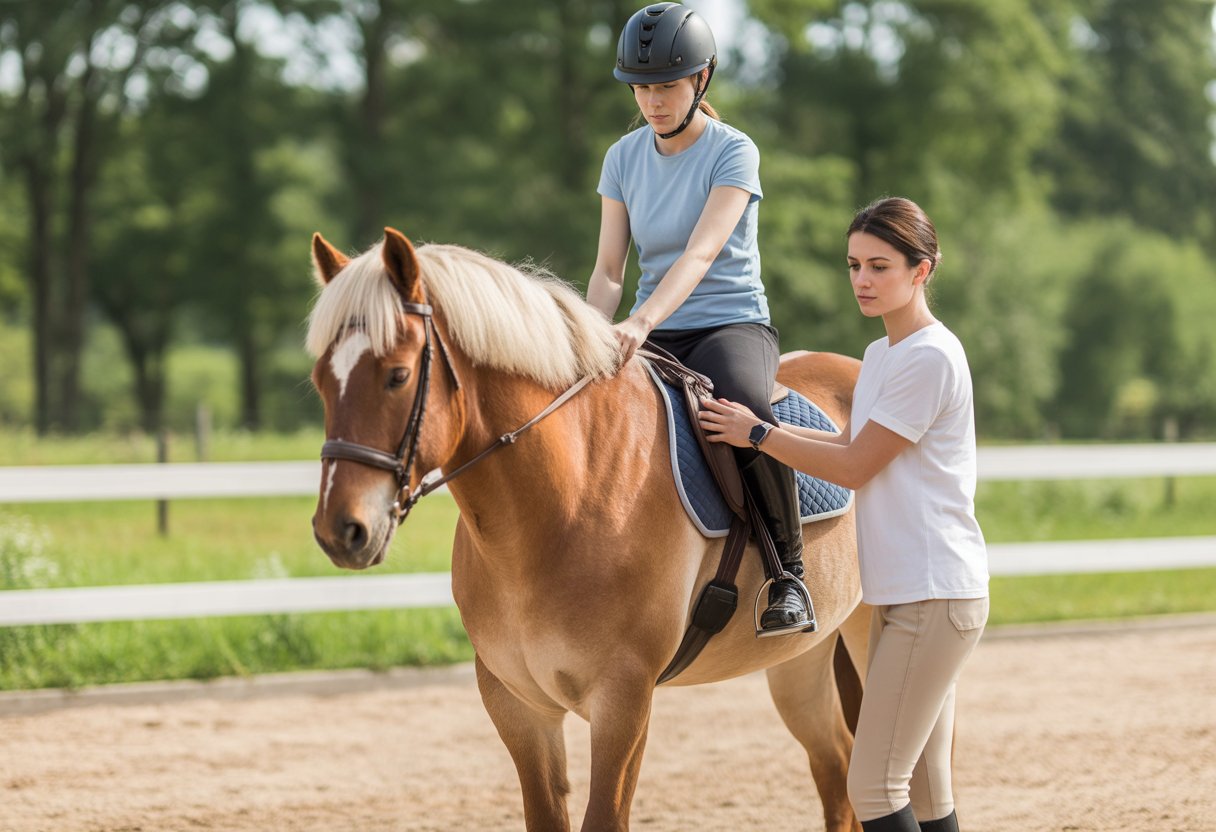
Hippotherapy sessions follow specific protocols that involve trained professionals working alongside certified horses in controlled environments. Sessions typically last 30 to 50 minutes and occur once or twice weekly over several weeks or months.
Components of a Therapy Session
A hippotherapy session begins with the patient mounting the horse with assistance from therapists and support staff. The patient sits on the horse without a saddle or uses a specialized pad to maximize contact with the horse’s movements.
During hippotherapy sessions for multiple sclerosis[1], the horse walks in specific patterns while the therapist guides exercises. The three-dimensional movement of the horse’s gait provides rhythmic input that challenges the patient’s balance and postural control.
Physical therapy activities during the session may include reaching exercises, weight shifting, and core strengthening movements. The therapist adjusts the horse’s speed and direction to modify the intensity of sensory input. Sessions incorporate various positions on the horse, such as sitting forward, backward, or sideways to target different muscle groups and balance responses.
Frequency, Duration, and Setting
Research studies demonstrate that hippotherapy protocols range from 30 to 50 minutes per session[9]. Most programs schedule sessions twice weekly, though some use weekly sessions depending on patient needs and availability.
Treatment durations in clinical trials vary from 6 to 16 weeks. A multicenter randomized controlled trial[1] used 12 weeks of twice-weekly sessions with positive outcomes. Sessions take place at specialized equine therapy centers with indoor or outdoor arenas designed for therapeutic work.
The therapy session environment must accommodate wheelchair access and mounting equipment. Temperature control matters for MS patients sensitive to heat.
Safety Considerations and Qualifications
Hippotherapy requires a team that includes a physical therapist, occupational therapist, or speech-language pathology professional with specialized hippotherapy certification. The American Hippotherapy Association sets standards for practitioner training and credentials.
Therapists must complete additional coursework in equine movement and handling beyond their primary healthcare license. Horse selection involves evaluating temperament, gait quality, and size to match patient needs.
Safety protocols include helmet requirements, proper mounting procedures, and constant spotting by trained assistants. Patients undergo medical screening to identify contraindications such as severe osteoporosis, uncontrolled seizures, or acute MS exacerbations. The therapy team monitors vital signs and fatigue levels throughout each session to prevent overexertion.
Measuring Outcomes in Hippotherapy Research
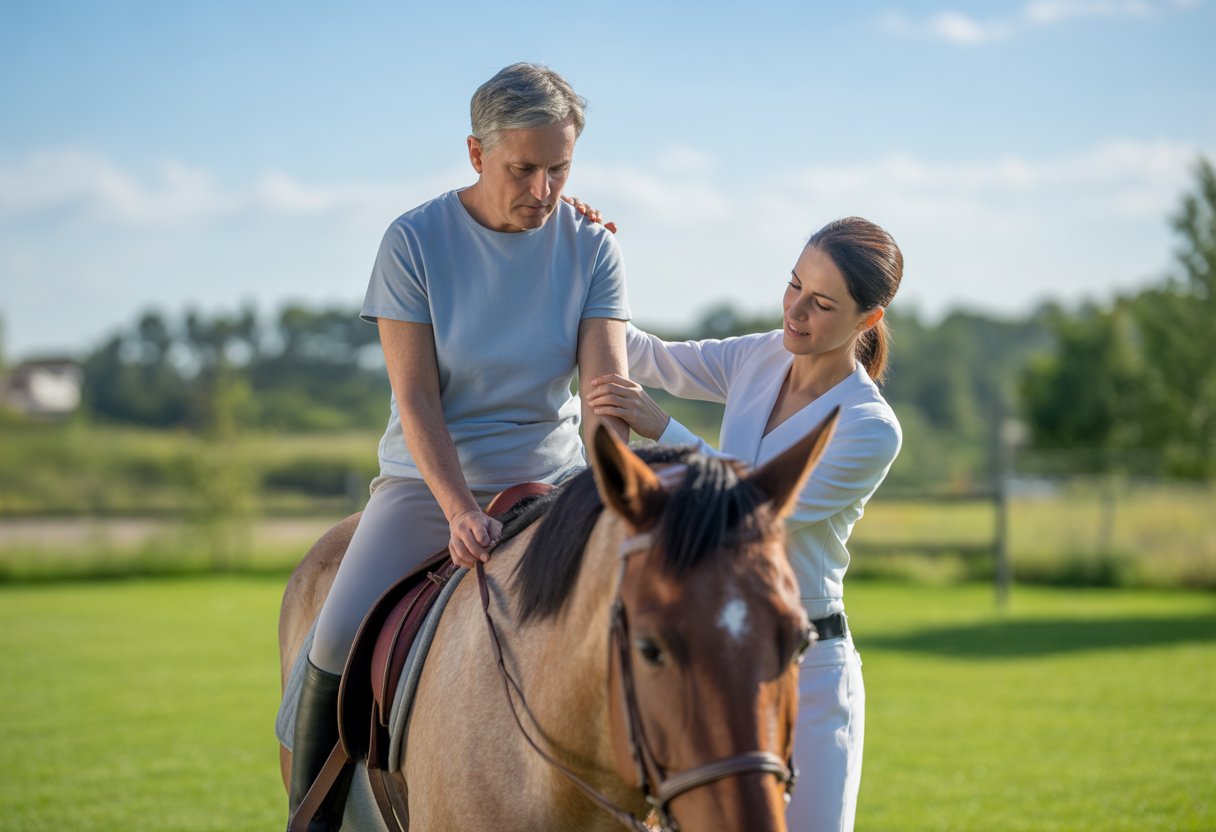
Researchers use specific assessment tools to measure how hippotherapy affects MS patients. These measurements track changes in physical function, balance, and daily living abilities.
Common Clinical Scales and Tools
The Expanded Disability Status Scale (EDSS) serves as a standard measure for tracking MS progression and disability levels in hippotherapy studies for neurological conditions[10]. This scale rates disability from 0 (normal) to 10 (death due to MS).
The Berg Balance Scale evaluates balance through 14 specific tasks. Each task receives a score from 0 to 4, with higher scores indicating better balance control.
Researchers also use the MSQoL-54 to assess quality of life changes. This questionnaire includes 54 items covering physical health, emotional wellbeing, and social function. The Visual Analog Scale (VAS) measures pain intensity on a scale from 0 to 10. The Fatigue Severity Scale tracks energy levels through nine statements that patients rate from 1 to 7.
Functional and Therapeutic Outcomes
Therapeutic outcomes in hippotherapy research focus on real-world improvements. The Gross Motor Function Measure (GMFM)[10] tracks motor skills and movement patterns during therapy sessions. The Pediatric Evaluation of Disability Inventory (PEDI) measures functional capabilities in daily activities.
Studies show limited use of standardized outcome measures in hippotherapy practice. A randomized controlled trial design helps establish whether improvements come from hippotherapy itself or other factors. Systematic review of multiple studies reveals patterns in therapeutic outcomes.
Most research examines muscle tone regulation, postural control changes, and balance improvements. Physical therapists document weight-bearing abilities and functional balance skills throughout treatment periods.
Clinical Evidence: Current Research Findings
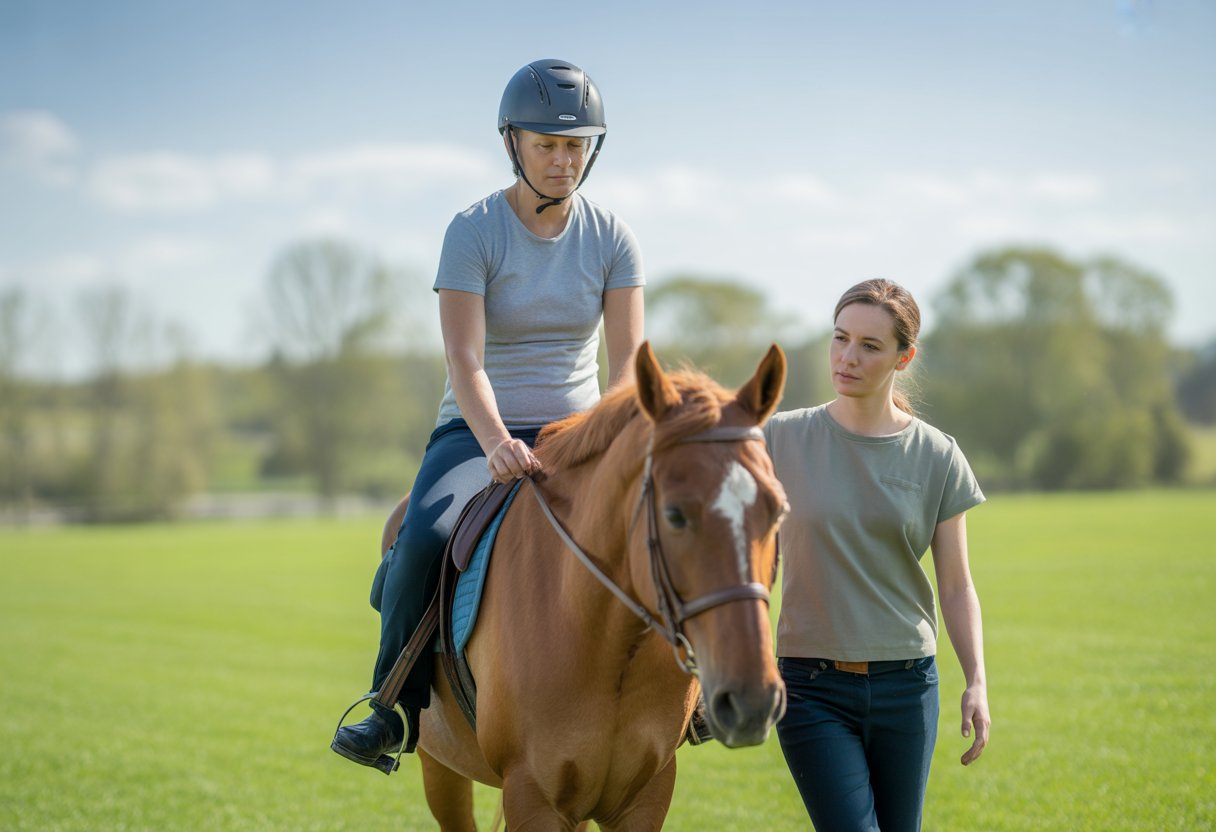
Studies examining equine therapy for multiple sclerosis have grown in recent years. Research shows improvements in balance, spasticity, and quality of life across different study designs, though results vary based on comparison groups used.
Randomized Controlled Trials
Four randomized controlled trials have evaluated equine-assisted therapies in people with multiple sclerosis[11], providing strong evidence for specific benefits. These trials demonstrated positive effects on multiple outcomes when patients received hippotherapy compared to inactive control groups.
The trials showed improvements in:
- Quality of life measures
- Fatigue reduction
- Balance performance
- Spasticity levels
- Gait speed enhancement
Important findings revealed that significant effects only appeared when comparison groups remained inactive or followed usual care. When control groups participated in other active therapies, the differences became less clear. This suggests hippotherapy may work as well as other physical interventions but offers unique benefits for patients who would otherwise remain inactive.
Systematic and Multicentre Studies
A systematic review analyzed ten studies[11] involving 195 people with multiple sclerosis, with ages ranging from 40.3 to 51.3 years. The review followed PRISMA guidelines to ensure comprehensive analysis.
Intervention characteristics across studies:
- Mean program length: 13.6 weeks
- Session frequency: Once to twice weekly (one study used ten sessions per week)
- Average session duration: 34.4 minutes
- All programs used real horses
Non-randomized trials showed improvements in balance, spasticity, and postural control. However, the inclusion of studies without control groups increased the risk of bias. Researchers noted that comparison groups varied widely between studies, which affected how results should be interpreted.
Summary of Key Research Results
The research included 104 participants in equine therapy groups and 91 in control groups. Participants had been diagnosed with MS for an average of 11.6 years in treatment groups and 10.8 years in control groups.
Disability levels measured by the Extended Disability Status Scale ranged from 1 to 5.2, indicating patients who could walk without aid up to those with walking impairments. Sessions typically included warm-up and cool-down periods of 5 to 10 minutes, with exercises focusing on balance, mobility, and directional changes.
Evidence supports equine-assisted therapy as an effective complementary treatment[12] for improving physical and mental health outcomes in MS patients. The therapy shows promise particularly for balance and spasticity management, though more research with active control groups would strengthen conclusions.
Comparisons With Standard and Alternative Therapies

Equine therapy operates alongside traditional rehabilitation methods and complementary treatments, each offering distinct benefits for multiple sclerosis patients. Understanding how these approaches differ helps patients and healthcare providers make informed decisions about treatment plans.
Conventional Physical and Physiotherapy
Physical therapy remains the primary rehabilitation approach for MS patients, focusing on strength training, stretching, and mobility exercises in clinical settings. Physiotherapists use equipment like parallel bars, resistance bands, and balance boards to address specific impairments.
Standard physiotherapy sessions typically last 30 to 60 minutes and occur one to three times per week. These sessions target individual muscle groups and work on specific movements that patients struggle with in daily life.
The controlled environment of a clinic allows therapists to monitor progress closely and adjust exercises based on patient response. However, this setting lacks the dynamic, three-dimensional movement patterns that horses provide.
Key differences include:
- Environment: Clinical versus outdoor natural settings
- Movement patterns: Isolated exercises versus full-body integration
- Motivation: Task-based versus animal interaction
- Cost: Often covered by insurance versus limited coverage
Complementary and Alternative Approaches
Alternative therapies for MS patients[13] include yoga, acupuncture, massage therapy, and tai chi. These methods focus on reducing stress, improving flexibility, and managing symptoms through non-pharmacological means.
Yoga and tai chi emphasize slow, controlled movements that build strength and balance. These practices can be modified for different ability levels and performed at home.
Massage therapy helps reduce muscle spasticity and pain, common MS symptoms that affect daily function. Acupuncture may help with nerve pain and fatigue management.
Equine therapy stands apart by combining elements from multiple approaches. The horse’s movement provides continuous sensory input while the outdoor setting reduces stress. The bond formed with the animal adds an emotional component that other therapies lack.
Integration Into Multidisciplinary Care
MS treatment works best when multiple approaches combine to address physical, emotional, and social needs. Rehabilitation teams typically include neurologists, physical therapists, occupational therapists, and mental health professionals.
Equine-assisted therapies complement standard treatments[11] rather than replace them. Patients may attend physiotherapy twice weekly while participating in horse therapy once weekly. This combination addresses different aspects of the condition.
Communication between providers ensures treatments support rather than contradict each other. A physical therapist might focus on lower body strength while equine sessions work on core stability and balance.
Insurance coverage varies significantly between conventional and alternative therapies. Most plans cover standard physical therapy but may not cover equine therapy, requiring patients to pay out of pocket or seek grants and scholarships from therapeutic riding centers.
Practical Considerations and Accessibility

Successful hippotherapy programs require qualified professionals, specialized facilities, and strategies to overcome common access challenges. Insurance coverage and geographic location often determine whether MS patients can participate in these therapeutic programs.
Therapist Training and Certification
Physical therapists who practice hippotherapy must complete specialized training beyond their standard PT licensure. The American Hippotherapy Association requires therapists to hold current credentials in physical therapy, occupational therapy, or speech-language pathology before pursuing hippotherapy certification.
Training programs typically include both classroom instruction and hands-on experience with horses and patients. Therapists learn horse movement patterns, safety protocols, and how to position patients for maximum therapeutic benefit.
Certification courses cover biomechanics of horse movement, equine behavior, and adaptive equipment use. Most programs require 100 or more hours of coursework plus supervised clinical practice. Continuing education maintains certification status and keeps therapists current on research findings.
Facility and Equipment Requirements
Hippotherapy centers need indoor or covered arenas to ensure year-round treatment availability. The space must accommodate mounting ramps, parallel bars, and adequate room for the horse to move in various patterns.
Essential facility features include:
- Mounting platforms with adjustable heights
- Specially trained therapy horses with calm temperaments
- Safety helmets and adaptive riding equipment
- Wheelchair-accessible pathways and restrooms
- Climate-controlled areas for patient comfort
Horses used in therapy undergo extensive training and regular veterinary care. Each horse must demonstrate consistent, predictable movement patterns and tolerance for equipment like safety straps and specialized saddles.
Potential Barriers and Solutions
Cost presents the primary barrier for many MS patients seeking hippotherapy. Sessions typically range from $75 to $150 per visit, and insurance coverage remains inconsistent across providers.
Geographic limitations affect rural patients who may live hours from the nearest certified facility. Some programs address this through mobile services or partnerships with local stables, though these options remain limited.
Common solutions include:
- Scholarship programs funded by nonprofit organizations
- Group sessions that reduce per-person costs
- Telehealth consultations for exercise planning
- Advocacy efforts to expand insurance coverage
Transportation challenges affect patients with mobility limitations. Many facilities partner with accessible transit services or coordinate carpools among participants to improve access.
Future Directions and Research Needs
Current evidence supports equine therapy benefits for MS patients, but gaps remain in understanding long-term effects and optimal treatment protocols. Research must address study design limitations and explore new technologies to enhance therapy outcomes.
Long-Term Outcomes and Follow-Up
Most existing studies evaluate equine therapy effects over 10 to 14 weeks. Researchers need to conduct extended follow-up studies lasting six months to several years to determine whether improvements in balance, fatigue, and quality of life persist after treatment ends.
Studies on hippotherapy’s effects[14] currently lack data on maintenance programs or optimal frequency of ongoing sessions. Scientists should investigate whether periodic booster sessions help patients retain benefits or if continuous therapy proves necessary.
Future research must also examine how disease progression affects treatment outcomes. Patients at different stages of MS may respond differently to equine therapy, requiring tailored protocols.
Innovations and Technology in Equine Therapy
Virtual reality and motion-capture systems offer new ways to measure treatment effects with greater precision. These technologies can track subtle changes in posture, gait patterns, and muscle activation during and after equine therapy sessions.
Researchers are exploring mechanical horse simulators as alternatives when live horses are unavailable. These devices replicate the three-dimensional movement patterns of walking horses but require validation studies comparing their effectiveness to traditional hippotherapy.
Wearable sensors could provide real-time feedback to therapists and patients during sessions. This data would help optimize treatment intensity and identify which specific movements generate the most therapeutic benefit for MS symptoms.
Recommendations for Further Studies
The field needs more randomized controlled trials with larger sample sizes to strengthen evidence quality. Current research on equine-assisted therapies[11] often includes small groups of 15 to 25 participants per study arm.
Key research priorities include:
- Standardized protocols for session duration and frequency
- Comparison studies between different equine therapy approaches
- Cost-effectiveness analyses for healthcare systems
- Investigation of optimal candidate characteristics for treatment
- Measurement of cognitive and emotional outcomes beyond physical symptoms
Scientists should establish consensus on outcome measures to allow better comparison across studies. Future trials must include active control groups rather than only comparing equine therapy to usual care or no intervention.
Frequently Asked Questions
Equine therapy offers measurable improvements in balance, muscle strength, and emotional well-being for people with MS, with research showing benefits after 10 to 16 weeks of regular sessions. Safety protocols and proper therapist credentials ensure effective treatment delivery.
How does equine therapy influence motor function in MS patients?
Hippotherapy improves balance and coordination[1] in MS patients by using the rhythmic movement of the horse to stimulate neurological processes. The horse’s gait mimics human walking patterns, providing sensory feedback that helps retrain motor control.
Studies show participants gained 2 to 9 points on balance assessments after completing treatment programs. Muscle strength and coordination improved as patients worked to maintain their position on the moving horse.
Postural stability increased significantly[15] in both short-term and medium-term studies. Walking endurance and trunk stability showed measurable gains across multiple research trials.
What impact does hippotherapy have on the quality of life for those suffering from multiple sclerosis?
Hippotherapy reduces fatigue levels and emotional tension in MS patients. Treatment sessions help decrease the physical exhaustion that makes daily activities challenging.
Mental health scores improved by an average of 14.4 points in controlled studies. Physical health scores increased by 12 points when patients combined hippotherapy with standard medical care.
Eight out of eleven participants in one study showed improvement in their ability to handle emotions and social activities. Pain levels decreased and muscle tension reduced as treatment progressed.
Are there any scientific studies that support the benefits of horse riding for individuals with neurological conditions, specifically multiple sclerosis?
Multiple research studies confirm the effectiveness of hippotherapy for MS patients. A German multicenter trial with 70 adults found statistically significant improvements in balance, fatigue, and spasticity after 12 weeks.
Research using standardized assessment tools[1] measured changes in balance, gait, and functional abilities. The Berg Balance Scale and Functional Gait Assessment documented consistent improvements across different study designs.
Patients with primary progressive MS demonstrated the greatest amount of change after treatment. Case-control studies and single-subject experimental designs both reported positive outcomes.
Can regular participation in equine therapy slow the progression of symptoms in multiple sclerosis patients?
Current research does not provide evidence that hippotherapy slows the underlying disease progression of MS. The therapy addresses symptoms and functional limitations rather than the disease’s course.
Treatment maintains or improves current functional abilities in many patients. Some participants continued to show improvements even after their therapy sessions ended.
Benefits appear to last beyond the active treatment period for certain individuals. Regular sessions help manage symptoms like balance problems and muscle weakness that affect daily functioning.
What safety measures are recommended for multiple sclerosis patients engaging in hippotherapy?
Trained professionals must assess each patient’s disability level before starting treatment. Patients require evaluation to ensure they can safely participate in mounted activities.
Treatment teams should include licensed physical therapists with specialized training in hippotherapy. The horse must be carefully selected and trained to provide smooth, predictable movement patterns.
Side walkers typically assist during sessions to provide additional stability and safety. Mounting ramps or lifts help patients get on and off the horse safely.
What qualifications should a professional equine therapist have to effectively work with MS patients?
A qualified hippotherapy practitioner must hold a license as a physical therapist, occupational therapist, or speech-language pathologist. These professionals need additional certification in hippotherapy methods and techniques.
The American Hippotherapy Association provides specialized training programs for licensed therapists. Practitioners learn how to position patients on the horse and design treatment plans for neurological conditions.
Experience working with MS patients and understanding the disease’s effects on balance and motor control proves essential. Therapists must know how to adjust treatment intensity based on fatigue levels and symptom fluctuations.
Post Views: 51
References
- Multiple Sclerosis- Evidence Matrix — American Hippotherapy Association, Inc.. https://www.americanhippotherapyassociation.org/evidence-multiple-sclerosis Accessed March 7, 2026
- Horse-based therapy works with the patient’s specific needs. https://www.findatopdoc.com/Healthy-Living/horsebased-therapy-to-sclerosis-patients Accessed March 7, 2026
- What is Hippotherapy? — American Hippotherapy Association, Inc.. https://www.americanhippotherapyassociation.org/what-is-hippotherapy Accessed March 7, 2026
- Hippotherapy vs equine therapy: Understanding the difference. https://beaminghealth.com/article/hippotherapy-vs-equine-therapy-understanding-the-difference Accessed March 7, 2026
- Attention Required!. https://www.banyantreatmentcenter.com/blog/what-is-the-difference-between-equine-assisted-therapy-and-hippotherapy/ Accessed March 7, 2026
- Hippotherapy vs Equine Therapy. https://www.eagala.org/blog/hippotherapy-vs-equine-therapy/ Accessed March 7, 2026
- Attention Required!. https://www.pharmacytimes.com/view/equine-therapy-improves-outcomes-in-patients-with-neuromuscular-disorders Accessed March 7, 2026
- Hippotherapy as a Complementary Intervention for Multiple Sclerosis: A Review
| Quality in Sport. https://apcz.umk.pl/QS/article/view/66934 Accessed March 7, 2026 - hippotherapy protocols range from 30 to 50 minutes per session. https://www.hrpub.org/download/20250830/SAJ25-19942133.pdf Accessed March 7, 2026
- Hippotherapy. https://www.aetna.com/cpb/medical/data/100_199/0151.html Accessed March 7, 2026
- Benefits of Equine-Assisted Therapies in People with Multiple Sclerosis: A Systematic Review. https://preview.hindawi.com/journals/ecam/2022/9656503/ Accessed March 7, 2026
- Just a moment…. https://www.msard-journal.com/article/S2211-0348(21)00428-4/abstract Accessed March 7, 2026
- Alternative therapies for MS patients. https://dspace.uevora.pt/rdpc/bitstream/10174/33377/1/2022_RSL_Hipoterapia%20e%20Esclerose%20Multipla_Evidence-Based%20Complementary%20and%20Alternative%20Medicine.pdf Accessed March 7, 2026
- Just a moment…. https://www.msard-journal.com/article/S2211-0348(21)00428-4/pdf Accessed March 7, 2026
- Page not found. https://ijsra.net/sites/default/files/IJSRA-2021-0185.pdf Accessed March 7, 2026

















