In Colorado, from 2016 to 2020, 33 women who were pregnant or had recently given birth died from accidental overdoses. That’s more than died from traditional obstetric complications like infection, high blood pressure or bleeding combined.
More recent data shows an encouraging turnaround. The number of maternal overdose deaths dropped 60%, from 20 in 2022 to eight in 2023. I think one contributing factor might be increased access to naloxone for moms and families across the state.
As a perinatal addiction medicine physician, I specialize in taking care of pregnant people and families impacted by substance use disorder. Part of the care I provide is prescribing or distributing naloxone directly to patients and their family members. Naloxone is an over-the-counter medication that reverses the effects of opioid overdose.
I served as a member and then co-chair of the Colorado Maternal Mortality Review Committee from 2017 to 2023. The committee reviews every death of a person in Colorado that occurs during a pregnancy or within 12 months of the end of a pregnancy. I personally reviewed the records of Colorado mothers who died from overdoses.
In Colorado, unintentional overdose and suicide have been the top two causes of maternal mortality each year since 2016. Nationally, the leading cause of maternal mortality is overdose, followed by homicide and then suicide.
Almost all overdose deaths occur in the community, outside of a medical center: in homes, cars and public places. In almost all circumstances, the review committee determined that if naloxone had been present, there was a good chance the mother would have survived.
Table of Contents
Giving naloxone directly to patients and families
In 2023, The Naloxone Project, a nonprofit, started distributing naloxone directly to pregnant and postpartum moms and their families before leaving one of the 48 birthing hospitals in Colorado. The distribution is through a program called the Maternal Overdose Matters Initiative, also known as MOMs. The initiative was in direct response to the number of women dying from overdose during pregnancy or within a year after pregnancy.
The Naloxone Project was started in Colorado in 2021 by an emergency and addiction medicine physician. The project distributes naloxone directly to patients in Colorado hospital emergency rooms at risk for opioid overdose.
To date, The Naloxone Project has distributed more than 2,500 naloxone kits to 107 hospitals to give to patients across the state. The project also works to normalize the conversation about opioid overdose and prevention in health care settings. It’s grown, and now it has chapters in 16 states.
Naloxone can make recovery possible
The American Society of Addiction Medicine defines substance use disorder as “a treatable, chronic medical disease involving complex interactions among brain circuits, genetics, the environment and an individual’s life experiences.” People with the disease of addiction can, and do, recover – but only if they can stay alive to receive the support and treatment they need.

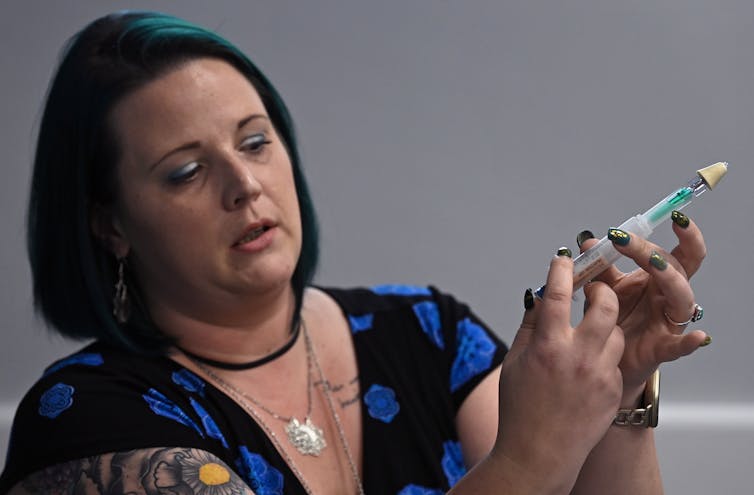
Michael S. Williamson/The Washington Post via Getty Images
Research shows direct distribution of naloxone to people, families and communities saves lives. Access to naloxone gives people, including Colorado moms, a literal second chance at life.
Naloxone for more than substance use disorder
While people with substance use disorder are at the highest risk for overdose, they’re not the only ones. In 2024 alone, 1,603 people died of accidental opioid overdoses in Colorado.
Prescription opioids, such as oxycodone, hydrocodone and morphine, are commonly prescribed after a surgery, including C-sections. Opioids like these taken at home, even with a prescription, can be a source of accidental overdose. For example, a person prescribed these medicines may take too much at once or have an unexpected interaction with other medications or alcohol.
Accidental overdose also occurs in people the prescription was not intended for. That includes children who find medications in their homes. In Colorado, 17 children died from opioid overdoses in 2024.
Today, parents leaving the hospital with their new baby are given naloxone and education. They learn about safe storage and disposal of medications, how to recognize an opioid overdose, and how to give naloxone in case of emergency. Nasal-spray naloxone, the most common form provided by The Naloxone Project, is safe for all ages, including infants and toddlers.
Naloxone as a standard of care
Caring for people impacted by substance use disorder has convinced me that naloxone has a place in every home, school and workplace in our community.
Recognizing and responding to opioid overdose, including giving naloxone, is now a standard part of Basic Life Support training. Opioid overdose reversal is now seen as a critical, lifesaving skill comparable to CPR. Including this skill in training empowers bystanders to intervene.

Spencer Platt/Getty Images
For some of my patients, receiving naloxone during an overdose event gave them a chance to seek treatment and enter long-term recovery from substance use. Opioid use disorder treatment includes evidence-based medication for opioid use disorder, such as methadone, buprenorphine or naltrexone, residential or intensive outpatient treatment, individual therapy and peer support services, especially programs designed for pregnant and parenting moms.
How these facets of treatment come together in an individual person’s journey is unique. As much as I seek to individualize treatment plans, naloxone is for everyone. It can build a bridge between despair and hope — life and death — and as the data shows, it might be a part of saving Colorado moms’ lives.

















