
Medically Reviewed
Dr. Jose Rossello, MD, PhD, MHCM
Preventive Medicine & Public Health Specialist
Last Reviewed: January 18, 2026
Table of Contents
Quick Interpretation Guide
Normal Range: 200-400 mg/dL (2.0-4.0 g/L) for adults; 150-450 mg/dL in some laboratories
Slightly Elevated (400-500 mg/dL): May indicate mild inflammation, stress response, early pregnancy, or acute illness. Often reflects the body’s acute phase reaction
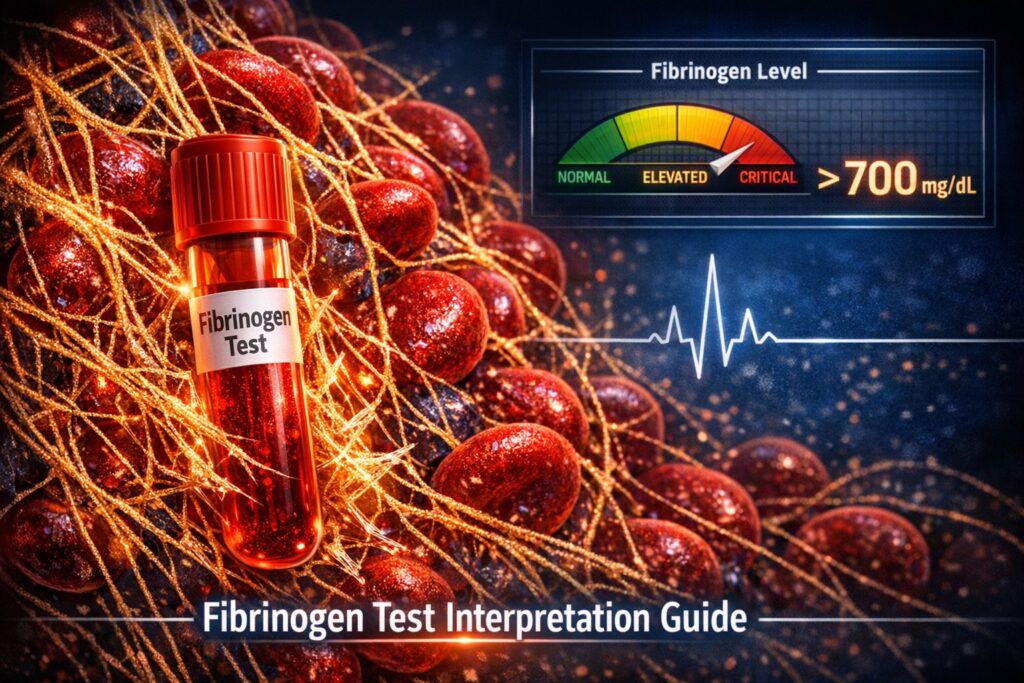
Significantly Elevated (>500 mg/dL): Suggests active inflammatory disease, acute infection, malignancy, or cardiovascular risk. Levels >700 mg/dL increase risk of pathological clot formation
Low (<200 mg/dL): Warrants investigation for liver disease, DIC, or congenital deficiency. Levels <150 mg/dL associated with increased bleeding risk and mortality in trauma patients
Critical Low (<100 mg/dL): Severe bleeding risk requiring urgent fibrinogen replacement with cryoprecipitate or fibrinogen concentrate
Next Steps: If low with bleeding, initiate fibrinogen replacement and evaluate for DIC or liver dysfunction. If elevated, investigate underlying inflammatory or thrombotic conditions and assess cardiovascular risk factors
Understanding the Test
Fibrinogen (Factor I) is a 340 kDa hexameric plasma glycoprotein synthesized exclusively by the liver and represents the most abundant coagulation factor in blood. With normal plasma concentrations ranging between 200-400 mg/dL, fibrinogen serves as the major structural component of blood clots and has the longest plasma half-life among coagulation factors at 3-4 days. When the coagulation cascade activates, thrombin enzymatically converts soluble fibrinogen into insoluble fibrin strands that form the meshwork structure of stable blood clots.
Healthcare providers order fibrinogen testing to evaluate bleeding disorders, monitor disseminated intravascular coagulation (DIC), assess trauma-induced coagulopathy, guide massive transfusion protocols, and diagnose congenital fibrinogen deficiencies. The test proves particularly valuable in surgical settings, postpartum hemorrhage, and trauma where fibrinogen reaches critically low levels faster than any other clotting factor during active bleeding. The minimum fibrinogen level required to maintain adequate hemostasis is approximately 100 mg/dL, though higher targets (150-200 mg/dL) are recommended during active bleeding or surgical procedures.
Beyond its hemostatic functions, fibrinogen serves as a positive acute phase reactant that increases 2-4 fold during inflammatory responses, tissue injury, and infection. This dual role makes fibrinogen both a critical coagulation factor and an important biomarker for inflammation and cardiovascular disease risk. Elevated fibrinogen levels independently predict coronary heart disease, peripheral arterial disease, stroke, and venous thromboembolism in dose-dependent fashion. The Leiden Thrombophilia Study demonstrated that persons with fibrinogen levels ≥500 mg/dL have a 4-fold higher thrombotic risk compared to those with levels <300 mg/dL.
However, fibrinogen testing has important limitations. Results must be interpreted alongside other coagulation tests including prothrombin time (PT), activated partial thromboplastin time (aPTT), platelet count, and D-dimer for comprehensive assessment. The test cannot distinguish between quantitative deficiencies (reduced fibrinogen amount) and qualitative defects (dysfibrinogenemia with abnormal function). Additionally, as an acute phase reactant, fibrinogen may remain falsely normal or even elevated during early DIC in patients with concurrent infection or inflammation, potentially masking consumption coagulopathy until the disease progresses.
Normal Results & Reference Ranges
Standard Reference Ranges
The conventional fibrinogen reference range for healthy adults is 200-400 mg/dL (2.0-4.0 g/L), though some laboratories report wider ranges of 150-450 mg/dL or 233-496 mg/dL depending on the assay methodology and population studied. Newborns have lower physiologic levels ranging from 125-300 mg/dL that normalize to adult values within the first year of life. The Clauss method represents the gold standard functional assay, measuring the rate of fibrinogen-to-fibrin conversion under excess thrombin stimulation.
| Population | Normal Range (mg/dL) | Normal Range (g/L) |
|---|---|---|
| Adults (general) | 200-400 | 2.0-4.0 |
| Adults (extended) | 150-450 | 1.5-4.5 |
| Newborns | 125-300 | 1.25-3.0 |
| First trimester pregnancy | 244-510 | 2.4-5.1 |
| Second trimester pregnancy | 291-538 | 2.9-5.4 |
| Third trimester pregnancy | 373-619 | 3.7-6.2 |
| Critical minimum (hemostasis) | ≥100 | ≥1.0 |
| Postoperative target | >150-200 | >1.5-2.0 |
Pregnancy induces dramatic physiologic increases in fibrinogen as part of the hypercoagulable state that protects against postpartum hemorrhage. Third-trimester fibrinogen levels approach 500 mg/dL on average, with upper limits reaching 619 mg/dL. Importantly, pregnancy reference ranges must be used when evaluating pregnant patients—applying non-pregnant cutoffs is unsafe and may result in failure to recognize evolving DIC or postpartum hemorrhage risk. Fibrinogen levels <300 mg/dL in late pregnancy are highly concerning for evolving DIC, while levels <200 mg/dL associate strongly with severe obstetric hemorrhage requiring massive transfusion.
Optimal vs Normal
While the standard reference range of 200-400 mg/dL defines “normal” fibrinogen, optimal levels for health and disease prevention remain context-dependent. From a cardiovascular risk perspective, lower fibrinogen within the normal range (200-300 mg/dL) associates with reduced thrombotic risk compared to high-normal values (350-400 mg/dL). The Framingham Heart Study demonstrated that fibrinogen levels correlate linearly with cardiovascular disease prevalence across the entire reference range, suggesting no clear “safe” threshold.
Conversely, in bleeding or surgical contexts, higher fibrinogen levels provide superior hemostatic capacity. Trauma patients with admission fibrinogen 150 mg/dL, even when both fall within the laboratory reference range. Recent evidence from cardiac surgery suggests optimal post-treatment fibrinogen targets of 200-250 mg/dL for best outcomes, substantially higher than the minimum hemostatic threshold of 100 mg/dL. In obstetric hemorrhage, maintaining fibrinogen >200 mg/dL prevents progression to massive blood loss. These data indicate that optimal fibrinogen levels depend on clinical context: lower for cardiovascular disease prevention, higher for hemostatic support.
Common Causes of Abnormal Results (Ranked by Frequency)
Most Frequent Causes of Elevation
- Acute and Chronic Inflammatory Conditions (most common cause) – As a positive acute phase reactant, fibrinogen increases 2-4 fold within 24-48 hours of inflammatory stimuli including infections, tissue injury, surgery, and autoimmune diseases. This represents the single most common reason for elevated fibrinogen levels, affecting the majority of hospitalized patients with any inflammatory process.
- Cardiovascular Disease and Atherosclerosis (30-60% prevalence in CVD patients) – Elevated fibrinogen both contributes to and results from atherosclerotic disease. Patients with prevalent cardiovascular disease show significantly higher mean fibrinogen levels (333-370 mg/dL in men, 336-370 mg/dL in women) compared to those without CVD (322-319 mg/dL). The relationship is bidirectional: inflammation drives fibrinogen elevation, which then promotes atherosclerosis through multiple mechanisms.[1]
- Pregnancy (physiologic elevation) – Fibrinogen progressively increases throughout pregnancy from a first-trimester median of 244-510 mg/dL to third-trimester levels of 373-619 mg/dL. This represents a normal adaptive response preparing the body for delivery-associated blood loss.[2]
- Acute Infection and Sepsis – Bacterial infections, pneumonia, COVID-19, and sepsis markedly elevate fibrinogen as part of the systemic inflammatory response. In COVID-19 patients, fibrinogen >528 mg/dL discriminates severe from non-severe disease with 66.7% sensitivity and 70.3% specificity.[3]
- Active Malignancy – Cancer promotes a hypercoagulable state through multiple mechanisms including elevated fibrinogen synthesis, with levels often exceeding 500 mg/dL in advanced disease. Chronically elevated fibrinogen in patients with obscure symptoms suggests organic rather than functional pathology and warrants cancer evaluation.
Most Frequent Causes of Low Results
- Disseminated Intravascular Coagulation (DIC) – most common acquired cause – DIC consumes fibrinogen through widespread microvascular thrombosis, with levels frequently dropping below 100 mg/dL in severe cases. Hypofibrinogenemia in DIC reflects either accelerated coagulation with consumption (infectious diseases) or hyperfibrinolysis with degradation (hematological malignancies).
- Severe Liver Disease and Cirrhosis – The liver is the sole source of fibrinogen synthesis, and advanced hepatic dysfunction impairs production capacity. Acquired dysfibrinogenemia also occurs in severe liver disease, producing functionally abnormal fibrinogen molecules.
- Trauma-Induced Coagulopathy and Massive Hemorrhage – Severe bleeding rapidly depletes fibrinogen stores, which reach critically low levels faster than other clotting factors despite being the most abundant. Hypofibrinogenemia occurs through combination of consumption, hemodilution from resuscitation fluids, and trauma-induced fibrinolysis.[4]
- Surgical Procedures with Cardiopulmonary Bypass (CPB) – Cardiac surgery with CPB reduces fibrinogen to approximately 50% of baseline through hemodilution from asanguineous prime fluids and coagulation factor consumption. Without supplementation, fibrinogen recovers spontaneously at approximately 0.08 g/L per hour post-surgery.
- Obstetric Hemorrhage and Placental Abruption – Postpartum hemorrhage, amniotic fluid embolism, and placental abruption can rapidly consume fibrinogen. Given pregnancy’s elevated baseline (400-500 mg/dL), fibrinogen <300 mg/dL in late pregnancy indicates severe depletion and evolving DIC.[2]
Less Common Causes
Elevated Fibrinogen: Nephrotic syndrome (protein loss stimulates hepatic synthesis), diabetes mellitus, obesity, estrogen therapy and combined oral contraceptives, cigarette smoking (>10% increase), chronic obstructive pulmonary disease, rheumatoid arthritis, and compensated intravascular coagulation.
Low Fibrinogen: Congenital afibrinogenemia (autosomal recessive, complete absence), congenital hypofibrinogenemia (autosomal dominant, reduced levels 20-100 mg/dL), dysfibrinogenemia (autosomal dominant, normal quantity but abnormal function), fibrinolytic therapy (streptokinase, tissue plasminogen activator), snake envenomation, acute promyelocytic leukemia with hyperfibrinolysis, and severe malnutrition.
Severity Classification
Mild Abnormality
Elevated (400-500 mg/dL): Mild elevations typically reflect low-grade inflammatory processes, minor infections, early acute phase responses, or clustering of cardiovascular risk factors. While technically above the reference range, values in this range carry limited immediate clinical consequences but may indicate increased long-term cardiovascular risk when sustained chronically. The Framingham study showed linear increases in cardiovascular disease prevalence across this range.
Low (150-200 mg/dL): Borderline low fibrinogen warrants investigation but may not immediately compromise hemostasis in the absence of bleeding. However, in trauma patients, even this “mild” reduction associates with increased transfusion requirements and organ dysfunction, though mortality risk increases significantly only below 150 mg/dL. During pregnancy, levels in this range late in gestation are concerning for evolving DIC.
Moderate Abnormality
Elevated (500-700 mg/dL): Moderate elevations indicate substantial inflammatory activity or acute illness. In COVID-19, values >528 mg/dL discriminate severe disease requiring ICU admission. Chronic elevation in this range significantly increases cardiovascular and thrombotic risk—the Leiden study showed persons with fibrinogen 400-490 mg/dL have 1.6-fold higher odds of venous thrombosis. Values approaching 700 mg/dL warrant evaluation for underlying malignancy, severe infection, or inflammatory disease.
Low (100-150 mg/dL): This range represents moderate hypofibrinogenemia with increased bleeding risk, particularly during surgery or trauma. Trauma patients with fibrinogen <150 mg/dL show significantly increased 28-day mortality (odds ratio varies with injury severity), higher rates of multiple organ failure, and substantially greater blood product transfusion requirements at both 3 and 24 hours. European guidelines define <150 mg/dL as critically low in bleeding patients, requiring urgent replacement therapy.
Severe Abnormality
Elevated (>700 mg/dL): Extremely elevated fibrinogen signals severe systemic disease and creates high risk for pathological thrombosis affecting heart or brain. Values exceeding 700 mg/dL may indicate advanced malignancy, severe sepsis, massive tissue necrosis, or critical illness. The combination of extreme hyperfibrinogenemia with other prothrombotic factors substantially increases risk of arterial and venous thromboembolism requiring anticoagulation consideration.
Low (<100 mg/dL): Critically low fibrinogen represents a medical emergency with severe spontaneous bleeding risk and dramatically increased mortality. The minimum level required to maintain hemostasis is approximately 100 mg/dL, and values below this threshold commonly produce diffuse bleeding from multiple sites. In trauma, levels <100 mg/dL associate with intracranial hemorrhage risk and require immediate aggressive fibrinogen replacement with cryoprecipitate or fibrinogen concentrate. Without treatment, mortality approaches 40-50% in severely injured patients.
Associated Symptoms & Clinical Patterns
Low Fibrinogen (Bleeding Manifestations)
Hypofibrinogenemia produces variable bleeding symptoms depending on severity. Congenital afibrinogenemia (complete absence) typically presents in childhood with umbilical cord bleeding, easy bruising, mucosal hemorrhages, spontaneous intracranial bleeding, and hemarthroses. Acquired hypofibrinogenemia manifests differently based on etiology: DIC patients show simultaneous bleeding and thrombosis with petechiae, purpura, oozing from venipuncture sites, and organ dysfunction.
Surgical and trauma patients with fibrinogen <150 mg/dL demonstrate diffuse microvascular bleeding from surgical sites despite adequate surgical hemostasis, ongoing hemorrhage requiring repeated transfusions, and poor clot stability. Obstetric hemorrhage with hypofibrinogenemia presents with uncontrollable uterine bleeding, bleeding from IV sites, and rapid hemodynamic deterioration. Importantly, fibrinogen as an acute phase reactant may remain falsely elevated during early DIC in infected patients, delaying recognition of consumption coagulopathy until profound depletion occurs.
High Fibrinogen (Thrombotic and Inflammatory Patterns)
Chronically elevated fibrinogen rarely produces acute symptoms but manifests through cardiovascular disease complications over months to years. Patients may develop angina, claudication (leg pain with walking from peripheral arterial disease), or stroke symptoms. The Framingham study showed fibrinogen elevation associates with hypertension, diabetes, smoking, elevated triglycerides, reduced HDL cholesterol, obesity, and older age—a clustering of cardiovascular risk factors.
Acute elevations during inflammatory processes accompany fever, malaise, and organ-specific symptoms of the underlying condition (pneumonia, sepsis, acute coronary syndrome). In venous thromboembolism, elevated fibrinogen increases blood viscosity, promotes platelet aggregation, and aggravates thrombus formation, presenting with unilateral leg swelling and pain (DVT) or sudden dyspnea and chest pain (PE). Patients with fibrinogen >500 mg/dL have substantially higher rates of residual venous thrombosis after anticoagulation treatment.
Recommended Diagnostic Workup
Fibrinogen testing should never stand alone but integrate into comprehensive coagulation assessment alongside PT, aPTT, platelet count, and clinical evaluation. Interpretation requires understanding the clinical context: bleeding versus thrombosis, acute versus chronic presentation, and presence of inflammatory conditions.
For Low Fibrinogen (<200 mg/dL)
Initial Laboratory Assessment:
- Complete blood count with platelet count (DIC causes thrombocytopenia)
- Prothrombin time and aPTT (both prolonged if fibrinogen <100 mg/dL)
- D-dimer and fibrin degradation products (markedly elevated in DIC)
- Thrombin time (prolonged with hypofibrinogenemia)
- Liver function tests including ALT, AST, bilirubin, albumin (assess synthetic function)
- Reptilase time (distinguishes dysfibrinogenemia from heparin effect)
Additional Testing Based on Clinical Scenario:
- If bleeding without obvious cause: Factor XIII levels, von Willebrand factor studies, consider congenital fibrinogen disorder genetic testing (FGA, FGB, FGG genes)
- If suspected DIC: Serial fibrinogen measurements, antithrombin III, protein C, SOFA score for organ dysfunction
- If liver disease suspected: Comprehensive metabolic panel, coagulation factor levels, ammonia, imaging studies
- Trauma patients: Arterial blood gas, lactate, base excess, ionized calcium, rotational thromboelastometry (ROTEM) or thromboelastography (TEG) if available
For Elevated Fibrinogen (>400 mg/dL)
Inflammatory and Infectious Workup:
- C-reactive protein (CRP) and erythrocyte sedimentation rate (parallel fibrinogen elevation)
- Complete metabolic panel, liver enzymes
- Chest radiograph if respiratory symptoms
- Blood cultures if fever present
- Urinalysis and culture if indicated
Cardiovascular Risk Assessment:
- Lipid panel (total cholesterol, LDL, HDL, triglycerides)
- Hemoglobin A1c (diabetes screening)
- Blood pressure measurement
- Body mass index calculation
- Complete cardiovascular history and examination
Thrombotic Evaluation if Clinically Indicated:
- D-dimer level
- Compression ultrasonography (DVT suspicion)
- CT pulmonary angiography (PE suspicion)
- Consider thrombophilia evaluation if recurrent thrombosis
Malignancy Screening for unexplained persistent elevation >500 mg/dL:
- Age-appropriate cancer screening (colonoscopy, mammography, PSA)
- Chest/abdomen/pelvis CT imaging if constitutional symptoms present
- Focused evaluation based on symptoms
Age & Gender Differences
Fibrinogen levels increase progressively and significantly with age across both sexes, representing one of the most consistent age-related changes in coagulation parameters. Mean fibrinogen rises from approximately 271 mg/dL in young adults (18-29 years) to 348 mg/dL in older adults (60-69 years), an increase exceeding 25%. This age effect results from decreased fibrinogen disposal rate rather than increased synthesis—older individuals synthesize fibrinogen at similar or lower rates than young adults but clear it more slowly from circulation.
The fractional synthesis rate (FSR) of fibrinogen decreases significantly from young to middle-aged adults (28.5% per day versus 18.0% per day) with no further decline into old age. However, plasma fibrinogen concentration continues rising because the disposal rate decreases even more dramatically than synthesis. This slower turnover in elderly patients has important implications for cardiovascular risk, as prolonged exposure to inflammatory mediators may produce more extensive fibrinogen modifications that enhance its thrombotic potential.
Gender differences in fibrinogen show more complex patterns. Most studies find no significant overall gender effect on fibrinogen concentrations or synthesis rates when adjusted for other factors. However, specific contexts reveal gender disparities: fibrinogen levels tend higher in women in the youngest (60 years) age groups. Women show greater fibrinogen responses to obesity, with obese women demonstrating significantly elevated fibrinogen while obese men show variable responses. Premenopausal women (age 45-54) exhibit more favorable fibrinolytic profiles with lower PAI-1 activity compared to age-matched men.
Hormone-related factors significantly influence fibrinogen in women. Combined oral contraceptives and estrogen therapy elevate fibrinogen levels through enhanced hepatic synthesis. During pregnancy, dramatic physiologic increases occur independent of gender-related variations, with third-trimester levels approaching 500 mg/dL. Post-menopausally, women lose their relative protection from cardiovascular disease, and fibrinogen levels rise substantially, potentially contributing to increased thrombotic risk.
Medications Affecting Results
Lipid-Lowering Agents
Fibrates (bezafibrate, fenofibrate, gemfibrozil): The most effective medications for lowering fibrinogen, reducing levels by approximately 10-15% through mechanisms incompletely understood but potentially involving decreased hepatic IL-6 signaling. Bezafibrate produces even greater reductions (15-20%) in diabetic patients. Despite significant fibrinogen lowering, the Bezafibrate Infarction Prevention study showed no clear corresponding reduction in cardiovascular events, questioning whether fibrinogen reduction mediates fibrate cardiovascular benefits.
Statins (HMG-CoA reductase inhibitors): Show inconsistent effects on fibrinogen with most studies demonstrating no significant change or minimal reduction (<5%). Unlike their dramatic effects on LDL cholesterol, statins do not reliably lower fibrinogen, suggesting alternative mechanisms drive their cardiovascular benefits.
Antiplatelet Agents
Ticlopidine: Decreases plasma fibrinogen by approximately 10% with prolonged administration through unclear mechanisms possibly involving monocyte function and IL-6 regulation. However, ticlopidine use has declined substantially due to adverse effects including neutropenia and thrombotic thrombocytopenic purpura.
Other antiplatelet drugs: Aspirin, clopidogrel, and other P2Y12 inhibitors show minimal to no effect on fibrinogen levels.
Hormones and Contraceptives
Estrogen and combined oral contraceptives: Significantly elevate fibrinogen by 15-30% through enhanced hepatic synthesis, contributing to the increased venous thromboembolism risk associated with these medications. The magnitude of increase varies with estrogen dose and progestin type, with third- and fourth-generation contraceptives producing more pronounced effects.
Hormone replacement therapy (HRT): Post-menopausal HRT increases fibrinogen levels variably depending on formulation and route of administration (oral versus transdermal).
Other Medications
Pentoxifylline: May modestly reduce fibrinogen levels through rheological effects and potential anti-inflammatory properties, though evidence remains limited.[5]
Omega-3 fatty acids (fish oil): Prolonged supplementation at high doses (>2-3 grams daily) produces modest fibrinogen reductions of 5-10% through anti-inflammatory mechanisms.
Alcohol: Moderate chronic alcohol consumption paradoxically lowers fibrinogen by approximately 5-10%, though this effect must be balanced against alcohol’s numerous adverse cardiovascular effects.
Fibrinolytic agents (tPA, streptokinase): Dramatically affect fibrinogen measurements by inducing systemic fibrinogenolysis. Samples from patients receiving thrombolytic therapy require special collection tubes containing plasmin inhibitors to prevent ex vivo fibrinogen degradation and falsely low results.[6]
Treatment & Management
Initial Management
For Low Fibrinogen with Active Bleeding or High Bleeding Risk:
The primary treatment for critically low fibrinogen (<100-150 mg/dL) with bleeding is urgent fibrinogen replacement using either cryoprecipitate or fibrinogen concentrate. Cryoprecipitate remains the traditional and most widely available option in the United States and United Kingdom, prepared by controlled thawing of fresh frozen plasma to precipitate high molecular weight proteins including fibrinogen, Factor VIII, Factor XIII, and von Willebrand factor.
Cryoprecipitate Dosing:
- Adult dose: 10-unit pool (one pool contains 1500-2500 mg total fibrinogen)
- Expected increase: 50-100 mg/dL per 10-unit pool
- Pediatric dose: 1 unit per 10 kg body weight
- Expected pediatric increase: 60-100 mg/dL
Fibrinogen Concentrate Dosing:
- Standard dose: 3-4 grams IV for adults (typical starting dose)
- Alternative dosing: 70 mg/kg when fibrinogen level unavailable
- Expected increase: Approximately 170 mg/dL per 3-gram dose (0.26 g/L per 1 g administered)
- Advantages over cryoprecipitate: Standardized fibrinogen content, viral inactivation, rapid reconstitution (no thawing required), no blood group matching needed
Target Fibrinogen Levels:
- Minimum hemostatic threshold: ≥100 mg/dL
- Recommended trauma/surgical target: ≥150-200 mg/dL
- Optimal hemorrhage control target: 200-250 mg/dL
- Obstetric hemorrhage critical threshold: ≥200 mg/dL
Fibrinogen concentrate offers several advantages over cryoprecipitate including pathogen inactivation, standardized and higher fibrinogen content (enabling accurate dosing), and immediate availability without thawing time. Studies show fibrinogen concentrate produces more consistent and predictable increases in fibrinogen levels with lower variability between doses. However, cryoprecipitate contains additional hemostatic factors (Factor XIII, von Willebrand factor) that may benefit certain patients.
Massive Transfusion Protocol Integration: Modern trauma protocols incorporate early fibrinogen replacement, typically triggered when 2 or more units of red blood cells are transfused or when fibrinogen levels fall below institutional thresholds (commonly <150-180 mg/dL). Goal-directed resuscitation using viscoelastic testing (ROTEM/TEG) allows targeted fibrinogen administration and associates with reduced blood product utilization and improved outcomes.
Management of Specific Conditions
Disseminated Intravascular Coagulation: Treat underlying condition (sepsis, malignancy, obstetric emergency) as primary intervention. Replace fibrinogen if levels <100 mg/dL with active bleeding. Monitor serial fibrinogen, D-dimer, platelets, and PT/aPTT every 6-12 hours. Consider antithrombin or recombinant thrombomodulin in severe cases.
Congenital Fibrinogen Disorders: Prophylaxis with fibrinogen concentrate or cryoprecipitate for surgeries and invasive procedures. Treat bleeding episodes with replacement therapy targeting fibrinogen >100 mg/dL. Severe afibrinogenemia may require prophylactic replacement every 1-2 weeks to prevent spontaneous hemorrhage, particularly intracranial bleeding.
Liver Disease: Address underlying hepatic dysfunction. Replace fibrinogen for active bleeding or before invasive procedures. Note that liver disease may produce dysfunctional fibrinogen requiring higher doses for equivalent hemostatic effect.
For Elevated Fibrinogen
Management focuses on treating underlying conditions rather than directly lowering fibrinogen:
Inflammatory/Infectious Causes: Appropriate antimicrobial therapy, anti-inflammatory medications, disease-specific treatments. Fibrinogen typically normalizes within 1-2 weeks after resolution of acute inflammation.
Cardiovascular Risk Reduction:
- Smoking cessation (reduces fibrinogen >10%)
- Weight loss if obese (fibrinogen decreases with BMI reduction)
- Regular physical activity (inverse relationship with fibrinogen)
- Diabetes control
- Consider fibrate therapy if persistent elevation with dyslipidemia
- Antiplatelet therapy (aspirin) for secondary prevention does not lower fibrinogen but reduces thrombotic risk
Thrombosis Prophylaxis: For markedly elevated fibrinogen (>500-700 mg/dL) with additional thrombotic risk factors, consider venous thromboembolism prophylaxis with low molecular weight heparin, particularly in hospitalized or postoperative patients.
Monitoring Frequency
Active Bleeding/DIC: Every 4-6 hours until stabilized, then every 12-24 hours
Massive Transfusion Protocol: Point-of-care testing (ROTEM/TEG) every 30-60 minutes during active resuscitation if available; laboratory fibrinogen every 1-2 hours
Post-cardiac Surgery: Baseline, immediate post-CPB, then every 4-6 hours for 24 hours (fibrinogen recovers at ~0.08 g/L per hour)
Post-treatment Follow-up: 24-48 hours after replacement therapy to assess adequacy and guide additional dosing
Congenital Disorders: Trough levels before prophylactic dosing; monitor response 1-2 hours post-infusion
When Specialist Referral Needed
Hematology Consultation:
- Unexplained persistent hypofibrinogenemia or hyperfibrinogenemia
- Suspected congenital fibrinogen disorder (recurrent bleeding, family history)
- Complex DIC requiring advanced management
- Recurrent thrombosis with elevated fibrinogen
Hepatology Referral:
- Liver disease with coagulopathy
- Cirrhosis with hypofibrinogenemia
Maternal-Fetal Medicine:
- Obstetric hemorrhage or fibrinogen <300 mg/dL in late pregnancy
- Placental abruption, amniotic fluid embolism[2]
Cardiology/Vascular Medicine:
- Persistently elevated fibrinogen (>500 mg/dL) with cardiovascular disease
- Evaluation of thrombotic risk and anticoagulation decisions
Timeline to Improvement
Post-Cardiac Surgery Recovery: Following cardiopulmonary bypass, fibrinogen falls to approximately 50% of baseline due to hemodilution, then recovers spontaneously at a nearly constant rate of 0.08 g/L (8 mg/dL) per hour in the absence of ongoing bleeding. All patients achieve fibrinogen ≥1.5 g/L (150 mg/dL) by 4 hours and ≥2.0 g/L (200 mg/dL) by 13 hours after CPB weaning. Recovery to baseline occurs within a median of 11.2 hours (range 9-17 hours) post-surgery. This predictable recovery pattern indicates that fibrinogen replacement triggered solely by single low measurements hours after CPB is generally unjustified without evidence of surgical bleeding.
Fibrinogen Concentrate Administration: When fibrinogen concentrate is administered for bleeding, plasma levels increase within 15-30 minutes and peak within 1-2 hours. The in vivo recovery averages 114%, meaning administered fibrinogen translates efficiently to circulating levels. A mean dose of 6.5 grams increases plasma fibrinogen by approximately 170 mg/dL (1.7 g/L), with an increment of 23 mg/dL per gram per kilogram body weight. Levels remain elevated for 24-48 hours before declining toward baseline. Studies show fibrinogen elevation is higher in treatment groups only within the first 24 hours after surgery, with levels converging by day 2-3.
Cryoprecipitate Response: Following cryoprecipitate transfusion (10-unit pool), fibrinogen increases by 50-100 mg/dL within 1 hour and remains elevated for 24-48 hours given fibrinogen’s 3-4 day half-life. Repeat dosing is guided by follow-up measurements 4-6 hours after initial transfusion.
Resolution of Inflammatory Causes: For elevated fibrinogen secondary to acute inflammation or infection, levels typically begin declining within 3-5 days after successful treatment and normalize within 1-2 weeks as the acute phase response resolves. During recovery, fibrinogen decreases more slowly than other acute phase reactants like CRP due to its longer half-life (3-4 days versus 19 hours for CRP).
Lifestyle Modifications: Smoking cessation produces gradual fibrinogen reductions of 10-15% over 6-12 months. Weight loss through diet and exercise reduces fibrinogen proportionally to BMI decrease over 3-6 months. Regular physical activity shows inverse correlation with fibrinogen, with benefits accumulating over months of sustained activity.
Fibrate Therapy: Bezafibrate and other fibrates reduce fibrinogen by 10-15% within 4-8 weeks of treatment initiation, with maximal effect by 3 months. Diabetic patients may experience even greater reductions (15-20%).
Trauma Recovery: In surviving trauma patients with initial hypofibrinogenemia, fibrinogen typically normalizes within 48-72 hours with appropriate resuscitation and cessation of bleeding, then often rises above baseline (400-500 mg/dL) as an acute phase response to injury.
Red Flags & Urgent Signs
Critical Low Fibrinogen (<100 mg/dL) – Immediate Emergency Care Required
Seek immediate emergency care (call 911 or go to nearest emergency department) if low fibrinogen accompanies:
Severe Bleeding Manifestations:
- Bleeding from multiple sites simultaneously (nose, gums, IV sites, surgical wounds)
- Large volume bleeding that doesn’t stop with pressure
- Vomiting blood or blood in stool (black, tarry stools or bright red blood)
- Coughing up blood
- Severe headache with confusion (potential intracranial hemorrhage)
- Visual changes or neurological symptoms with bleeding tendency
- Vaginal bleeding in pregnancy, especially with abdominal pain[2]
Signs of Disseminated Intravascular Coagulation:
- Simultaneous bleeding and new blood clots
- Extensive bruising or purpura (purple skin patches) developing rapidly
- Organ dysfunction (confusion, shortness of breath, decreased urine output)
- Sepsis signs (fever >101°F, rigors, hypotension)
Postoperative/Trauma Red Flags:
- Continued bleeding requiring transfusions despite surgical intervention
- Abdominal distension suggesting internal hemorrhage
- Hypotension unresponsive to fluids (systolic BP <90 mmHg)
- Altered mental status in bleeding patient
- Fibrinogen <150 mg/dL in severe trauma patient[7]
Severe Elevation (>700 mg/dL) – Urgent Evaluation Needed
Thrombotic Complications:
- Sudden severe chest pain or pressure (acute coronary syndrome)
- Sudden one-sided weakness, speech difficulty, vision loss (stroke)
- Severe leg pain with swelling, warmth, redness (deep vein thrombosis)[8]
- Sudden shortness of breath with chest pain (pulmonary embolism)[8]
- Painful, cold, blue extremity (arterial thrombosis)
Severe Systemic Illness:
- High fever (>103°F) with rigors suggesting sepsis[3]
- Severe abdominal pain with peritoneal signs
- Respiratory distress or hypoxia
- Signs of organ failure (jaundice, oliguria, confusion)[9]
- Unexplained weight loss with constitutional symptoms (concern for malignancy)
Pregnancy-Specific Red Flags
Immediate OB Emergency if pregnant with:
- Fibrinogen <300 mg/dL in late pregnancy (evolving DIC)[2]
- Fibrinogen <200 mg/dL at any gestational age with bleeding[2]
- Heavy vaginal bleeding with hypotension
- Severe abdominal pain (placental abruption)
- Signs of amniotic fluid embolism (sudden dyspnea, hypoxia, cardiovascular collapse)[2]
Key Takeaways
- Fibrinogen is the most abundant coagulation factor (200-400 mg/dL normal range) and serves dual roles as both a critical clotting protein and acute phase inflammatory marker
- The minimum fibrinogen level required for adequate hemostasis is 100 mg/dL, but trauma and surgical guidelines recommend maintaining levels ≥150-200 mg/dL during active bleeding
- Fibrinogen reaches critically low levels faster than any other clotting factor during massive hemorrhage, making it the first-line target for replacement therapy with cryoprecipitate or fibrinogen concentrate
- Elevated fibrinogen (>400 mg/dL) independently predicts cardiovascular disease, stroke, and venous thromboembolism in dose-dependent fashion, with levels ≥500 mg/dL conferring 4-fold higher thrombotic risk
- As an acute phase reactant, fibrinogen increases 2-4 fold during inflammation, infection, or tissue injury, which can mask consumption coagulopathy in early DIC
- Pregnancy dramatically increases fibrinogen to 400-600 mg/dL by the third trimester; levels <300 mg/dL in late pregnancy signal evolving DIC and <200 mg/dL predicts severe obstetric hemorrhage[2]
- Age progressively increases fibrinogen from ~270 mg/dL in young adults to ~350 mg/dL in elderly through decreased disposal rate rather than increased synthesis, contributing to age-related cardiovascular risk
Frequently Asked Questions
What if my result is slightly high (400-450 mg/dL)?
Mild elevations typically reflect low-grade inflammation from minor infections, stress responses, or clustering of cardiovascular risk factors rather than serious disease. However, the Framingham Heart Study demonstrated that cardiovascular disease risk increases linearly across the entire reference range with no clear “safe” threshold. If persistently elevated without obvious cause, evaluation should include CRP (to confirm inflammatory process), lipid panel, hemoglobin A1c, and assessment of traditional cardiovascular risk factors including smoking, obesity, and diabetes. Consider lifestyle modifications including smoking cessation, weight loss if indicated, and regular physical activity, all of which reduce fibrinogen levels.
Should I repeat the test?
Yes, in specific scenarios. Fibrinogen measurement should be repeated when: (1) results are unexpectedly abnormal without clear explanation, (2) monitoring DIC or bleeding disorders (every 4-12 hours during acute illness), (3) assessing response to fibrinogen replacement therapy (4-6 hours post-treatment), (4) guiding massive transfusion protocols (every 1-2 hours during active resuscitation), and (5) evaluating cardiovascular risk (recheck in 3-6 months if elevated). A single fibrinogen measurement provides limited information; trends over time better characterize the underlying process. However, unnecessary repeat testing in stable patients adds no value—fibrinogen changes slowly in chronic conditions given its 3-4 day half-life.
What other tests should I get?
Fibrinogen interpretation requires additional coagulation tests for comprehensive assessment. For low fibrinogen, obtain PT, aPTT, platelet count, D-dimer, thrombin time, and liver function tests. If DIC suspected, add fibrin degradation products and antithrombin III. For unexplained hypofibrinogenemia, consider genetic testing for congenital fibrinogen disorders (FGA, FGB, FGG genes). For high fibrinogen, measure CRP and ESR to confirm acute phase response, complete metabolic panel, lipid profile, and hemoglobin A1c for cardiovascular risk stratification. If thrombosis suspected, add D-dimer and consider imaging (ultrasound for DVT, CT angiography for PE). Complete blood count helps identify infection or inflammation.
Can my medication affect this result?
Yes, several medications significantly affect fibrinogen. Fibrates (bezafibrate, fenofibrate) reduce levels by 10-15%, with even greater reductions in diabetic patients. Combined oral contraceptives and estrogen therapy increase fibrinogen by 15-30% through enhanced hepatic synthesis. Statins show minimal to no effect despite dramatic cholesterol reduction. Ticlopidine lowers fibrinogen by ~10% but is rarely used due to adverse effects. Omega-3 fatty acids at high doses (>2-3 grams daily) modestly reduce fibrinogen by 5-10%. Thrombolytic agents (tPA, streptokinase) dramatically affect measurements through induced fibrinogenolysis, requiring special sample handling. Always inform your healthcare provider about all medications including over-the-counter supplements.
What’s a normal result for my age?
Fibrinogen increases substantially with age—approximately 25-30% from young adulthood to elderly years. Mean values rise from ~270 mg/dL in the 18-29 age group to ~300 mg/dL at ages 30-44, ~320 mg/dL at ages 45-59, and ~350 mg/dL in those 60-69 years. This age-related increase results from decreased fibrinogen disposal rate (slower clearance from circulation) rather than increased synthesis. Unlike some laboratory values, no age-adjusted reference ranges exist for fibrinogen—the standard 200-400 mg/dL range applies across age groups. However, clinicians should recognize that values toward the upper end of normal in elderly patients reflect physiologic aging rather than pathology, though they still confer increased cardiovascular risk. During pregnancy, dramatically higher values (373-619 mg/dL in third trimester) represent normal adaptation.
How long before results normalize with treatment?
Timeline depends on the underlying condition. Fibrinogen replacement therapy (cryoprecipitate or concentrate) increases levels within 1-2 hours, with effects lasting 24-48 hours. Post-cardiac surgery, spontaneous recovery occurs at 0.08 g/L per hour, reaching ≥150 mg/dL by 4 hours and ≥200 mg/dL by 13 hours. Inflammatory causes resolve within 1-2 weeks after successful treatment of underlying infection or illness. Lifestyle modifications (smoking cessation, weight loss) produce gradual reductions over 3-12 months. Fibrate therapy achieves maximal fibrinogen reduction within 8-12 weeks. DIC requires resolution of the precipitating condition (sepsis, obstetric emergency); fibrinogen may normalize within 48-72 hours if bleeding controlled and underlying cause treated. Trauma patients typically normalize within 48-72 hours, then often overshoot to 400-500 mg/dL as an acute phase response.
Is low fibrinogen always dangerous?
Not always—severity depends on the degree of reduction and clinical context. Congenital hypofibrinogenemia with levels 50-100 mg/dL may produce only mild bleeding tendency or remain asymptomatic until challenged by surgery or trauma. Levels 100-150 mg/dL typically maintain adequate hemostasis at rest but increase bleeding risk during procedures or injury. However, fibrinogen <100 mg/dL represents a medical emergency with high spontaneous bleeding risk including life-threatening intracranial hemorrhage. The clinical impact also depends on associated conditions: low fibrinogen with DIC carries worse prognosis than isolated hypofibrinogenemia. In trauma, fibrinogen <150 mg/dL on admission significantly increases 28-day mortality even with aggressive resuscitation. Context matters—mildly low fibrinogen in a stable patient warrants investigation but not panic, while critically low levels during active bleeding require immediate replacement.
Can high fibrinogen cause symptoms?
Chronically elevated fibrinogen rarely causes acute symptoms directly but increases long-term cardiovascular and thrombotic risks that manifest over months to years. Patients may remain asymptomatic while accumulating atherosclerotic plaque or eventually develop angina, claudication, stroke, or venous thromboembolism. The Leiden Thrombophilia Study showed persons with fibrinogen ≥500 mg/dL have 4-fold higher venous thrombosis risk. Acute dramatic elevations (>700 mg/dL) during severe illness may contribute to thrombotic complications including stroke, myocardial infarction, or pulmonary embolism, though distinguishing fibrinogen’s direct effects from the underlying critical illness proves difficult. Most symptoms attributed to “high fibrinogen” actually reflect the underlying condition causing elevation (infection, inflammation, malignancy) rather than the fibrinogen elevation itself. Unlike acute low fibrinogen with immediate bleeding manifestations, high fibrinogen represents a chronic risk factor rather than an acute symptomatic condition.
Should I take aspirin if my fibrinogen is high?
Aspirin decisions should be individualized based on overall cardiovascular risk, not fibrinogen alone. Aspirin does not lower fibrinogen levels but reduces thrombotic risk through antiplatelet effects. For patients with elevated fibrinogen (>400 mg/dL) plus additional cardiovascular risk factors (diabetes, hypertension, smoking, elevated cholesterol, prior cardiovascular disease), aspirin for secondary prevention is well-established. For primary prevention in patients with elevated fibrinogen but no other risk factors, aspirin’s benefits may not outweigh bleeding risks—discuss with your physician. More effective strategies for lowering elevated fibrinogen include smoking cessation (>10% reduction), weight loss if obese, regular physical activity, and fibrate therapy if dyslipidemic. Address modifiable cardiovascular risk factors comprehensively rather than focusing solely on fibrinogen, as it represents one component of overall cardiovascular health.
What if I have both high fibrinogen and high D-dimer?
This combination suggests active thrombosis, ongoing clot formation and breakdown, or acute inflammatory/infectious processes. Common causes include: (1) acute venous thromboembolism (DVT/PE)—high fibrinogen promotes clot formation while high D-dimer indicates fibrin breakdown, (2) DIC in early or compensated phase before fibrinogen consumption occurs, (3) severe sepsis or COVID-19 with hypercoagulability, (4) active malignancy with prothrombotic state, (5) recent surgery or trauma with ongoing coagulation activation. This combination warrants urgent evaluation including imaging studies to exclude thrombosis, assessment for infection/inflammation, and consideration of anticoagulation based on clinical presentation. Isolated elevation of one marker (either fibrinogen or D-dimer alone) carries different implications than simultaneous elevation of both, which typically indicates active coagulation system perturbation requiring prompt investigation.
When to See a Doctor
Immediate Emergency Care (Call 911 or go to ER):
- Bleeding from multiple sites (nose, gums, IV sites, wounds) simultaneously
- Large volume bleeding uncontrolled by pressure
- Severe headache with confusion or neurological changes (concern for intracranial bleed)[10]
- Vomiting blood or bloody stools[11]
- Sudden chest pain or pressure with shortness of breath
- Sudden one-sided weakness, speech difficulty, vision loss (stroke symptoms)
- Severe leg pain with swelling, warmth, and redness[8]
- Hypotension, lightheadedness, or syncope with bleeding
- Pregnant with heavy bleeding or fibrinogen <300 mg/dL in late pregnancy[2]
Urgent Care (Same Day or Next Day):
- Fibrinogen <150 mg/dL even without active bleeding[7]
- Fibrinogen >700 mg/dL without clear explanation
- Easy bruising or petechiae (small red spots on skin)[9]
- Prolonged bleeding from minor cuts or dental procedures
- New unilateral leg swelling or pain[8]
- Unexplained fever with elevated fibrinogen[3]
- Chest pain or dyspnea on exertion[1]
Routine Follow-Up (Within 1-2 Weeks):
- Mild elevation (400-500 mg/dL) on routine testing
- Borderline low (150-200 mg/dL) without bleeding tendency[7]
- Follow-up after fibrinogen replacement therapy[12]
- Cardiovascular risk assessment with persistently elevated fibrinogen
- Evaluation of family history of bleeding disorders
- Discussion of lifestyle modifications to reduce elevated fibrinogen
Medical Disclaimer: This article is for informational purposes only and does not constitute medical advice. Fibrinogen testing must be interpreted by qualified healthcare professionals within the clinical context of individual patient presentation, medical history, and other laboratory and imaging findings. Always consult your physician regarding test results, diagnosis, and treatment decisions. Never start, stop, or modify anticoagulation therapy, fibrinogen replacement therapy, or any medical treatment without direct medical supervision due to serious risks including death from bleeding or thrombosis. This article should not be used for self-diagnosis or self-treatment. If you believe you have a bleeding disorder, coagulation abnormality, or thrombotic condition, seek evaluation from a qualified healthcare provider. Emergency medical care should be sought immediately for symptoms of serious bleeding, thrombosis, or any life-threatening condition.
Post Views: 149
References
- Just a moment…. https://www.ahajournals.org/doi/10.1161/01.cir.102.14.1634 Accessed March 7, 2026
- Fibrinogen — Pregnancy Reference Values — Perinatology.com. https://www.perinatology.com/Reference/Reference%20Ranges/Fibrinogen.htm Accessed March 7, 2026
- Frontiers. https://www.frontiersin.org/journals/cellular-and-infection-microbiology/articles/10.3389/fcimb.2021.734005/full Accessed March 7, 2026
- Trauma induced coagulopathy and fibrinogen levels: why do we need to measure them, and what are the supplementation strategies?. https://pmc.ncbi.nlm.nih.gov/articles/PMC10734804/ Accessed March 7, 2026
- Drugs affecting plasma fibrinogen levels. https://pubmed.ncbi.nlm.nih.gov/1576094/ Accessed March 7, 2026
- Fibrinogen | Laboratory Test Guide | Dept. of Laboratory Medicine & Pathology. https://dlmp.uw.edu/test-guide/view/FIBCL Accessed March 7, 2026
- Just a moment…. https://tsaco.bmj.com/content/8/1/e000937 Accessed March 7, 2026
- Frontiers. https://www.frontiersin.org/journals/cardiovascular-medicine/articles/10.3389/fcvm.2023.1003197/full Accessed March 7, 2026
- Hypofibrinogenemia is associated with a high degree of risk in infectious diseases: a post-hoc analysis of post-marketing surveillance of patients …. https://pmc.ncbi.nlm.nih.gov/articles/PMC7908729/ Accessed March 7, 2026
- Orphanet: Congenital fibrinogen deficiency. https://www.orpha.net/en/disease/detail/335 Accessed March 7, 2026
- Acute Disseminated Intravascular Coagulation (DIC) & Hyperfibrinolysis. https://emcrit.org/ibcc/dic/ Accessed March 7, 2026
- Recovery of fibrinogen after administration of fibrinogen concentrate to patients with severe bleeding after cardiopulmonary bypass surgery. https://pmc.ncbi.nlm.nih.gov/articles/PMC2855672/ Accessed March 7, 2026

















